Fish

Red-banded Goby

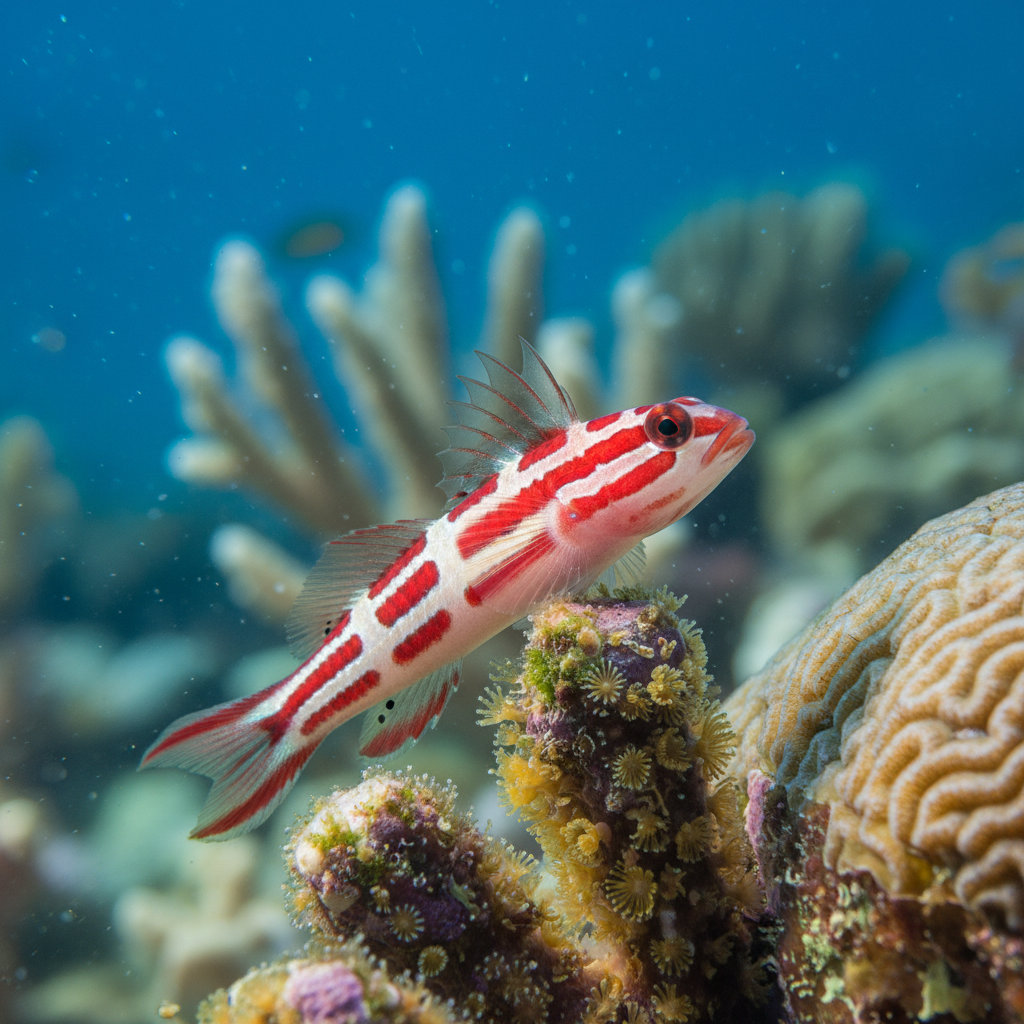
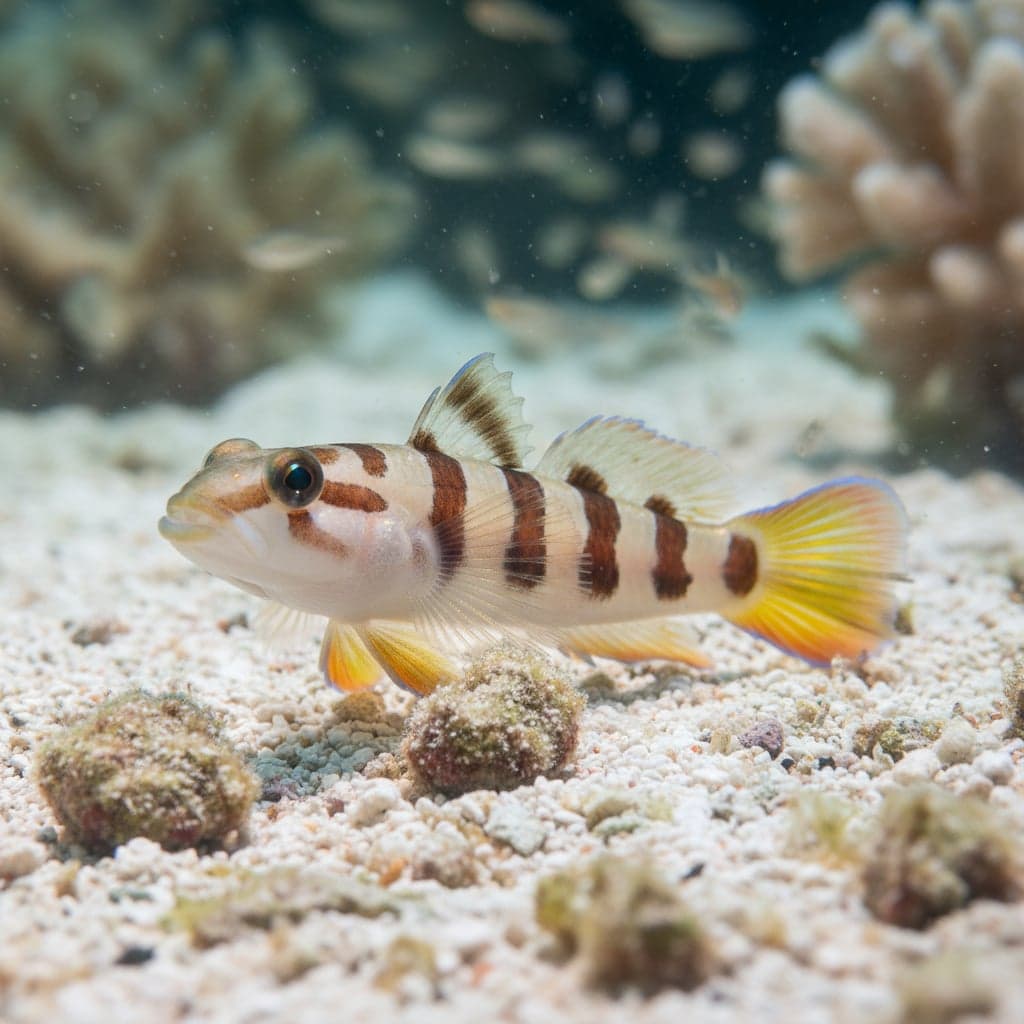
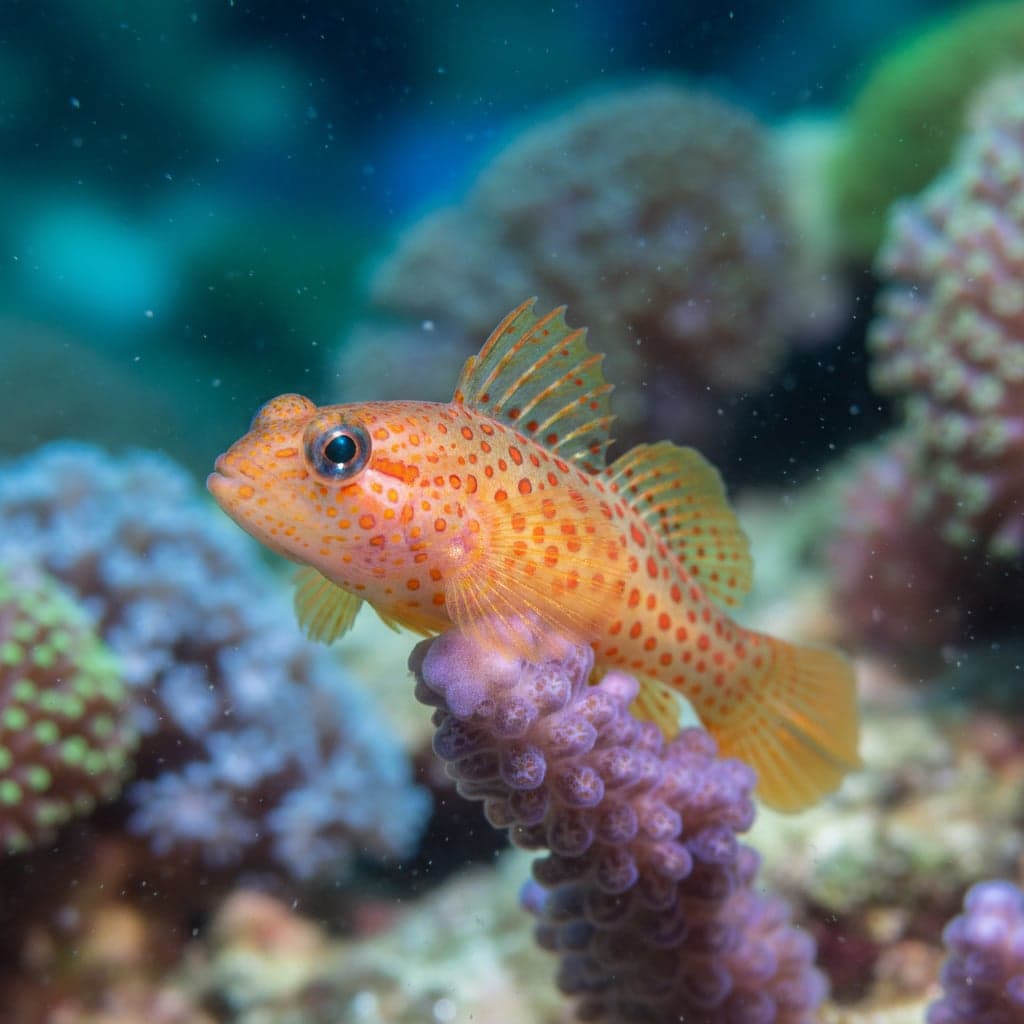
The Red-banded Goby (Amblyeleotris wheeleri) is a stunning saltwater fish known for its unique appearance and behavior.

Studio Scaped
Red-banded Goby

Red-banded Goby

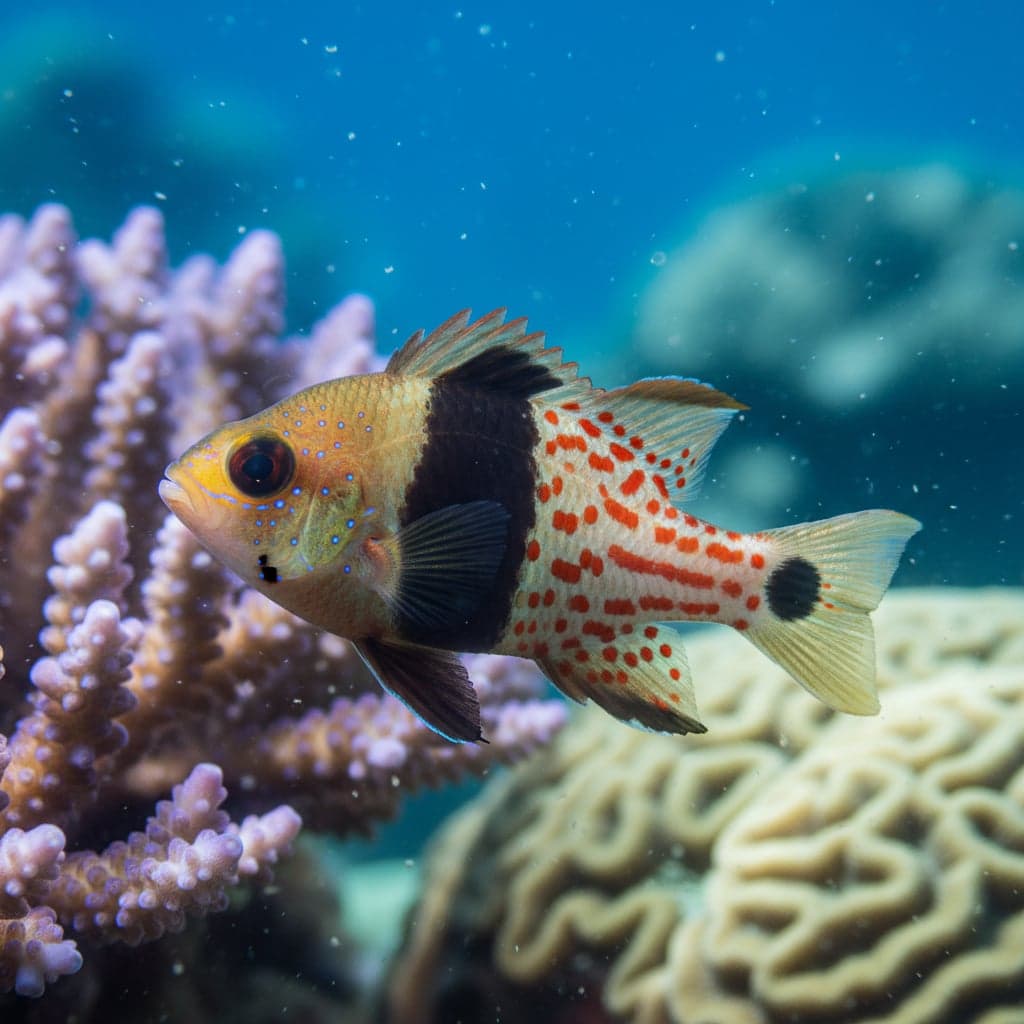
The Red-banded Goby, scientifically known as Acentrogobius caninus, is a captivating species revered within the aquarium community for its vibrant appearance and engaging personality. Characterized by its striking red and orange horizontal bands that contrast against a cream or light-gray body, this small fish typically reaches a length of around 2 to 3 inches. Its unique coloration not only enhances the aesthetic allure of freshwater aquariums but also provides a fascinating glimpse into the biodiverse ecosystems from which it originates. The Red-banded Goby is not just an eye-catching addition to any tank; it plays a significant role in the aquatic food web and serves as an indicator species for environmental health.

In the aquarium hobby, the Red-banded Goby is appreciated for its peaceful demeanor and active foraging behavior, often seen sifting through substrates in search of food. This characteristic, along with its smaller size, makes it an ideal candidate for community tanks. As hobbyists become increasingly aware of the ecological footprints of their choices, the Red-banded Goby serves as a reminder of the importance of preserving natural habitats. With proper care, this fish can thrive in both beginner and advanced aquariums, making it a popular choice among enthusiasts aiming to cultivate a diverse and dynamic aquatic environment.

Natural Habitat & Origin

The Red-banded Goby is native to the coastal regions of the Indo-Pacific, particularly found in the coral reefs, lagoons, and sandy substrates of Southeast Asian countries like Thailand, Malaysia, and Indonesia. Preferring warm, shallow waters, this species often resides in brackish environments, where varying salinity levels provide an enriched habitat. The Red-banded Goby thrives in clear waters that are abundant with organic matter, where it can often be found laying just above the substrate or hiding amongst rocks and corals—highlighting its need for a structurally complex environment.

In its natural setting, the Red-banded Goby plays a vital ecological role, forming symbiotic relationships with various organisms and contributing to the overall health of its habitat. Its adaptability makes it a suitable species for aquarists who aim to replicate these natural conditions, bringing a piece of the Indo-Pacific to home aquariums.

Care Requirements

When caring for the Red-banded Goby, it is essential to replicate its natural habitat to ensure optimal health and longevity. The ideal water parameters for this species include a pH level ranging from 6.5 to 7.5, a temperature between 75°F and 82°F (24°C to 28°C), and a hardness of around 5 to 10 dGH. These conditions will promote the well-being of the fish and encourage natural behaviors, including foraging and hiding.

In terms of tank setup, a minimum tank size of 20 gallons is recommended to provide ample swimming space and territory for each fish. Substrate should ideally consist of fine sand or small pebbles to mimic its natural environment, allowing the fish to burrow and sift for food. Incorporating ample hiding spots, such as rock formations and dense aquatic plants, will not only enhance the tank’s visual appeal but also create a more comfortable environment for the Red-banded Goby. Moderate lighting suffices, as this species naturally inhabits dimly lit areas in the wild.

Diet & Feeding

The Red-banded Goby is classified as an omnivore, enjoying a varied diet comprised primarily of small invertebrates, zooplankton, and detritus. In a home aquarium, it is important to offer a well-diversified diet to ensure optimal health and coloration. High-quality flake foods or pellets formulated for omnivorous fish can be the basis of its diet; however, incorporating a variety of frozen or live foods, such as brine shrimp, daphnia, or bloodworms, will stimulate natural foraging behavior and promote growth.

Feeding habits can be twice daily, with small amounts dispensed to mimic the sporadic food availability found in nature. Care should be taken to avoid over-feeding, as this can lead to water quality issues and health problems. Furthermore, periodic feedings of vegetable matter, such as spirulina flakes or blanched greens, can enhance the nutritional balance of the diet.

Behavior & Temperament

The Red-banded Goby exhibits a generally peaceful demeanor, making it an excellent addition to community tanks. This species is typically shy and may spend much of its time near the substrate, where it feels most secure. While the Red-banded Goby tends to be non-aggressive towards its tank mates, it is best kept in small groups or pairs to encourage social interaction without overcrowding.

These fish have a tendency to establish territories within the tank, particularly males, who may display territorial behavior during mating periods. Vertical placement within the tank is generally low, with these gobies favoring the substrate and lower regions; providing adequate hiding spots is essential to their comfort. Keeping a few individuals together can result in interesting social structures among them.

Tank Mates

When selecting tank mates for the Red-banded Goby, it is important to choose peaceful species that occupy different niches in the aquarium to reduce competition. Compatible species include small schooling fish such as Neon Tetras, Rasboras, Cardinal Tetras, and Otocinclus, as well as peaceful bottom-dwellers like Corydoras Catfish. Other suitable companions are dwarf shrimp and other similarly sized gobies that do not exhibit aggressive behavior.

Avoid housing the Red-banded Goby with larger or more aggressive fish species, such as Cichlids, that may pose a threat or compete for territory and resources. Additionally, fast-moving or boisterous species can stress the more timid Red-banded Goby, leading to health issues.

Breeding

Breeding the Red-banded Goby in captivity can be a rewarding experience, though it requires specific conditions to succeed. These fish typically exhibit a form of breeding known as egg-scattering, where females release eggs in a suitable spawning site, often amidst substrate or aquatic vegetation. Males will then fertilize these eggs shortly after they are laid.

To encourage breeding, ensure that breeding pairs are well-fed and the tank is properly conditioned, with water parameters closely matching their natural habitat. A separate breeding tank with smooth gravel can be utilized to facilitate this process. After spawning, it is advisable to remove the parents to prevent them from consuming the eggs, which usually hatch within a few days. Fry should be fed with infusoria or finely crushed flakes until they grow larger.

Common Health Issues

Like all aquarium species, the Red-banded Goby may be susceptible to certain health issues if cared for improperly. Some common diseases include Ich, Fin Rot, and Bacterial Infections. Ensuring stable water conditions and a balanced diet is key to preventing these ailments. It's vital to conduct regular water changes and maintain optimal water parameters to avoid stress and illness.

Keeping an eye on behavioral changes and physical symptoms, such as discoloration or frayed fins, will aid in early detection of health problems. Quarantining new arrivals before introducing them to the main tank can also mitigate the risk of transmission of diseases. In the event of illness, consulting a veterinarian experienced in fish care or using properly dosed treatments can be effective in managing health issues.

ADA
Aqua One
Chihiros
Dennerle
EHEIM
Fluval
Oase
Seachem
Tropica
Twinstar
UNS
ADA
Aqua One
Chihiros
Dennerle
EHEIM
Fluval
Oase
Seachem
Tropica
Twinstar
UNS
ADA
Aqua One
Chihiros
Dennerle
EHEIM
Fluval
Oase
Seachem
Tropica
Twinstar
UNS
ADA
Aqua One
Chihiros
Dennerle
EHEIM
Fluval
Oase
Seachem
Tropica
Twinstar
UNS