Red-clawed Crayfish: Cherax quadricarinatus
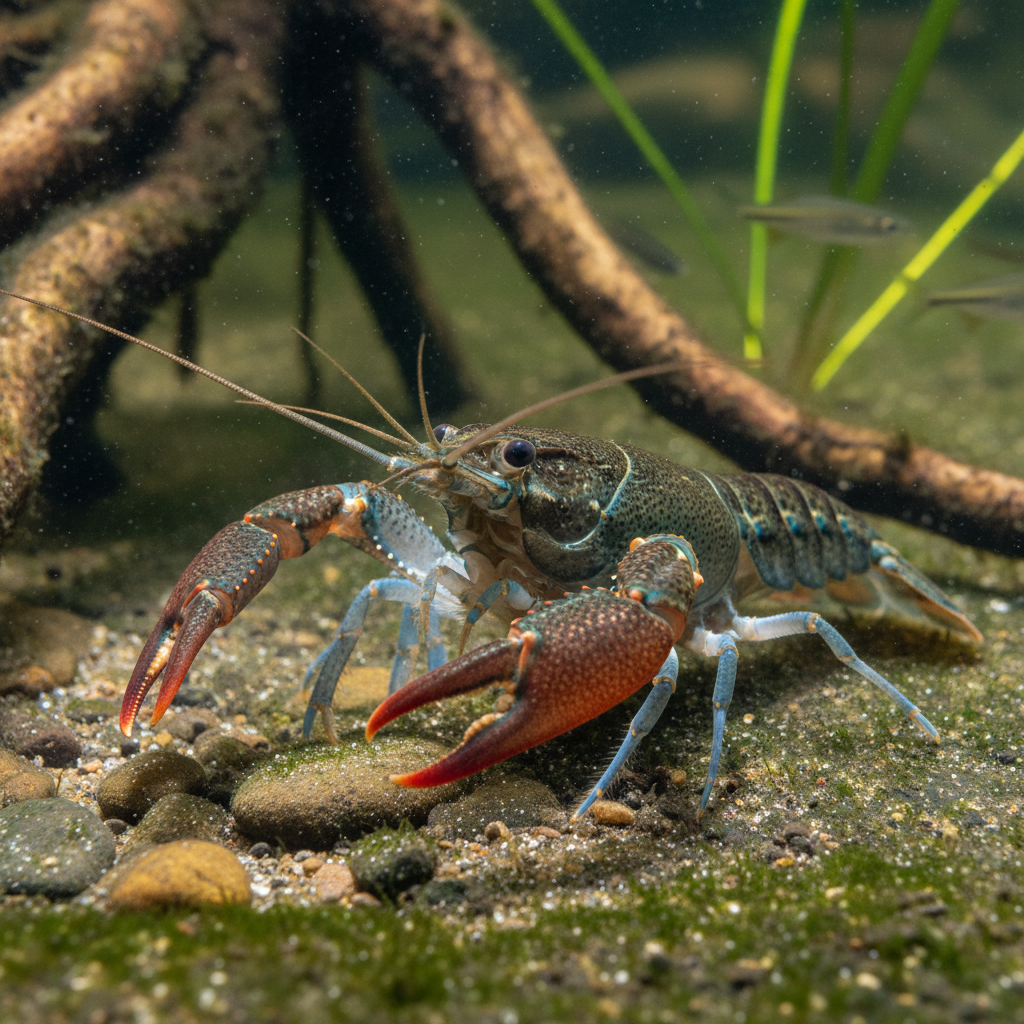
A massive, stunning Australian crayfish boasting an electric blue body and bright red stripes along its outer claws.
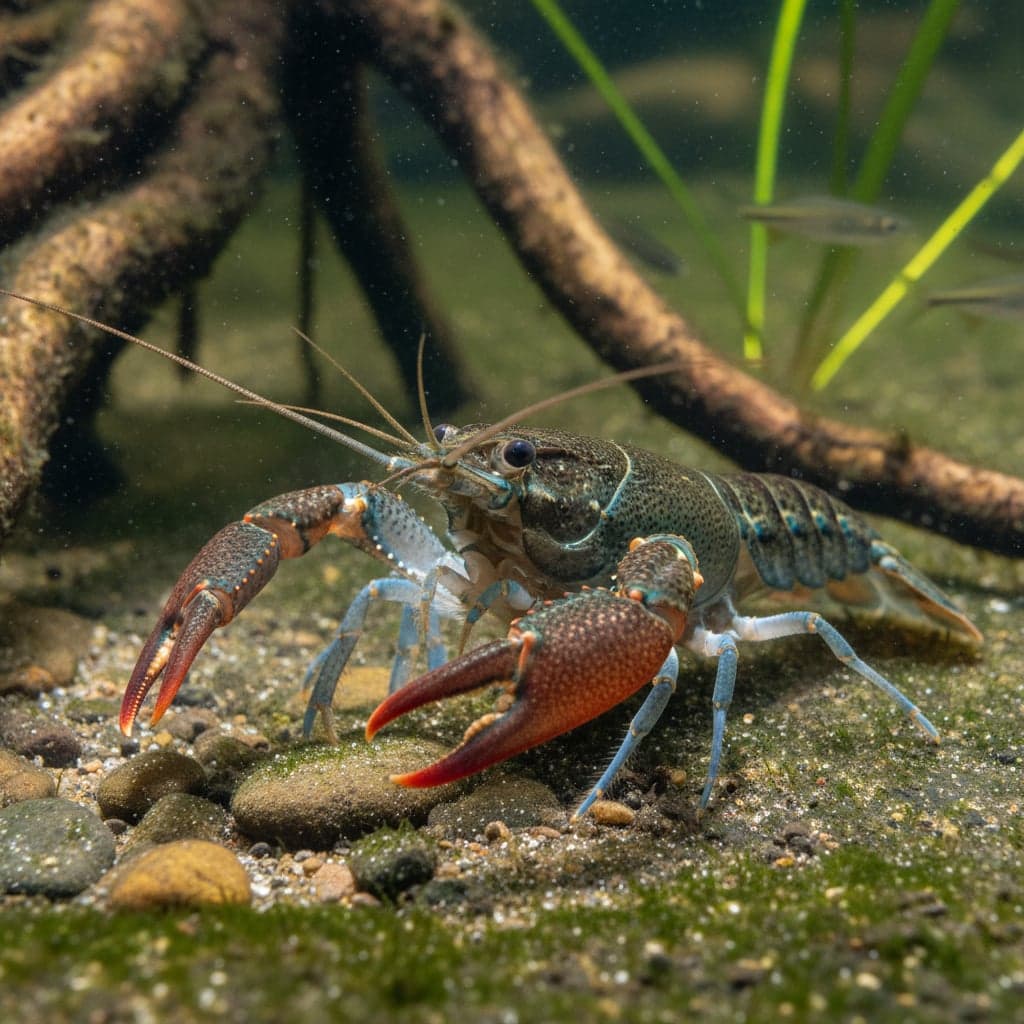
Red-clawed Crayfish
The Red-clawed Crayfish, scientifically known as Cherax quadricarinatus, is a captivating freshwater crustacean that has gained immense popularity within the aquarium hobby. Renowned for their striking appearance, these crayfish feature vibrant red claws and a mottled body that varies in coloration from green to blue. Their visual appeal is accentuated by their unique texture and form, making them a fascinating addition to aquascapes and community tanks alike. Not only do they bring a splash of color, but their intriguing behaviors and interactions add a dynamic element to any aquarium, drawing the attention of both seasoned aquarists and newcomers.
This species has become a symbol of sustainable aquaculture, often being farmed for the ornamental aquarium trade as well as for culinary purposes. Their easy care requirements and adaptability to various water conditions have made them a favored choice for many aquarium setups. Due to their hardy nature and robust health, the Red-clawed Crayfish serves as an ambassador species for promoting responsible aquarium practices and educating hobbyists about the importance of maintaining aquatic ecosystems.
Natural Habitat & Origin
The Red-clawed Crayfish is native to the freshwater rivers and streams of northern Australia and Papua New Guinea. These regions are characterized by an array of environments, from clear waters to slower-moving, sediment-rich streams that provide ample hiding spots among rocks and vegetation. Typically found in freshwater habitats, they thrive in slightly acidic to neutral pH conditions. Their adaptability to different habitats, including both blackwater and clearwater systems, has enabled them to become a successful aquaculture species, often found in aquarist setups worldwide.
In their natural environment, they prefer shallow waters with abundant plant cover, which not only provide shelter but also offer opportunities for scavenging. The biodiversity present in their habitat also influences their diet, which ranges from decaying organic matter to small invertebrates. By replicating these conditions in an aquarium, hobbyists can create a healthier and more stimulating environment that encourages natural behaviors and reduces stress.
Care Requirements
To ensure the wellbeing of Red-clawed Crayfish, it is crucial to establish suitable water parameters and an appropriate tank setup. These creatures thrive in water temperatures ranging from 22°C to 28°C (72°F to 82°F) and prefer a pH between 6.5 and 8.0. Hardness levels should ideally range from 6 to 15 dGH, providing the minerals necessary for their shells. A minimum tank size of 75 liters (20 gallons) is recommended to accommodate one or more individuals, with larger tanks preferred for multiple crayfish to minimize territorial disputes.
For substratum, a sandy or gravel base is ideal, as it allows for burrowing and mimics their natural environment. Incorporating ample hiding places with rocks, driftwood, and dense aquatic plants not only adds visual interest but also promotes mental stimulation. If using lighting, it should be moderate, allowing for a balance of algae growth to provide a supplemental food source. Moreover, it is essential to include a filtration system that ensures good water circulation while maintaining a gentle flow that does not disturb their habitats.
Diet & Feeding
The Red-clawed Crayfish is an omnivorous scavenger, which means its diet consists of both plant and animal matter. In captivity, a varied diet is essential for promoting optimal health and growth. High-quality fish flakes, pellets, and specialized crayfish or shrimp foods can serve as a staple base. Additionally, offering live or frozen foods such as bloodworms, brine shrimp, and daphnia can enhance their diet and encourage natural hunting behaviors.
Supplementing their meals with fresh vegetables, such as blanched zucchini, spinach, and peas, can further enrich their diet, aligning with their scavenging habits in the wild. It is vital to ensure that any uneaten food is promptly removed to prevent water quality deterioration. Feeding these crayfish small portions several times a week will encourage more active foraging, promoting both behavioral enrichment and better overall health.
Behavior & Temperament
Red-clawed Crayfish are known for their intriguing behaviors; they are generally inquisitive and active, often seen exploring their tank and foraging for food. These crayfish exhibit solitary and territorial tendencies, particularly as they mature. Though they may display cooperative behaviors during feeding, they can become aggressive toward each other, especially in confined spaces, so it is crucial to provide adequate space and hiding spots to minimize conflict. Their behavior is also influenced by environmental factors, and they often prefer to occupy the lower levels of the aquarium, making the substrate their primary domain.
In community setups, it is essential to acknowledge that while Red-clawed Crayfish can coexist with various species, they may exhibit aggression towards smaller tank mates or those that venture too close to their territory. Observers will find that these fascinating invertebrates can be engaging to watch as they interact with their environment and exhibit social behaviors among fellow tank inhabitants, particularly during feeding times.
Tank Mates
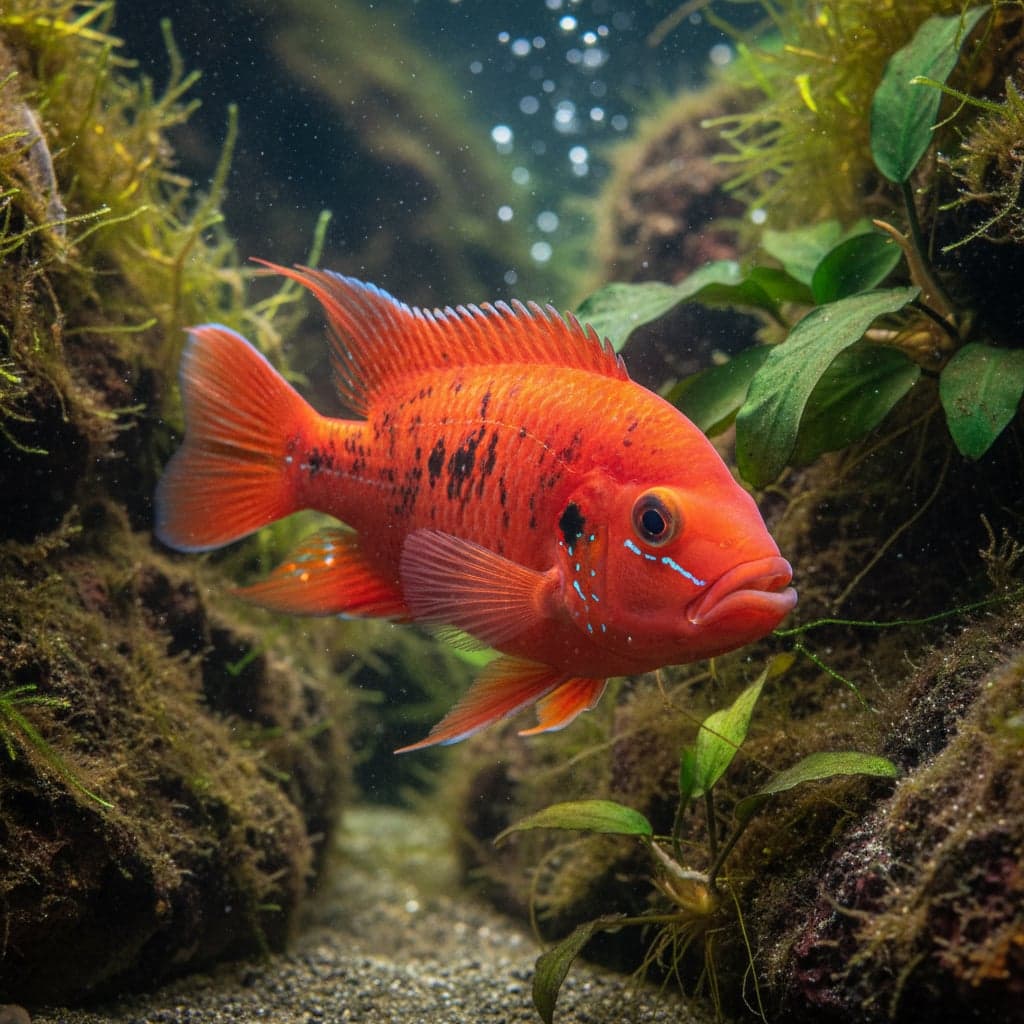
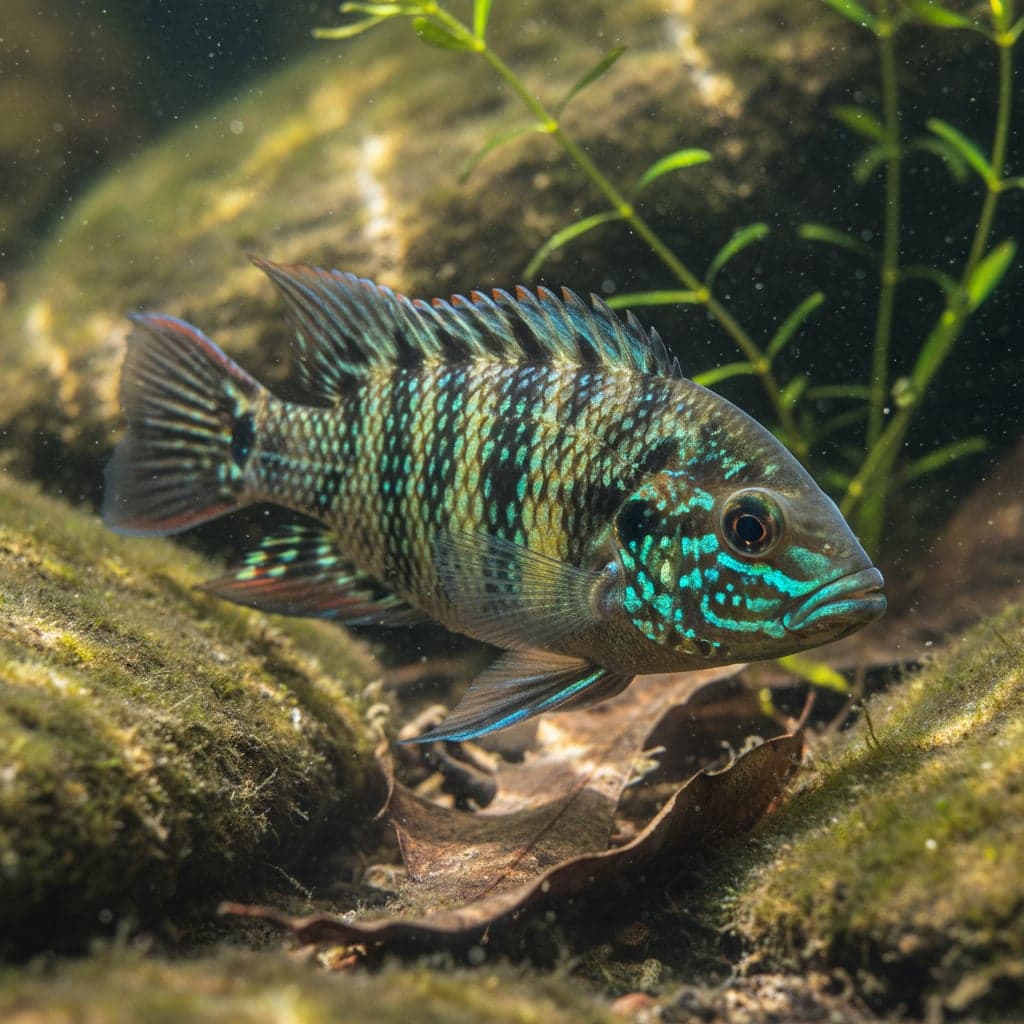
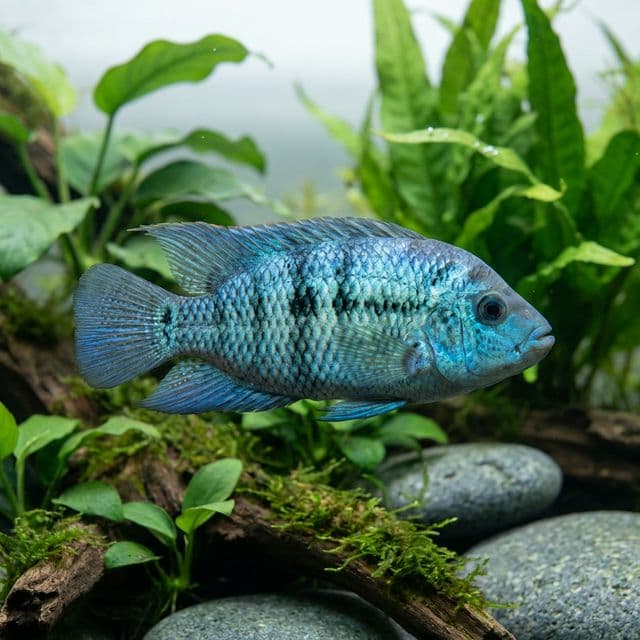
Choosing compatible tank mates for the Red-clawed Crayfish requires understanding their aggressive nature and scavenging habits. Suitable companions include robust fish species that can withstand the occasional disputes and establish their territory. Recommended tank mates generally include cichlids of a suitable size, larger tetras, rainbowfish, and barbs that can thrive in similar water conditions. Additionally, larger mollies and certain catfish species like the Bristlenose Pleco may also successfully coexist.
Species to avoid include smaller fish, invertebrates (including shrimp or similar-sized crayfish), and any fish known for their slow movement or peaceful nature, as these are likely to become targets for aggression. Creating a balanced community tank with ample space and hiding spots will ensure that each species can establish its territory and minimize the likelihood of conflict.
Breeding
Breeding Red-clawed Crayfish in captivity can be an exciting endeavor, albeit a challenging one. Starting with a well-established group of healthy individuals will set the stage for successful breeding. The process typically begins with female crayfish signaling readiness through specific body postures and behaviors, leading to mating. After successful fertilization, the female carries the fertilized eggs on her pleopods (swimming legs) until they hatch into larvae.
To encourage breeding, conditions such as slightly elevated water temperatures and stable water parameters should be maintained. Providing ample hiding spots and additional vegetative cover allows for safe breeding and rearing of the young. Once the larvae hatch, they require careful handling and suitable micro-food options, as they are exceptionally vulnerable during the early stages of development. As they mature, they will transition to consuming larger food items.
Common Health Issues
While Red-clawed Crayfish are generally hardy, they can be susceptible to specific health issues, primarily if their environmental conditions are not adequately maintained. Common ailments include shell disease, caused by bacterial infections or poor water quality, and molting problems, which stem from inadequate nutrition or insufficient calcium levels in the water. Observing your crayfish for any signs of lethargy, discoloration, or difficulty in molting can help catch issues early.
Preventative measures include maintaining excellent water quality through regular testing and changes, providing a balanced diet rich in calcium, and avoiding overstocking the tank, which can lead to stress and aggression. Quarantine new additions to the tank and monitor any changes in behavior closely for optimal health management. By staying attentive and acting early when something looks off, you can keep Red-clawed Crayfish healthy and active for years.