Red Devil: Amphilophus labiatus
A massive, intensely intelligent, and shockingly aggressive Central American cichlid featuring a bright orange body and huge lips.
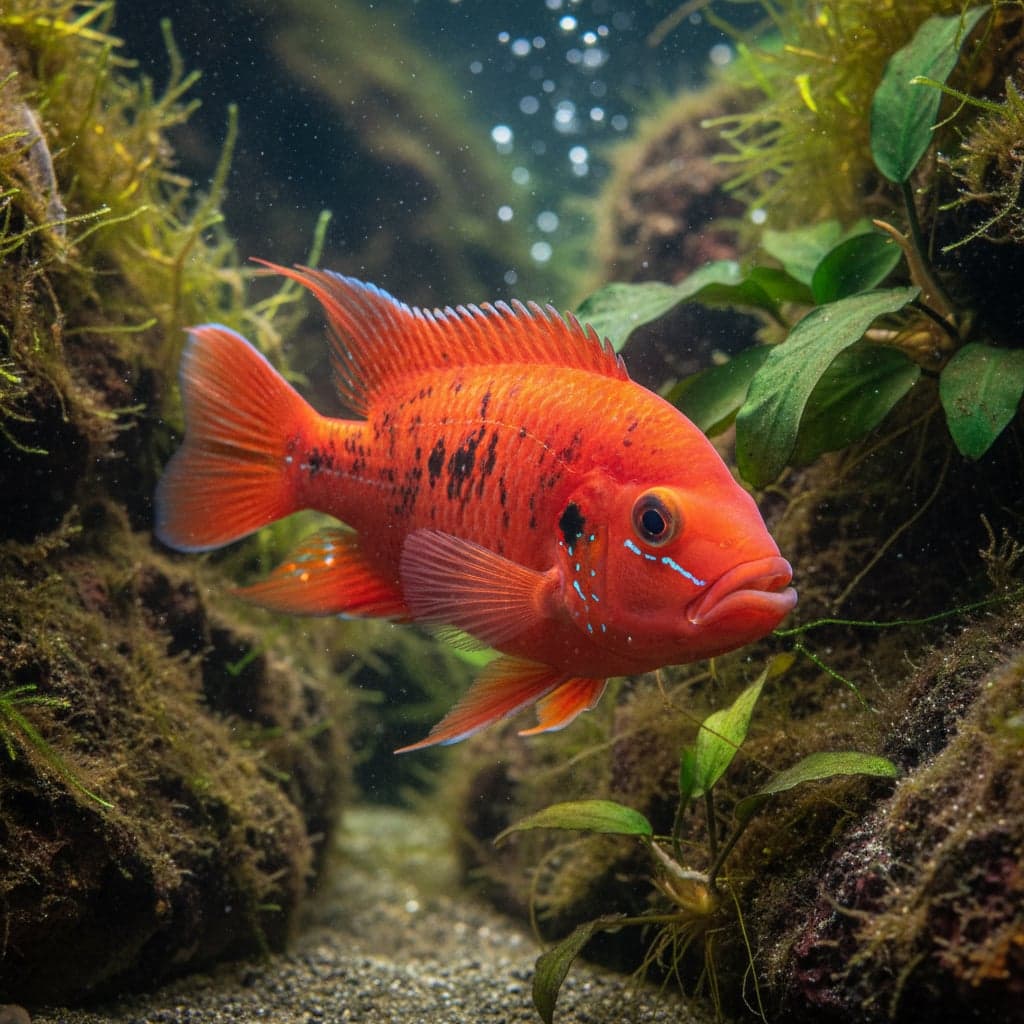
Red Devil
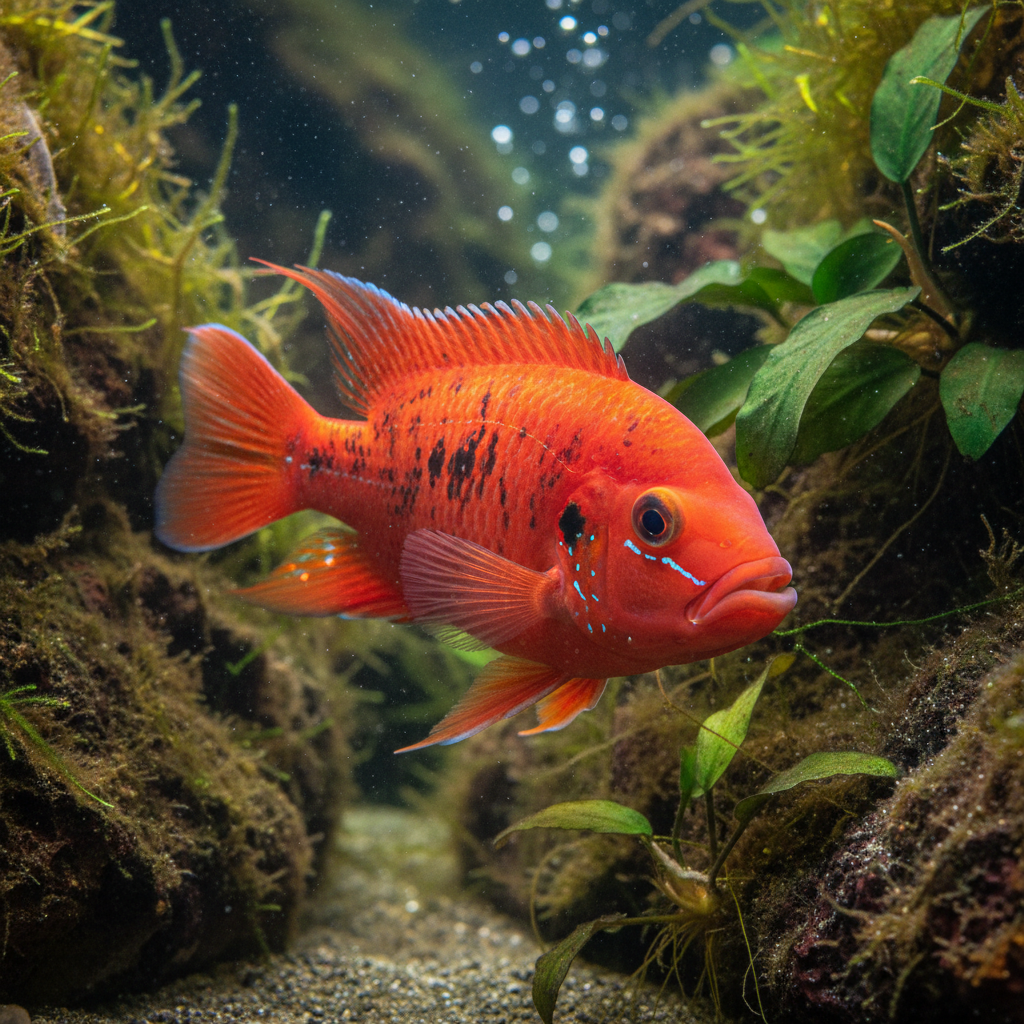
The Red Devil, scientifically known as Amphilophus labiatus, is a captivating freshwater cichlid that is a popular choice among both novice and experienced aquarium enthusiasts. With its vibrant orange to red coloration, accented with dark spots and a distinctively shaped body, this fish not only serves as a striking focal point in any aquatic setting but also displays a unique personality. Known for its aggressive nature and strong territorial instincts, the Red Devil has earned a reputation as a challenging yet rewarding species to keep in the home aquarium, embodying the thrill of cichlid keeping.
In the realm of the aquarium hobby, the Red Devil holds significant allure due to its striking beauty and engaging behavior. With males often exhibiting larger bodies and more vivid colors than females, enthusiasts find breeding pairs particularly desirable. Furthermore, the Red Devil's adaptability to various tank conditions coupled with its longevity under proper care makes it a valuable addition to community tanks. Its presence commands attention and respect, making it a favorite among aquarists dedicated to cultivating a stunning display of aquatic life.
Natural Habitat & Origin
The Red Devil originates from the lakes and rivers of Central America, predominantly found in Nicaragua and Costa Rica. This species thrives in warm, freshwater environments characterized by both clear and slightly turbid waters. The natural habitat of the Red Devil is typically rich with submerged structures such as rocks and fallen branches, providing essential hiding spots and breeding grounds. Fish in the wild favor softer substrates where they can forage and dig, creating a familiar environmental context that aquarists should strive to replicate in captivity.
This cichlid's geographical background also plays a crucial role in its ecological significance. As a native species, the Red Devil interacts with various other aquatic organisms, contributing to the biodiversity of its ecosystem. Understanding its native habitat enhances an aquarist's ability to create a suitable environment that mimics its natural conditions, promoting overall health and well-being.
Care Requirements
To ensure the optimal health of the Red Devil, specific water parameters must be maintained. Ideal conditions include a pH level ranging from 6.5 to 8.0, a temperature between 75°F to 85°F (24°C to 29°C), and moderate hardness around 10-20 dGH. Given their territorial nature, a minimum tank size of 50 gallons is recommended for adult specimens, allowing ample swimming space while providing room for decorations and hiding spots.
The tank setup should incorporate a sandy or gravel substrate, allowing the Red Devil to exhibit natural digging behavior. As for lighting, a moderate level is beneficial, simulating the dappled sunlight typical of their natural habitats. Incorporating plenty of rocks, caves, and driftwood can provide hiding spaces, while hardy plants such as Java fern can be used to soften the tank’s appearance, though these should be secured as Red Devils are known to uproot delicate vegetation.
Diet & Feeding
The Red Devil is primarily an omnivore, exhibiting a diet that includes both plant and animal matter. In an aquarium setting, a balanced diet should consist of high-quality pellets or flakes specially formulated for cichlids, supplemented by frozen or live foods such as brine shrimp, bloodworms, and earthworms. This varied diet ensures they receive adequate nutrition while promoting vibrant coloration and robust health.
When feeding the Red Devil, it's important to provide a diverse range of foods to cater to their omnivorous nature. Offering a mix of protein-rich foods and vegetable-based options will not only help maintain their health but also satisfy their natural foraging instincts. Regular feeding should occur once or twice a day, keeping portions controlled to prevent uneaten food from polluting the water.
Behavior & Temperament
The Red Devil is notorious for its bold personality, displaying both inquisitive and aggressive behaviors. Typically exhibiting a solitary nature, this cichlid does best in a species-specific tank or with carefully chosen tank mates. They are known to establish a dominant territory which they will fiercely defend, displaying various aggression levels toward other fishes, particularly during breeding seasons.
When placed in a community setting, the Red Devil may exhibit aggressive territorial behaviors, often asserting dominance over its space. While they can tolerate other species, it’s essential to monitor interactions closely. In terms of swimming habits, Red Devils primarily occupy the middle to bottom levels of the tank, frequently digging in the substrate and exploring hiding spots.
Tank Mates
When selecting tank mates for the Red Devil, it is critical to choose species that can withstand its aggressive tendencies. Compatible tank mates include larger cichlids such as Jaguar cichlids, Green terrors, and mid-sized catfish like the Synodontis. Other robust species such as large tetras and certain barbs may also coexist, provided they are not overly docile or small.
Conversely, small fish, slow swimmers, or any fish with long fins should be avoided as they may become targets for aggression. It is also advisable to refrain from housing multiple male Red Devils together, as this often leads to severe territorial disputes. Careful consideration of tank mates can lead to a peaceful community, allowing the Red Devil to thrive while minimizing aggression.
Breeding
Breeding Red Devils can be an exciting venture for aquarists, as this species has distinctive spawning behaviors. Males typically display vibrant colors, and aggressive posturing to attract females. They require a clean, flat surface to lay eggs, which they often seek out on rocks or designated spawning sites within the tank.
For successful breeding, the tank conditions should be optimized, with stable water parameters and plenty of hiding spaces for the female to retreat post-spawning. After mating, the female will lay hundreds of eggs, which require protection and care from both parents. It's common for Red Devil parents to exhibit a high degree of parental care, guarding their fry until they are capable of independent swimming, roughly two weeks after hatching.
Common Health Issues
While generally hardy, Red Devils can be prone to specific health issues if not adequately cared for. Common ailments include ich, fin rot, and external parasites. A reliable preventive measure includes maintaining optimal water quality through regular monitoring and changes, as poor conditions can lead to stress and disease.
Additionally, providing a varied diet can enhance their immune system, further protecting them against illnesses. Regular observation of behavior and appearance will help detect early signs of distress, enabling prompt intervention. Quarantine any new fish before introduction to prevent the spread of parasites and diseases, ensuring the overall health of the Red Devil and the aquarium community.