The Red Eye Tetra: Moenkhausia sanctaefilomenae
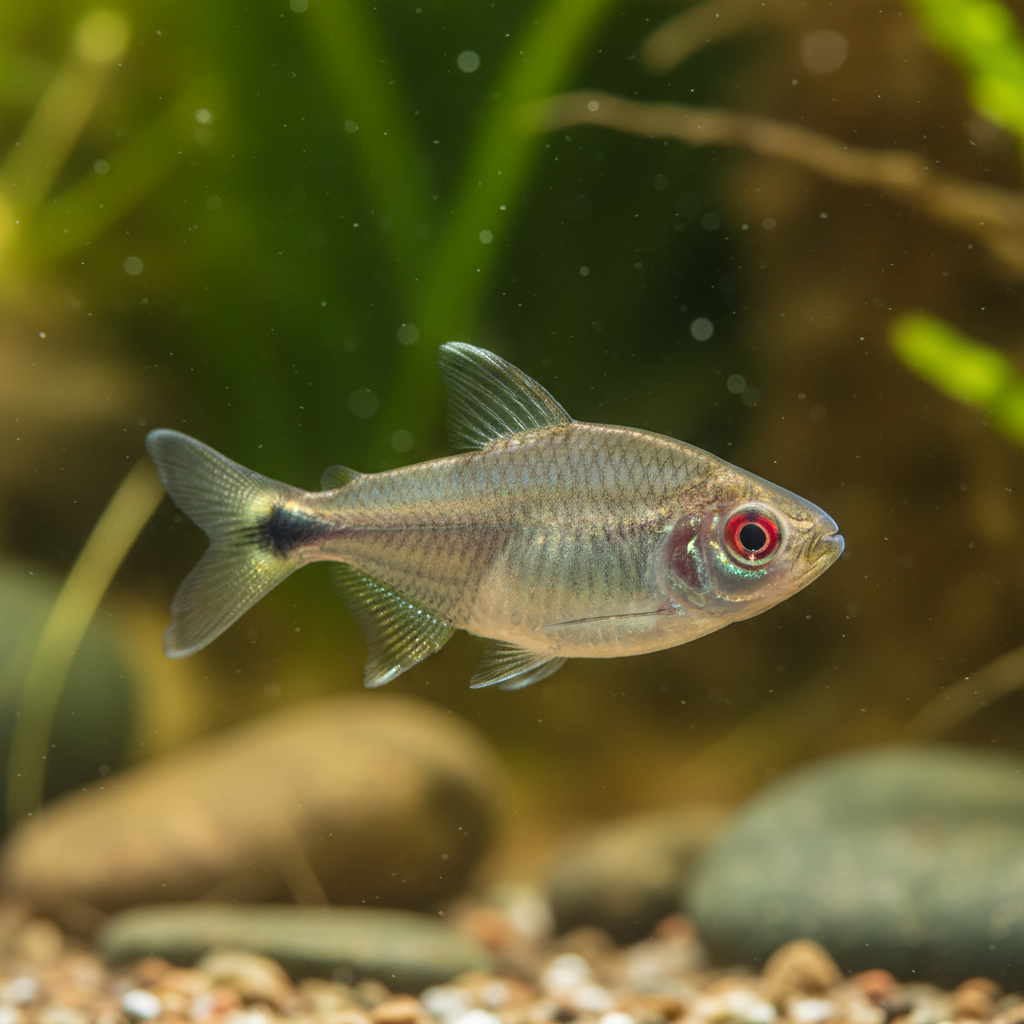
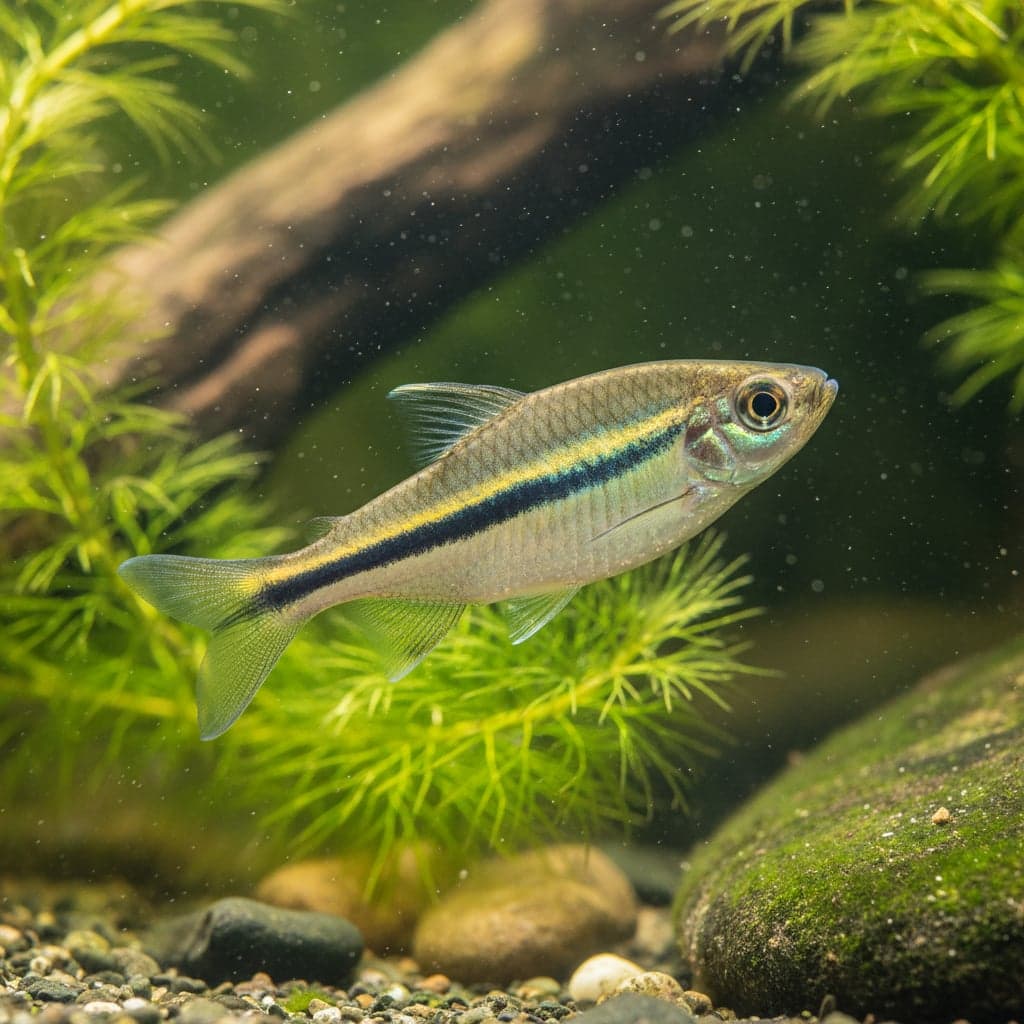
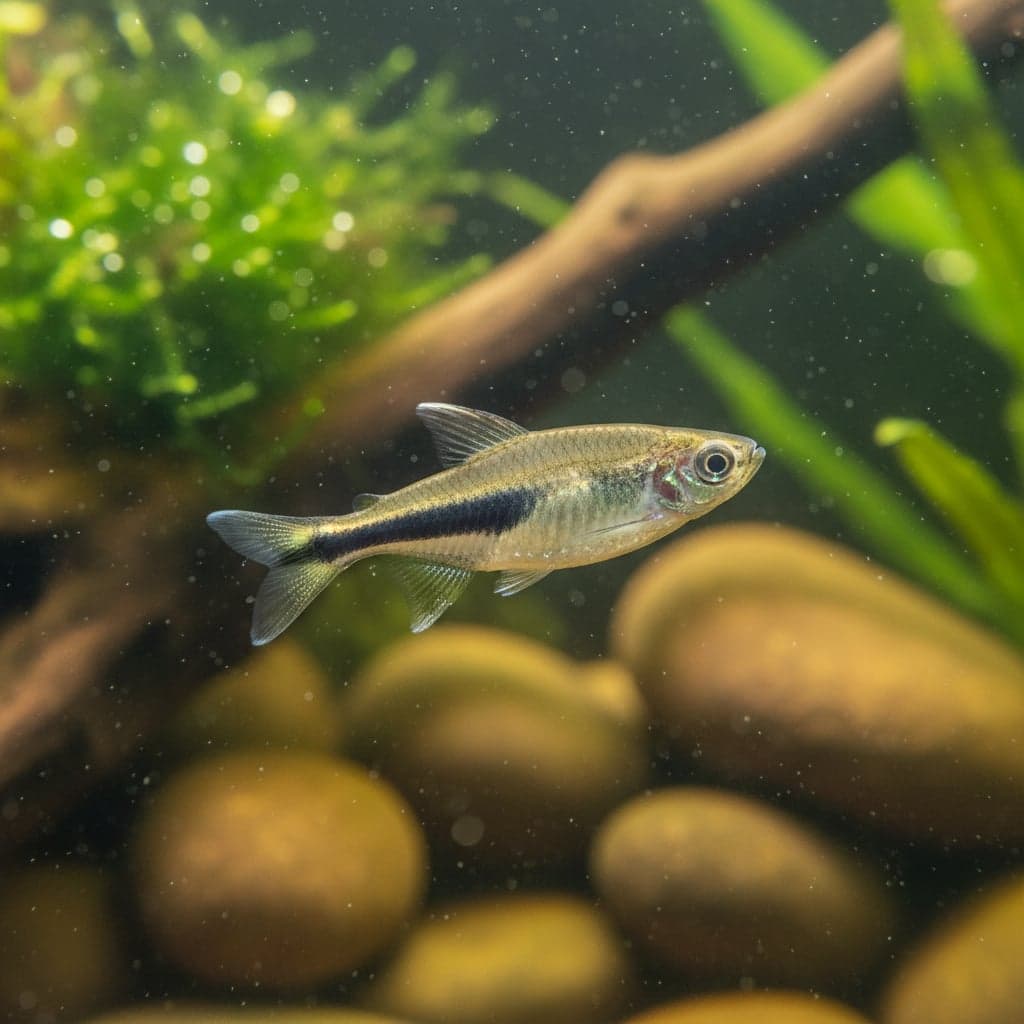
A robust, silver tetra with a flashing lamp-like red eye and a bold black tail band. Hardy, active, and perfect for larger community tanks.
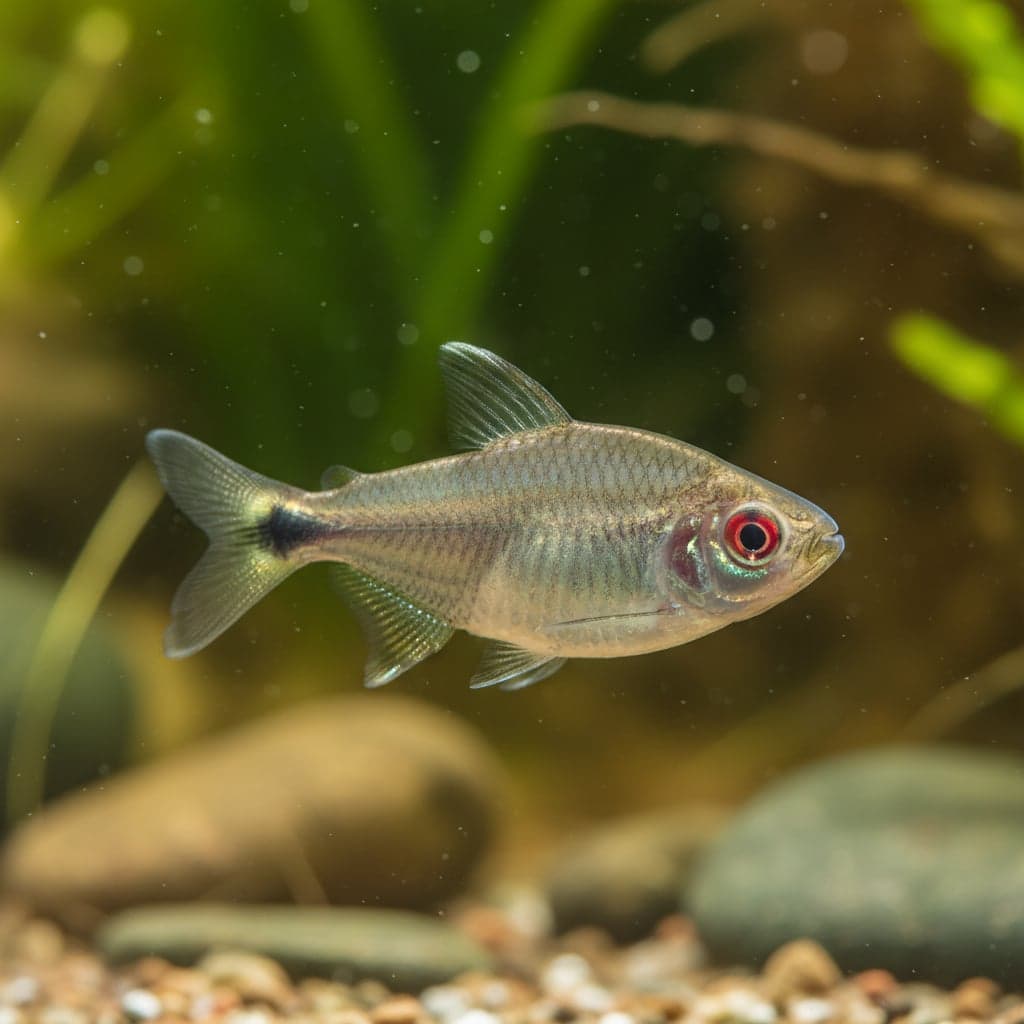
Red Eye Tetra
The Red Eye Tetra, known scientifically as Moenkhausia sanctaefilomenae, is a captivating freshwater fish native to South America. Often hailed for its striking appearance, this small species features a silvery body adorned with vibrant red eyes and a distinctive dark spot on its dorsal fin. Adults can reach sizes of about 1.5 to 2 inches, making them a popular choice among aquarists looking for visually stimulating additions to their tanks. Their iridescent scales shimmer under aquarium lighting, creating a beautiful spectacle that enhances any aquatic setup.
In the aquarium hobby, the Red Eye Tetra holds particular significance due to its peaceful nature and adaptability. They are a quintessential species for both beginner and experienced aquarists, fostering a sense of tranquility in community tanks. These fish thrive in schools, bringing life and activity to the aquarium. Their sociable behavior makes them an ideal companion for a diverse range of species, contributing to a balanced aquatic ecosystem.
Natural Habitat & Origin
The Red Eye Tetra is indigenous to the lush freshwater ecosystems of the Amazon River Basin. They are predominantly found in slow-moving waters, streams, and flooded forests within Brazil, Bolivia, and Paraguay. This environment is characterized by its blackwater streams, which contain high levels of tannins and other organic matter, contributing to the natural soft, acidic nature of the water. The dense vegetation in these habitats provides essential shelter and foraging opportunities, making it a crucial aspect of their life cycle.
In its natural habitat, the Red Eye Tetra thrives in warm waters typically ranging from 75°F to 82°F (24°C to 28°C), with pH levels often between 6.0 and 7.0. The low light conditions found in their native environments result from dense plant coverage, influencing the lighting requirements for aquarium setups.
Care Requirements
To maintain the health and vibrancy of the Red Eye Tetra, precise care is required. Recommended water parameters include a temperature range of 75°F to 82°F (24°C to 28°C), a slightly acidic to neutral pH of 6.0 to 7.0, and soft to moderately hard water with hardness levels between 2 to 12 dGH. It is best to use a heater and a quality filtration system to ensure stable conditions.
For tank setup, a minimum size of 20 gallons is recommended to provide enough space for a small school of Red Eye Tetras. The substrate can be sand or fine gravel, which simulates their natural environment and allows for easy planting of live vegetation. As they prefer dim lighting, using floating plants or shading elements will not only create suitable light conditions but will also provide hiding spots that encourage comfort and reduce stress.
Diet & Feeding
Red Eye Tetras are omnivores, thriving on a varied diet that mimics the nutrients they would find in their natural habitat. A diet rich in both plant-based and protein-based foods is essential for their health. High-quality flake or pellet foods specifically formulated for tetra species are excellent staples. In addition to prepared foods, it's beneficial to supplement their diet with frozen or live options such as brine shrimp, daphnia, and bloodworms. These additions enhance coloration and promote optimal growth, keeping your fish lively and healthy.
Feeding should be conducted two to three times daily, ensuring only what can be consumed in a few minutes is provided to prevent overfeeding and water quality deterioration. An appropriate balance between nutrient types fosters robust health and vitality in the Red Eye Tetra.
Behavior & Temperament
This species exhibits peaceful and friendly behavior, making them suitable for community aquariums. Red Eye Tetras are schooling fish that thrive in groups of six or more, where they exhibit social interactions and amusing display behaviors. They are typically found swimming in the middle to upper levels of the water column, showing a tendency to dart about when startled but settling into a calm demeanor as they feel secure in their environment.
Though they are not aggressive, individual personalities may influence their behavior, with some fish occasionally displaying dominance. It’s vital to house them with similarly passive species in order to maintain a balanced and harmonious tank dynamic.
Tank Mates
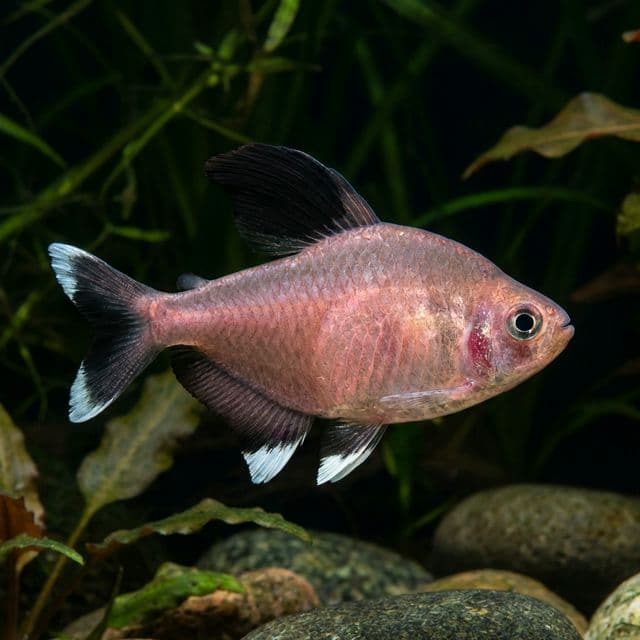
The Red Eye Tetra pairs well with many other non-aggressive fish species, contributing to a vibrant community tank. Ideal tank mates include other small tetras such as Neon Tetras and Cardinal Tetras, as well as Corydoras catfish, Otocinclus, and dwarf cichlids. Additionally, various species of rasboras and guppies can complement this tetra’s peaceful nature.
However, it is important to avoid larger or aggressive fish that may intimidate or prey on the Red Eye Tetra, such as cichlids and certain barbs. Creating a mixed-species habitat where all inhabitants coexist peacefully enhances the wellbeing of your aquatic community.
Breeding
Breeding Red Eye Tetras in captivity can be a rewarding experience, but it requires specific conditions for successful spawning. They often engage in spawning rituals that involve displaying and chasing. To encourage breeding, it is beneficial to create a separate tank with softer water conditions (pH around 6.0-6.5 and temperature around 78°F) and sparse vegetation, offering a safe spot for the eggs.
After a successful spawning event, which usually occurs in the early morning, adults should be removed from the breeding tank as they may eat the eggs. The eggs will typically hatch within 24 to 36 hours, and the fry can feed on infusoria before transitioning to finely crushed flakes or specialized fry food as they grow.
Common Health Issues
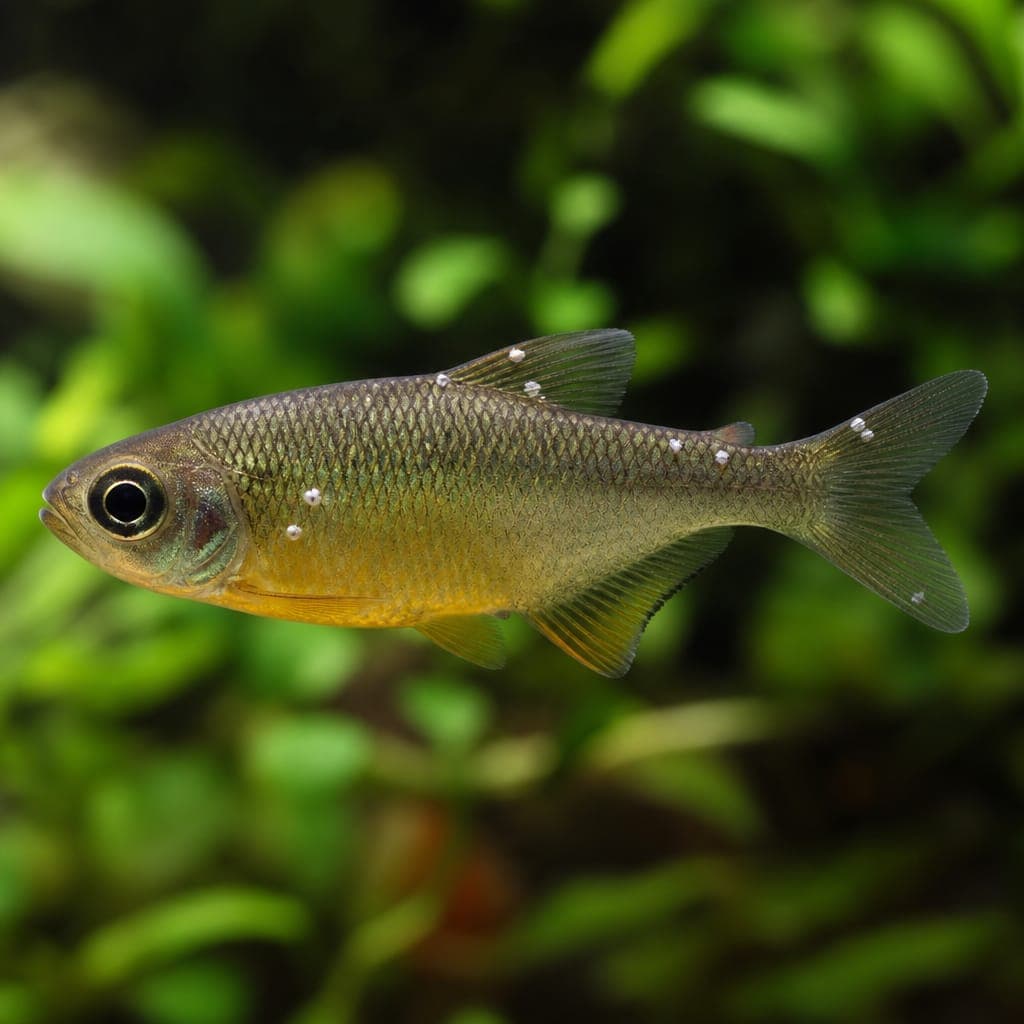
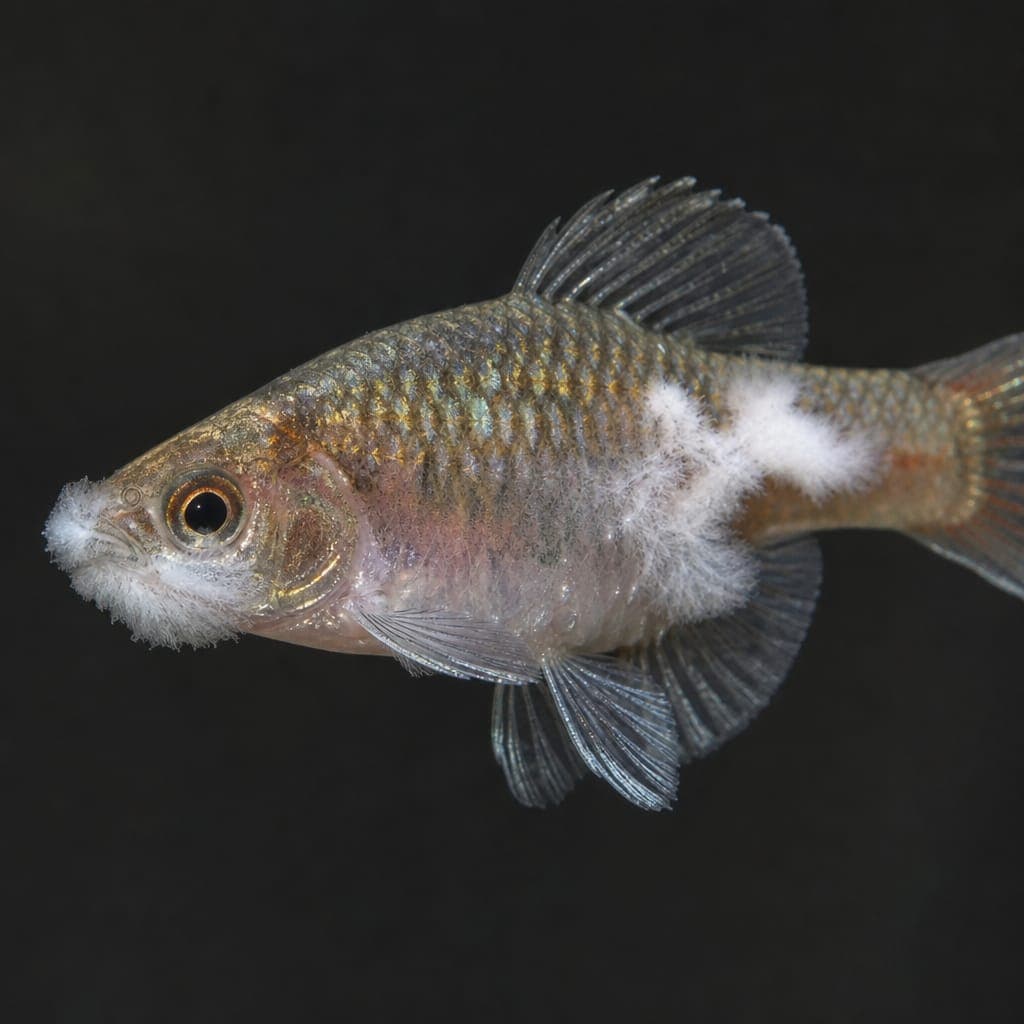
While generally hardy, Red Eye Tetras can be susceptible to several common fish diseases, including ich (ichthyophthirius multifiliis), fin rot, and fungal infections. Prevention is key, and maintaining optimal water quality is critical. Regular water changes, a well-functioning filtration system, and careful monitoring of water parameters can help mitigate health challenges.
Quarantining new fish before introducing them to your community tank can prevent the spread of disease, safeguarding the health of your Red Eye Tetras. Additionally, ensuring a balanced diet enriched with vitamins boosts their immune systems, making them less susceptible to pathogens. Regular observation of your fish for any signs of stress or illness will enable prompt action, preserving the health and wellbeing of your aquatic ecosystem.