The Red Eyed Puffer: Carinotetraodon lorteti
A small, feisty freshwater puffer known for its striking red eyes and aggressive personality. Best for species-only tanks.
Red Eyed Puffer
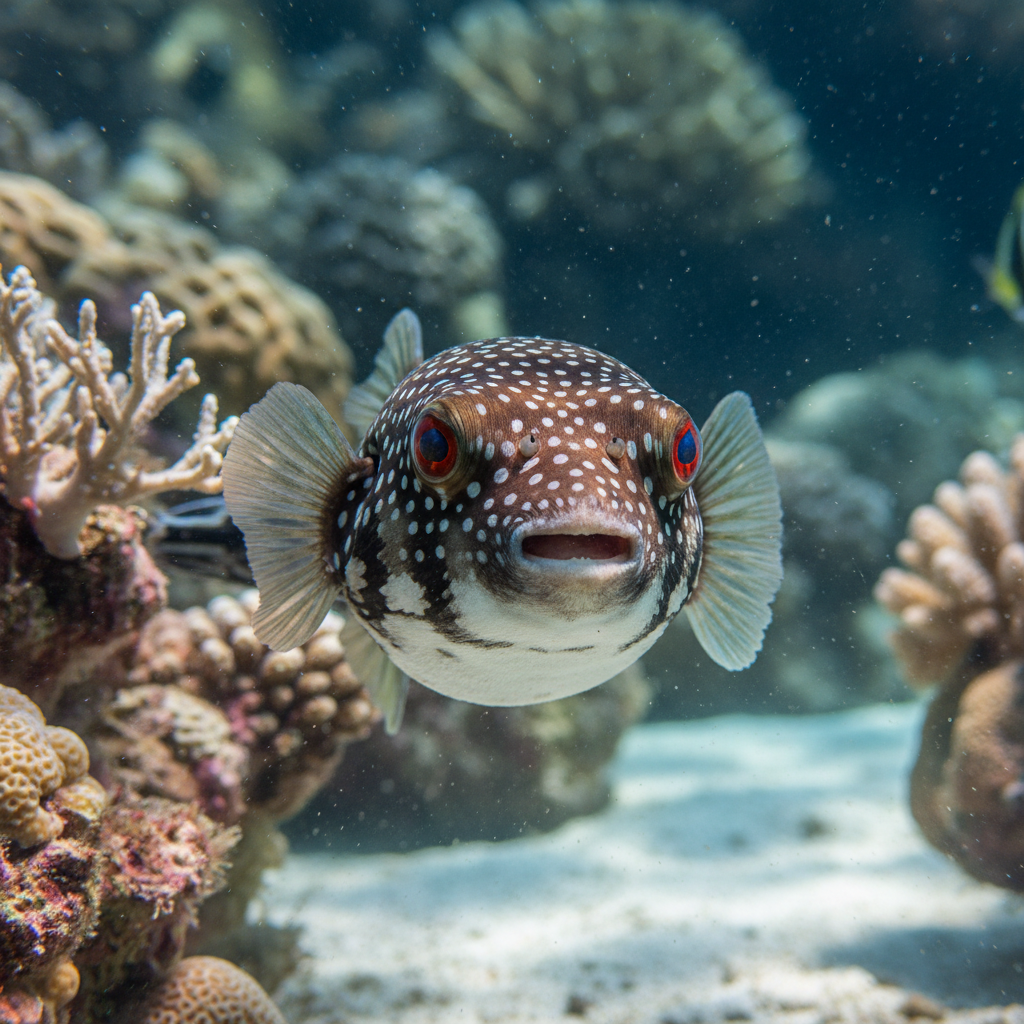
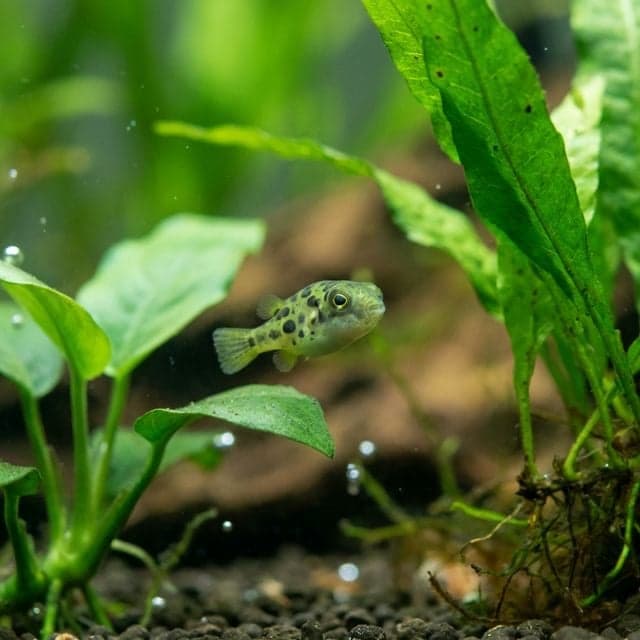
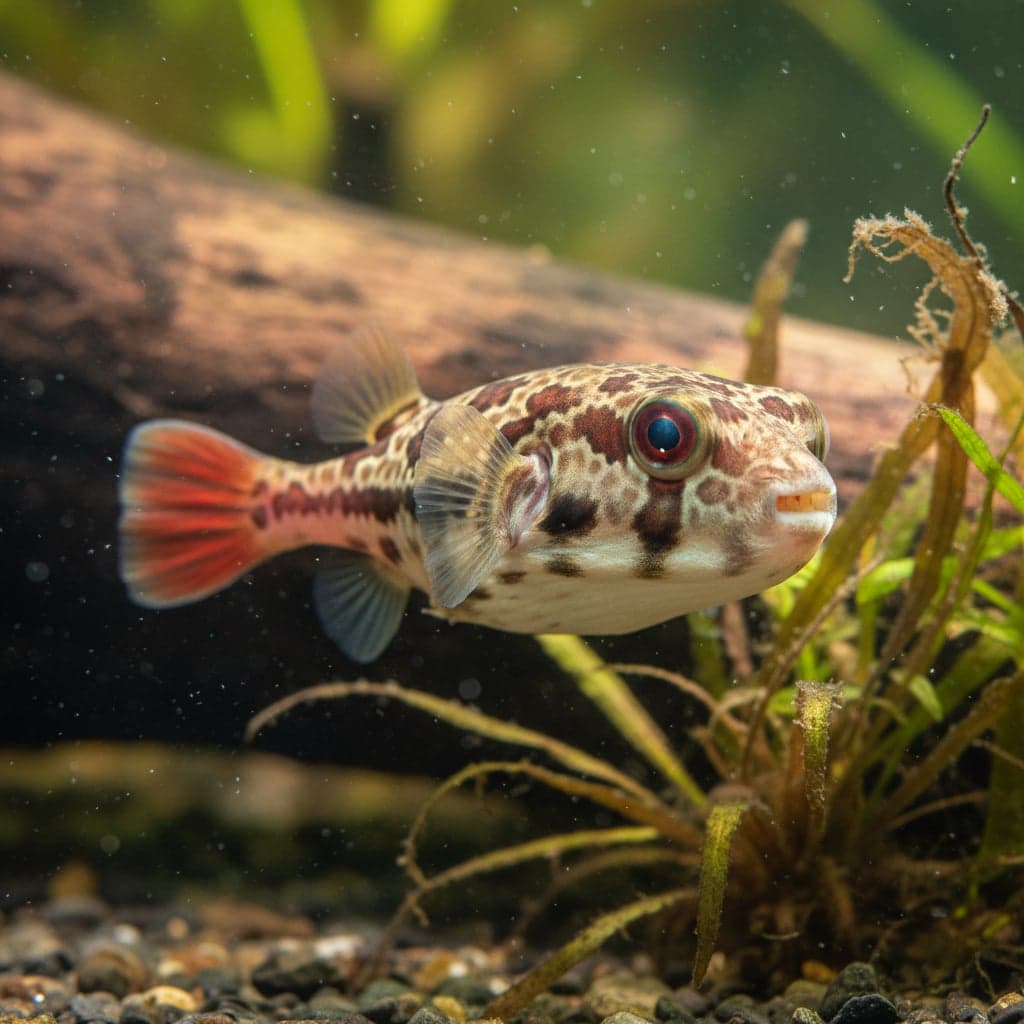
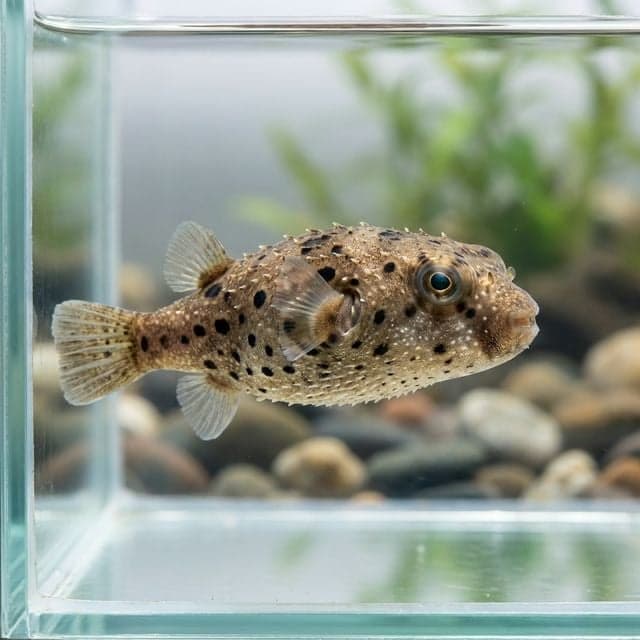
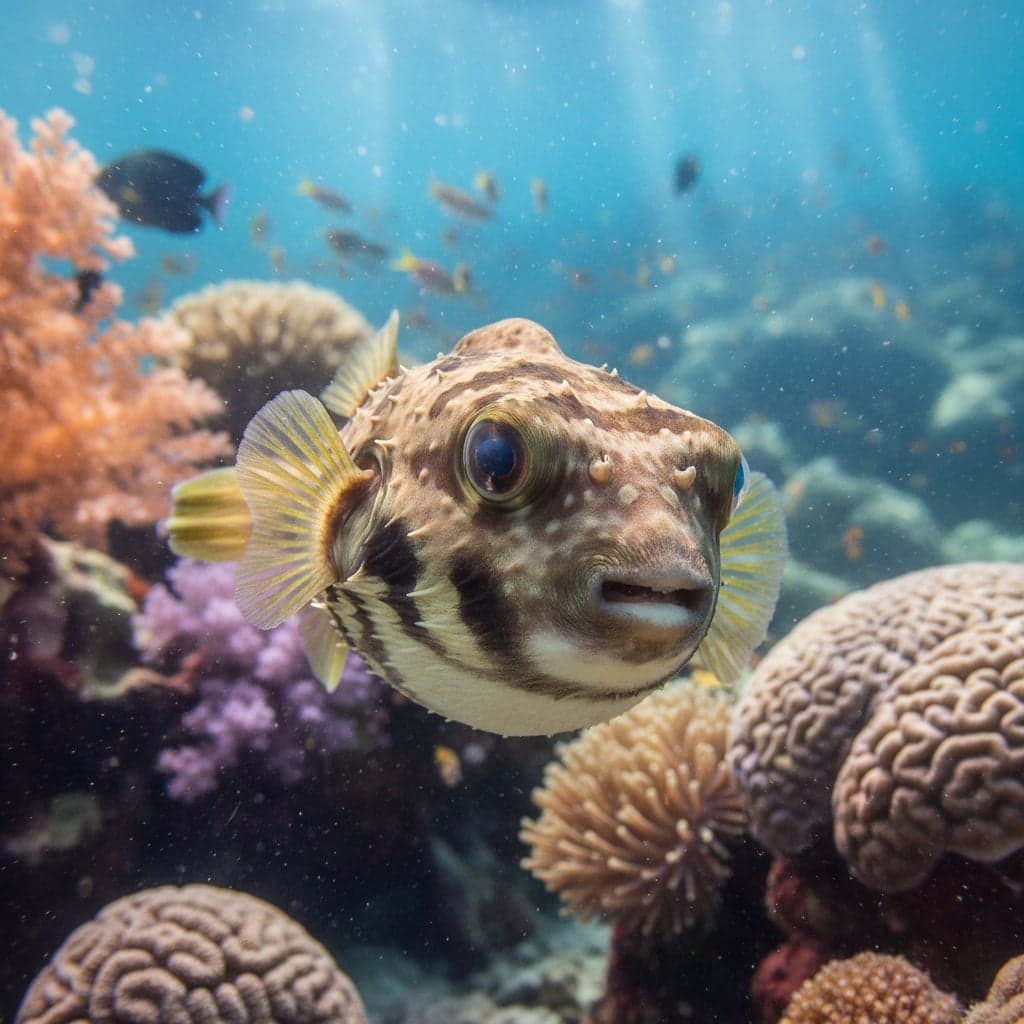
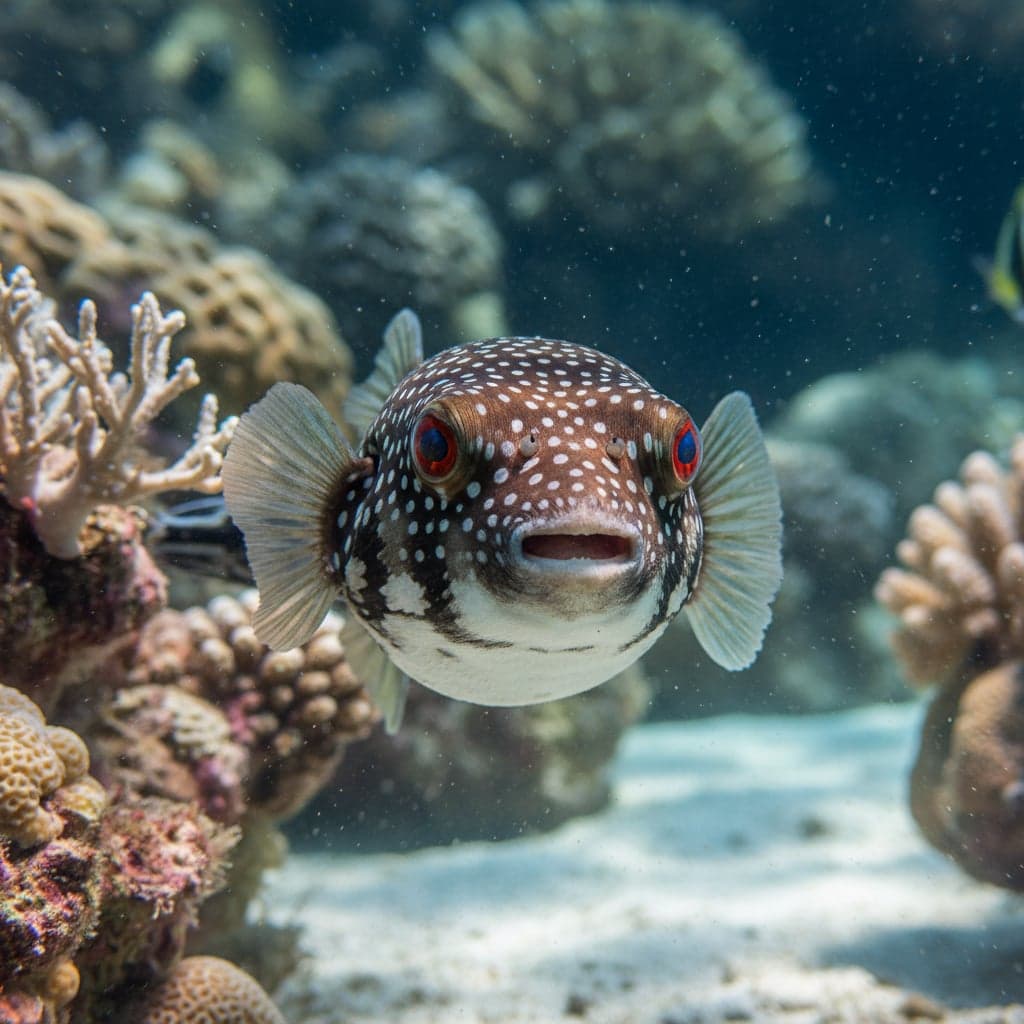
The Red Eyed Puffer (Carinotetraodon lorteti) is a captivating freshwater fish known for its mesmerizing appearance and playful antics, making it a popular choice among both novice and experienced aquarists. Sporting a rounded body adorned with a combination of striking coloration and distinctive red eyes, this species remains visually appealing in any aquarium setup. The vibrant shades of yellow and green, often littered with spots and patterns, complement its unique eye-catching features. Renowned for its captivating behavior, the Red Eyed Puffer often exhibits a curious demeanor, gliding through the water, poking its bristled snout into crevices, and displaying an inquisitive nature that adds life to the aquarium.
In addition to its aesthetic appeal, the Red Eyed Puffer holds significance in the aquarium hobby due to its unique adaptations and behaviors. As a member of the pufferfish family, it possesses the ability to inflate its body when threatened, a behavior that serves as both a defense mechanism and a fascinating spectacle for observers. This adaptability reflects the species' evolutionary journey and adds to the allure of owning and caring for this extraordinary fish. Its combination of charm, intelligence, and distinct morphology makes the Red Eyed Puffer a treasured addition to any freshwater aquarium collection.
Natural Habitat & Origin
The natural habitat of the Red Eyed Puffer is primarily located in the shallow waters of several rivers and lakes in Southeast Asia, particularly in regions such as Cambodia and Vietnam. These fish are commonly found in slow-moving or stagnant waters that feature a lush array of aquatic vegetation, providing both cover and feeding grounds. The water conditions in its native habitat typically describe blackwater environments that are rich in decaying plant material, which contributes to the dark coloration and lower pH levels. Understanding the environmental context of the Red Eyed Puffer is crucial for recreating an ideal habitat in aquariums, ensuring that this captivating species thrives under conditions that mimic their natural surroundings.
Care Requirements
To provide optimal care for the Red Eyed Puffer, maintain key water parameters that support its health and well-being. The ideal pH range is between 6.0 to 7.5, with a temperature between 24°C to 28°C (75°F to 82°F). It is also important to keep the water hardness between 5 to 15 dGH. The aquarium setup should ideally consist of at least a 75-liter (20-gallon) tank, as these fish require ample swimming space and territory to feel secure. Choose a substrate that resembles the fish's natural environment, such as fine sand or soft gravel, to prevent injuries to their delicate bodies. The lighting should be soft and subdued, mimicking the dappled sunlight found in their natural habitats, and incorporating live plants like Java moss and floating vegetation will enhance both the aesthetic and functional aspects of their environment.
Diet & Feeding
The Red Eyed Puffer is primarily an omnivore, although it leans towards carnivorous feeding habits due to its natural predilection for crustaceans and small invertebrates. A varied diet is essential for maintaining its health, with recommendations including high-quality pellets designed for carnivorous fish, frozen or freeze-dried foods like brine shrimp, bloodworms, and daphnia, as well as occasional live food offerings. While they may accept high-quality flake food, it is essential to ensure that their diet is rich in protein and varied to promote optimal growth and health. Feeding small portions 2-3 times a day will help replicate their natural feeding behavior and discourage aggressive tendencies related to hunger.
Behavior & Temperament
The Red Eyed Puffer exhibits a personality that is both curious and territorial. Although they may display a playful nature when engaging with their environment, they exhibit social behavior primarily as solitary creatures; hence, they do not require schooling or a large group to thrive. These fish can display aggression towards their own kind, particularly males, and their territorial instincts may pose challenges when housing multiple individuals in the same tank. When positioned in the aquarium, the Red Eyed Puffer tends to inhabit the mid to upper levels, often showing interest in any objects or structures within their range, making careful tank layout essential for providing both shelter and swimming space.
Tank Mates
When selecting compatible species to accompany the Red Eyed Puffer, it is crucial to avoid overly aggressive or fin-nipping fish that might provoke its territorial behavior. Suitable tank mates include peaceful species such as the Corydoras catfish, small Tetras (e.g., Neon Tetra), or peaceful Gouramis, which can coexist without instigating aggression. Larger fish that can hold their own against potential aggression, like Rasboras, can also be good choices. However, avoid keeping the Red Eyed Puffer with smaller species, such as shrimp or snails, as they might be seen as food. Given their unique temperaments, it’s advisable to monitor interactions closely to ensure a balanced community within the aquarium.
Breeding
Breeding the Red Eyed Puffer in captivity is challenging as it requires specific conditions and behavioral cues. The spawning process typically involves creating a spacious breeding tank filled with fine-leaved plants, where the fish feel secure enough to exhibit courtship behaviors. Ideal water conditions include slightly increased temperature and softer water with a pH around 6.5 to 7.0. Males often undertake a display of courting behavior, which may include swimming in circles and flashing. Females will spawn by laying eggs in hidden crevices or among plants. Post-spawning, it may be necessary to remove parents to prevent egg predation, as parental fish can be territorial. Successful management of their breeding behavior can ultimately lead to the successful hatching and rearing of fry.
Common Health Issues
The Red Eyed Puffer is generally strong and healthy; however, like all fish, it can be prone to specific health issues, especially if water quality is subpar. Common diseases include ich, fin rot, and other parasitic infections. Maintaining excellent water quality through regular testing and water changes is critical to prevent health issues, along with proper tank maintenance, ensuring a clean and stress-free environment. Quarantining new additions before introducing them to an established aquarium is also a key prevention strategy. Additionally, monitoring feeding practices to avoid overfeeding can help maintain overall health and well-being in this unique and engaging species.