Red-finned Cigar Shark: Leptobarbus hoevenii
An absolute giant of a fish, commonly sold as a cute juvenile but growing into a massive, muscle-bound river torpedo.
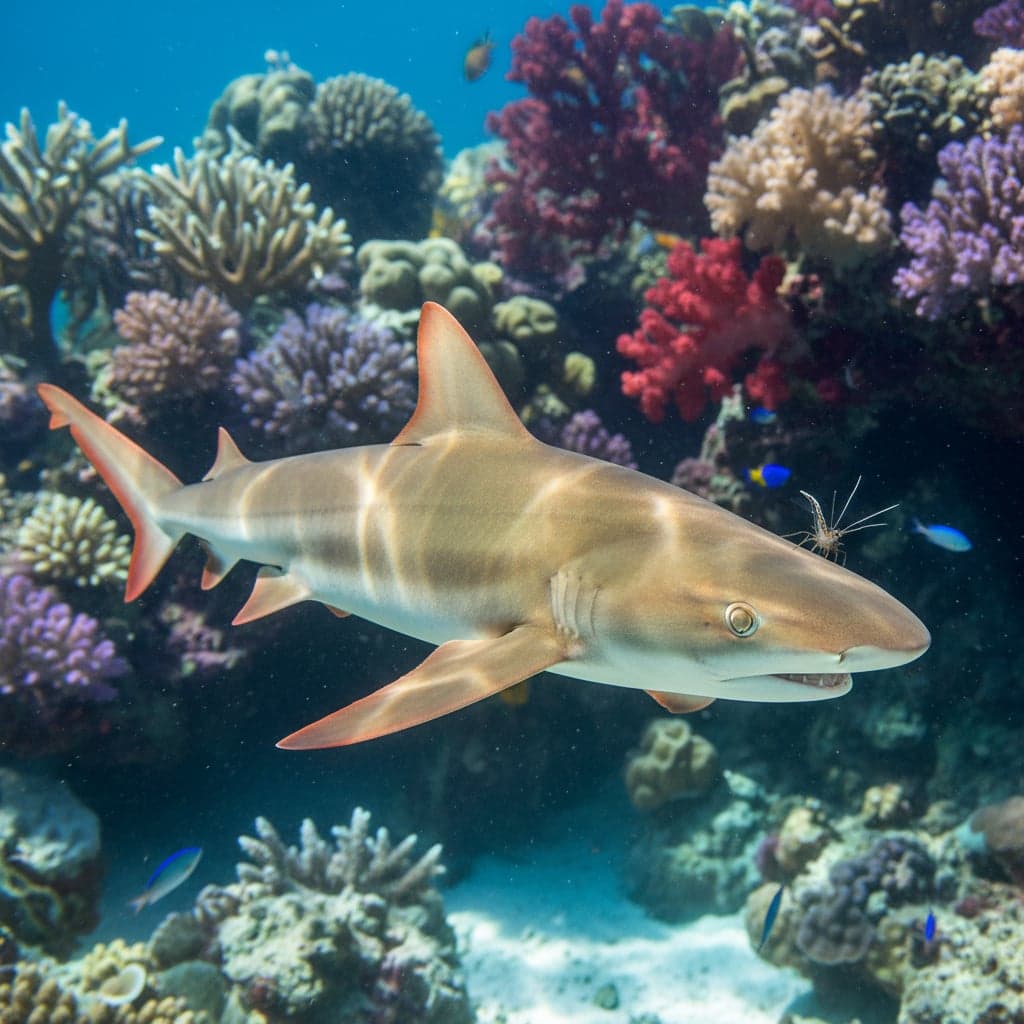
Red-finned Cigar Shark
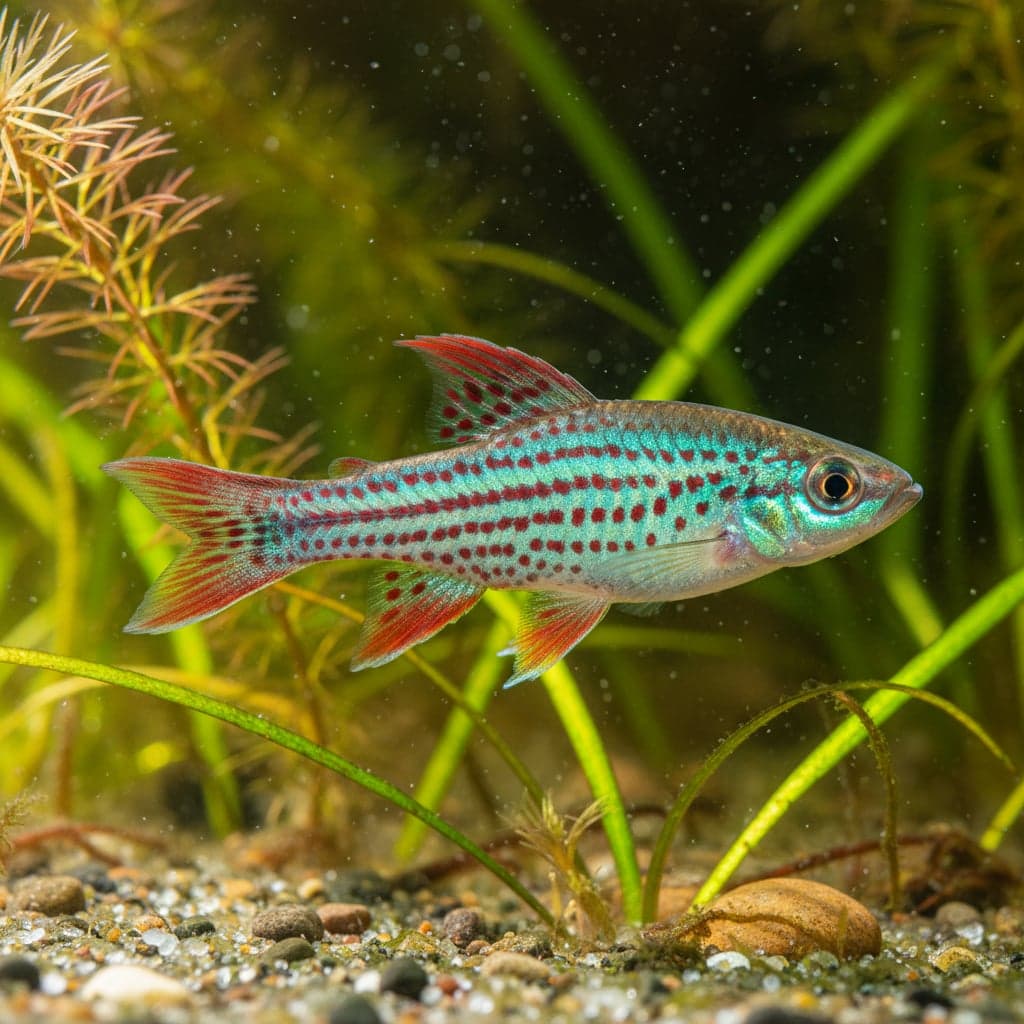
The Red-finned Cigar Shark, scientifically known as Leptobarbus hoevenii, is a striking freshwater fish that captivates both seasoned aquarists and newcomers alike with its distinctive appearance and energetic personality. This species can grow up to 24-35 inches (60-90 cm) long, featuring elongated, torpedo-like bodies that are complemented by lustrous scales and vivid red or orange fins. The contrast between its silvery body and vibrant fins creates a visually stunning display that makes it a sought-after addition to community aquariums. Moreover, its unique coloration and graceful swimming style add vibrancy and movement to any aquatic setting, enriching the overall aesthetic of the aquarium.
In the aquarium hobby, the Red-finned Cigar Shark holds significant value not just for its beauty, but also for its captivating behavior. Known for its spirited swimming and social nature, this fish is often kept in groups, which enhances its playful displays and interactions. Its active demeanor can bring life to a tank, making it an excellent choice for aquarists looking to create a dynamic and engaging environment. As a species that thrives in a well-maintained aquarium, the Red-finned Cigar Shark underscores the need for an understanding of proper care and maintenance practices, establishing itself as a beloved species among fish keepers.
Natural Habitat & Origin
The Red-finned Cigar Shark is native to the freshwater rivers and streams found in Southeast Asia, particularly in countries such as Indonesia and Malaysia. These fish typically inhabit shallow, slow-moving waters, including rivers, lakes, and flooded areas, where they can find adequate food sources and suitable breeding conditions. The natural environment of the Red-finned Cigar Shark is often characterized by richly vegetated areas, providing both shelter and foraging opportunities. Additionally, the water in these habitats varies from clear to slightly turbid, presenting a mix of soft and moderately acidic conditions that are crucial for their health and well-being.
In their native habitat, the Red-finned Cigar Shark is commonly found in both blackwater and clearwater environments. Blackwater rivers, with their higher organic content, typically feature lower pH levels, which help create the soft water conditions preferred by this species. Understanding the natural habitat of the Red-finned Cigar Shark is essential for successful aquarium care, as it informs the necessary water parameters and tank setup that can effectively replicate their wild conditions.
Care Requirements
To successfully care for the Red-finned Cigar Shark, specific water parameters must be met. The ideal pH range is between 6.0 and 7.5, with a temperature maintained between 75°F to 80°F (24°C to 27°C). Additionally, water hardness should be kept between 5 to 15 dGH to mimic their natural habitat. Such conditions help ensure optimal health and vibrant coloration in these fish. A robust filtration system is crucial due to their active nature, along with regular water changes to maintain pristine water quality.
When setting up the tank for the Red-finned Cigar Shark, a minimum tank size of 75 gallons is recommended, as they require ample space to swim and establish social hierarchies. The substrate can be sandy or fine gravel, mimicking their natural environment. Incorporate plants, particularly hardy aquatic species like Java fern or Anubias, along with driftwood or rocks to create hiding spots and visual barriers. Moderate lighting is suitable for this species, promoting plant growth while also providing an environment where they can feel secure.
Diet & Feeding
The Red-finned Cigar Shark is an omnivorous species that thrives on a varied diet in captivity. In the wild, they consume a mix of plant material, insects, and small crustaceans, making it crucial to replicate this nutritional diversity in an aquarium setting. High-quality pellets or flakes designed for omnivores can serve as a staple diet, but it’s equally important to supplement their diet with frozen or live foods such as bloodworms, brine shrimp, and daphnia. This helps promote healthy growth and vibrancy, as well as mimicking their natural feeding habits.
Providing a well-rounded diet is key to maintaining the health and vitality of the Red-finned Cigar Shark. Regular feeding should include two to three meals per day to ensure they are adequately nourished, while also avoiding overfeeding, which can lead to water quality issues and health problems. As scavengers, these fish will often forage for leftover food, so it's important to monitor feeding practices to prevent excess waste in the tank.
Behavior & Temperament
The Red-finned Cigar Shark exhibits a highly social and active behavior in the aquarium, often displaying schooling habits that are essential for their well-being. These fish thrive when kept in groups of six or more; this not only satisfies their social needs but also helps to reduce stress levels. Their playful interactions add a dynamic element to the aquarium, making them a joy to observe. Despite their peaceful nature, they may exhibit a dominant behavior, particularly during feeding or territorial disputes, so ample space and hiding spots are vital to ensure harmony within the group.
When considering the vertical placement in the tank, the Red-finned Cigar Shark is known to occupy various levels, frequently swimming at different heights throughout the day. They often prefer the middle and upper levels of the aquarium, so providing vertical space will help accommodate their natural swimming patterns. Watchfulness is crucial, as they can be sensitive to sudden changes in their environment, which can trigger stress or aggression.
Tank Mates
Choosing suitable tank mates for the Red-finned Cigar Shark requires attention to their size, behavior, and temperamental traits. Compatible species include larger tetras, barbs, peaceful cichlids, and loaches, which can withstand the Cigar Shark’s energetic behavior while sharing similar habitat requirements. Fish such as Rainbowfish, Gouramis, and even larger danios can coexist peacefully, as long as they are not overly small or aggressive.
However, certain species should be avoided as tank mates, primarily those known for their aggression or fin-nipping tendencies. Smaller fish, such as neon tetras or guppies, may become targets for the Red-finned Cigar Shark due to their size, leading to stress or predation. It is also advisable to avoid slower, more docile species that may become easily overwhelmed by the Red-finned Cigar Shark's active nature.
Breeding
Breeding the Red-finned Cigar Shark in captivity can be a rewarding, albeit challenging, endeavor. In their natural environment, these fish are known to spawn during the rainy season, when conditions are optimal for reproduction. To encourage breeding in an aquarium setting, maintain a breeding tank with soft, acidic water (pH around 6.0) and a temperature of 78°F (25.5°C). Plant clumps, such as Java moss, can act as spawning sites, providing the necessary cover for the eggs.
Spawning typically occurs at dawn, with both males and females engaging in a ritualistic display of chasing each other before the female lays eggs. The male fertilizes the eggs almost immediately after they are released. After spawning, it’s essential to remove the adult fish from the breeding tank, as they may eat the eggs or fry. The fry will hatch within 24 to 48 hours and should be fed infusoria or crushed flakes until they grow large enough for bigger food options.