Red Neon Blue-eye: Pseudomugil luminatus
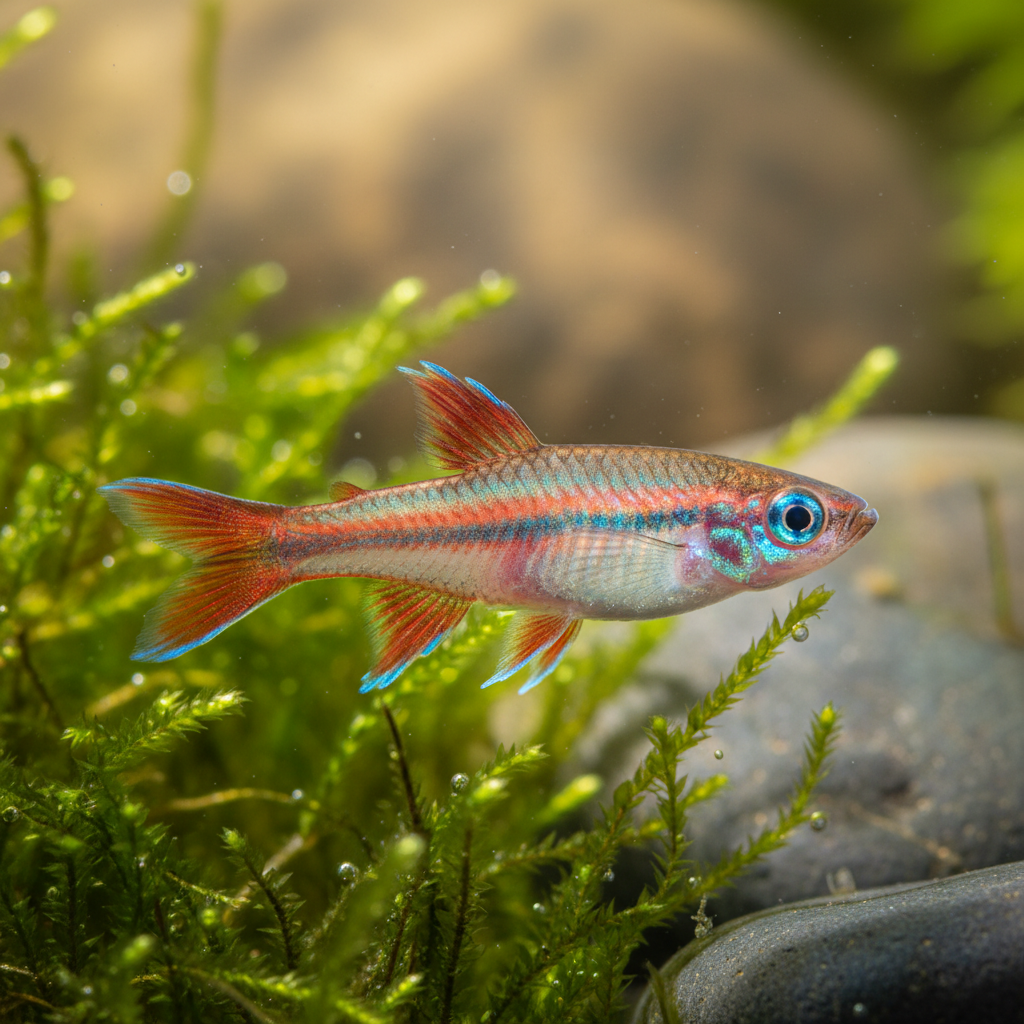
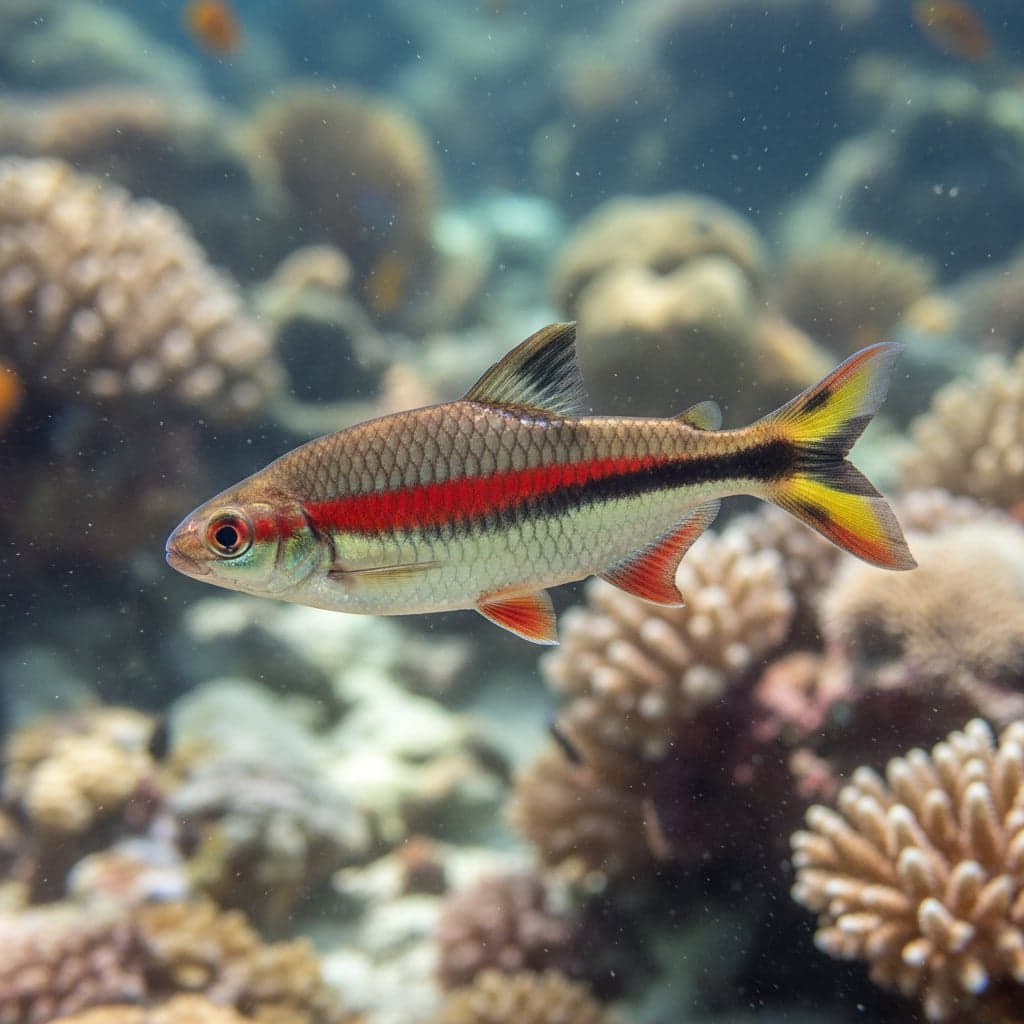
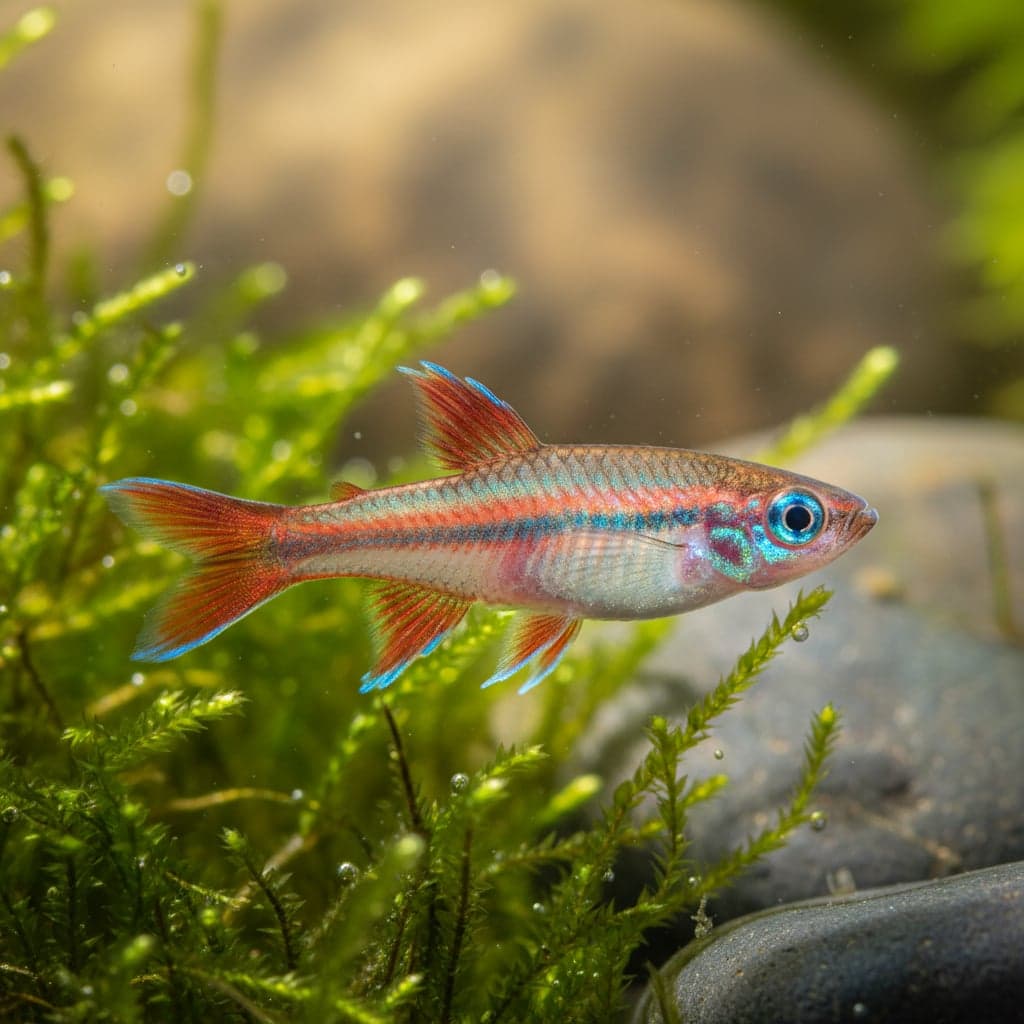
A tiny, breathtakingly colorful Indonesian schooling fish featuring piercing blue eyes and a glowing red-orange body.
Red Neon Blue-eye
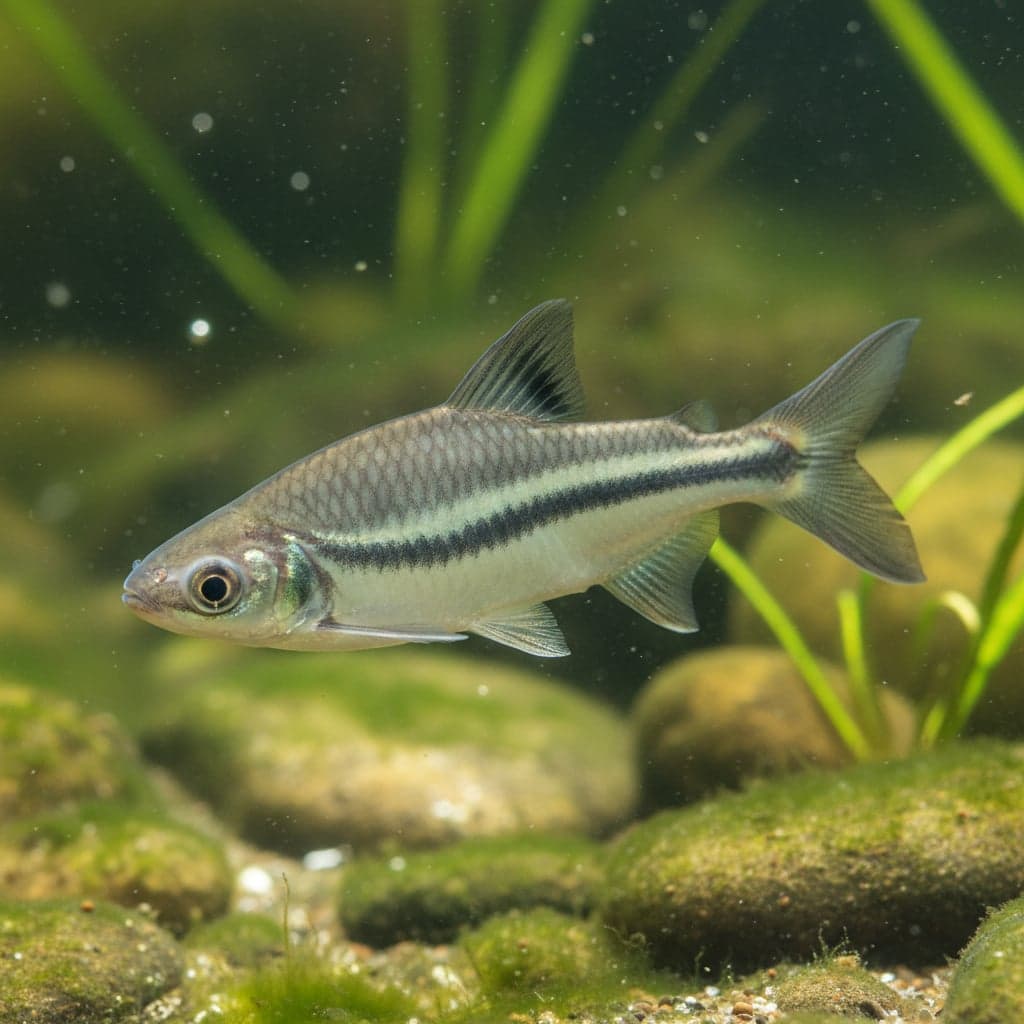
The Red Neon Blue-eye, scientifically known as Pseudomugil luminatus, is an exquisite small fish that captivates aquarists with its vibrant colors and gentle demeanor. This species, belonging to the Pseudomugilidae family, showcases a stunning array of shades ranging from bright blue eyes to striking red and blue body markings. These enchanting iridescent hues not only provide an aesthetic delight but also contribute to the species' popularity among aquarists, making it a sought-after addition to both community and biotope aquariums. The fish typically grows to about 1.5 inches in length, making it ideal for smaller tanks while still offering a visual spectacle that enhances the aquarium environment.
In addition to its visual appeal, the Red Neon Blue-eye holds significant importance in the aquarium hobby due to its adaptable nature and ease of care. Its peaceful demeanor makes it an excellent candidate for community tanks, where it coexists harmoniously with other small, non-aggressive fish. The Red Neon Blue-eye represents the beauty of freshwater ecosystems and emphasizes the need for responsible breeding practices to sustain healthy populations in the aquarium trade, ensuring that aquarists can enjoy these gems in their tanks for years to come.
Natural Habitat & Origin
The Red Neon Blue-eye hails from the lush, biodiverse rivers and streams of Papua New Guinea and the surrounding islands. This small fish thrives in brackish environments, primarily inhabiting clear and gently flowing waters with plenty of vegetative cover. Frequenting areas near riverbanks, the Red Neon Blue-eye can be found amongst dense foliage and sparse rocks, utilizing the natural structures to escape predators and find food. The combination of the soft, acidic waters and a complex habitat contributes to the vibrant health and coloration of these fish, forming an essential component of their life cycle in the wild.
In its natural habitat, the Red Neon Blue-eye is accustomed to warm water temperatures, generally ranging between 75°F and 82°F (24°C to 28°C). The waters are usually soft, with a pH of around 6.5 to 7.5. These conditions mimic the type of environment home aquarists should recreate to ensure these fishes thrive in captivity.
Care Requirements
To successfully maintain a thriving population of Red Neon Blue-eyes, it is essential to replicate their natural environment closely. A minimum tank size of 20 gallons is recommended, providing ample swimming space and room for a small school of 6 or more fish. A fine-grained substrate, such as sand or soft gravel, should be used, along with plenty of plants for cover, like Java moss or floating plants, which not only provide shelter but also promote health through improved water quality.
In terms of water parameters, they prefer a pH of 6.5 to 7.5, with a temperature range of 75°F to 82°F (24°C to 28°C). Additionally, the water hardness should be kept between 2 and 15 dGH. Moderate lighting that mimics natural conditions will promote healthy plant growth and create shadows and hiding spaces, helping the Red Neon Blue-eye feel secure and encourage natural behavior.
Diet & Feeding
The Red Neon Blue-eye is classified as an omnivore, requiring a well-rounded diet to thrive. In captivity, they can be fed high-quality flake food specifically designed for small tropical fish, supplemented with fine pellets. Additionally, frozen food options like brine shrimp, daphnia, and bloodworms provide essential nutrients and enhance their coloration. It's beneficial to include live foods occasionally as they stimulate natural hunting behaviors and contribute to the overall health of your fish.
In general, feeding these fish small portions 2-3 times a day, ensuring they consume all foods within a few minutes, will help maintain optimal health. Providing a varied diet not only supports the growth and vitality of the Red Neon Blue-eye but can also enhance their vibrant colors, making them an even more striking addition to your aquarium.
Behavior & Temperament
The Red Neon Blue-eye is a peaceful and sociable species that exhibits interesting behaviors in a community tank setting. As a schooling fish, it is happiest when kept in groups of six or more, which reduces stress and allows for more natural interaction among its companions. Their schooling behavior draws attention, as they can often be seen darting gracefully through the tank at different levels, usually favoring the middle to upper layers of the water column.
Despite their peaceful demeanor, it is important to monitor them with other species. The Red Neon Blue-eye typically exhibits little to no aggression, making them suitable for community settings, but they may become stressed in a tank with overly aggressive or larger species. Therefore, ensuring a well-balanced community is vital for their well-being.
Tank Mates
When selecting tank mates for the Red Neon Blue-eye, it’s crucial to choose similarly sized and temperament fish that are also peaceful. Compatible species include:
- Other Pseudomugil species: Like the Rainbowfish or the Reticulated Pseudomugil.
- Tetras: Such as Neon Tetras or Rummy Nose Tetras.
- Corydoras Catfish: Small varieties like Corydoras pygmaeus or Corydoras habrosus.
- Guppies or Endlers: These small, colorful fish can coexist harmoniously with Red Neon Blue-eyes.
Species to avoid include larger, aggressive fish such as Cichlids or Barbs, which may stress or prey upon them. Cohabitation with similarly sized, non-aggressive species ensures a harmonious environment and healthy community interactions.
Breeding
Breeding the Red Neon Blue-eye in captivity is achievable but requires specific conditions to mimic their natural spawning behaviors. These fish are egg scatterers, laying their eggs on fine-leaved plants or substrate within a dimly lit section of the tank. To encourage breeding, ensure that the water temperature is slightly elevated to about 78°F (25°C) and the pH remains neutral to mildly acidic.
Providing plenty of spawning sites with dense vegetation will increase the likelihood of success. After the eggs are laid, it is recommended to remove the adult fish, as they may eat the eggs. The eggs typically hatch within 24-48 hours, and the fry can be fed infusoria or very fine powdered food until they are large enough to accept small flakes or live foods.
Common Health Issues
Like all fish, the Red Neon Blue-eye may be prone to specific health issues, particularly if their living conditions are not adequately maintained. Common ailments include:
- Ich (White Spot Disease): Caused by a parasite, symptoms include white spots on the fish's body. Ensuring optimal water quality and temperature can help prevent outbreaks.
- Fin Rot: Often attributed to poor water quality and stress, early symptoms include frayed fins. Regular water changes and maintaining tank hygiene are effective preventive measures.
- Velvet Disease: Characterized by a dusty appearance on the fish, caused by a parasite. Treatment requires increased water temperature and the use of medication.
Maintaining a clean tank environment, ensuring proper water parameters, and feeding a balanced diet will significantly reduce the risk of these issues and promote the longevity and health of your Red Neon Blue-eye.