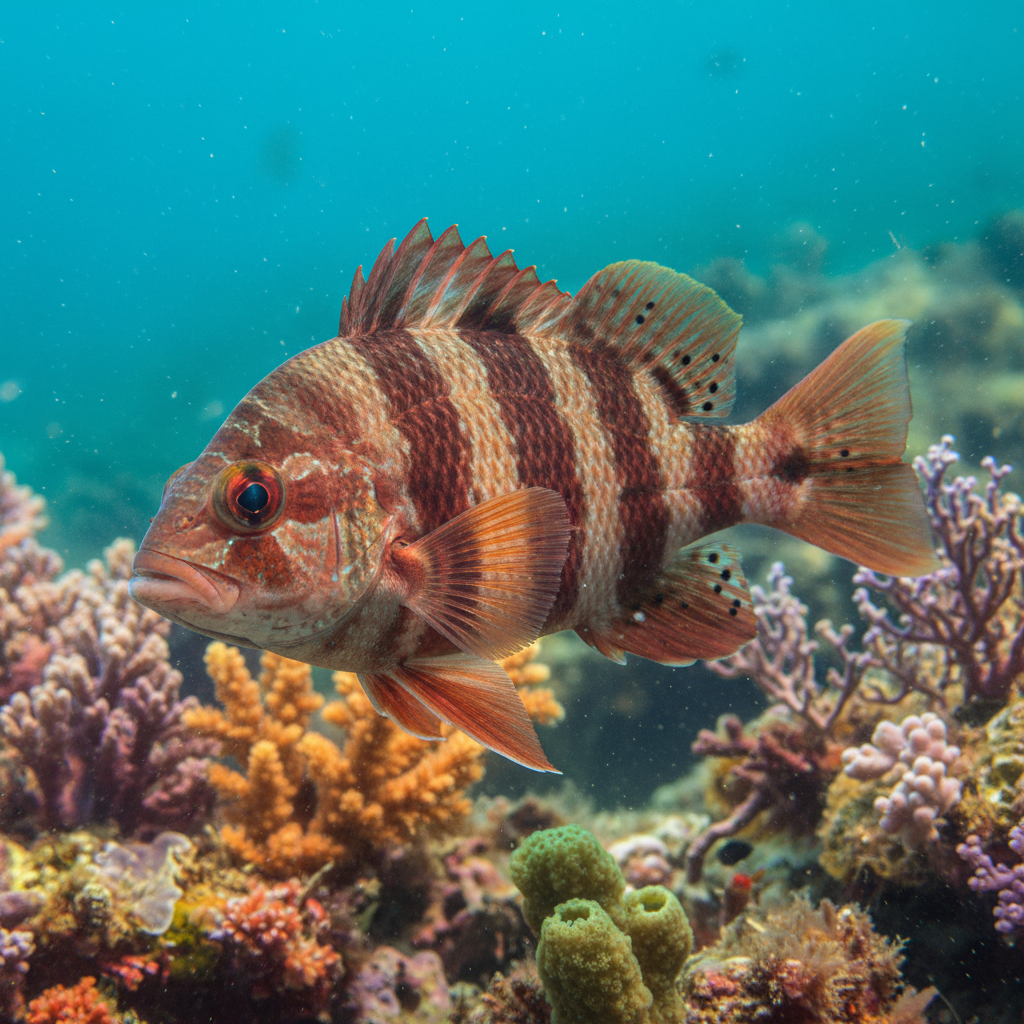
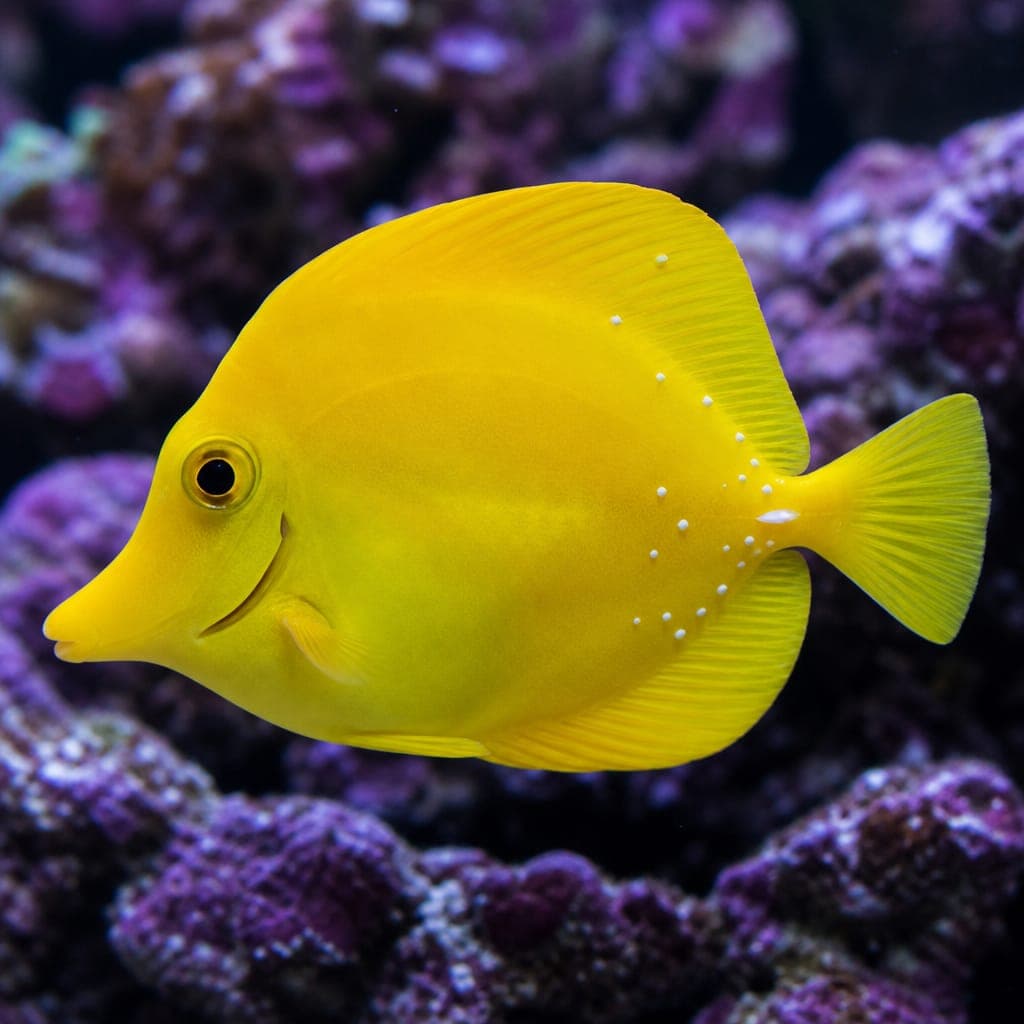
Red Scat: Scatophagus argus
A striking, hyper-active brackish (eventually marine) fish covered in large spots that blush bright red/orange along its back.
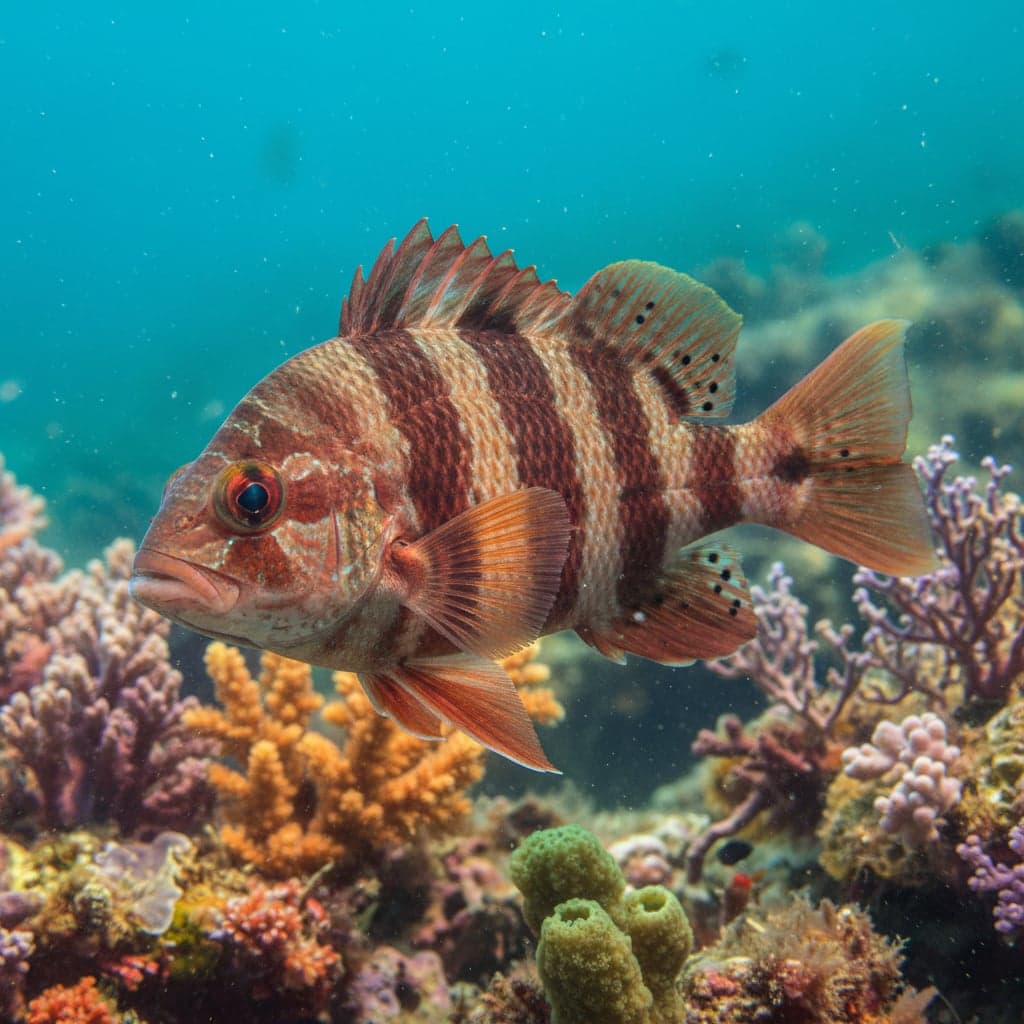
Red Scat
The Red Scat, scientifically known as Scatophagus argus, is a fascinating brackish-water fish that captivates aquarium enthusiasts with its unique appearance and vibrant coloration. This species exhibits a stunning array of colors, often featuring a silvery body adorned with dark spots and a distinctive orange or red hue on its fins. As a member of the Scatophagidae family, the Red Scat is known for its distinctive, oval body shape and a flattened profile, making it visually appealing and an interesting addition to aquariums. Its adaptability to different water conditions has made it a popular choice among aquarists, as it can thrive in both freshwater and brackish environments.
In the aquarium hobby, the Red Scat's significance extends beyond its visual allure. It serves as an exemplary model of how fish can exhibit dynamic colors and behaviors in a well-maintained tank. These fish are not only beautiful but also encourage hobbyists to create more complex ecosystems that mimic their natural habitats. With their active swimming patterns and social behavior, Red Scats can transform an ordinary tank into a lively aquatic community, making them a cherished choice for both novice and experienced aquarists alike.
Natural Habitat & Origin
Red Scats are primarily found in the coastal regions of Southeast Asia, particularly in countries like Thailand, Indonesia, and Malaysia. They inhabit estuaries, mangroves, and brackish lagoons, where they can thrive in a mix of salt- and freshwater environments. This adaptability allows them to survive in varying degrees of salinity, which generally fluctuates with tide changes in their natural habitats. They prefer shallow waters rich in vegetation and debris, which provide both food sources and hiding spots from potential predators.
These fish are often associated with muddy or sandy substrates, and they flourish in areas where freshwater from rivers meets the saltwater of the ocean. The water in these habitats tends to be slightly alkaline to neutral, usually with a pH between 6.5 and 8.5. Red Scats are equally comfortable in environments with organic matter as well as in clearer conditions, making their ecological adaptability quite impressive.
Care Requirements
Red Scats require specific water parameters and tank setups to thrive in captivity. Ideal water conditions include a pH level between 7.0 and 8.5, a temperature range of 24°C to 30°C (75°F to 85°F), and moderate hardness levels between 10 and 20 dGH. The aquarium should ideally be a minimum of 75 gallons to accommodate their active swimming habits and provide ample space for them to explore.
When it comes to tank setup, a sandy or fine gravel substrate is best, mimicking their natural habitat. Additionally, including driftwood, rocks, and live plants will create a comfortable environment, as these elements offer hiding spaces and foraging grounds. Moderate to bright lighting is suitable, and providing floating plants can help create shaded areas that replicate their natural ecosystem. It's essential to incorporate good filtration to maintain water quality, as Red Scats are sensitive to pollutants.
Diet & Feeding
Red Scats are omnivorous and can adapt to various diets, making them relatively easy to feed in captivity. In the wild, their diet consists of detritus, algae, small crustaceans, and plant matter. In an aquarium setting, they respond well to high-quality pellets and flakes formulated for herbivorous fish. It's encouraged to supplement their diet with frozen or live foods, such as brine shrimp, bloodworms, and chopped vegetables, like zucchini or spinach, to provide them with a well-rounded nutritional profile.
Regular feeding practices should include offering smaller amounts two to three times a day to prevent overfeeding and ensure that all tank inhabitants receive adequate nutrition. It’s important to observe their eating habits and adjust the feeding quantities accordingly, as they can be quite voracious.
Behavior & Temperament
The Red Scat exhibits a generally peaceful temperament, but juvenile fish may exhibit more timid behavior until they feel secure in their environment. They are social creatures and often thrive in groups, displaying schooling behavior; a minimum of three to five individuals is recommended for a community tank. These fish are primarily mid to lower-level swimmers but will often venture to the surface for food, making them active participants in the overall dynamics of the aquarium.
While Red Scats are not inherently aggressive, they can become territorial as they mature, especially if housed in smaller tanks. Providing ample space and hiding spots can help reduce conflicts, ensuring that each fish has enough room to establish its own territory without stress.
Tank Mates
When selecting tank mates for Red Scats, it is essential to consider their size and compatibility. Ideally, they should be housed with other medium to large-sized fish that share similar water requirements and temperaments. Suitable tank mates include fish like Rainbowfish, larger Tetras, and other brackish-water species such as the Mono Argenteus or Scats of a similar nature.
However, it’s crucial to avoid smaller fish species and aggressive or overly territorial species, as they may either become targets for harassment or suffer stress. Species such as Cichlids, GloFish, and small Betta types should generally be avoided to ensure a harmonious community.
Breeding
Breeding Red Scats in captivity can prove challenging due to their specific spawning requirements. These fish typically spawn in brackish water with slightly elevated temperatures, usually around 28°C (82°F). They may exhibit spawning behavior when pairs form, with the female laying eggs on flat surfaces, often in areas rich with plant matter or on submerged structures.
To encourage breeding, provide a dedicated breeding tank with optimal water conditions, including slightly elevated salinity levels. It's also beneficial to include plenty of flat surfaces for egg deposition. Once the eggs are laid, the parents usually exhibit protective behavior but are known to consume the eggs, so it's often recommended to separate them after spawning to increase hatch rates.
Common Health Issues
While Red Scats are generally resilient, they are susceptible to a few common health issues that aquarium enthusiasts should be aware of. These include ich (Ichthyophthirius multifiliis), fin rot, and various bacterial infections. Prevention is key, and maintaining high water quality through regular changes and monitoring is essential to lower their risk of exposure to these diseases.
Quarantining new acquisitions before introducing them to established tanks is also crucial. Additionally, providing a balanced diet and ensuring that the tank environment mimics their natural habitat will help strengthen their immune systems and contribute to their overall well-being. Regular health checks will aid in detecting any issues early, ensuring prompt intervention if necessary.