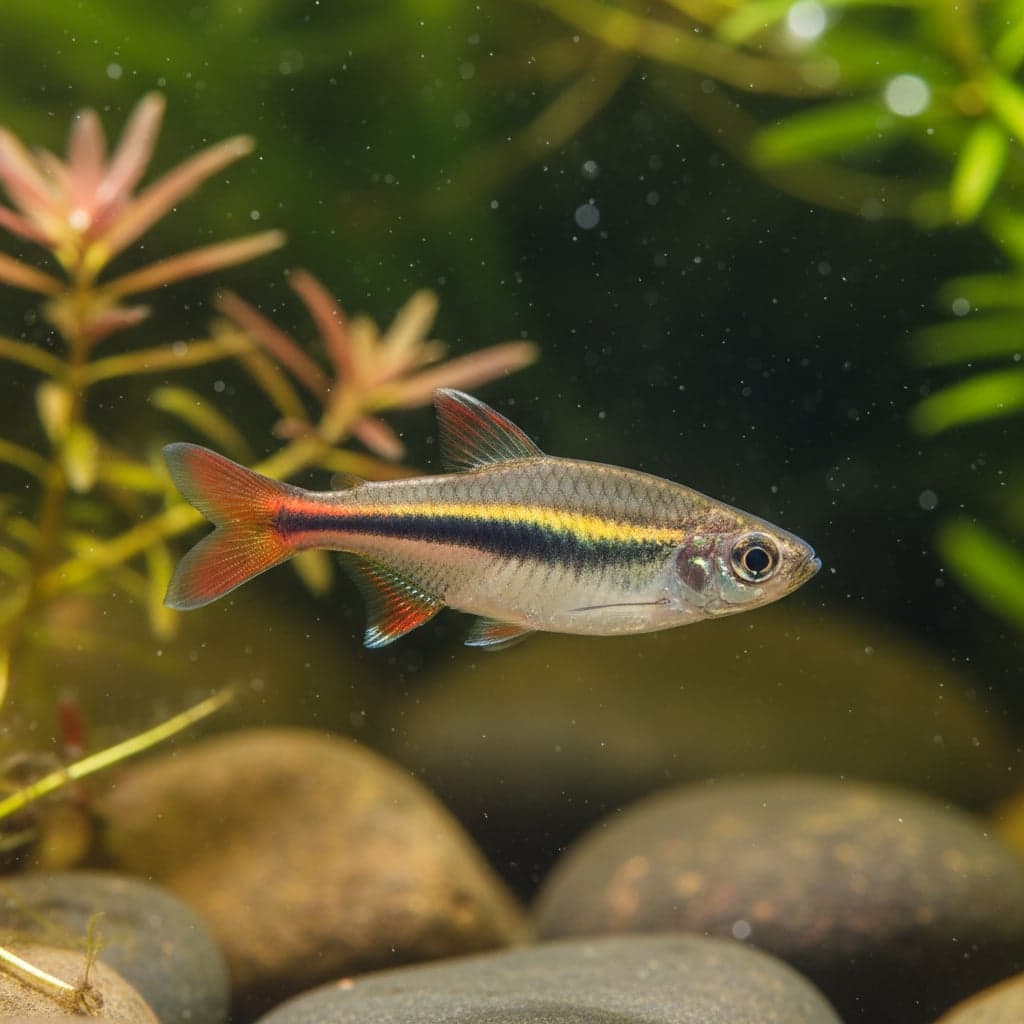
Red Scissortail: Rasbora caudimaculata
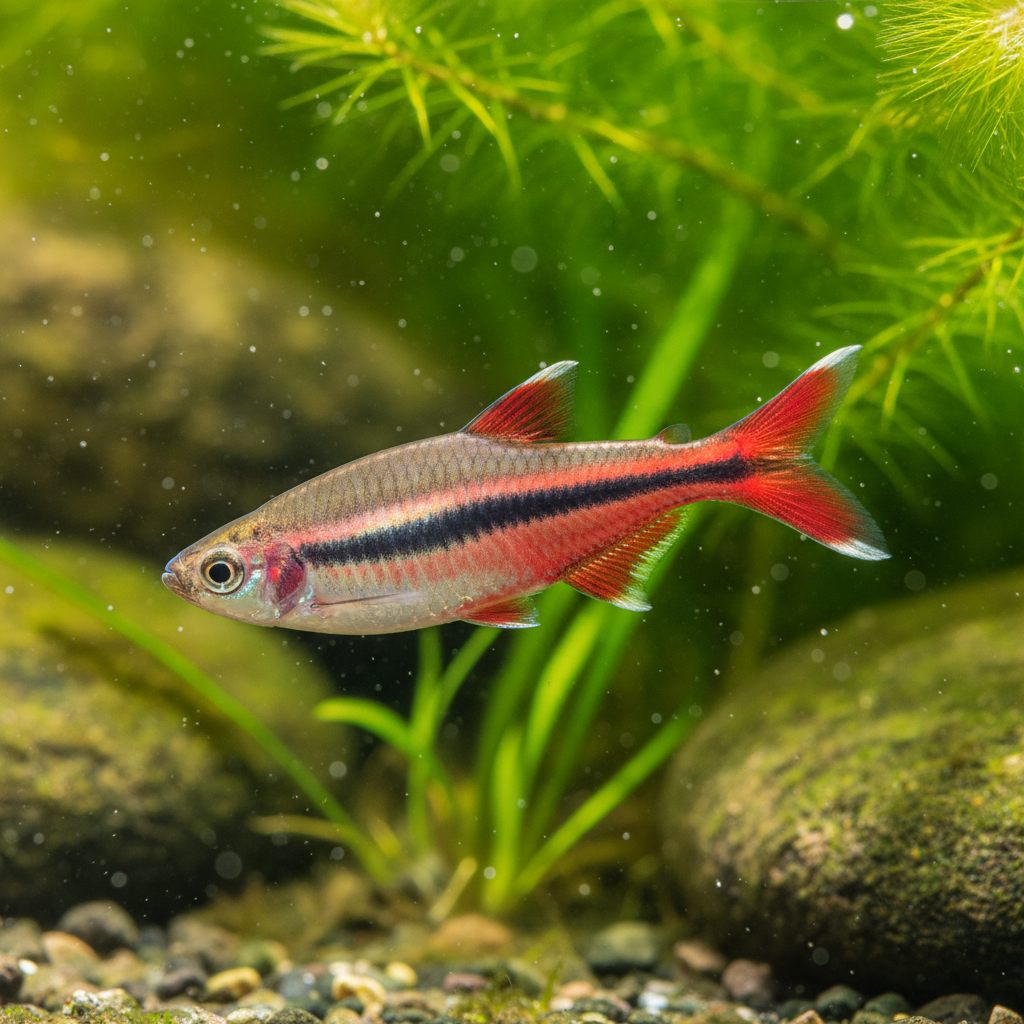
A massive, intensely active schooling cyprinid featuring a deeply forked tail with black and bright red bands.
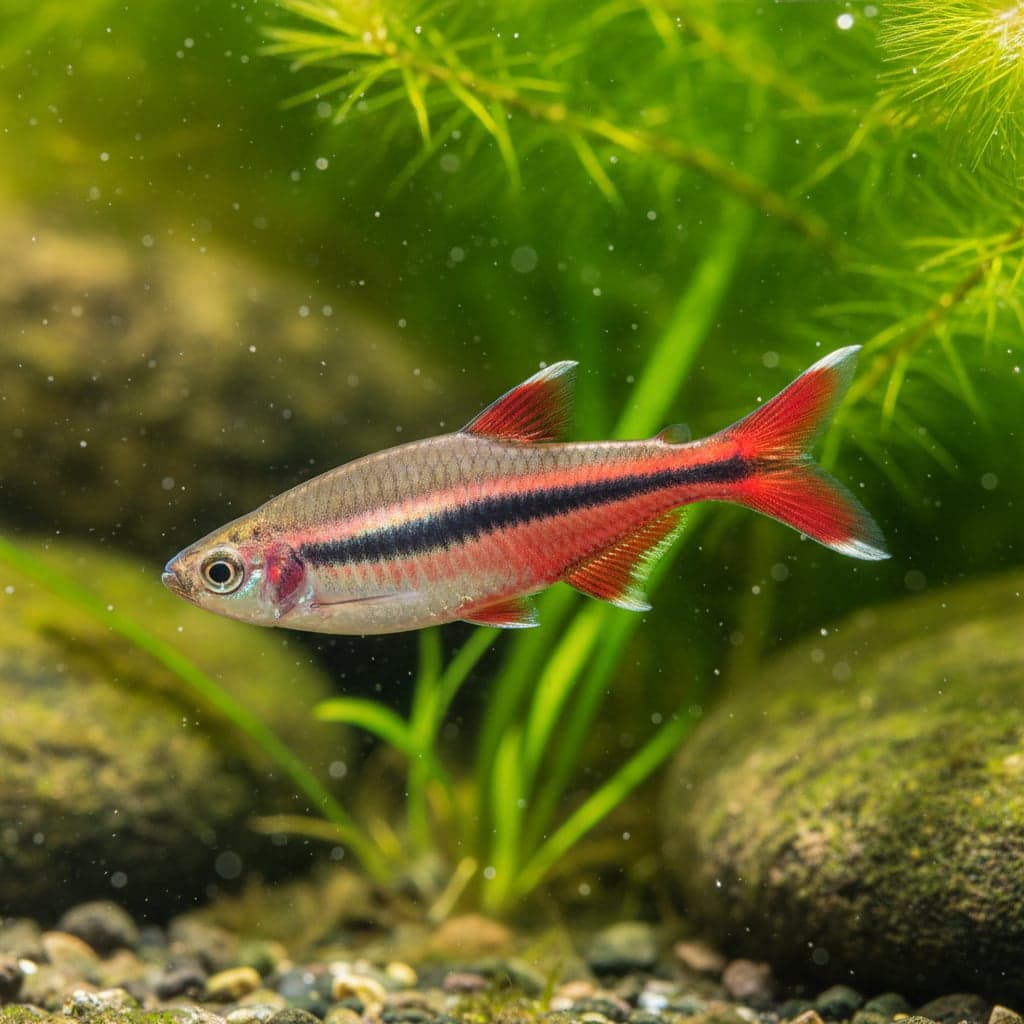
Red Scissortail
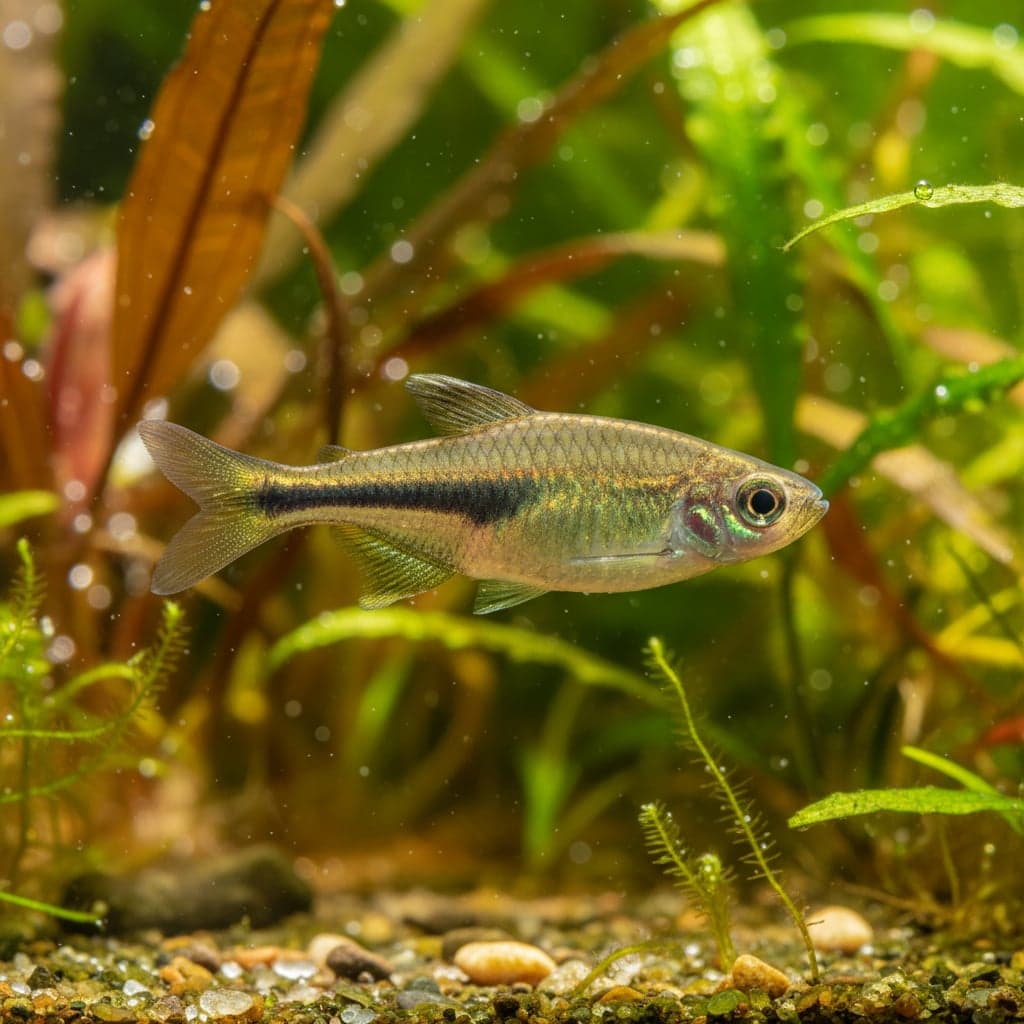
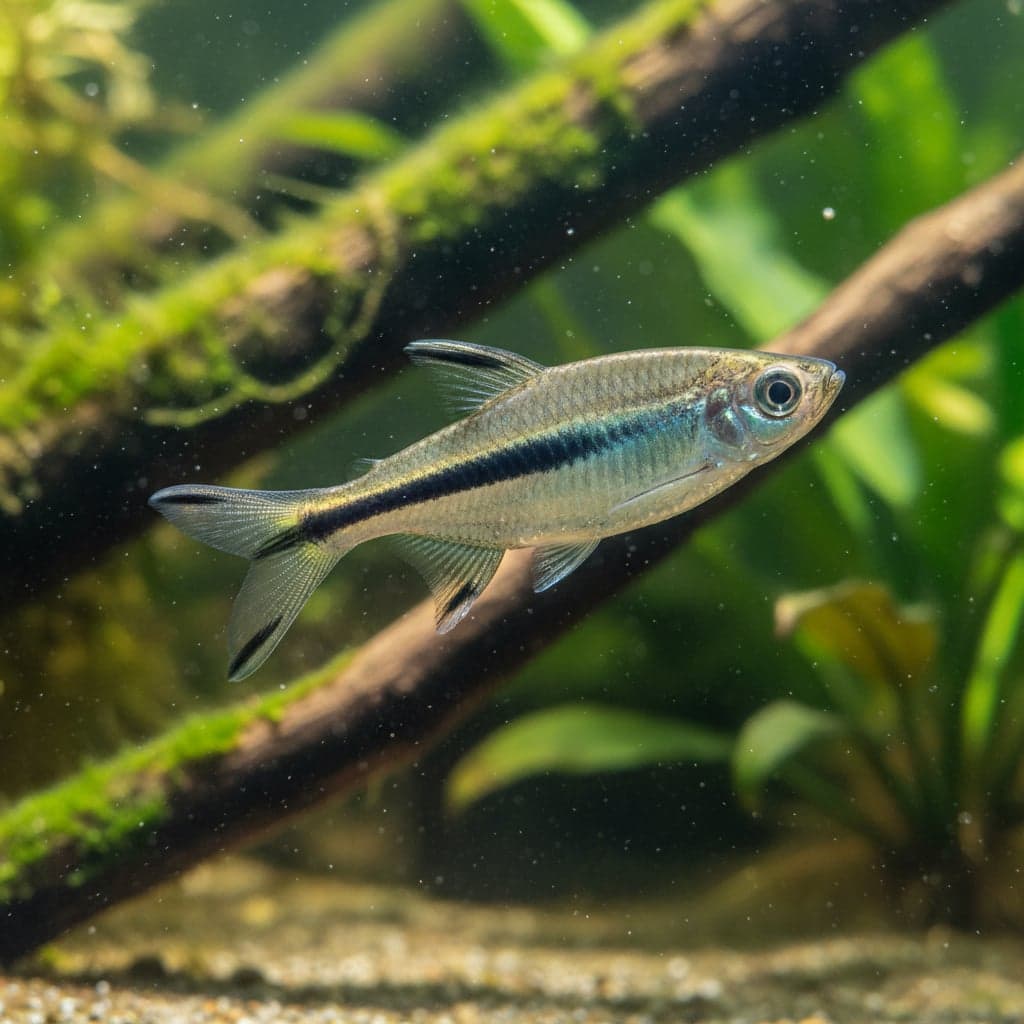
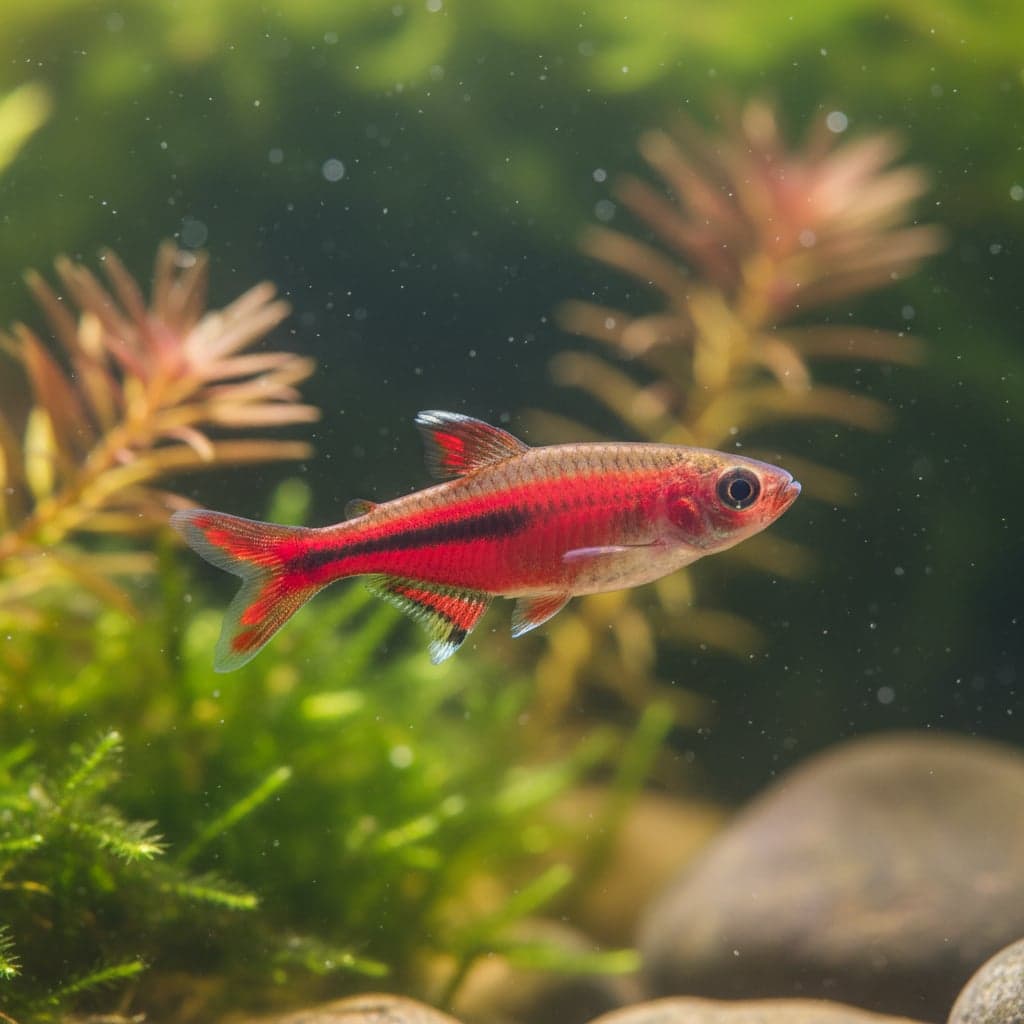
The Red Scissortail, scientifically known as Rasbora caudimaculata, is a strikingly beautiful freshwater fish that has garnered a dedicated following in the aquarium hobby. Characterized by its elongated body, vibrant red-orange coloration, and distinctive dorsal fin split, this species is a visual centerpiece in any tank. Its slender form and elegant swimming style make it a captivating addition for aquarists looking to create dynamic displays of motion and color. The contrasting black markings at the base of its tail further enhance its appeal, offering an eye-catching feature that delights both novices and experienced hobbyists alike.
In addition to its aesthetic attributes, the Red Scissortail carries cultural significance in the aquarium trade, symbolizing the beauty and diversity of Southeast Asian freshwater ecosystems. As a species that thrives in social groups, it exemplifies the importance of community and interaction among aquarium inhabitants, often attracting interest not just for its looks but also for its intriguing behavioral dynamics. Hence, fostering an environment suitable for the Red Scissortail not only contributes to its well-being but also enriches the overall ambiance of the aquarium, making it an essential choice for many aquatic enthusiasts.
Natural Habitat & Origin
The Red Scissortail originates from the lush river systems of Southeast Asia, primarily found in countries such as Thailand, Malaysia, and Indonesia. These waters are typically characterized by their warm temperatures and a variety of habitats, including streams, lakes, and swampy regions. The fish thrives in soft, slightly acidic waters, often enriched with organic matter from decomposing vegetation, which creates a blackwater environment. This ecological setting supports a diverse range of aquatic life and provides an ideal backdrop for the aquarist aiming to replicate its natural habitat.
In the wild, the Red Scissortail is often found among dense vegetation and underwater structures, which offer both shelter from predators and breeding sites. Its habitat preferences underline the significance of carefully replicating similar conditions in the home aquarium. Maintaining a close approximation of its natural environment not only promotes the health of the fish but also reinforces its natural behaviors, from social interactions to spawning rituals.
Care Requirements
Caring for the Red Scissortail necessitates attention to specific water parameters to ensure optimal health and longevity. This species thrives in a pH range of 6.0 to 7.5, with temperatures ideally maintained between 75°F and 82°F (24°C - 28°C). Hardness levels should be kept relatively low, ideally between 3-12 dGH, to mimic the softer waters of its native habitats.
When setting up an aquarium for the Red Scissortail, a minimum tank size of 20 gallons is recommended to accommodate its schooling behavior. The substrate can range from fine gravel to sandy bottoms, complemented by gentle filtration. Incorporating a variety of aquatic plants, driftwood, and rocks can create a naturalistic environment that provides both shelter and space for swimming. Lighting should be moderate to bright, as this will promote plant growth while enhancing the vibrant coloration of the fish. Regular water changes and maintenance are vital to keep the environment pristine.
Diet & Feeding
The Red Scissortail is an omnivorous species, making it relatively easy to feed and care for in a home aquarium. A well-balanced diet should include high-quality flakes or pellets formulated for community fish, supplemented with occasional live or frozen foods such as brine shrimp, daphnia, or bloodworms. It’s important to vary their diet to ensure that they receive all essential nutrients, encouraging robust health and vibrant colors. Feeding should occur in small amounts, two to three times daily, ensuring that excess food does not pollute the tank.
Providing a diverse diet not only promotes their health but also enhances their natural behavior, as foraging activities can lead to a more active and engaging display in the aquarium.
Behavior & Temperament
The Red Scissortail is known for its peaceful demeanor and lively nature, making it an excellent choice for community tanks. As a schooling fish, it is best kept in groups of at least six individuals, which helps to reduce stress and encourage natural social behaviors. They are primarily mid- to upper-column swimmers, often darting and playing among the plants and open swimming areas. While generally non-aggressive, males may exhibit mild territorial behaviors during mating displays or when competing for space.
Due to their sociable nature, Red Scissortails thrive in aquariums with ample swimming space and hiding spots. This can help alleviate any stress from potential conflicts with other species, thereby creating a more harmonious aquarium environment.
Tank Mates
Selecting compatible tank mates for the Red Scissortail is crucial for a peaceful aquarium community. Ideal companions include other small to medium-sized, non-aggressive species such as Neon Tetras, Rasboras, Guppies, and Corydoras Catfish. These fish share similar environmental and dietary needs, promoting harmony within the tank. Moreover, the vibrant colors and active behavior of compatible species will enhance the aesthetic appeal of your aquarium.
Conversely, it is best to avoid larger or more aggressive fish, such as Cichlids or Betta Fish, which may view the Red Scissortail as a target. Similarly, fin-nipping species should be excluded, as the delicate fins of the Red Scissortail could be compromised in such environments.
Breeding
Breeding the Red Scissortail in captivity can be an enjoyable challenge for dedicated aquarists. They are egg scatterers, typically spawning on flat surfaces or within dense vegetation. To encourage breeding, it is essential to create optimal conditions by providing soft, mildly acidic water while maintaining a temperature between 76°F and 80°F (24°C - 27°C). Spawning often occurs in the early morning hours, with females laying clusters of eggs.
Post-spawning, it is advisable to remove the adults from the breeding tank to prevent them from consuming the eggs. The fry will hatch within 24 to 36 hours, requiring infusoria or finely crushed flakes as their first food. Observing their growth and development can be an immensely rewarding experience for aquarists, contributing to a deeper understanding of their breeding behaviors.
Common Health Issues
While generally hardy, the Red Scissortail can be susceptible to certain health issues, particularly when kept in suboptimal conditions. Common ailments include ich (Ichthyophthirius multifiliis), fin rot, and bacterial infections. To prevent these health issues, maintaining clean water through regular changes and ensuring water parameters are stable are vital steps.
Quarantining new arrivals before introducing them to the main tank can also help limit the spread of diseases. Additionally, providing a stress-free environment and a balanced diet will strengthen their immune systems, further defending against illness, ultimately leading to a long and vibrant life for these captivating fish.