Red Shiner: Cyprinella lutrensis
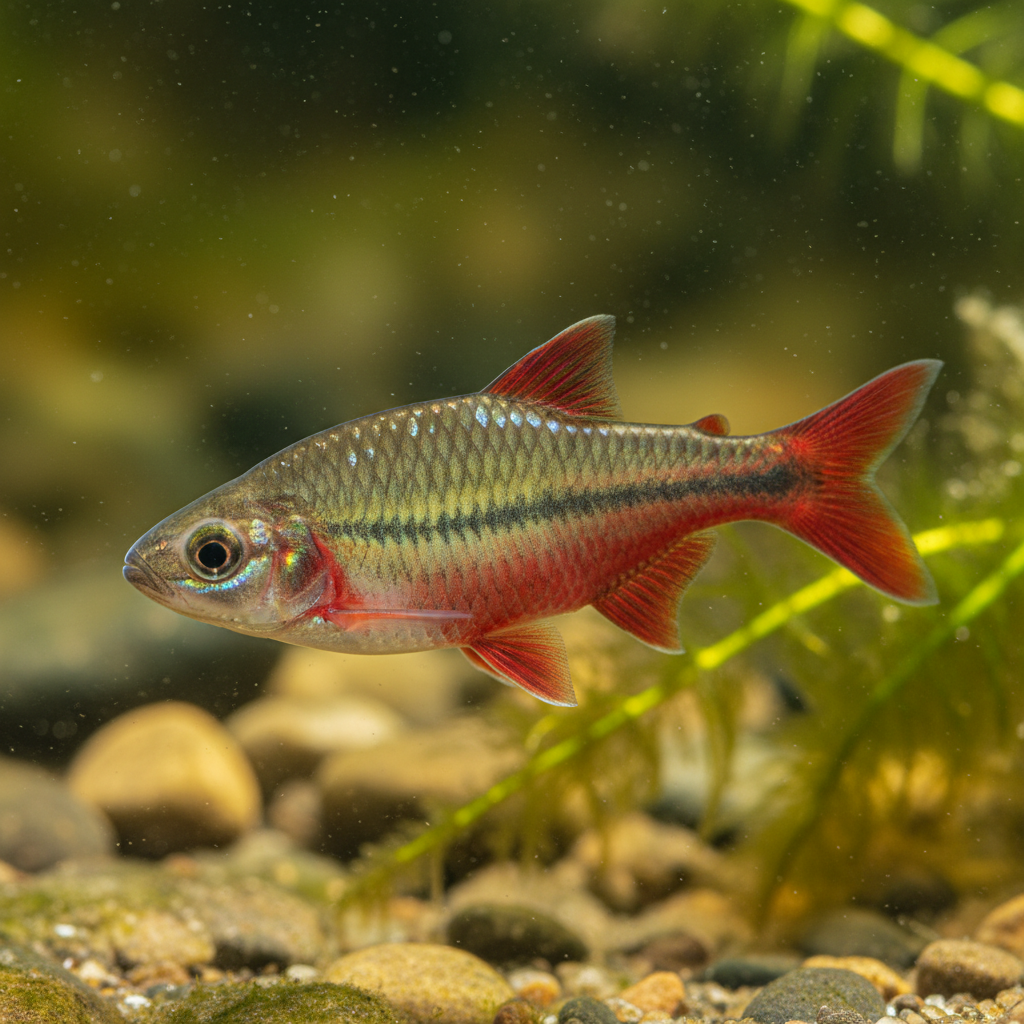
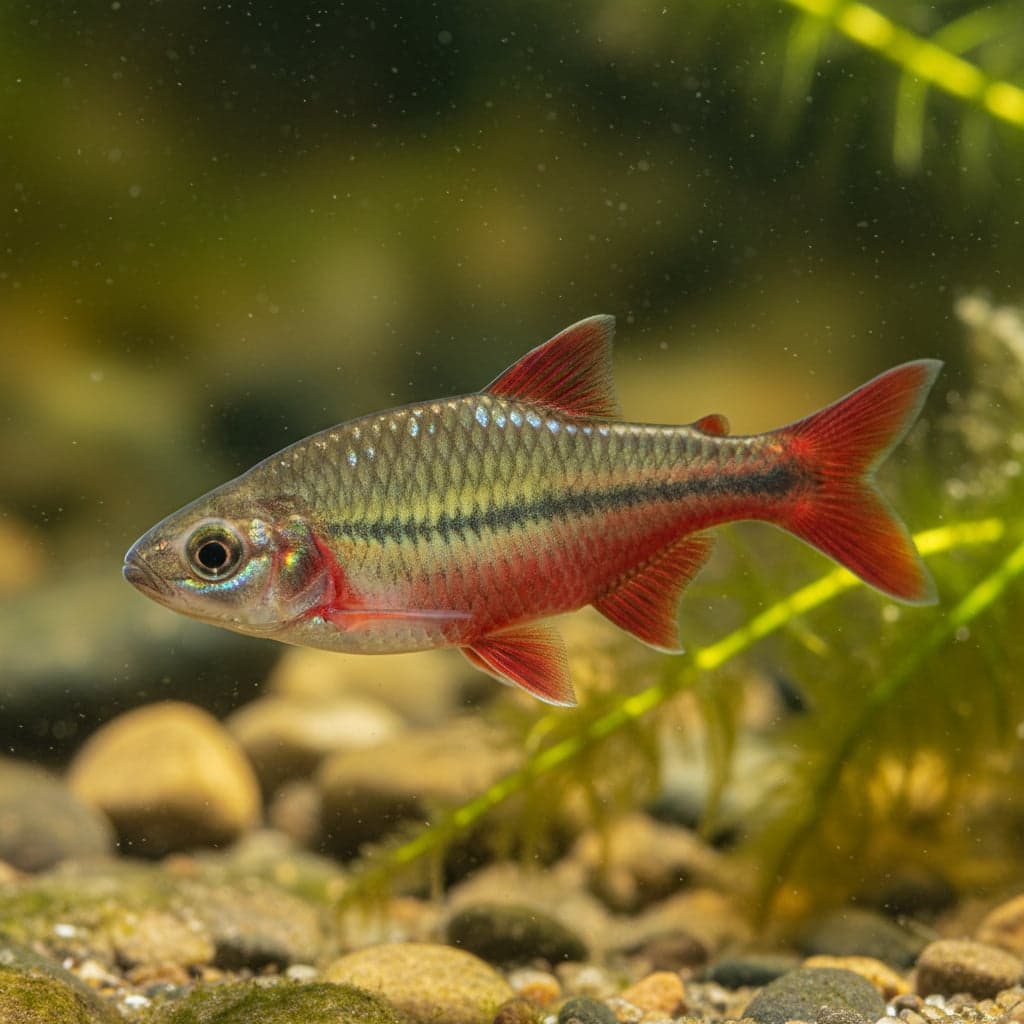
A spectacularly colorful North American native minnow that boasts metallic blue flanks and brilliant red fins.
Red Shiner
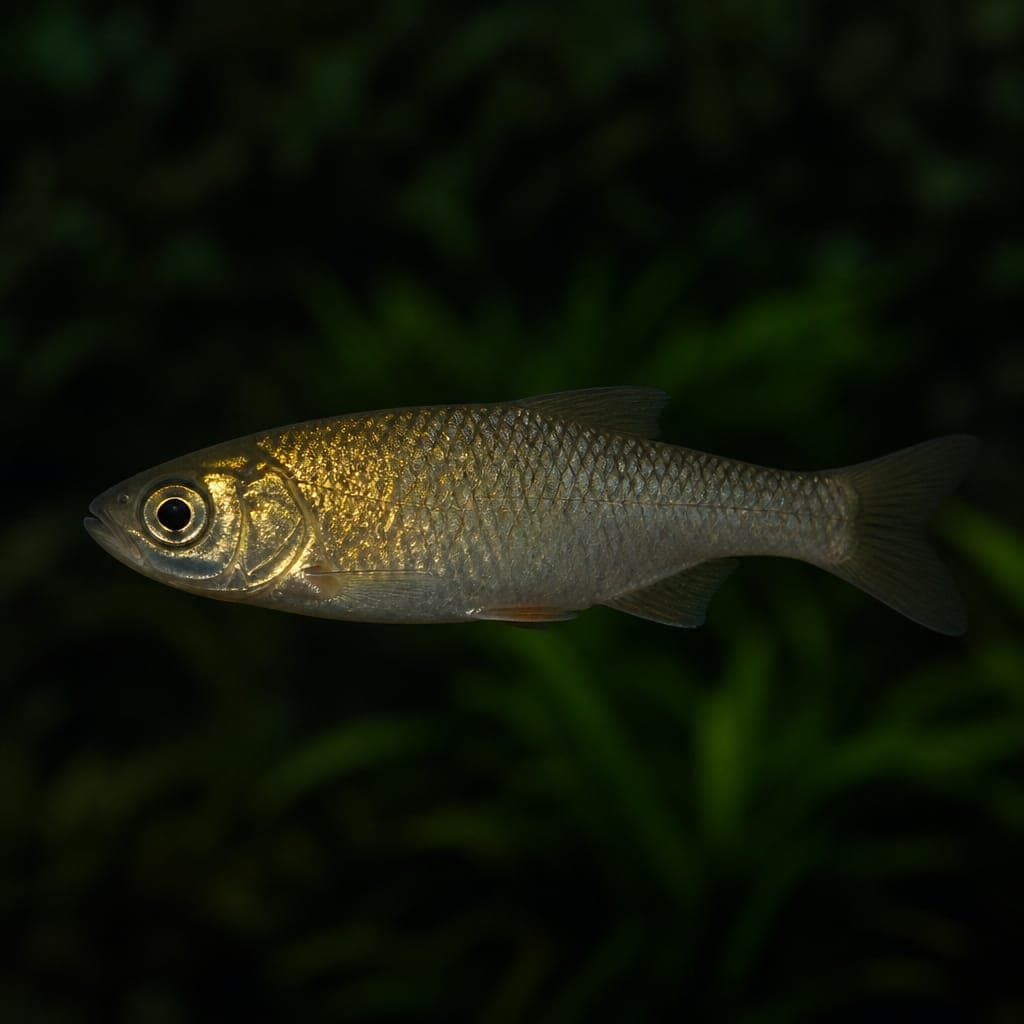
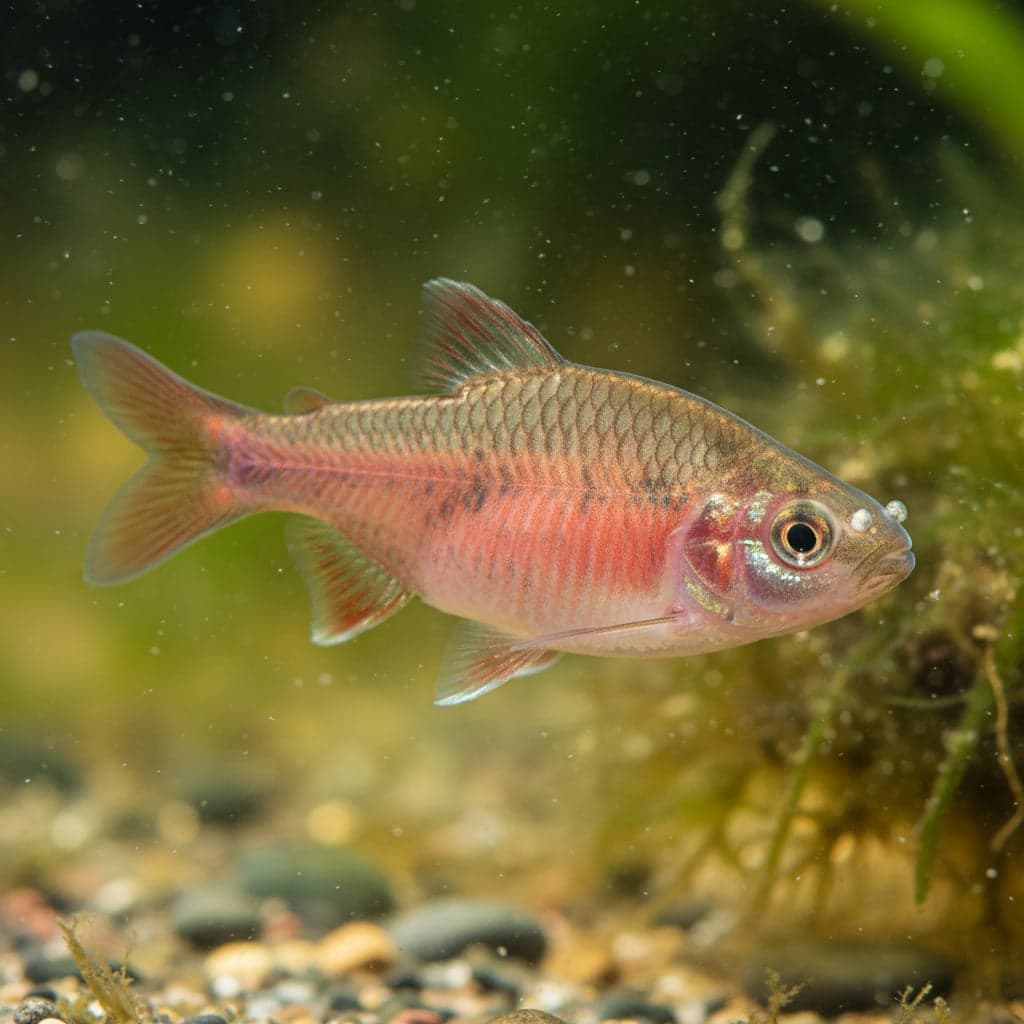
The Red Shiner (Cyprinella lutrensis) is a vibrant freshwater fish native to North America, particularly found within the central United States. Characterized by its striking red or orange-colored fins, the male Red Shiner offers a dazzling display during the breeding season, providing a vibrant splash of color to any aquarium. Typically, this fish exhibits a silver body with a distinct dark spot at the base of the dorsal fin that enhances its visual appeal. This captivating coloration makes the Red Shiner a popular choice for both novice and experienced aquarists alike, who appreciate its lively presence and dynamic beauty.
In the aquarium hobby, the Red Shiner holds significant alternative value. Its hardiness and adaptability make it a suitable candidate for community tanks, where it can thrive alongside various other species. The Red Shiner not only adds color to the tank but also contributes to the ecosystem by promoting algae control and maintaining stability within the aquatic environment. Furthermore, its lively behavior and sociable nature often draw hobbyists looking for an engaging species that will interact with both their environment and other tank mates.
Natural Habitat & Origin
The Red Shiner is predominantly found in the rivers and streams of North America, particularly in the Mississippi River basin and its tributaries. These fish are often located in shallow, flowing waters with moderate to strong currents. The natural habitats of the Red Shiner typically feature sandy or gravel substrates, with plenty of vegetation and debris that offer refuge from predators. Due to its adaptability, the Red Shiner inhabits various water types, including both clearwater and slightly turbid environments. The species is known to be resilient, thriving in conditions that other fish might find challenging.
Environmental elements such as temperature and water chemistry significantly influence the life of the Red Shiner. In the wild, they prefer slightly acidic to neutral pH levels (around 6.5 to 8.0) and can be found in waters with a hardness range of 5 to 20 dGH. Seasonal changes in their habitat, such as fluctuations in water temperature, can also affect their breeding cycles and behavior.
Care Requirements
To successfully keep Red Shiners in captivity, aquarists should aim for a minimum tank size of 20 gallons. The tank should be well-planted with plenty of open swimming space while incorporating structures like rocks and driftwood to provide hiding spots. A sandy or fine gravel substrate is ideal, as it mimics their natural environment and allows for easy maintenance. Lighting should be moderate, with the addition of live plants to offer additional coverage and enhance the overall aesthetics of the aquarium.
Regarding water parameters, Red Shiners prefer a temperature range of 70°F to 80°F (21°C to 27°C) to thrive. The pH should be maintained between 6.5 and 8.0, with a general hardness of 5 to 20 dGH. Regular water changes (approximately 20-30% weekly) and consistent filtration will help maintain a stable environment, contributing to the healthy development of these fish.
Diet & Feeding
As omnivores, Red Shiners have a diverse diet that can include both plant and animal matter. In the wild, their diet comprises insects, small crustaceans, and algae. To replicate their natural feeding habits in captivity, a variety of high-quality foods should be offered. Flake and pellet foods designed for omnivorous fish can form the baseline of their diet. It is recommended to supplement these with occasional frozen or live foods such as brine shrimp, daphnia, and bloodworms. Additionally, incorporating high-quality vegetable matter—like spirulina and blanched vegetables—promotes their overall health and well-being.
Feeding should be done in small amounts, 1-2 times a day, ensuring that all food is consumed within a few minutes to prevent water quality issues. This approach will help maintain optimal health and encourage natural foraging behaviors.
Behavior & Temperament
Red Shiners exhibit social and active behavior, thriving in groups of 5 or more individuals, which helps to reduce stress and aggression. They display continuous movement, often swimming in mid to upper water columns of the tank, darting back and forth. While generally peaceful, males can exhibit territorial behaviors during breeding seasons or when feeling crowded, so maintaining an adequate space and suitable tank mates is essential.
Being a schooling fish, Red Shiners feel safer and more vibrant in larger groups. They interact not only with their peers but also engage with the environment, often foraging among plants and substrates for food. As such, their behavior can significantly enrich a community aquarium setup.
Tank Mates
When selecting tank mates for Red Shiners, it’s essential to choose species that share similar water parameters and dietary preferences. Compatible tank mates include species such as Rasboras, Tetras, Guppies, and other small peaceful community fish. However, caution should be exercised when considering larger or more aggressive fish, as they may intimidate or prey on the smaller Red Shiners. Additionally, species such as cichlids or larger barbs should be avoided due to their potential to disrupt the peaceful nature of the Red Shiner.
Focusing on compatibility helps create a harmonious environment, ensuring that all inhabitants can thrive without undue stress or aggression.
Breeding
Breeding Red Shiners in captivity can be a rewarding experience for aquarists. These fish exhibit a distinct spawning behavior, where males will display their vibrant colors and perform courtship dances to attract females. For successful breeding, a separate breeding tank with a minimum size of 10 gallons is advisable, equipped with suitable spawning substrates, such as fine-leaved plants or spawning mops. Water conditions should also mimic their natural habitat, with slightly cooler temperatures around 70°F (21°C) and a pH of 6.5-7.5.
Post-spawning, females can lay up to several hundred eggs, which will hatch within 24 to 48 hours. The breeding tank should be well-maintained to ensure the health and survival of fry, and it’s recommended to remove the adult fish after spawning to prevent them from consuming their eggs or fry. After a week, the fry will begin to swim freely and can be fed with infusoria or finely crushed flake food.
Common Health Issues
Though generally hardy, Red Shiners are susceptible to common freshwater fish diseases, such as ich, fin rot, and velvet disease. To minimize the risk of these conditions, aquarists should maintain high water quality through regular changes, avoid overcrowding, and ensure that tank mates are not overly aggressive.
Preventive measures include regular monitoring of water parameters, maintaining a clean tank environment, and quarantining new arrivals before introducing them to the main aquarium. Additionally, ensuring a well-balanced diet will promote the overall health and immune system strength of the Red Shiner, making them more resilient against potential health issues.