Red Shouldered Peacock: Aulonocara hansbaenschi
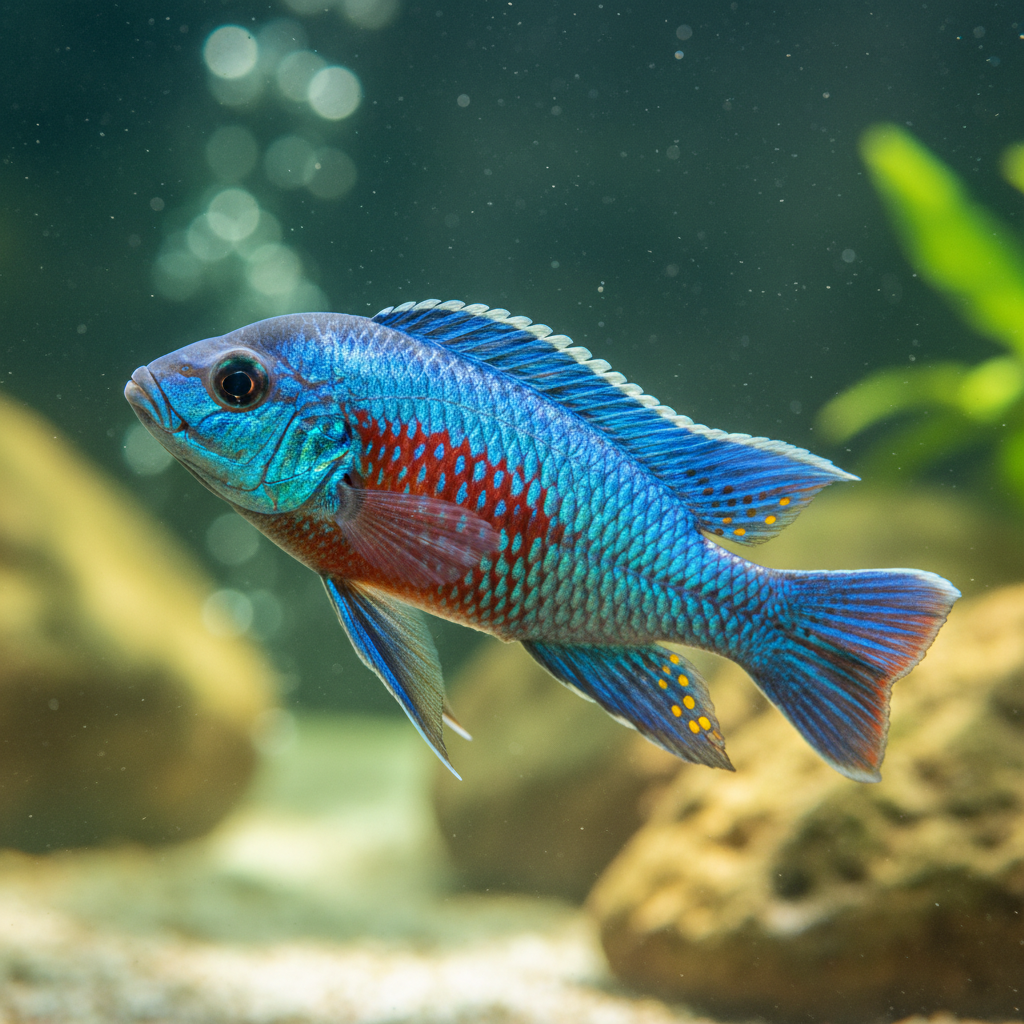
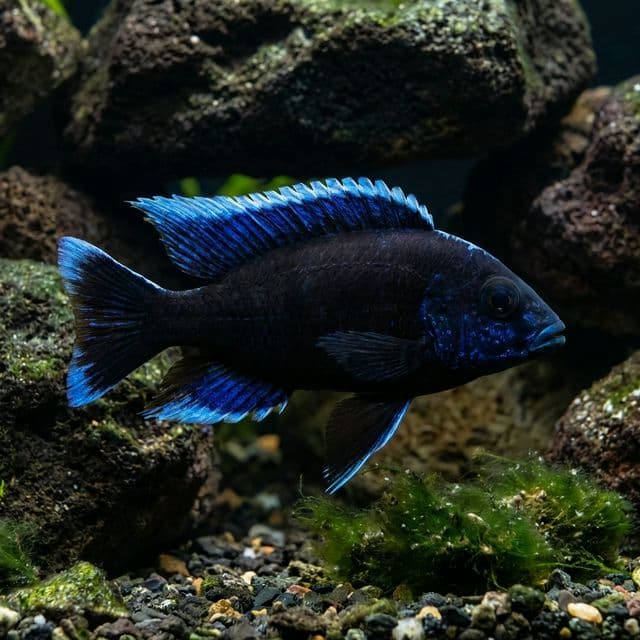
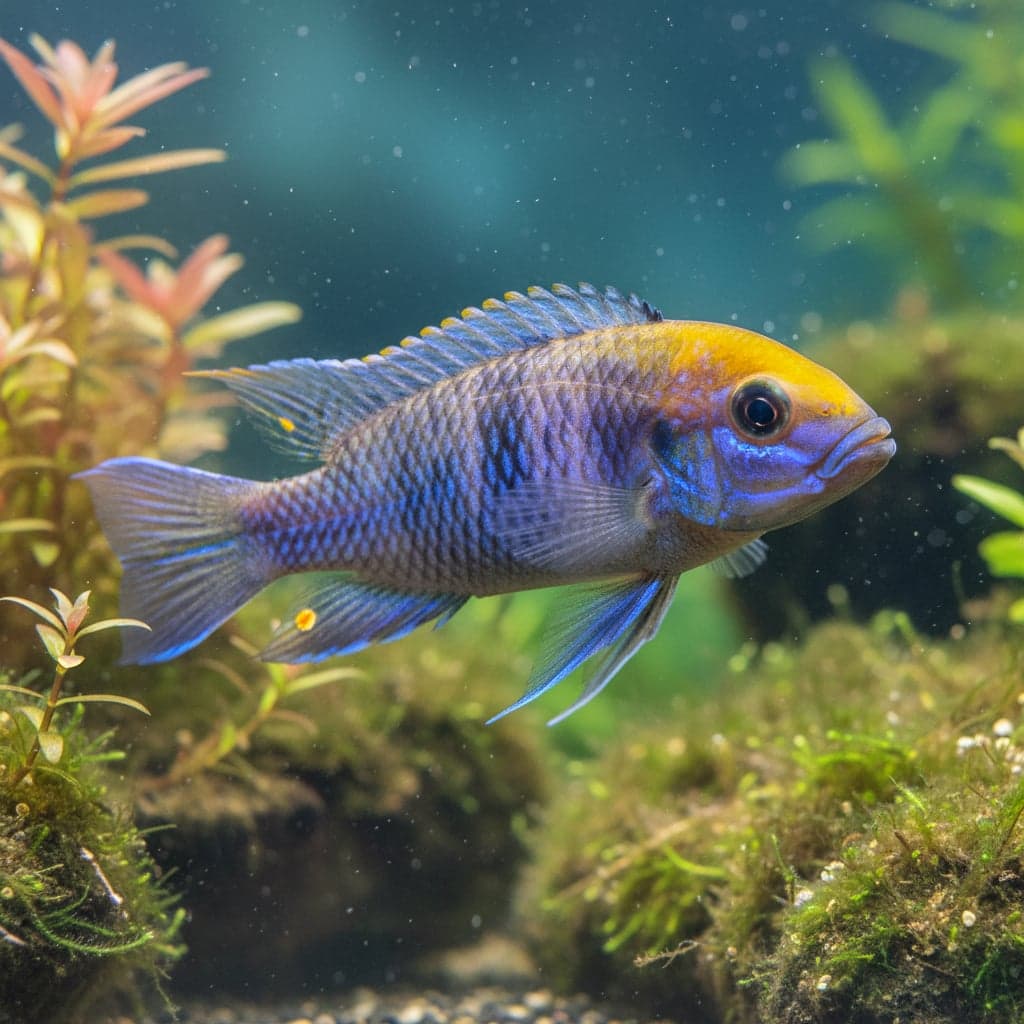
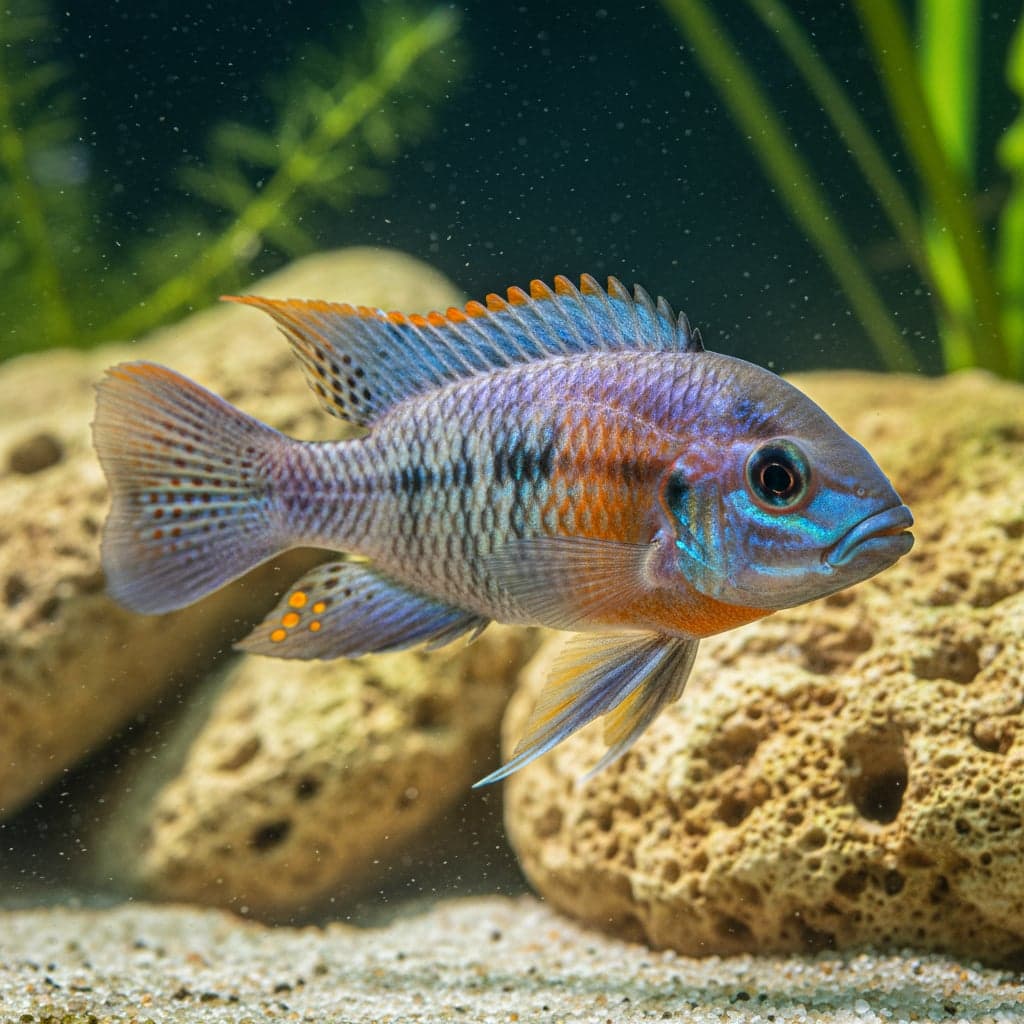
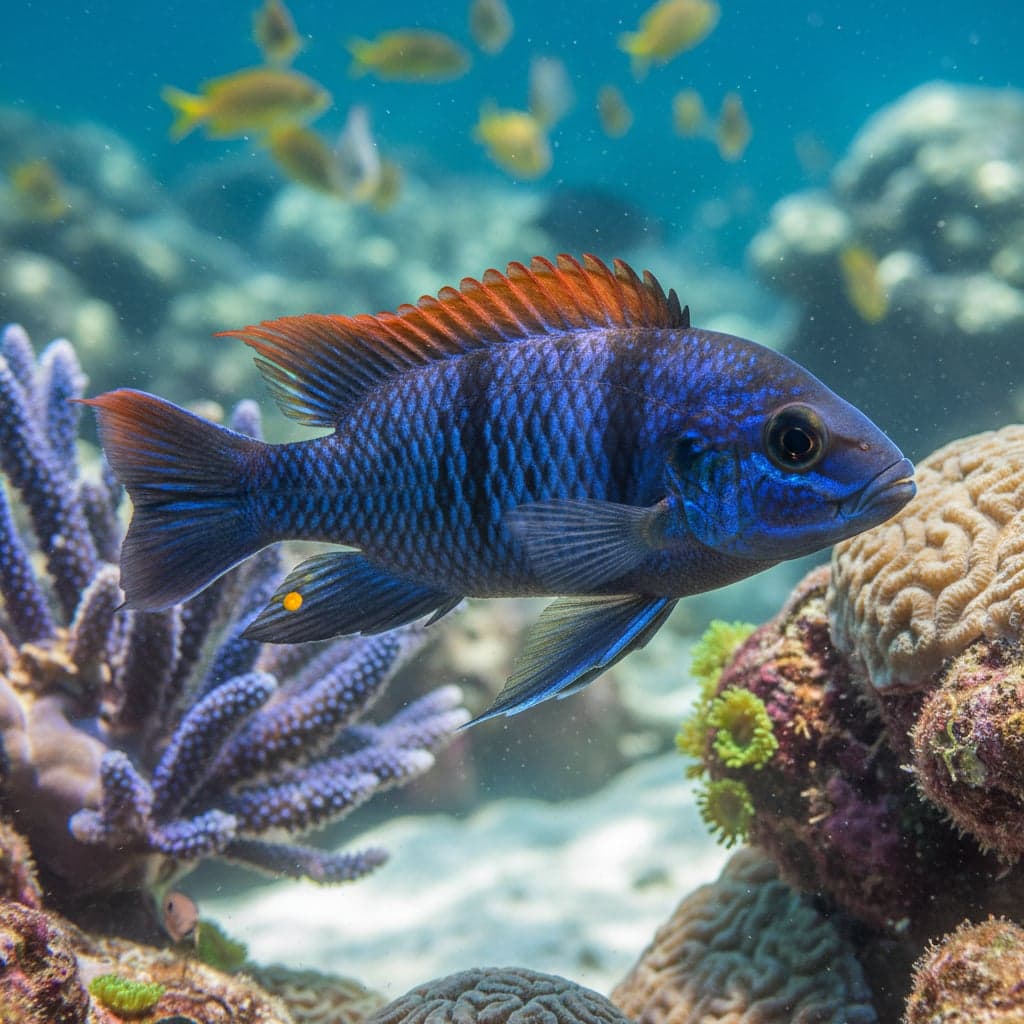
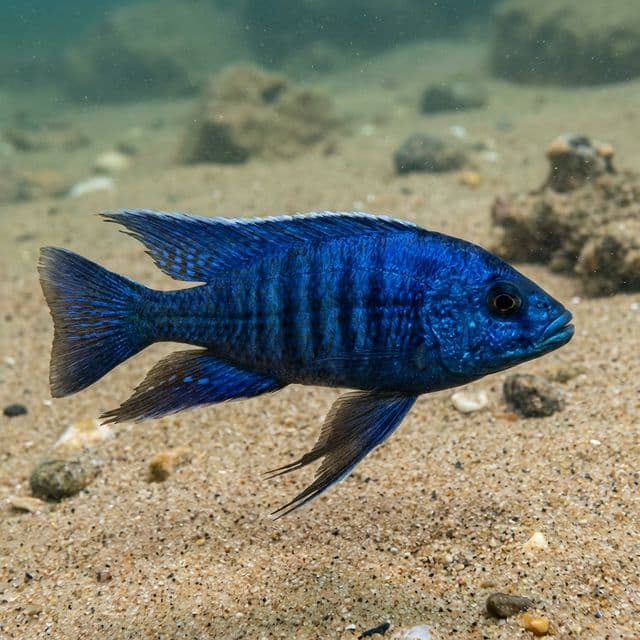
A magnificent African Cichlid where mature males display a deep metallic blue body accented by a blazing red band behind their gills.
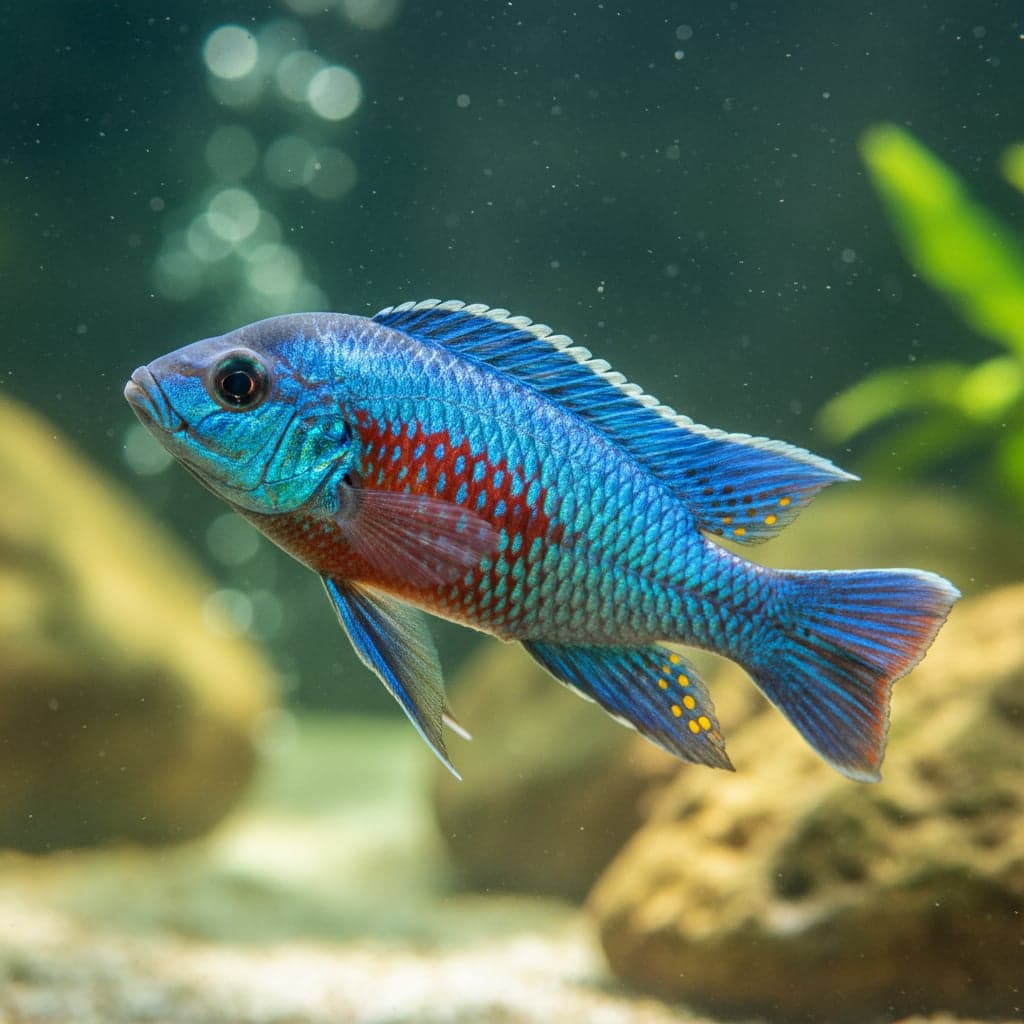
Red Shouldered Peacock
The Red Shouldered Peacock, scientifically known as Aulonocara hansbaenschi, is a captivating freshwater fish cherished by aquarists for its vibrant colors and unique personality. Native to the African Great Lakes, this species is renowned for its stunning array of iridescent hues, characterized predominantly by brilliant shades of blue and gold along its body, complemented by striking red and orange accents on the shoulders and fins. Its aesthetic appeal is further elevated by its elongated body shape which enhances the overall gracefulness of its movements. This beauty, paired with its relatively manageable care requirements, has made the Red Shouldered Peacock a sought-after addition for many freshwater aquariums, especially those themed around African cichlids.
In addition to its visual allure, the Red Shouldered Peacock holds significance in the aquarium hobby for its engaging behaviors and adaptability in a range of tank setups. As part of the cichlid family, this species exhibits a range of interesting social interactions, making it an ideal choice for aquarists looking to observe dynamic fish behaviors. This peacock cichlid captures both the eye and the interest of aquarists, creating a vibrant focal point in any aquatic setting and contributing to the overall health of the aquarium ecosystem through its unique characteristics.
Natural Habitat & Origin
The Red Shouldered Peacock is indigenous to the rocky shorelines of Lake Malawi, one of Africa's largest freshwater lakes. Known for its clear waters and diverse ecosystems, Lake Malawi provides an ideal environment that closely resembles the conditions required by this species in captivity. The fish inhabits areas with a variety of substrates—from rocky formations to sandy bottoms—where they can find shelter and forage for food. The water in this region is typically alkaline, with a pH range of approximately 7.5 to 8.5, and is characterized by moderate hardness levels. These natural conditions greatly influence the care requirements and tank setup necessary for maintaining Red Shouldered Peacocks in captivity.
Care Requirements
To ensure the well-being of the Red Shouldered Peacock, certain water parameters must be carefully managed. The preferred pH level for this species is between 7.5 and 8.5, while ideal temperatures range from 75°F to 82°F (24°C to 28°C). Water hardness should be maintained around 10 to 20 dGH to simulate their natural environment in Lake Malawi.
In terms of tank setup, a minimum tank size of 50 gallons is recommended, as these fish require ample swimming space and territory. A substrate of fine sand or smooth gravel will allow the fish to dig and explore, mimicking their natural habitat. For optimal lighting, moderate levels are ideal; this can be achieved using LED lights that provide a balanced spectrum, enhancing their coloration without promoting excessive algae growth. Additionally, incorporating a mix of rocky structures, caves, and open swimming spaces will provide both cover and territory for the Red Shouldered Peacock, encouraging their natural behaviors.
Diet & Feeding
The Red Shouldered Peacock is primarily a carnivore with omnivorous tendencies, thriving on a diet that includes high-quality pellets or flakes specifically formulated for cichlids. These food options should be enriched with protein to promote optimal growth and coloration. It is advisable to supplement their diet with occasional offerings of frozen or freeze-dried foods, such as brine shrimp, bloodworms, and daphnia, which provide essential nutrients and stimulation.
Live foods such as earthworms or small bugs can also be introduced occasionally to mimic their natural foraging behavior, enhancing their overall health and activity level. However, it’s crucial to avoid overfeeding, as cichlids are prone to obesity, which can lead to serious health issues. A balanced diet should include multiple feedings throughout the day to ensure they receive adequate nutrition without excess.
Behavior & Temperament
The Red Shouldered Peacock exhibits a range of fascinating behaviors, often characterized by territoriality and unique social structures. Generally, these fish are semi-aggressive; males can display territorial aggression, especially during breeding seasons or when establishing strongholds within the aquarium. They thrive in a structured environment where hiding spots and territories are well-defined.
These peacocks tend to inhabit the mid to upper levels of the tank, making use of vertical space for swimming and breeding displays. Though they can be semi-aggressive, pairs or small groups can coexist harmoniously when adequately introduced, particularly if the aquarium is spacious enough to allow for territories without undue stress.
Tank Mates
When selecting tank mates for the Red Shouldered Peacock, it is important to choose species that can tolerate similar water conditions and temperament levels. Ideal companions include other African cichlids such as:
- Electric Yellow Cichlid (Labidochromis caeruleus)
- Malawi Mbuna Cichlids (e.g., Pseudotropheus or Metriaclima species)
- Peacock Cichlids (Aulonocara species, provided they are not breeding)
Species to avoid include smaller, peaceful fish that might be harassed and larger, aggressive species that could bully the Red Shouldered Peacock. It's also advised to steer clear of slow-moving species that do not fare well in the energetic environment typically induced by cichlid behaviors.
Breeding
Breeding the Red Shouldered Peacock in captivity can be a rewarding endeavor for hobbyists. Males will establish territories and perform elaborate courtship displays to entice females, which usually involve colorful displays and fin flaring. For successful breeding, the tank should be set up with plenty of hiding spots and smooth rocks that the female can use for spawning.
After successfully attracting a female, the male will lead her to favorable spawning sites. The female will typically lay eggs (which can number in the dozens) in a designated area, while the male fertilizes them. After fertilization, the female will pick up the eggs and carry them in her mouth (a behavior known as mouthbrooding) until they hatch, usually within a few weeks. It is beneficial to have a breeding tank set up with similar water parameters to minimize stress during this time.
Common Health Issues
While the Red Shouldered Peacock is generally hardy, they can be susceptible to certain health issues common in cichlids. Notable diseases include:
- Ich (Ichthyophthirius multifiliis): A parasitic infection easily treated with increase in temperature and appropriate medications.
- Fin Rot: Caused by poor water quality or injury; maintaining pristine water conditions and providing a balanced diet can help prevent this.
- Stress-related issues: Such as bullying or overcrowding can lead to health deterioration.
Preventative measures include routine water changes, monitoring water parameters, maintaining a balanced diet, and watching for signs of stress and aggression among tank mates. Addressing these factors promptly will help ensure the health and longevity of the Red Shouldered Peacock in your aquarium.