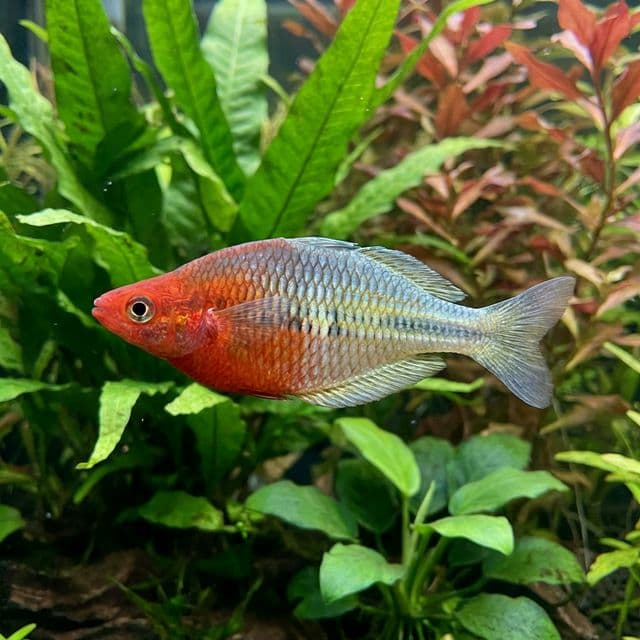
Melanotaenia splendida rubrostriata: Red-striped Rainbowfish
A deeply robust, energetic schooling fish from New Guinea boasting a brilliant metallic blue body lined with striking red stripes.
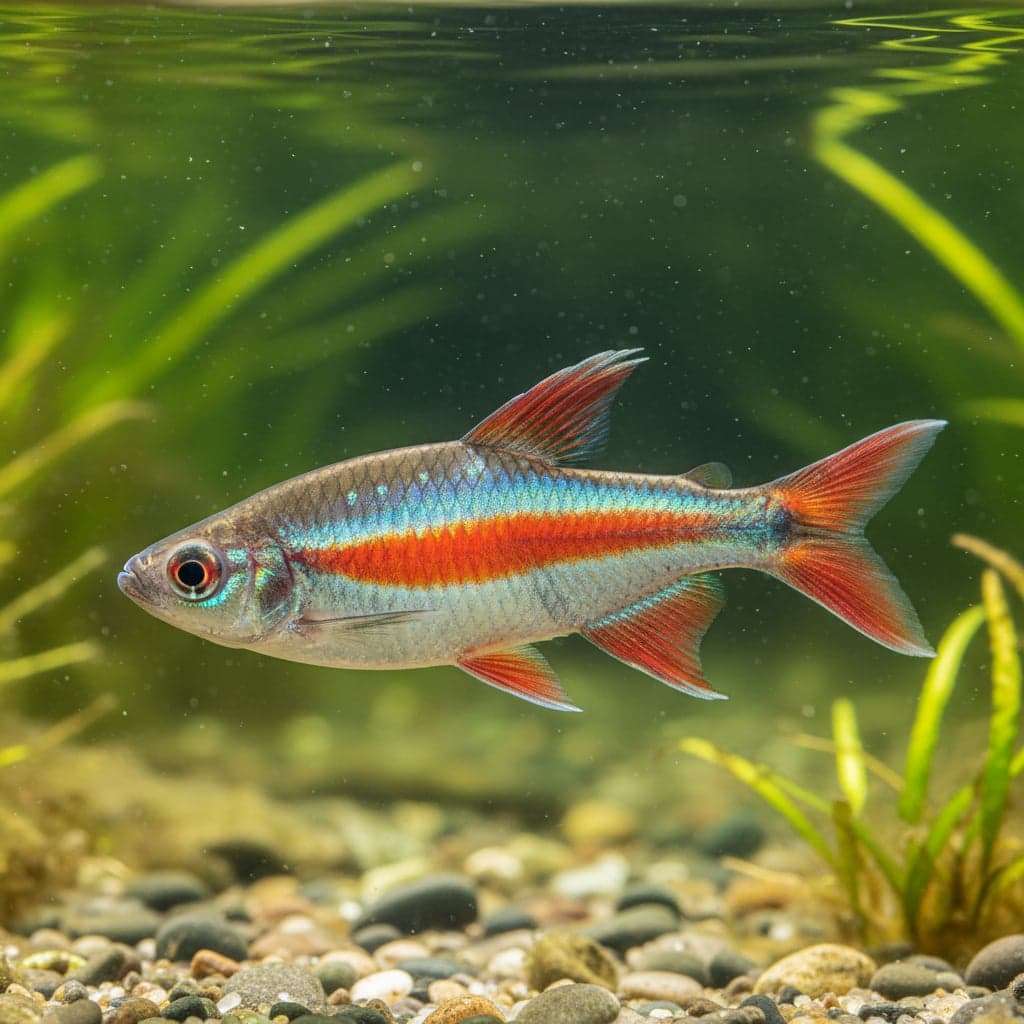
Melanotaenia splendida rubrostriata
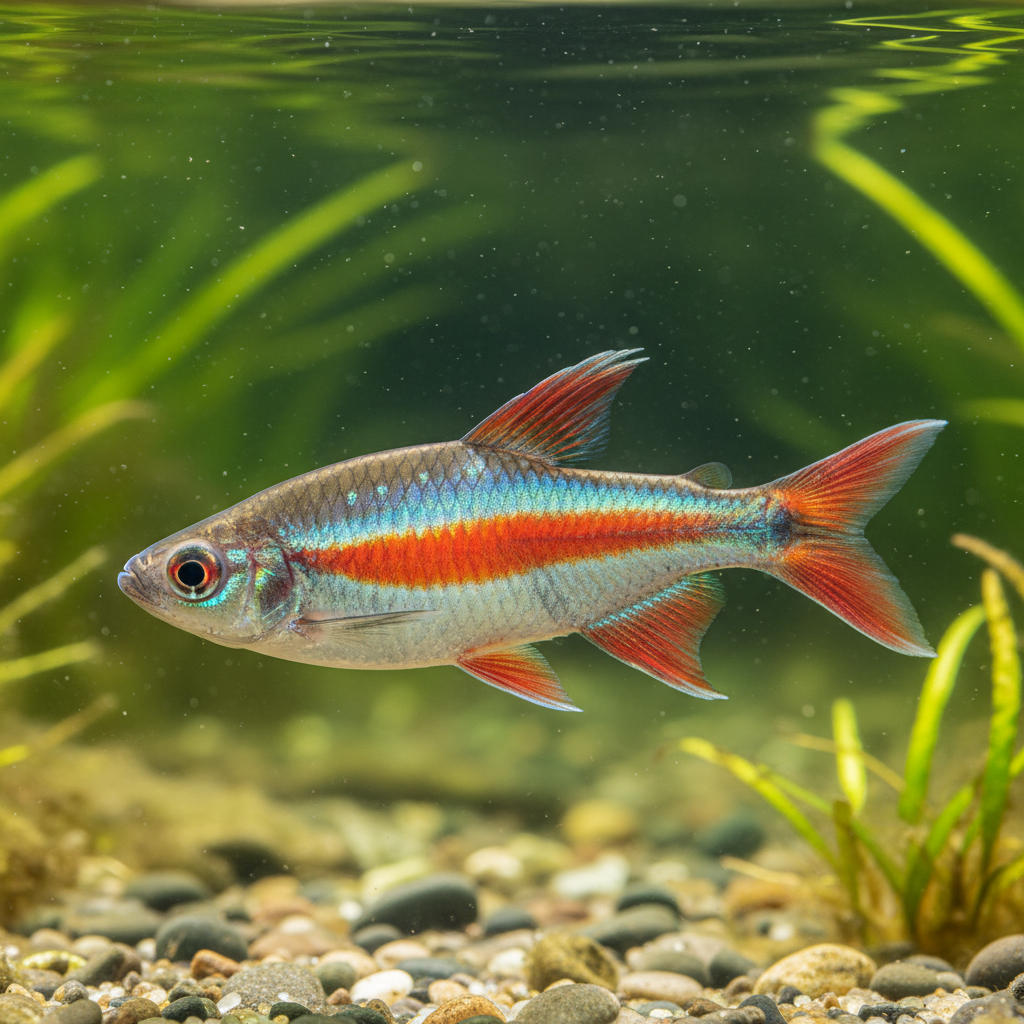
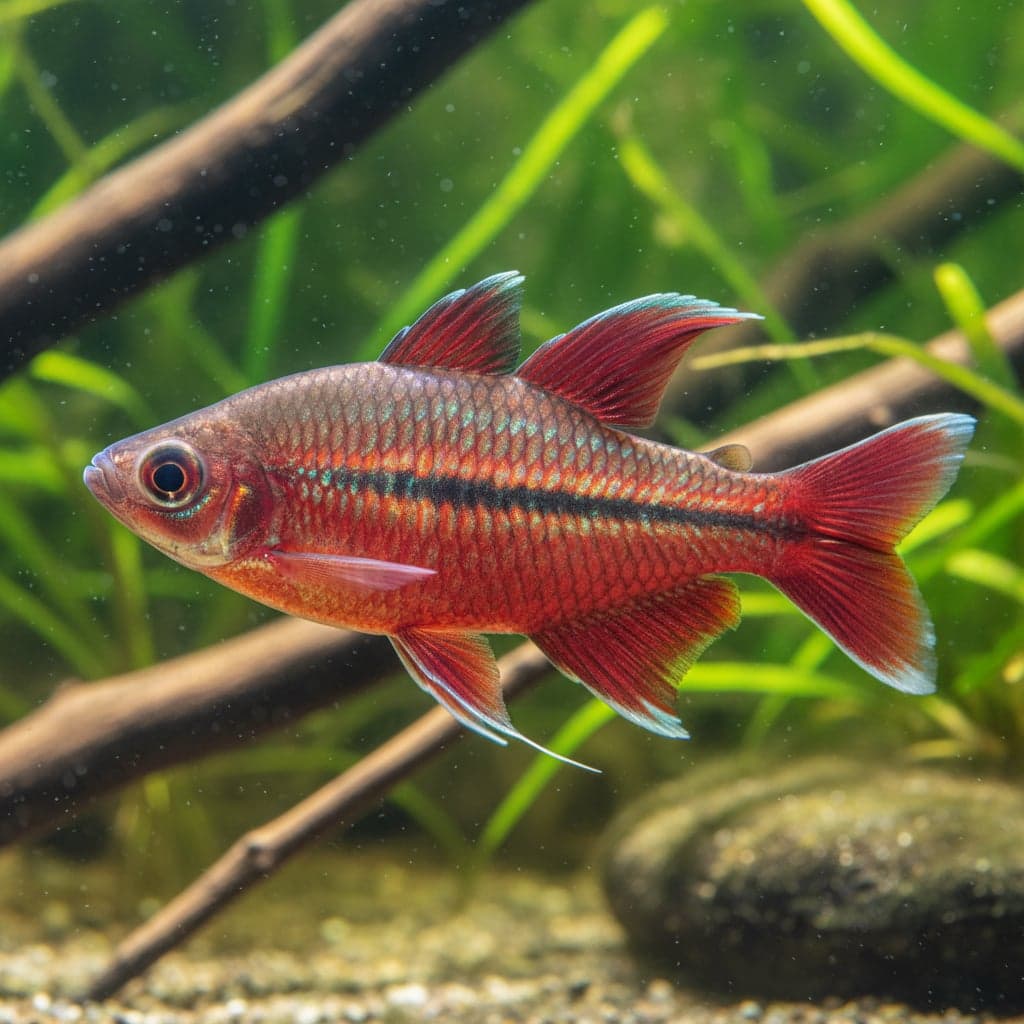
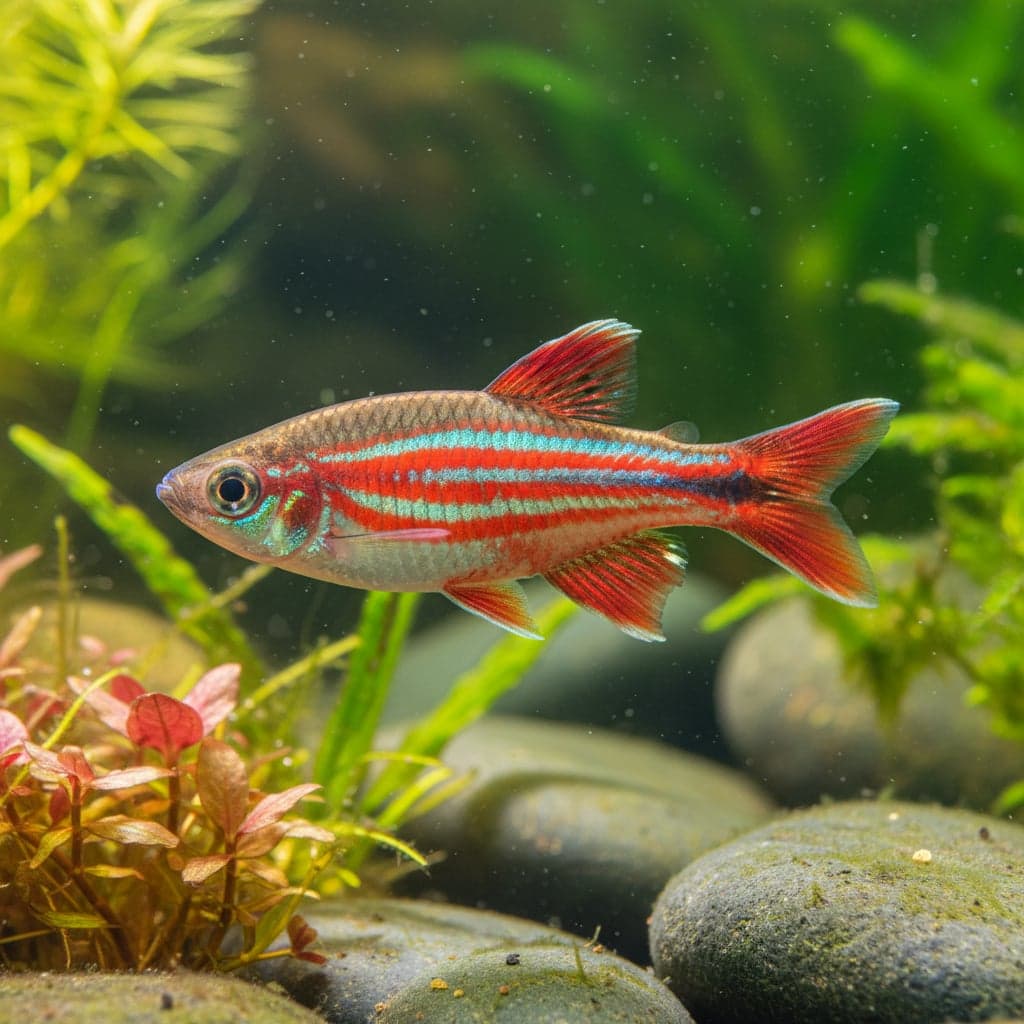
The Melanotaenia splendida rubrostriata, commonly known as the Red-striped Rainbowfish, is a striking addition to freshwater aquariums, celebrated for its vibrant coloration and lively behavior. This freshwater fish exhibits an electrifying mixture of colors including iridescent blues, yellows, and a prominent red stripe along their bodies, giving them an eye-catching appearance. The overall size of this species typically ranges from 3 to 4 inches in length, with males showcasing more intense colors and larger fins, especially during breeding season. Their vivid color patterns and dynamic movements not only enhance the aesthetic value of an aquarium but also bring life to any aquatic environment, making them a highly sought-after species in the aquarium hobby.
In addition to their visual appeal, the Red-striped Rainbowfish holds a significant place in the aquarium trade due to its hardiness and ease of care, making it suitable for both novice and experienced aquarists. Native to specific river systems in New Guinea, the species has adapted well to captivity, allowing breeders to cultivate various color forms and hybrids. This adaptability has contributed to their popularity in home aquariums around the world. Moreover, their peaceful disposition allows them to coexist with a variety of other species, further enriching any community tank setup.
Natural Habitat & Origin
Melanotaenia splendida rubrostriata is predominantly found in the freshwater rivers and streams of New Guinea and surrounding islands. They thrive in clear waters characterized by moderate to gentle currents and are often found among aquatic vegetation, which provides shelter and breeding grounds. The natural habitat is typically warm, with water temperatures ranging from 24 to 30 degrees Celsius (75 to 86 degrees Fahrenheit) and pH levels between 6.5 and 7.5. The lakes and rivers where they are found often contain soft, slightly acidic waters; however, they have shown a remarkable ability to adapt to a range of water conditions in captivity, resulting in their popularity among aquarium enthusiasts.
The Red-striped Rainbowfish prefers environments rich in plant life, which not only offers shelter but also serves as a spawning ground. These systems support varied flora and fauna, making them a complex ecosystem where the fish can thrive. Understanding the geographical origins and natural habitats of the Red-striped Rainbowfish helps aquarists recreate optimal living conditions in their tanks, ensuring their health and well-being.
Care Requirements
To keep Melanotaenia splendida rubrostriata healthy and thriving, certain water parameters should be maintained. The ideal pH level ranges between 6.5 and 7.5, with a water hardness of 5 to 15 dGH. The recommended temperature should be between 24°C and 28°C (75°F to 82°F). Providing stable water conditions is essential. A minimum tank size of 20 gallons is advised for a small school, as these fish are active swimmers and require ample space.
When it comes to tank setup, a sandy or fine gravel substrate is preferred to mimic their natural habitat. The layout should include plenty of plants (both floating and rooted), rocks, and driftwood to create hiding spots and swimming areas. A well-planted aquarium not only provides cover but improves water quality by aiding in filtration. Moderate lighting works best, as it encourages plant growth while allowing the fish to display their vibrant colors. Regular water changes and filtration will also help maintain optimal conditions for this beautiful species.
Diet & Feeding
Melanotaenia splendida rubrostriata is primarily an omnivore, thriving on a varied diet that includes both animal and plant matter. A well-balanced diet should consist of high-quality flake or pellet foods supplemented with live and frozen options such as brine shrimp, daphnia, and bloodworms. Plant-based foods, like spirulina and vegetable flakes, can also be offered to promote optimal health and vibrant coloration. Feeding should occur 2-3 times a day in small amounts, ensuring that the fish consume all food within a few minutes to prevent water contamination.
By providing a diverse diet, aquarists can enhance the overall health and vitality of their Melanotaenia splendida rubrostriata, as varied nutrition is crucial for promoting their bright colors and active behavior. With proper feeding practices, these fish can thrive and exhibit their full potential in the aquarium.
Behavior & Temperament
The Red-striped Rainbowfish is renowned for its peaceful and social behavior, making it an excellent choice for community tanks. They are schooling fish, and it is advisable to keep them in groups of at least six to ensure their well-being. This schooling habit contributes to their active and visually pleasing behavior as they swim together in a synchronized manner.
In terms of aggression, Melanotaenia splendida rubrostriata is generally non-aggressive, although males may display territorial behaviors during breeding times. They tend to occupy the middle to upper levels of the tank, often swimming near the surface among the plants. Providing adequate swimming space and hiding spots is vital to reduce stress and encourage natural behaviors among these beautiful fish.
Tank Mates
When selecting tank mates for Melanotaenia splendida rubrostriata, it is essential to choose species that share similar water parameters and temperaments. Compatible tank mates include other peaceful schooling fish such as Neon Tetras, Corydoras Catfish, Guppies, and other Rainbowfish species. Additionally, small plecos and various shrimp species can create a harmonious community when paired with these vibrant fish.
However, it is crucial to avoid aggressive or overly large species that may harass or prey on the Red-striped Rainbowfish. Fish like Cichlids, larger Gouramis, and any fin-nipping species should be kept out of the same tank as they may lead to stress and harm to the Red-striped Rainbowfish. Ensuring a harmonious community tank will promote a thriving environment for all species involved.
Breeding
Breeding Melanotaenia splendida rubrostriata in captivity can be a rewarding experience for aquarists. These fish typically spawn in the early morning, preferring to lay their eggs among plants or fine substrates. To encourage spawning, it is advised to maintain optimal water conditions and provide ample vegetation. A separate breeding tank can be set up with soft, slightly acidic water to simulate their natural spawning environment.
After successful spawning, the adults should be removed to prevent them from consuming their eggs. The eggs will typically hatch within 6 to 10 days, depending on water conditions. Once hatched, the fry will require infusoria or finely crushed flakes until they grow large enough to accept larger foods. Proper care, optimal water quality, and a stable environment are crucial for the successful growth and development of the fry.
Common Health Issues
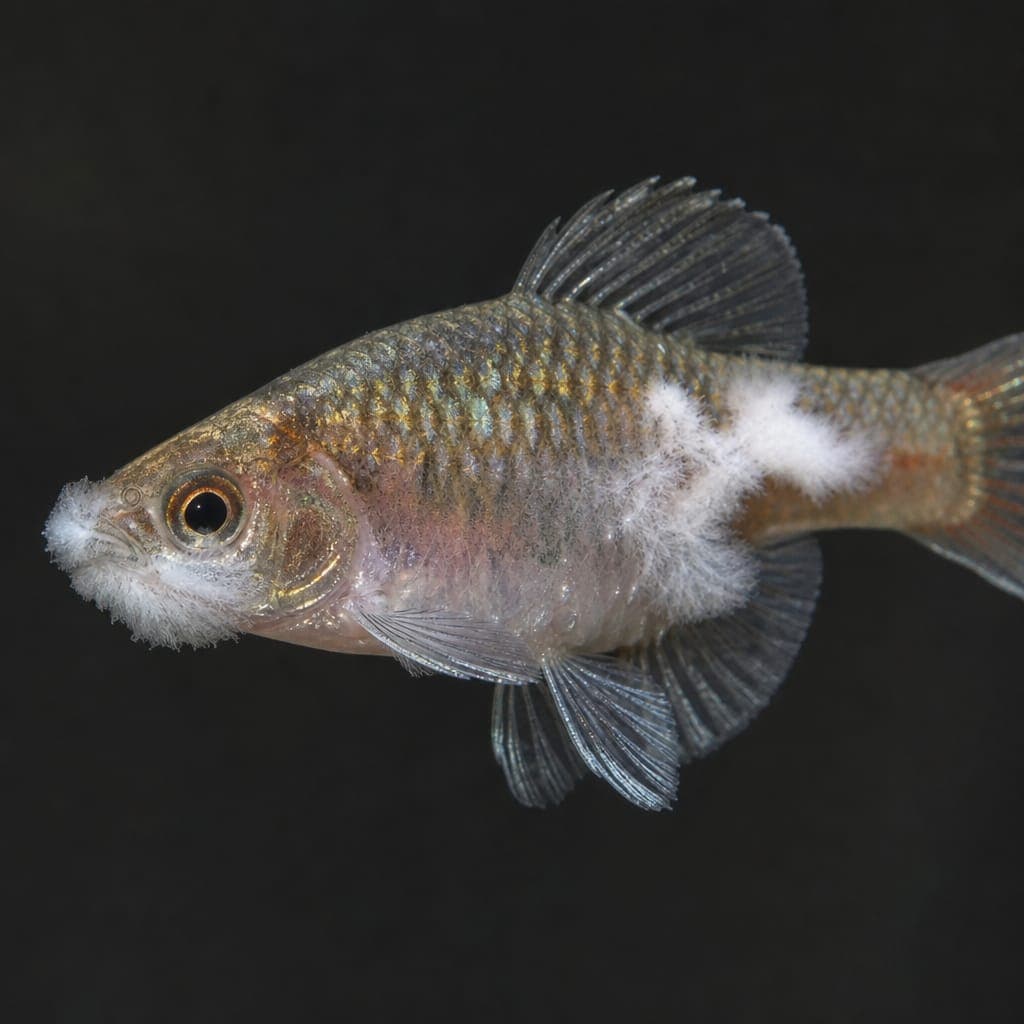
While Melanotaenia splendida rubrostriata is generally hardy, they can be prone to certain health issues if not properly cared for. Common diseases include ich (white spot disease), fin rot, and fungal infections, which can arise from stress or poor water quality. Preventative measures include maintaining stable water conditions, providing a proper diet, and avoiding overcrowding in the aquarium.
Regular monitoring and prompt action upon noticing any symptoms of disease, such as loss of color, nipping fins, or unusual swimming behavior, can greatly increase the chances of successful treatment. Aquarists should always be prepared with a basic aquarium health kit, as early detection and intervention are the keys to keeping Red-striped Rainbowfish healthy.