Red-tailed Black Shark: Epalzeorhynchos bicolor
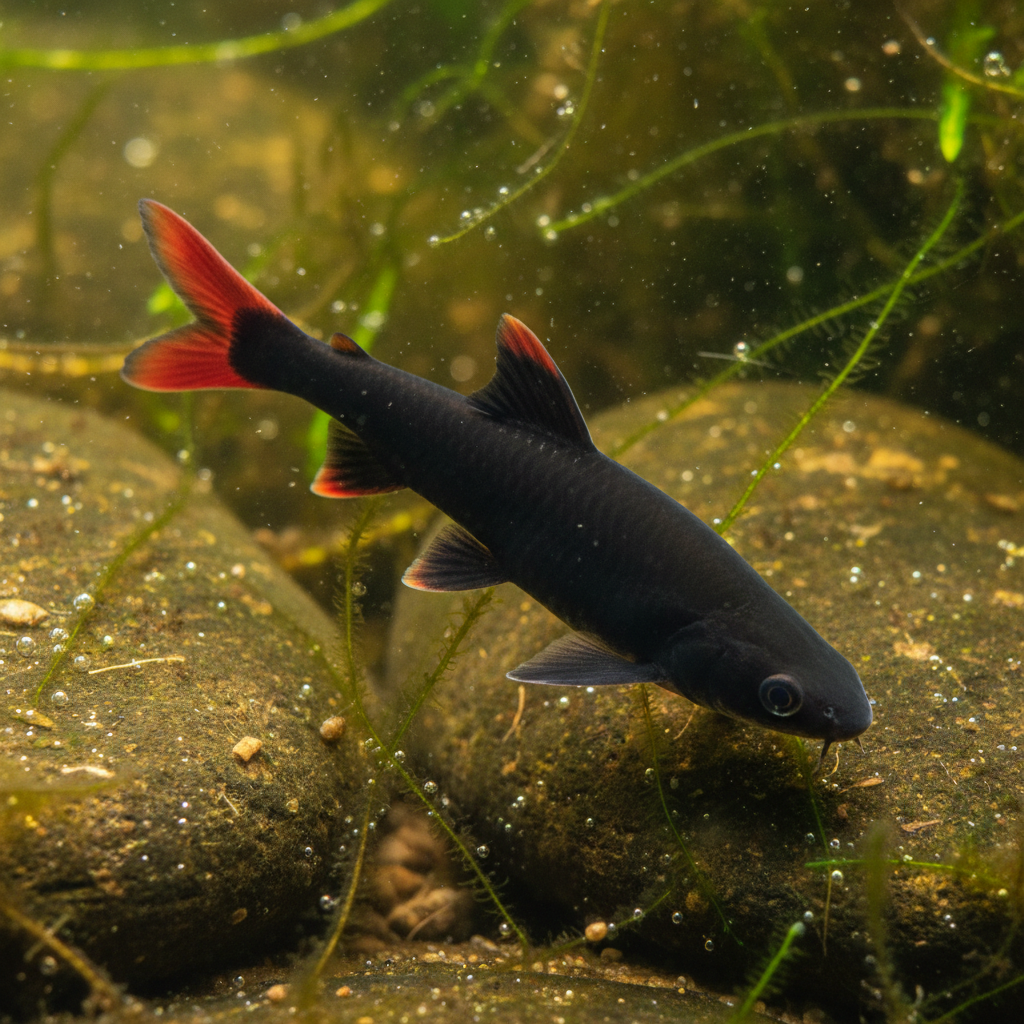
A brilliantly contrasting, fiercely territorial bottom dweller featuring a jet-black velvet body and an impossibly bright red tail.
Red-tailed Black Shark
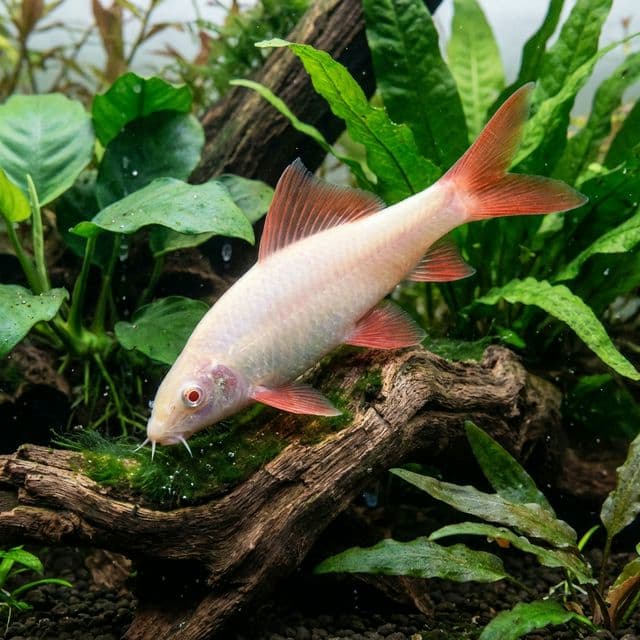
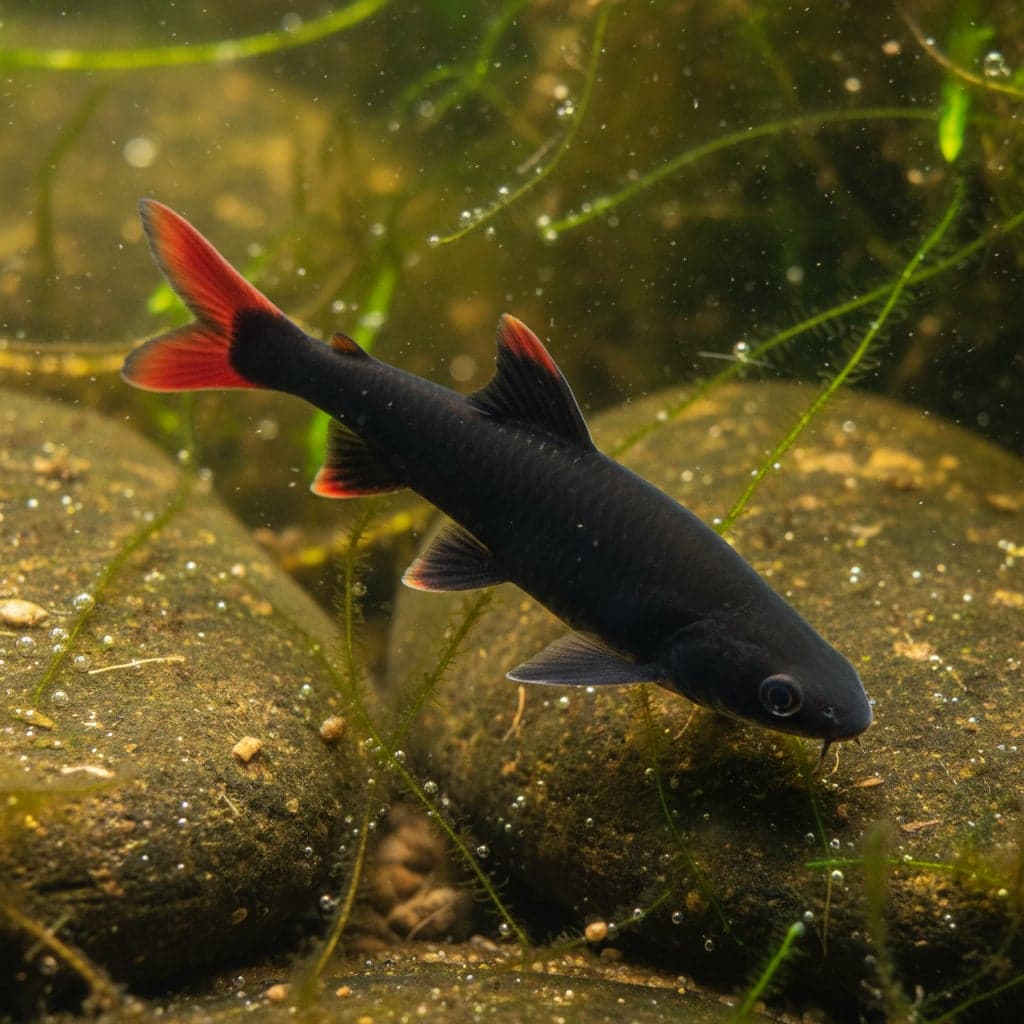
The Red-tailed Black Shark, scientifically known as Epalzeorhynchos bicolor, is a striking freshwater fish that has garnered a significant presence in the aquarium hobby. With its deep black body and vibrant red to orange tail, this species is not only visually stunning but also an intriguing addition to any aquarist's tank. Known for its streamlined body, which can grow up to 6 inches in length, the Red-tailed Black Shark becomes a breathtaking centerpiece amidst aquatic flora. Its vivid coloration and unique shape allow it to stand out, making it a popular choice among both novice and experienced aquarists.
In addition to its aesthetic appeal, the Red-tailed Black Shark holds ecological importance as it contributes to the biodiversity of the aquatics environment. This species is primarily collected from its native habitats in Southeast Asia, specifically Thailand and Laos, where it plays a role in local aquatic ecosystems. Its charismatic nature and adaptability have turned it into a staple in the aquarium trade, promoting awareness of freshwater biodiversity while also encouraging the adoption of responsible aquarium practices among hobbyists.
Natural Habitat & Origin
The Red-tailed Black Shark is endemic to the freshwater rivers and streams of Southeast Asia. Specifically, it can be found in the Chao Phraya River basin and adjacent waterways. This environment typically includes slow-moving waters with a sandy or gravel substrate, surrounded by dense vegetation. The natural habitat consists of both clear and slightly murky waters, offering the fish protection and cover. The water conditions in these areas are generally soft with low to moderate mineral content, leading to an ideal environment for this fish's roots.
As a freshwater species, the Red-tailed Black Shark thrives in a stable environment that mimics its natural habitat. This necessitates an understanding of their native water conditions in order to recreate a thriving aquarium environment. The fish prefers areas where slight currents or movement exist, which is vital to its well-being and behavior in captivity.
Care Requirements
To ensure the health and longevity of the Red-tailed Black Shark, specific water parameters must be maintained. The ideal pH level for these fish ranges between 6.5 to 7.5, accompanied by a water temperature of 72°F to 79°F (22°C to 26°C). Hardness should be kept between 5 to 15 dGH, allowing for optimal habitat conditions. In terms of tank size, a minimum of 50 gallons is recommended to accommodate the Red-tailed Black Shark's active swimming habits and territorial nature.
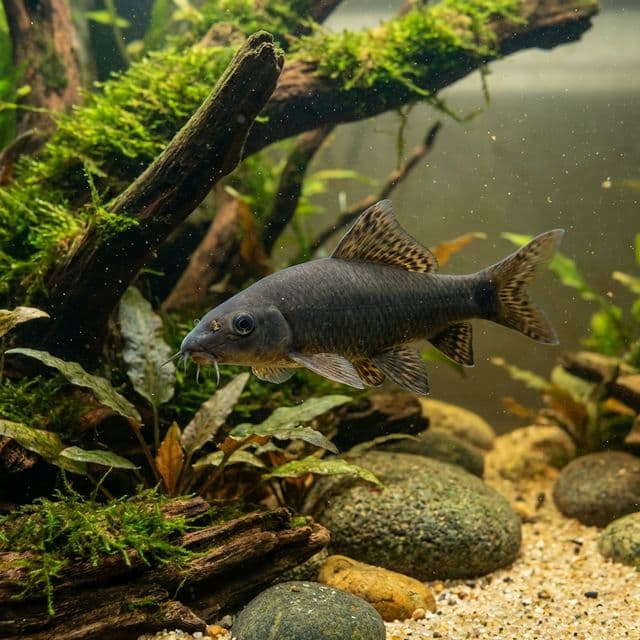
When setting up the tank, opting for a sandy substrate will mimic the fish's natural environment more closely. The inclusion of ample hiding places—such as rocks, driftwood, and dense plant life—is crucial, as it creates a sense of security for these fish. Moderate lighting can be used to accentuate their colors, while live or artificial plants can reduce stress levels by providing suitable areas for the fish to explore and hide.
Diet & Feeding
The Red-tailed Black Shark is classified as an omnivore, which means it thrives on a varied diet. In captivity, it is best fed a balanced mix of high-quality pellets and flakes that are specifically formulated for herbivorous or omnivorous fish. Additionally, including frozen or live foods—such as bloodworms, brine shrimp, and daphnia—will provide essential nutrients and enhance their overall well-being. It's important to avoid overfeeding, as this can lead to health issues such as obesity or poor water quality.
Regular feeding should consist of small amounts multiple times a day, ensuring that food is consumed within a few minutes to maintain tank cleanliness. Towards meeting its algae-based dietary needs, providing blanched vegetables such as zucchini or spinach can also be beneficial to a Red-tailed Black Shark's diet, encouraging a well-rounded nutrition profile.
Behavior & Temperament
The Red-tailed Black Shark is known for its semi-aggressive nature, especially as it matures. While they can display a placid demeanor when younger, these fish often become territorial as they grow, particularly towards their own kind or similar species due to their stabling social hierarchies. It is crucial to provide sufficient space and hiding spots in the aquarium to allow for territorial displays without excessive aggression.
In terms of tank placement, the Red-tailed Black Shark tends to inhabit lower to mid-level areas of the aquarium but will swim throughout various zones. Providing ample room allows for natural swimming patterns while encouraging the fish to engage with different tank environments. Observing their behaviors and social interactions is key to minimizing stress and promoting a harmonious tank atmosphere.
Tank Mates
Choosing compatible tank mates for the Red-tailed Black Shark requires careful consideration of species' temperaments and territorial behaviors. Ideal companions include larger, robust species that can hold their own against the Red-tailed Black Shark's semi-aggressive tendencies. Suitable tank mates may include:
- Barbs (e.g., Tiger Barbs)
- Larger Tetras
- Gouramis (such as Pearl Gouramis)
- Cichlid species (non-aggressive types)
Conversely, it is advisable to avoid smaller or very peaceful species, such as small tetra varieties, shrimp, or slow-moving fish that might be perceived as easy targets. The Red-tailed Black Shark's nature can lead to stress and potential harm to less aggressive or vulnerable fish, disrupting the tank's balance.
Breeding
Breeding the Red-tailed Black Shark in captivity can be a challenge, as they are notoriously difficult to breed and typically require specific conditions. Spawning behavior often occurs in well-maintained soft water with a slightly acidic pH of about 6.0 to 6.5 and a higher temperature around 78°F (26°C). A separate spawning tank is recommended, equipped with a grounded spawning mesh or slate for egg laying.
In proper conditions, the female will lay eggs in the early morning, usually during water temperature fluctuations mimicking rain conditions, while the male will fertilize them. After a week, the eggs will hatch, and the fry should be fed finely crushed flakes or infusoria until they can consume larger foods. It is essential to remove the adults from the breeding tank as they may eat their eggs and fry, which can hinder successful reproduction.
Common Health Issues
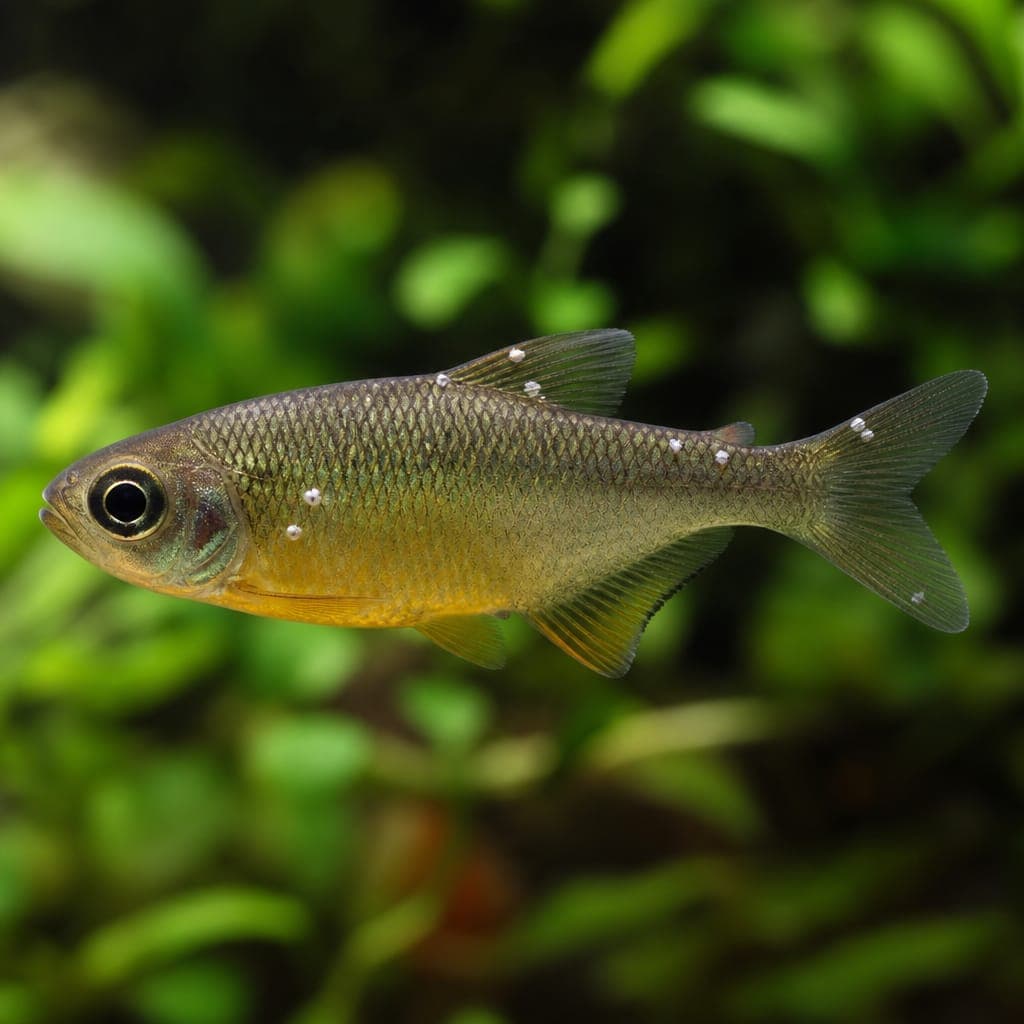
The Red-tailed Black Shark is generally resilient but can be susceptible to certain health issues. Common ailments include ich (white spot disease), fin rot, and stress-related conditions due to poor water quality. Preventative measures, such as maintaining optimal water parameters, frequent water changes, and proper tank hygiene, can mitigate these risks.
Monitoring behavior for signs of distress, such as abnormal swimming patterns, excessive scratching against tank surfaces, or changes in appetite, can also aid in early detection of health problems. Regularly inspecting the tank for any signs of disease, along with quarantine procedures for new fish, will further enhance the health and longevity of the Red-tailed Black Shark in your aquarium.