Red-top Afra: Cynotilapia afra
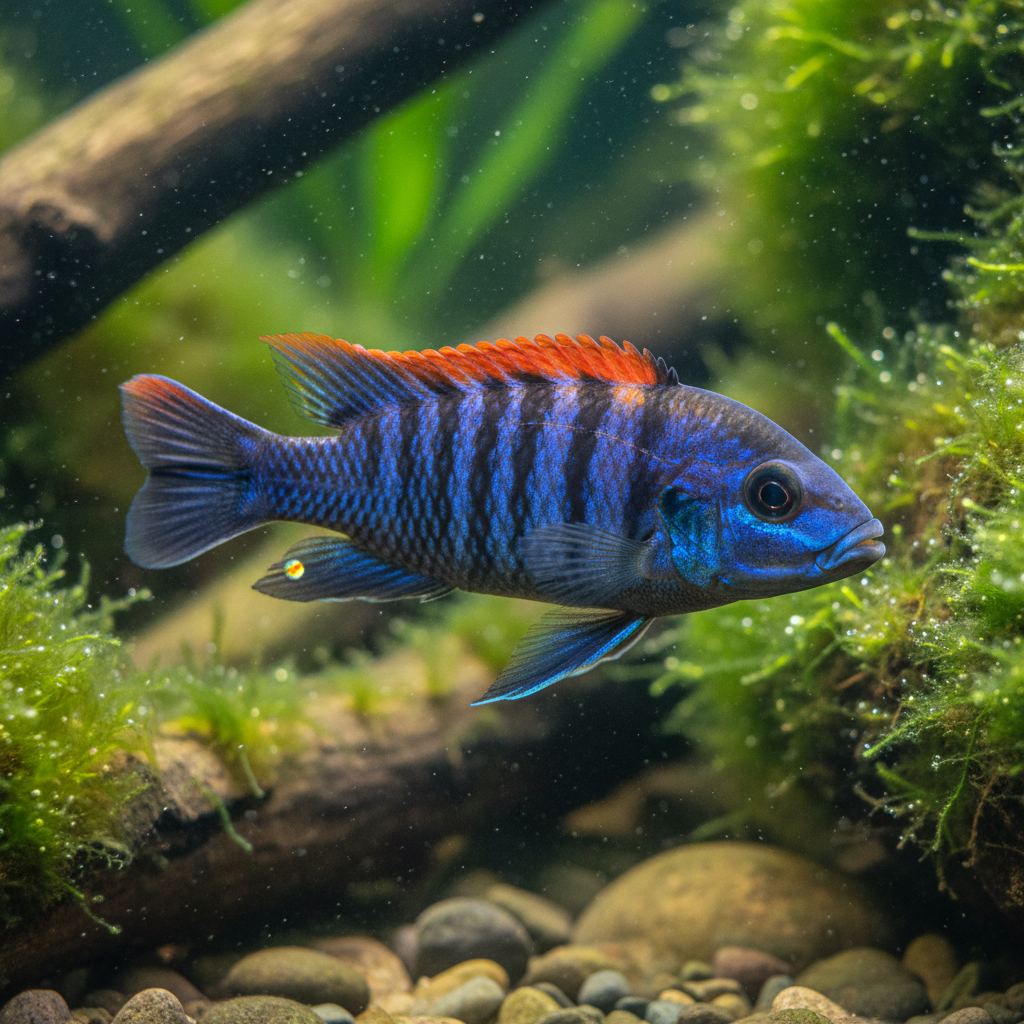
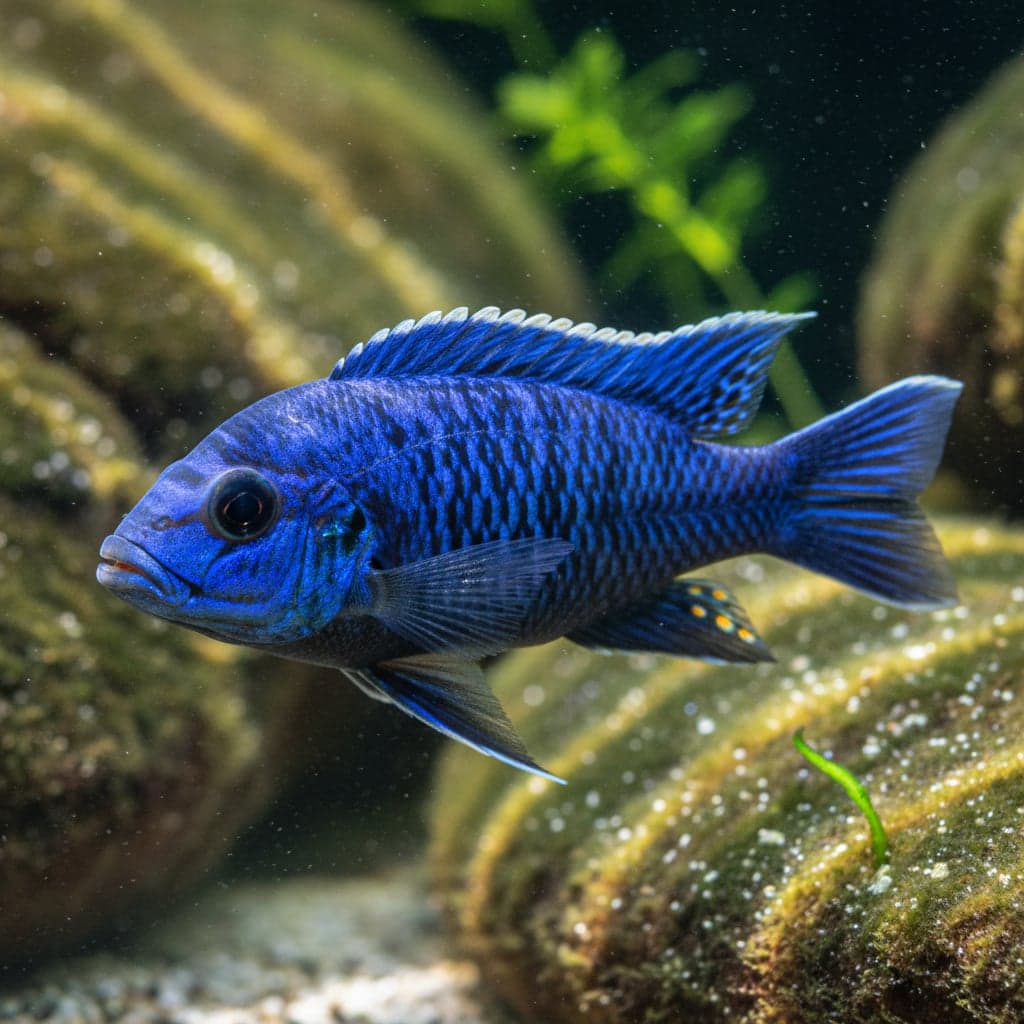
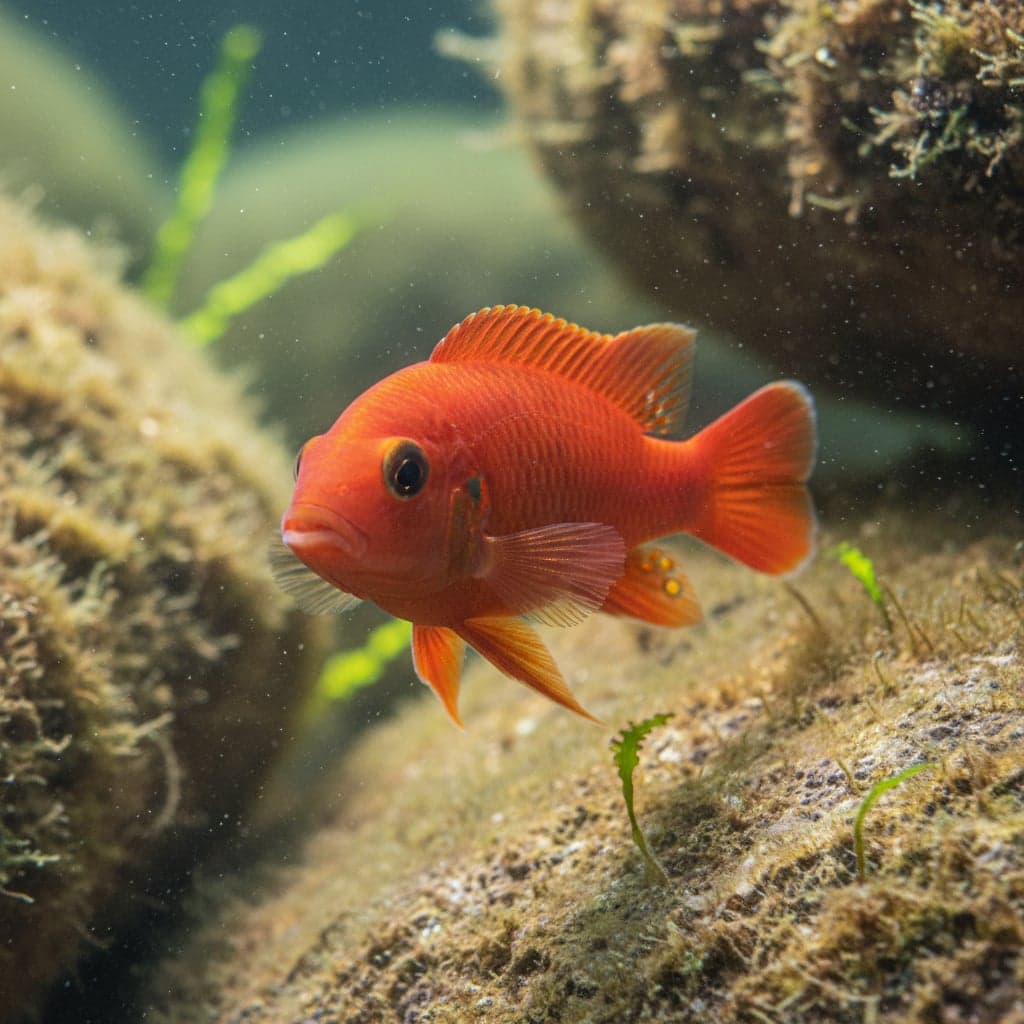
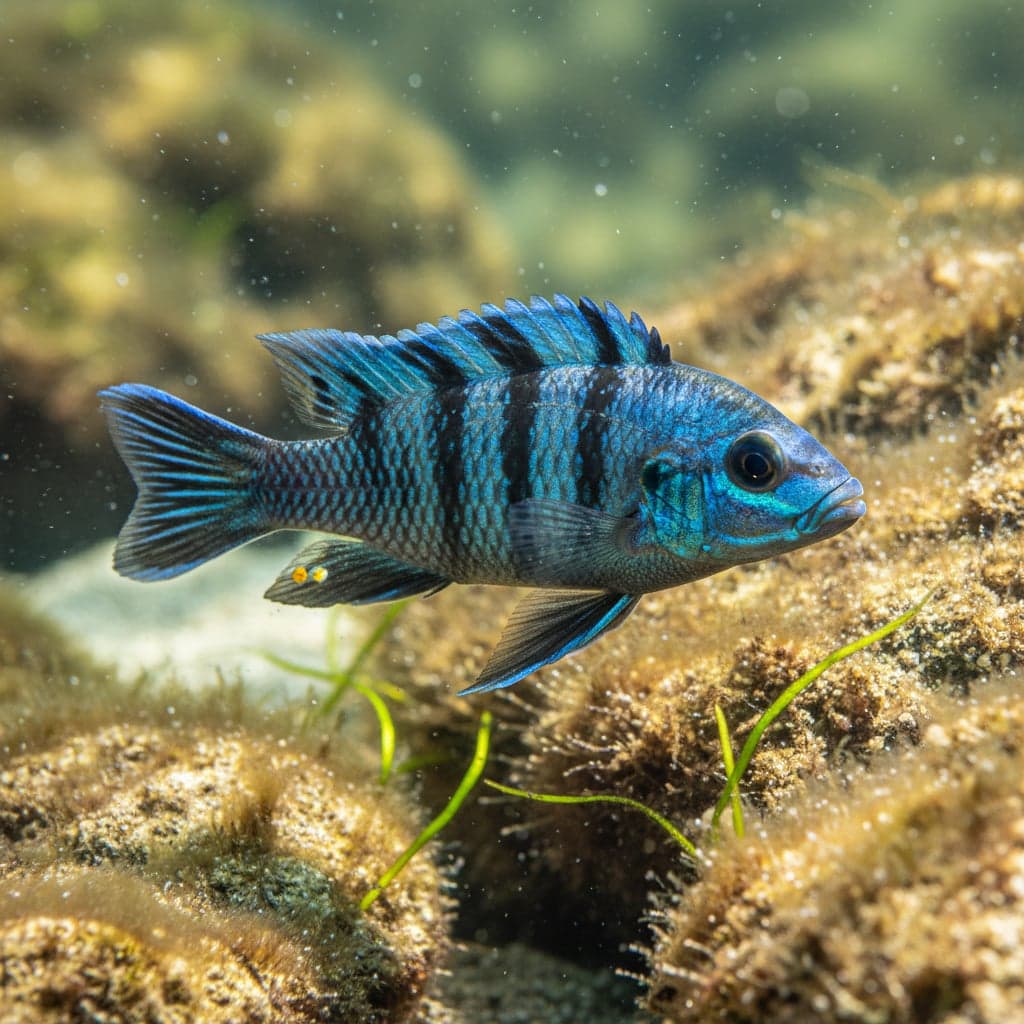
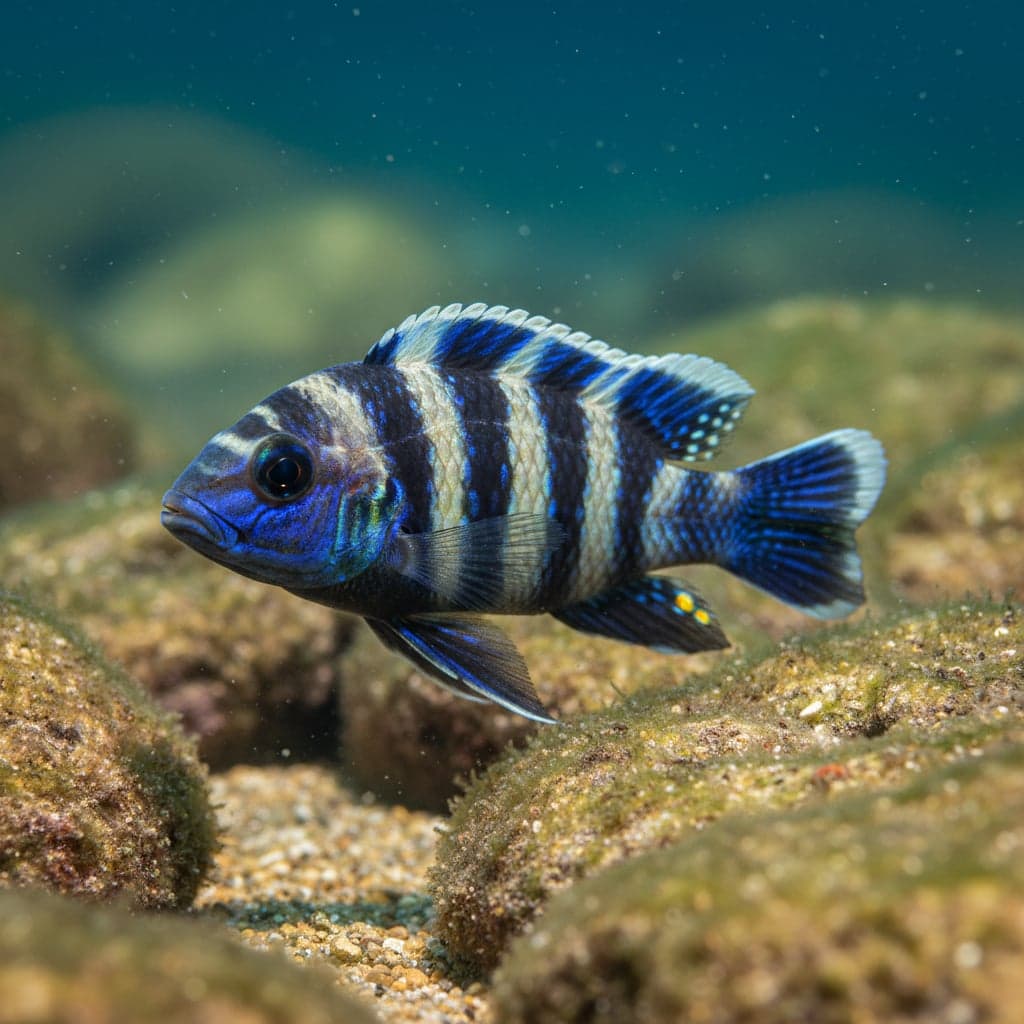
A spectacular, aggressive dwarf Mbuna cichlid featuring fiery orange-red dorsal fins set against a zebra-striped blue body.

Red-top Afra
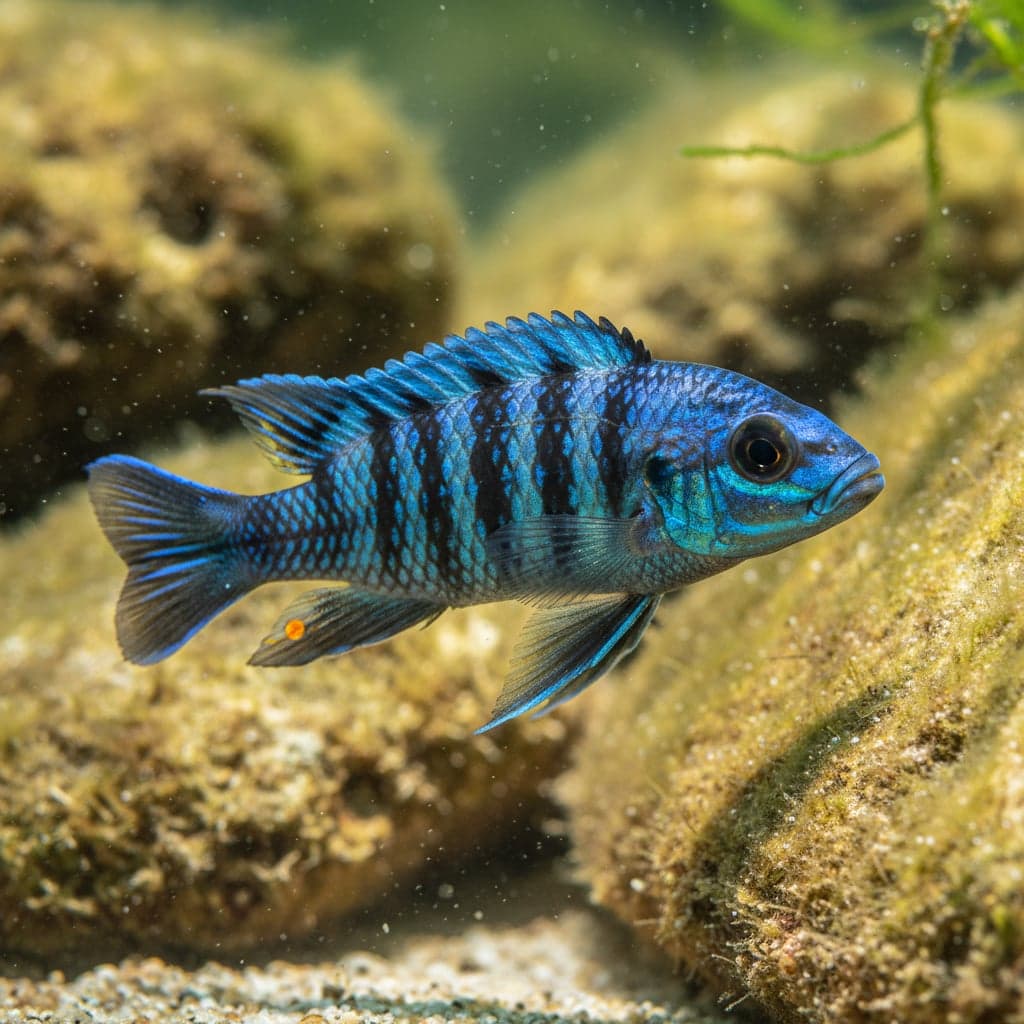
The Red-top Afra, scientifically known as Cynotilapia afra, is a stunning cichlid that hails from the rocky coastlines of Lake Malawi in East Africa. This captivating fish is renowned for its vibrant coloration, particularly the striking red hues found on the dorsal fin, which contrast beautifully with its blue and yellow body. The color variations among individual Red-top Afra make them a sought-after species for aquarists looking to add a splash of vibrancy to their tanks. Their allure is not solely based on appearance; they also possess fascinating social behaviors and display interesting territorial instincts, making them a dynamic addition to community aquariums.
In the aquarium hobby, the Red-top Afra represents the rich biodiversity of African cichlids and serves as an ambassador for habitat conservation efforts. The appeal of this fish has led to successful breeding programs in captivity, helping to relieve pressure on wild populations and educate enthusiasts about the essential ecosystems they represent. Given its significance in both aesthetic and ecological contexts, the Red-top Afra is more than just a fish; it stands as a remarkable example of aquatic beauty and the importance of responsible fishkeeping.
Natural Habitat & Origin
The Red-top Afra is endemic to Lake Malawi, which is one of the largest and most biodiverse lakes in Africa. This cichlid typically inhabits rocky shorelines where it shelters among the boulders and substrate. The water in Lake Malawi is characterized by its clarity and mineral richness, with pH levels that generally range from 7.5 to 8.5, and temperatures between 23°C to 28°C (73°F to 82°F). These conditions foster a unique array of flora and fauna, contributing to the essential ecosystem that supports the diverse cichlid populations found in the lake. The rocky environments play a critical role in providing territories for the Red-top Afra, allowing them to exhibit their natural behaviors in a simulated aquarium habitat.
Care Requirements
To successfully maintain the Red-top Afra in captivity, specific care requirements must be met. The ideal aquarium size for a small group of Red-top Afra is at least 75 gallons; this allows for adequate swimming space and territories, essential for minimizing aggression. The substrate should ideally be composed of sand or fine gravel, replicating their natural habitat's substrate, while smooth rocks and caves should be strategically placed to create hiding spots. Lighting should be moderate to bright, promoting plant growth if live plants are incorporated, though many aquarists opt for minimal plants to mimic their rocky environment.
In terms of water parameters, the Red-top Afra thrives in conditions with a pH between 7.5 and 8.5, a temperature range of 24°C to 28°C (75°F to 82°F), and water hardness of 10 to 20 dGH. Regular water changes and high filtration are crucial to maintain water quality and simulate the lake's natural environment. Maintaining these parameters will significantly enhance the health and vitality of the Red-top Afra.
Diet & Feeding
The Red-top Afra is classified as an omnivore, with a diet that consists of a variety of foods in the wild. In captivity, high-quality flakes and pellets formulated for cichlids are highly recommended, as they provide a balanced diet. Additionally, including frozen or live foods, such as brine shrimp, daphnia, and bloodworms, can enhance their coloration and overall health. To mimic their natural feeding behavior, providing a varied diet not only supports their nutritional needs but also encourages natural foraging behaviors. Care should be taken to avoid overfeeding, as excess food can lead to poor water quality and health issues.
Behavior & Temperament
The Red-top Afra is known for its complex social structures and territorial behavior. Generally, they display semi-aggressive tendencies, particularly during breeding periods and when establishing dominance within the tank. It is advisable to keep them in groups to help distribute aggression, preferably with several females per male to mitigate conflicts. These fish are typically found in the middle to upper layers of the tank, actively swimming and defending their territories. Observing their interactions and social hierarchies can be fascinating, especially when they exhibit courtship displays or engage in territorial disputes.
Tank Mates
When selecting tank mates for the Red-top Afra, compatibility is key to maintaining a peaceful community aquarium. Ideal companions include other Malawian cichlids, such as the Yellow Lab (Labidochromis caeruleus), the Electric Yellow, or several species of Mbuna cichlids. However, caution should be exercised to avoid overly aggressive species that may harass the Red-top Afra. Species to avoid include larger cichlids and any aggressive fish, like the Jaguar cichlid or Green Terror, which can create an inhospitable environment. Additionally, avoid keeping them with slow-moving or shy species, which may become targets of aggression or stress.
Breeding
Breeding the Red-top Afra in captivity can be rewarding, given the right conditions. These fish are mouthbrooders, meaning the female will incubate the fertilized eggs in her mouth until they hatch into free-swimming fry. To encourage breeding, it is essential to provide suitable hiding spots and caves, as well as maintain optimal water parameters (pH, temperature, and hardness) consistent with their natural habitat. A ratio of one male to two or three females is ideal to ensure that the males do not overly stress the females during breeding. After spawning, the female will carry the eggs for about 2-3 weeks before releasing the fry, which can be fed on finely crushed flakes or specialized fry food.
Common Health Issues
While the Red-top Afra is generally resilient, they can be susceptible to specific health issues typical of cichlids, such as Malawi bloat, ich (Ichthyophthirius multifiliis), and fin rot. To prevent these diseases, maintaining optimal water quality through regular water changes and efficient filtration is crucial. Quarantining new arrivals before introducing them to an established tank can also minimize the risks of introducing pathogens. Additionally, providing a balanced diet and minimizing stress through appropriate tank conditions and compatible tank mates will contribute to their overall health and longevity. Regular observation of behavior and appearance can help catch any early signs of illness, allowing for prompt treatment and care.