Red-top Aristochromis: Aristochromis christyi
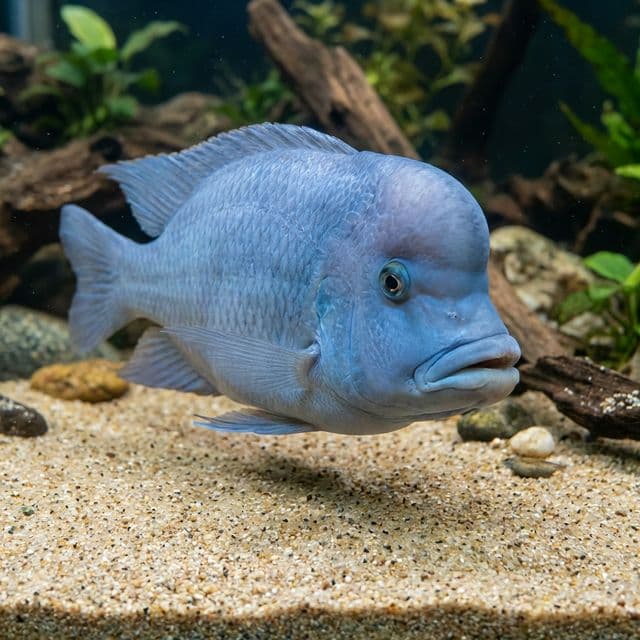
An immense, specialized predatory Lake Malawi "Hap" featuring a uniquely hooked, parrot-like downward curved beak.
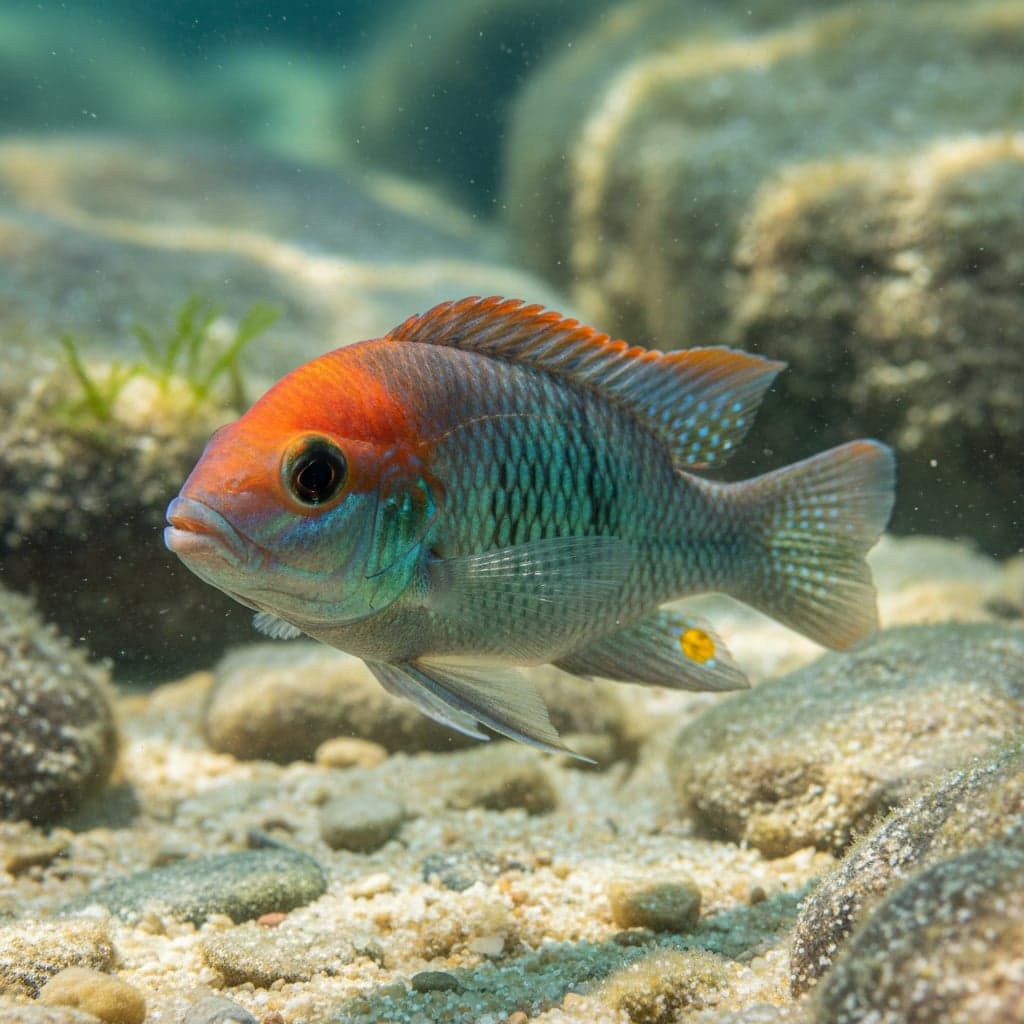
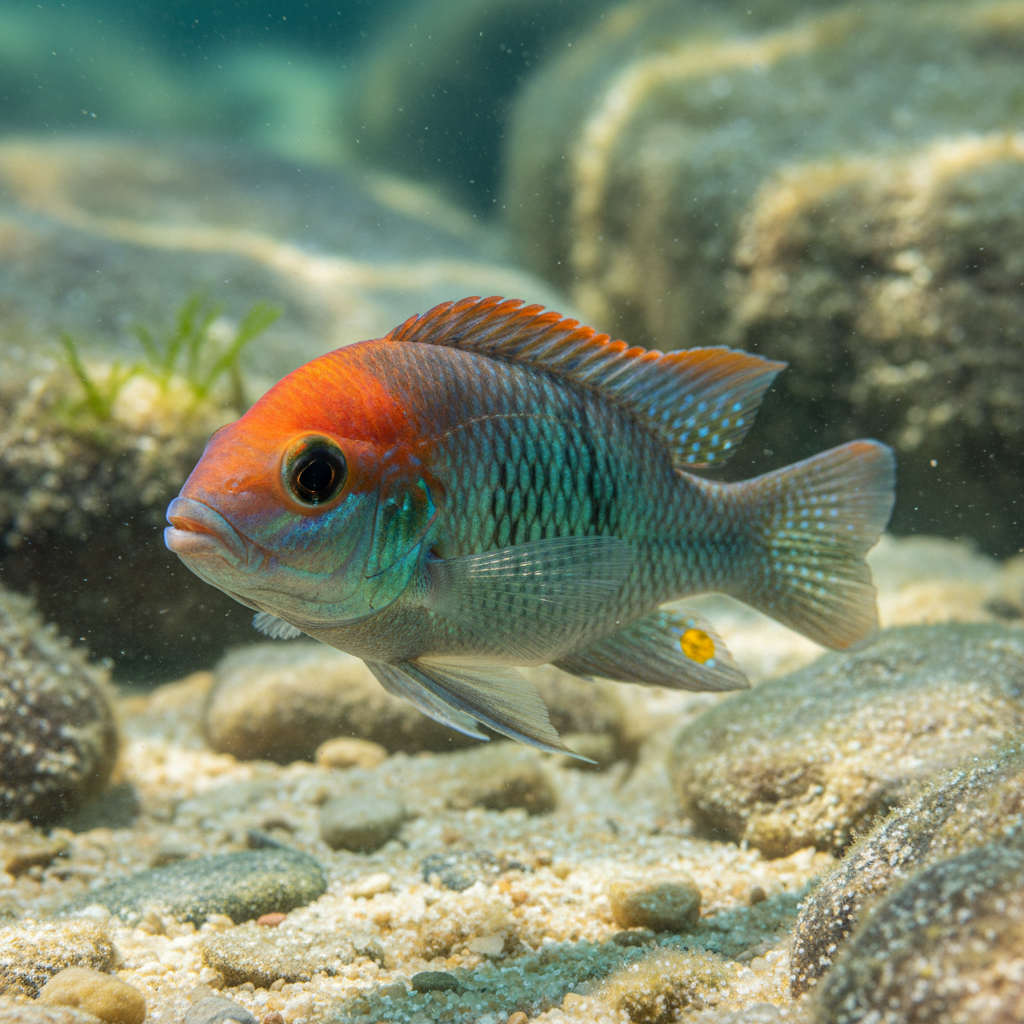
Red-top Aristochromis
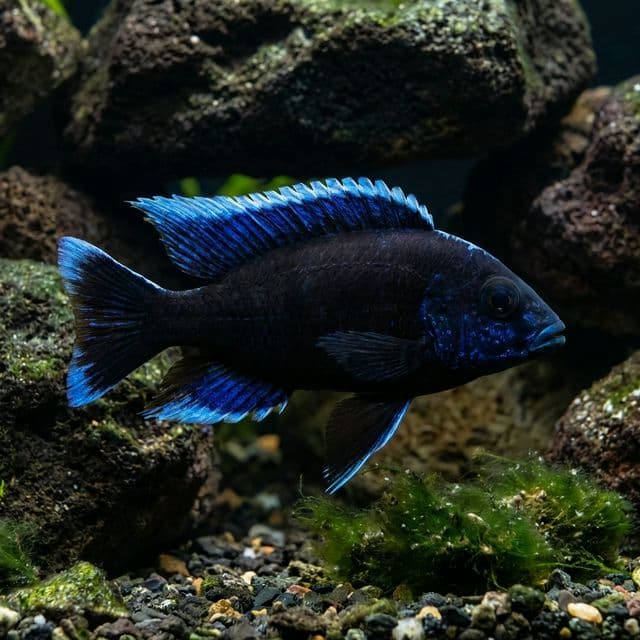
The Red-top Aristochromis, scientifically known as Aristochromis christyi, is an enchanting cichlid endemic to Africa's Lake Tanganyika. This species is particularly renowned for its striking appearance; the males showcase a vibrant metallic blue body complemented by a vivid red or orange dorsal fin. This eye-catching coloration not only captivates aquarists but also plays a vital role in the species' breeding rituals, as males display their bright hues to attract females. With a mature size of up to six inches, this cichlid serves as both a beautiful centerpiece in a community aquarium and an engaging species for hobbyists seeking to observe its fascinating behaviors.
In the aquarium hobby, the Red-top Aristochromis is significant for its vibrant coloration and relatively peaceful nature compared to other cichlid species. Its unique display, coupled with an inquisitive temperament, makes it a favorite among enthusiasts. The species not only enriches the visual appeal of freshwater tanks but also contributes to the biodiversity of cichlid collections, enhancing the educational experience for aquarists seeking to understand different species' behaviors and habitats.
Natural Habitat & Origin
The Red-top Aristochromis originates from the rocky shores of Lake Tanganyika, which is located along the borders of four countries: Burundi, the Democratic Republic of the Congo, Tanzania, and Zambia. This beautiful lake is known for its distinct ecosystem, with varying depths and abundant aquatic life. The Red-top Aristochromis inhabits clear waters rich in calcium carbonate, typically found among rocky substrates. Its natural environment is characterized by stable water conditions, where it thrives in pH levels ranging from 7.8 to 8.6 and a temperature range of 23°C to 28°C (73°F to 82°F). These conditions closely mirror those required in a home aquarium, emphasizing the importance of replicating its natural habitat for successful care.
The specific habitat of the Red-top Aristochromis features diverse micro-environments, ranging from sandy bottoms to rocky outcrops. This diversity not only provides hiding spots but also supports various algae and invertebrate life forms, which are essential for the fish's natural diet. Consequently, knowing about its natural habitat can significantly aid aquarists in creating a sustainable and thriving environment that aligns with the species' needs.
Care Requirements
Proper care for the Red-top Aristochromis involves creating a suitable environment that mimics its natural habitat in Lake Tanganyika. The minimum tank size should be at least 75 gallons, as these fish require ample swimming space and territory. The aquarium's substrate should consist of fine sand or smooth gravel to replicate their native surroundings. Providing plenty of rocks and caves not only adds visual appeal but also offers hiding spots, which reduces stress and encourages a sense of security among these cichlids. In terms of lighting, moderate levels are recommended to help promote the growth of beneficial algae while preventing excessive growth that may lead to algae blooms.
Water parameters are also crucial for the care of the Red-top Aristochromis. Ideal conditions include a pH range of 7.8 to 8.6, with temperatures maintained between 23°C to 28°C (73°F to 82°F) and moderate hardness (10-15 dGH). Regular water changes of at least 25% every two weeks are recommended to maintain water quality, as cichlids can be sensitive to elevated toxin levels. Additionally, a reliable filtration system is essential to handle the bioload of a community tank housing these active swimmers.
Diet & Feeding
The Red-top Aristochromis is primarily carnivorous, but it has a broad diet that can include a mix of both animal and plant matter. In captivity, it thrives on high-quality pellets specifically formulated for cichlids, which should be supplemented with frozen and live foods such as brine shrimp, mysis shrimp, and daphnia. Occasional vegetable matter, such as spirulina flakes or blanched green peas, can also be offered to ensure a balanced diet.
Feed the Red-top Aristochromis two to three times a day, providing portions that they can consume within a few minutes to prevent overfeeding and maintain water quality. A varied diet will not only promote optimal health but also enhance the vibrant colors of these stunning fish, making it a joy for aquarists to observe their development.
Behavior & Temperament
In terms of social behavior, the Red-top Aristochromis exhibits a relatively peaceful temperament compared to many other cichlid species, particularly when housed in a sufficiently large tank. They are best kept in semi-aggressive community setups and will generally display territorial behavior, especially males during breeding season. They are not known to school but may establish loose hierarchies within groups.
These fish prefer mid to upper levels of the tank, often swimming in the open water above rocky outcrops, where they spend time foraging and displaying. However, males can become aggressive towards one another if they feel their territory is threatened, particularly if not enough space or hiding spots are provided. Therefore, it's essential to monitor their interactions in community tanks, as adequate hiding spaces can significantly minimize confrontations.
Tank Mates
Choosing compatible tank mates for the Red-top Aristochromis is vital for creating a harmonious community aquarium. Ideal companions include other Lake Tanganyika inhabitants, such as smaller cichlid species or those with similar temperaments. Recommended tank mates are the Electric Blue Acara, Yellow Lab (Labidochromis caeruleus), and the Pseudotropheus species.
Conversely, avoid keeping the Red-top Aristochromis with overly aggressive species or those known for fin nipping, such as larger cichlids (e.g., Jaguar Cichlids or Oscar fish) and certain barbs. Careful consideration should also be given to schooling species, as cichlids may view smaller fish like tetras as potential food, leading to aggression and stress in the tank. The key is to ensure all fish in the aquarium have compatible temperaments and sufficient space to establish their territories.
Breeding
Breeding the Red-top Aristochromis in captivity can be a rewarding experience, although it requires attention to specific conditions. Typically, these fish exhibit mouth-breeding behavior, where females incubate eggs in their mouths for protection. For successful spawning, maintain optimal water parameters and provide cave-like structures within the tank, where females can lay eggs. Males will court females with displays of vibrant colors and fin flares, often leading to elaborate mating rituals.
To encourage breeding, increase feeding frequency and ensure water quality is high, as these factors can significantly impact the breeding process. After spawning, the female will carry the fertilized eggs in her mouth for about two to three weeks until they hatch. Once the fry are free-swimming, it is crucial to transfer them to a separate tank to reduce predation risk from male parents or other tank mates. Providing finely crushed flakes or specialized fry food will aid in the growth and development of young fish.
Common Health Issues
Like all aquarium fish, the Red-top Aristochromis can be susceptible to certain health issues if conditions are not optimal. Common diseases include ich (Ichthyophthirius multifiliis), which manifests as white cysts on the body and fins, and fin rot, which often follows injury or chronically poor water quality. Maintain hard, alkaline Malawi conditions, strong filtration, and a varied diet with limited fatty foods to reduce Malawi bloat risk. Quarantine newcomers and avoid sudden parameter swings. Watch for white spots, frayed fins, bloating, or loss of appetite, and treat promptly in a hospital tank. Stable rockwork territories and clean water keep Red-top Aristochromis colourful, active, and resilient for years.