Red-top Ice-blue Zebra: Metriaclima greshakei
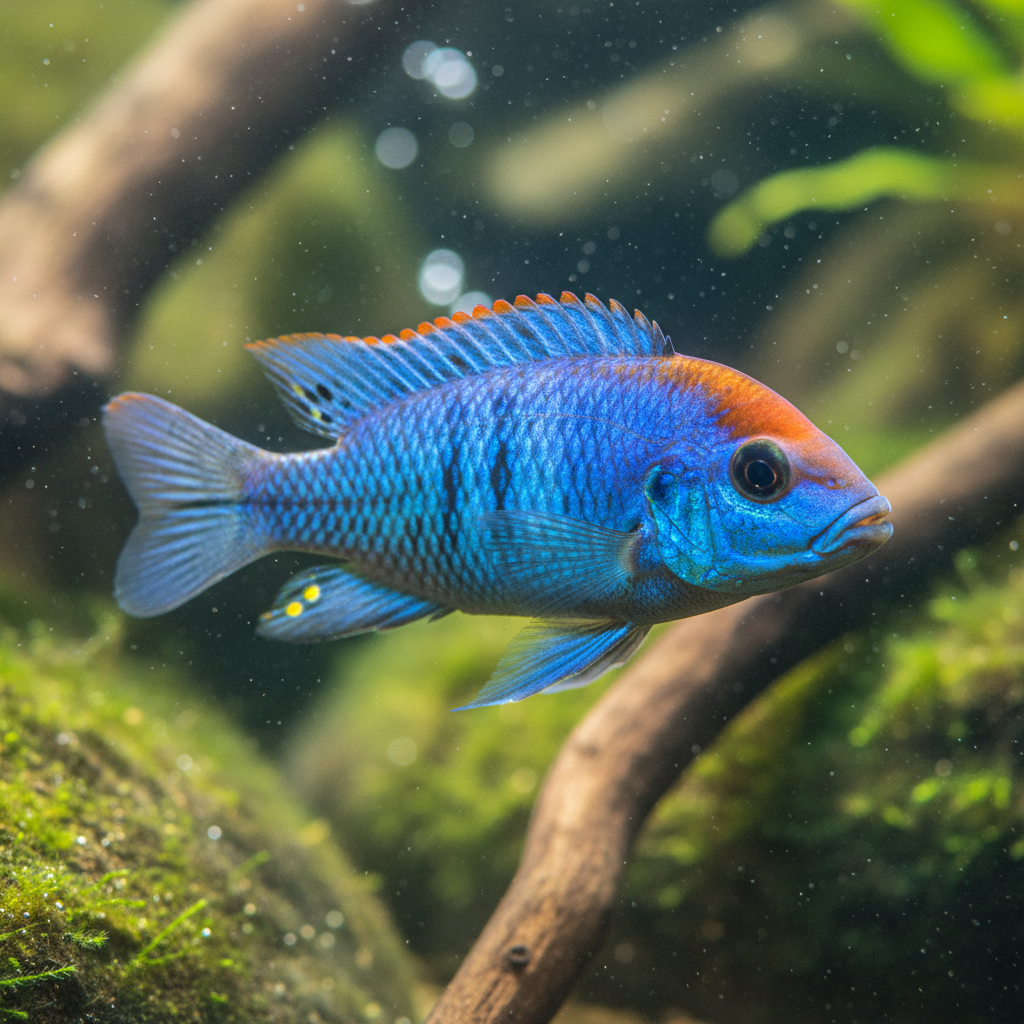
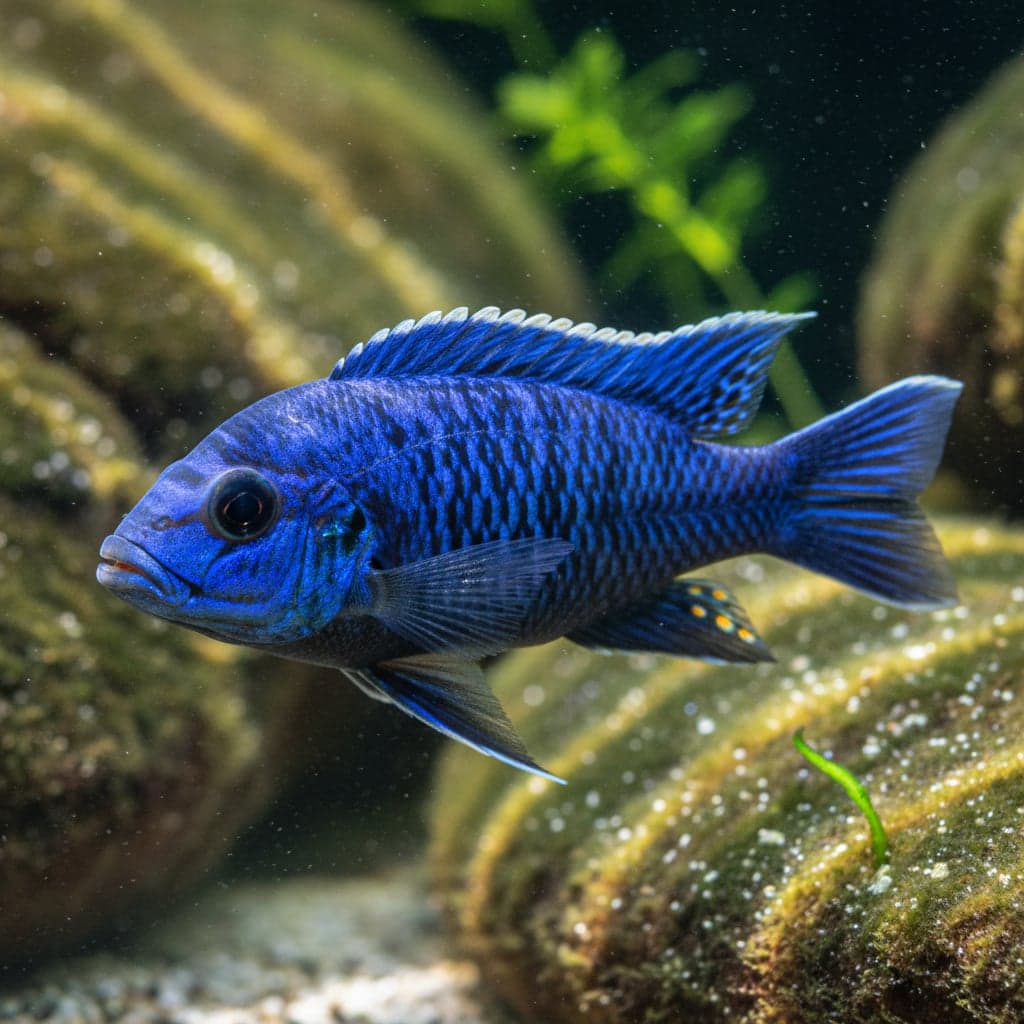
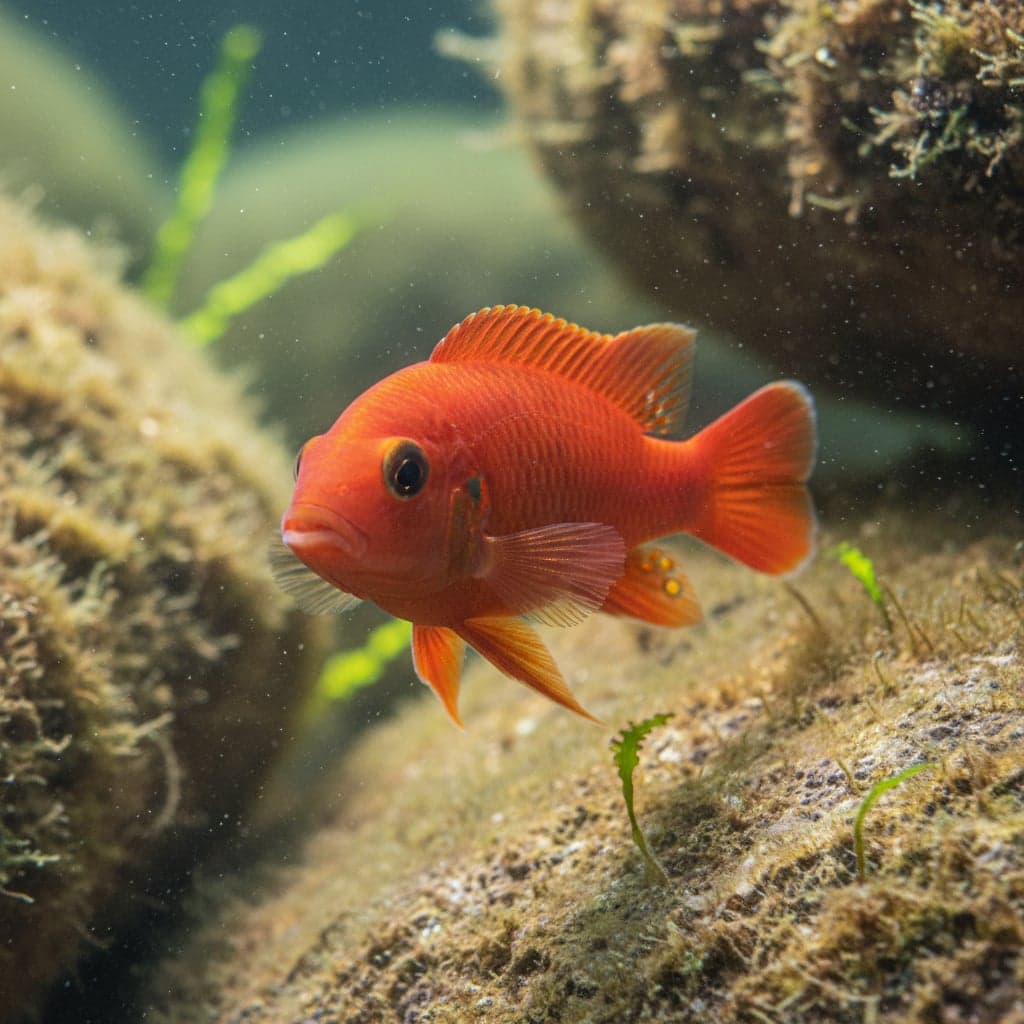
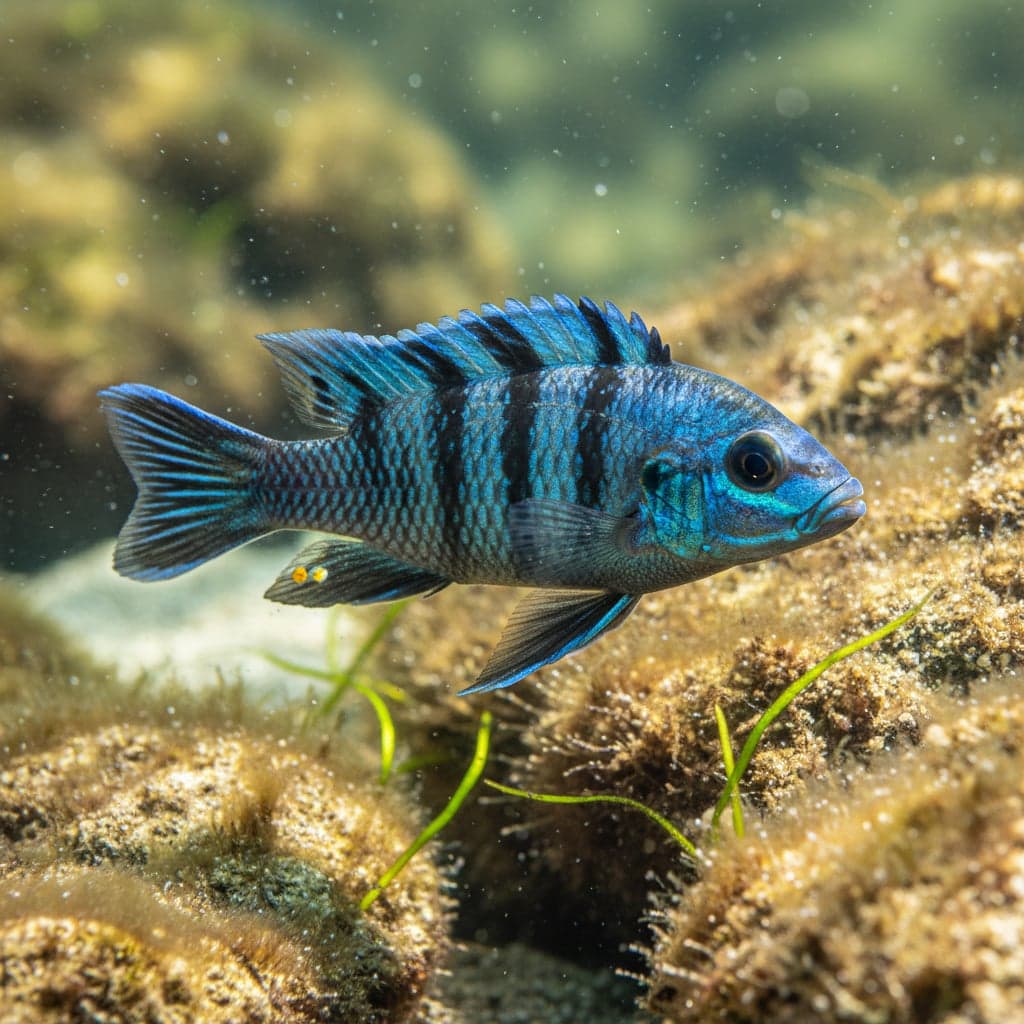
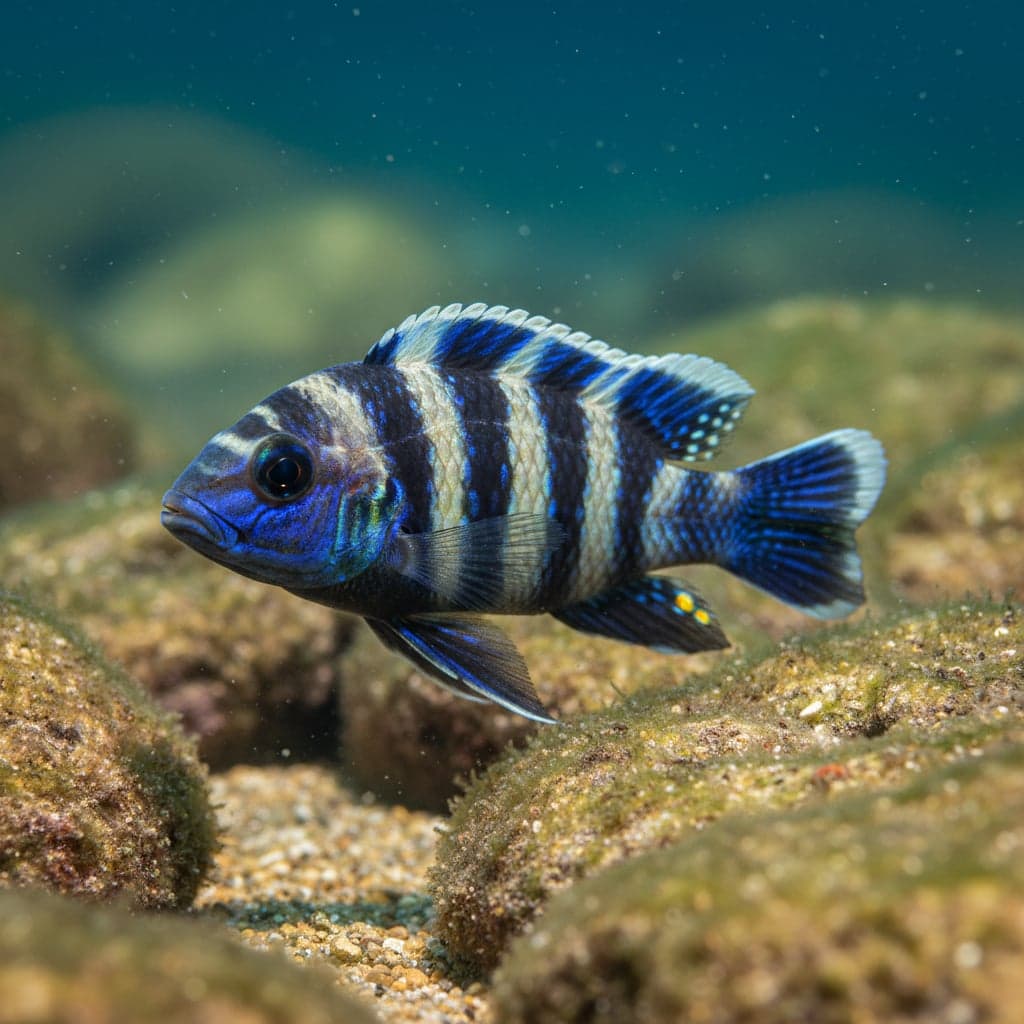
A spectacularly contrasting Mbuna cichlid where males display a stark powder-blue body crowned by a blazing orange fin.

Red-top Ice-blue Zebra
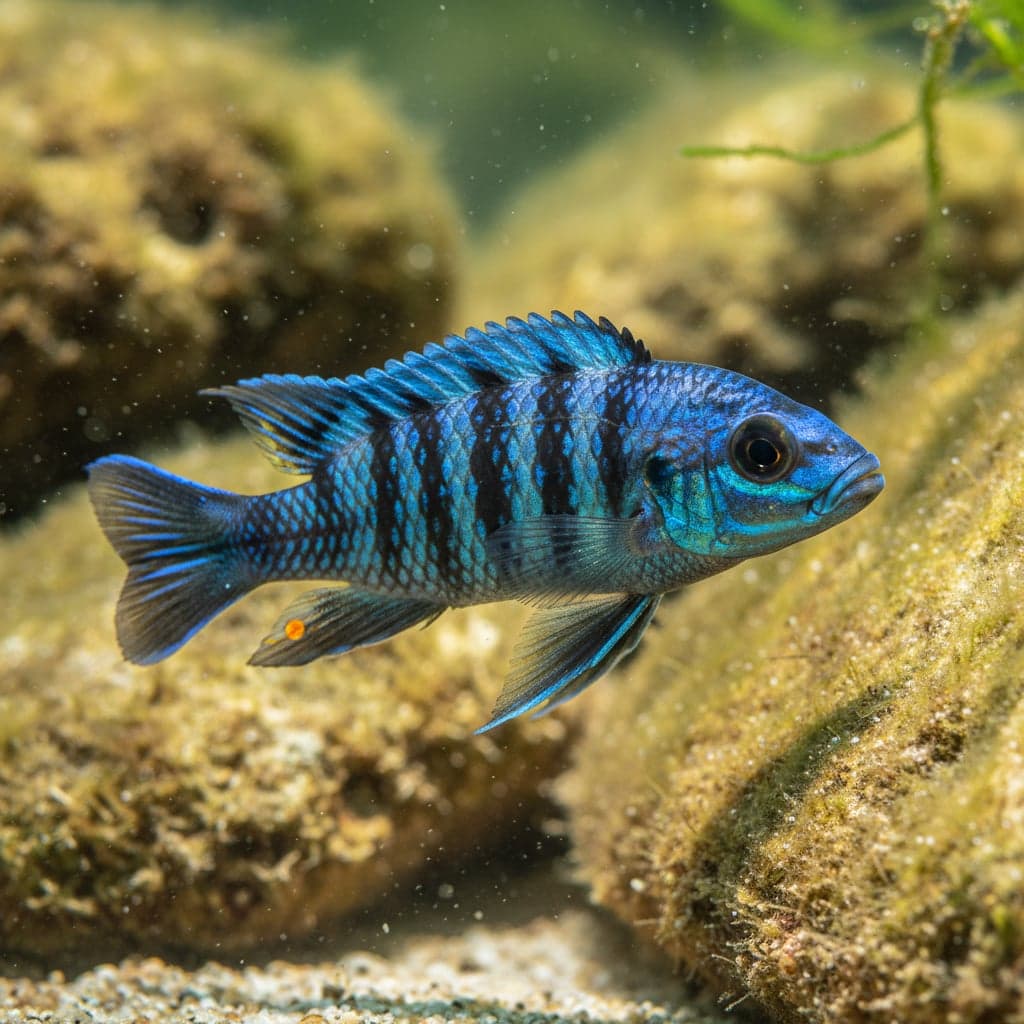
The Red-top Ice-blue Zebra, scientifically known as Metriaclima greshakei, is a stunning cichlid species hailing from Lake Malawi in East Africa. This fish is renowned for its spectacular coloration, displaying a striking combination of deep blue and vibrant red hues, particularly on its dorsal fin and head. These distinctive color patterns not only add a vibrant touch to aquariums but also play a crucial role in social interactions and mating displays. Measuring around 4 to 5 inches (10 to 13 cm) in length, the Red-top Ice-blue Zebra captivates aquarists with its unique appearance and energetic behavior, making it a favorite among hobbyists seeking visually appealing tank inhabitants.
In the aquarium industry, the Red-top Ice-blue Zebra has garnered significant popularity due to its adaptability and resilience in captivity. This makes it an excellent choice for both novice and seasoned aquarists alike. As a member of the cichlid family, it exhibits an array of engaging behaviors that provide entertainment and intrigue to fish keepers. Furthermore, this species often participates in dynamic social structures, showcasing dominance and territoriality, which adds to its allure in community tanks. Its combination of visual appeal, behavioral dynamics, and adaptability establishes the Red-top Ice-blue Zebra as a worthy addition to anyone’s aquarium.
Natural Habitat & Origin
The Red-top Ice-blue Zebra is endemic to Lake Malawi, one of Africa's Great Lakes, which is located between Malawi, Mozambique, and Tanzania. This freshwater lake is celebrated for its remarkable biodiversity, particularly among cichlid species. The Red-top Ice-blue Zebra thrives in rocky habitats found along the lake's shorelines, where it can find shelter amongst crevices and caves. These environments provide not only refuge from predators but also spawning sites for breeding.
In terms of water conditions, the Red-top Ice-blue Zebra is often found in areas characterized by clear, warm water that has a slightly alkaline pH, typically ranging between 7.8 to 8.5. The lake's water hardness is generally moderate to high, which suits the species well. The natural habitat reinforces the importance of replicating similar conditions in a captive setting to ensure the health and longevity of this vibrant fish.
Care Requirements
To successfully maintain a healthy environment for the Red-top Ice-blue Zebra, specific water parameters must be carefully monitored. The ideal water temperature should range between 76°F to 82°F (24°C to 28°C), with a pH level between 7.8 and 8.5. Hardness should ideally be in the range of 10 to 20 dGH, which mimics their natural habitat.
The tank setup requires a minimum size of 30 gallons to provide ample swimming space and territories for establishing dominance. A substrate of fine gravel or sand is recommended to avoid injury to their delicate bellies. Additionally, the incorporation of rocks, caves, and other hiding spots is crucial for their sense of security and breeding preferences. While intense lighting may not be necessary, a moderately lit aquarium accentuates the colors of the Red-top Ice-blue Zebra and allows for the growth of hardy aquatic plants like Java Fern or Anubias, which can provide additional cover.
Diet & Feeding
The Red-top Ice-blue Zebra is primarily an omnivore with a preference for a diet rich in protein. In the wild, it predominantly feeds on small crustaceans, insects, and algae. In captivity, a balanced diet consisting of high-quality cichlid pellets or flakes can form the basis of their nutrition. It is recommended to supplement their diet with frozen or live foods, such as brine shrimp and daphnia, to encourage natural hunting behaviors and vibrant colors. Offering a varied diet will also promote overall health and vitality.
To prevent dietary deficiencies, it is advisable to perform regular feedings, typically multiple times per day with small portions. This feeding practice ensures that the fish receive adequate nutrition without leading to overfeeding, which can compromise water quality and health.
Behavior & Temperament
The Red-top Ice-blue Zebra exhibits fascinating social behaviors typical of cichlids. They are known to be territorial, particularly males, who may display aggressive behaviors toward other males or similar species. Within a community tank, these fish often establish a hierarchy, showcasing dominance through posturing and color displays. Despite some aggression, they can coexist peacefully with other compatible species, especially when provided with sufficient space and hiding spots.
In terms of placement in the aquarium, Red-top Ice-blue Zebras prefer the middle to upper levels of the tank. While they enjoy swimming freely across the open water space, they often seek shelter in rock formations or caves when feeling threatened or during breeding rituals.
Tank Mates
Choosing compatible tank mates for the Red-top Ice-blue Zebra is critical to ensuring peaceful cohabitation. Suitable species include other cichlids from Lake Malawi, such as Yellow Labs (Labidochromis caeruleus), Benga Cichlids (Copadichromis spp.), and smaller Plecos. Other non-cichlid species like Rainbowfish or certain Tetras may also thrive alongside them, given they can tolerate similar water conditions.
Conversely, species to avoid include larger, aggressive cichlids like the Jaguar Cichlid (Parachromis managuensis), which may harass the smaller Red-top Ice-blue Zebra. It is also wise to steer clear of overly timid species that may become targets of bullying in a tank dominated by the assertive nature of these cichlids.
Breeding
Breeding the Red-top Ice-blue Zebra in captivity can be a rewarding endeavor, though it requires specific conditions. They are mouthbrooders, with females incubating eggs in their mouths until they hatch. To promote spawning, provide a breeding pair with a separate tank that mirrors their natural environment, including plenty of hiding spots, smooth surfaces for egg-laying, and stable water conditions.
A suitable breeding scenario includes maintaining slightly elevated temperatures (around 80°F or 27°C) and ensuring water quality is pristine through regular changes. Once a female lays her eggs, she will collect them in her mouth for protection. The fry will typically emerge 3 to 4 weeks later, and it is crucial to have separate rearing opportunities for the newly hatched fish to prevent predation.
Common Health Issues
While the Red-top Ice-blue Zebra is relatively hardy, they can be susceptible to common freshwater fish diseases such as Malawi Bloat, caused by overfeeding or poor water quality, and ich (Ichthyophthirius multifiliis), a parasitic infection that manifests as white spots on the body. To prevent these health issues, maintaining good water quality through regular monitoring, tank cleanings, and appropriate feeding practices is essential.
In addition, quarantining new arrivals before introducing them to established tanks can help prevent disease transmission. Ensuring the aquarium is biologically balanced and providing a varied, nutritious diet can further bolster the fish's immune system, keeping them healthy and vibrant.