Redfin Kadango: Copadichromis borleyi
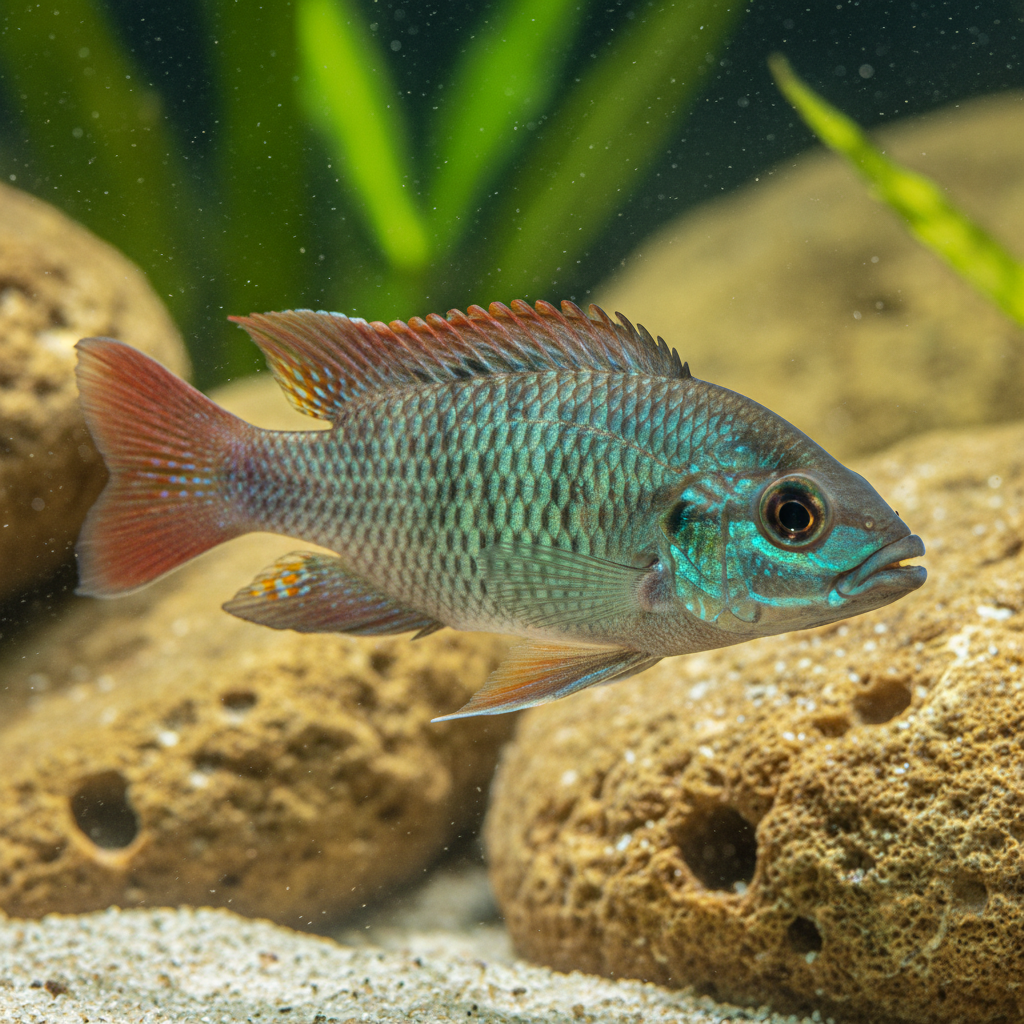
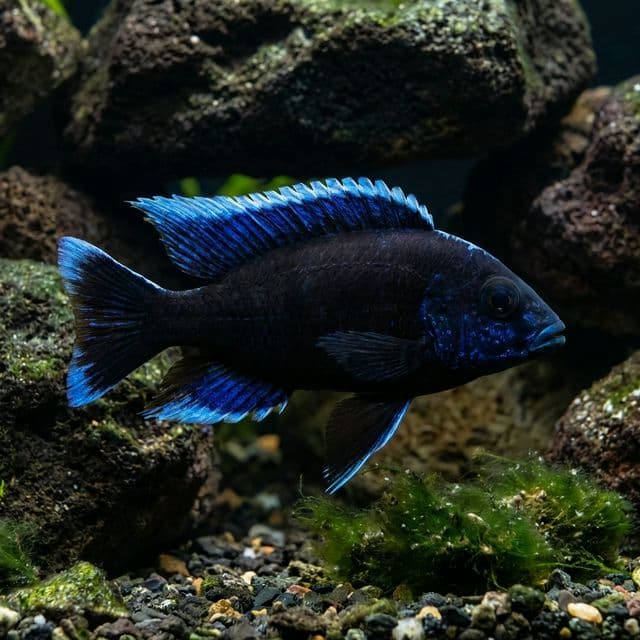
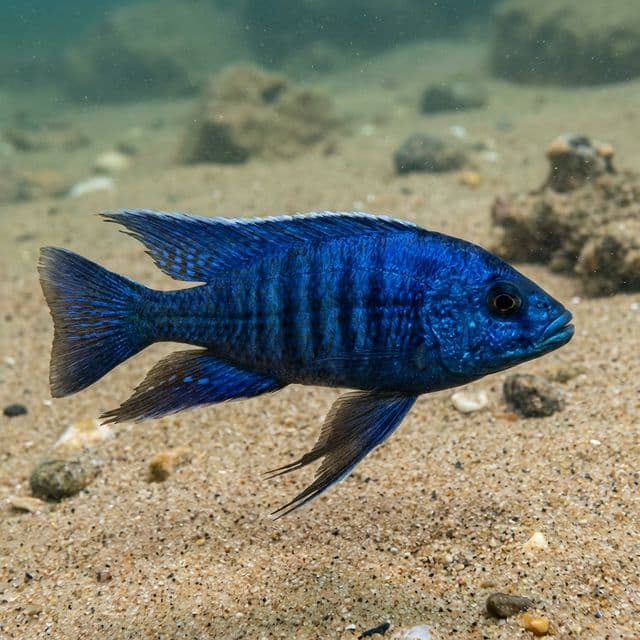
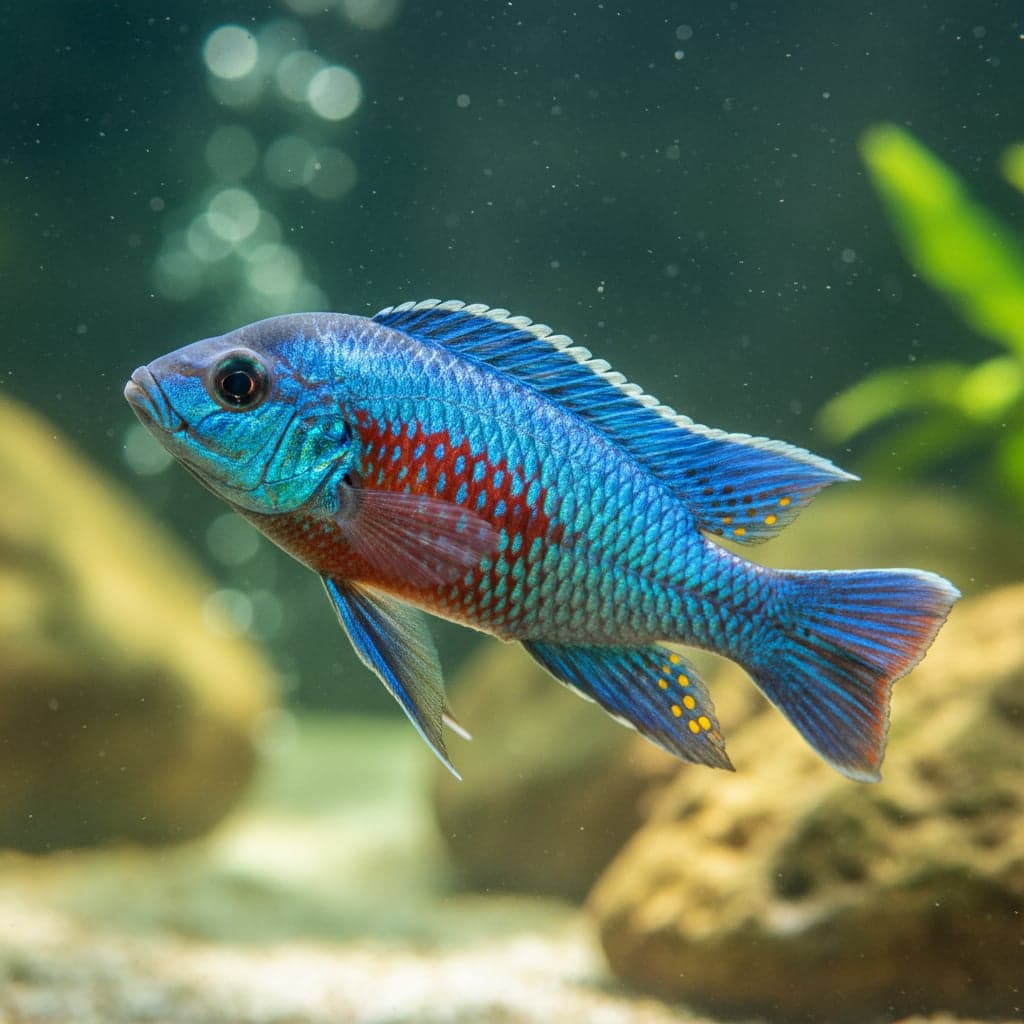
A spectacularly beautiful, large Lake Malawi cichlid featuring a metallic blue face, ruby-red body, and brilliant white trailing fins.

Redfin Kadango
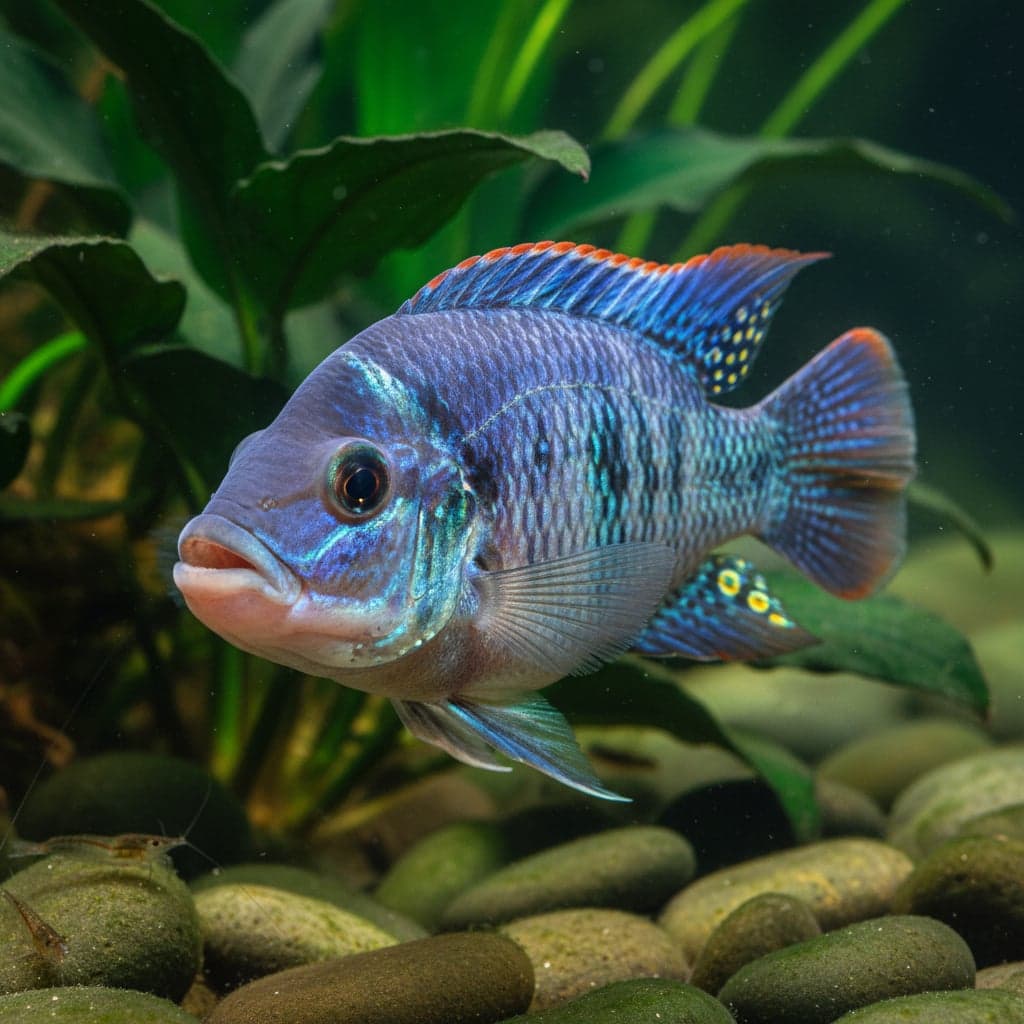
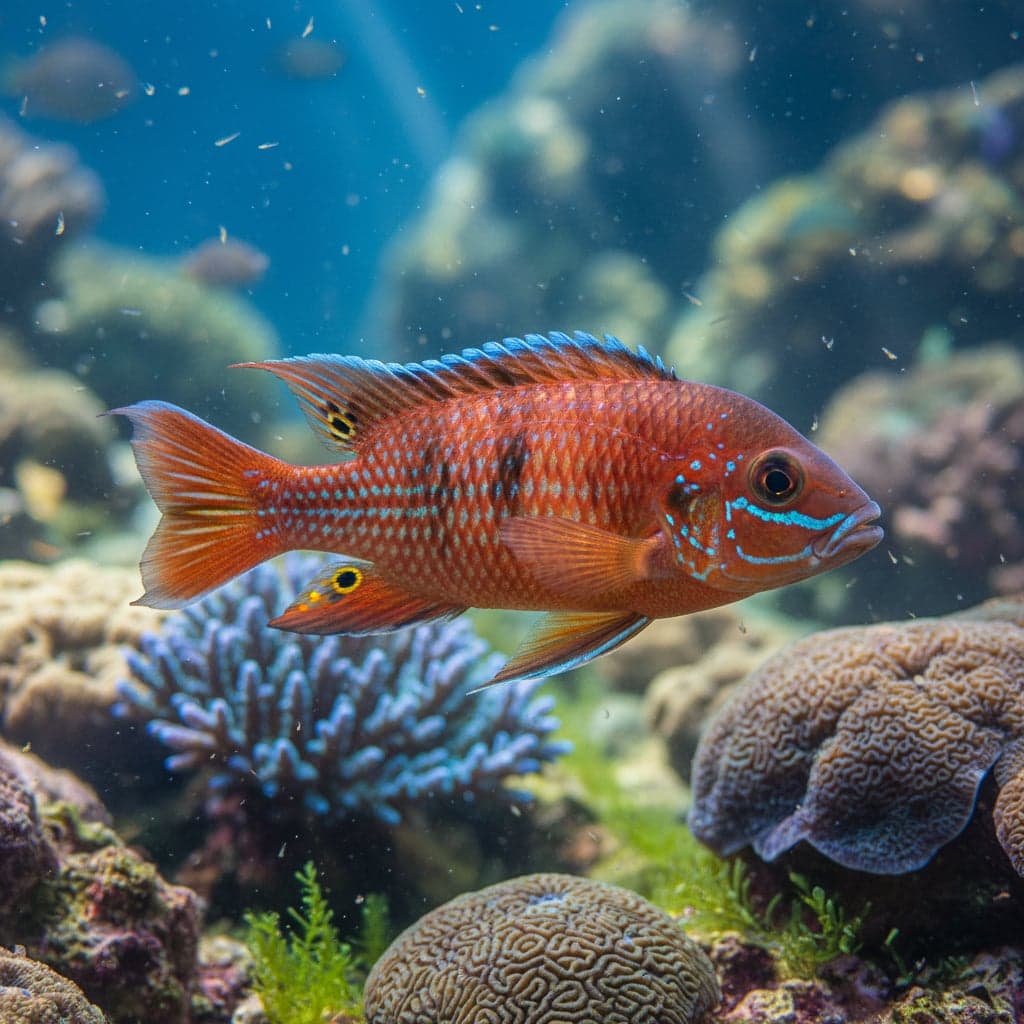
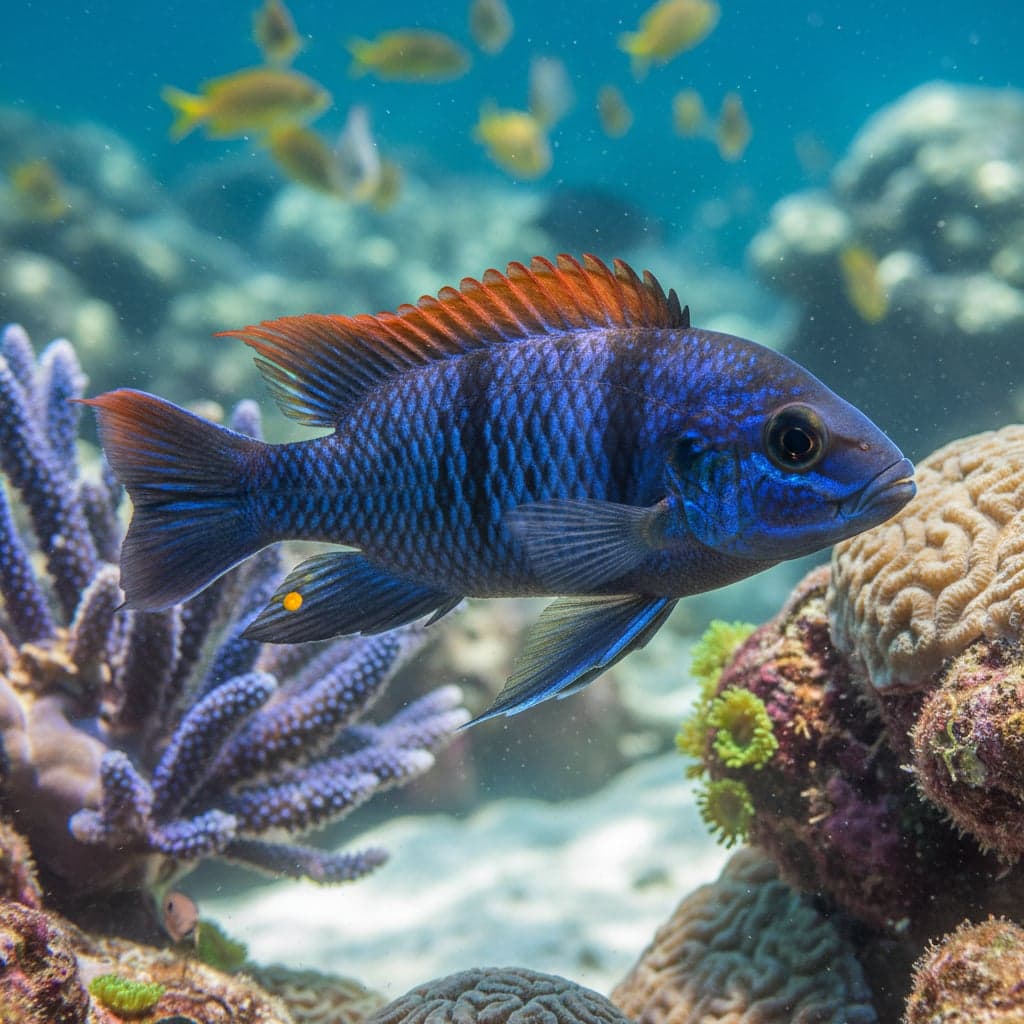
The Redfin Kadango, scientifically known as Copadichromis borleyi, is a stunning species of cichlid that originates from the vibrant waters of Lake Malawi in East Africa. Renowned among aquarium enthusiasts for its striking coloration, this fish showcases a brilliant blend of blues and yellows, set against its prominent red dorsal and anal fins. The visual appeal of the Redfin Kadango makes it a prized addition to both freshwater and saltwater tanks, creating a captivating display that can easily become the focal point of any aquatic setting. This species not only brings beauty but also embodies the rich biodiversity of African cichlids, making it significant within the aquarium hobby.
The Redfin Kadango is not just a visual spectacle; it also plays an important role in the ecosystem of Lake Malawi. Known for its energetic swimming patterns and social behaviors, this cichlid often exhibits hierarchies and territorial behaviors, which add to its intrigue as an aquarium fish. Enthusiasts appreciate the balance it brings to community tanks, thriving in well-maintained environments where it can exhibit natural behaviors. With the proper care, this species can flourish and contribute to a balanced and vibrant aquatic community.
Natural Habitat & Origin
The Redfin Kadango is native to the rocky shores and sandy substrates of Lake Malawi, where it thrives in clear, alkaline waters with a high pH. This habitat is characterized by its unique geological formations, providing ample hiding spots and breeding grounds for various fish species. Lake Malawi is renowned for its remarkable biodiversity, hosting over 1,000 different fish species, many of which, like the Redfin Kadango, exhibit vibrant coloration and unique behaviors. The environmental context of Lake Malawi, with its hard, mineral-rich waters and significant temperature variation, shapes the life cycles and physical characteristics of its resident fish.
Typically, the waters of Lake Malawi boast a temperature range of 23°C to 28°C (73°F to 82°F) and a pH level between 7.5 and 8.5. The substrate consists largely of sand and rocky outcrops, allowing for the intricate social structures that define many cichlid species, including the Redfin Kadango. This natural habitat showcases the importance of replicating these conditions in an aquarium setting to ensure the health and longevity of this unique fish.
Care Requirements
To successfully keep the Redfin Kadango in an aquarium, it is essential to replicate its natural habitat as closely as possible. A minimum tank size of 50 gallons is recommended to provide ample swimming space. Since this fish tends to establish territorial boundaries, a larger aquarium can help reduce aggression. The ideal water parameters for the Redfin Kadango include a pH of 7.5 to 8.5, a temperature range of 24°C to 28°C (75°F to 82°F), and hardness levels between 10 to 20 dGH.
In terms of tank setup, a sandy substrate mimicking the lake bottom, along with plenty of hiding spots using rocks and caves, is crucial. Proper lighting is also important, as it can mimic the natural intensity found in Lake Malawi. Although live plants can be included, it's vital to ensure they are robust enough to withstand the digging behavior of cichlids. An aquarium setup that reflects these parameters will encourage healthy growth and natural behaviors in the Redfin Kadango.
Diet & Feeding
The Redfin Kadango is considered an omnivore with a diet that predominantly consists of smaller invertebrates and plant materials. In captivity, it can thrive on a mix of high-quality flakes and pellets, alongside frozen or live foods such as brine shrimp, daphnia, and bloodworms. Providing a varied diet not only supports overall health but also promotes vibrant coloration and breeding success. It’s advisable to feed them multiple times a day in small portions to ensure they receive adequate nutrition without overfeeding, which can lead to health issues.
While commercial cichlid food designed specifically for African cichlids can work well, incorporating fresh vegetables such as blanched spinach or zucchini can provide essential nutrients. This dietary diversity will help simulate their natural feeding habits and contribute to the well-being of the Redfin Kadango in an aquarium setting.
Behavior & Temperament
The Redfin Kadango is known for its dynamic and engaging behavior in the aquarium. As a social cichlid, it thrives in pairs or small groups but does exhibit territorial tendencies, especially during breeding. It is advisable to keep them in species-specific setups or with carefully chosen tank mates to minimize aggression. The Redfin Kadango tends to occupy mid to upper levels of the water column, making it a lively presence in the tank and contributing to the overall activity of the aquarium.
In terms of schooling habits, while they do enjoy the company of their own species, tanks with too few individuals can lead to stress and increased aggression. Therefore, it's recommended to keep at least six individuals of the same species to establish a stable social order. Given their potential for territorial behavior, providing ample space, hiding spots, and a well-designed tank layout can help reduce conflict and allow for a peaceful community atmosphere.
Tank Mates
When selecting tank mates for the Redfin Kadango, it's crucial to consider compatible species that share similar environmental and dietary needs. Suitable tank mates include other Lake Malawi cichlids like the Eureka Red, Yellow Lab (Labidochromis caeruleus), and the Venustus (Nimbochromis venustus). Other peaceful species such as bristlenose plecos and various tetra species can also coexist well. It’s important to ensure all tank mates are of similar size to prevent any predation.
Conversely, species to avoid include more aggressive cichlids, dwarf cichlids, and fish that might nip fins, such as barbs and certain livebearers. Keeping the Redfin Kadango with overly aggressive or smaller, delicate species may result in stress or injury, disrupting the harmony of the aquarium.
Breeding
Breeding the Redfin Kadango can be a rewarding endeavor, although it requires some preparation. In captivity, they exhibit mouthbrooding behavior, where the female carries the fertilized eggs and young in her mouth until they are mature enough to fend for themselves. To encourage breeding, it is essential to maintain optimal water parameters and provide a spacious tank with plenty of hiding spots. A ratio of one male to multiple females can help reduce aggression and ensure higher breeding success.
Spawning typically occurs in the early morning hours, and once a female lays her eggs on a flat surface, the male will fertilize them. The female will then mouth-brood the eggs for around 21 days, after which she will release the free-swimming fry. During this period, it is advisable to separate the male to allow the female to care for her young without harassment.
Common Health Issues
The Redfin Kadango, while generally hardy, can be susceptible to common aquarium ailments. Cichlids, including the Redfin Kadango, are prone to ich (Ichthyophthirius multifiliis) and stress-related disorders, particularly if the water quality deteriorates. Regular water testing, maintenance, and swift action in case of outbreaks can help prevent these diseases.
Maintaining good water quality and stable parameters is crucial for preventing health issues, alongside providing a varied diet rich in nutrients.