Redhead Tapajos Eartheater: Geophagus sp. 'Red Head Tapajos'
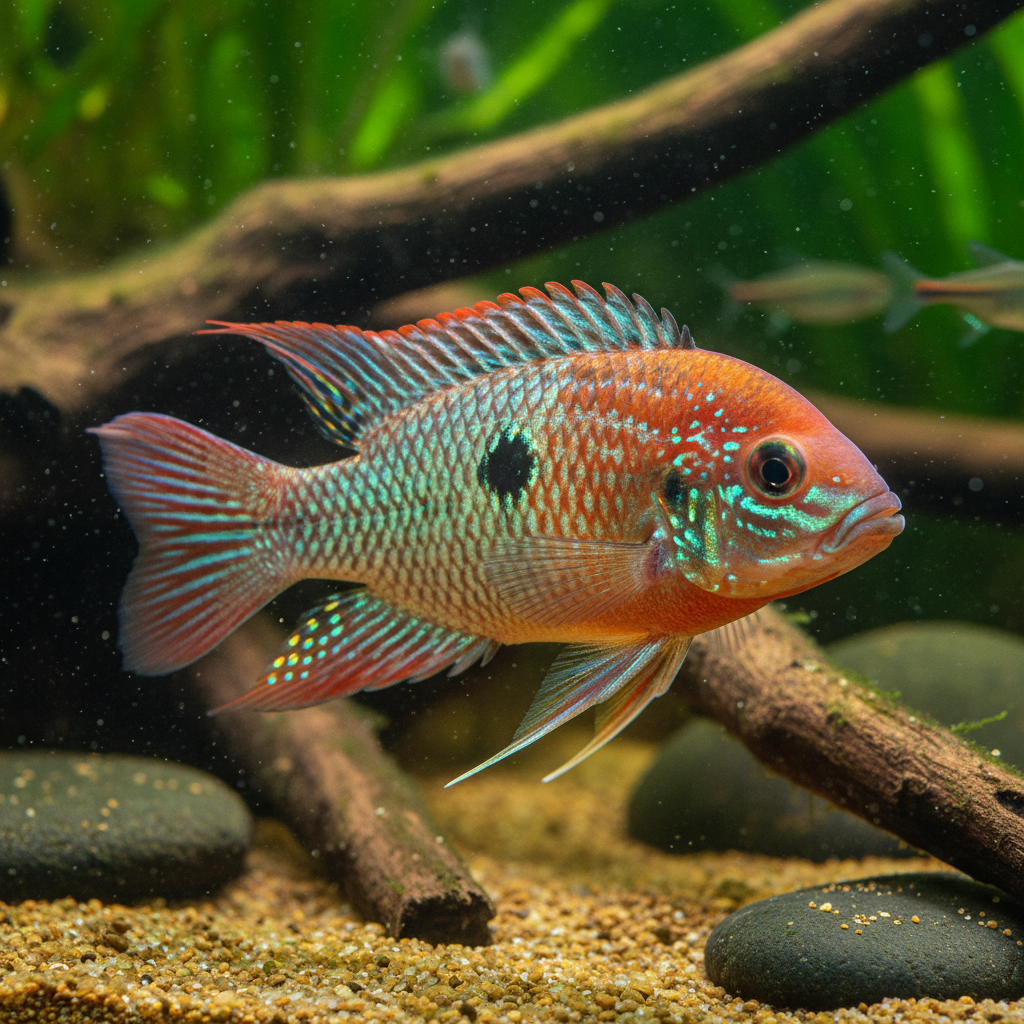
Arguably the most beautiful, peaceful South American cichlid featuring a shimmering body and an intensely solid red-orange "crown."
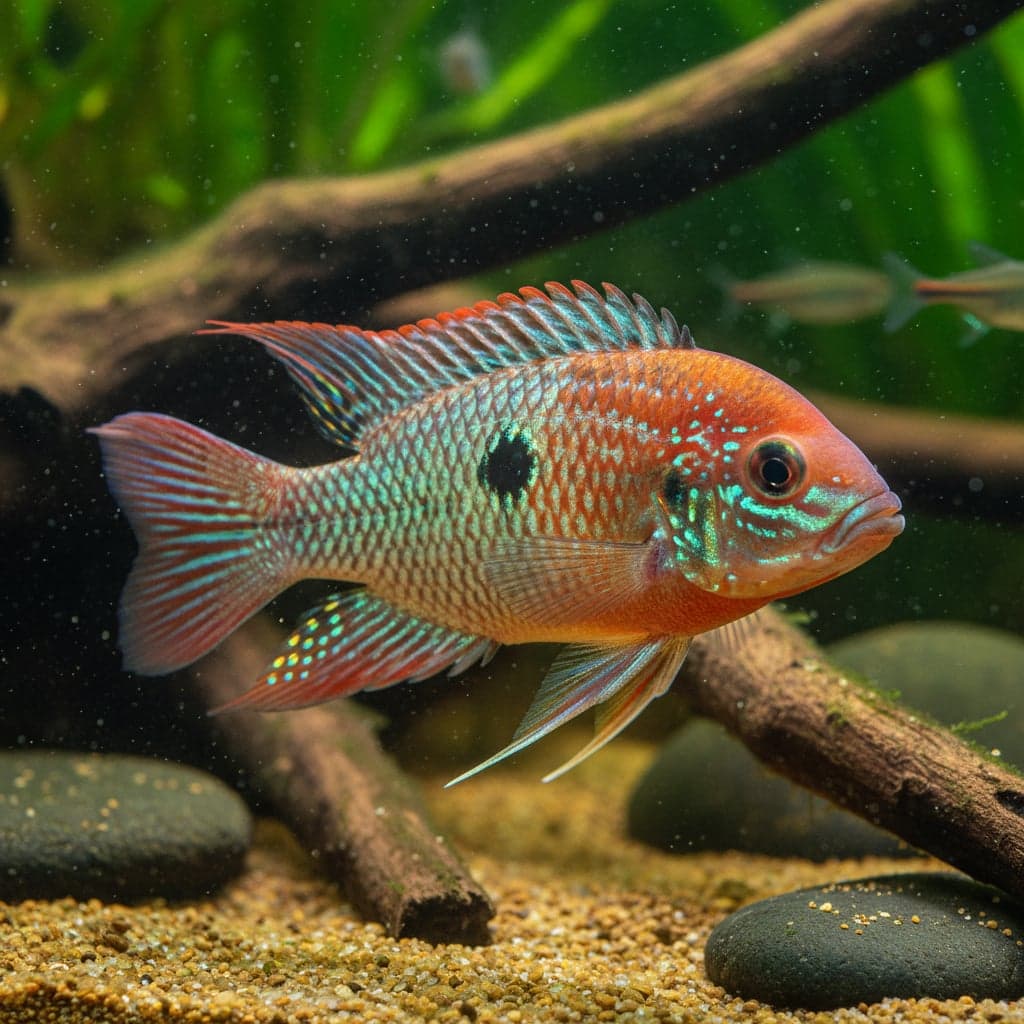
Geophagus sp. 'Red Head Tapajos'
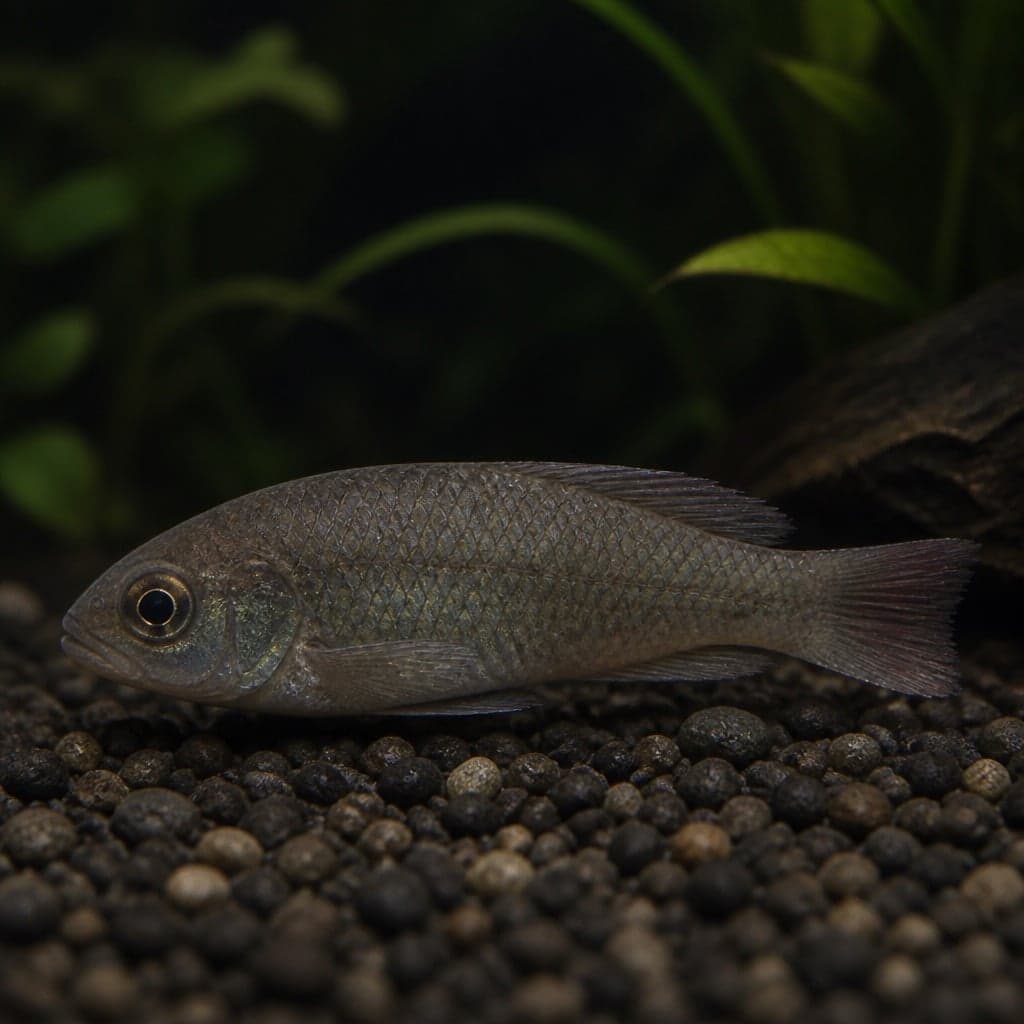
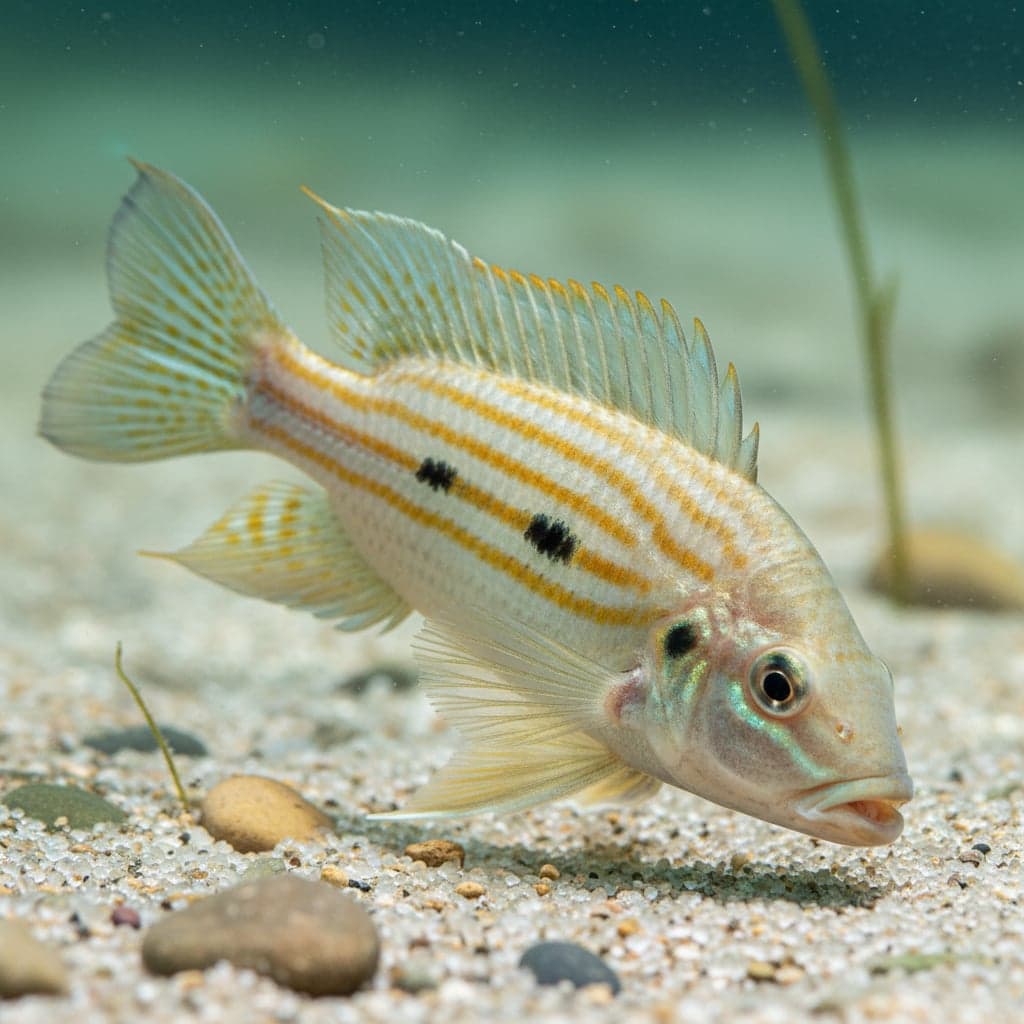
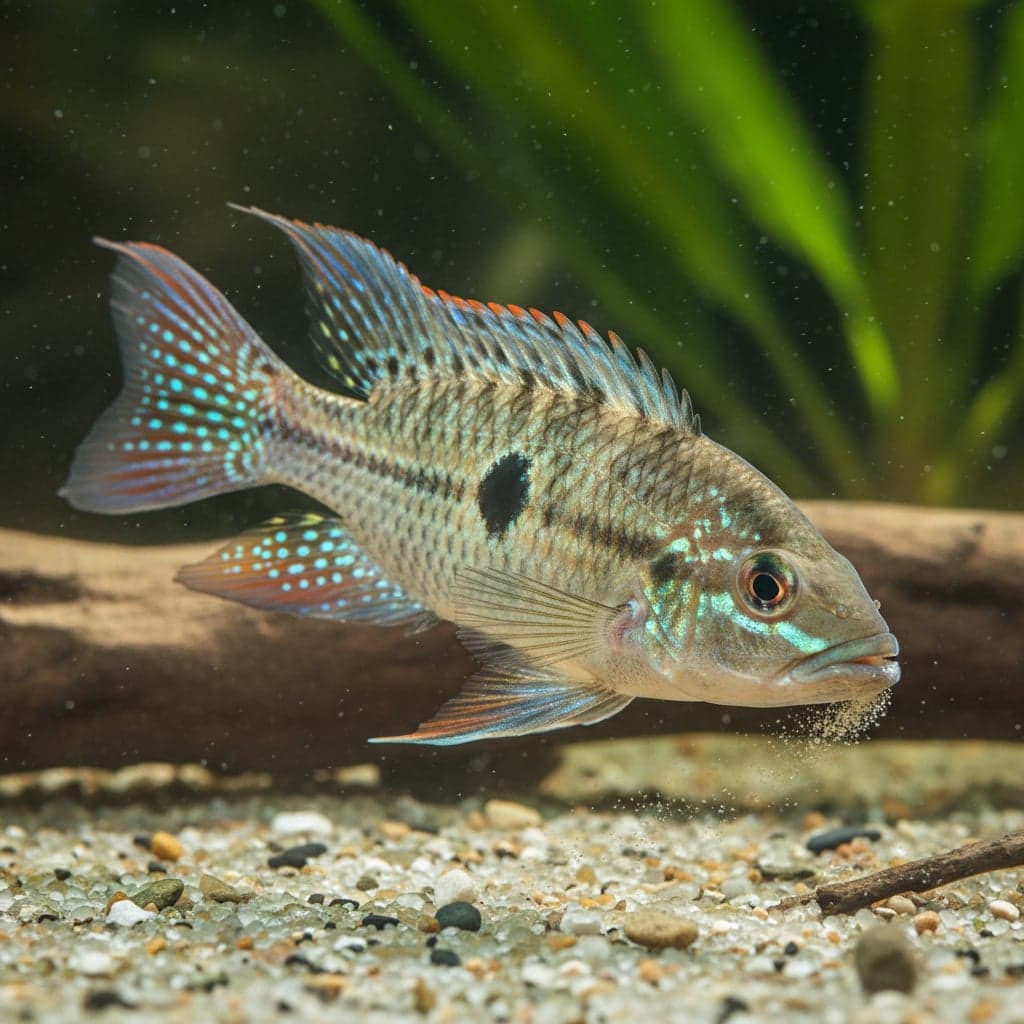
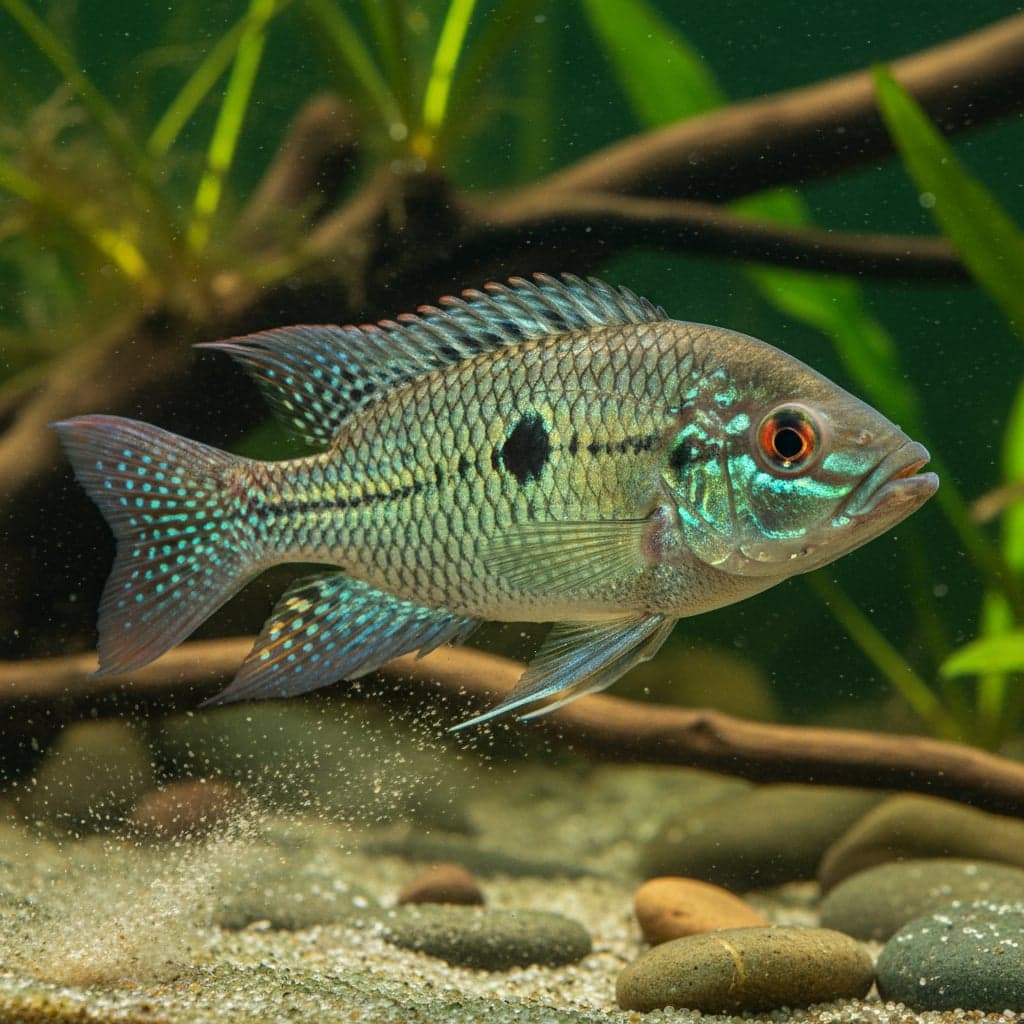
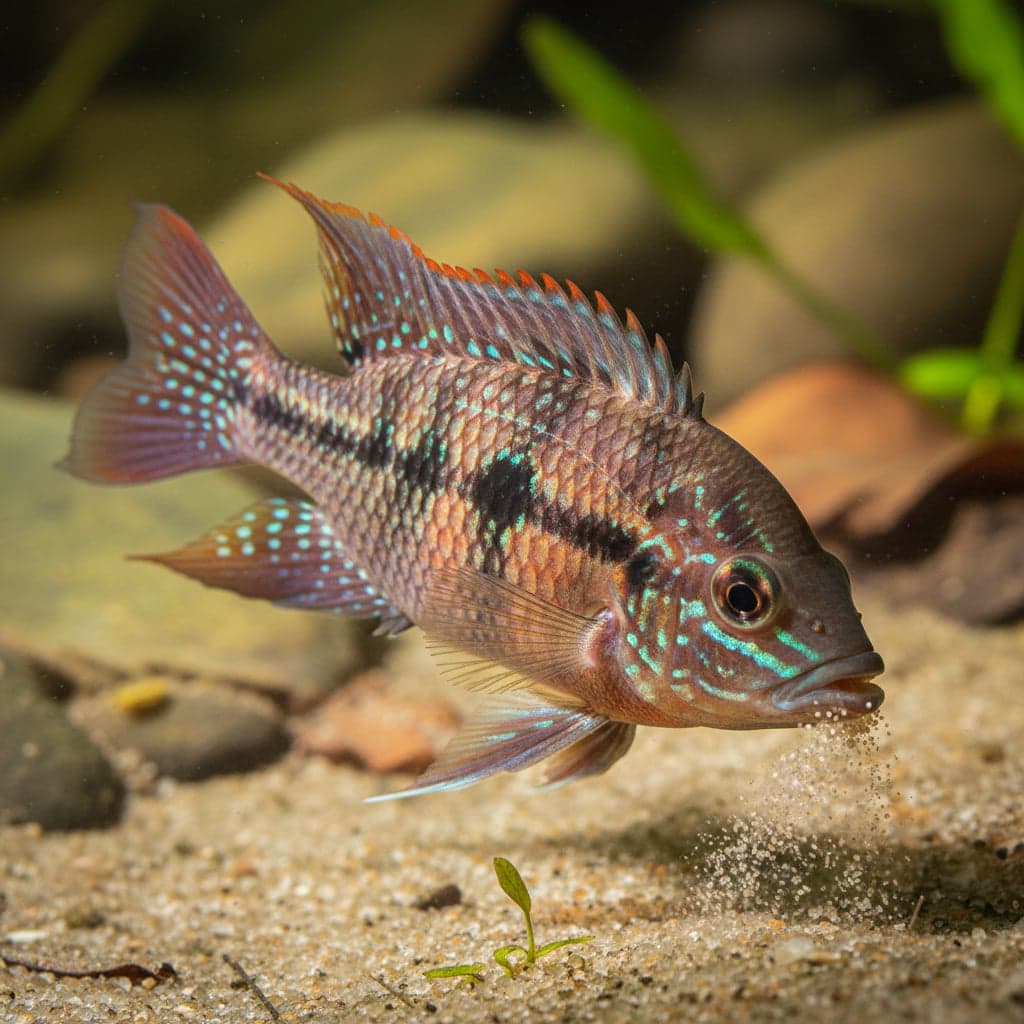
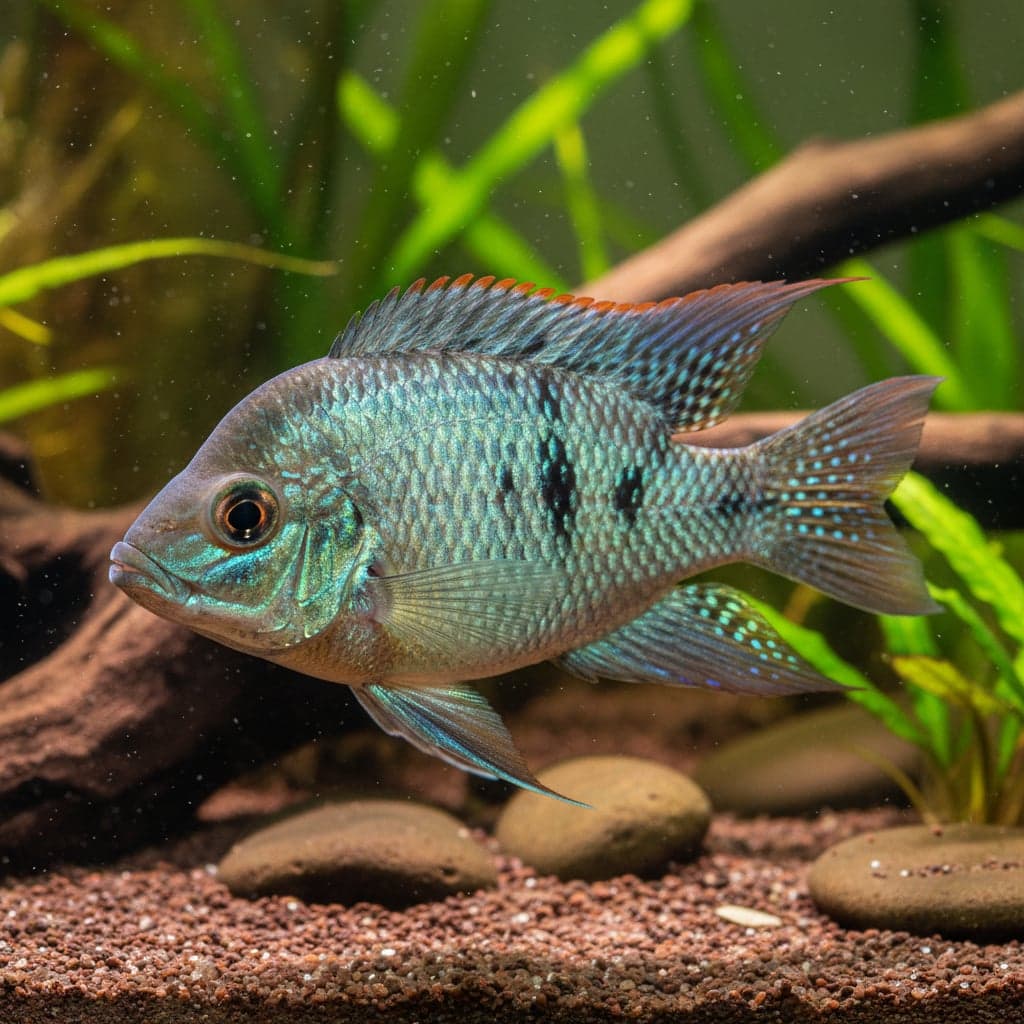
The Geophagus sp. 'Red Head Tapajos', commonly known as the Redhead Tapajos Eartheater, is a strikingly beautiful freshwater cichlid that captures the attention of aquarists around the globe. This species is renowned for its vivid coloration, featuring a vibrant red to orange-toned head and a shimmering body that exhibits various shades of blue and green. Their scale patterns are reminiscent of jewels glistening under aquarium lighting, making them a sought-after centerpiece fish in aquatic displays. Beyond their aesthetic appeal, Redhead Tapajos serves a crucial role in the aquarium hobby by showcasing the uniqueness of South American cichlids, emphasizing the necessity of preserving diverse aquatic ecosystems.
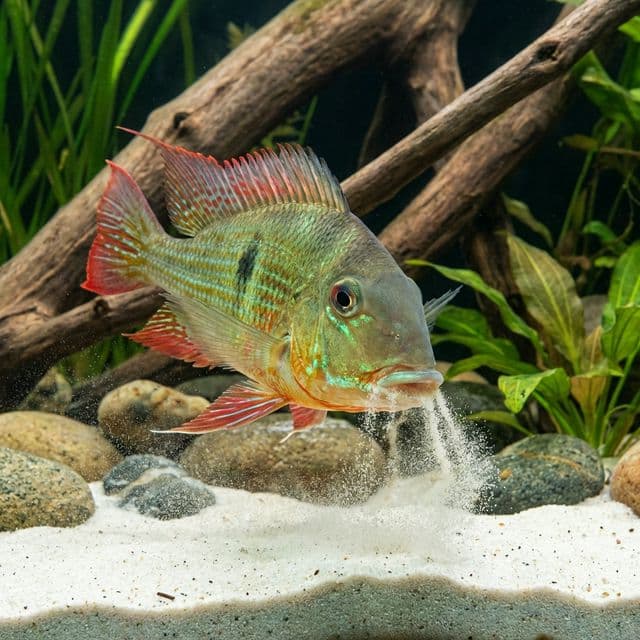
This species possesses an engaging personality that adds character to any community tank. Highly interactive, Geophagus sp. 'Red Head Tapajos' often burrows in the substrate, mimicking their natural behaviors in their native habitats. Their earth-moving antics contribute not only to the ecological balance in the aquarium but also enhance the recreational experience for fish keepers. As both an eye-catching specimen and a symbol of biodiversity in freshwater environments, the Redhead Tapajos establishes itself as a favorite among enthusiasts seeking both beauty and behavioral intrigue.
Natural Habitat & Origin
Geophagus sp. 'Red Head Tapajos' originates from the Tapajos River basin in Brazil, a well-known tributary of the Amazon River. This region is characterized by slow-moving waters rich in nutrients and strewn with sandy substrates, which provide an ideal environment for this fish. The waters are typically clear, with a lower pH, which is essential for the well-being of these cichlids. The area is adorned with lush riparian vegetation and submerged structures, offering ample hiding spots and foraging opportunities, reflecting the complexity of the ecological niche that the Redhead Tapajos occupies in the wild.
In its natural habitat, this species thrives in water that is slightly acidic to neutral, with a temperature range of 24°C to 30°C (75°F to 86°F). The Redhead Tapajos is often found in regions with minimal water movement, where they can exhibit their natural behaviors, such as sifting through substrate for organic matter and microorganisms. Understanding the fish's natural habitat is crucial for any aquarist aiming to replicate these conditions within a home aquarium.
Care Requirements
To successfully keep Geophagus sp. 'Red Head Tapajos', it is important to mimic their natural environmental conditions as closely as possible. They prefer a tank of at least 75 gallons to accommodate their size and territorial nature. The water parameters should be carefully maintained, aiming for a pH between 6.0 and 7.5, a temperature around 24°C to 28°C (75°F to 82°F), and water hardness between 5 to 15 dGH. A sandy substrate is ideal as it allows for natural foraging behavior while minimizing damage to their sensitive mouths.
In terms of tank setup, creating an environment that resembles their natural habitat is essential. Planting hardy aquatic plants alongside providing plenty of rocks and driftwood can create hiding spaces that reduce stress and promote natural behaviors. Lighting should be moderate, as strong light may inhibit their hiding instincts. The incorporation of a well-structured filter system is important to maintain water quality and provide adequate oxygenation, ensuring the health of these beautiful cichlids.
Diet & Feeding
Geophagus sp. 'Red Head Tapajos' is primarily an omnivore, with a diet that reflects its natural feeding habits in the wild. In captivity, they thrive on a varied diet that includes high-quality pellets, flakes, and live or frozen foods. It is important to include spirulina-based foods, as these enhance the vibrant colors of the fish and provide essential nutrients. Another great option is providing them with small invertebrates like brine shrimp, daphnia, and bloodworms, which serve as treats and stimulate their natural foraging behavior.
Feeding should be done two to three times a day with a focus on offering small amounts at a time to prevent overfeeding and maintain water quality. Rotating different types of food and incorporating occasional vegetable matter, such as blanched zucchini or spinach, can ensure a well-rounded diet for the Redhead Tapajos while mimicking their natural feeding habits.
Behavior & Temperament
Geophagus sp. 'Red Head Tapajos' displays a captivating social behavior that adds dynamics to the tank. Generally peaceful, these cichlids tend to exhibit territoriality, especially during breeding or when establishing their space within the aquarium. They are not true schooling fish; however, they do appreciate the company of their species and thrive in small groups, ideally comprising a bonded pair, or a mix of males and females in a spacious tank.
In terms of vertical placement, Redhead Tapajos typically occupy the bottom and mid levels of the tank, where they can sift through the substrate and explore their environment. Their inquisitive nature often leads them to venture into various areas of the tank, making them both entertaining and engaging to observe.
Tank Mates
When selecting tank mates for Geophagus sp. 'Red Head Tapajos', it is crucial to consider both size and temperament to ensure compatibility. Suitable tank mates include larger community species like angelfish, discus, and other non-aggressive cichlids such as severums and keyhole cichlids. Peaceful catfish varieties like Corydoras and larger loaches can also coexist harmoniously.
Conversely, avoid keeping the Redhead Tapajos with smaller, more aggressive fish or fin-nippers, as they may become stressed or injured. Species such as bettas, small tetras, or aggressive cichlids like oscars may not be suitable, as their behavior can lead to conflicts, impacting the well-being of the Redhead Tapajos and creating an unstable aquarium environment.
Breeding
Breeding Geophagus sp. 'Red Head Tapajos' in captivity can be a rewarding experience for aquarists. This species is substrate spawner, meaning they prefer to lay their eggs on a flat surface, often utilizing sandy areas or flat rocks. To encourage breeding, it is vital to maintain optimal water conditions, including slightly elevated temperatures (around 28°C or 82°F), and ensure high water quality.
Pairs typically engage in elaborate courtship displays, where males may exhibit increased coloration and perform rituals to entice females. Once spawning occurs, the female will lay dozens to hundreds of eggs, which she and the male guard diligently. After hatching, the larvae can be moved by the parents to nearby hiding spots, where they continue to develop. In order to successfully raise the fry, it is important to provide suitable food, such as infusoria or finely crushed flakes, and maintain stable water parameters.
Common Health Issues
Geophagus sp. 'Red Head Tapajos' may be prone to a few common health issues common to cichlids, including ich (Ichthyophthirius multifiliis), external parasites, and fin rot. Preventive measures include maintaining stringent water quality, providing a varied diet, and ensuring suitable tank mates to minimize stress. Regular observation of the fish for signs of illness—such as rubbing against surfaces, clamped fins, or changes in eating behavior—is crucial for early detection and treatment.
In terms of disease management, good quarantine practices for new arrivals greatly reduce the risk of introducing pathogens into an established tank. Stable soft water, a sandy substrate that will not abrade their mouths while sifting, and a varied diet keep Redhead Tapajos Eartheaters resilient long-term.