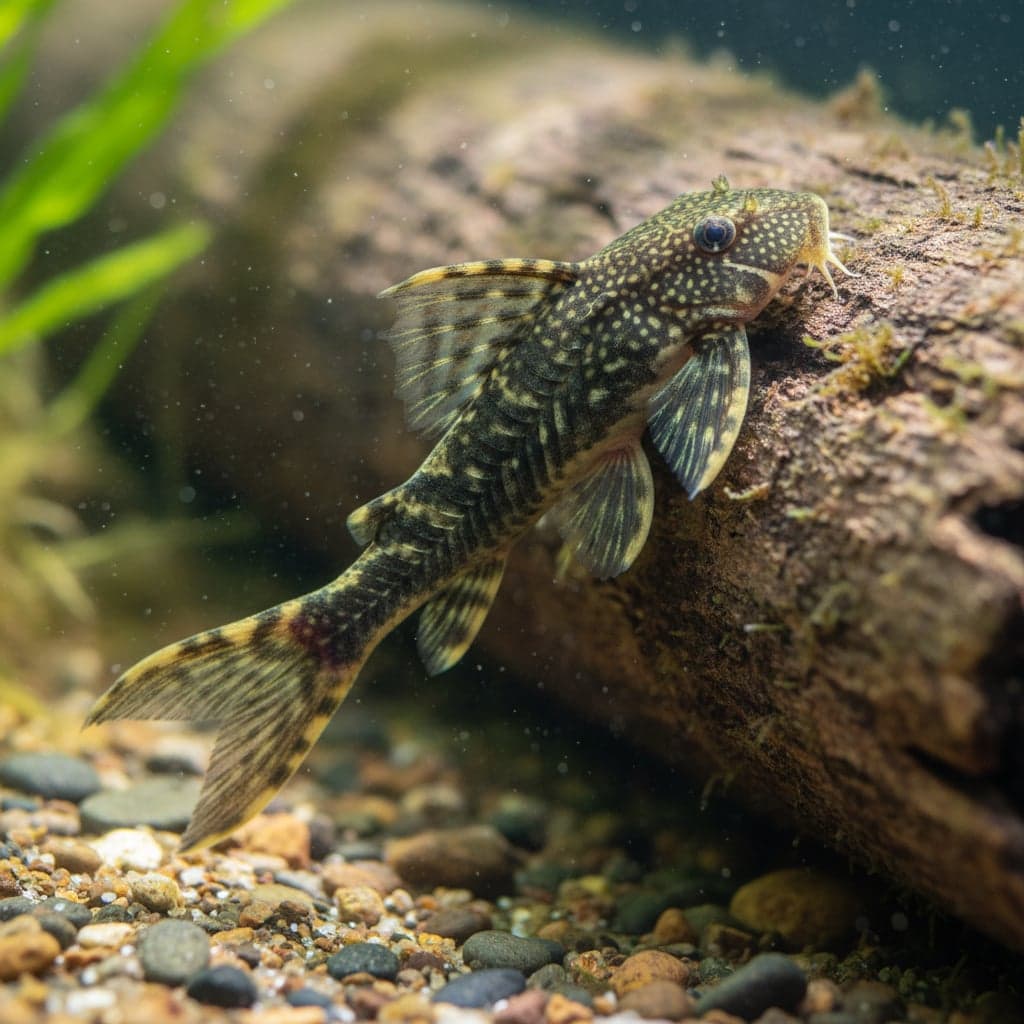
Redline Torpedo Barb: Sahyadria denisonii
A spectacularly colorful, hyper-active river fish boasting striking red, gold, and black lateral racing stripes.
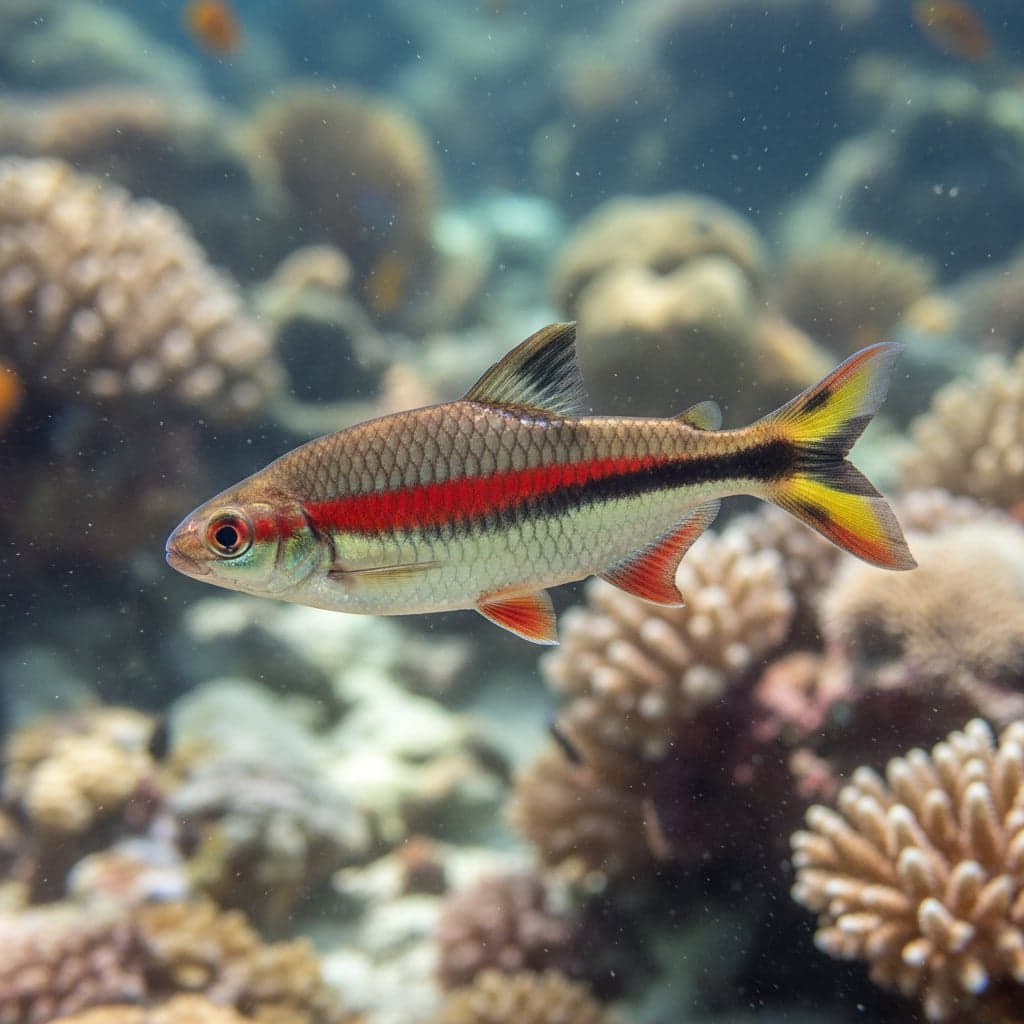
Redline Torpedo Barb
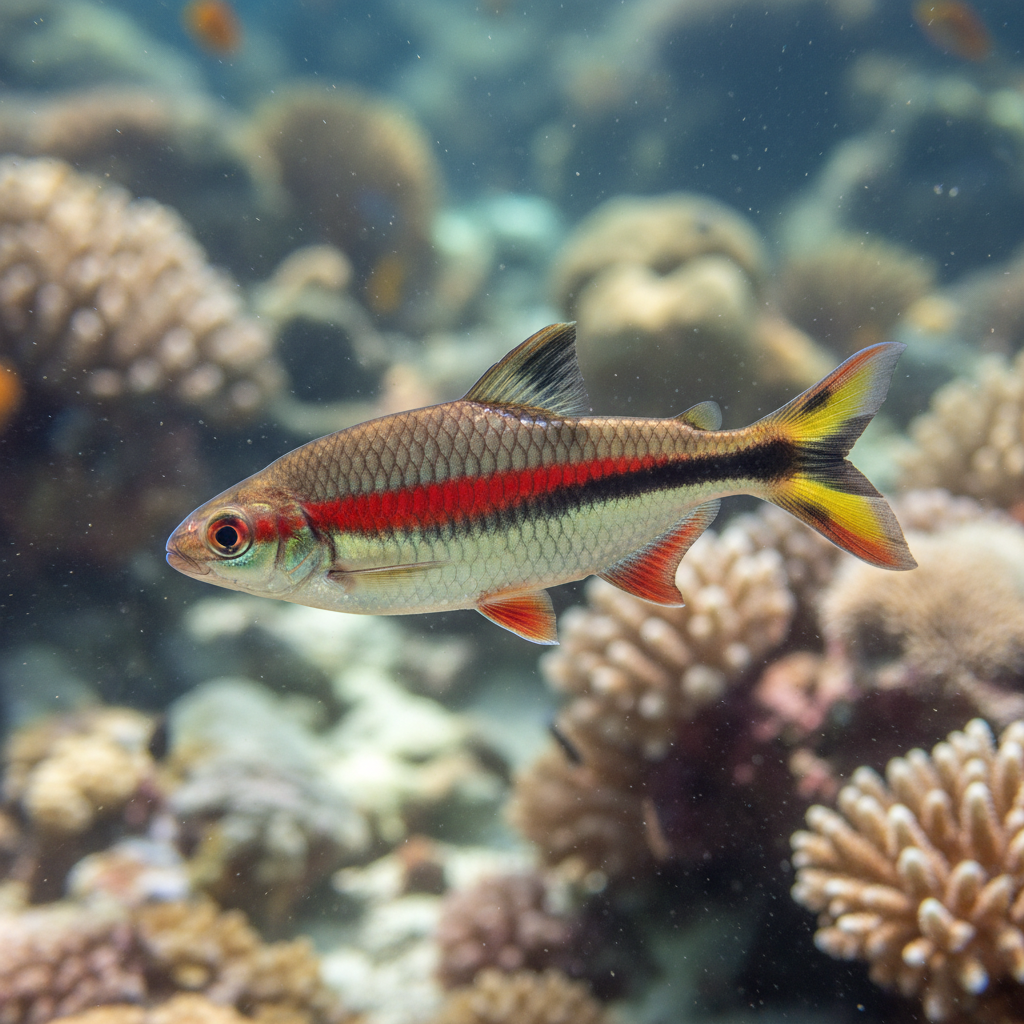
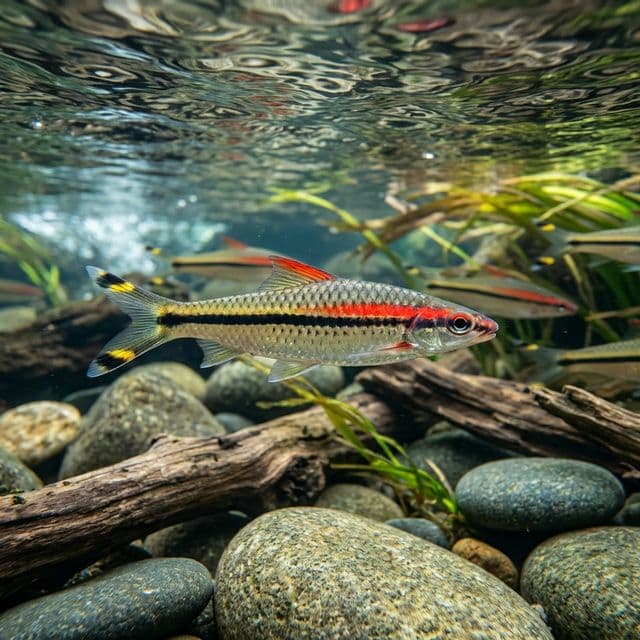
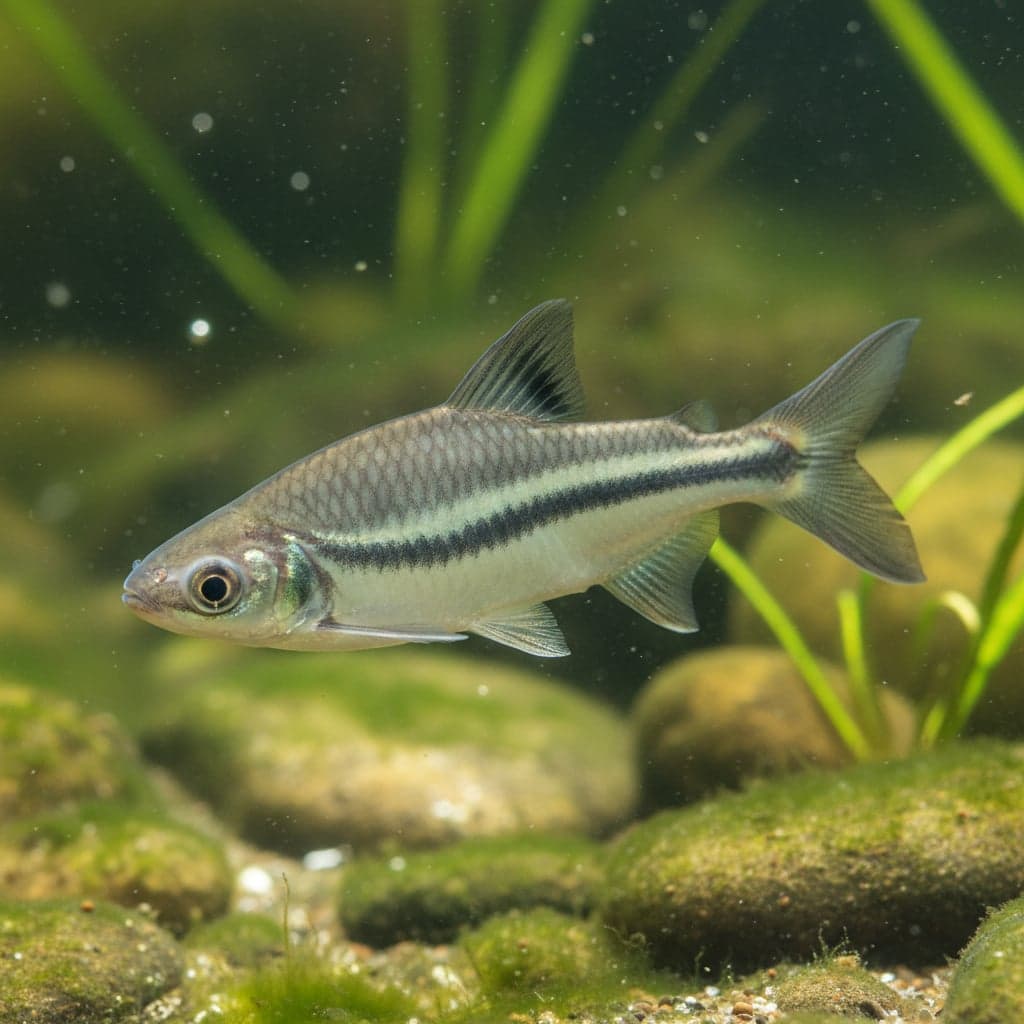
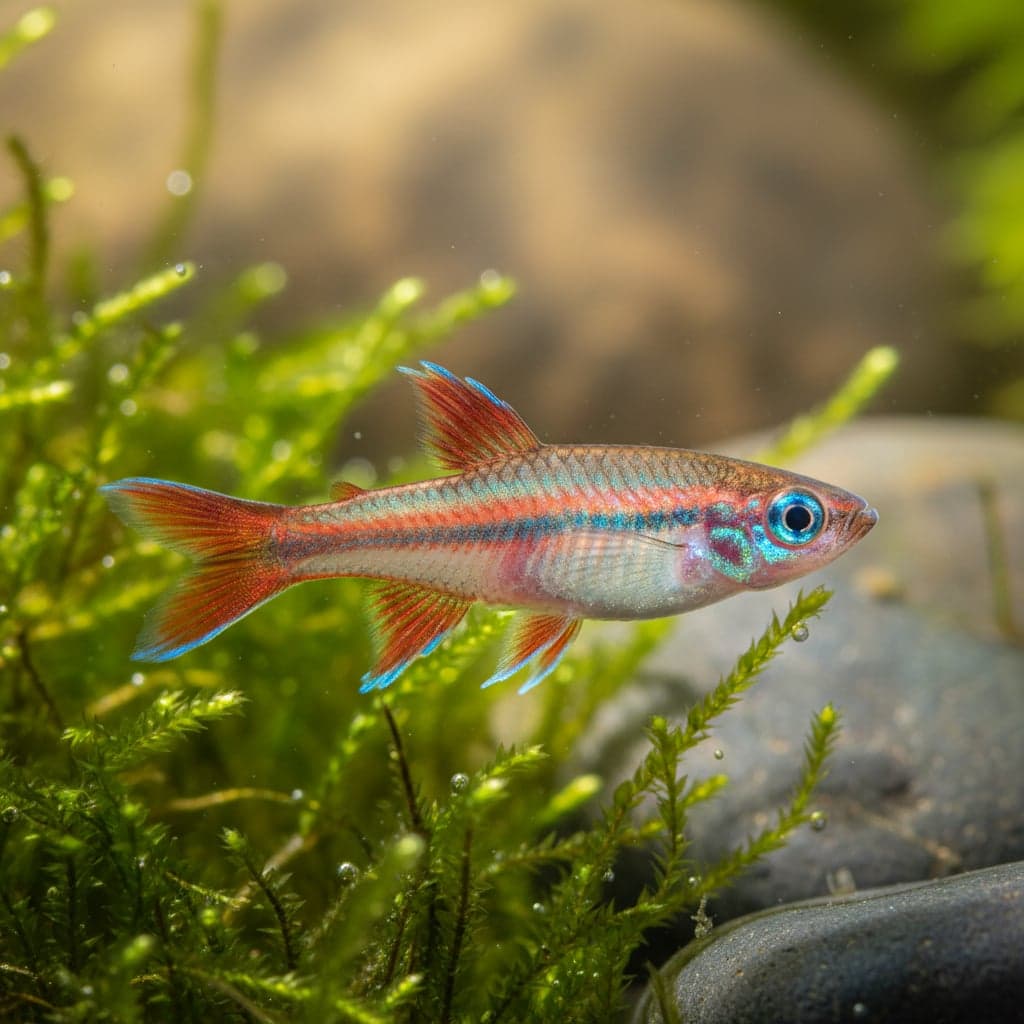
The Redline Torpedo Barb, scientifically known as Sahyadria denisonii, is a striking freshwater fish cherished by aquarists for its vivid coloration and lively disposition. This species is characterized by its elongated, torpedo-shaped body adorned with a vibrant red line that runs along its lateral side, juxtaposing beautifully against its silvery scales. Adult specimens can reach sizes of up to 4 inches (10 cm), showcasing not only their colorful appearance but also their elegant swimming style, making them a captivating centerpiece in any community tank. Due to their aesthetic appeal, Redline Torpedo Barbs often feature prominently in planted aquariums, where their shimmering bodies flutter gracefully through the foliage.
In addition to their visual allure, Redline Torpedo Barbs have gained significance within the aquarium hobby for their hardy nature and dynamic group behavior. Recognized for their active swimming patterns, they thrive in schools, contributing to an engaging and vibrant aquarium environment. Their sociable disposition makes them a preferred choice for both beginner and experienced aquarists looking to create a lively, community-oriented aquarium setup. As such, they stand out not only for their beauty but also for their role in enhancing the biodiversity and social interaction within aquatic ecosystems.
Natural Habitat & Origin
The Redline Torpedo Barb originates from the fast-flowing streams and rivers of the Western Ghats in India, particularly prevalent in regions like Karnataka and Kerala. These waters are typically clear and well-oxygenated, surrounded by dense vegetation that provides cover and breeding grounds. The natural habitat primarily consists of rocky substrates and areas with moderate to strong water currents, where the fish can be seen darting between the submerged plants and rocks. The environmental conditions of these regions, including temperature and water chemistry, are critical in mimicking their needs in captivity.
In their native environment, Redline Torpedo Barbs inhabit freshwater ecosystems characterized by neutral to slightly acidic pH levels and soft to moderately hard water. The water clarity, alongside its slightly dimmed light filtered by overhanging foliage, creates a natural refuge for these species. Understanding their natural habitat is essential for aquarists aiming to replicate the necessary conditions for healthy and vibrant specimens in home aquariums.
Care Requirements
For optimal health, the Redline Torpedo Barb requires well-maintained water parameters. The ideal temperature range is between 70°F and 78°F (21°C to 26°C), with a pH level of 6.0 to 7.5 and a hardness of 5 to 15 dGH. Maintaining stable conditions is crucial, as fluctuations can lead to stress and health issues. It's recommended to perform regular water changes to provide fresh water and maintain high water quality, as these fish thrive in cleaner environments.
When setting up a tank for Redline Torpedo Barbs, a minimum tank size of 20 gallons is advisable to accommodate their active swimming behavior and social nature. A sandy or fine gravel substrate is suitable, allowing for easy digging without damaging their delicate bodies. Incorporating plenty of live plants, rocks, and driftwood will not only create a natural environment but also offer hiding spots, which provides security and comfort. Moderate lighting is preferred, as it can help mimic their natural habitat and promote plant growth while still allowing the vibrant colors of the barbs to shine through.
Diet & Feeding
Redline Torpedo Barbs are omnivorous by nature, and their diet in captivity can be easily varied to ensure nutritional balance. They will thrive on high-quality flake food as a staple diet, complemented by pellets designed for tropical fish. To enhance their diet and provide essential nutrients, consider supplementing with frozen or live foods, such as brine shrimp, daphnia, and bloodworms. Incorporating these protein-rich options not only encourages healthy growth and vibrant coloration but also mimics their natural feeding habits.
Additionally, it is beneficial to include a variety of vegetable matter in their diet. Options might include blanched greens like spinach, zucchini, or spirulina-based supplements, which will help ensure a well-rounded diet. This mix of proteins and plant matter caters to their natural tendencies and can prevent nutritional deficiencies.
Behavior & Temperament
The Redline Torpedo Barb is known for its active and engaging behavior, making it an entertaining addition to any community aquarium. In nature, these fish exhibit distinct schooling habits and prefer to swim in groups of at least five or more. This social behavior helps reduce stress and promotes a healthy environment, as these fish feel more secure when in a group. Notably, they exhibit minimal aggression towards other species, provided that tank mates are chosen carefully.
In addition to their schooling behavior, Redline Torpedo Barbs prefer the mid to upper regions of the aquarium, where they can often be seen darting about in search of food or interacting with one another. Their dynamic swimming patterns and playful interactions contribute to an interactive aquarium display, making them a delightful centerpiece in community tanks.
Tank Mates
When considering tank mates for the Redline Torpedo Barb, opt for other peaceful species that appreciate similar water conditions. Ideal companions include Tetras (like Neon and Rummy Nose Tetras), Rasboras, small Gouramis, and various types of Dwarf Cichlids. Other schooling fish, such as other barbs or danios, can also coexist harmoniously due to their comparable activity levels and social structures.
Species to avoid include larger or more aggressive fish that may intimidate or bully the Redline Torpedo Barbs, such as Cichlids, larger catfish, and certain species of Killifish. Maintaining a well-balanced community tank with considerate pairings will ensure both the well-being of the Redline Torpedo Barbs and the overall health of the aquarium ecosystem.
Breeding
Breeding Redline Torpedo Barbs in captivity can be a rewarding venture, provided that the right conditions are established. To induce spawning, it's beneficial to separate a breeding pair into a specially prepared breeding tank with soft, acidic water (pH 6.0) and temperature around 75°F (24°C). The setup should include spawning mops or fine-leaved plants where the female can deposit her eggs—these fish are egg scatterers and require surfaces for successful egg placement.
During the breeding process, males will display courtship behaviors, such as chasing and nipping at females. After spawning, it is advisable to remove adult fish from the breeding tank, as they may consume the floating eggs. The eggs will typically hatch within 24 to 48 hours, and the fry will become free-swimming after another 3-4 days. Fry can be fed infusoria or finely crushed flake food until they grow large enough to consume larger foods.
Common Health Issues
While the Redline Torpedo Barb is generally a hardy species, they can be susceptible to various diseases if not properly cared for. Common health issues include ich (white spot disease), fin rot, and bacterial infections, often stemming from poor water quality or stress. Monitoring water parameters regularly and conducting frequent water changes are essential in reducing the risk of these diseases.
Preventative measures are important, including quarantining new arrivals before introducing them to the main tank to avoid introducing pathogens. Additionally, ensuring that the tank is appropriately stocked will minimize stress, further enhancing the health and longevity of your Redline Torpedo Barbs. Keeping a close eye on their behavior and appetite allows early intervention if illness appears, helping these colorful barbs stay active and vibrant for years.