Regal Angelfish
A 25cm angelfish that eats sponge and frequently refuses prepared food. Stunning, widely sold, and a poor survivor in most tanks.
Regal Angelfish
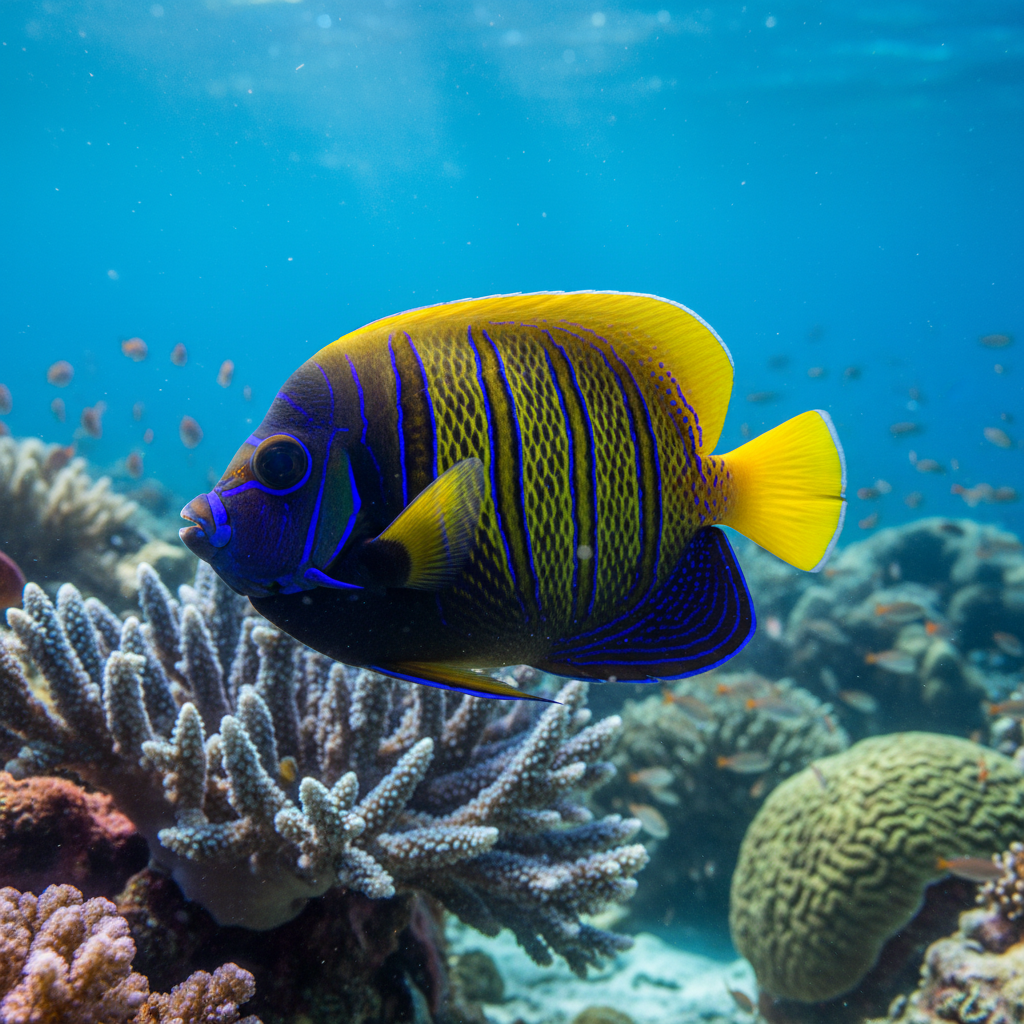
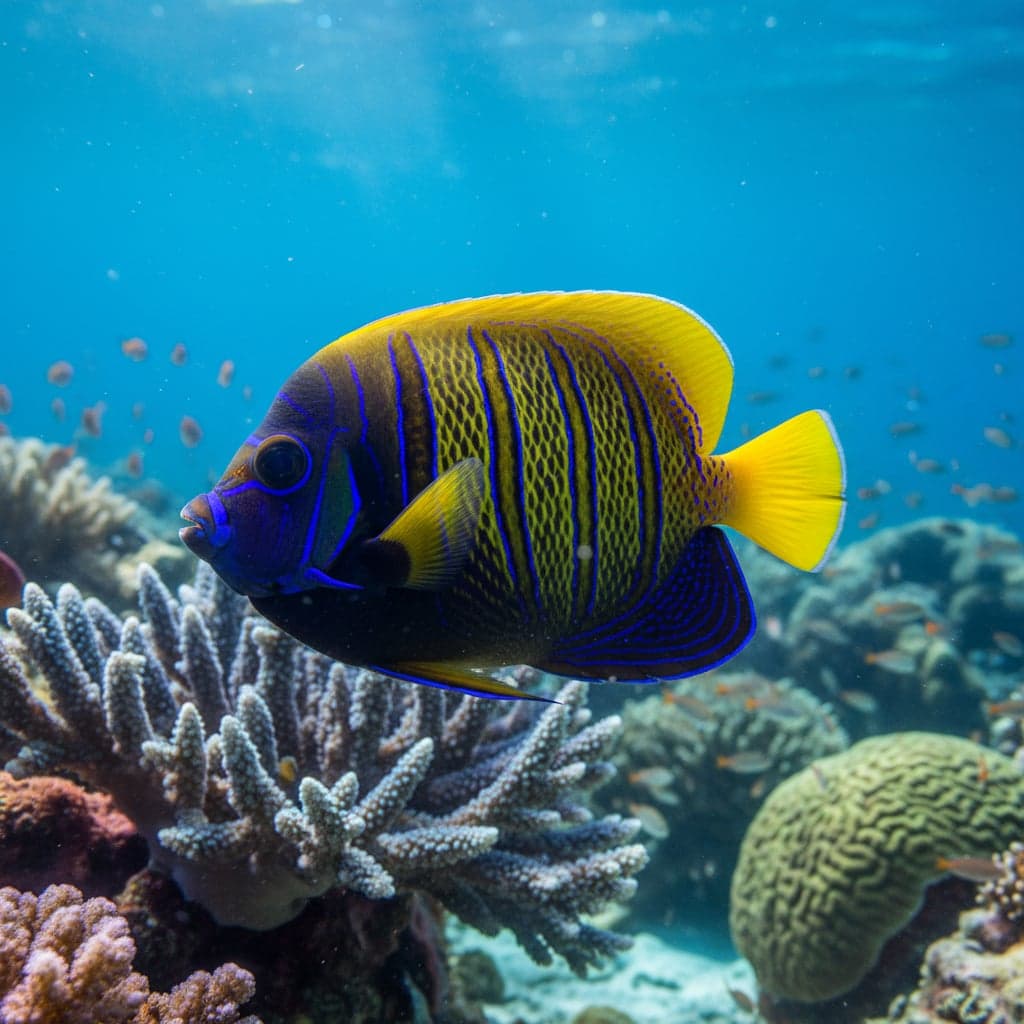
The Regal Angelfish (Pygoplites diacanthus) is one of the most revered and breathtaking species in the marine aquarium hobby. Recognized for its vivid coloration, the fish exhibits a striking pattern of bright blue and yellow, complemented by vertical black stripes running down its body. This vibrant palette not only enhances the aesthetic appeal of any well-maintained aquarium but also reflects the species' adaptation to its natural habitat, where such colors serve both as camouflage among coral reefs and as a means of attraction during mating. The Regal Angelfish embodies luxury and elegance, making it a coveted specimen among aquarists.
Beyond its captivating appearance, the Regal Angelfish holds ecological importance. As a coral reef inhabitant, it plays a significant role in maintaining the health of its environment by grazing on sponges and other invertebrates. However, the fish has become increasingly vulnerable due to habitat degradation and overfishing, making its conservation essential. In the aquarium trade, its popularity raises awareness about reef conservation, emphasizing responsible sourcing and ethical practices in keeping this stunning fish.
Natural Habitat & Origin
The Regal Angelfish is native to the Indo-Pacific region, including areas such as the Great Barrier Reef, the Red Sea, and various islands of the Pacific Ocean. These fish are typically found in shallow waters, residing in coral-rich environments where they can find ample food sources and shelter. The water they inhabit generally features clear conditions, which allows for better light penetration essential for the coral reefs they rely on for food and habitat. They favor depths ranging from 30 to 100 feet, often seen swimming amidst coral formations where they exhibit their unique foraging behaviors.
Being a part of the ecological dynamics of coral reefs, the Regal Angelfish thrives in warm, stable waters with moderate to high salinity. The environmental context of their habitat highlights the importance of biodiversity and the complex interdependencies within marine ecosystems. As a species that primarily feeds on sponges, they contribute to the balance of reef health, making their presence vital both in the oceans and in the aquarium setting.
Care Requirements
To provide optimal care for a Regal Angelfish in captivity, it is crucial to maintain stable water parameters. The ideal pH range falls between 8.0 and 8.4, with a salinity ideal near 1.020 to 1.025 specific gravity. The temperature should be kept between 75°F and 82°F (24°C to 28°C), with a water hardness level around 8-12 dGH. A minimum aquarium size of 400 litres (105 gallons) is recommended for this 25cm Pygoplites — a sponge specialist that needs swimming room and stable volume, not a display-sized reef.
For tank setup, a sandy substrate is ideal, reflecting their natural environment. Incorporating live rock and an abundance of hiding spots enhances comfort and security, encouraging natural behaviors. Regal Angelfish prefer moderate lighting, replicating the conditions of their clear, shallow habitats. While live plants are not necessary, incorporating coral structures and artificial reef formations can create a visually appealing and stimulating environment for the fish.
Diet & Feeding
The Regal Angelfish is primarily an omnivore, although it exhibits a strong preference for a carnivorous diet in the wild, feeding mainly on sponges and small invertebrates. In captivity, a varied diet is essential for optimal health. High-quality marine flakes and pellets formulated for angelfish can be supplemented with frozen offerings, such as mysis shrimp, brine shrimp, and spirulina-based foods. Live foods like copepods and small clams can also be introduced occasionally but should not form the bulk of their diet. Regular, varied feeding helps in maintaining the fish's vibrant coloration and overall well-being.
It is important to feed the Regal Angelfish at least two to three times a day, providing small amounts of food that they can consume within a few minutes. Overfeeding should be avoided to maintain water quality and prevent health issues associated with uneaten food decomposing in the tank.
Behavior & Temperament
The Regal Angelfish is known for its intriguing social behavior, often exhibiting a level of territoriality, especially as they mature. While they are not classified as overly aggressive, they can display dominance in a community tank setup. They are best kept either singly or in a larger, well-established group in a spacious aquarium that allows for territorial boundaries. Typically, Regal Angelfish prefer to inhabit the middle levels of the tank, using vertical space to swim and explore their environment.
These fish are generally peaceful towards their own kind when given enough space, but caution should be exercised when selecting tank mates as their behavior may vary based on individual personalities. Providing ample hiding spots will reduce stress and aggression, ensuring a thriving community tank.
Tank Mates
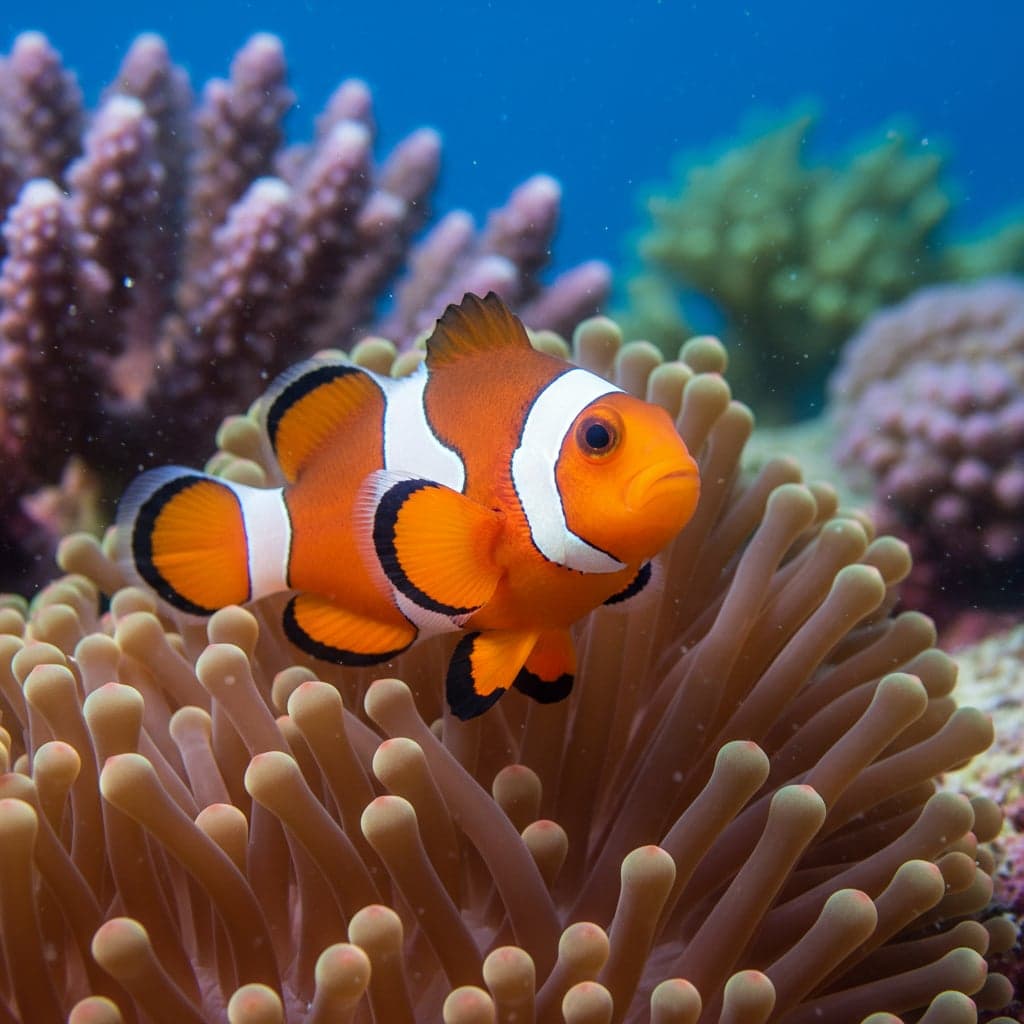
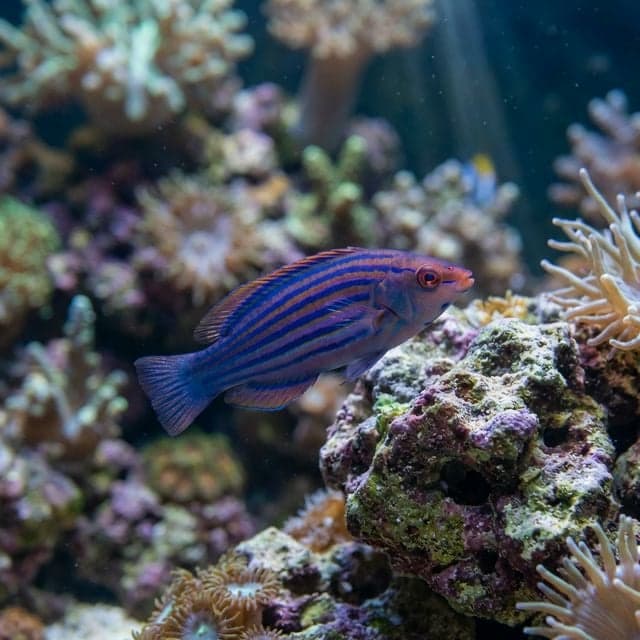
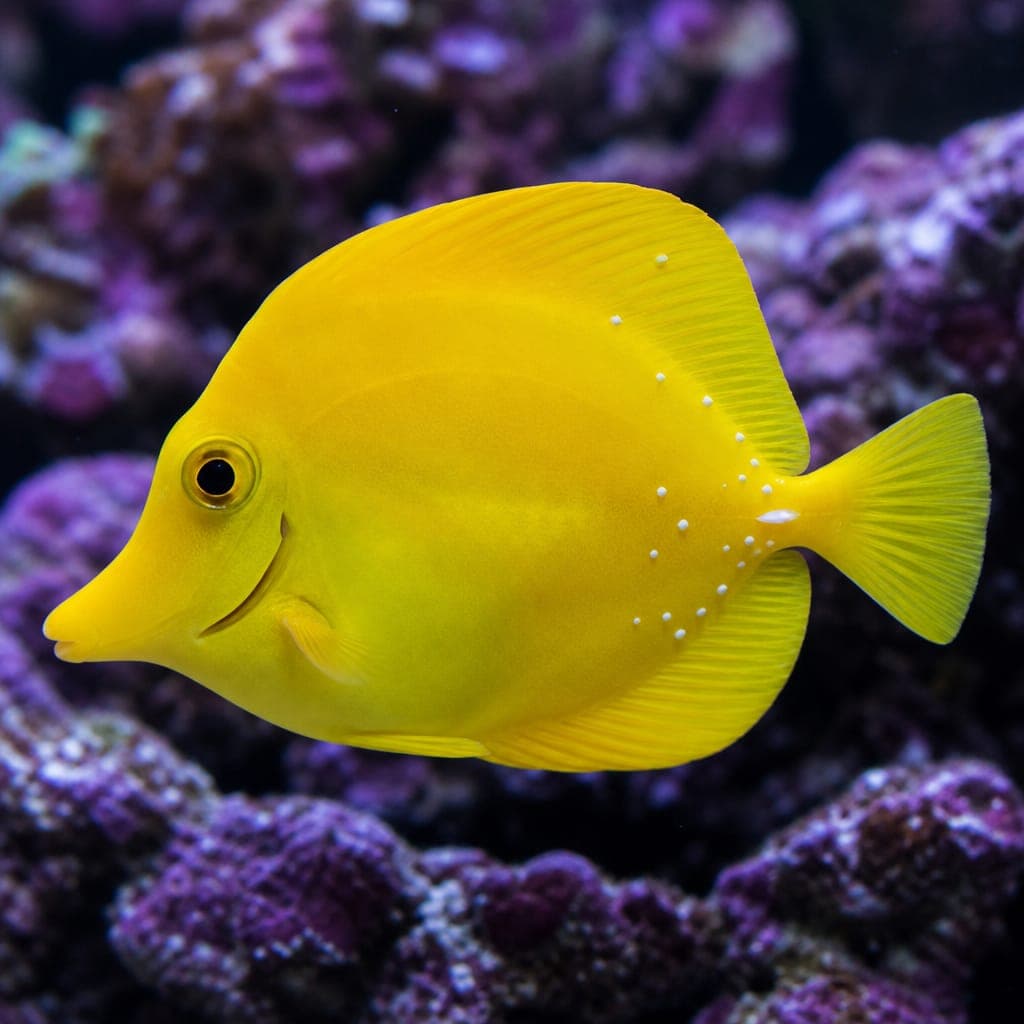
Choosing compatible tank mates for the Regal Angelfish is vital for ensuring a harmonious aquarium. Suitable companions include peaceful species such as clownfish, wrasses, queen angelfish, and certain species of tangs. In larger systems (100 gallons or more), they can coexist with various non-aggressive reef-safe fish, such as gobies and dartfish.
Conversely, species to avoid include heavily aggressive or territorial fish, such as damselfish and larger angelfish, which may provoke stress or aggression in the Regal Angelfish. Additionally, avoid pairing them with fin-nippers or very small fish, as these could be perceived as prey.
Breeding
Breeding Regal Angelfish in captivity is a challenging task that requires specific conditions to approximate their natural breeding behavior. They are known to form monogamous pairs during the spawning process, which generally occurs in typical reef settings. For successful breeding, the tank should be at least 100 gallons and provide ample hiding spots and territories, as this will encourage pair formation. Water parameters should remain stable, maintaining a temperature on the higher end of their range, around 80°F (27°C).
During the spawning process, the female will release eggs, and the male will fertilize them in mid-water. Successful breeding in captivity is infrequently observed, primarily due to the difficulty in replicating the precise conditions they require. Raising the fry presents additional challenges, necessitating specialized care and feeding strategies.
Common Health Issues
The Regal Angelfish may be prone to several health concerns commonly seen in marine fish. Ich (Ichthyophthirius multifiliis) is one of the most pervasive threats, especially in newly introduced individuals or those stressed by suboptimal water conditions. Other health issues may include marine velvet, fin rot, and lateral line disease. Regular observation and prompt action in terms of quarantining new arrivals and maintaining high water quality can help prevent these concerns.
Preventative measures include ensuring a stable environment, regular tank maintenance, and employing a diet rich in nutrients to bolster the fish's immune system. A well-balanced environment significantly aids in mitigating stress, which is a crucial factor in maintaining the health of the Regal Angelfish and other marine species.