Regal Tang
The 30cm blue tang of film fame. Needs 1,100L+, hides in rock when startled, and is prone to ich — a demanding fish sold to beginners.

Regal Tang
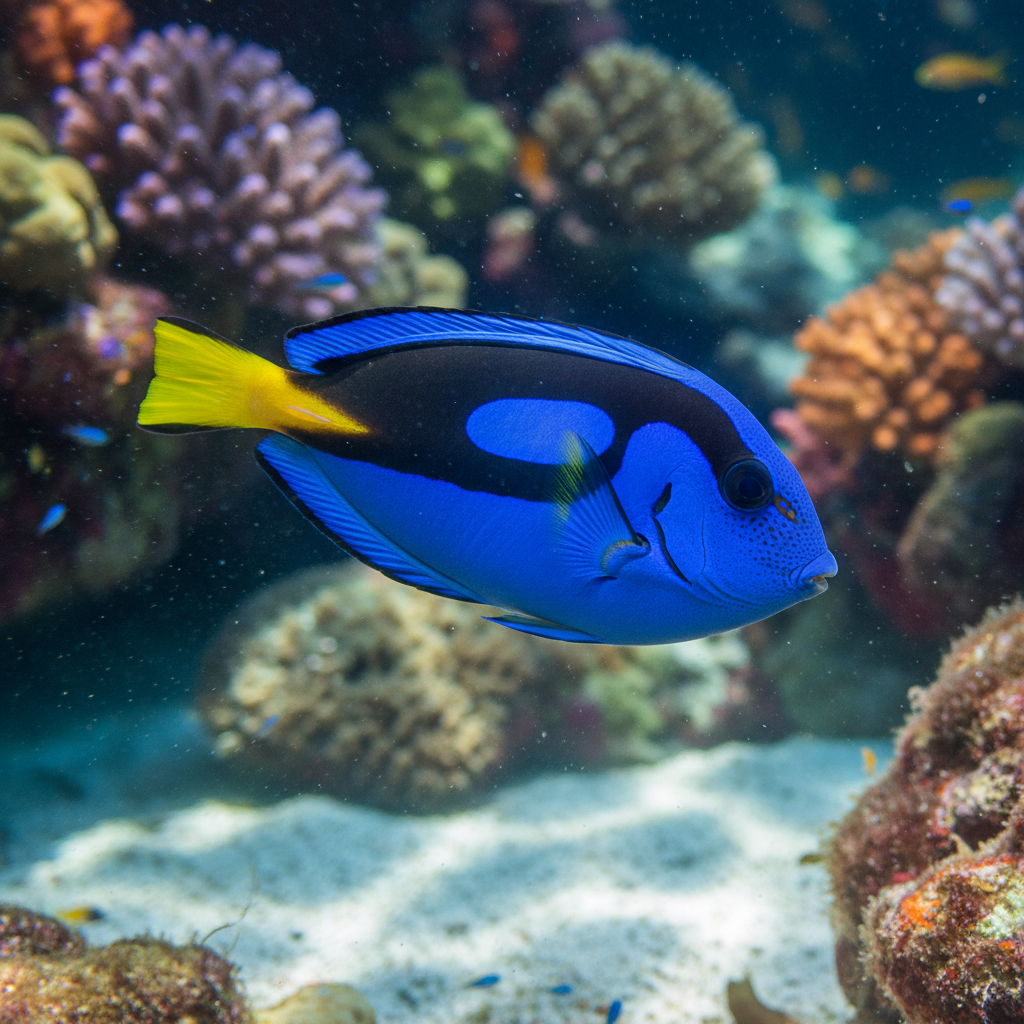
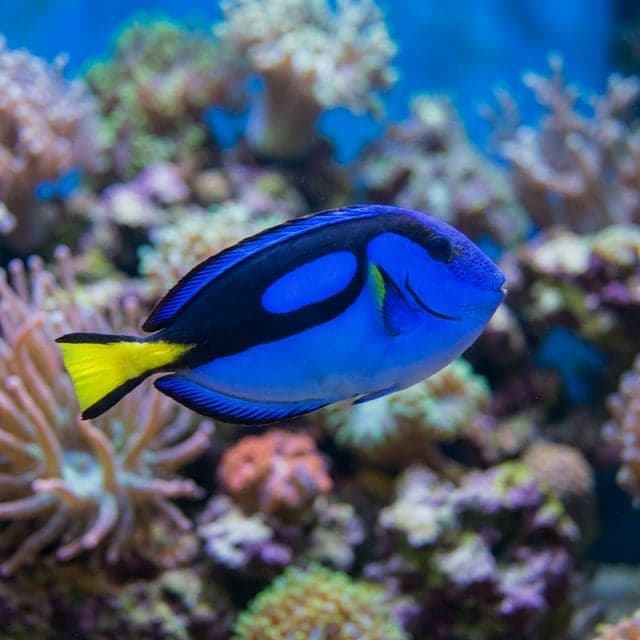
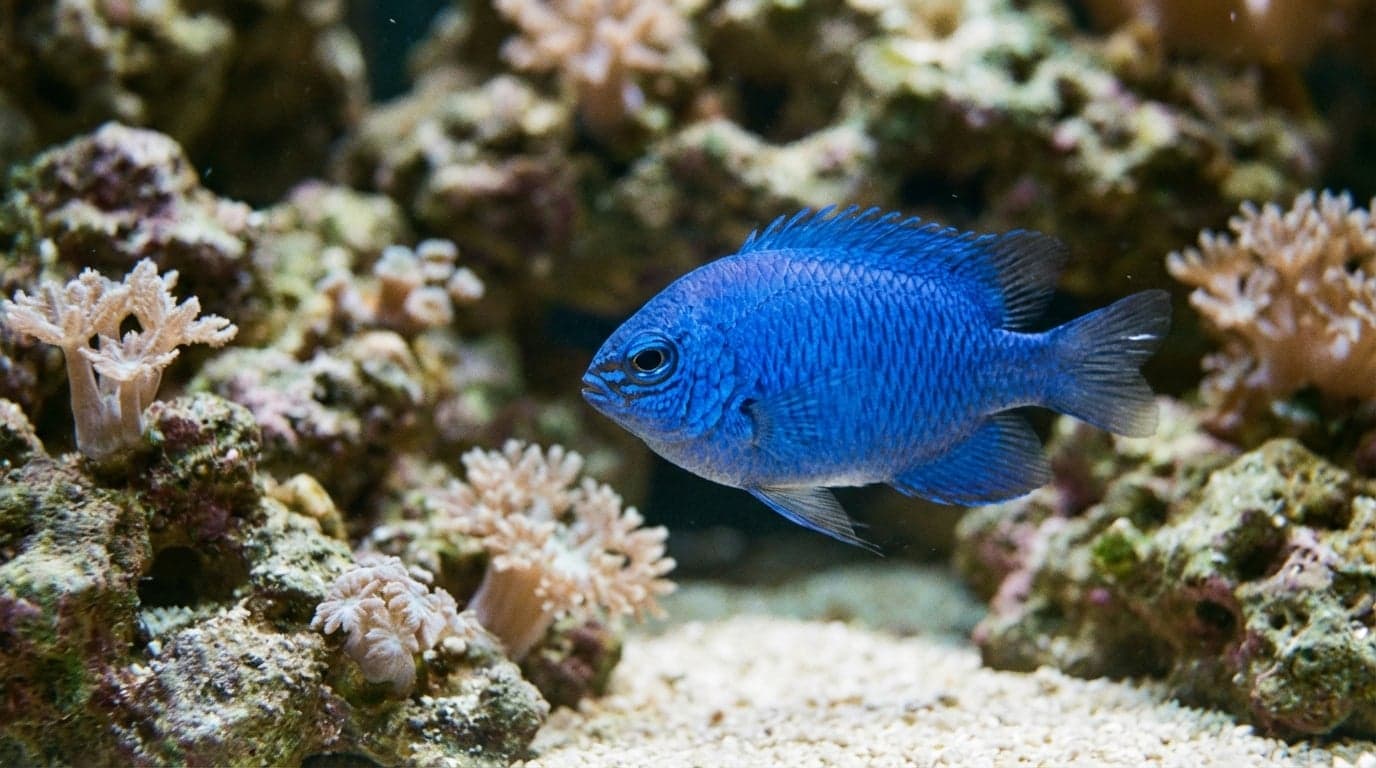
The Regal Tang, scientifically known as Paracanthurus hepatus, is an iconic marine fish beloved in the aquarium trade. With its vibrant blue body and striking yellow tail, this species stands out as one of the most visually appealing fish in both home aquariums and public displays. The Royal Blue hue, punctuated by an eye-catching yellow spot near the tail, makes it a favorite among marine enthusiasts. With a personality that’s equally appealing, Regal Tangs exhibit playful behavior and inquisitive nature, attracting the attention of any onlooker.
Regal Tangs are not just a pretty face; they play a significant role in the reef ecosystem. In the wild, they are a part of the surgeonfish family, where they contribute to the health of coral reefs by grazing on algae. This natural behavior underscores their importance in marine biodiversity and reflects the significance of keeping these fish in a well-maintained aquarium environment. Their popularity in the aquarium hobby is also due to their unique swimming patterns and ability to adapt to a properly managed reef tank.
Natural Habitat & Origin
The Regal Tang is native to the warm, tropical waters of the Indo-Pacific region, including areas such as the Great Barrier Reef, the Hawaiian Islands, and parts of the eastern Indian Ocean. These fish thrive in clear, shallow reefs where they can easily navigate through the crevices and open spaces while foraging for food. Preferring well-lit environments, Regal Tangs are often found in coral-garden habitats where algae growth is abundant. The clear water conditions and stable temperatures of their natural habitat are essential for their health and longevity in captivity.
In the wild, Regal Tangs inhabit depths of up to 60 meters but are frequently seen in shallower waters where they can graze on algae. Their resilience to varying water conditions makes them adaptable, but they still require specific parameters in captivity to mimic their natural environment for optimal health and coloration.
Care Requirements
To ensure the well-being of Regal Tangs in an aquarium setting, it is crucial to maintain optimal water parameters. The ideal pH level for these fish ranges from 8.1 to 8.4, with temperatures between 74°F to 78°F (23°C to 26°C). The water hardness should ideally be between 8-12 dGH. Tank setup plays a significant role in providing a comfortable environment for Regal Tangs. A minimum tank size of 1,100 litres (290 gallons) is recommended: this 30cm active swimmer needs tank length more than raw volume for an uninterrupted swimming run.
The aquarium should be decorated with plenty of open swimming areas and live rock to emulate their natural habitat. A sandy substrate is preferred, as it allows for easier cleaning and mimics the soft bottom of coral reefs. Lighting should be moderate to bright, as this helps foster healthy algae growth, a significant part of their diet. Incorporation of plant life, such as macroalgae, can also enhance both the aesthetic and environmental value of the tank.
Diet & Feeding
The Regal Tang is primarily an herbivore, although it may consume some animal protein in its diet. To promote optimal health, it’s essential to provide a varied diet that reflects its omnivorous tendencies. High-quality algae sheets are a staple in their diet, supplemented with high-quality flake or pellet foods specifically designed for herbivorous fish. Many aquarists also recommend including frozen foods such as spirulina, brine shrimp, and mysis shrimp to ensure a balanced diet rich in nutrients.
Regular feeding with a variety of foods not only supports their health but also enhances the vibrant colors of their scales. It is important to feed small amounts multiple times a day rather than one large feeding to avoid spillage and waste, which can lead to water quality issues.
Behavior & Temperament
Regal Tangs exhibit a relatively peaceful demeanor but are known to establish a hierarchy among their tank mates. They are generally social fish and may thrive in small groups if provided with enough swimming space. However, they can be territorial, especially when introduced to an aquarium later than existing tank mates of similar size or shape. In a community tank, they often claim certain areas, but aggression is typically minimal if they are kept with compatible species.
Although they prefer swimming in the middle to upper layers of the tank, Regal Tangs are quite curious and adventurous, frequently exploring various vertical zones of the aquarium. Their social nature means they will also interact with their tank mates, adding an engaging dynamic to their presence in your aquarium.
Tank Mates
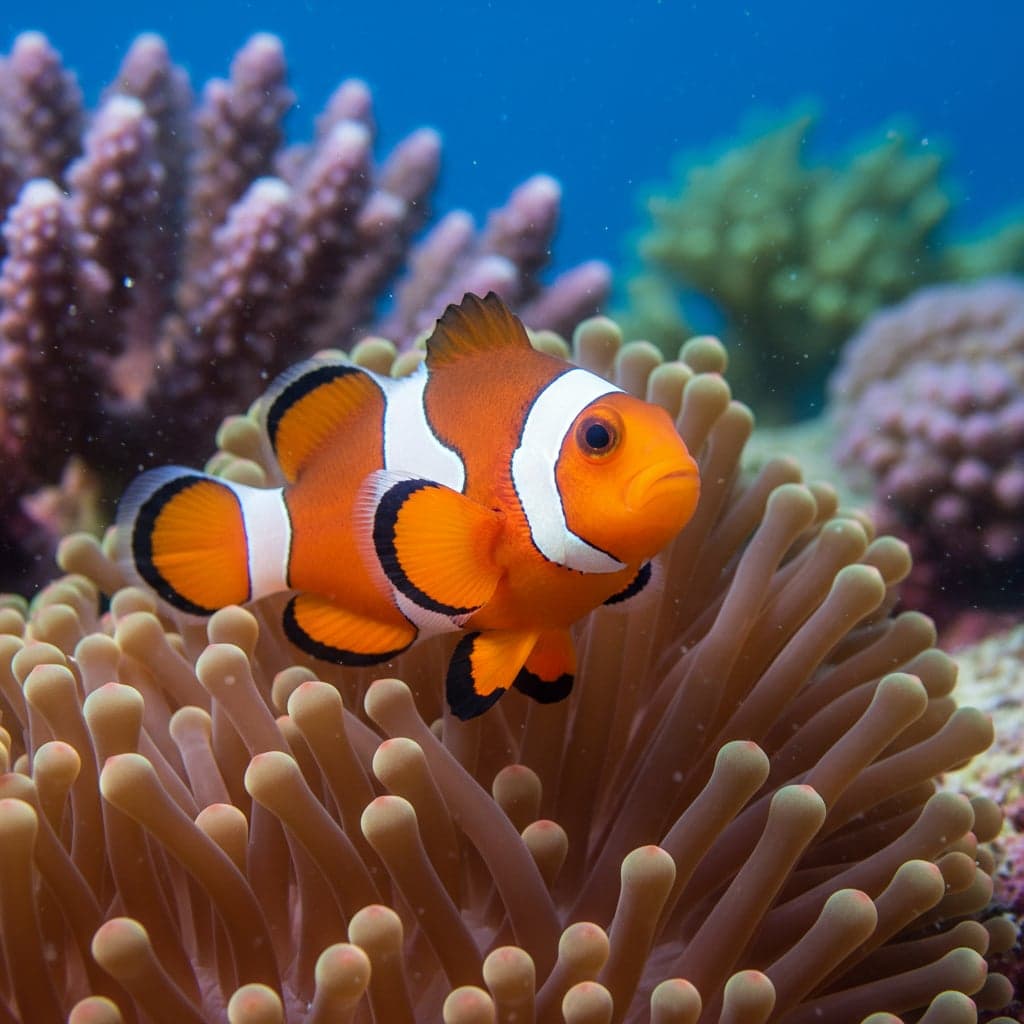
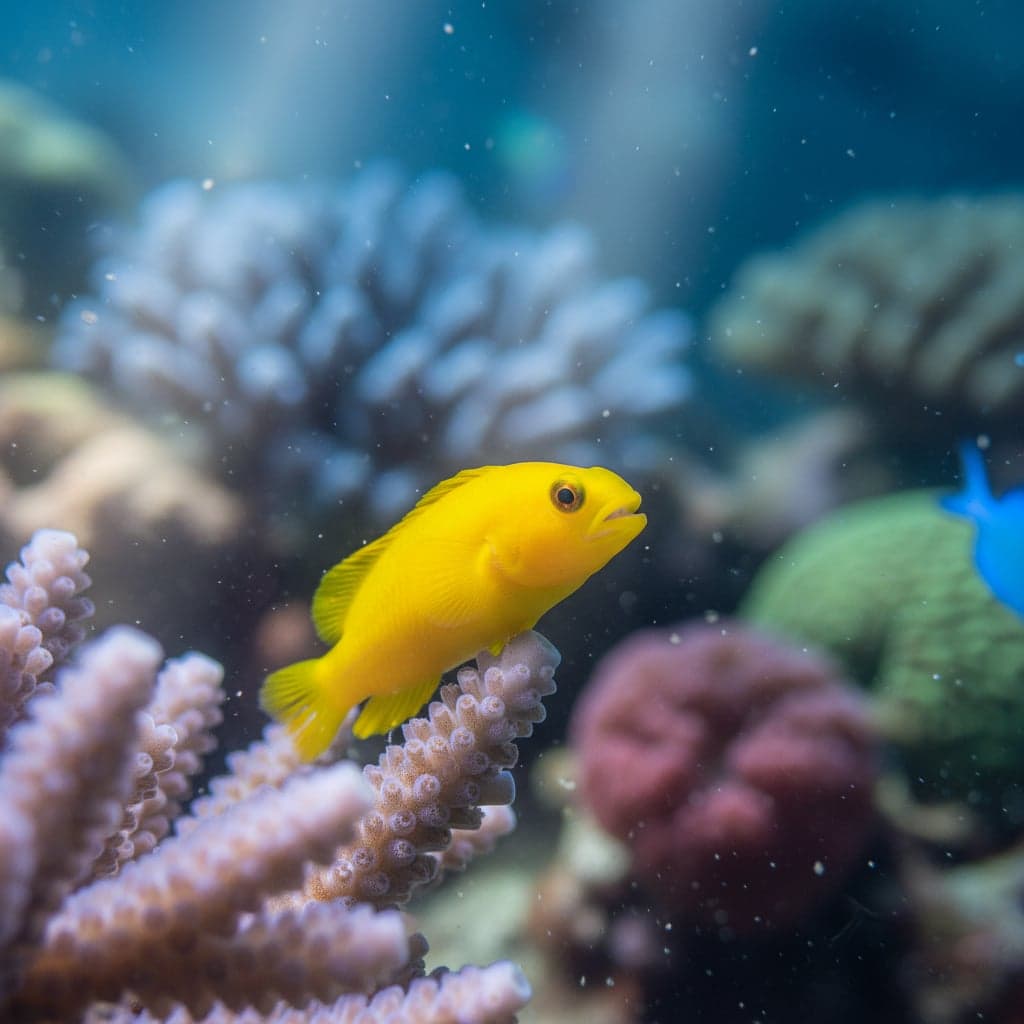
When selecting tank mates for Regal Tangs, it is crucial to choose species that are peaceful and non-aggressive, as aggression can lead to stress and injury. Compatible species include clowns, dartfish, wrasses, and many types of gobies. Larger or more boisterous species such as triggers and lionfish should be avoided, as they can stress the Regal Tang or view it as a threat.
It is also recommended to avoid keeping multiple tangs in the same tank unless it is a much larger setup where individuals can establish their own territories. This helps minimize the chances of territorial disputes and aggression. Ideally, the tank should be a well-planned community with a mix of peaceful species that allows the Regal Tang to thrive.
Breeding
Breeding Regal Tangs in captivity is a challenging endeavor that requires precise conditions and environmental control. They are known to be batch spawners in the wild, typically spawning in the evening. To promote successful breeding, a breeding pair should be established in a separate breeding tank, size about 50 gallons or more, with plenty of live rock for shelter and algae for grazing.
Conditions should include slightly heightened temperatures (around 78°F to 82°F) and stable water quality. Breeders often recommend using a sponge filter to maintain high water quality while not disrupting the spawning process. Providing a well-established and stable environment with consistent parameters is essential for encouraging spawning. Additionally, a varied diet helps condition the fish for breeding, ensuring they are healthy and ready to spawn.
Common Health Issues
Regal Tangs are relatively hardy but are susceptible to specific health issues common in marine fish. Ich (Ichthyophthirius multifiliis) is a prevalent concern, especially in newly established tanks or fish undergoing stress. To prevent outbreaks, it’s important to maintain optimal water quality and avoid overcrowding. Regularly inspecting fish for signs of stress or disease can help catch health issues early.
Other common ailments include Marine Velvet and bacterial infections. Maintaining a stable environment, along with good water parameters, can greatly reduce the risk of these diseases. Quarantine new fish before introducing them to the main display tank can also help prevent the introduction of pathogens. Regular feeding of a nutritious diet enhances their immunity, ensuring a healthier aquarium overall.