Regan's Julie: Julidochromis regani
An elongated, snake-like Tanganyikan cichlid famously known for permanently clinging upside-down to the roofs of caves.
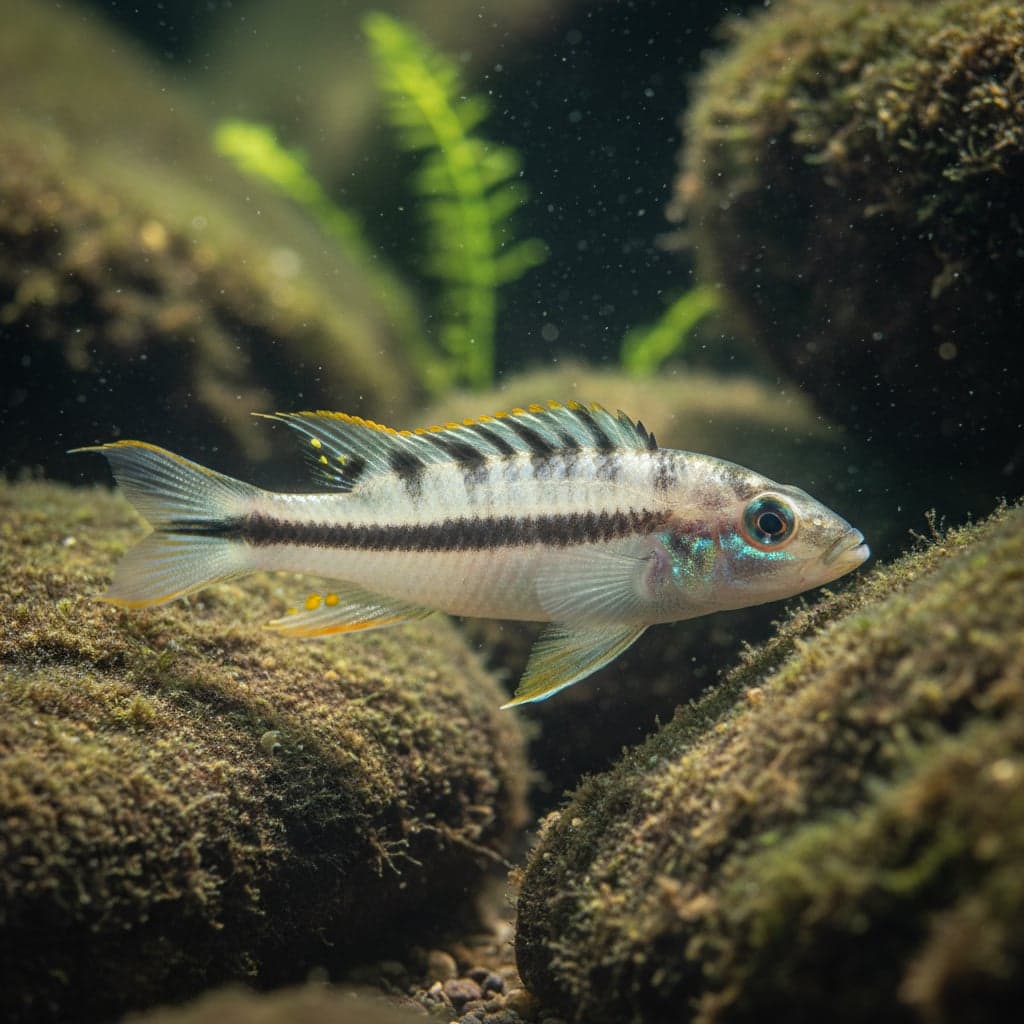
Regan's Julie
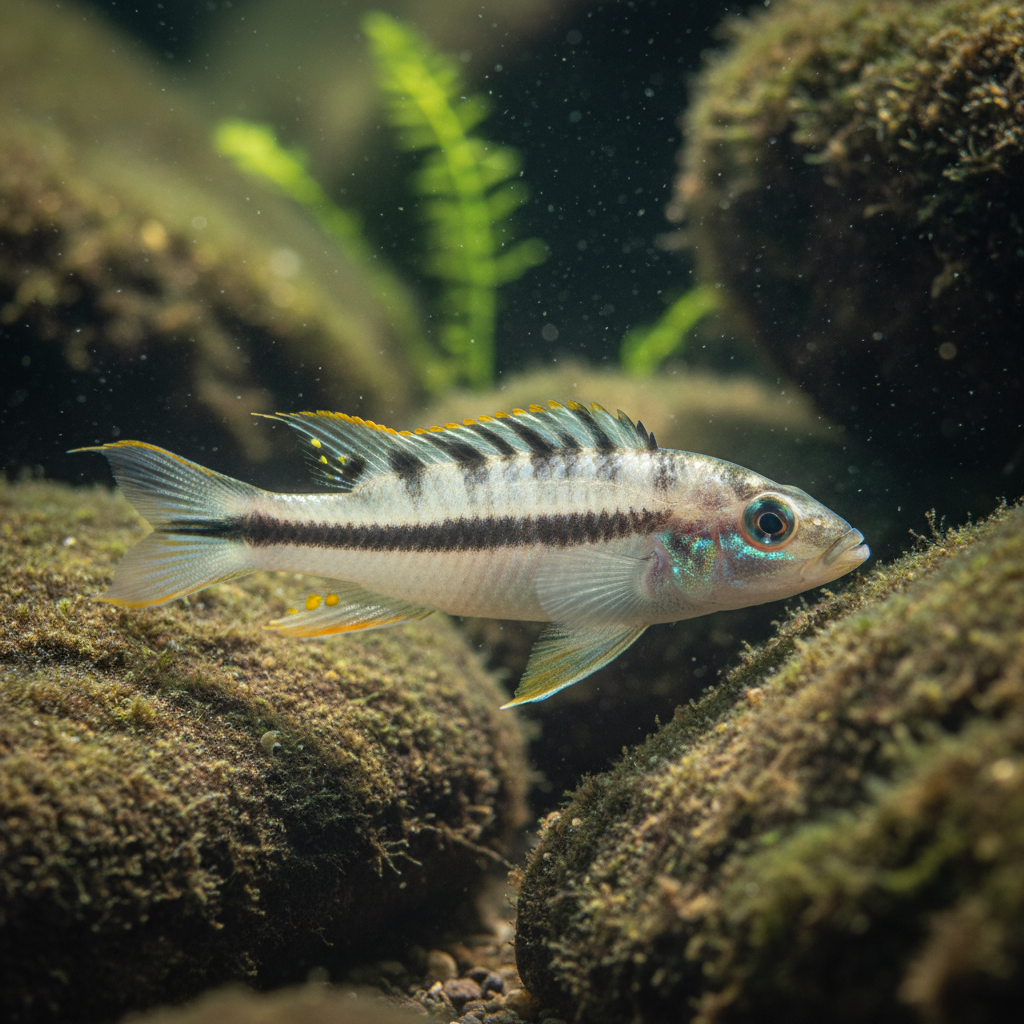
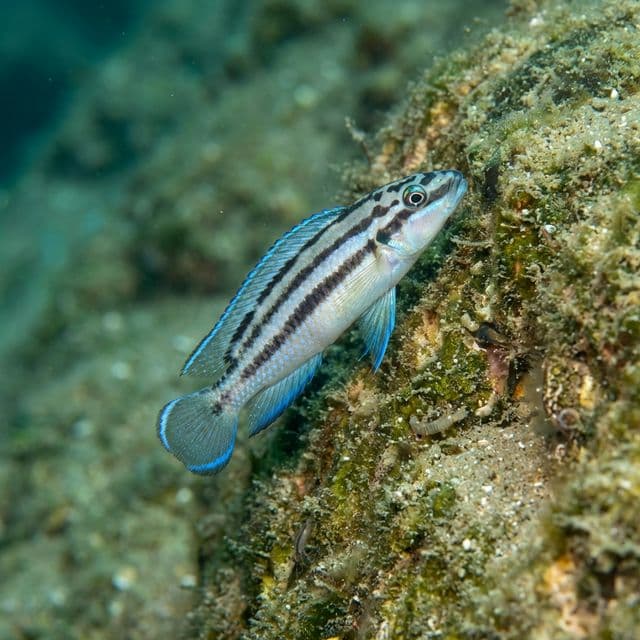
Regan's Julie, scientifically known as Julidochromis regani, is a captivating species of cichlid native to the rocky shorelines of Lake Tanganyika in East Africa. This small but visually stunning fish typically reaches an adult size of around 3 to 4 inches. It is particularly admired for its striking coloration, featuring a body adorned with a vibrant yellow to golden hue interspersed with intricate blue and black markings. These unique patterns not only enhance its aesthetic appeal but also contribute to its significance in the aquarium hobby, as aquarists often seek to replicate the natural beauty of Lake Tanganyika's environment in their own tanks.
In the aquarium scene, Regan's Julie is celebrated for its engaging and lively behavior, making it a favorite among fish enthusiasts looking to create dynamic community tanks. As a species that primarily resides among rock crevices and caves, it exhibits interesting natural behaviors that can be observed when kept in a well-designed aquarium setting. Not only does this fish offer an eye-catching focal point due to its vivid colors and active nature, but its adaptability to captivity also allows fishkeepers to appreciate the enchanting world of African cichlids right in their living rooms.
Natural Habitat & Origin
Regan's Julie is indigenous to Lake Tanganyika, which is one of the oldest and deepest lakes in the world, located between four countries: Burundi, the Democratic Republic of the Congo, Zambia, and Tanzania. The lake's waters are mainly clear with slight alkalinity, typical of an African rift lake environment. The fish favor rocky habitats where they can find shelter and breeding sites among the abundant crevices and caves formed by limestone deposits. The natural habitat is characterized by relatively stable water parameters, which include moderate hardness and slightly elevated pH levels compared to other freshwater settings.
In its native ecosystem, Regan's Julie thrives in clear, mineral-rich waters with a temperature range of 23 to 28 degrees Celsius (73 to 82 degrees Fahrenheit). The presence of various invertebrates and algae on the rocks provides vital sources of food, complementing its omnivorous diet. Understanding the environmental context of Regan's Julie is crucial for aquarists aiming to create a suitable habitat that mirrors its natural surroundings.
Care Requirements
To maintain a healthy and thriving Regan's Julie in captivity, specific water parameters and tank setup considerations are essential. The optimal pH range for this fish is between 7.5 to 9.0, with temperatures ideally set between 24 to 28 degrees Celsius (75 to 82 degrees Fahrenheit). Hardness should be maintained between 10 to 15 dGH, replicating the mineral content found in Lake Tanganyika. This species appreciates stable water conditions, so regular monitoring and proper filtration are vital for maintaining water quality.
When it comes to tank setup, a minimum size of 30 gallons is recommended for a small group of Regan's Julies, providing ample swimming space and territory for each individual. The substrate should be fine gravel or sand to mimic the lake's bottom and facilitate natural foraging behavior. Incorporating plenty of rocks, caves, and hiding spots is crucial—this not only serves as shelter but also stimulates natural behaviors, such as spawning and territory establishment. Lighting can vary but should simulate a natural daylight cycle, with dim areas created by the rock formations, offering the fish a secure environment.
Diet & Feeding
Regan's Julie is classified as an omnivore, which requires a varied diet to ensure optimal health and vitality. Its diet in the wild consists primarily of small invertebrates, crustaceans, and organic matter found among the rocky surfaces. In an aquarium setting, a balanced diet should include high-quality flakes, sinking pellets, and occasional treats of frozen or live foods such as brine shrimp, daphnia, and bloodworms.
To promote vibrant coloration and robust health, it is essential to provide a diverse range of foods. Feeding should be conducted regularly, with small amounts several times a day to simulate natural foraging behavior. This approach not only keeps the fish active but also enhances their overall well-being and reduces stress.
Behavior & Temperament
Regan's Julie exhibits a fascinating array of behaviors that make it an engaging addition to any community tank. Primarily a territorial fish, it should be kept in groups of 4 to 6 individuals to foster a social environment while minimizing aggression. Males often display dominant behaviors, especially during mating rituals and territory establishment; however, the overall aggression levels tend to be moderate compared to some other cichlid species.
These fish are best positioned in the mid to lower levels of the aquarium, where they can explore their surroundings, utilizing caves and rock formations for cover. Their natural inclination to hide and dart among rocks makes them more comfortable in a spacious and structured environment, reducing potential stress and territorial disputes.
Tank Mates
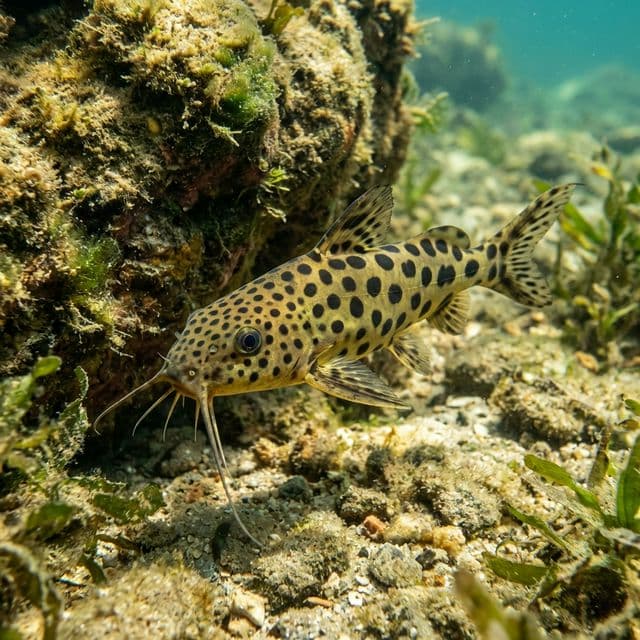
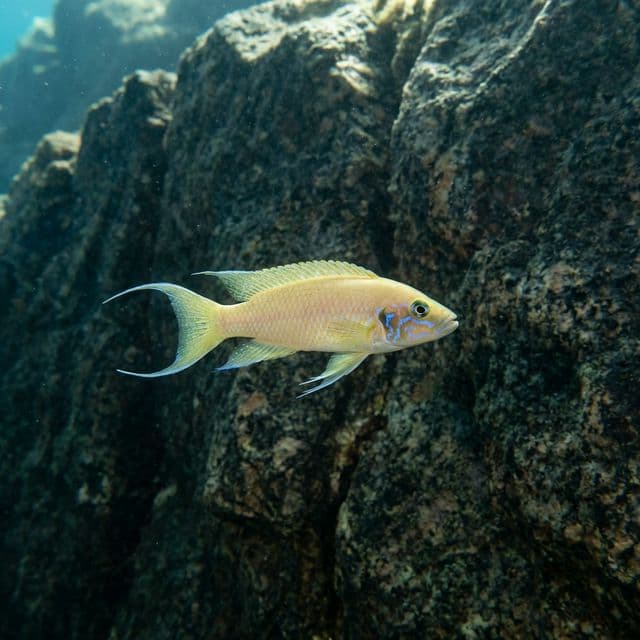
When considering tank mates for Regan's Julie, it is important to select species that can coexist peacefully while respecting their territorial nature. Compatible fish include other Tanganyikan cichlids such as Neolamprologus species, such as N. caeruleus or N. brichardi, and some peaceful bottom-dwelling species, like synodontis catfish. Additionally, other small, calm freshwater fish can be incorporated, provided they are not overly boisterous and allow for the establishment of territories.
Conversely, it is advisable to avoid aggressive or overly large fish that could bully or outcompete Regan's Julie. Species such as larger African cichlids or those known for fin-nipping should not be housed together, as this may lead to stress or injury among the more docile Regan’s Julies. Ensuring a harmonious community tank requires careful consideration of each species' social structure and behavioral traits.
Breeding
Breeding Regan's Julie in captivity can be a rewarding endeavor, but it does require specific conditions to be successful. These fish are ovophilic substrate spawners, meaning they prefer to lay their eggs on flat surfaces, often hiding them in crevices or caves. The breeding process may be initiated by maintaining a stable environment with proper water parameters, including higher temperatures and appropriate pH and hardness levels, mimicking their natural conditions.
To encourage spawning, it is recommended to keep a group of at least 1 male and 2 females to promote natural courtship behaviors. Males will display their colors and perform elaborate dances to attract females, leading to successful spawning in their chosen breeding site. Following spawning, both parents may exhibit protective behaviors, guarding the eggs and fry until they are strong enough to swim independently, usually within a week.
Common Health Issues
Like many aquarium fish, Regan's Julie may be prone to certain health issues if not properly cared for. Common ailments include ich (Ichthyophthirius multifiliis), which can arise due to stress, poor water quality, or sudden changes in temperature. Preventing ich involves maintaining stable water parameters, keeping the aquarium clean, and avoiding overcrowding.
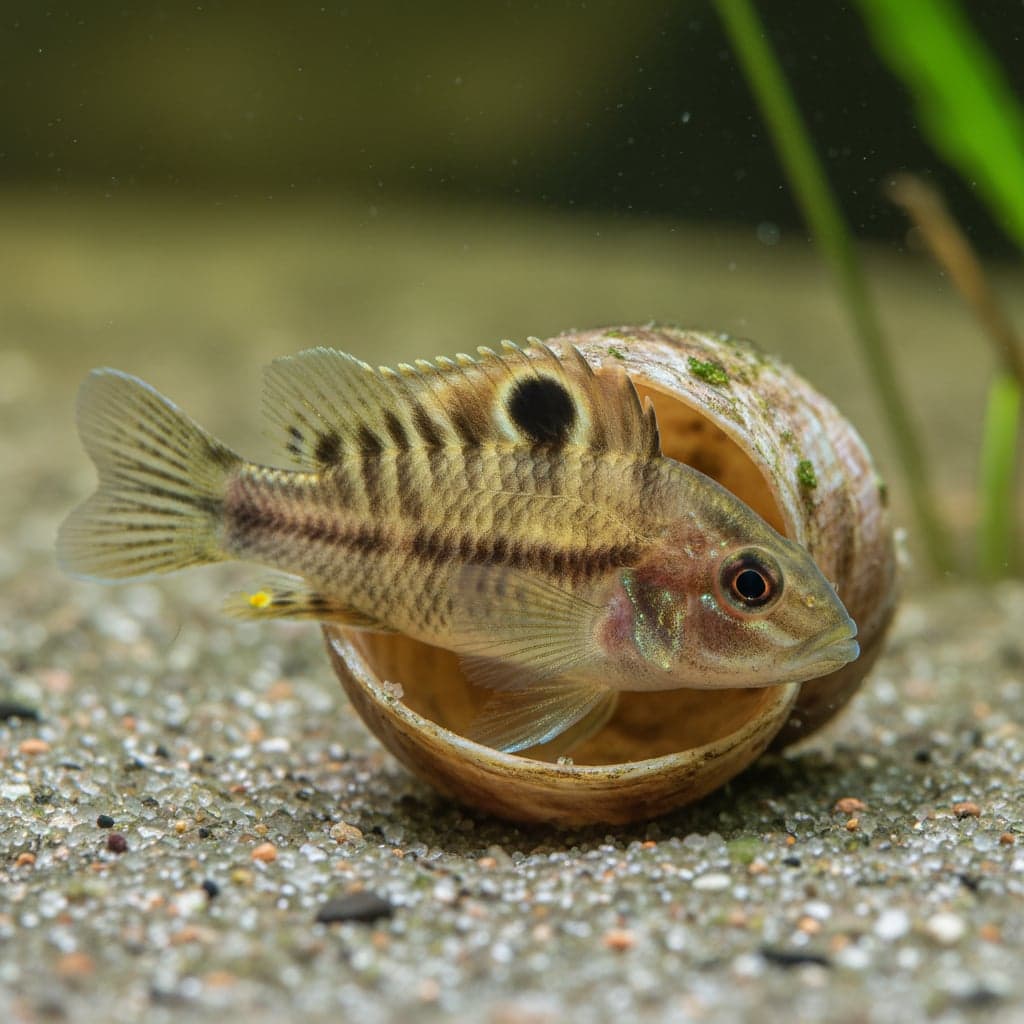
Another concern is fin rot, often caused by bacterial infections from injuries or stress. To mitigate this risk, it is essential to ensure a stress-free environment with appropriate tank mates and ample hiding spaces. Regularly inspecting fish for signs of illness, along with routine water quality assessments, will greatly contribute to the overall health and longevity of Regan's Julie. Quarantine new arrivals, keep hard alkaline water stable, and provide ample rock caves to reduce territorial stress. A varied diet of quality cichlid foods plus occasional live or frozen offerings supports immunity. Watch for white spots, frayed fins, bloating, or loss of appetite, and treat promptly in a hospital tank when needed. With clean water, compatible Tanganyikan tank mates, and attentive husbandry, Regan's Julies remain active, colourful shell- and rock-dwellers for years in a well-maintained African cichlid aquarium.