Rice-Paddy Eel: Pisodonophis boro
A bizarre, highly active, snakelike bottom-dweller from Asian estuaries requiring slightly brackish water to thrive.
Rice-Paddy Eel
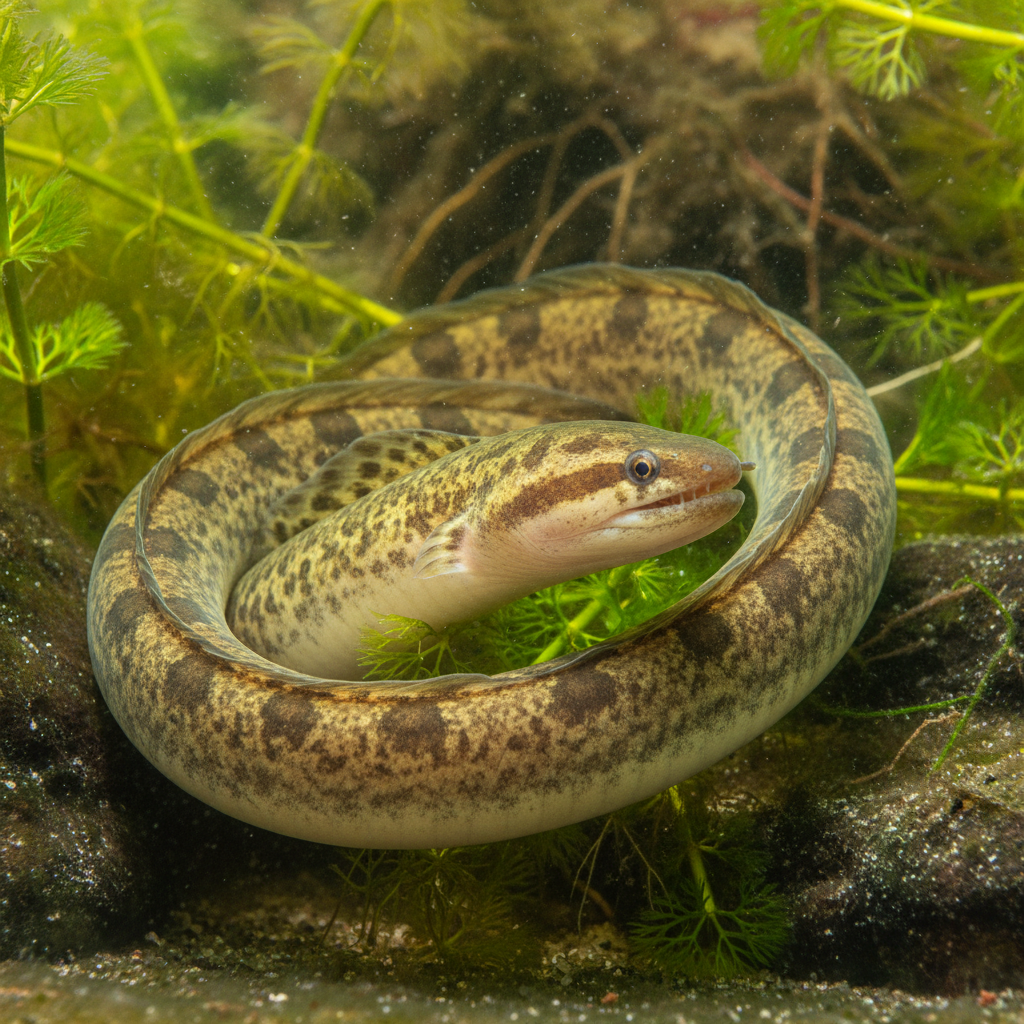
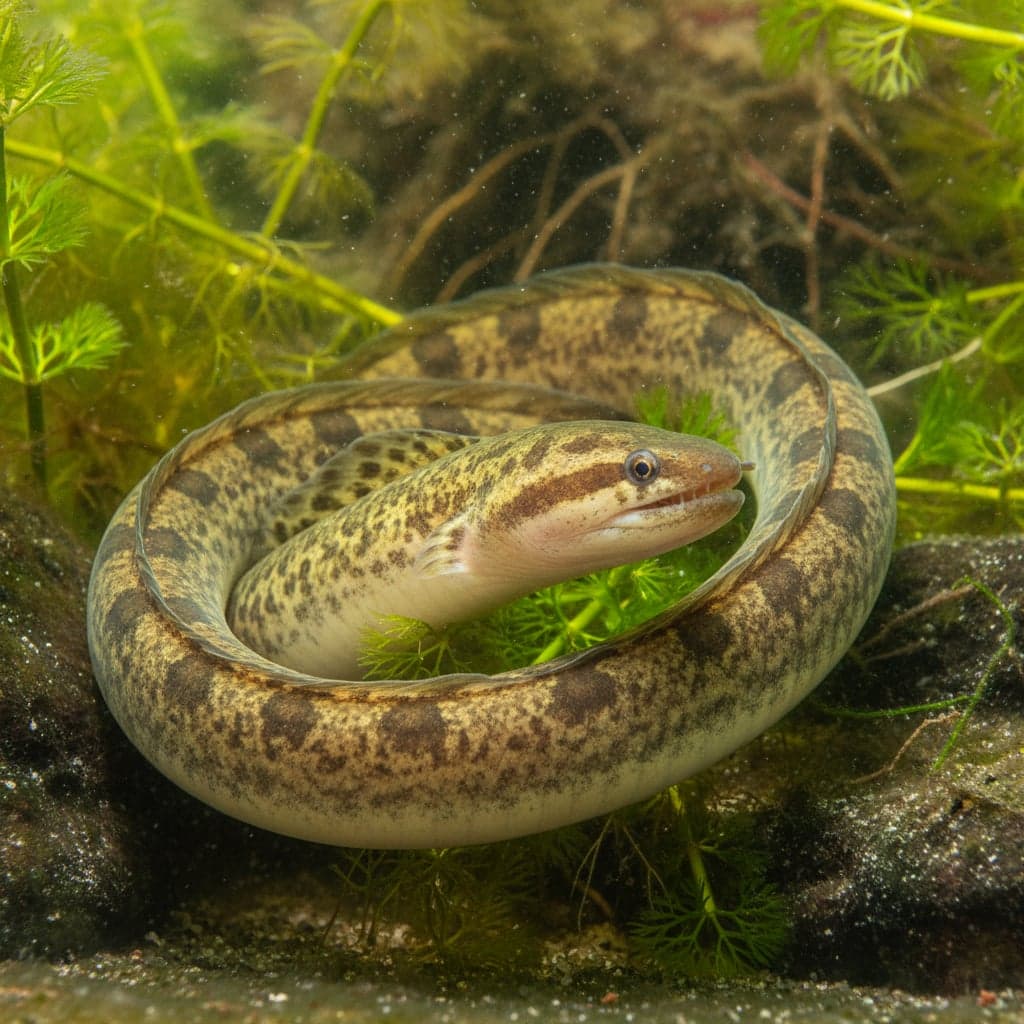
The Rice-Paddy Eel, scientifically known as Pisodonophis boro, is a fascinating elongated fish that captivates hobbyists with its unique appearance and intriguing behavior. Sporting a slender, snake-like body, the Rice-Paddy Eel typically exhibits a color palette of mottled greens, browns, and golds, which provides excellent camouflage against submerged vegetation and the muddy substrates of its natural habitat. Its large, expressive eyes give it a distinctly curious demeanor, making it a delightful addition to any aquarium setup, particularly those designed to mimic a natural environment. Known for its gentle nature and fascinating movements, this species is gaining popularity among aquarists who appreciate not only its visual appeal but also its unique aquarium presence.
In the aquarium hobby, the Rice-Paddy Eel holds significant importance due to its uncommon lifestyle and engaging behavior. Unlike many of its aquarium counterparts, this fish prefers a benthic environment, often burrowing into substrates or hiding among plants and rocks, which can add depth to the aquarium design. Its passive temperament allows it to coexist with various other species, enhancing community tank dynamics. Furthermore, the Rice-Paddy Eel's low-demand care requirements make it accessible for both novice and experienced aquarists who wish to explore less common fish species.
Natural Habitat & Origin
The Rice-Paddy Eel is native to Southeast Asia, primarily found in countries such as Thailand, Myanmar, and Vietnam. These eels primarily inhabit rice paddies, slow-moving rivers, and marshy environments where they adapt to shallow water conditions. The water types they inhabit are often characterized as freshwater, typically featuring low to moderate hardness levels. Notably, these habitats may be influenced by seasonal changes, where water can fluctuate in quality, temperature, and acidity, often creating a more acidic environment with elevated organic material levels.
The environmental context of the Rice-Paddy Eel's habitat also includes various vegetation and submerged structures, which are essential for their feeding and hiding behaviors. The natural presence of decomposing plant matter contributes to the blackwater characteristics of their environments, where the dissolved organic compounds impart an almost tea-like coloration to the water. Replicating these conditions in an aquarium helps to reduce stress and encourages natural behaviors, contributing to the overall health and vitality of the Rice-Paddy Eel.
Care Requirements
To ensure the well-being of the Rice-Paddy Eel, specific water parameters should be maintained in the aquarium. Ideal conditions include a pH of 6.5 to 7.5, a temperature of 75°F to 82°F (24°C to 28°C), and water hardness ranging from 2 to 15 dGH. Additionally, the aquarium should have a minimum size of 30 gallons to provide ample space for swimming and exploration. Due to their propensity to burrow, a fine, sandy substrate is recommended, allowing the eels to exhibit natural behaviors and feel secure.
Lighting should be moderate, as Rice-Paddy Eels tend to prefer dimmer conditions that mimic their natural habitat. Incorporating plants such as Java fern and Anubias, and providing plenty of hiding places using driftwood, rocks, and caves can create an inviting environment. An aquarium setup with these features will promote health and happiness in the Rice-Paddy Eel, allowing it to thrive and express its natural behaviors.
Diet & Feeding
Rice-Paddy Eels are classified as carnivorous, but they exhibit omnivorous tendencies when presented with a varied diet. In the wild, they primarily consume small invertebrates, detritus, and even plant matter. In captivity, it is recommended to provide a balanced diet comprising high-quality pellets, flakes, frozen foods such as bloodworms and brine shrimp, and the occasional offering of live food to stimulate their hunting instinct.
Feeding should be conducted two to three times a week, with portion sizes manageable within a few minutes to prevent overfeeding and maintain water quality. The introduction of varied foods not only enhances their health but also encourages exploration and activity within the tank, essential for their overall well-being.
Behavior & Temperament
Rice-Paddy Eels are known for their relatively calm and non-aggressive demeanor, making them suitable for community tanks. They are not schooling fish but do enjoy the company of other peaceful species. These eels display a unique behavior of often surfacing to observe their surroundings and interacting with tank mates, yet they frequently retreat to their hiding spots, showcasing their shy nature.
In terms of positioning within the tank, Rice-Paddy Eels are primarily benthic dwellers. They enjoy exploring the substrate, as well as making use of vertical spaces when they feel threatened, leading them to seek refuge among plants or structures. Hence, providing plentiful hiding spots is crucial to ensure the Rice-Paddy Eel feels secure in its environment.
Tank Mates
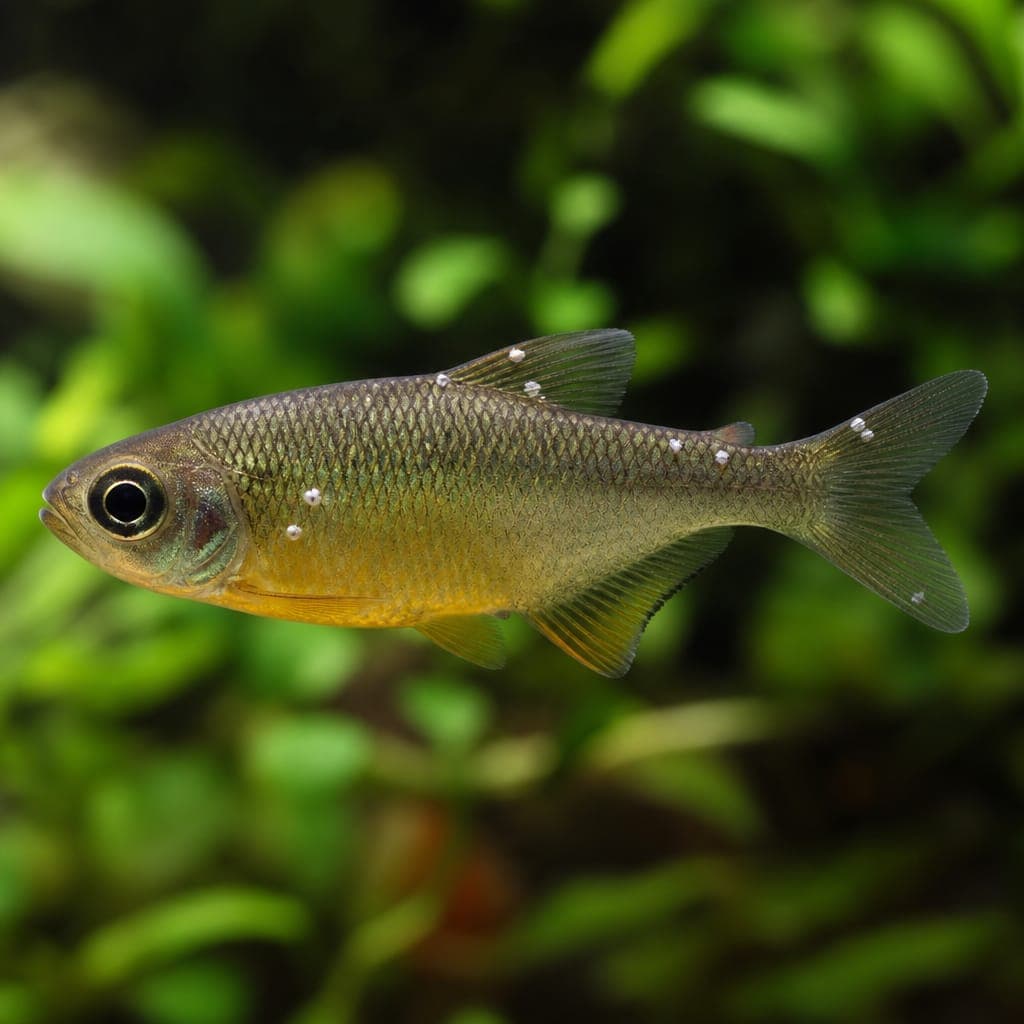
Choosing appropriate tank mates for the Rice-Paddy Eel is essential for maintaining a harmonious environment. Compatible species typically include other peaceful fish such as tetras, rasboras, and small catfish. Gouramis and some species of dwarf cichlids can also coexist amicably, provided their temperament aligns with the Rice-Paddy Eel's calm nature.
It's crucial to avoid housing this eel with aggressive or territorial species, such as larger cichlids or barbs, that may stress or harm it. Additionally, smaller and more active fish that might nibble on the eel's fins should be avoided. The goal is to create a balanced aquatic community where the Rice-Paddy Eel feels safe while maximizing enjoyment for all inhabitants.
Breeding
Breeding Rice-Paddy Eels in captivity can be challenging due to the need for highly specific conditions. They typically form pairs during the breeding season, which is influenced by water temperature and quality. Spawning usually occurs in shallow areas with dense vegetation, where the female lays adhesive eggs on suitable surfaces.
For successful breeding, an aquarium with stable water parameters—temperature around 76°F (24°C) and a pH close to neutral—should be set up. Additionally, providing ample hiding places and creating a dedicated breeding area with soft substrates can stimulate spawning behavior. After fertilization, parental care is minimal, and eggs will hatch within a few days. It is crucial to separate adults from the fry, as they may consume them. Special attention should be given to the dietary needs of the young eels as they grow.
Common Health Issues
Rice-Paddy Eels can be susceptible to various health issues, similar to other fish in the aquarium hobby. Common diseases include ich, fin rot, and dropsey, typically prompted by stress, poor water quality, or sudden changes in the environment. Preventative measures include maintaining stable water parameters, performing regular water changes, and quarantining new fish before introducing them to the main aquarium.
Additionally, keeping the tank free from excess waste and uneaten food will create a healthier environment, reducing the likelihood of disease. Regular monitoring for any signs of distress or unusual behavior paired with prompt intervention can help ensure the longevity and health of the Rice-Paddy Eel in your aquarium.