Fish

Ringed Pipefish

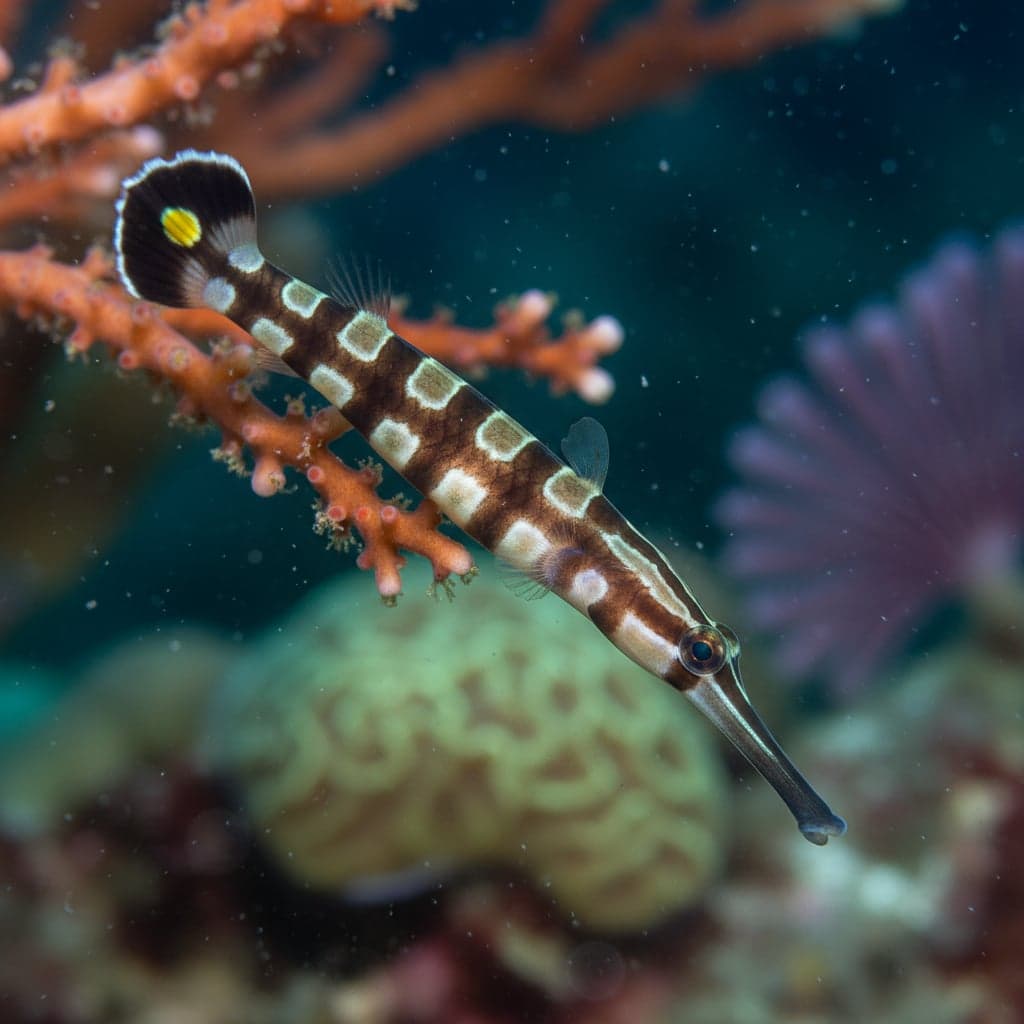
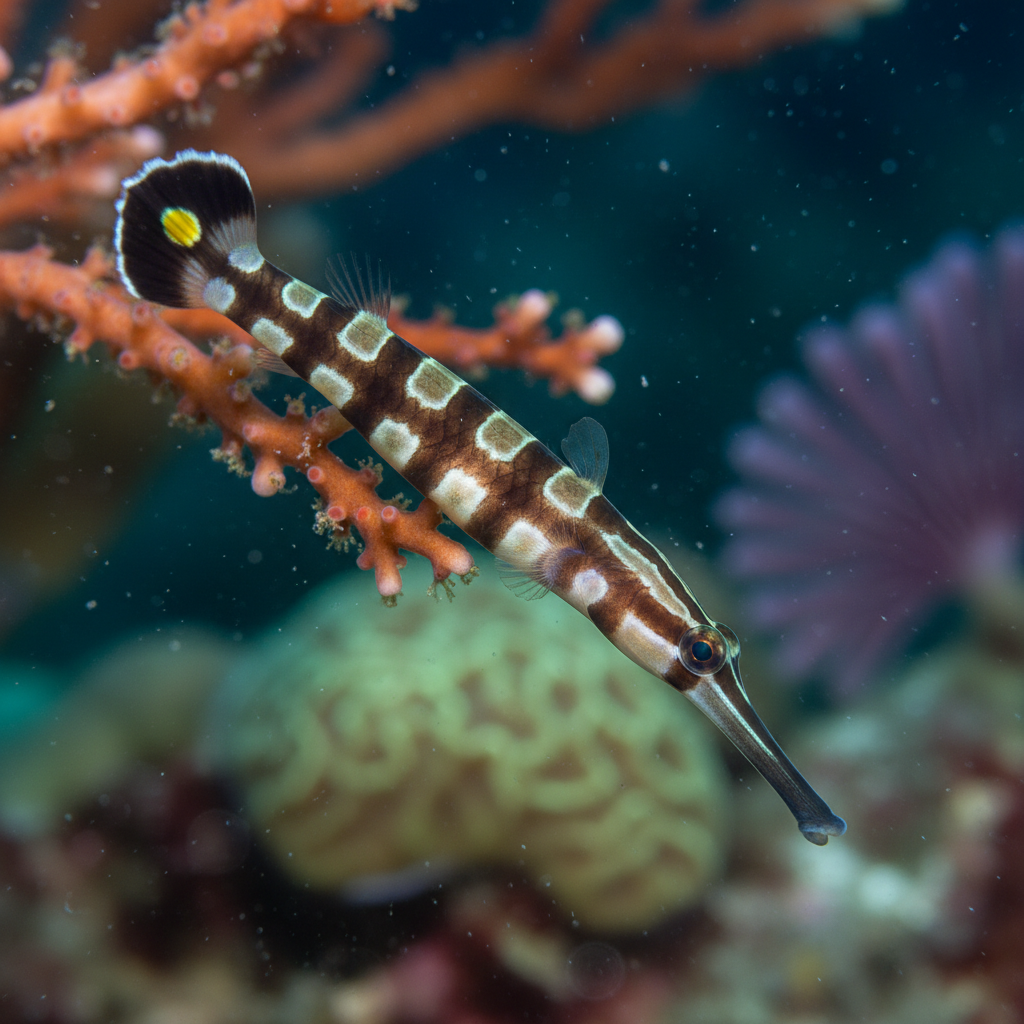
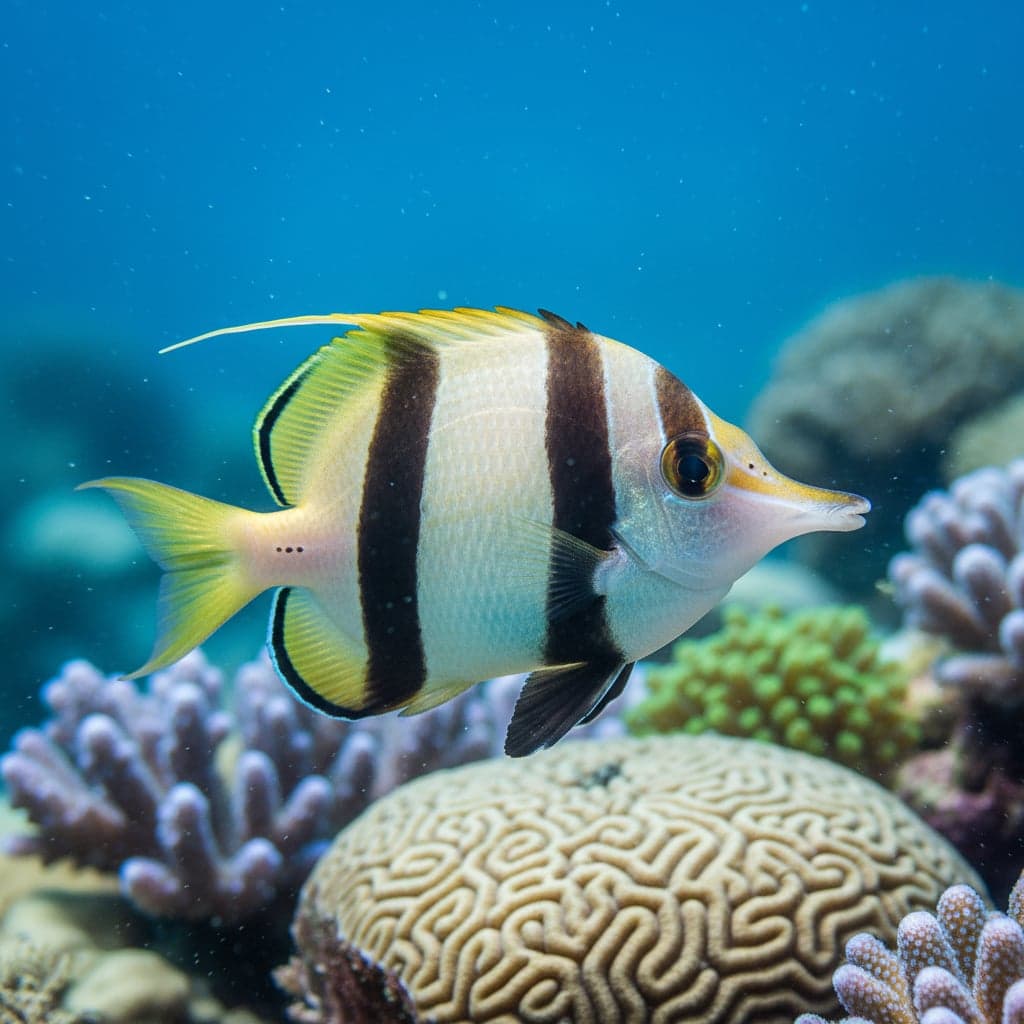
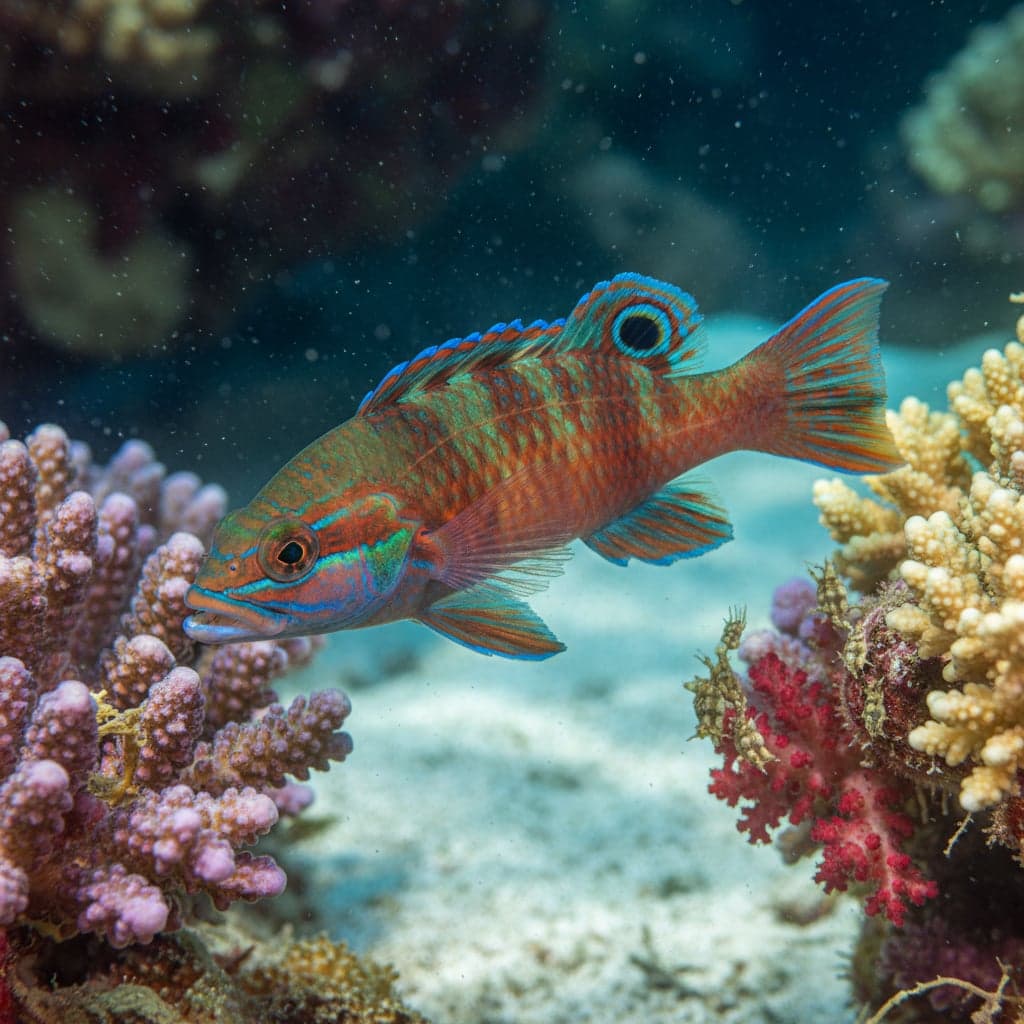
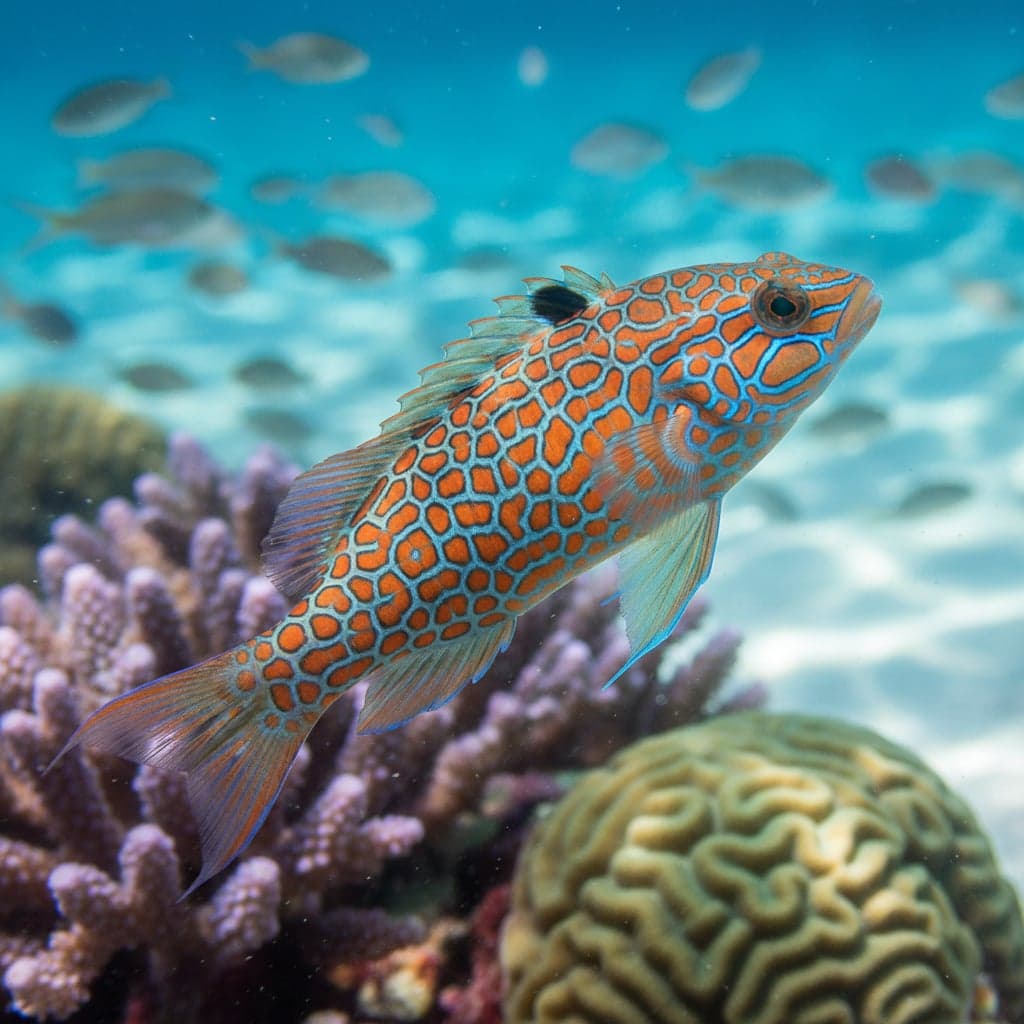
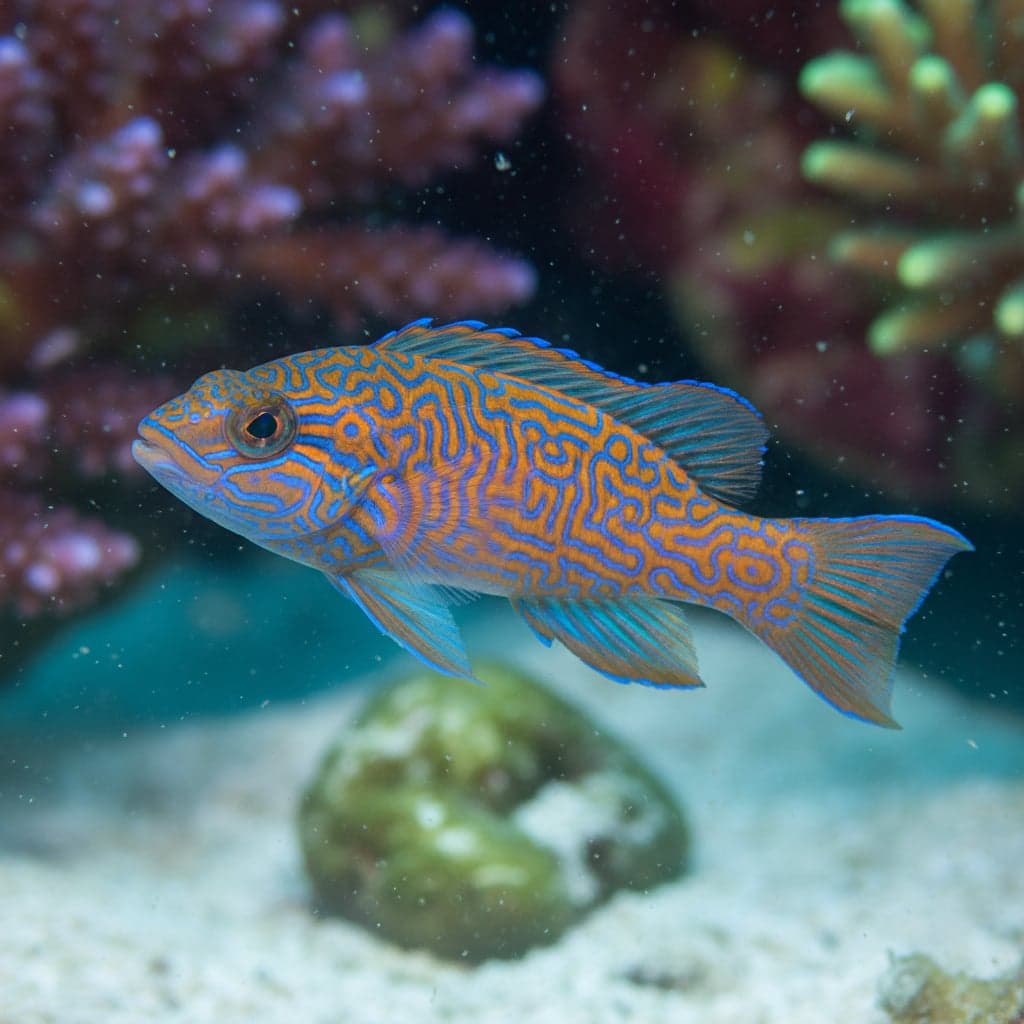
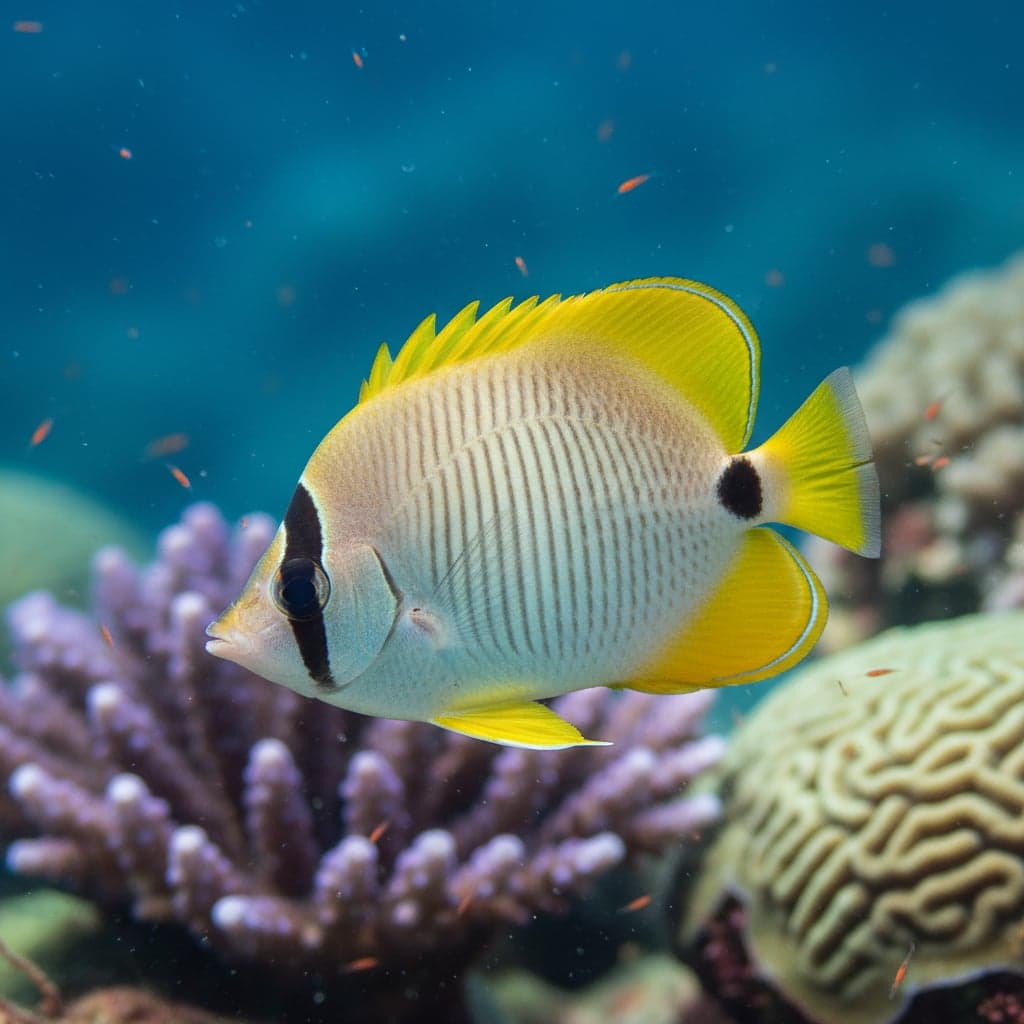
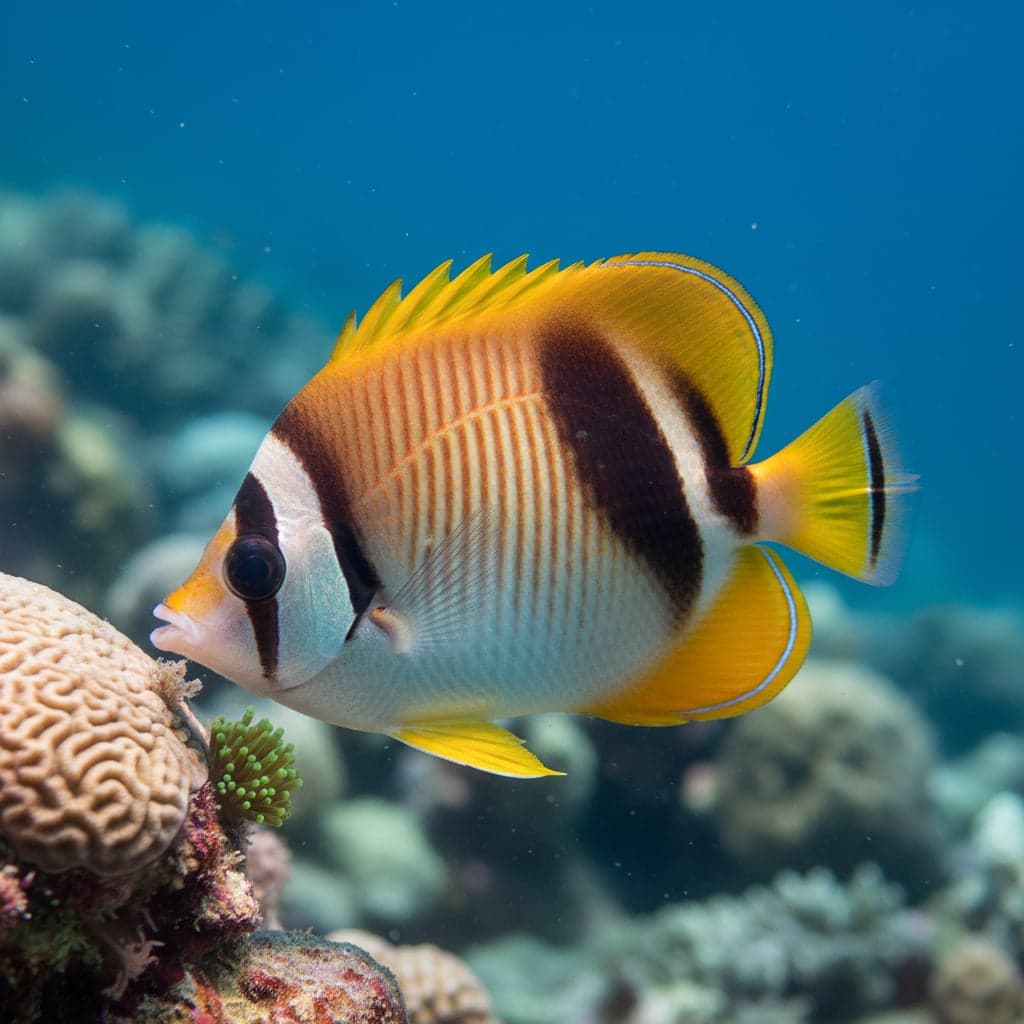
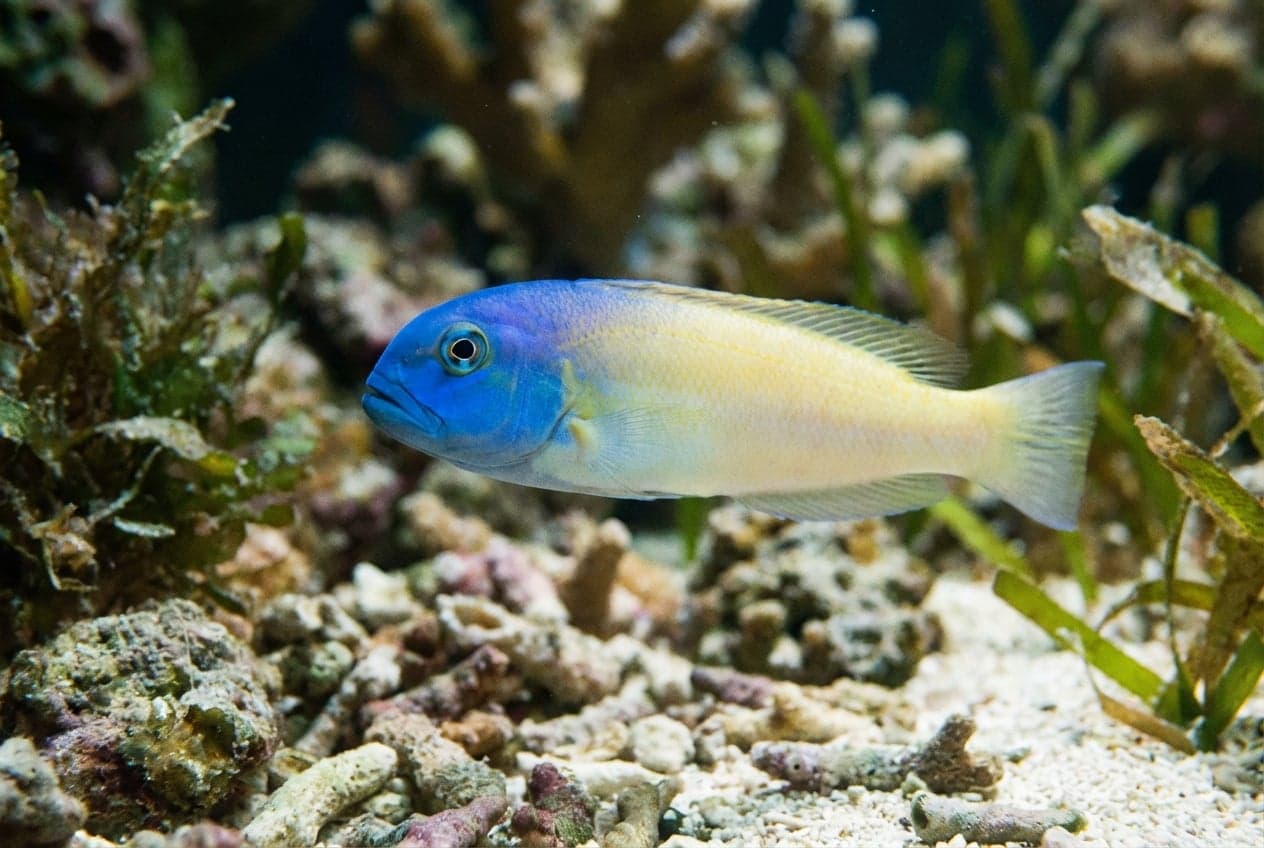
The Ringed Pipefish (Dunckerocampus dactyliophorus) is a stunning saltwater fish known for its unique appearance and behavior.

Studio Scaped
Ringed Pipefish

Ringed Pipefish

The Ringed Pipefish, scientifically known as Syngnathus ringens, is a fascinating marine fish known for its elongated body and distinctive coloration, which varies from light green to brown, often featuring a series of vibrant ring patterns along its length. This camouflaging ability makes it adept at blending into its natural habitat of seagrass beds and coral reefs, enhancing its visual allure in the aquarium environment. Enthusiasts are drawn to its unique shape, closely resembling that of its close relatives, the seahorses and pipefish, but distinguished by its broader snout and shorter tail.

In the aquarium hobby, the Ringed Pipefish holds a special significance as it offers an opportunity to showcase a unique aspect of marine biodiversity. Its captivating behaviors coupled with its intriguing appearance make it a popular choice among aquarists who are keen to recreate a piece of the natural ocean environment in their tanks. Furthermore, by keeping this species responsibly, aquarists contribute to the greater awareness of the ecological roles pipefish play in their ecosystems, thus promoting a deeper appreciation for marine biodiversity and conservation efforts.

Natural Habitat & Origin

The Ringed Pipefish is predominantly found in the warm coastal waters of the western Atlantic Ocean, ranging from Florida's shores down through the Caribbean and expanding to the northern coast of South America. This species thrives in a variety of environments, including shallow lagoons, seagrass beds, and coral reefs. These areas provide shelter and feeding opportunities, making them essential for survival. The preferred habitat typically features clear to slightly murky water with ample vegetation, allowing the pipefish to blend seamlessly with its surroundings and evade predators.

In terms of water conditions, the Ringed Pipefish is generally found in environments that range from soft or brackish waters to slightly saline coastal regions. The natural complexity of these habitats often includes varying levels of water movement, which is crucial for the nutrient and food flow that sustains both plant and animal life. When attempting to replicate their natural habitat in a home aquarium, it is essential to consider these ecological dynamics to foster a healthy living environment for the Ringed Pipefish.

Care Requirements

When keeping a Ringed Pipefish, it is essential to replicate its natural habitat as closely as possible. The ideal tank size should be a minimum of 30 gallons, providing ample swimming space and vertical room as these fish prefer to explore at different levels. Water parameters are crucial; the pH should be maintained between 7.5 and 8.5, with a temperature range of 74°F to 82°F (23°C to 28°C). A hardness level of around 10-20 dGH is suitable, ensuring a balanced environment.

For tank setups, fine sand or soft substrate is recommended, as it mimics their natural environment and allows them to anchor themselves. Live plants, such as seagrass or macroalgae, should be incorporated to provide cover and grazing surfaces. Lighting should be moderate, ideally simulating the natural light spectrum. Floating plants can also help diffuse light and create shaded areas that contribute to the terrestrial ambiance found in the Ringed Pipefish's native habitat.

Diet & Feeding

The Ringed Pipefish is primarily an omnivorous species that thrives on a varied diet, which is crucial for their health and longevity. In captivity, their diet should include high-quality frozen foods such as brine shrimp, mysis shrimp, and other small crustaceans. Additionally, finely crushed flakes or pellets specifically formulated for marine fish can be offered, ensuring a complete nutritional profile. It's recommended to feed them small amounts multiple times a day rather than larger single feedings to avoid overloading their digestive system.

Aside from frozen foods, live foods can be a great treat and should be included in their diet as they encourage natural hunting behaviors. Depending on the individual preference of each fish, a mix of both frozen and live options will help promote their well-being. It's important to avoid overfeeding, as this can lead to water quality issues, which are detrimental to both the fish and the tank environment.

Behavior & Temperament

The Ringed Pipefish exhibits a peaceful and generally shy demeanor, often preferring to stay hidden among aquatic plants and structures. They are semi-solitary creatures but may form loose groupings, especially in well-planted environments where they feel secure. Although they are not overtly aggressive, their timid nature may result in them being outcompeted for food if housed with more boisterous species.

In terms of tank placement, Ringed Pipefish are known for their vertical swimming habits. They tend to hover and maneuver around the aquarium’s vertical space, making it essential to provide ample height within the tank. Care should be taken when introducing new fish, as the Ringed Pipefish may take time to adapt to the presence of new tank mates, and they thrive best in a calm and stable environment.

Tank Mates

Choosing compatible species for the Ringed Pipefish can enhance the beauty of a community tank while ensuring a harmonious environment. Suitable tank mates include gentle marine species such as:

  • Clownfish
  • Cardinalfish
  • Gobies
  • Blennies
  • Other peaceful pipefish or seahorses

It is crucial to avoid housing the Ringed Pipefish with aggressive or overly active species, such as larger cichlids or boisterous damselfish, as these can pose a threat and stress the pipefish. Additionally, small invertebrates, such as shrimp, may also become snacks if not chosen carefully. Maintaining a harmonious community will help assure the long-term health and happiness of the Ringed Pipefish in your aquarium.

Breeding

Breeding the Ringed Pipefish in captivity can be challenging due to their specialized reproductive needs, as they exhibit a unique form of parental care. In the wild, females release eggs, which are then fertilized and carried by the male in a brood pouch, similar to the reproductive process of seahorses. To initiate breeding in captivity, it is important to maintain optimally stable water conditions and provide ample hiding spots for the pair to feel secure.

A separate breeding tank with lush vegetation and calm waters may increase success rates. The tank should contain gentle water circulation and appropriate water parameters similar to their normal habitat. Under ideal conditions, the male will carry the fertilized eggs for a period of up to two weeks, after which he will release free-swimming fry. To facilitate fry survival, ensure that the breeding tank offers a food source for the tiny fish, such as infusoria, and a system to prevent predation from adults.

Common Health Issues

While the Ringed Pipefish is generally hardy, they can be susceptible to certain health issues that require caution. Common ailments include ich (white spot disease), fungal infections, and issues related to water quality, such as ammonia spikes. To prevent these problems, regular water changes should be conducted along with routine monitoring of water parameters.

Quarantining new arrivals before introducing them into the community tank can significantly reduce the risk of introducing parasites or diseases. A well-maintained aquarium with stable water conditions, along with a balanced diet, will help strengthen the immune systems of the Ringed Pipefish, minimizing their susceptibility to illnesses. Additionally, watch for signs of stress or disease, such as changes in behavior or appearance, and address issues promptly to ensure their long-term well-being.

ADA
Aqua One
Chihiros
Dennerle
EHEIM
Fluval
Oase
Seachem
Tropica
Twinstar
UNS
ADA
Aqua One
Chihiros
Dennerle
EHEIM
Fluval
Oase
Seachem
Tropica
Twinstar
UNS
ADA
Aqua One
Chihiros
Dennerle
EHEIM
Fluval
Oase
Seachem
Tropica
Twinstar
UNS
ADA
Aqua One
Chihiros
Dennerle
EHEIM
Fluval
Oase
Seachem
Tropica
Twinstar
UNS