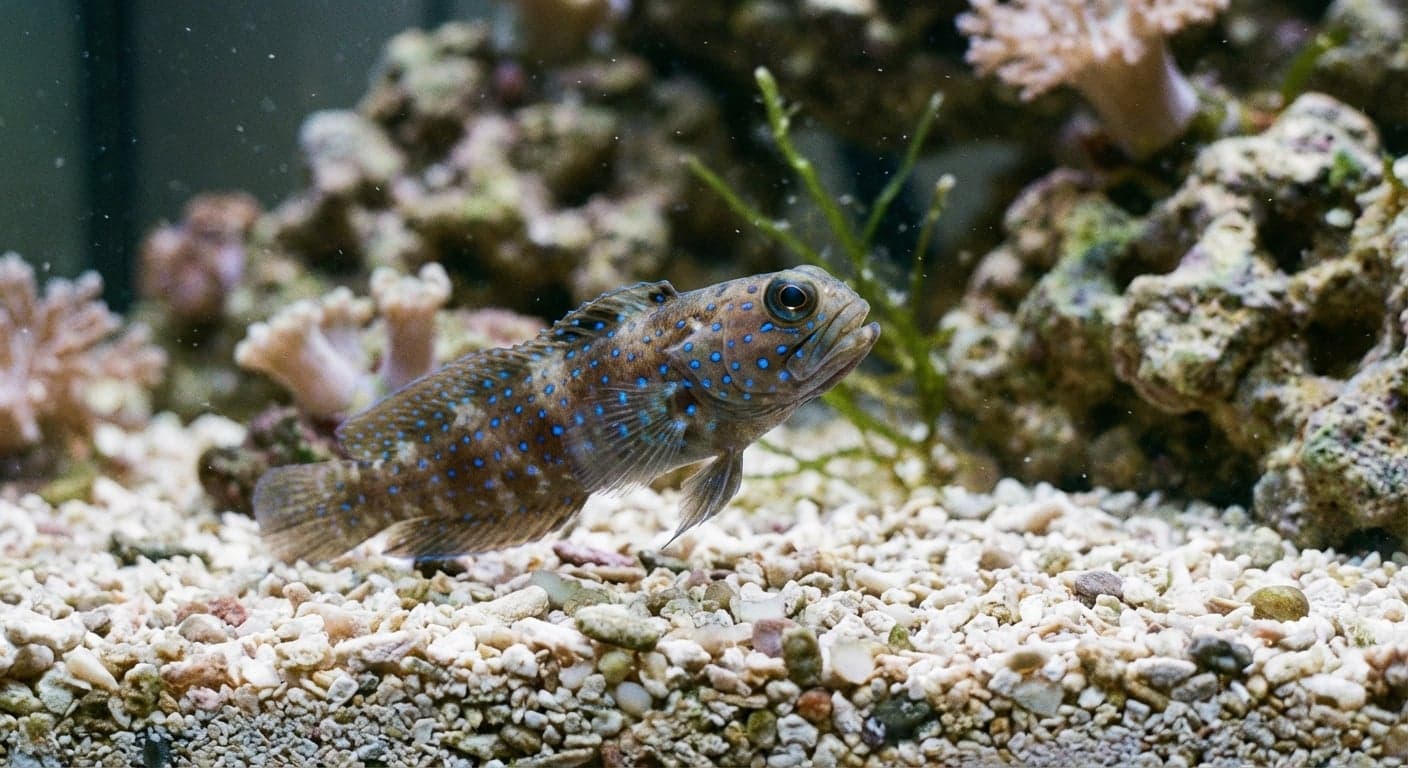
Rock Beauty
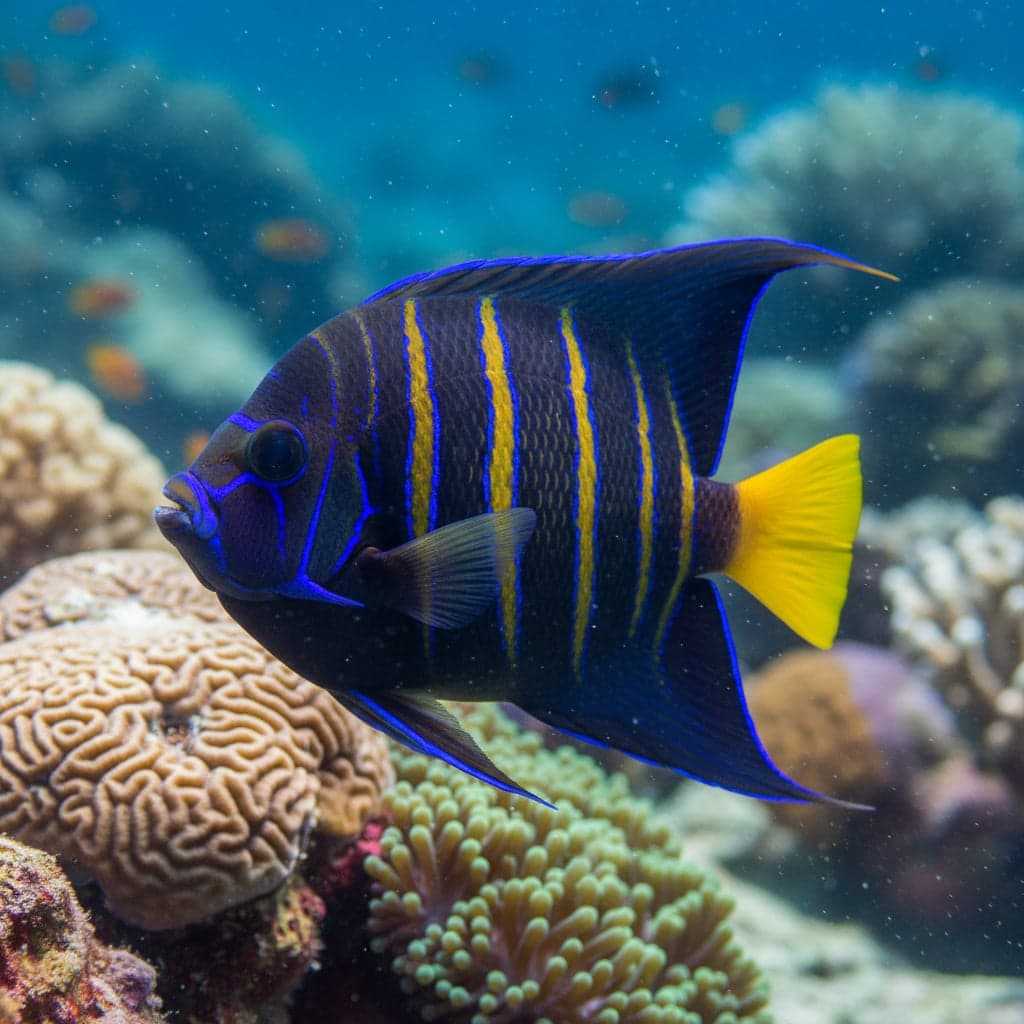
A 35cm Atlantic angelfish that eats sponge and rarely thrives in captivity. Beautiful, widely sold, and a poor choice for almost every tank.
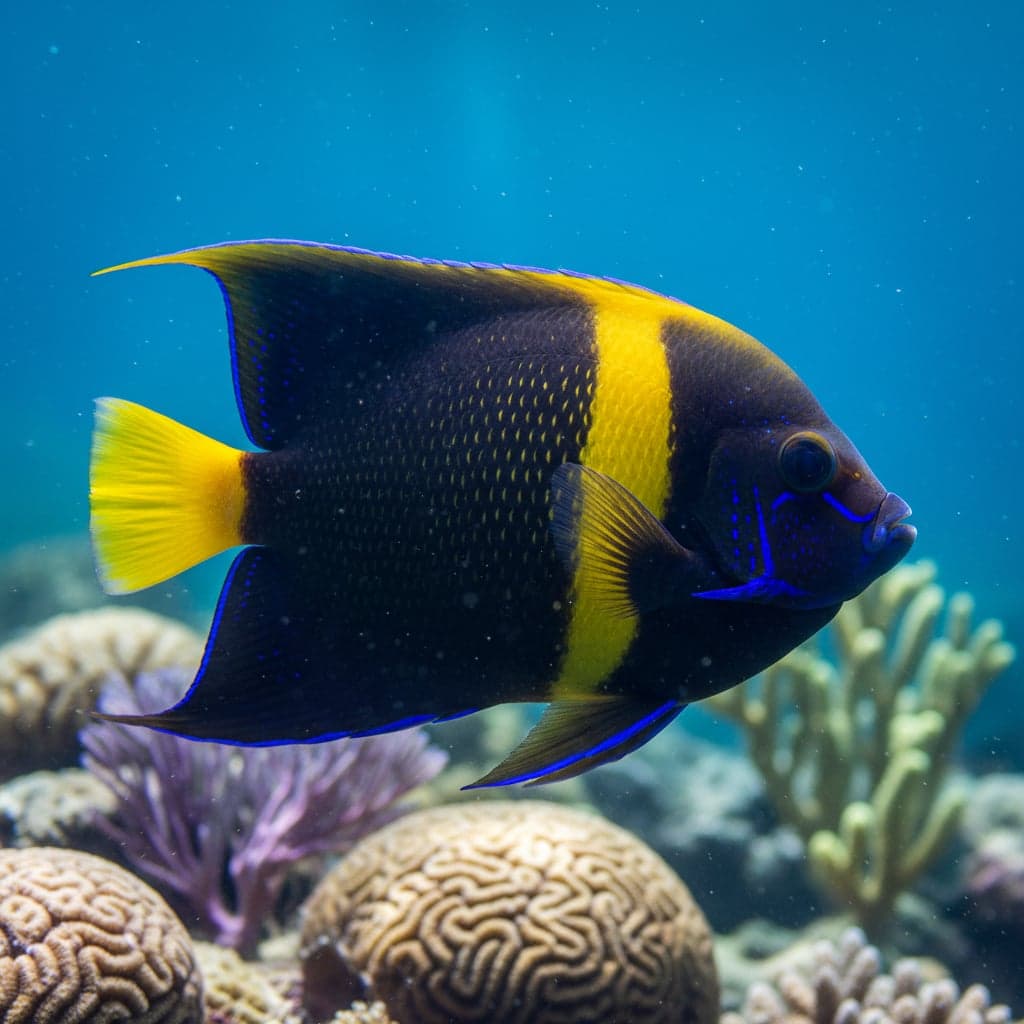
Rock Beauty
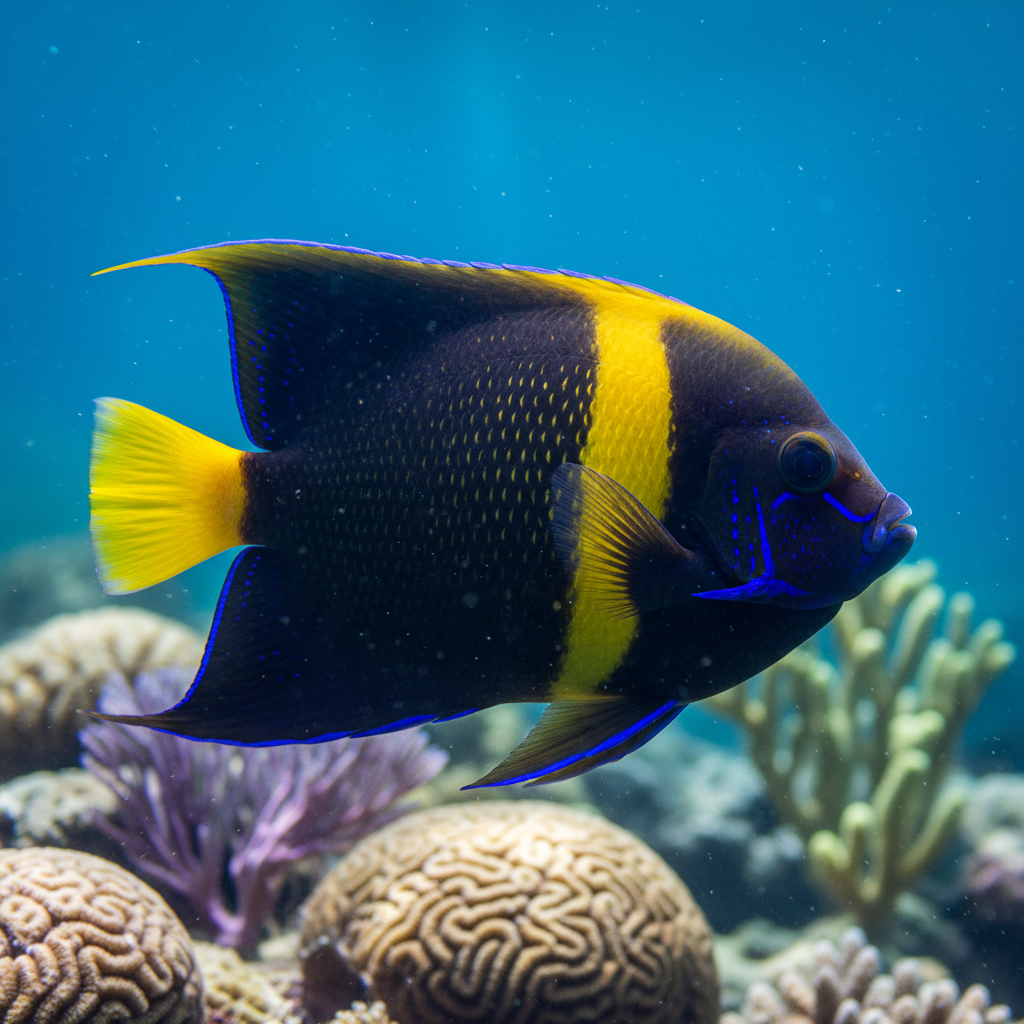
The Rock Beauty (Holacanthus tricolor) is a stunning marine fish that hails from the Caribbean waters, renowned for its vibrant coloration and striking visual display. With its deep yellow body adorned with blue and black markings, it is a true showstopper in the aquarium world. The juxtaposition of these colors creates a dynamic appeal that captures the attention of aquarists and casual observers alike. Beyond its aesthetic charm, the Rock Beauty plays a significant role in the marine ecosystem as it feeds on sponge and algae, contributing to the health and balance of its natural habitat. Its unique characteristics make it a highly sought-after species among marine enthusiasts, often inspiring aquarists to create elaborate reef tanks that mimic its oceanic environment.
In the aquarium hobby, the Rock Beauty is not just a pretty face; it embodies the intersection of beauty and ecological significance. Unlike many other marine species, it thrives in specific aquatic conditions, emphasizing the need for conscientious care and habitat replication. Adopting this fish into a home aquarium brings both responsibility and rewards, as it requires an understanding of its intricate needs for health and happiness. Successful keeping of Rock Beauties showcases the aquarist’s dedication to preserving aquatic life while enjoying the vibrant splendor this fish brings to any tank.
Natural Habitat & Origin
The Rock Beauty is native to the warm waters of the western Atlantic Ocean, primarily found around coral reefs and rocky substrates in the Caribbean Sea and parts of the Gulf of Mexico. These habitats are rich in biodiversity, offering a plethora of both shelter and food sources. The fish typically inhabits shallow waters, often residing in depths of 3 to 50 feet, where it forages among rocky crevices and coral formations. The water conditions in these areas are generally clear, with good flow and varied light penetration, which support the growth of essential algae and sponges that make up a primary part of their diet.
This species is particularly suited to environments where a balance of nutrients and organic matter exists, favoring waters with slight salinity variation and moderate temperatures. As such, understanding its native habitat is crucial for replicating the right conditions in a home aquarium, ensuring the Rock Beauty not only survives but thrives.
Care Requirements
When accommodating a Rock Beauty in captivity, specific water parameters are essential for its well-being. The ideal pH range is between 8.1 and 8.4, while the temperature should be maintained between 75°F to 82°F (24°C to 28°C). Hardness should sit between 8 to 12 dKH, emulating the slightly alkaline conditions of its natural environment. The tank setup should be at least 700 litres (185 gallons) for this 35cm Holacanthus tricolor — a poor captive that needs a large FOWLR with rocky overhangs more than a reef display.
For substrate, a mix of fine sand and crushed coral is beneficial to create a natural seabed, while moderate to high lighting will support the growth of algae that the Rock Beauty grazes upon. Live rock is not only beneficial for aesthetic appeal but also crucial for establishing beneficial bacteria and providing essential microhabitats. Regular water quality checks and filtration systems promoting good flow are vital for maintaining the health of this fish and its environment.
Diet & Feeding
The Rock Beauty is an omnivorous fish, predominantly feeding on sponges, algae, and some small invertebrates in the wild. In captivity, a varied diet is necessary to mimic its natural feeding habits and maintain optimal health. High-quality flakes and pellets specifically designed for herbivorous fish can serve as a staple food option, supplemented with frozen or live foods such as brine shrimp, mysis shrimp, and spirulina to enhance dietary diversity. Incorporating pieces of marine algae and blanched vegetables can help in providing the necessary nutrients, promoting vibrant color and robust health.
Feeding should occur multiple times throughout the day in small portions to ensure the Rock Beauty receives adequate nutrition and does not overconsume. Observing feeding behavior can help determine preferences and how well the fish adapts to the provided diet, allowing for adjustments as needed.
Behavior & Temperament
The Rock Beauty exhibits a semi-aggressive demeanor, making it important to consider its social relationships with other tank inhabitants. In the wild, they are often solitary or may form loose groups, but in the confines of an aquarium, they can exhibit territorial behaviors when confined to smaller spaces. Therefore, it is typically advised to keep them alone or with other semi-aggressive fish that share similar size and temperament to minimize disputes.
This species tends to occupy the mid to lower levels of the tank, favoring rocky structures and reefs where it can graze naturally. While they may not school in a traditional sense, providing ample space and hiding spots can help reduce stress and encourage more natural behavior.
Tank Mates
Selecting appropriate tank mates for the Rock Beauty is essential to maintaining harmony in the aquarium. Suitable companions include other semi-aggressive fish species such as butterflyfish, triggers, and certain species of wrasse. Keeping tank mates of similar size can also help reduce aggression. However, it is crucial to avoid smaller species that might be seen as prey and other angelfish species, as they could become targets of aggression.
Species to avoid include highly territorial fish, like damselfish, and aggressive species such as lionfish or groupers, which can pose a threat to the Rock Beauty's well-being. Whenever introducing new fish, it is advisable to use proper acclimation techniques to diminish stress and aggression during the integration process.
Breeding
Breeding Rock Beauties in captivity presents a significant challenge due to their complex spawning behaviors and specific environmental requirements. In nature, this species exhibits a pelagic spawning strategy, where fertilization occurs in open water as the female releases eggs, typically during the evening at the onset of the spawning season. To encourage breeding in a home aquarium, it is essential to replicate the natural conditions, including stable water quality, a varied diet, and sufficient space for courtship displays.
To increase the chances of successful breeding, it’s beneficial to house a pair of Rock Beauties in a larger tank setup, ideally around 100 gallons or more, with complex structures that allow for privacy during spawning. Conditions should also include slight increases in temperature and enriched water quality during prospective breeding periods, often during warmer months. Despite these precautions, keeping Rock Beauties can still be more rewarding for display rather than breeding due to their specific requirements.
Common Health Issues
Like many marine species, Rock Beauties can be susceptible to various health issues. Common ailments include marine ich (Cryptocaryon irritans), which presents as white spots on the body and fins, and marine velvet (Oodinium), resulting in a dusty appearance. Additionally, stress-related symptoms and fin rot can occur if water conditions are not adequately maintained or if the fish are not provided with sufficient habitat to reduce aggression and stress.
Prevention is key in maintaining the health of Rock Beauties. Regular water quality checks, a balanced diet, and a stable environment will help mitigate these risks. Quarantining new tank mates before introducing them can further protect the existing stock from disease, ensuring a thriving aquarium ecosystem for both the Rock Beauty and its companions.