The Rosy Barb: Pethia conchonius
A hardy, metallic-pink barb that brings constant energy to the aquarium. One of the most durable and active community fish available.

Rosy Barb
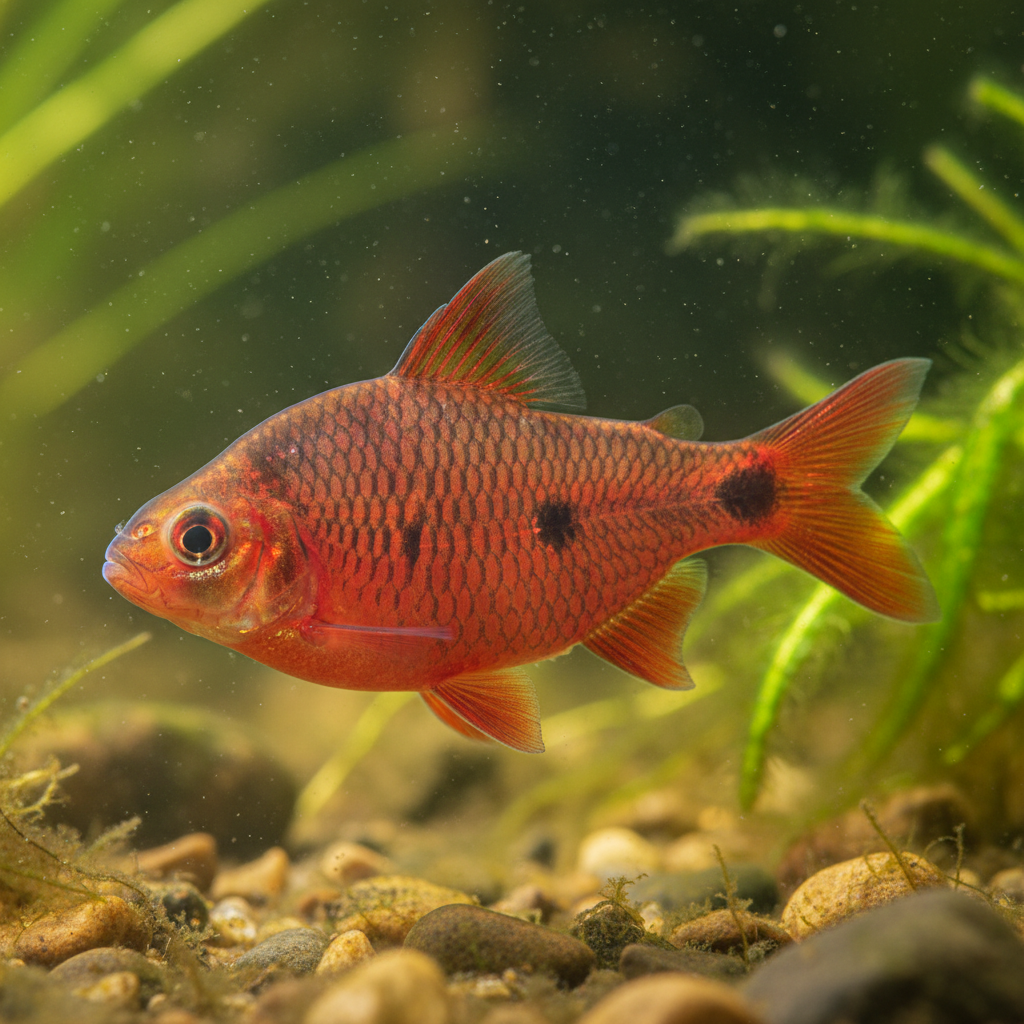
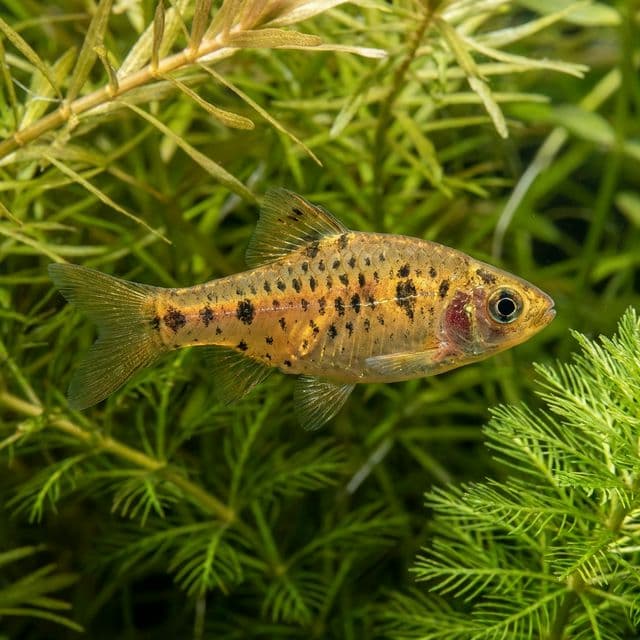
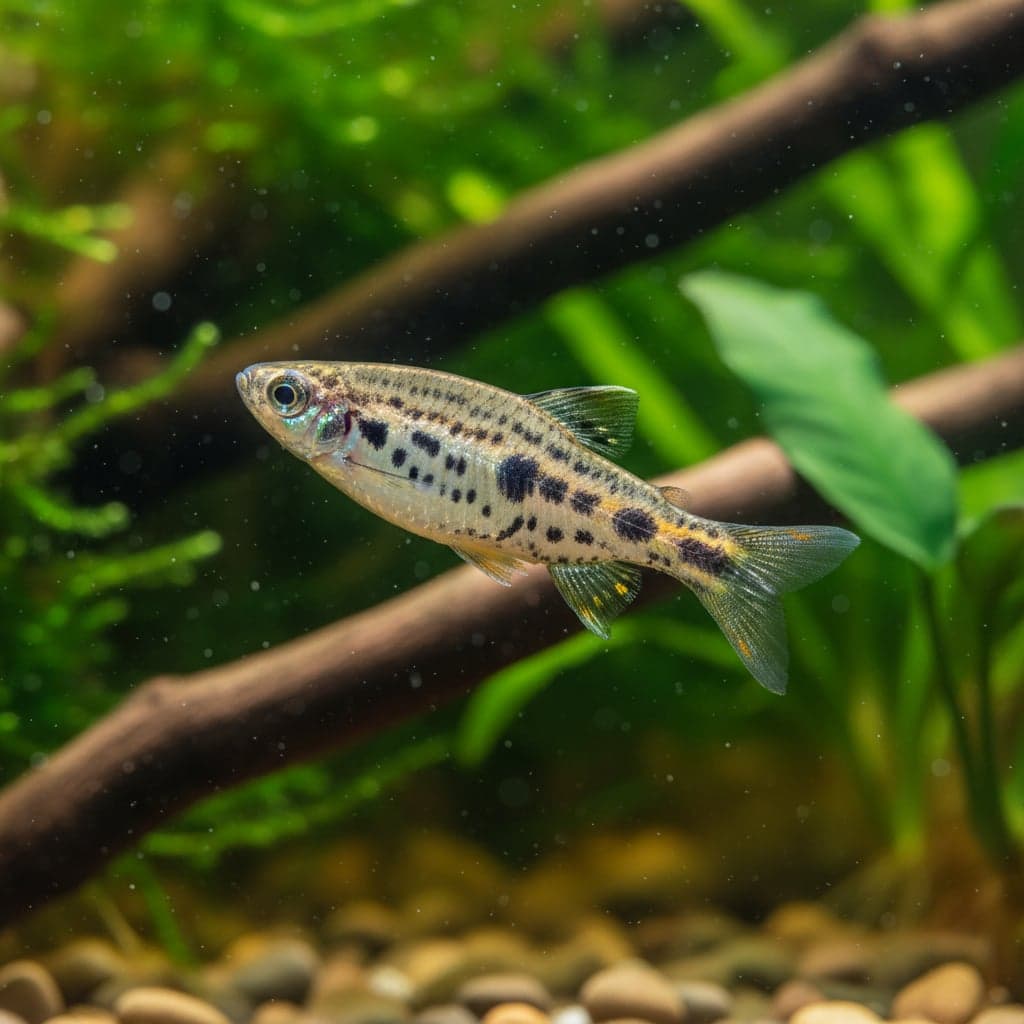
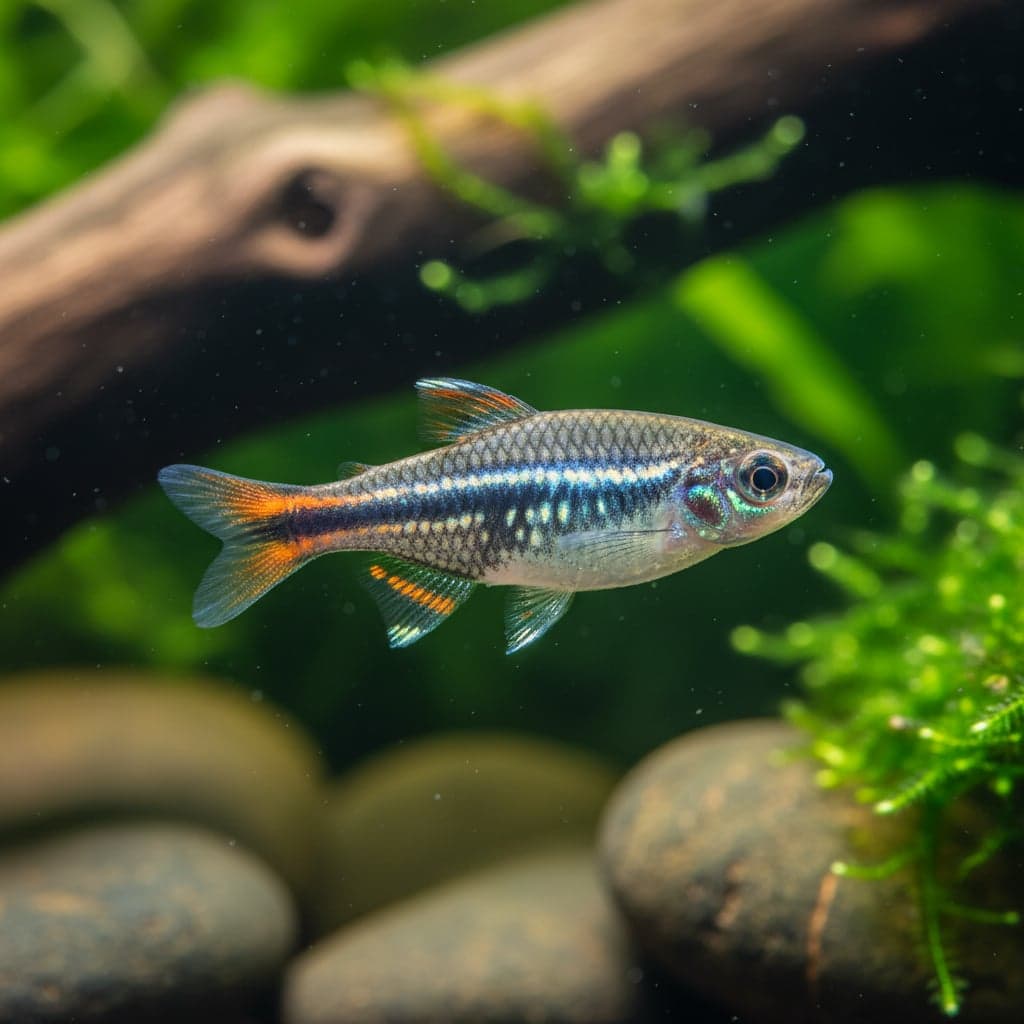
The Rosy Barb (Pethia conchonius) is a charming freshwater fish that captivates aquarists with its lively personality and striking coloration. Recognized for its vibrant hues, the Rosy Barb exhibits a predominantly pink to rosy body with a darker back, complemented by bright neon-orange fins. The species reaches an average size of 4 to 6 inches in length, making it an ideal candidate for community tanks. It is not just their visual appeal that makes them popular among aquarists; their hardiness and adaptability also contribute to their significance in the aquarium hobby. Their presence brings vibrancy and movement, making them a favorite among freshwater enthusiasts.
Originally hailing from the rivers and streams of South Asia, the Rosy Barb has been extensively bred in captivity, contributing to its abundant availability in the aquarium trade. In addition to their aesthetic appeal, these fish are often recommended for beginners due to their resilience and ability to thrive in varying conditions. Their engaging behavior and active swimming make them a captivating presence in any aquarium setting, allowing aquarists to appreciate their beauty while observing their fascinating social interactions.
Natural Habitat & Origin
The natural habitat of the Rosy Barb spans the pristine rivers and streams of Southeast Asia, primarily found in Bhutan, Nepal, India, and Bangladesh. These waters are typically characterized by moderate to strong currents and consist of clear to slightly turbid waters featuring rich vegetation. The Rosy Barb typically inhabits shallow areas, where it can find ample plant cover for shelter and foraging. In their natural environment, they are accustomed to varying conditions, often thriving in slightly acidic to neutral waters with a pH range of around 6.5 to 7.5. These factors contribute to their adaptability in home aquariums, making them suitable for various setups.
The environmental context in which the Rosy Barb thrives is essential for aquarium keepers to understand. Often living in pools and slow-moving stretches of water with a substrate of sand or fine gravel, they coexist with various plant species and detritus that provide both food and cover. This understanding of their natural habitat highlights the importance of replicating such conditions in captivity to ensure their health and wellbeing.
Care Requirements
To maintain the Rosy Barb in optimal condition, specific water parameters need to be established. The ideal pH level for these fish ranges from 6.5 to 7.5, with a water temperature maintained between 70°F to 78°F (21°C to 26°C). Moreover, the water hardness should be kept between 5 to 15 dGH. A minimum tank size of 20 gallons is recommended to provide adequate swimming space, as these fish are active swimmers and thrive in a spacious environment.
For tank setup, a soft substrate like sand or fine gravel is ideal, allowing for comfortable movement and foraging. The inclusion of live plants such as Elodea, Java Fern, and floating plants can create a natural environment while providing hiding spots. Moderate lighting is encouraged, and aquarists may opt for a combination of natural and artificial lighting to mimic their natural habitat. Additionally, the use of a quality filtration system is vital to keep the water clean and well-oxygenated. This combination of parameters and environment will help ensure that your Rosy Barb remains healthy and vibrant.
Diet & Feeding
The Rosy Barb is categorized as an omnivore, with a diverse diet that includes plant matter, insects, and small crustaceans in its natural habitat. In captivity, they thrive on a well-rounded diet that includes high-quality flakes or pellets designed for community fish. Aquarists can enhance their diet by supplementing with freeze-dried or frozen foods such as bloodworms, brine shrimp, and daphnia for added protein. Additionally, incorporating blanched vegetables like zucchini or spinach can promote a healthy feeding regime and mimics their natural foraging behavior.
To ensure their nutritional needs are met, it is recommended to feed Rosy Barbs once to twice a day in small quantities that they can consume within a few minutes. Overfeeding should be avoided, as it can lead to water quality issues and health problems. An ideal feeding regimen will encourage vibrant coloration and energy levels in these lively fish.
Behavior & Temperament
The Rosy Barb is known for its lively and active disposition. They are social creatures that thrive in groups, typically requiring a minimum of six individuals to display natural behaviors. In community tanks, these fish exhibit a fascinating dynamic, often swimming together in formation and engaging in playful interactions. Rosy Barbs are generally peaceful but can display assertive behavior towards each other, particularly during feeding or if they feel crowded.
They are often found swimming in the middle to upper levels of the tank, occasionally darting to the bottom to search for food. While they may exhibit mild territoriality, especially among males, their non-aggressive nature makes them versatile for community aquariums. Providing ample swimming space and hiding spots can help minimize aggression and promote a harmonious environment.
Tank Mates
When selecting tank mates for Rosy Barbs, it is important to consider their active nature and social behavior. Compatible species include other vibrant freshwater fish that thrive in similar water conditions, such as Tetras (like Neon Tetras and Rummy Nose Tetras), Danios, and other barbs (such as Cherry Barbs). Small to medium-sized cichlids, such as Apistogrammas, can also coexist harmoniously when provided sufficient space.
However, caution must be exercised when introducing more aggressive or larger species. Fish like Angelfish or larger Cichlids, as well as fin-nippers like certain types of Gouramis, may pose risks to Rosy Barbs. Avoiding species that could outcompete or bully them is crucial for maintaining a peaceful and thriving community tank.
Breeding
Breeding Rosy Barbs in captivity can be a rewarding experience for aquarists, although certain conditions must be met to ensure successful spawning. Ideally, breeding should take place in a separate breeding tank furnished with fine-leaved plants, which provide cover for the eggs and fry. A water temperature of around 76°F (24°C) is recommended during this time, alongside a slightly acidic pH.
The spawning process typically occurs during the early morning hours, with females releasing eggs while males fertilize them. After spawning, it is advisable to remove the adult fish, as they may consume the eggs or fry. The eggs will hatch within three to four days, requiring infusoria or finely crushed flakes for feeding the newly hatched fry. With proper care, the fry can be raised into healthy juveniles in the same way that adult Rosy Barbs are nurtured.
Common Health Issues
While Rosy Barbs are relatively hardy, they can be susceptible to several common freshwater health issues. Diseases such as Ich (White Spot Disease), fin rot, and swim bladder disorder can occur due to poor water quality or stress. Regular maintenance of tank parameters, such as water changes and monitoring for signs of stress, can significantly reduce the likelihood of health issues.
Preventative measures include ensuring a balanced diet, maintaining proper sanitation of the tank, and providing adequate space and cover. In case of illness, prompt treatment with appropriate medications or practices, such as raising the temperature slightly to tackle Ich, can lead to efficient recovery. By closely monitoring the health of Rosy Barbs and responding promptly to early symptoms, you can keep a healthy, active school for years.