Rosy Bitterling: Rhodeus ocellatus
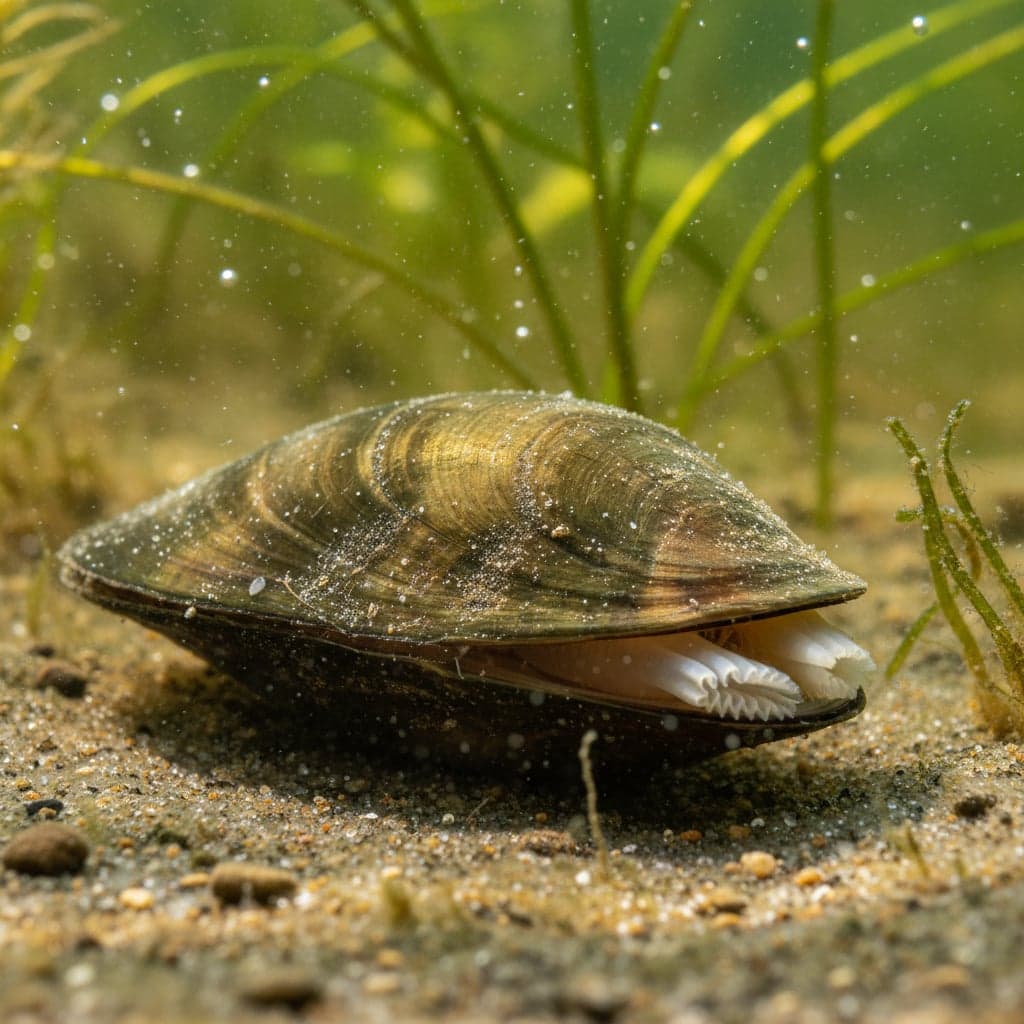
An incredibly unique, heavily fascinating cold-water cyprinid featuring a breathtaking neon pink body and a mandatory symbiotic relationship with a live mussel.
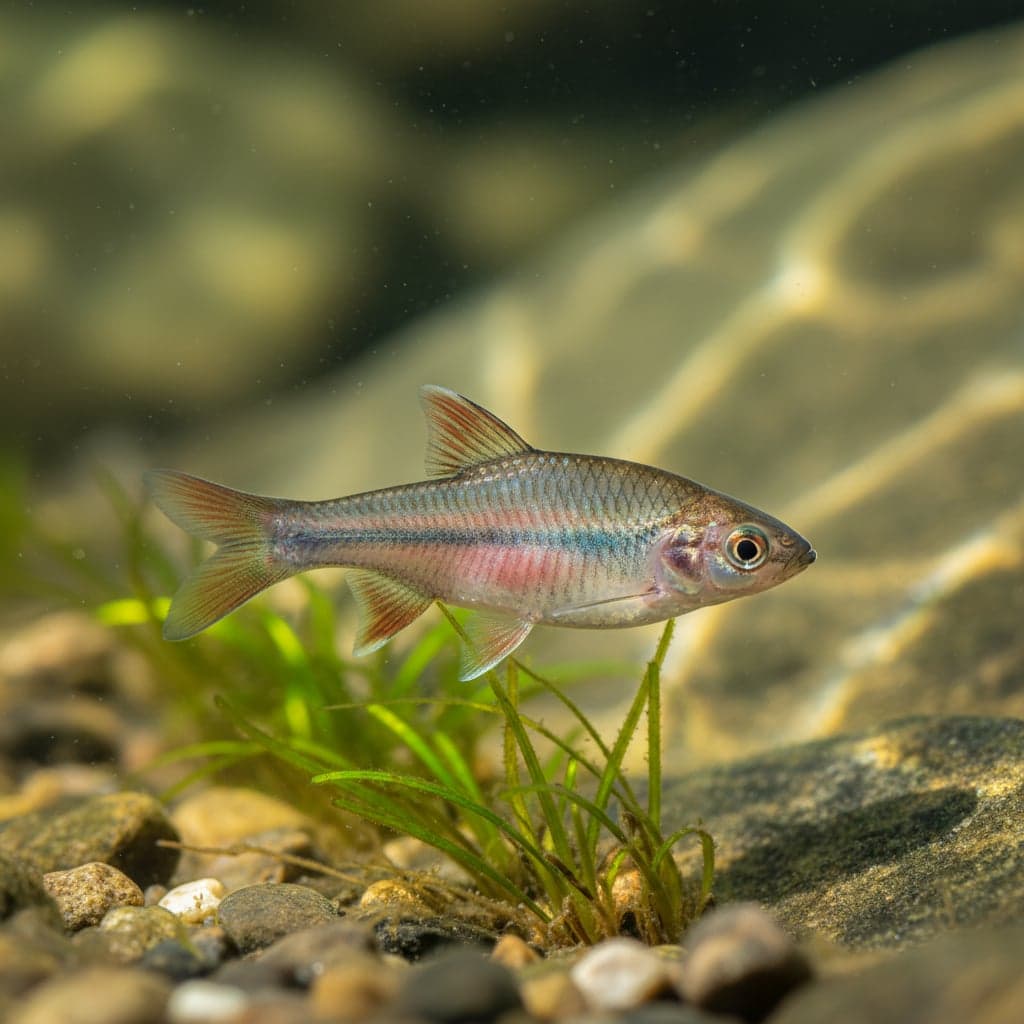
Rosy Bitterling
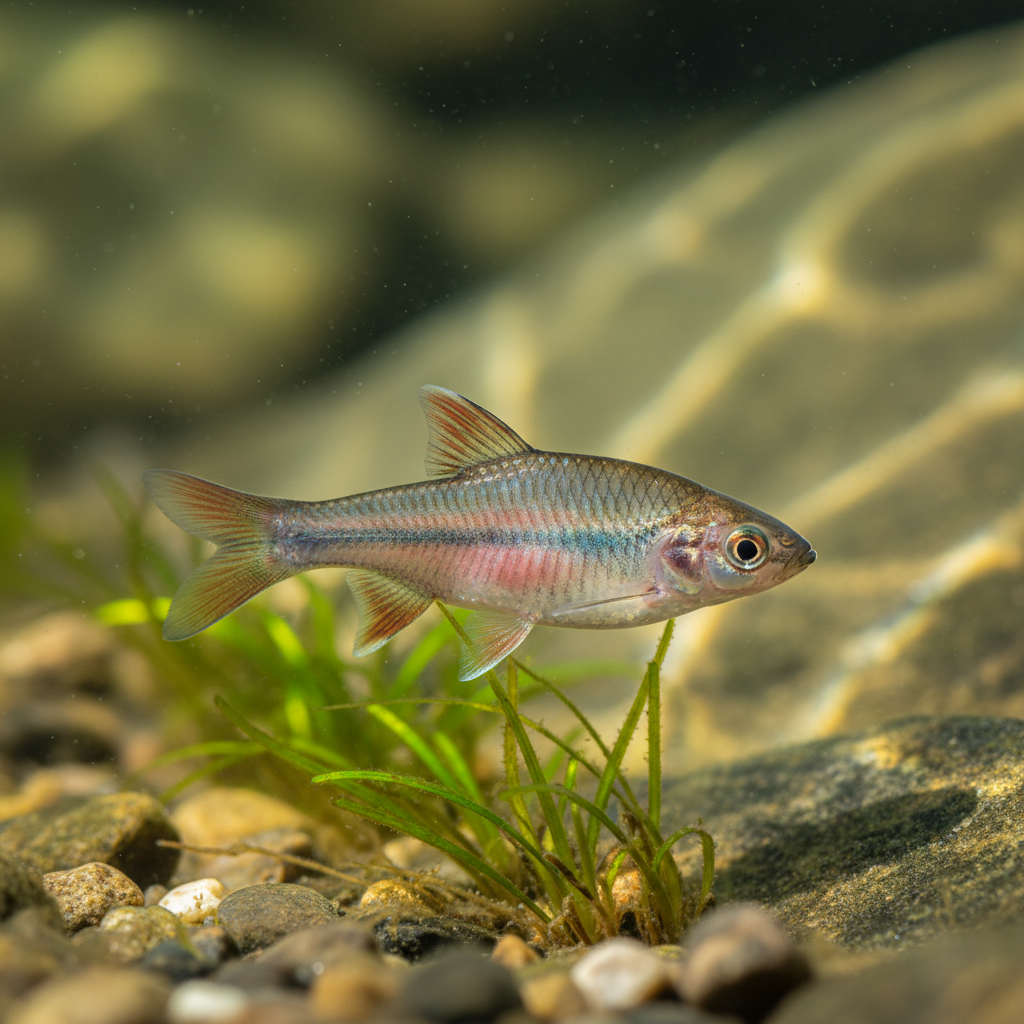
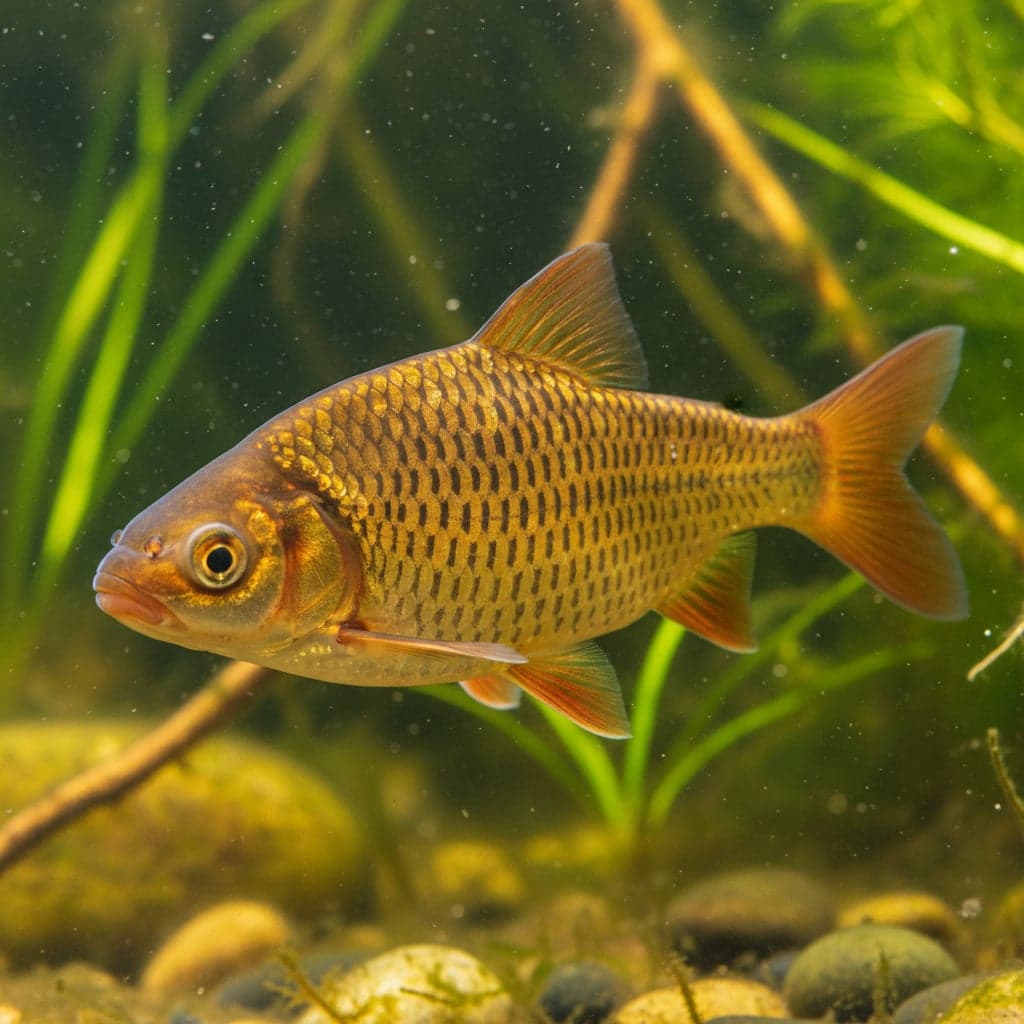
The Rosy Bitterling (Rhodeus ocellatus) is a small, freshwater fish that is celebrated for its striking colors and unique spawning behaviors. Typically measuring around 2 to 3 inches in length, the species exhibits a beautifully iridescent body, predominantly adorned with shades of pink and orange. With a teardrop-shaped profile and delicate fins, the Rosy Bitterling captures attention in any aquarium setting. Its enchanting appearance is complemented by the males' bright coloration, especially during breeding seasons, making them a sought-after species for aquarists looking to add vibrant life to their tanks.
In addition to its visual appeal, the Rosy Bitterling has significant cultural and ecological importance. Native to East Asia, particularly in regions such as China and Japan, this species plays a vital role in local aquatic ecosystems. Within the aquarium hobby, the Rosy Bitterling is favored not only for its beauty but also for its fascinating behaviors, including the unique spawning process witnessed in the wild. The fish's adaptability and relatively easy care requirements make them an excellent choice for both novice and experienced aquarists alike, ensuring that their allure continues to thrive in home aquariums.
Natural Habitat & Origin
The Rosy Bitterling is primarily found in the freshwater rivers and ponds of East Asia, including areas in southern China, Japan, South Korea, and Taiwan. These waters are often characterized as semi-stagnant, with a preference for shallow, weedy margins that provide plenty of cover and spawning sites. The fish thrive in soft, slightly acidic to neutral waters, typically with pH levels ranging from 6.0 to 7.5. Their natural habitat features a mix of slow-moving currents and ample vegetation, which not only provides shelter from predators but also serves as a spawning ground for breeding activities.
The ecological context in which the Rosy Bitterling lives is paramount for its survival. These habitats are often part of larger ecosystems, interacting with other freshwater species and contributing to the overall biodiversity of the area. The presence of water plants and organic debris creates a microhabitat that supports a variety of organisms, showcasing the importance of maintaining healthy and balanced aquatic environments in captive settings.
Care Requirements
Caring for the Rosy Bitterling requires attention to specific water parameters to replicate its natural habitat effectively. The ideal temperature range for these fish is between 22 to 26 degrees Celsius (72 to 79 degrees Fahrenheit), with a pH of around 6.5 to 7.5 and a hardness of 5 to 15 dGH. Maintaining these conditions is crucial for the fish's well-being and overall health.
When it comes to tank setup, a minimum tank size of 20 gallons is recommended, as this allows for sufficient swimming space and territory establishment. The substrate should be fine gravel or sand, providing a comfortable environment for the fish to forage and explore. Incorporating live plants, such as Java moss, Hornwort, and floating plants, not only enhances the aesthetic of the aquarium but also promotes the natural behavior of the Rosy Bitterling. Moderate lighting is ideal, simulating the dappled light conditions found in their natural habitats while promoting plant growth.
Diet & Feeding
The Rosy Bitterling is an omnivorous species, thriving on a well-rounded diet that includes both plant and animal matter. In captivity, they can be fed a mix of high-quality flake food, micro pellets, and frozen or live foods such as daphnia, brine shrimp, and bloodworms. Offering a variety of foods encourages natural foraging behavior and ensures that the fish receive a balanced diet rich in essential nutrients.
It is advisable to feed the Rosy Bitterling two to three small meals per day, carefully monitoring the amount to avoid overfeeding—a common pitfall in aquarium care. Supplementing their diet with blanched vegetables, like spinach or zucchini, can also enhance their nutritional intake and add variety to their meals.
Behavior & Temperament
The Rosy Bitterling is known for its peaceful and sociable demeanor, which makes it a delightful addition to community tanks. They are generally non-aggressive, though males can display territorial behaviors during mating seasons. These fish tend to swim in the middle to upper levels of the aquarium, often engaging in schooling activities, which is essential for their happiness and well-being.
Due to their social nature, it is recommended to keep them in groups of at least six individuals, which allows them to exhibit more natural behaviors and reduces stress. As such, the Rosy Bitterling thrives in well-planted tanks where they can explore and interact with both their own kind and compatible tank mates.
Tank Mates
When selecting tank mates for the Rosy Bitterling, consider species that share similar water parameters and temperaments. Suitable companions include:
- Neon Tetras
- Guppies
- Endler’s Livebearers
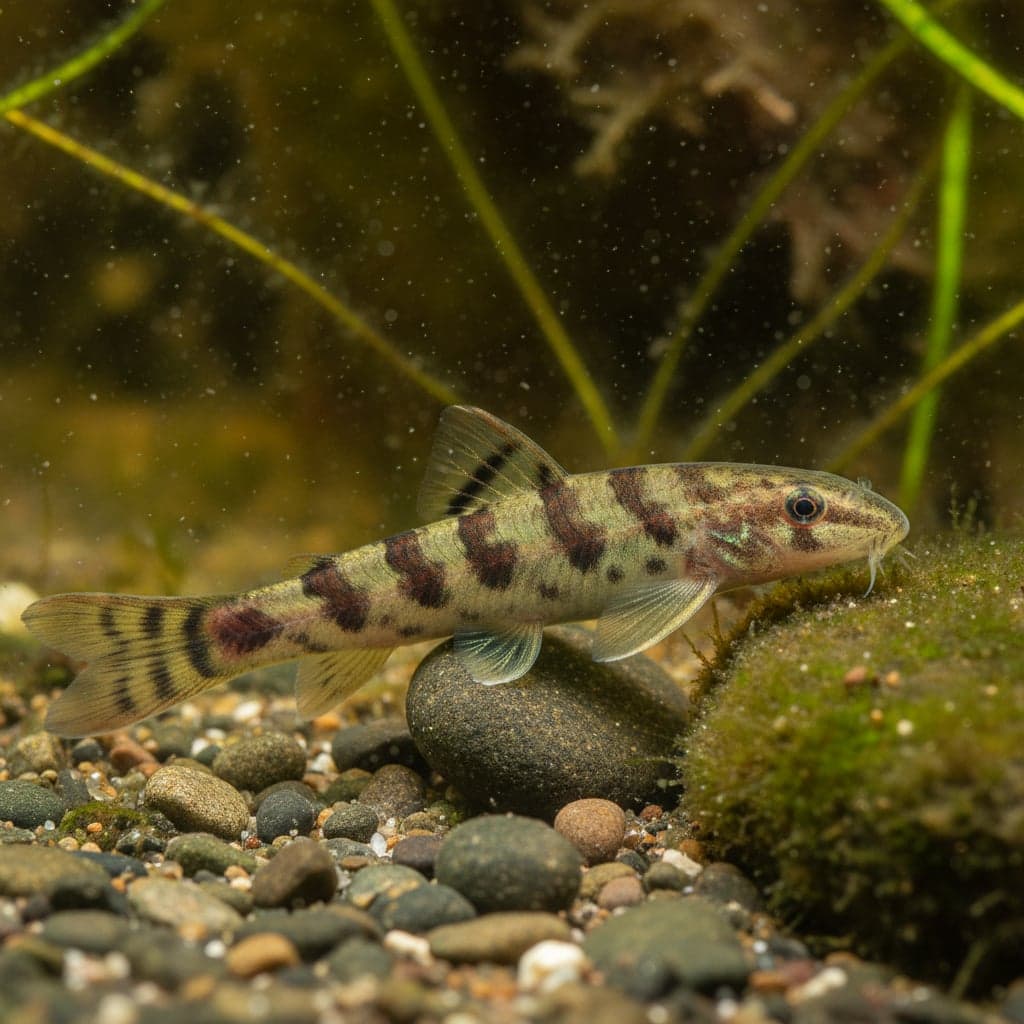
- Corydoras Catfish
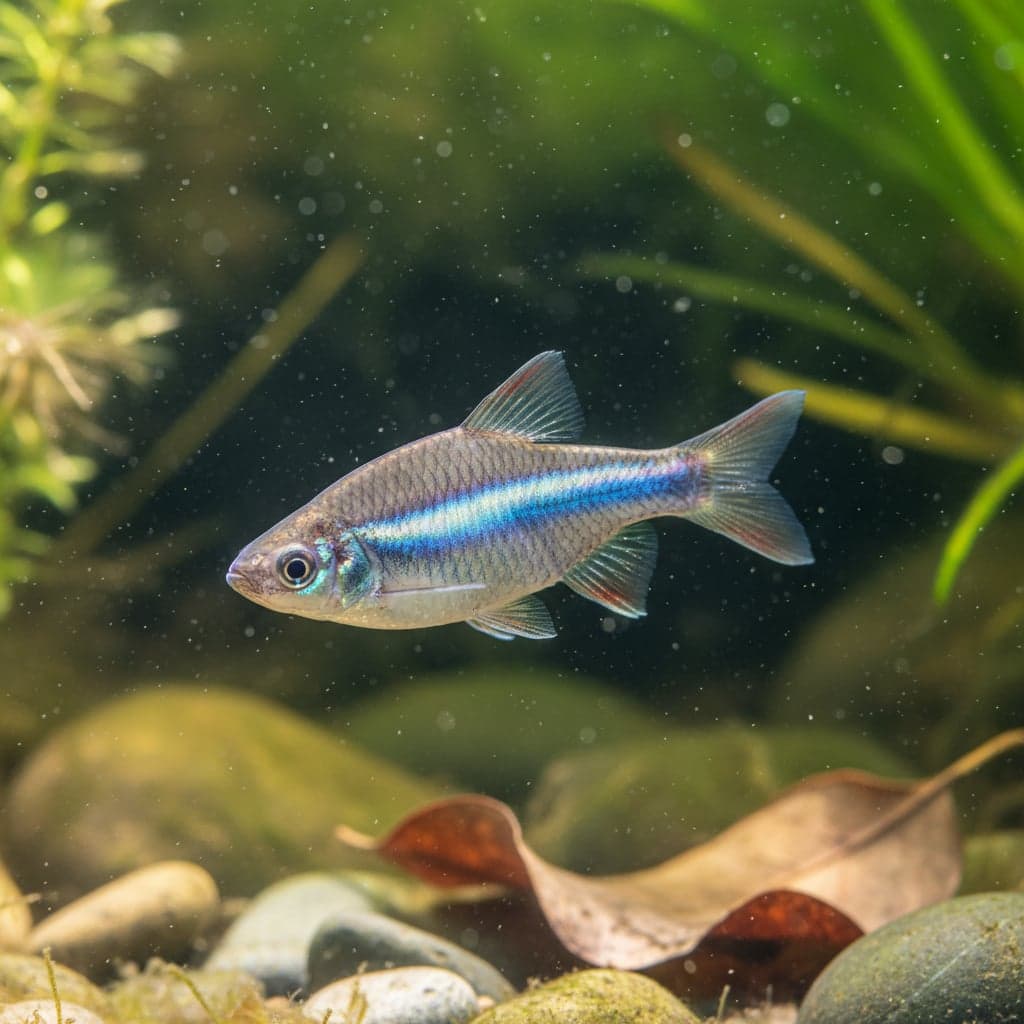
- Small rasboras (like Harlequin Rasboras)
It is crucial to avoid keeping them with larger or more aggressive fish, as they could become stressed or bullied. Species such as aggressive cichlids or large barbs should be avoided to ensure a suitable and harmonious aquarium environment.
Breeding
Breeding Rosy Bitterlings in captivity can be achieved with proper preparation and conditions. They are known as egg layers that typically utilize plants to deposit their eggs, making the presence of dense vegetation critical during the breeding process. Optimal breeding conditions include slightly lower water temperatures (around 20 to 22 degrees Celsius or 68 to 72 degrees Fahrenheit) and high-quality water changes to stimulate spawning.
During breeding, males may showcase vibrant colors and become quite territorial. After spawning, which occurs usually in the early morning hours, the eggs will adhere to the foliage. It is advisable to remove the adults after spawning to prevent them from consuming the eggs. With optimal care and attention, the eggs will hatch in about five to seven days, allowing fry to grow in a separate rearing tank.
Common Health Issues
Rosy Bitterlings are generally hardy fish; however, they can be prone to specific health concerns common in freshwater fish. Some of the prevalent issues include:
-
Ich (Ichthyophthirius multifiliis): A parasitic infection that manifests as white spots on the fish's body. Prevention includes maintaining stable water conditions and avoiding overstocking.
-
Fin Rot: Often a result of poor water quality or stress, this condition can be treated with antibacterial medications and improved water conditions.
-
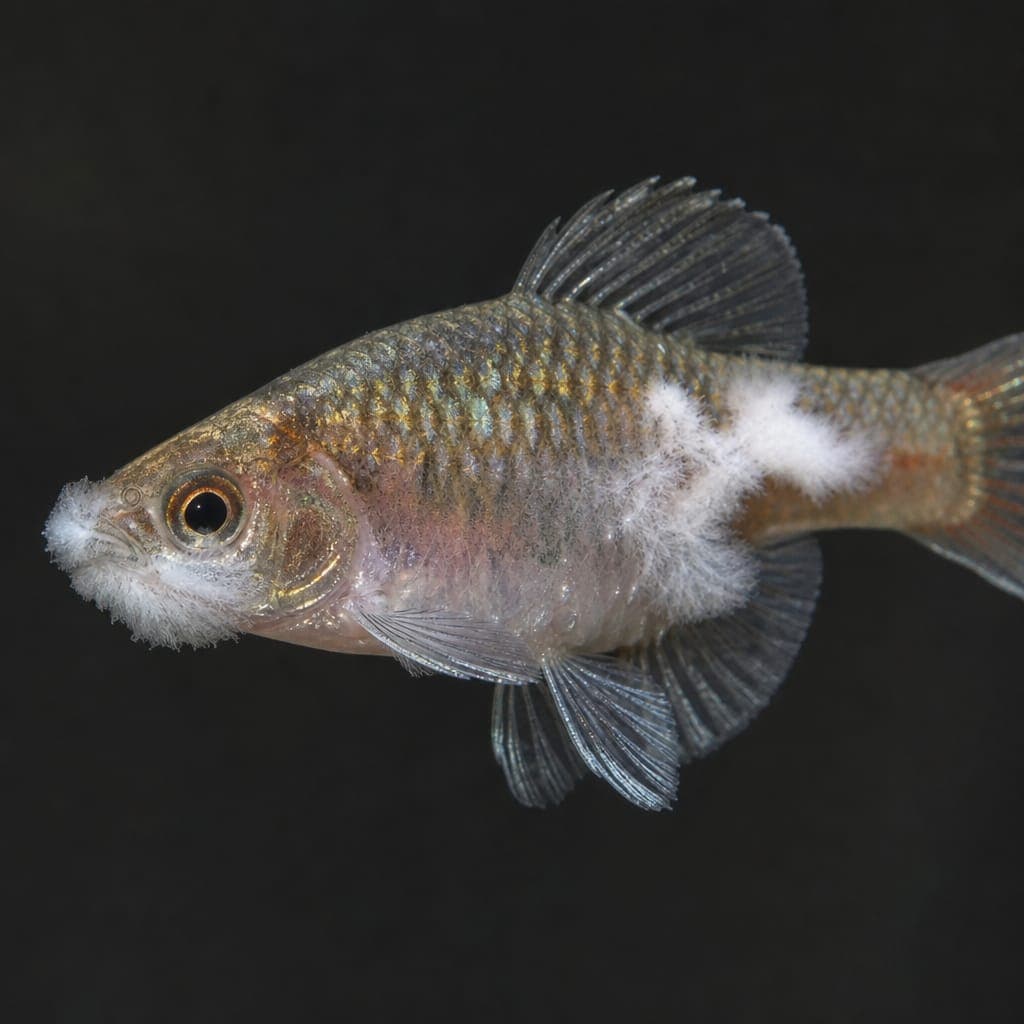
Columnaris: A bacterial infection often linked to environmental stressors. It's crucial to ensure clean, well-filtered water to minimize outbreaks.
To prevent these health issues, regular water changes, maintaining stable water parameters, and monitoring the fish for signs of distress are essential practices for the successful care of the Rosy Bitterling.