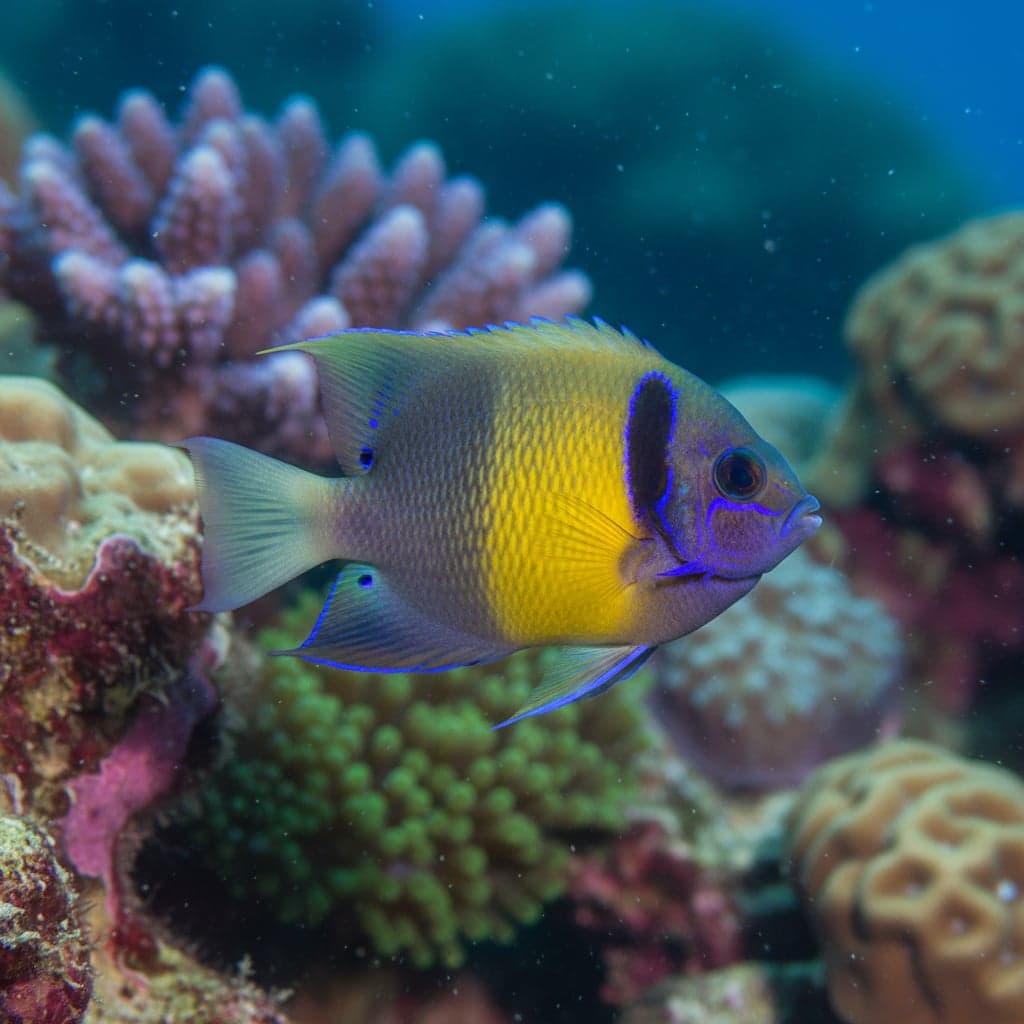
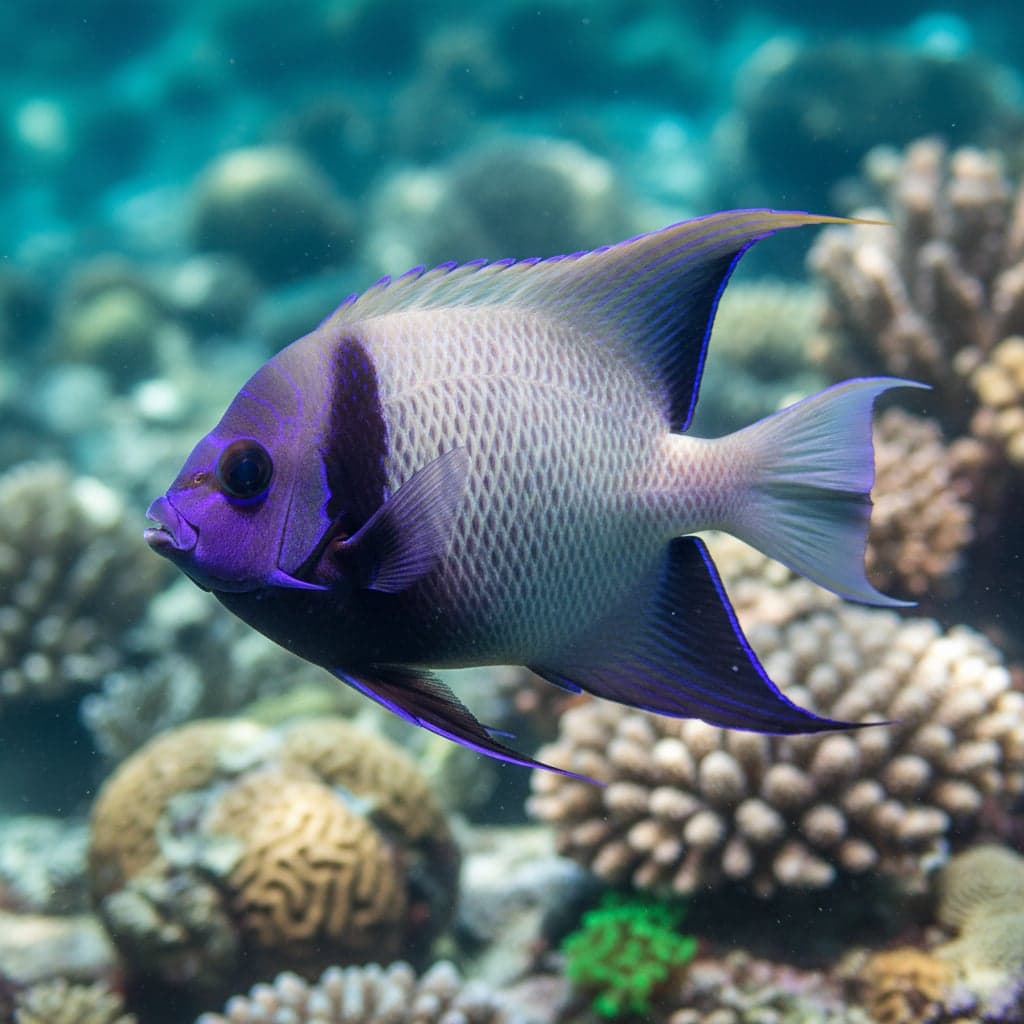
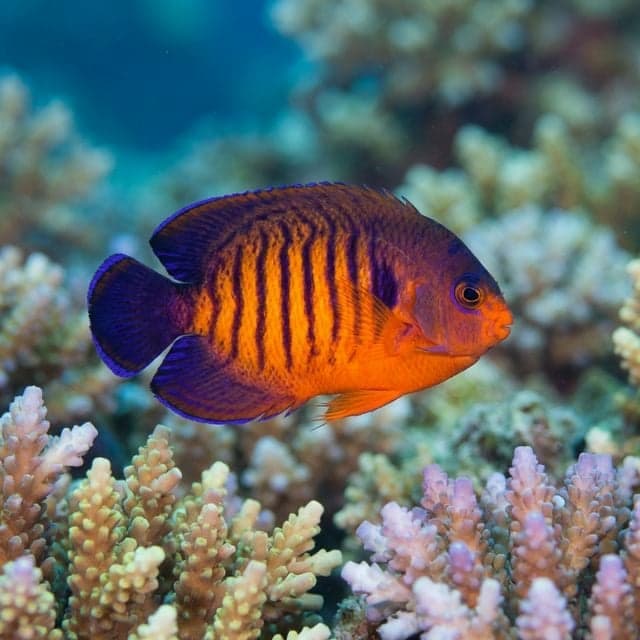
Royal Blue Pygygmy Angelfish
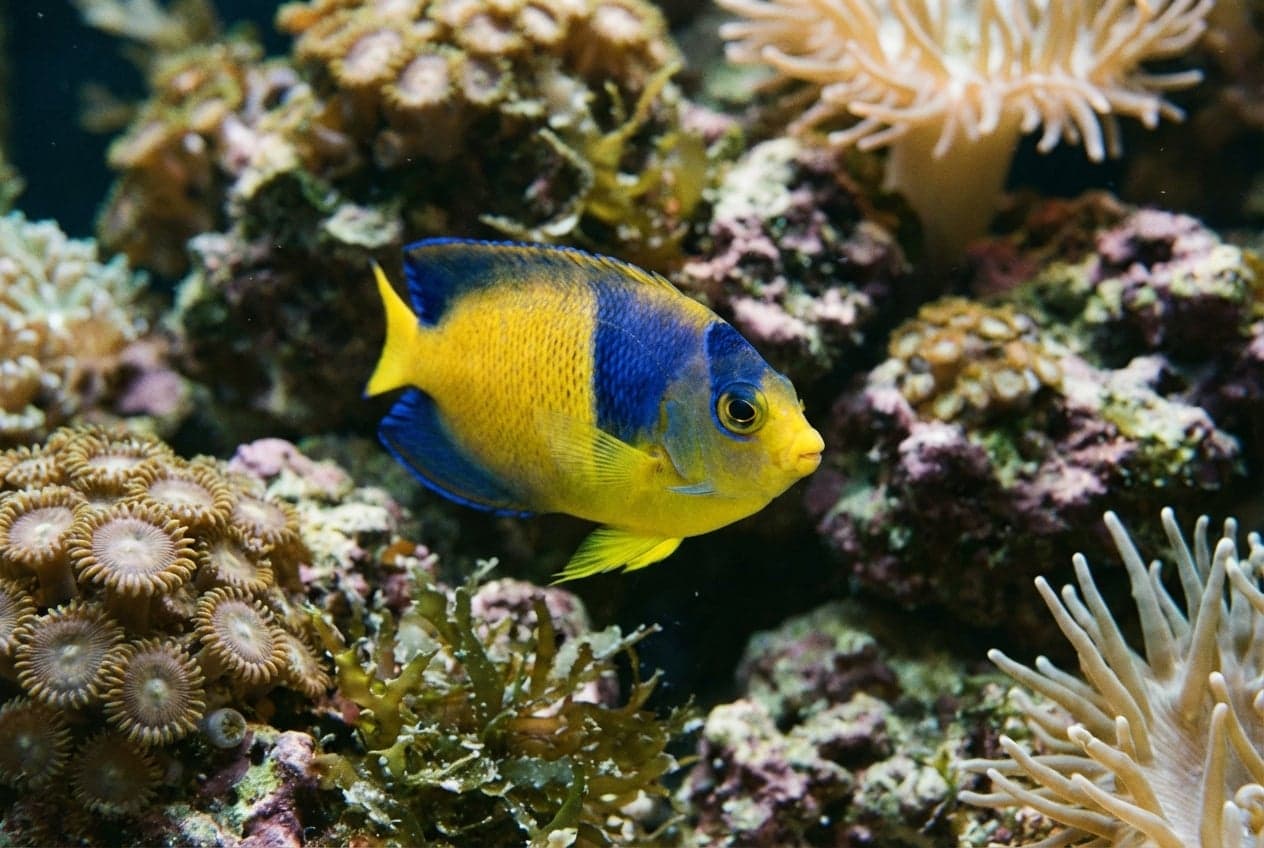
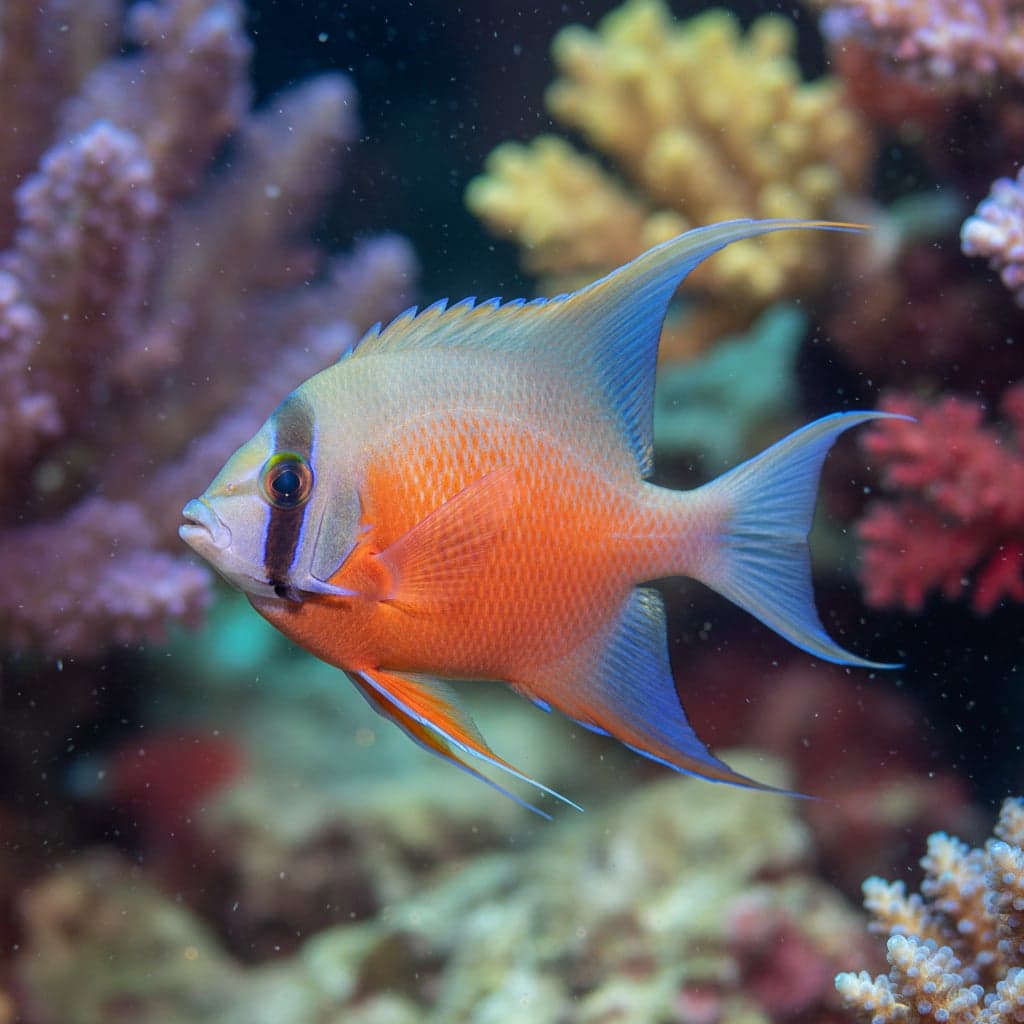
A 6cm dwarf angelfish, plain blue with a pale tail. One of the smallest Centropyge, and among the more reef-safe of them.

Royal Blue Pygygmy Angelfish
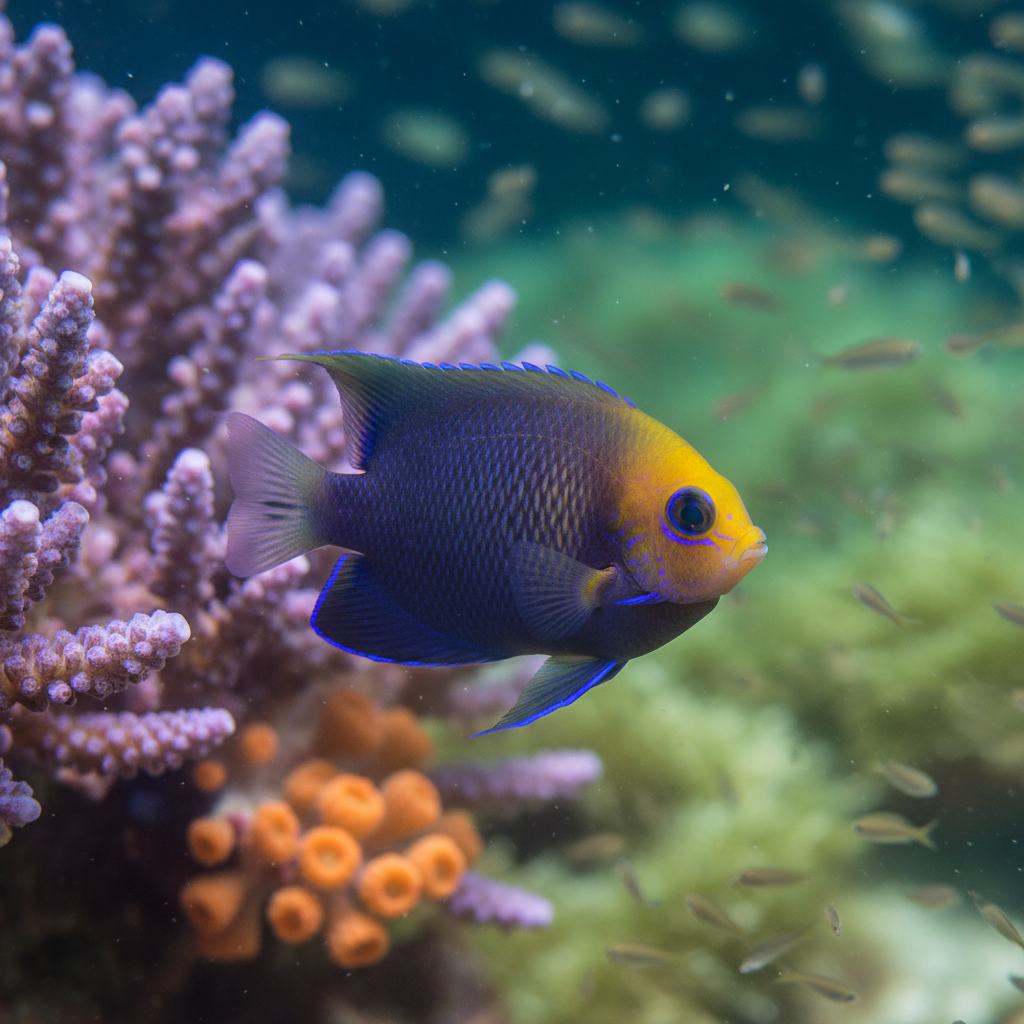
The Royal Blue Pygmy Angelfish, also known as the Centropyge debelius, is a captivating marine fish beloved by aquarium enthusiasts for its striking coloration and unique personality. With a vivid blue body adorned with contrasting bright orange and yellow highlights, this fish is not just a visual spectacle but a cherished member of the angelfish family. Known for its small size, typically reaching about 3 to 4 inches in length, the Royal Blue Pygmy Angelfish navigates through the water with grace and curiosity, making it an enchanting addition to marine tanks.
In the aquarium hobby, the Royal Blue Pygmy Angelfish holds significant appeal due to its manageable size, hardiness, and relatively easy care requirements compared to larger angelfish species. This fish often exhibits interesting behaviors, and its vibrant colors add a dynamic touch to reef tanks and community setups alike. For many aquarists, maintaining the Royal Blue Pygmy Angelfish represents both a challenge and an opportunity to foster a stunning underwater environment, contributing to its enduring popularity in the marine fishkeeping community.
Natural Habitat & Origin
The Royal Blue Pygmy Angelfish is native to the crystal-clear waters of the Indo-Pacific region, specifically found around coral reefs and rocky substrates in countries such as Indonesia, the Philippines, and Papua New Guinea. These fish thrive primarily in reef environments, where they are adapted to live amongst the nooks and crannies of coral structures. The water in these regions is typically warm and rich in biodiversity, which profoundly influences the fish's coloration, behavior, and overall health.
Their natural habitat is characterized by relatively stable conditions; these fish prefer waters with moderate flow and abundant hiding spots, which provide them with both shelter and foraging opportunities. The environmental context in which they exist includes clear, warm waters with a relatively low nutrient load, making them ideal candidates for aquarists seeking to replicate similar conditions in a home aquarium.
Care Requirements
To cultivate a thriving environment for the Royal Blue Pygmy Angelfish, specific water parameters must be meticulously maintained. Ideally, the tank should be kept at a temperature range of 74 to 82 degrees Fahrenheit, with a pH level between 8.1 and 8.4. Hardness should be within the range of 8 to 12 dGH, simulating their natural reef habitat.
When it comes to tank setup, a minimum size of 75 litres (20 gallons) is recommended for this 6cm Centropyge flavicauda — one of the smallest dwarf angels, it still needs rockwork territory to graze and claim. The substrate should be composed of fine sand or crushed coral to mimic the ocean floor, and plenty of live rock should be included to provide hiding spots and grazing surfaces. Lighting should be moderate to bright to promote the health of any corals or algae in the tank. Including live plants or macroalgae can enhance the aesthetics of the aquarium while providing additional grazing opportunities for the fish.
Diet & Feeding
The Royal Blue Pygmy Angelfish is classified as an omnivore, requiring a balanced diet to thrive. In their natural habitat, these fish graze on algae, small invertebrates, and detritus, so it is essential to replicate this diversity in captivity. A high-quality marine flake or pellet formulated for angelfish should form the base of their diet. It’s advisable to supplement this diet with frozen or live foods, such as brine shrimp and mysis shrimp, to provide essential nutrients and encourage natural foraging behavior.
Additionally, incorporating spirulina-based food can help enhance their coloration and overall health. Feeding should occur two to three times a day in small amounts, allowing fish to consume food within a few minutes, thus preventing overfeeding and maintaining optimal water quality.
Behavior & Temperament
The Royal Blue Pygmy Angelfish is known for its relatively peaceful disposition, making it suitable for community tanks. However, they can exhibit territorial behaviors, particularly towards their own species or closely related species. In general, this fish tends to prefer the mid to lower levels of the aquarium for swimming and foraging, often darting in and out of rock formations and coral structures.
Although generally shy, the Royal Blue Pygmy Angelfish can develop a distinct personality, displaying curiosity towards their surroundings and interacting with tank mates. It's best to keep them in a setting where they have ample space to establish their territory while ensuring they do not feel overly stressed or threatened by aggressive neighbors.
Tank Mates
When selecting tank mates for the Royal Blue Pygmy Angelfish, it's crucial to choose species that share similar care requirements and temperament. Compatible species include small, peaceful fish like clownfish, chromis, gobies, and blennies. Invertebrates like cleaner shrimp and small hermit crabs can also coexist with this angelfish. However, larger or more aggressive species such as damsels, larger angelfish, or wrasses should be avoided, as they may provoke aggression or territorial disputes.
Overall, providing a balanced community setup with fish that are non-aggressive and occupy different niches in the tank helps ensure a harmonious environment for the Royal Blue Pygmy Angelfish.
Breeding
Breeding the Royal Blue Pygmy Angelfish in captivity presents its challenges but is possible under the right conditions. These fish are known to be egg-layers, with spawning typically occurring in pairs during the early morning hours. To encourage successful breeding, it's essential to maintain high water quality, stable parameters, and a well-established tank with sufficient hiding spaces.
Setting up a separate breeding tank with appropriate conditions—including a slightly warmer temperature—can improve the chances of successful breeding. In captivity, it may be necessary to condition the breeding pair with high-quality foods to promote good health and reproductive readiness. Once spawning occurs, the eggs will adhere to surfaces such as rock or substrate, requiring careful monitoring as parental care varies.
Common Health Issues
While the Royal Blue Pygmy Angelfish is generally hardy, it can be susceptible to certain health issues commonly faced by marine fish. These include ich (Ichthyophthirius multifiliis), marine velvet, and fin rot, which can arise from stressed conditions, fluctuating water parameters, or poor tank hygiene.
To prevent these issues, it's essential to maintain a clean and well-filtered aquarium, conduct regular water changes, and monitor the overall health of tank mates. Quarantine new arrivals before introducing them to the main aquarium can help prevent the spread of diseases. Additionally, offering a varied, nutritious diet contributes to strengthening their immune systems, thereby reducing susceptibility to illness.