Ruby Shark: Epalzeorhynchos frenatum
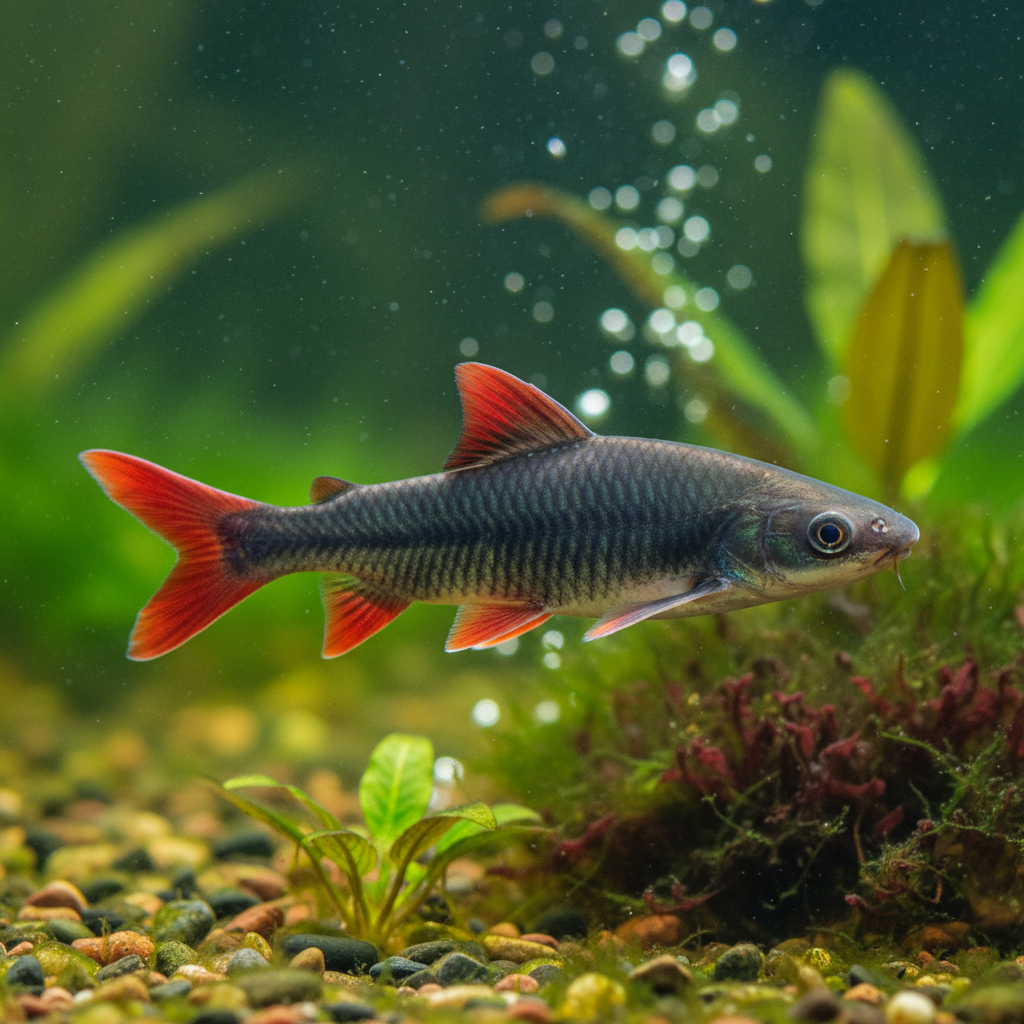
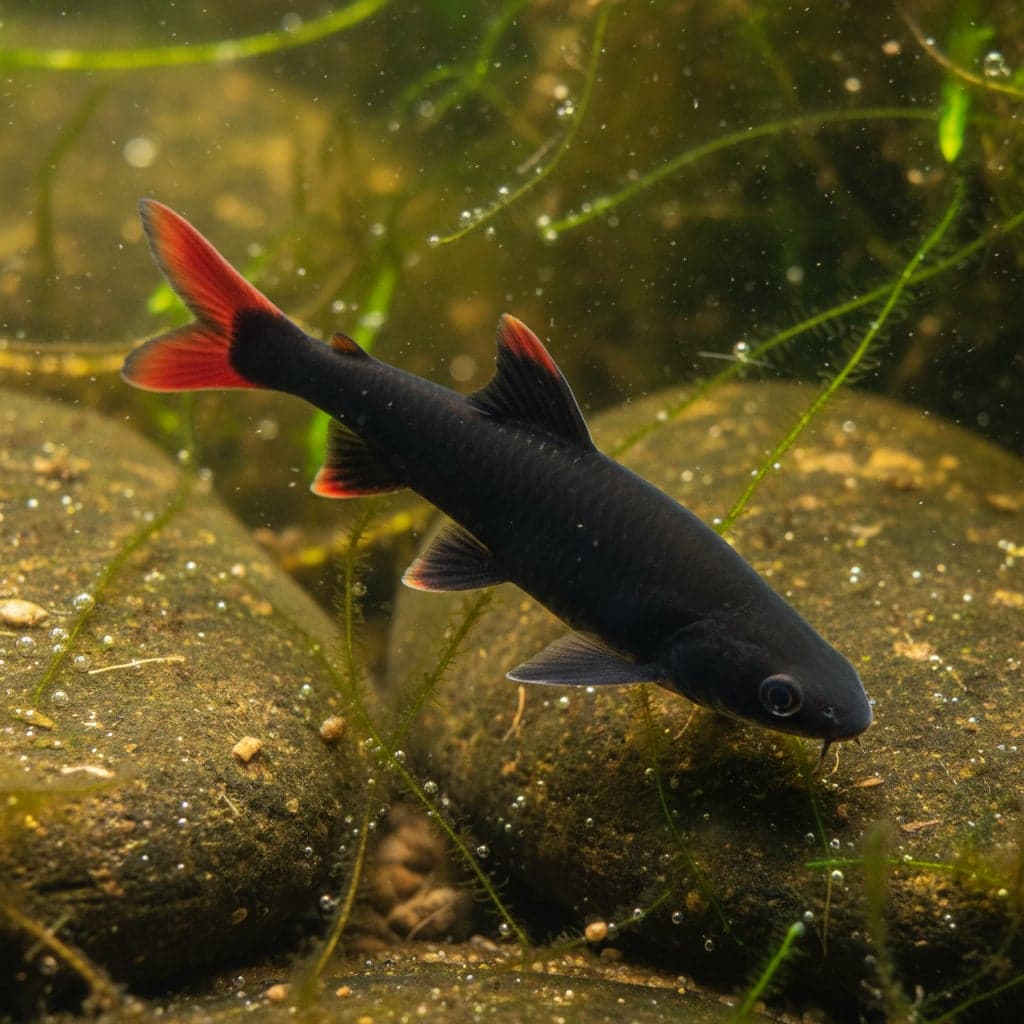
A deeply colorful, highly territorial bottom dweller featuring a charcoal-grey body and utterly brilliant, solid red-orange fins.

Ruby Shark
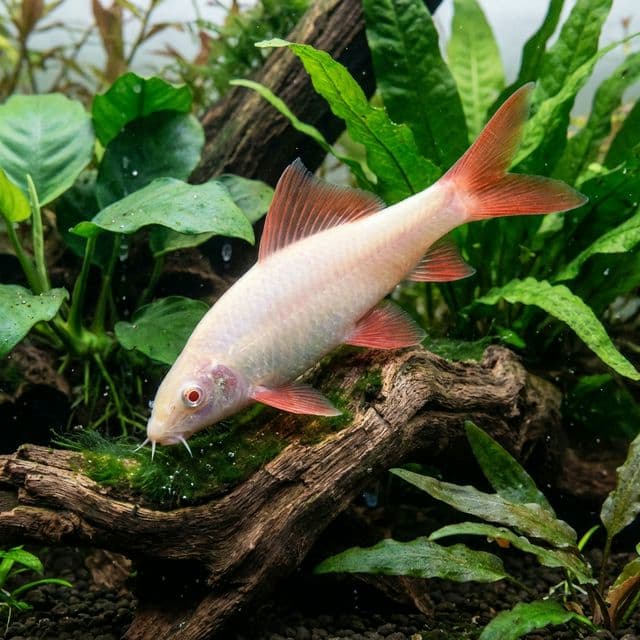
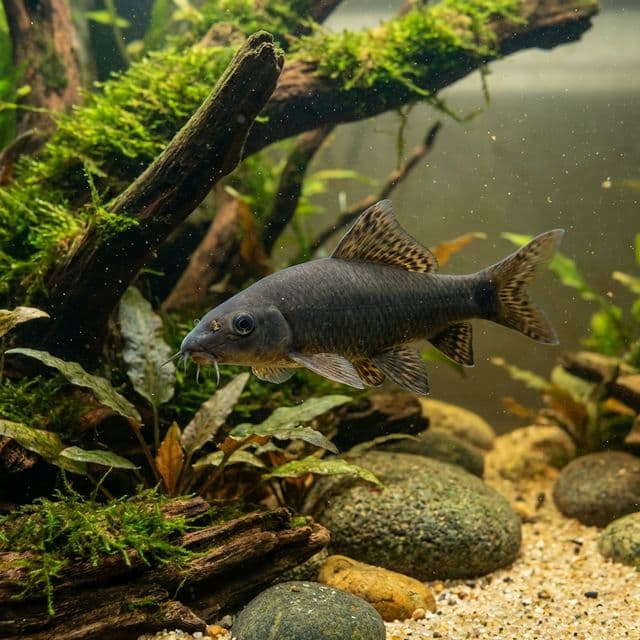
The Ruby Shark, scientifically known as Epalzeorhynchos frenatum, is a captivating freshwater fish commonly sought after in the aquarium hobby. This striking species is native to the rivers of Southeast Asia, particularly in countries like Thailand, Laos, and Cambodia. The Ruby Shark is recognized for its vibrant red or deep ruby coloration, which makes it a stunning addition to a community aquarium. With a streamlined body and distinctive dorsal fin, this fish is not only visually appealing but also possesses a charismatic personality that can add dynamic movement and color to any tank.
In the aquarium community, the Ruby Shark is significant for its ease of care and adaptability. Aquarists often praise its hardiness, making it a favorite choice for both novice and experienced keepers. Its bright coloration and energetic swim patterns draw attention, creating an engaging focal point in the aquarium. Beyond aesthetics, the Ruby Shark is also notable for its roles in ecological balance within aquariums, as it helps maintain a clean tank by consuming algae and detritus. As a result, understanding the Ruby Shark's needs is crucial for ensuring its longevity and health in captivity.
Natural Habitat & Origin
The Ruby Shark hails from the warm, freshwater rivers and streams of Southeast Asia, where it occupies specific ecological niches that define its behavior and physical needs. These waters are typically characterized by a combination of clear and slightly tannin-stained conditions, enriched by organic matter. The fish thrive in environments rich with vegetation, submerged rocks, and sandy substrates, which provide not only shelter but also foraging areas. As a result, replicating a natural setting with a mix of plants and hiding spots is essential for optimal well-being in an aquarium environment.
Geographically, the Ruby Shark is found in countries such as Thailand and Laos, often in small river systems and tributaries where flow rates can vary. These habitats generally have moderate to high water temperatures ranging from 24°C to 28°C (75°F to 82°F). Understanding its natural environment helps aquarists create the most suitable conditions for keeping this vibrant species in captivity.
Care Requirements
To provide the best possible environment for Ruby Sharks, maintaining specific water parameters is vital. Ideally, the pH level should be kept between 6.5 and 7.5, accommodating their natural habitat while promoting fish health. The temperature should range from 24°C to 28°C (75°F to 82°F) to mimic the warm waters of Southeast Asia, and water hardness should fall between 5 to 20 dGH. Regular water changes and proper filtration are essential to maintain water quality and the overall health of the tank.
When it comes to tank setup, a minimum tank size of 75 gallons is recommended to allow ample swimming space for these active fish. The substrate should consist of fine gravel or sandy material to prevent injuries and facilitate natural foraging behaviors. Providing plenty of hiding places using rocks, driftwood, or dense plant growth enhances both the aesthetic value of the aquarium and the comfort of the Ruby Shark. Lighting should be moderate to ensure a balanced day-night cycle, while live or artificial plants can help replicate their natural habitat.
Diet & Feeding
Ruby Sharks are omnivorous and thrive on a varied diet that mimics their natural food sources. In captivity, a combination of high-quality flake and pellet foods serves as a staple diet. It is vital to choose sinking pellets that can reach the bottom for this fish, as they often scavenge along the substrate. Supplementing their diet with frozen or live foods like brine shrimp, bloodworms, and daphnia will not only enhance their nutritional intake but also stimulate natural hunting behaviors. Overall, a diverse diet will promote robust health and vibrant coloration in Ruby Sharks.
Behavior & Temperament
In terms of behavior, Ruby Sharks are known for their active and social nature, which makes them a delight to observe in an aquarium setting. They tend to exhibit schooling habits, particularly when kept in groups of three or more, which helps to reduce stress and promote natural behaviors. While generally peaceful, males can display territorial tendencies, especially when establishing dominance or defending space. Observing vertical swimming patterns is also common, as these fish frequently occupy the mid to bottom levels of the tank, creating an interesting dynamic in a multi-species environment.
Tank Mates
Selecting suitable tank mates is essential for the successful management of Ruby Sharks. Compatible species include other peaceful community fish such as Rainbows, Tetras, Gouramis, and certain Rasboras, all of which can cohabitate harmoniously. However, it is crucial to avoid pairing Ruby Sharks with overly aggressive fish like Cichlids or fin-nippers like some barbs, as this can lead to stress and aggression. In general, providing a spacious tank with multiple hiding spots will help reduce potential conflicts and allow for a peaceful aquarium community.
Breeding
Breeding Ruby Sharks in captivity can be challenging, as they are not commonly bred in home aquariums. However, they can spawn under the right conditions. The key to successful breeding involves maintaining excellent water quality and slightly adjusting temperature to around 28°C (82°F) to simulate spawning conditions. Setting up a dedicated breeding tank with a substrate of fine gravel for the eggs to adhere to and providing plenty of plant cover can enhance the likelihood of successful spawning. After laying eggs, it is advisable to remove the parents to prevent them from consuming their offspring.
Common Health Issues
While Ruby Sharks are generally hardy, they can be susceptible to certain diseases if not properly cared for. Common health issues include ich (white spot disease), fin rot, and other parasitic infections. To prevent these ailments, maintaining pristine water quality through regular changes and ensuring a balanced diet is essential. Additionally, observing fish behavior closely can help catch any signs of distress early. Regular tank maintenance, including cleanliness and providing stress-free environments, can also significantly reduce the risk of disease.
This guide aims to aid aquarists interested in keeping Ruby Sharks and contributing to the longevity and health of this delightful species in aquatic environments.