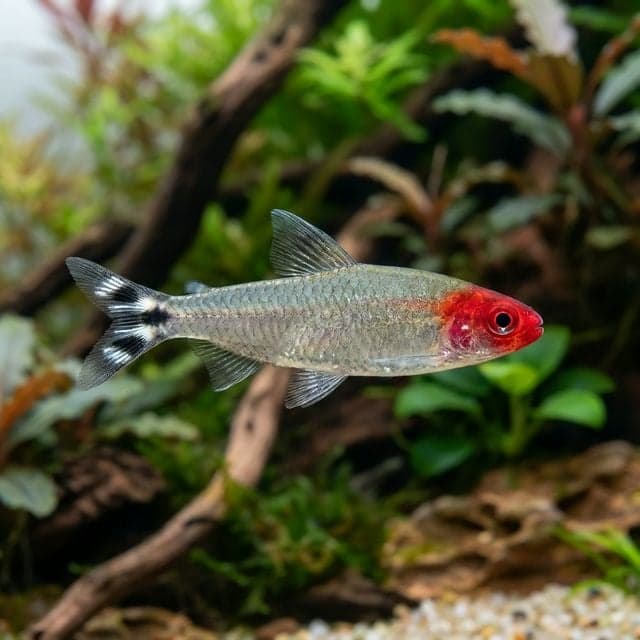
Ruby Tetra: Axelrodia riesei
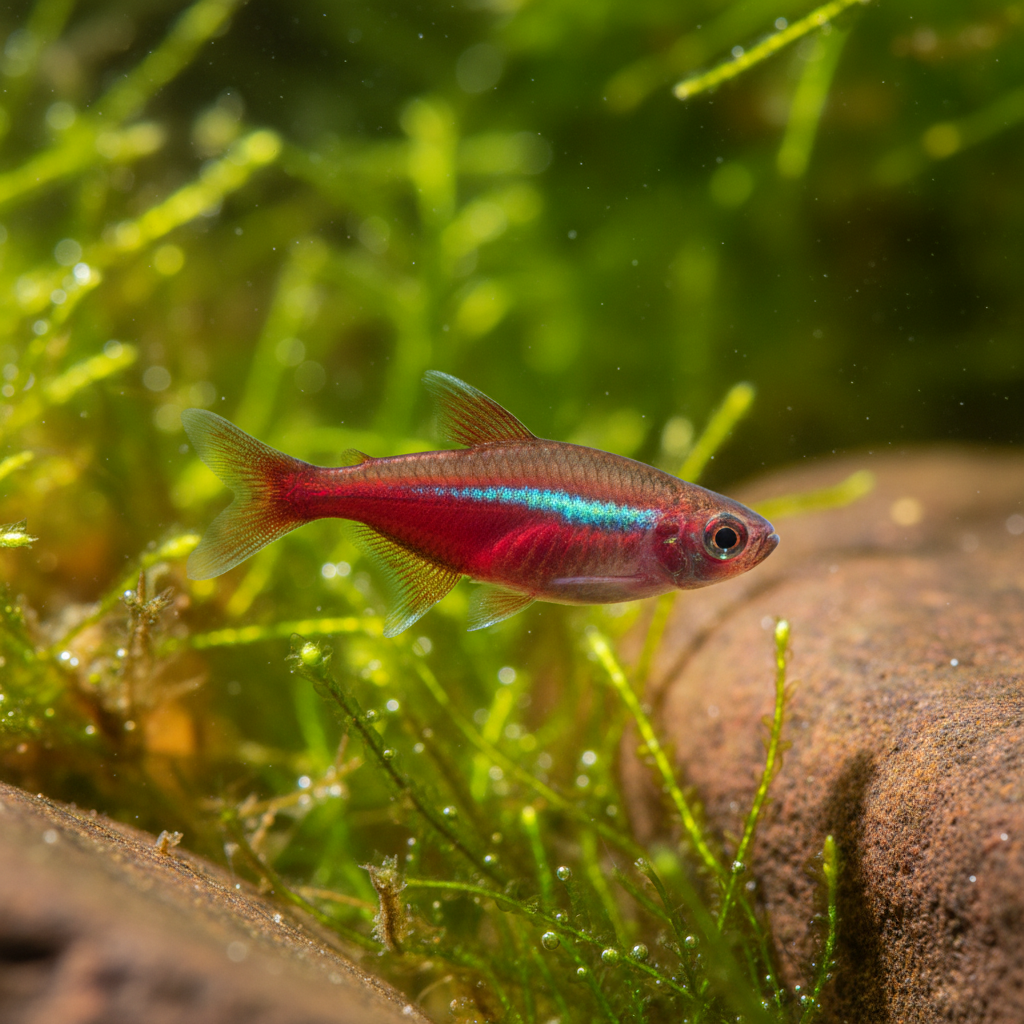
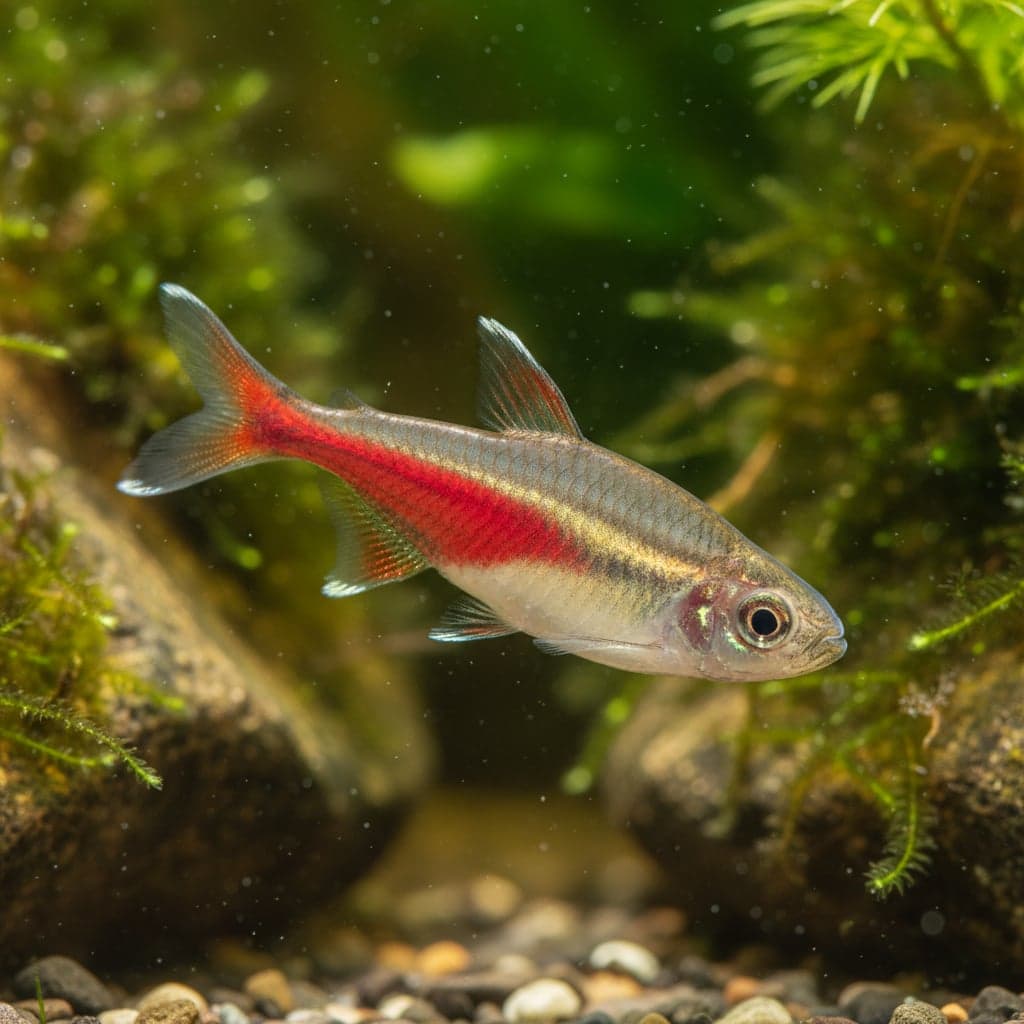
An impossibly tiny, breathtakingly glowing bright red schooling fish entirely designed for nano aquariums.

Ruby Tetra
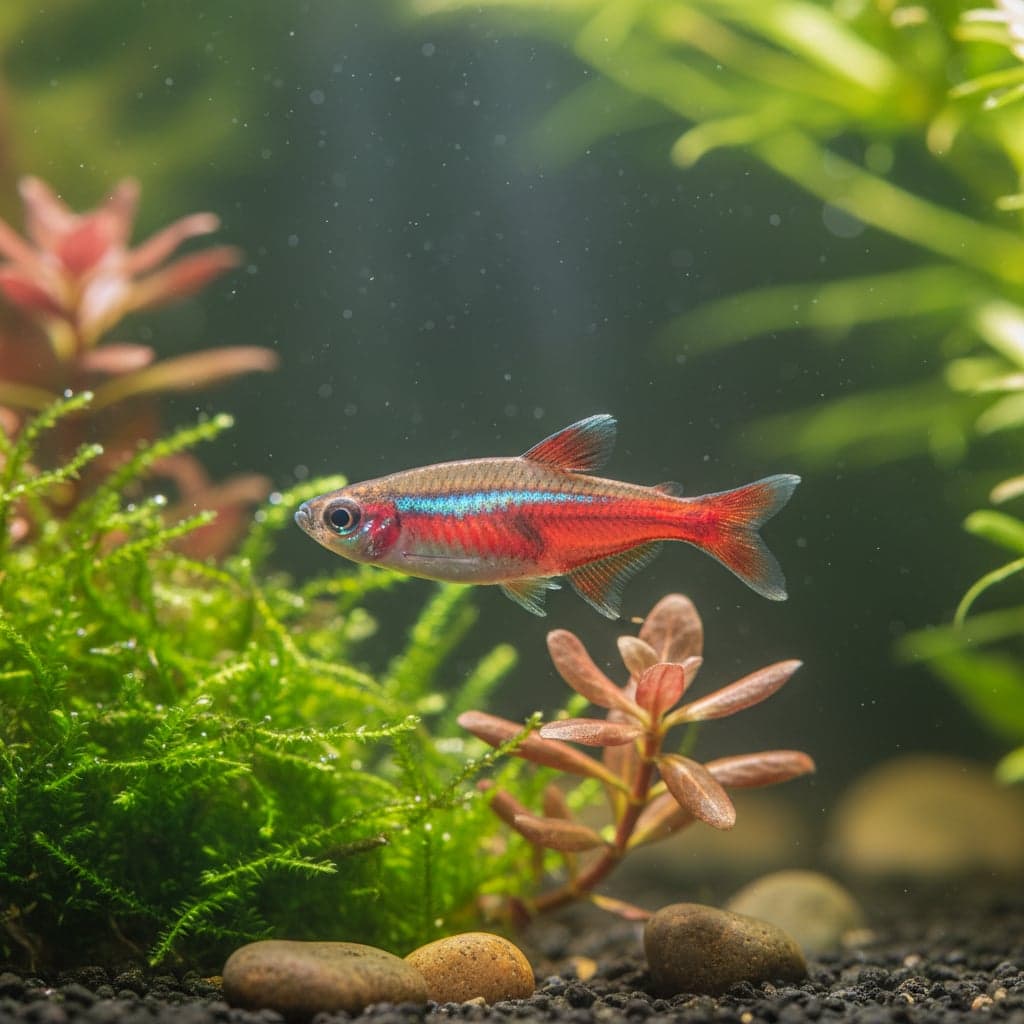
The Ruby Tetra, or Axelrodia riesei, is a captivating freshwater fish that has become a favorite among aquarium enthusiasts due to its vibrant coloration and peaceful demeanor. Native to the gentle river systems of South America, it showcases stunning shades of bright red and a hint of iridescence that enhances its visual appeal, making it a standout addition to any well-planted aquarium. Measuring around 1.5 to 2 inches in length, these small fish thrive in schools, offering a delightful display of movement that brightens up any aquatic environment.
In addition to their aesthetic charm, Ruby Tetras hold significant value in the aquarium hobby for their relatively easy care and hardiness. They are perfect for both novice aquarists looking to embark on their first venture into fishkeeping and experienced hobbyists seeking to add a splash of color to their collection. Their adaptability to various aquarium conditions, coupled with their peaceful nature, allows them to coexist harmoniously with many species, thereby enriching community tank setups.
Natural Habitat & Origin
Ruby Tetras are native to the slow-moving, warm waters of the Amazon Basin, particularly in regions such as Brazil and Colombia. They inhabit small creeks, streams, and flooded forests where they often dwell in the soft waters rich in tannins, creating a blackwater environment. This type of habitat is characterized by its low light conditions and a high level of decaying plant matter, which contributes to their overall well-being in the wild. These environmental factors not only shape their physical development but also influence their social behaviors, making them well-suited to aquarium life that replicates these natural conditions.
Care Requirements
To thrive in captivity, Ruby Tetras require specific water parameters that mimic their natural habitat. An ideal pH range is between 6.0 and 7.5, with a temperature maintained between 75°F and 82°F (24°C to 28°C). The hardness of the water should be kept between 2 to 10 dGH, ensuring a soft environment conducive to their health. For tank setup, a minimum size of 10 gallons is recommended to accommodate a small school of these fish comfortably. The substrate can be dark or sandy to replicate their native environment, while live plants such as Java moss, floating plants, and driftwood provide essential cover and create a sense of security. Lighting should be subdued, as dimly lit spaces are more reflective of the shaded waters they inhabit.
Diet & Feeding
Ruby Tetras are omnivorous, thriving on a varied diet that includes high-quality flakes, micro pellets, and frozen or live foods. They particularly enjoy small foods like daphnia, brine shrimp, and bloodworms, which supplement their dietary needs and stimulate natural foraging behavior. When feeding, it's essential to provide small amounts multiple times a day rather than large quantities at once to maintain water quality and prevent overfeeding. A balanced diet rich in protein and plant matter will ensure their vibrant coloration and overall health, thus promoting a long and lively life in the aquarium.
Behavior & Temperament
Known for their gentle demeanor, Ruby Tetras are quintessential community fish that exhibit peaceful behavior. They thrive in groups of six or more, displaying schooling tendencies that enhance their social interactions and reduce stress levels. This schooling behavior also promotes a sense of security, as individuals feel safer when surrounded by their own kind. In terms of tank positioning, Ruby Tetras are generally mid to upper-level swimmers, often exploring the water column while occasionally venturing into lower areas of the tank for cover or food. Their non-aggressive nature makes them ideal companions in a community aquarium, but careful consideration should be given to tank mates to maintain harmony.
Tank Mates
When selecting tank mates for Ruby Tetras, it's vital to choose species that share similar water requirements and behaviors. Compatible companions include other small, peaceful fish such as Neon Tetras, Rasboras, Corydoras Catfish, and Guppies. On the other hand, it's advisable to avoid larger or more aggressive species, such as Cichlids, aggressive barbs, or any fish that may pose a threat to their peaceful demeanor. Maintaining a harmonious community tank will not only ensure the well-being of the Ruby Tetra but also enhance the overall aesthetic and enjoyment of the aquarium.
Breeding
Breeding Ruby Tetras can be a rewarding experience, though it requires certain conditions to be successful. They are egg scatterers, meaning they do not exhibit parental care and often lay their eggs among plants or substrate material. To promote spawning, it is beneficial to provide a separate breeding tank consisting of soft, acidic water and densely planted areas to serve as spawning sites. The ideal temperature should be slightly elevated to around 80°F. After spawning, the parents should be removed to prevent them from eating the eggs, which typically hatch within 24-36 hours. The fry can be fed infusoria initially, transitioning to finely crushed flakes as they grow.
Common Health Issues
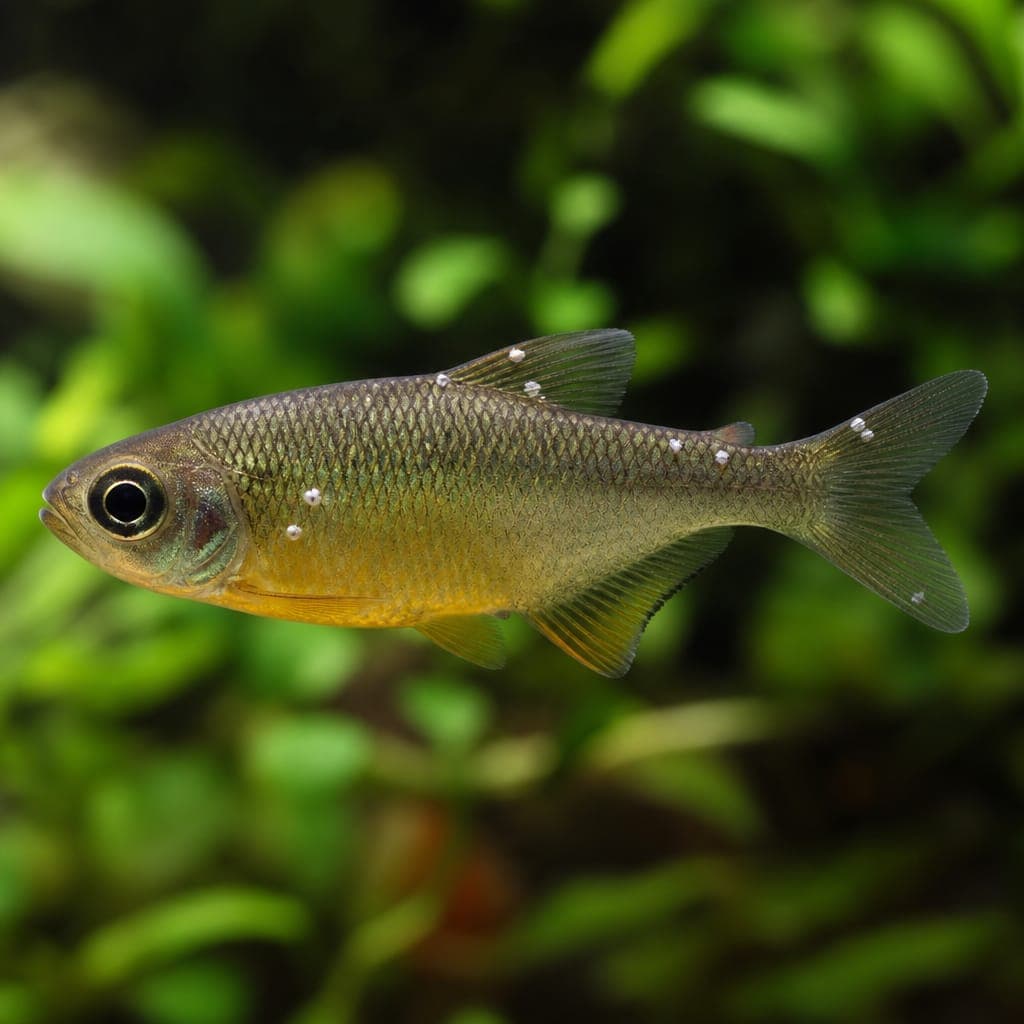
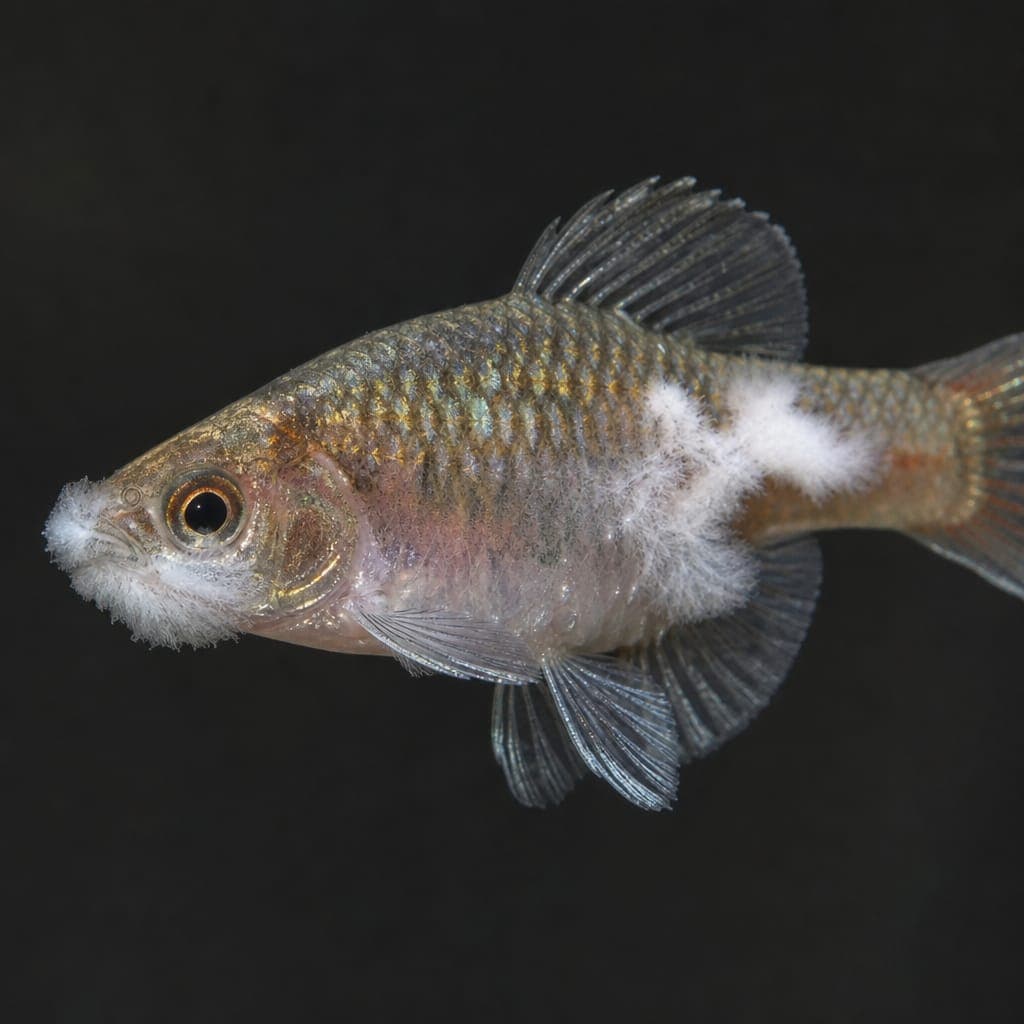
Ruby Tetras are generally hardy, but they can still be susceptible to common freshwater fish ailments, such as ich, fin rot, and columnaris. Preventive measures include maintaining optimal water quality, regular tank maintenance, and quarantining new fish before introducing them into the main tank. Additionally, a well-balanced diet will help bolster their immune systems and overall health. Close monitoring of their behaviors and physical appearance can lead to early detection of health issues, ensuring a longer, healthier life for these vibrant and sociable fish.