Saffron Coral Goby
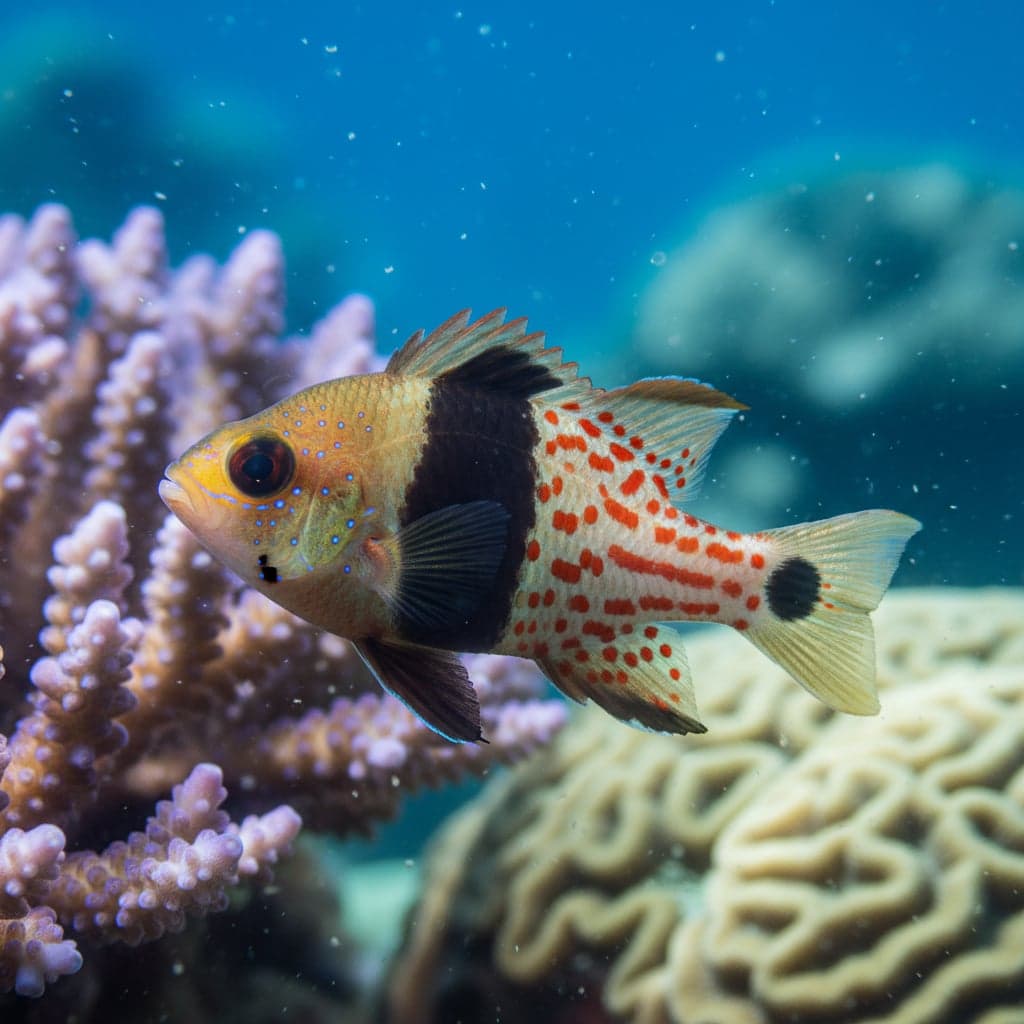
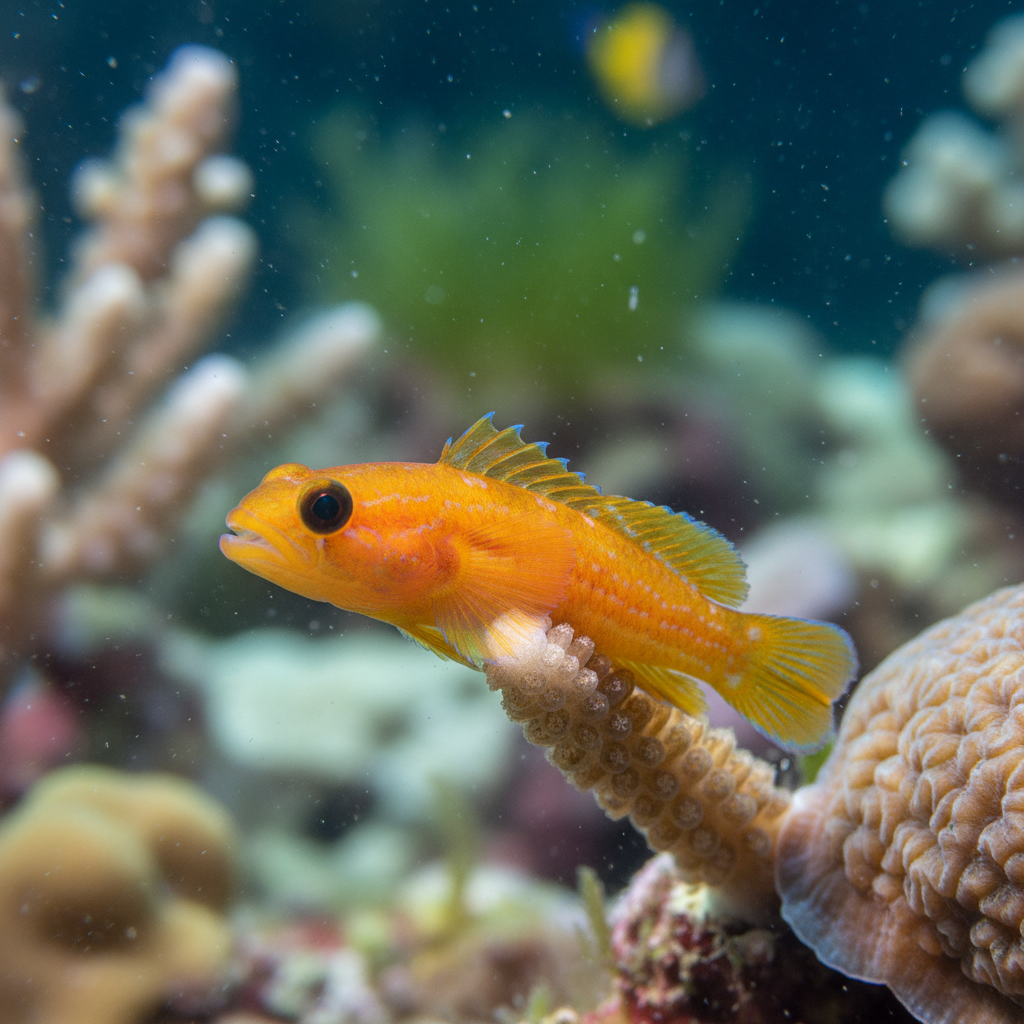
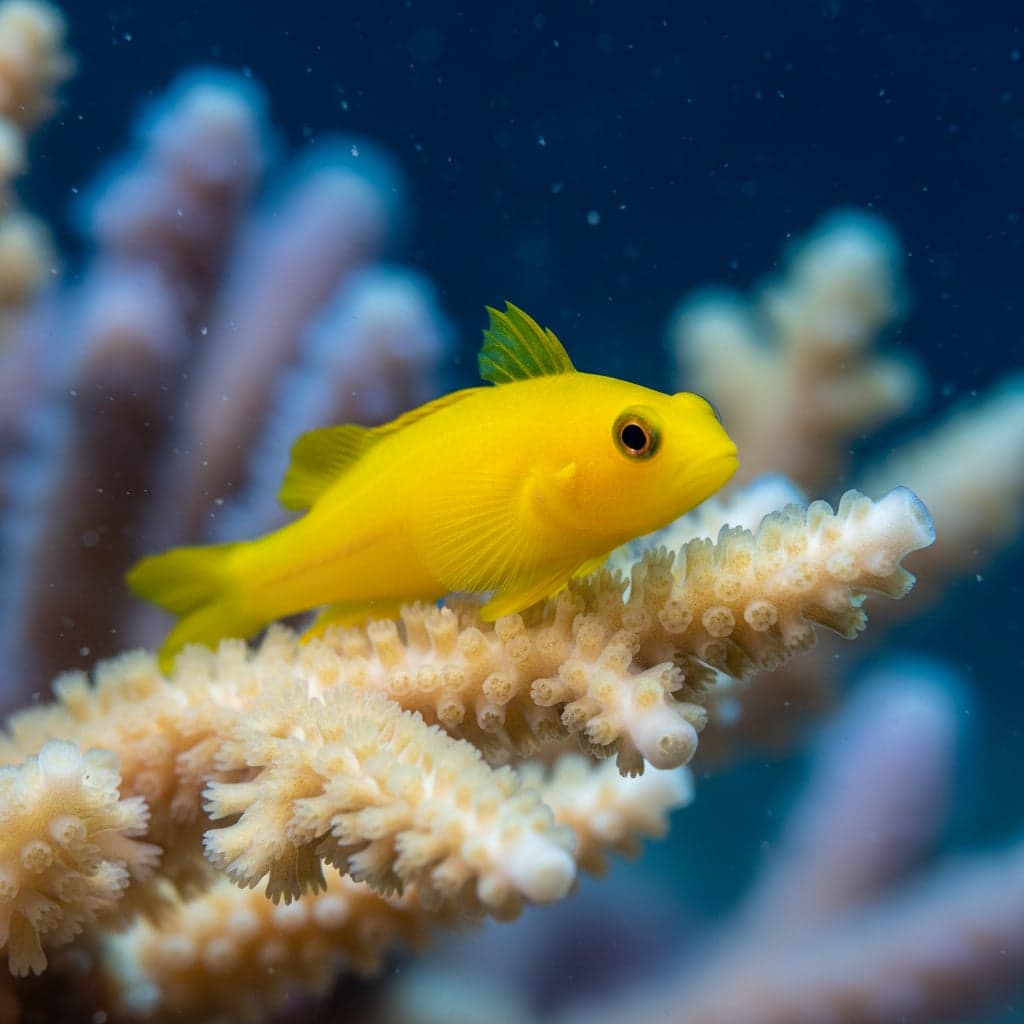
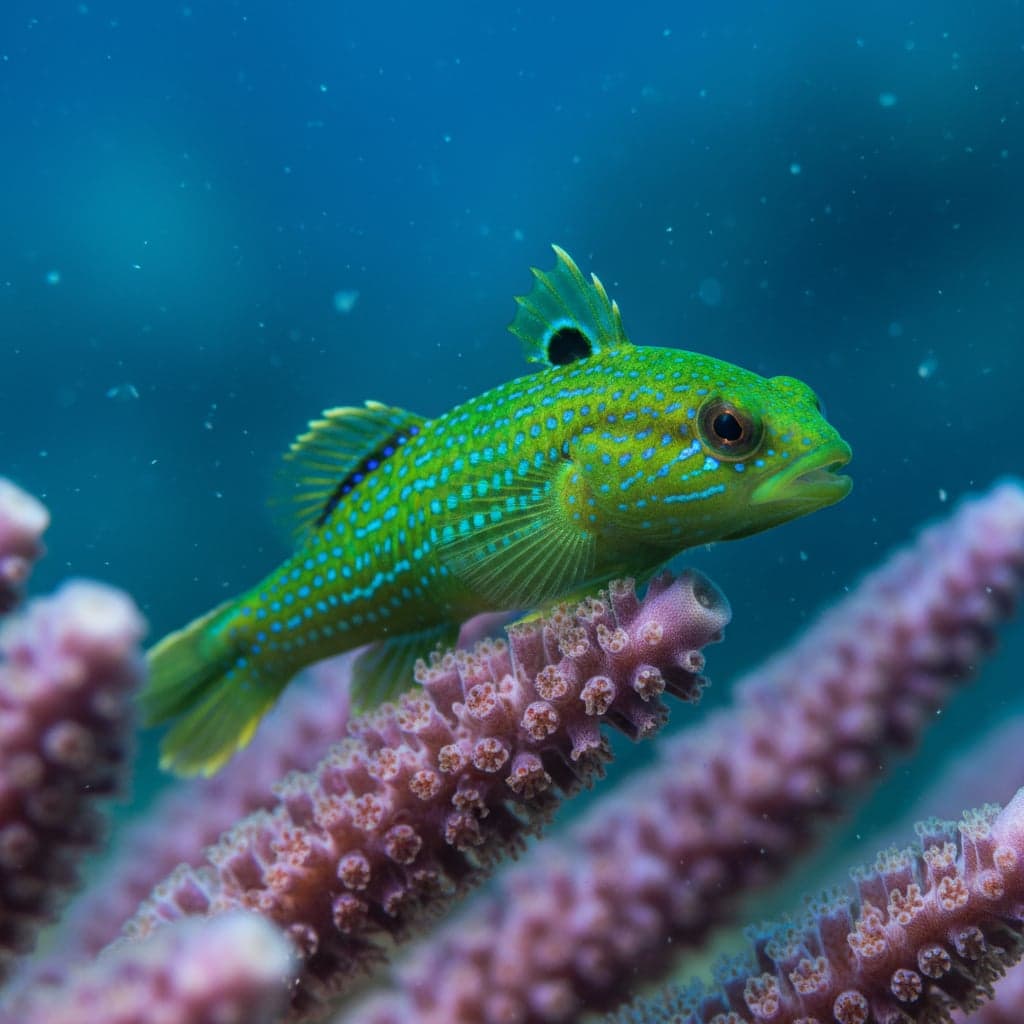
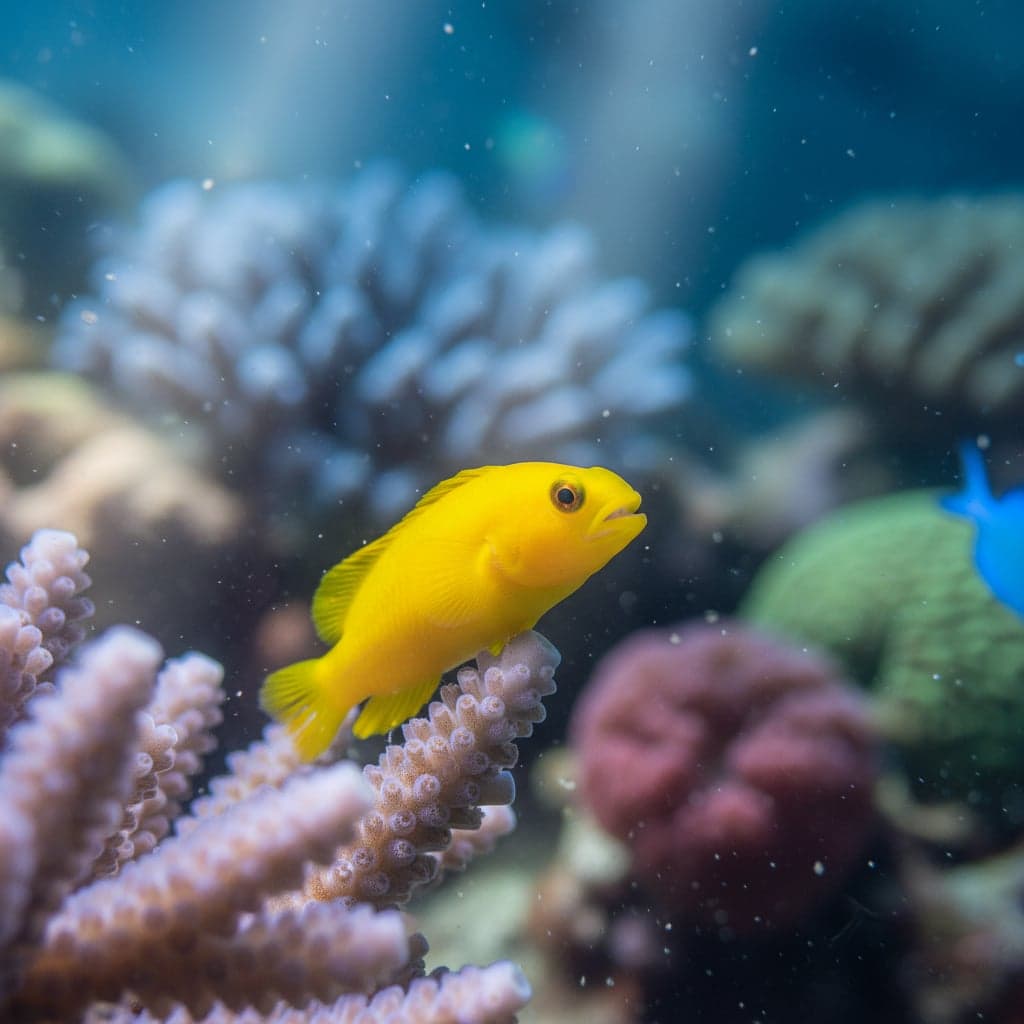
A 3.5cm goby that lives among Acropora branches. Reef safe, needs SPS to perch in, and is prey for almost anything larger.
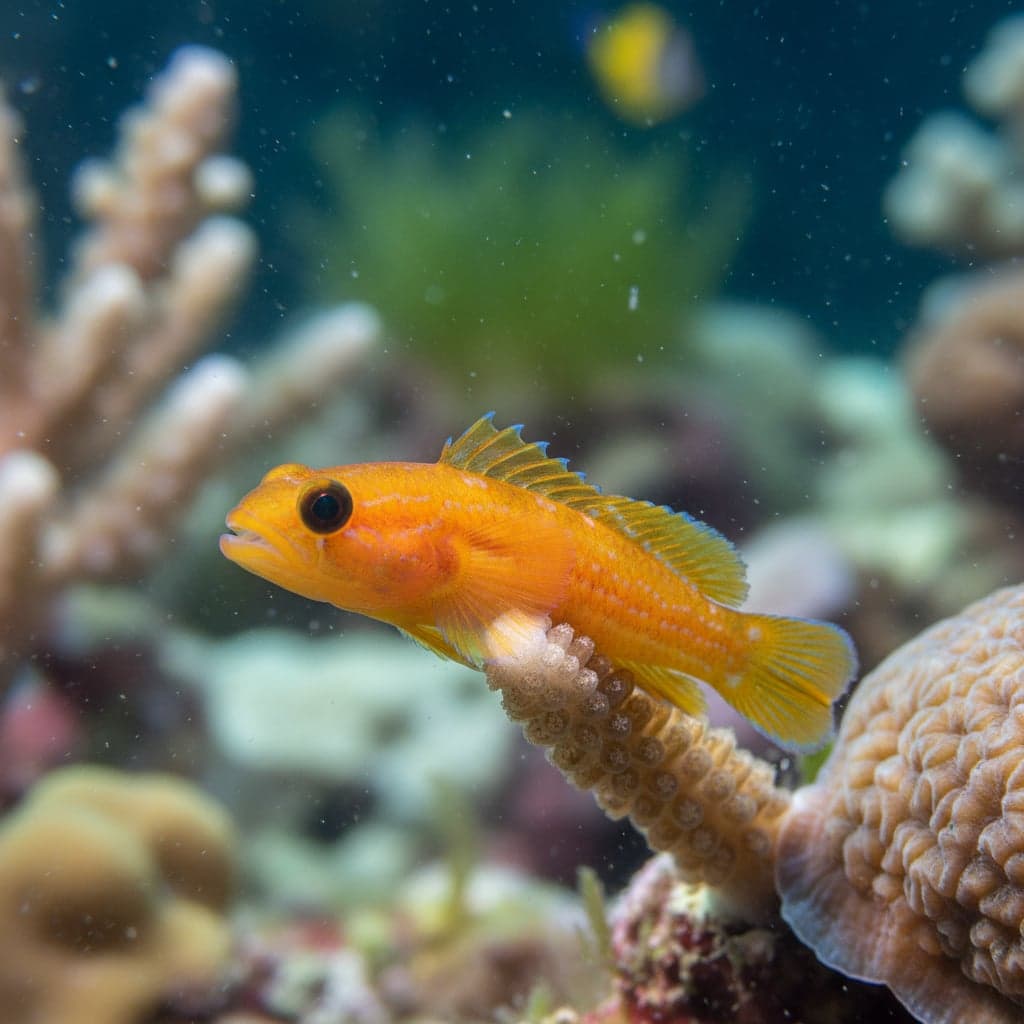
Saffron Coral Goby
The Saffron Coral Goby, scientifically known as Gobiodon spp., is a vibrant and lively fish native to coral reefs in the Indo-Pacific region. Boasting a striking coloration that ranges from bright yellow to vivid orange, this small fish catches the eye of aquarium enthusiasts with its unique beauty and dynamic presence. The Saffron Coral Goby typically reaches a size of about 2.5 inches (6 cm), making it suitable for various tank sizes, especially nano aquariums. Its allure is not just in its stunning colors but also in its engaging behaviors. This species is known for its playful antics, darting around its habitat and often perching on coral structures, which adds an extra layer of activity and interaction in the aquarium setting.
In addition to its visual appeal, the Saffron Coral Goby holds significance in the aquarium hobby for its role in maintaining the health of the reef environment. As a part of the coral ecosystem, it assists in controlling algae growth and providing a vibrant representation of the biodiversity inherent in marine habitats. Despite their beauty, proper care is essential for these delicate fish, as they can be sensitive to water quality and environmental changes. As such, they are a favorite among knowledgeable aquarists who appreciate the challenge and reward of keeping these attractive reef inhabitants.
Natural Habitat & Origin
The Saffron Coral Goby is primarily found in the shallow, warm waters of the Indo-Pacific, specifically around coral reefs and lagoon areas. They inhabit environments characterized by clear waters rich with live rock and coral formations, providing essential shelter and breeding grounds. The Saffron Coral Goby thrives in marine environments, typically in depths of 10 to 50 feet (3 to 15 meters). These fish prefer regions with ample light and structure, allowing them to establish territories and avoid predators. The ecosystems they inhabit are crucial for their survival, making it vital for aquarists to replicate these conditions accurately in their home setups.
Care Requirements
To successfully care for a Saffron Coral Goby, specific water parameters must be met. The ideal pH level ranges from 8.1 to 8.4, with a temperature between 72°F and 78°F (22°C to 25°C). A moderate degree of water hardness, between 8-12 dGH, is also recommended. In terms of tank setup, a minimum of 40 litres (10 gallons) suits this 3.5cm Gobiodon citrinus — an SPS nano fish that lives among Acropora branches more than it needs open swimming volume. The substrate should consist of fine sand or sandy gravel to mimic their natural habitat, adorned with various live rocks and coral structures where they can perch and hide. Good lighting is essential, as it helps promote the growth of symbiotic algae and maintains the health of the overall tank environment. Additionally, incorporating low-light plants in specified areas can create hiding spots and enhance aesthetic appeal.
Diet & Feeding
Saffron Coral Gobies are primarily carnivorous but can be classified as opportunistic feeders, making them omnivorous in a home aquarium setting. Their diet in the wild typically consists of small crustaceans and plankton. In captivity, it is essential to provide a varied diet that includes high-quality marine flakes, small pellets, and frozen or live foods such as brine shrimp and copepods. Offering a mix of foods will meet their nutritional needs and encourage natural foraging behaviors. Feeding should occur multiple times a day in small quantities, ensuring they receive adequate nutrition without polluting the water.
Behavior & Temperament
The Saffron Coral Goby exhibits timid yet active behavior, typically showcasing a peaceful demeanor when housed with compatible species. While they can be territorial, especially males during breeding or when space is limited, they generally coexist well in community tanks. These fish often prefer vertical placements within the aquarium, utilizing heights for perching on coral and rocks. Social interactions tend to be cooperative, and they may form small groups, making them engaging to observe when they dart around their environment. However, aquarists should be cautious when housing them with overly aggressive tank mates, as such interactions may lead to stress.
Tank Mates
When selecting tank mates for the Saffron Coral Goby, compatibility is key. Ideal companions include smaller, peaceful fish such as Clownfish, Gobies, and Damselfish. Invertebrates like shrimp and snails also make good companions, as they occupy different ecological niches and do not compete for territory. It's crucial to avoid larger or more aggressive species, such as Groupers or Lionfish, as they may pose a threat. Additionally, ensure that the chosen tank mates thrive in similar water conditions to maintain a healthy living environment for all species involved.
Breeding
Breeding Saffron Coral Gobies in captivity can be a rewarding endeavor but requires specific conditions. They engage in spawning behaviors that typically involve selecting a suitable location among coral or rock structures. To induce spawning, aquarists should maintain impeccable water quality and ensure a diet rich in nutrients to stimulate reproductive health. A stable temperature, along with proper lighting conditions that mimic natural day-night cycles, is also essential for successful breeding. Males will often guard the selected site, where females lay their eggs, which the male then fertilizes and tends to vigilantly until hatching.
Common Health Issues
While the Saffron Coral Goby is generally hardy, it can be prone to specific health issues that aquarists should monitor. Common concerns include ich (cryptocaryonosis), marine velvet, and bacterial infections, which can be exacerbated by stress or poor water quality. To prevent these issues, regular water testing and maintenance are necessary, along with a balanced diet to support immune function. Quarantining new arrivals before introducing them into the main tank can also prevent the introduction of diseases. Additionally, ensuring adequate space and hiding spots helps reduce stress, promoting overall health and longevity in these captivating fish.