Sailfin Molly: Poecilia latipinna
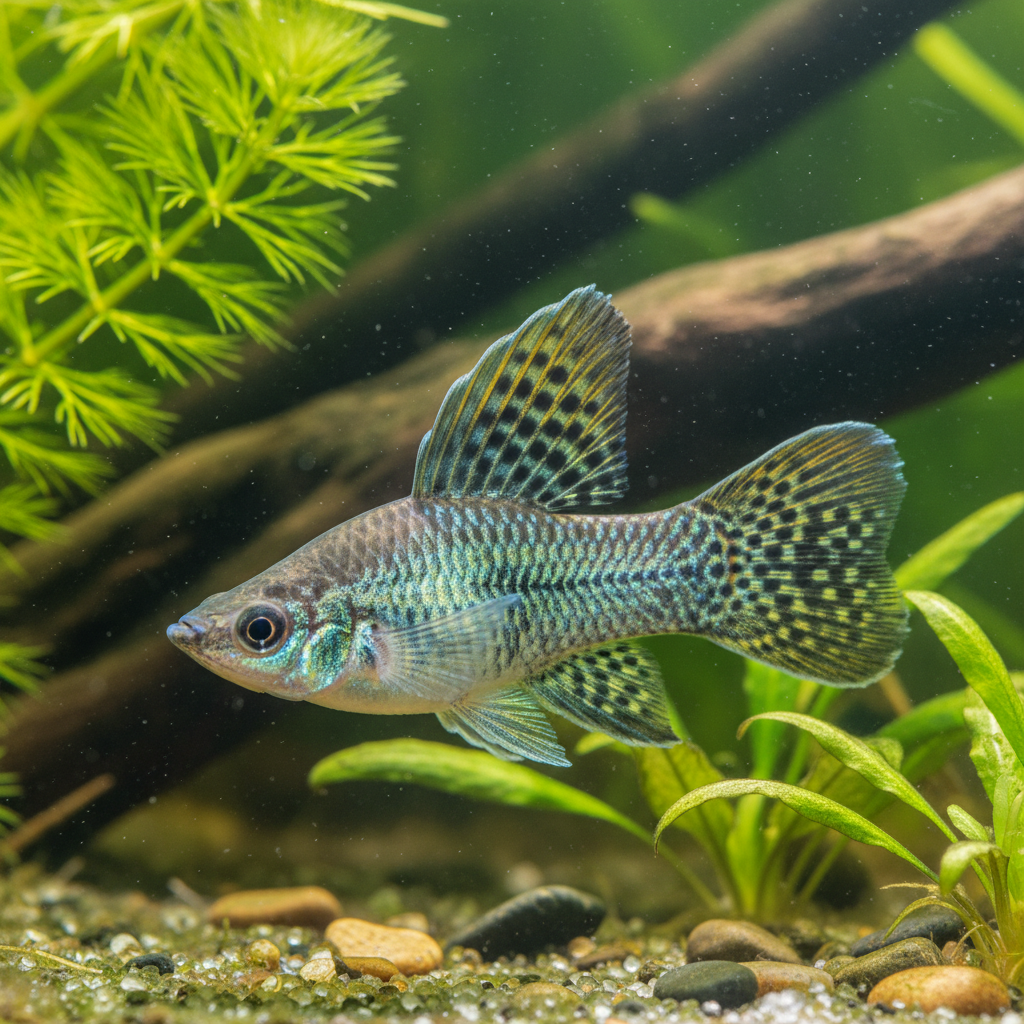
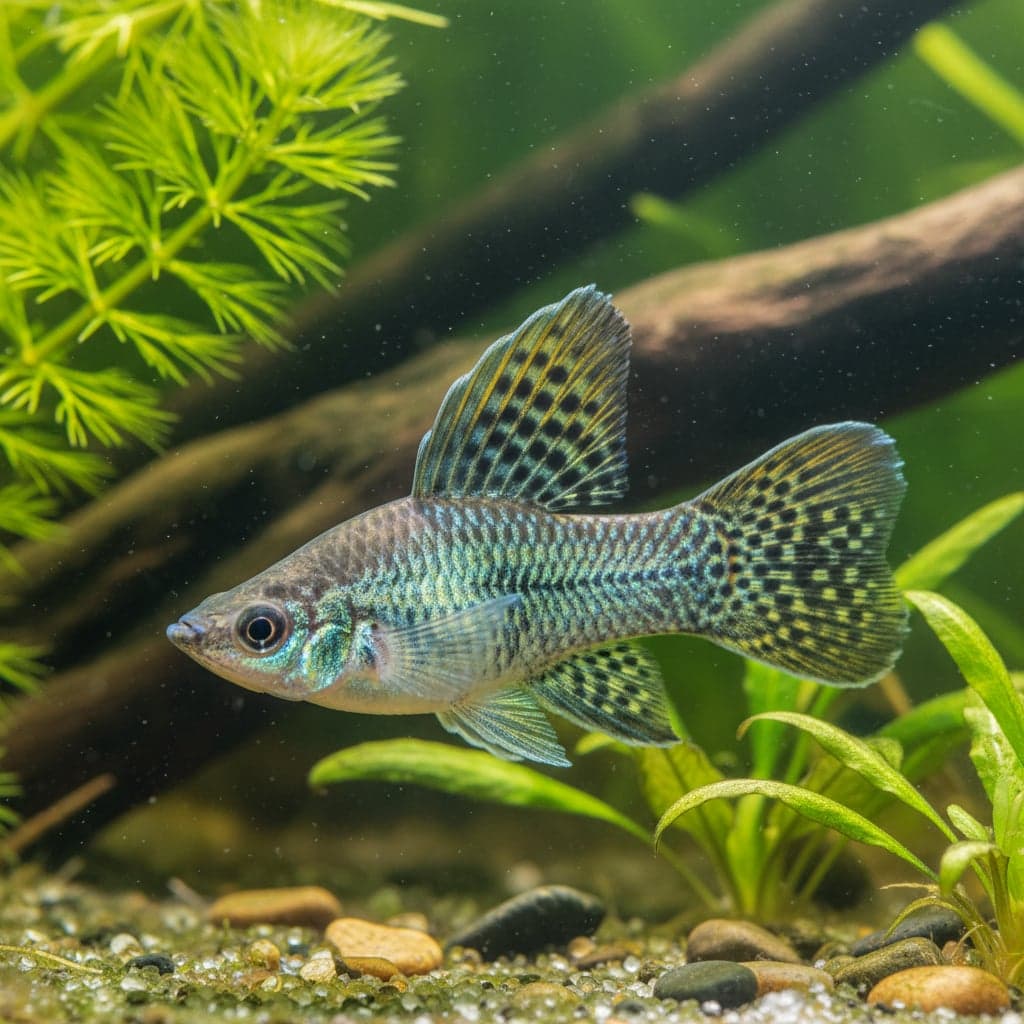
A large, incredibly robust livebearer famous for the male's massive, sail-like dorsal fin that he flares during courtship.
Sailfin Molly
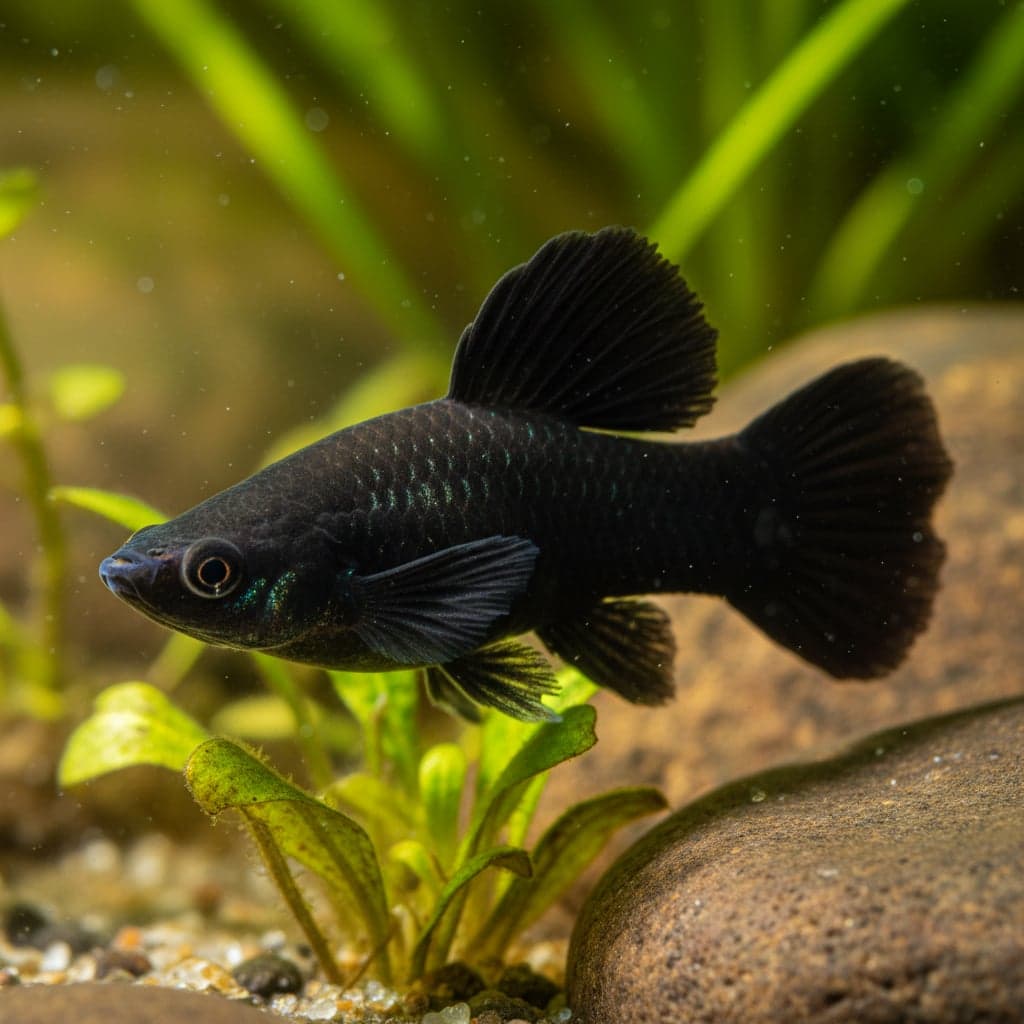
The Sailfin Molly, scientifically known as Poecilia latipinna, is a popular freshwater fish cherished by aquarium enthusiasts around the globe. This species is particularly renowned for its striking dorsal fin, which resembles a sail, giving it its common name. These fish could be found in various colors, including shades of black, white, silver, and orange, often exhibiting a mesmerizing pattern that captivates aquarium admirers. Their dynamic appearance, combined with their active swimming behavior, makes the Sailfin Molly an appealing addition to both community tanks and specialized setups.
In the aquarium hobby, Sailfin Mollies hold a significant position not only for their beauty but also for their adaptability and ease of care. They thrive in a variety of water conditions and demonstrate hardy traits that make them suitable for novice aquarists. Their fascinating behaviors, such as social interaction and breeding displays, further enhance their presence in home aquariums. As a viviparous species, Sailfin Mollies contribute to discussions on fish reproduction, making them an excellent subject for both casual keepers and scholarly pursuits within the aquatic field.
Natural Habitat & Origin
Sailfin Mollies are primarily found along the Gulf Coast of the United States, stretching from Florida to Texas, and they also inhabit parts of Mexico and Central America. They are often located in coastal brackish waters, estuaries, and freshwater environments such as rivers and ponds. As a species that thrives in diverse habitats, Sailfin Mollies have adapted to varying water types, including blackwater and clearwater systems. These environments typically contain abundant vegetation, providing ample hiding spots and breeding grounds while presenting a dynamic ecosystem that sustains a wide array of aquatic life.
In their natural habitat, Sailfin Mollies prefer shallow waters with sandy or muddy substrates, where they can forage for food among the vegetation. The environmental context emphasizes the importance of water quality and plant life, which are crucial for their health and well-being. This adaptability to different water conditions might explain their widespread popularity in home aquariums, where they continue to thrive when provided with appropriate care.
Care Requirements
To provide optimal care for Sailfin Mollies in an aquarium setting, specific water parameters must be maintained. The ideal pH level for their tank should range from 7.0 to 8.5, with a temperature between 72°F and 82°F (22°C to 28°C) and a hardness of 10 to 30 dGH. These resilient fish can tolerate fluctuating conditions, but consistency is key to their health and vitality.
When setting up their tank, a minimum size of 20 gallons is recommended to accommodate their active swimming and schooling behaviors. A substrate of fine gravel or sand is ideal, as it allows them to sift through for food. Additionally, incorporating live plants such as Java Moss, Hornwort, or Anubias and providing moderate lighting will enrich their environment, fostering both shelter and breeding opportunities. A well-oxygenated tank with gentle filtration is essential to maintain water quality.
Diet & Feeding
Sailfin Mollies are classified as omnivores, which means they thrive on a diverse diet that includes both plant-based and protein-rich foods. In captivity, it is essential to provide a balanced diet to ensure their health and vibrant coloration. High-quality flakes or pellets formulated for community fish can serve as a staple food. Additionally, supplementing their diet with frozen or live foods such as brine shrimp, mosquito larvae, and daphnia will enrich their feeding experience and promote robust growth.
Offering a variety of plant materials—such as blanched spinach, zucchini, or algae pellets—can stimulate their digestive systems and encourage natural foraging behavior. Feed them multiple small portions daily to avoid overfeeding, as these fish can be prone to bloating if given excessive quantities at once.
Behavior & Temperament
Sailfin Mollies are known for their active and social behavior, often displaying a peaceful demeanor in community tanks. Generally, they prefer to swim in groups, exhibiting schooling habits that help them feel secure and less stressed. While they are not aggressive, male Sailfin Mollies can occasionally display territorial behaviors, especially during breeding times; thus, it’s suggested to maintain a ratio of one male to multiple females to minimize any potential aggression.
In terms of placement within the aquarium, Sailfin Mollies tend to occupy the middle to upper levels of the tank. They are curious swimmers, frequently darting around the tank and exploring their environment. This behavior not only adds life to the aquarium but also encourages other inhabitants to thrive, resulting in a dynamic and enjoyable aquatic space.
Tank Mates
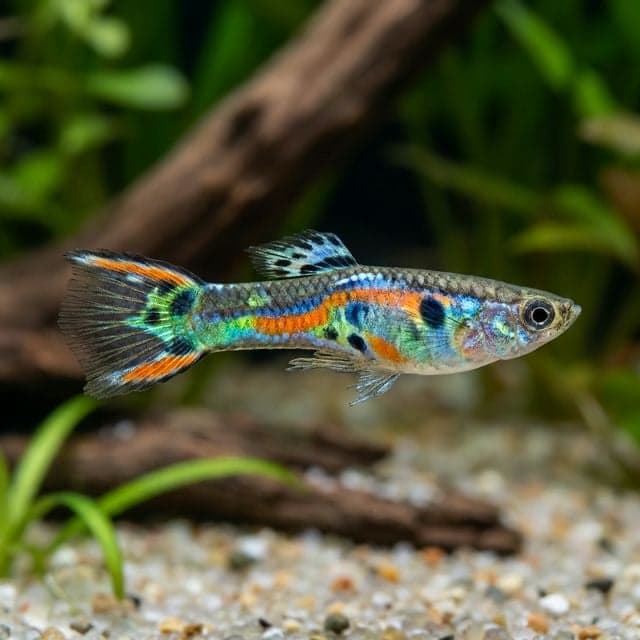
Sailfin Mollies are compatible with a wide range of community fish due to their peaceful nature. Ideal tank mates include other livebearers such as Guppies and Platies, as well as Tetras, Rasboras, and peaceful bottom-dwellers like Corydoras Catfish or Otocinclus. These species can coexist harmoniously and contribute to a vibrant aquarium setting.
However, there are some species to avoid when considering tank mates for Sailfin Mollies. Aggressive fish such as Cichlids, Barbs, or larger carnivorous species can pose a threat and cause stress within the tank, leading to potential conflicts. Additionally, species known for fin-nipping behaviors should be bypassed, as they may target the long fins of Sailfin Mollies. Always ensure proper research and compatibility checks before adding new fish to the aquarium.
Breeding
Breeding Sailfin Mollies in captivity can be an exciting yet rewarding experience. These fish are viviparous, meaning they give live birth rather than lay eggs. To facilitate successful breeding, it is essential to have a dedicated breeding tank with soft, slightly acidic to neutral water conditions, a temperature of around 78°F to 80°F (25°C to 27°C), and ample hiding places for the fry.
During courtship, males display their colorful fins and chase after females. Once a female is ready to breed, she can give birth to 10 to 100 fry after a gestation period of about four to six weeks. Providing dense vegetation such as floating plants or breeding mops in the breeding tank can help protect the young from being eaten by adult fish. After the fry are born, it is important to remove the adults promptly to ensure the safety of the newborns.
Common Health Issues
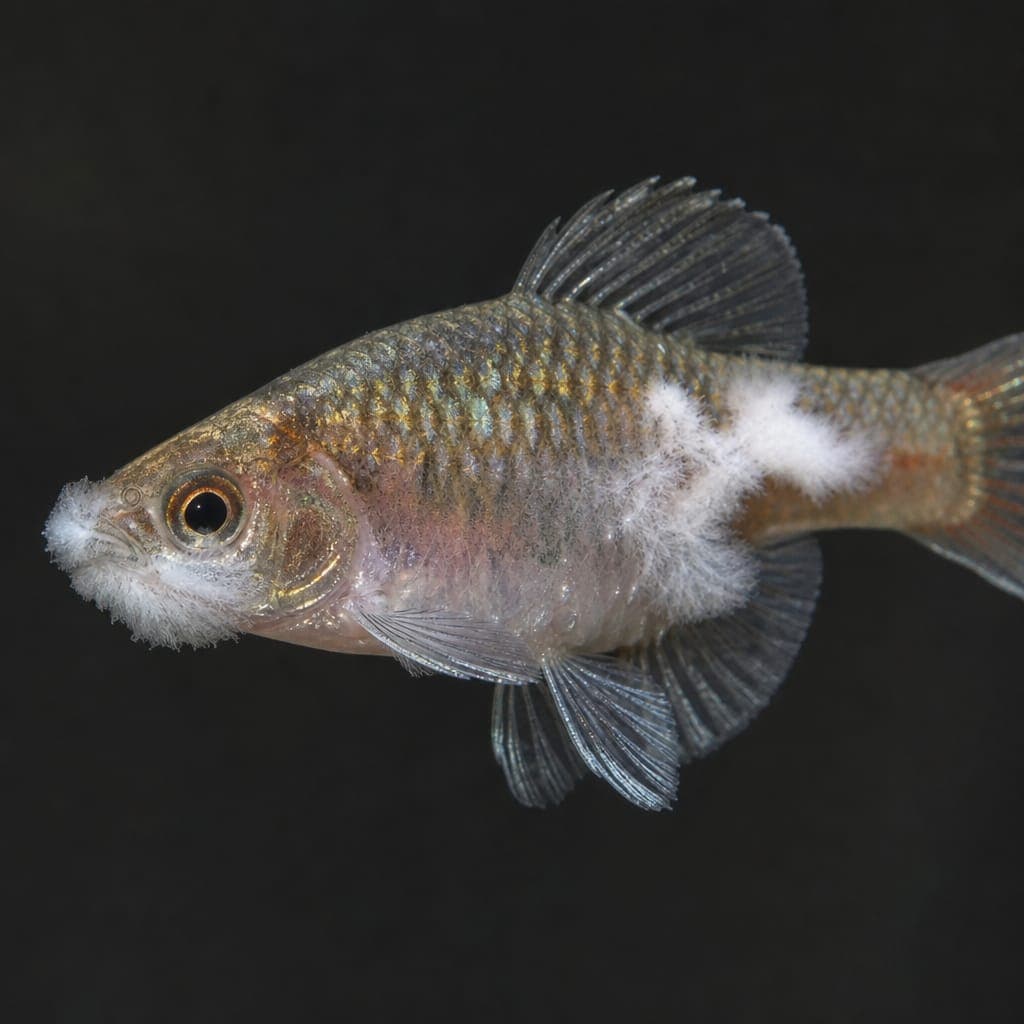
Though generally hardy, Sailfin Mollies can be susceptible to certain health issues. Common diseases include ich (Ichthyophthirius multifiliis), fin rot, and fungal infections. Ensuring a clean and stable environment is crucial in preventing these issues. Regular water testing, appropriate tank maintenance, and a balanced diet can significantly enhance their immunity.
Preventive measures such as quarantine for new arrivals and maintaining proper tank parameters can help reduce the risk of disease within your aquarium. Additionally, providing an environment with minimal stress supports their overall well-being, enabling them to thrive while reducing health complications throughout their lifespan. Regularly monitoring for any signs of distress or illness will allow for prompt intervention if necessary.