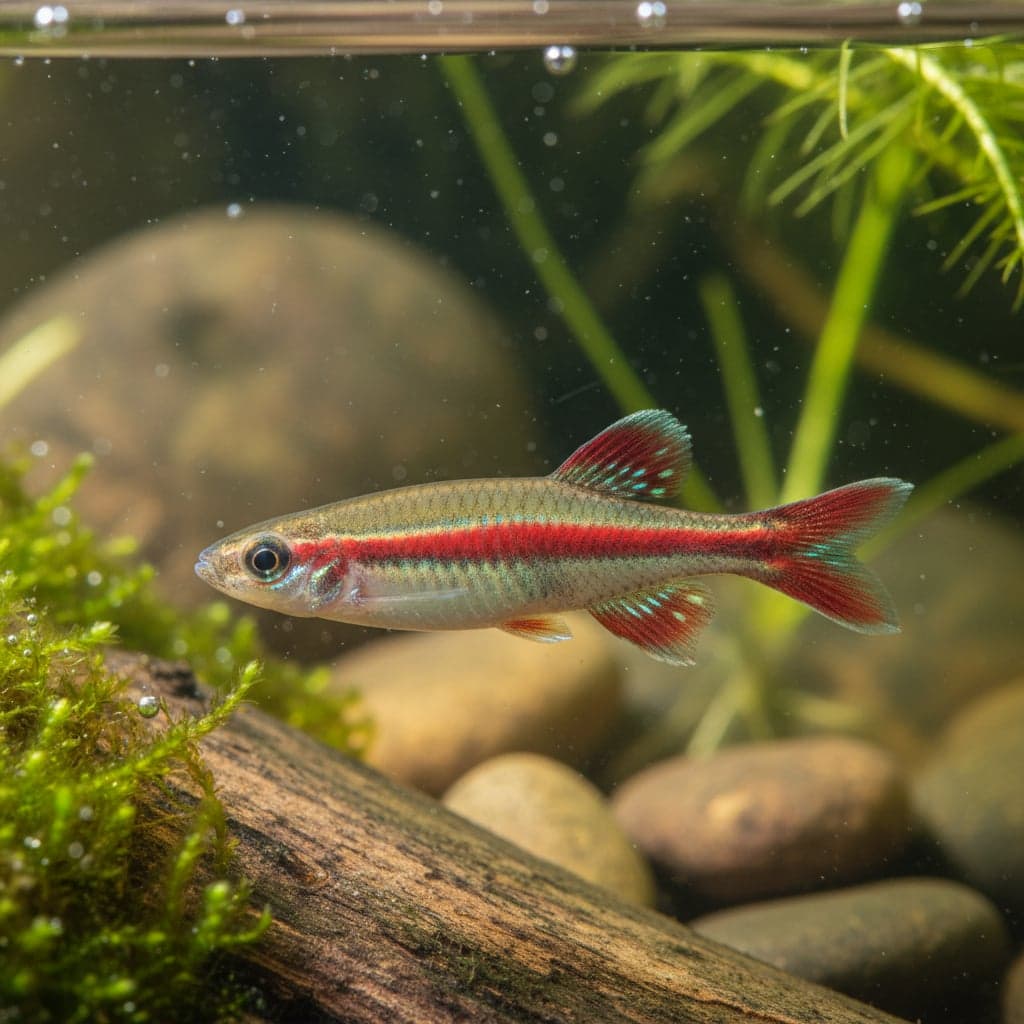
Sailfin Tetra: Crenuchus spilurus
A deeply rare, bizarrely shaped South American micro-predator resembling a tiny cichlid far more than a tetra.

Sailfin Tetra
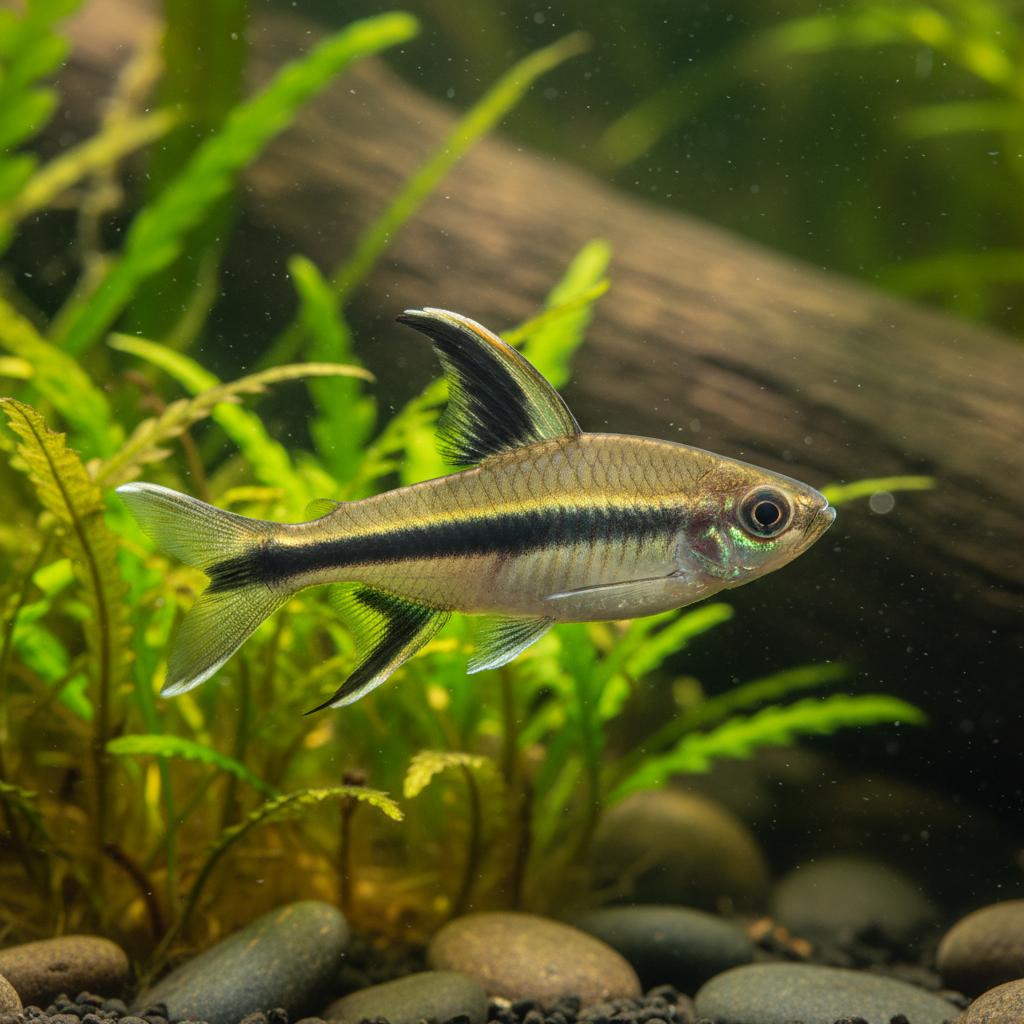
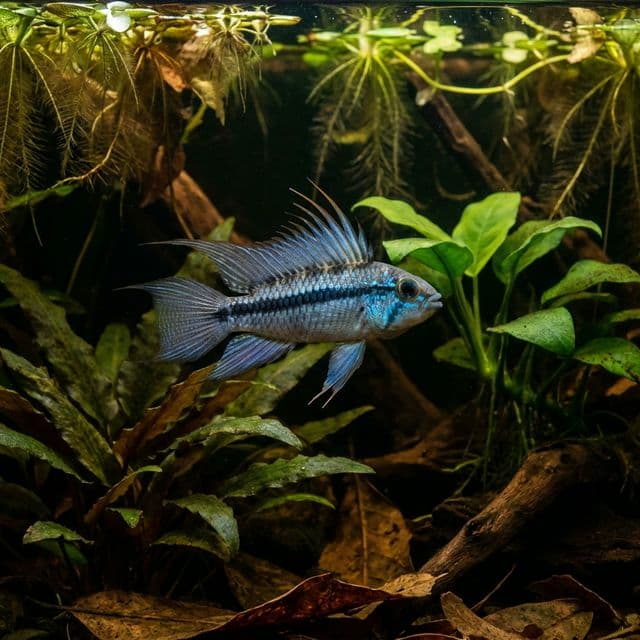
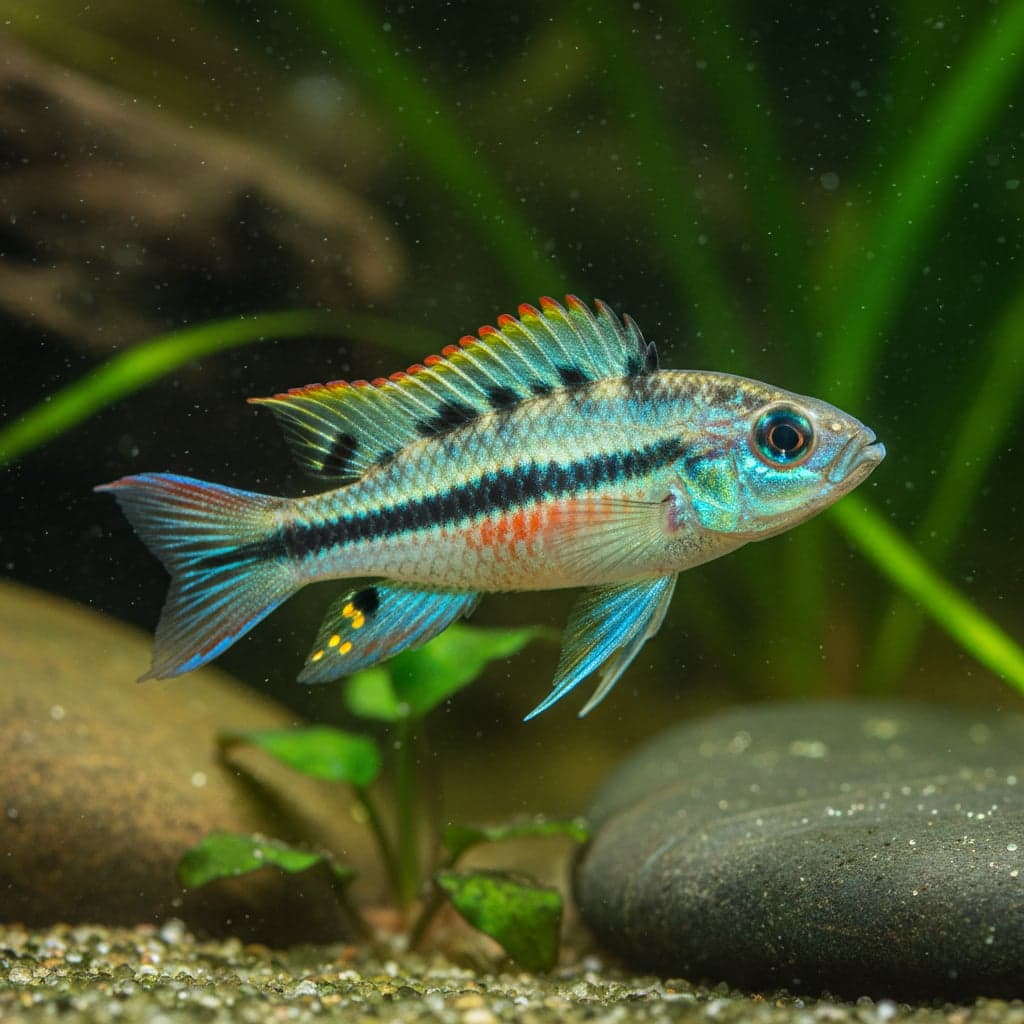
The Sailfin Tetra, scientifically known as Crenuchus spilurus, is a captivating freshwater fish native to South America, primarily found in the blackwater rivers and streams of the Amazon Basin. This species is particularly noted for its striking appearance; the males display elongated dorsal and anal fins that, when fully extended, create a sail-like effect which gives them their common name. The body is generally translucent with a hint of silver-blue, adorned with distinctive horizontal black stripes that run from head to tail. Their overall visual appeal makes them a favorite among aquarists looking to enhance the beauty of their tanks with a unique and dynamic fish.
In the aquarium hobby, Sailfin Tetras are significant due to their peaceful nature and vibrant colors, making them suitable for community tanks. Their social behavior also adds an intriguing dynamic to aquascapes, as they thrive in schools and often exhibit fascinating interactions with one another. Beyond mere aesthetics, Sailfin Tetras contribute to biodiversity within home aquariums and help create a more dynamic ecosystem.
Natural Habitat & Origin
Sailfin Tetras originate from the blackwater rivers and slow-moving streams of the Amazon Basin, primarily in countries like Brazil and Peru. These environments are characterized by their low pH levels, soft water, and high tannin concentration, which imparts a dark coloration to the water. The surrounding landscapes often include dense vegetation and decaying leaf litter, creating a habitat rich in organic material. This combination of factors provides Sailfin Tetras with the necessary conditions to thrive in the wild.
The warm temperatures of their natural habitat typically range from 24°C to 28°C (75°F to 82°F), with low to moderate water hardness. Sailfin Tetras have adapted to these specific environmental conditions, making it crucial for aquarists to replicate them as closely as possible in captivity to ensure the health and well-being of these beautiful fish.
Care Requirements
When caring for Sailfin Tetras, maintaining stable water parameters is critical. The ideal pH level should range from 5.5 to 7.0, with the water temperature set between 24°C to 28°C (75°F to 82°F). Hardness should be kept relatively low, ideally below 10 dGH. To create an optimal environment, a tank size of at least 20 gallons is recommended, providing ample swimming space for a small school of these fish.
For tank setup, a dark substrate mimicking their natural habitat is preferable, along with plenty of hiding spots created by soft, leafy plants like Java fern and Cryptocoryne. Floating plants can also help diffuse light and offer shade. Lighting should be moderate to low, allowing the fish to feel secure and less stressed in their environment. Proper filtration is essential, as Sailfin Tetras prefer clean, well-oxygenated water.
Diet & Feeding
Sailfin Tetras are omnivorous, thriving on a varied diet to ensure their health and vitality. In captivity, they can be fed high-quality flake food, small pellets, and live or frozen foods such as brine shrimp, daphnia, and mosquito larvae. Offering a range of food types helps to replicate their natural diet and maintain their vibrancy. It's advisable to feed them small amounts two to three times a day to prevent overfeeding and maintain water quality.
An ideal diet should be balanced with both plant and protein-based options, as this diversity is essential for their long-term health. Supplementing their diet with finely chopped vegetables or algae-based foods can enhance their dietary intake and keep them robust.
Behavior & Temperament
Sailfin Tetras are known for their peaceful demeanor and social behavior, making them excellent candidates for community tanks. They are schooling fish and should be kept in groups of at least six individuals to reduce stress and encourage natural behavior. Within a school, they often exhibit playful swimming patterns and engage in gentle interactions, contributing to an active and lively tank atmosphere.
These fish primarily occupy the middle to upper levels of the water column, showcasing their elegant fins and agile movements. Despite their playful nature, Sailfin Tetras are non-aggressive and unlikely to exhibit territorial behavior, making them compatible with a wide variety of tank mates.
Tank Mates
When selecting tank mates for Sailfin Tetras, it’s important to choose species that share similar water requirements and behavioral traits. Compatible companions include small to medium-sized peaceful species such as Neon Tetras, Rasboras, Corydoras Catfish, and dwarf Gouramis. These fish not only coexist harmoniously but also enhance the visual appeal of the tank.
Conversely, it is advisable to avoid keeping Sailfin Tetras with larger, aggressive species such as Cichlids or any fin-nipping fish like certain Barbs and Angelfish, as the latter may stress or injure them. Keeping a well-balanced community tank will ensure a tranquil environment for all inhabitants.
Breeding
Breeding Sailfin Tetras in captivity can be a rewarding challenge, although it requires specific conditions to be successful. The first step is to create a separate breeding tank with soft, acidic water (pH between 5.5-6.5) and a temperature around 26°C to 28°C (78°F to 82°F). Floating plants or spawning mops can be included to provide suitable places for females to lay eggs.
During spawning, males chase females, displaying their colorful fins and engaging in elaborate courtship behaviors. After successfully spawning, the eggs, which are adhesive, will stick to the plants or substrate. For best results, it's crucial to remove the parents after spawning to prevent them from eating their eggs. The eggs typically hatch in about 24-36 hours, and the fry can be fed infusoria or finely crushed flakes as they grow.
Common Health Issues
While Sailfin Tetras are generally hardy fish, they may be prone to certain diseases, particularly if their living conditions are not optimal. Common ailments include Ich (white spot disease), fin rot, and bacterial infections. Maintaining stable water parameters, providing a balanced diet, and ensuring proper tank hygiene are effective preventive measures.
Regular water changes and tank maintenance are essential to avoid disease outbreaks. It's also beneficial to quarantine new arrivals before introducing them to a main tank, which can help prevent the spread of pathogens. Monitoring fish behavior and maintaining an environment that mimics their natural habitat will significantly contribute to their health and longevity.