Saulosi: Chindongo saulosi
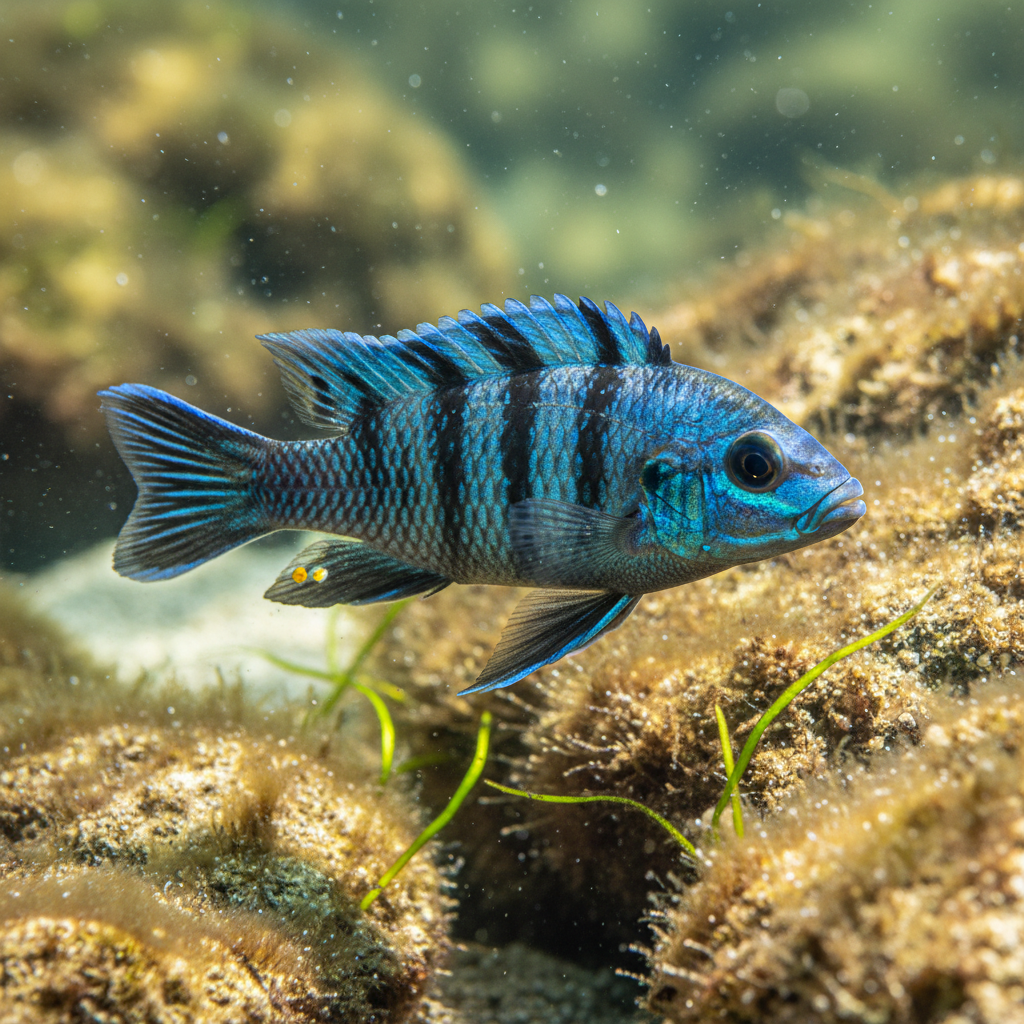
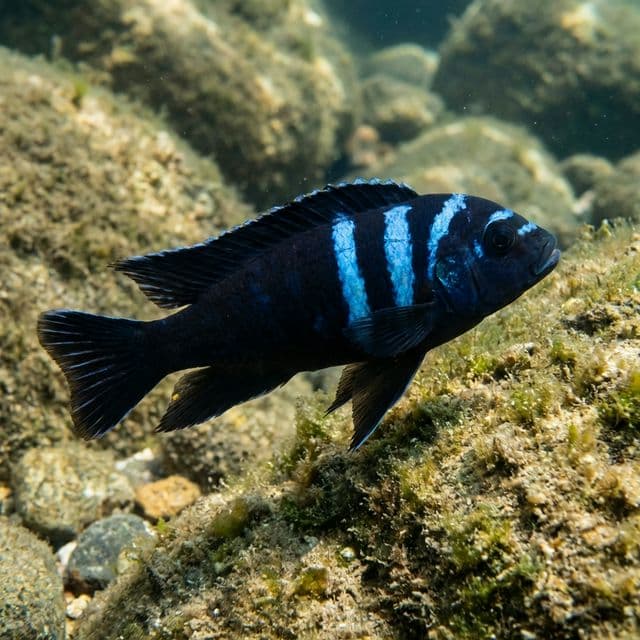
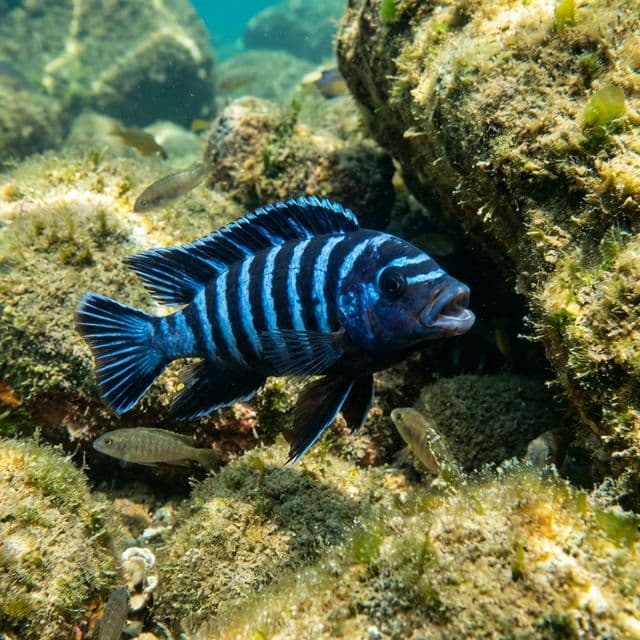
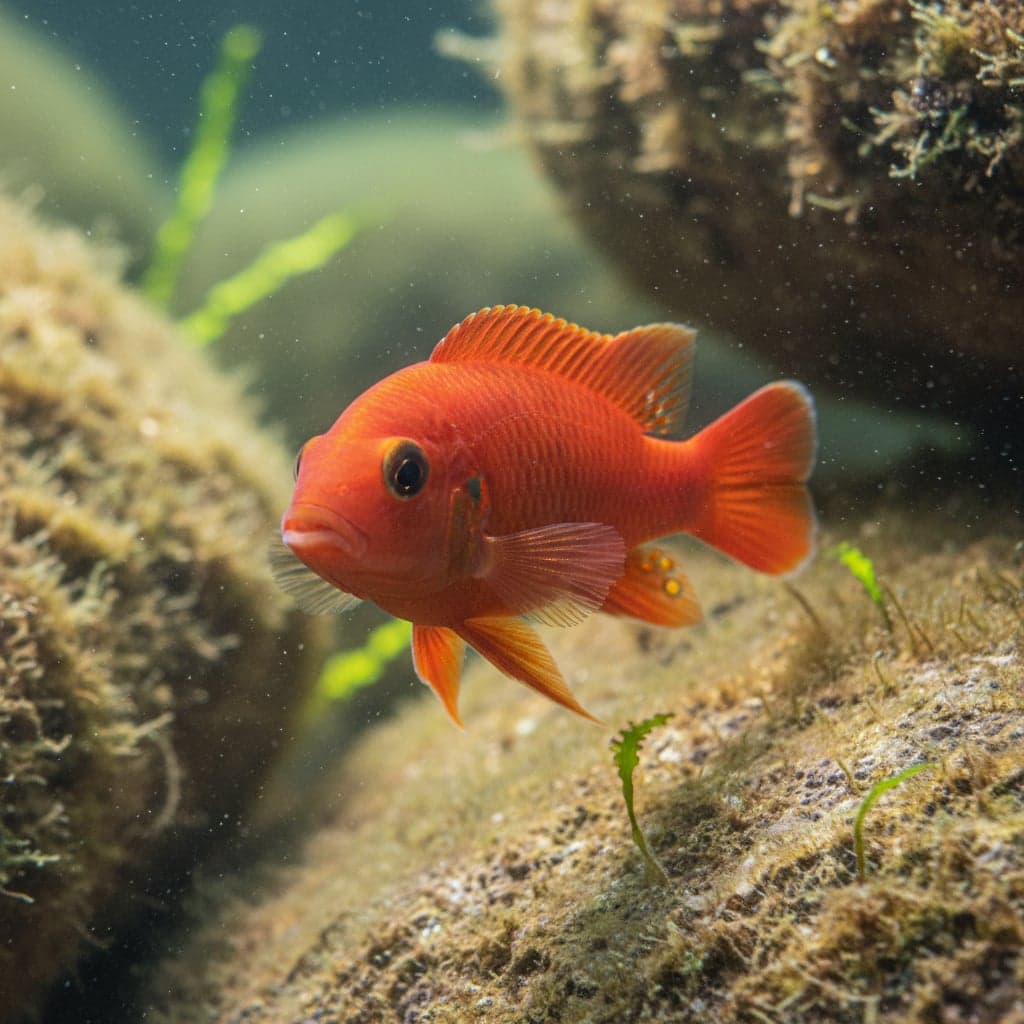
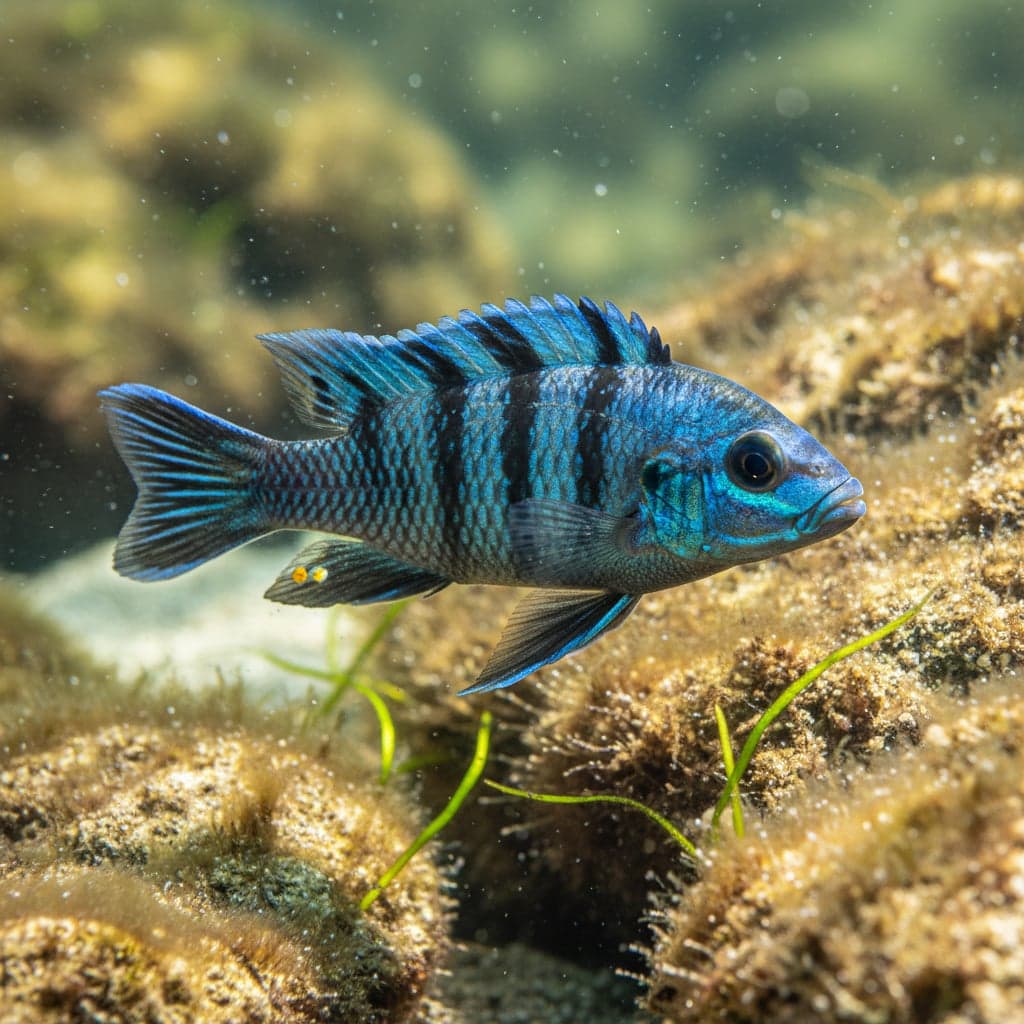
A deeply spectacular dwarf Mbuna cichlid completely defined by drastic sexual dimorphism: males are blue-black, females are solid yellow.
Saulosi
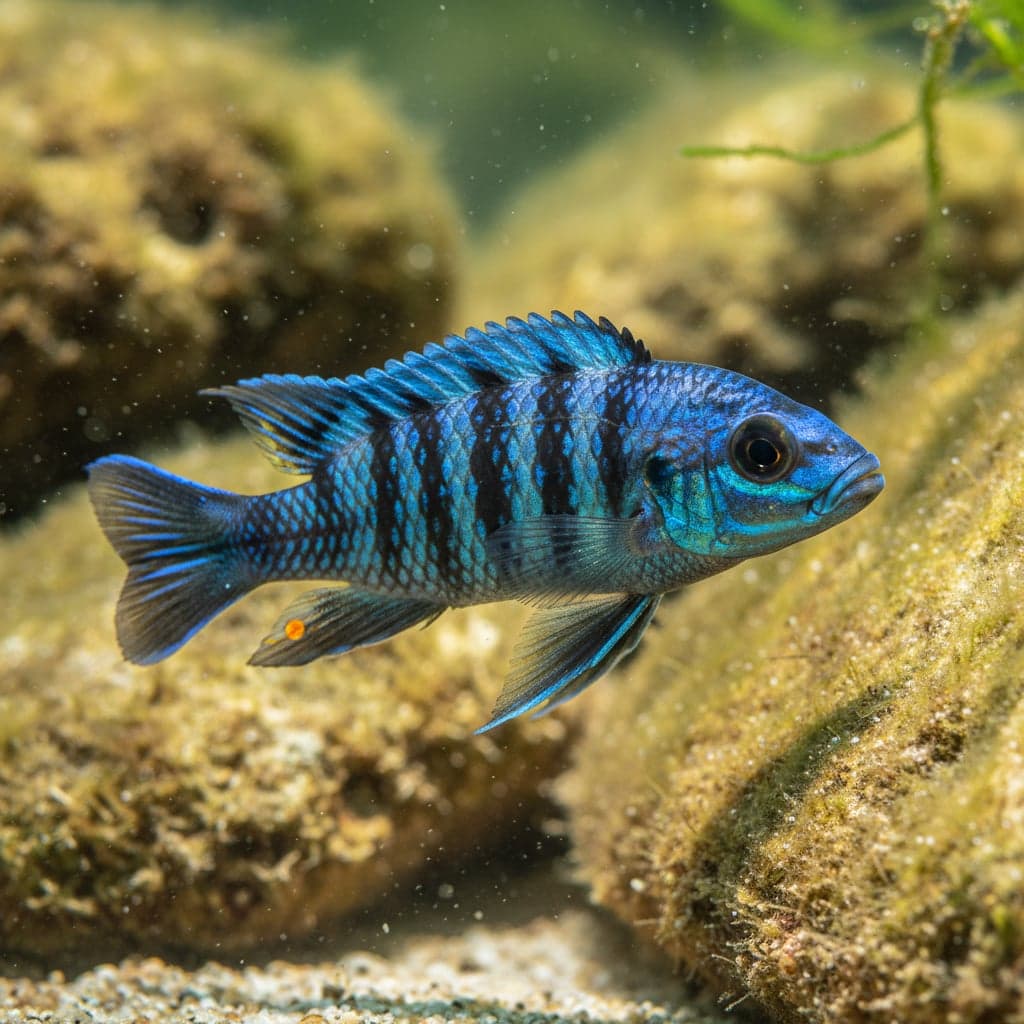
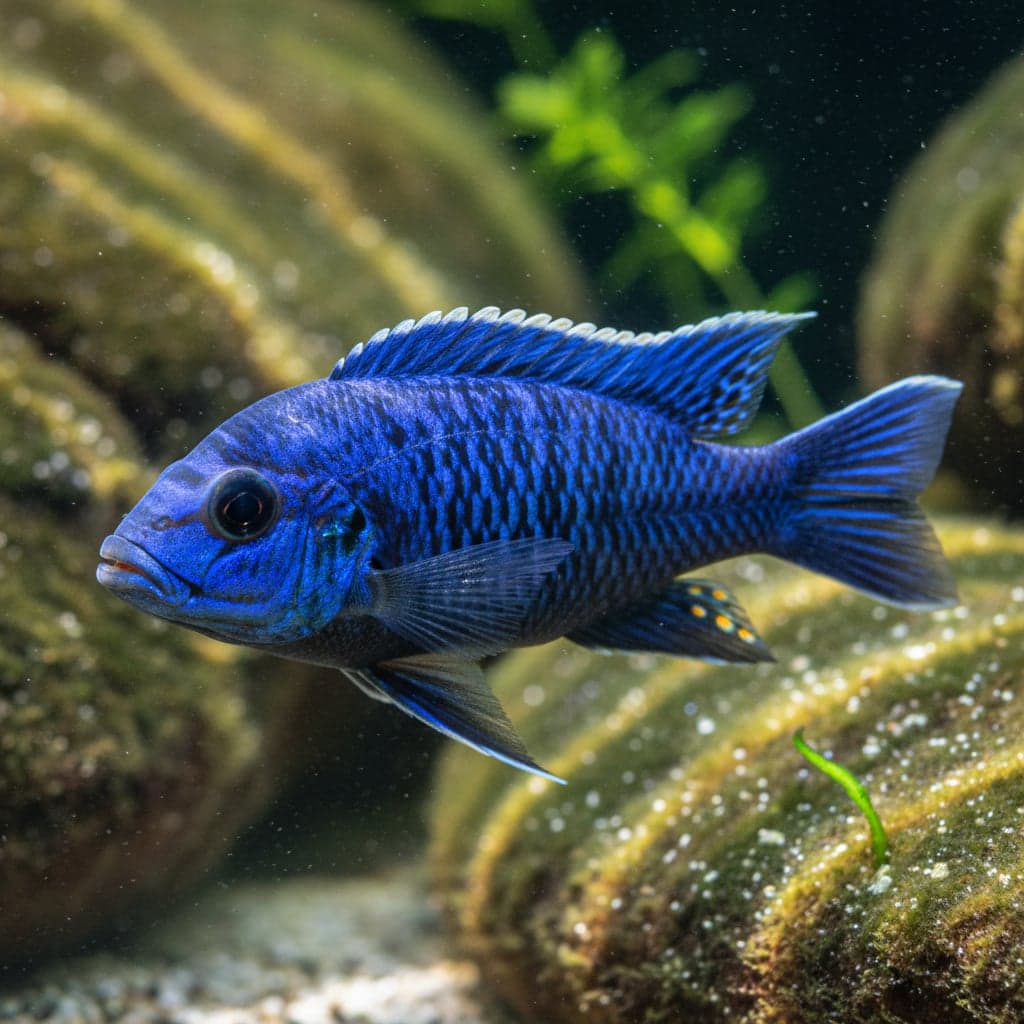
The Saulosi (Chindongo saulosi) is a captivating species of African cichlid that captures the attention of both novice and experienced aquarists alike. Native to the rocky shorelines of Lake Malawi in East Africa, this species stands out for its striking coloration and unique behavioral traits. Males are typically adorned in vibrant blue hues with bright yellow accents on their fins, while females are more subdued, showcasing a lovely yellow base that helps them blend into their environment, especially during breeding. This visual contrast not only enhances the aesthetic appeal of any aquarium but also serves a significant role in their social structure during mating rituals.
In the aquarium hobby, Saulosi are particularly valued for their engaging personalities and relatively manageable care requirements. They exhibit a fascinating array of social interactions, which make observing them a rewarding experience. Additionally, their hardiness and resilience to various environmental conditions contribute to their popularity among aquarists. The beauty and character of the Saulosi make it a striking centerpiece fish, deserving of a place in any well-maintained cichlid aquarium.
Natural Habitat & Origin
Saulosi is endemic to Lake Malawi, the third-largest lake in Africa and one of the most biodiverse freshwater ecosystems in the world. This region is characterized by its rocky substrates and plethora of aquatic plant life, providing essential shelter and breeding grounds for numerous fish species. The waters around these rocky areas are typically clear and well-oxygenated, exhibiting a neutral pH level, making it an ideal habitat for the Saulosi. In its natural environment, the Saulosi thrives in water temperatures ranging from 24°C to 28°C (75°F to 82°F), which is crucial for maintaining its health and vitality when kept in captivity.
The ecological context of the Saulosi is particularly interesting, as it often shares its habitat with other cichlid species, which can lead to complex social interactions. Such dynamics include territorial displays and breeding partnerships amidst a backdrop of diverse flora and fauna. Understanding the natural environment of the Saulosi aids aquarists in replicating the necessary conditions for them to flourish in a home aquarium.
Care Requirements
To provide optimal care for the Saulosi, it is essential to maintain specific water parameters. The preferred pH range for this species is between 7.5 and 8.5, with a temperature between 24°C and 28°C (75°F to 82°F) for ideal health. The water hardness should be moderate to high, ideally between 10 to 20 dGH, to mimic their natural habitats in Lake Malawi.
When designing the tank setup, a minimum tank size of 75 gallons (approximately 284 liters) is recommended to accommodate the swimming behavior and territorial nature of the Saulosi. The substrate should consist of sand or smooth gravel to prevent injury to their delicate undersides. Incorporating plenty of rocky structures, caves, and hiding spots will not only provide security but also promote natural behaviors. Moderate lighting is suitable, as it enhances the natural colors of the fish while allowing for the growth of low to medium-light aquatic plants, which can further benefit their environment.
Diet & Feeding
The Saulosi is primarily an omnivore, thriving on a varied diet that includes both plant and animal matter. In captivity, it is crucial to provide a balanced diet that encompasses high-quality cichlid flakes, pellets, and occasional frozen or freeze-dried foods. Some acceptable options for protein sources include brine shrimp, bloodworms, and daphnia, while spirulina-based foods can serve as an excellent source of plant matter, promoting overall health and coloration.
Offering a diverse range of foods not only ensures nutritional balance but also stimulates natural foraging behaviors. It is fundamental to feed them small portions 2-3 times per day, allowing for quick consumption to minimize waste and maintain water quality in the aquarium.
Behavior & Temperament
Saulosi is known for its engaging behavior and distinct social structure. They exhibit a semi-aggressive temperament, particularly in males who establish territories during breeding seasons. The males engage in intricate displays of dominance, showcasing their vibrant colors to attract females and ward off rival males. While they are generally not schooling fish, keeping them in a group setting—ideally with a ratio of one male to multiple females—can reduce aggression and make for a more harmonious environment.
In terms of vertical placement, Saulosi are predominantly mid to bottom dwellers. They often use rocky structures for shelter and nesting, spending significant time hiding and exploring their environment. It is important to provide enough space and hiding spots to minimize territorial disputes and enhance their overall well-being.
Tank Mates
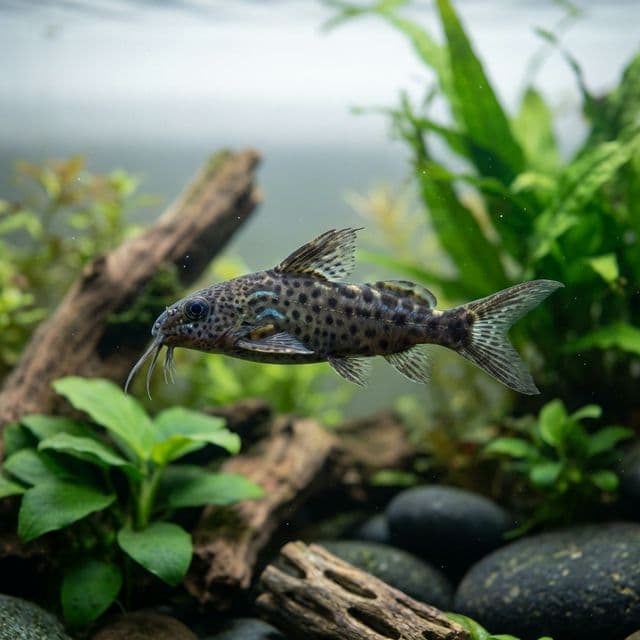
When selecting tank mates for Saulosi, it is crucial to choose species that can coexist peacefully while complementing their territorial nature. Compatible tank mates include other African cichlids such as the Yellow Lab (Labidochromis caeruleus), Pseudotropheus species, and the Aulonocara group, as they share similar water parameters and temperaments. Additionally, larger tetras or peaceful bottom-dwelling species, like Corydoras catfish, can also be potential companions.
However, certain species should be avoided, including more aggressive cichlids such as the Mbuna and various larger cichlid species, which could threaten the Saulosi's well-being. It is essential to ensure that all fish in the aquarium have ample space and cover to help manage territorial behaviors and reduce stress.
Breeding
Breeding Saulosi in captivity can be a rewarding experience for aquarists. This species is mouthbrooding, meaning females will incubate fertilized eggs in their mouths until they hatch. To encourage breeding, the ideal conditions include providing a breeding setting with a sandy substrate and plenty of hiding spots, particularly around rocky structures.
Once a male has attracted a female, the breeding ritual involves the male displaying his vibrant colors and performing a series of courtship dances. After successful mating, the female will lay eggs (typically between 10 and 40) and subsequently collect them in her mouth. It is vital to isolate the female once she has collected her eggs in order to reduce stress and protect her from aggressive males. The fry will hatch in about 3 weeks, and providing fine food such as powdered spirulina or baby brine shrimp will help support their growth.
Common Health Issues
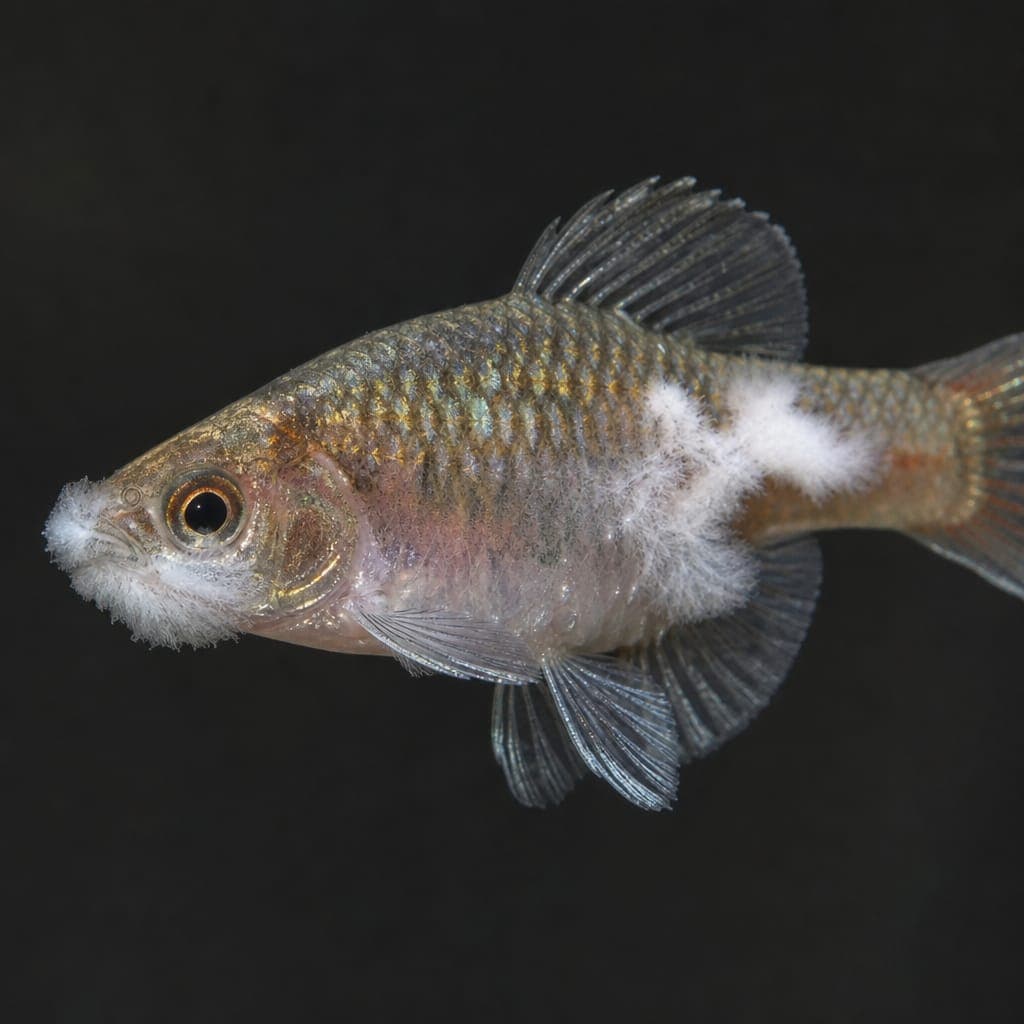
Like other aquarium fish, Saulosi can be prone to several health issues, predominantly when kept in suboptimal conditions. Common diseases include ich (white spot disease), fin rot, and various forms of bacterial and fungal infections.
To prevent such ailments, maintaining pristine water quality through regular water changes, monitoring water parameters, and ensuring a well-balanced diet is crucial. Quarantining new fish before introducing them to the main tank can also minimize the risk of introducing pathogens. Additionally, keeping a close eye on their behavior and physical condition will enable early detection of health problems, allowing for timely intervention and treatment.