Scooter Blenny
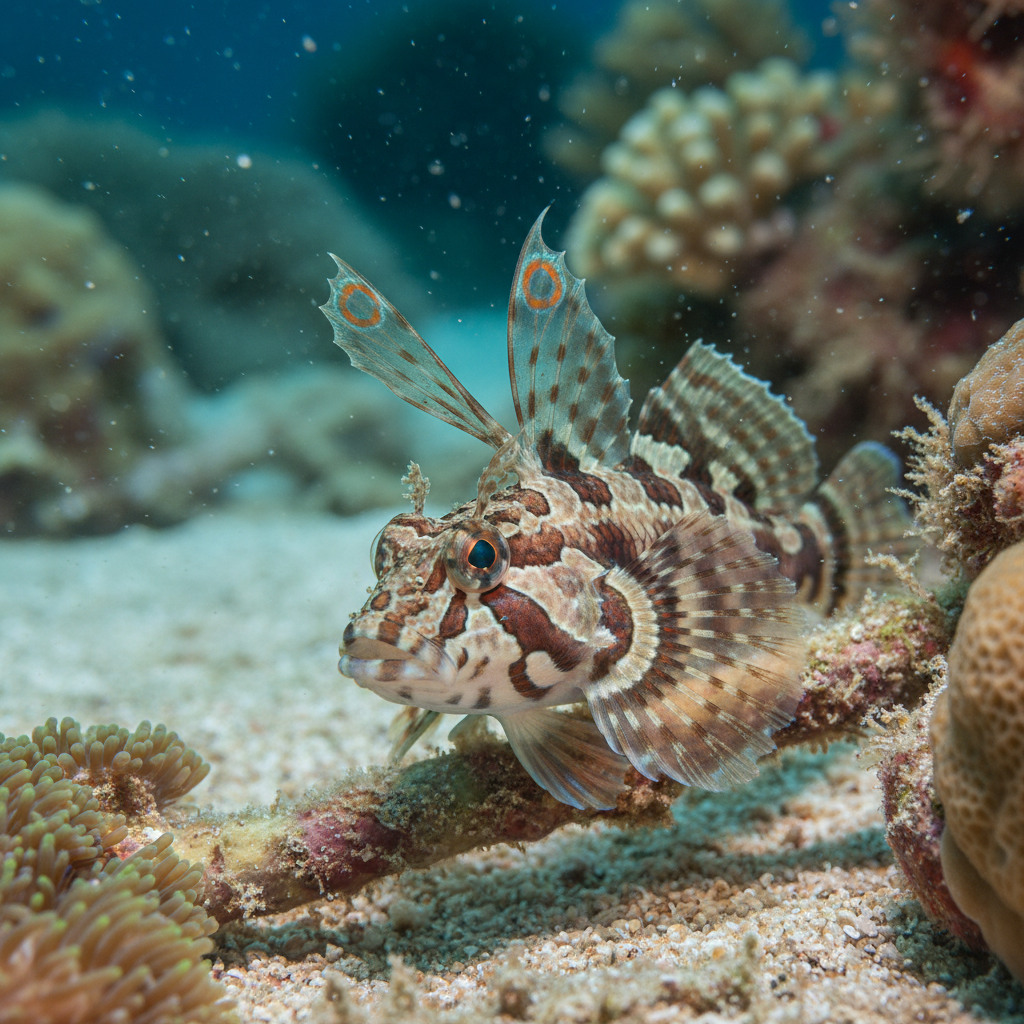
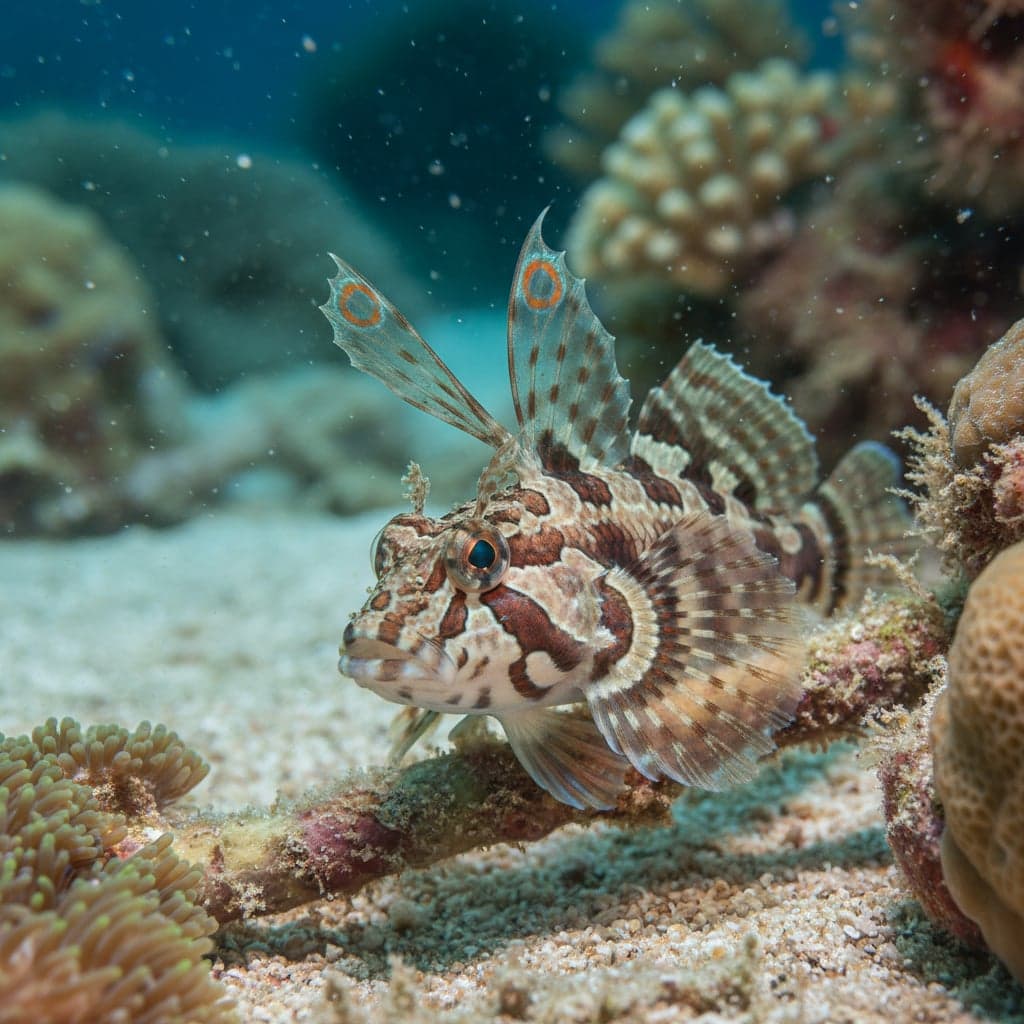
A 9cm dragonet, not a blenny, that hunts live copepods across the sand. Needs a mature tank with a real pod population or it starves.
Scooter Blenny
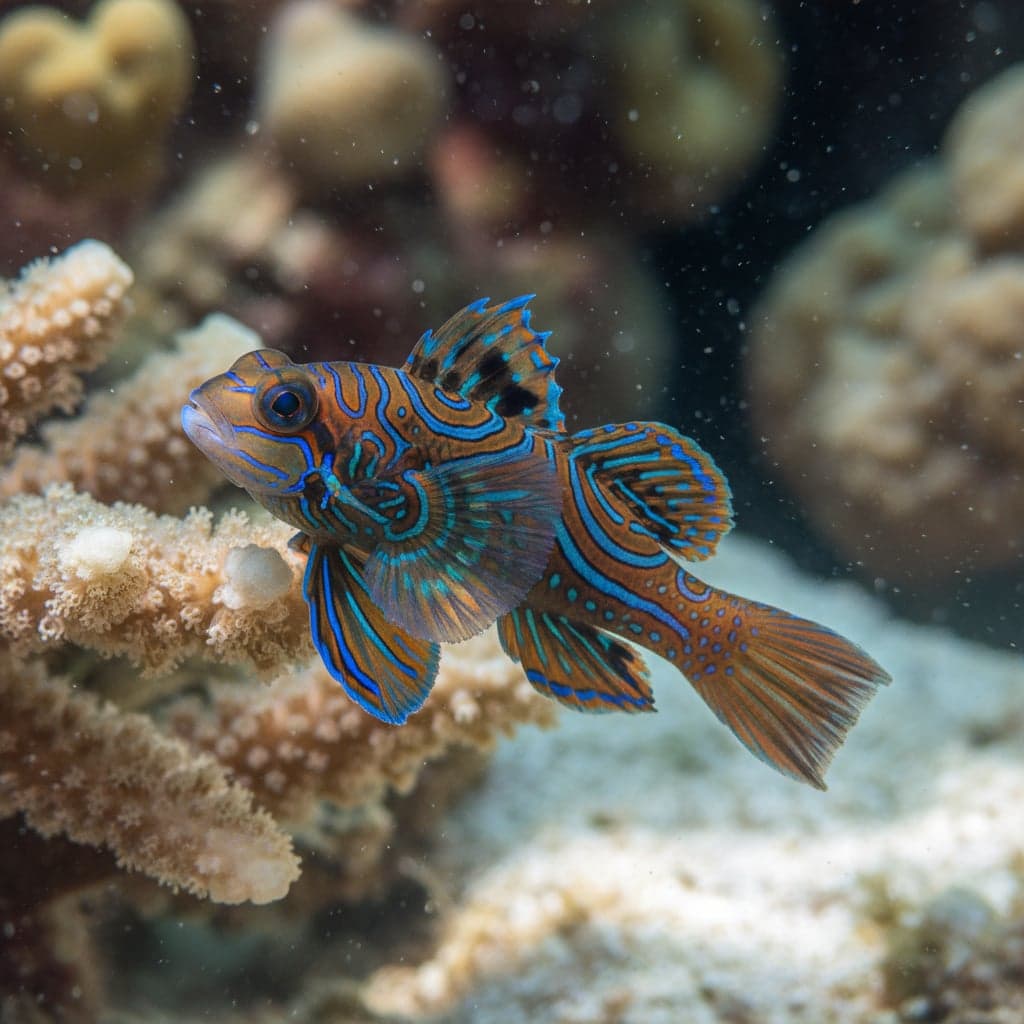
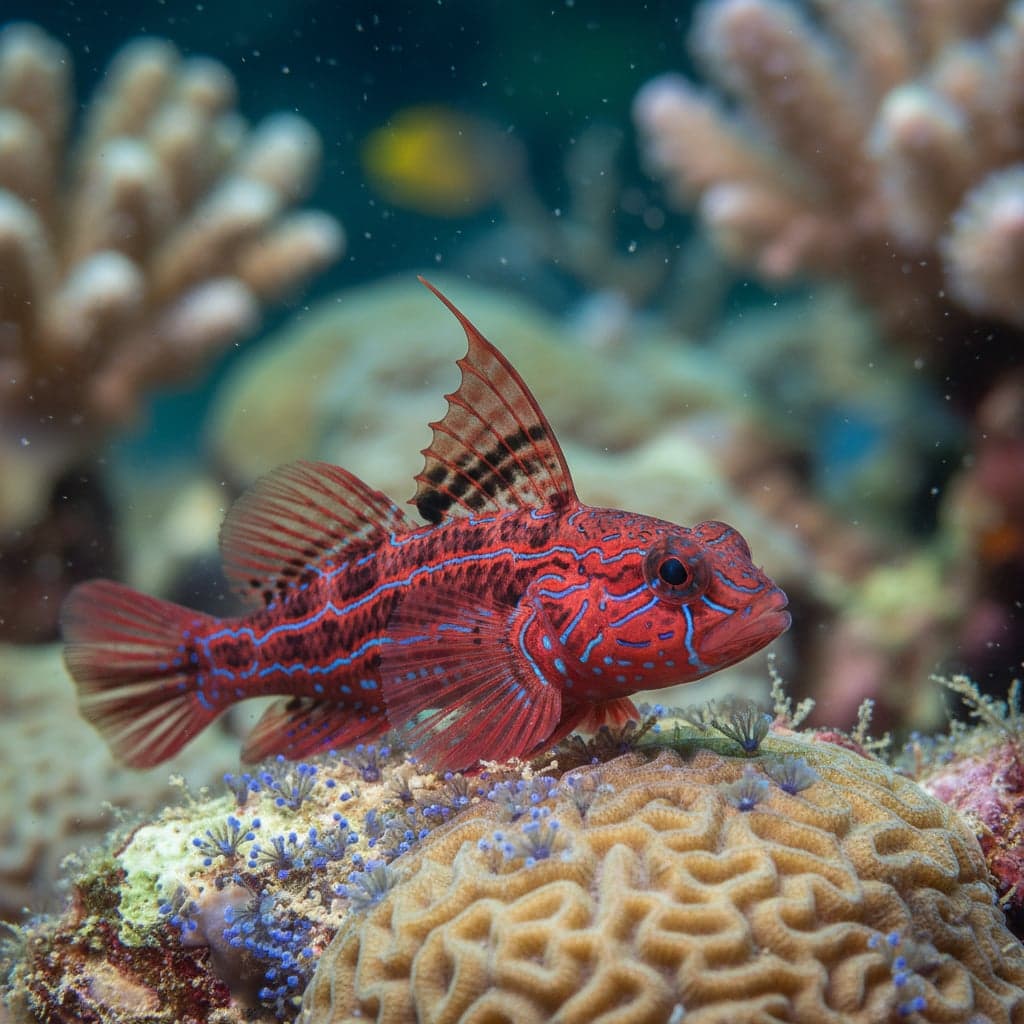
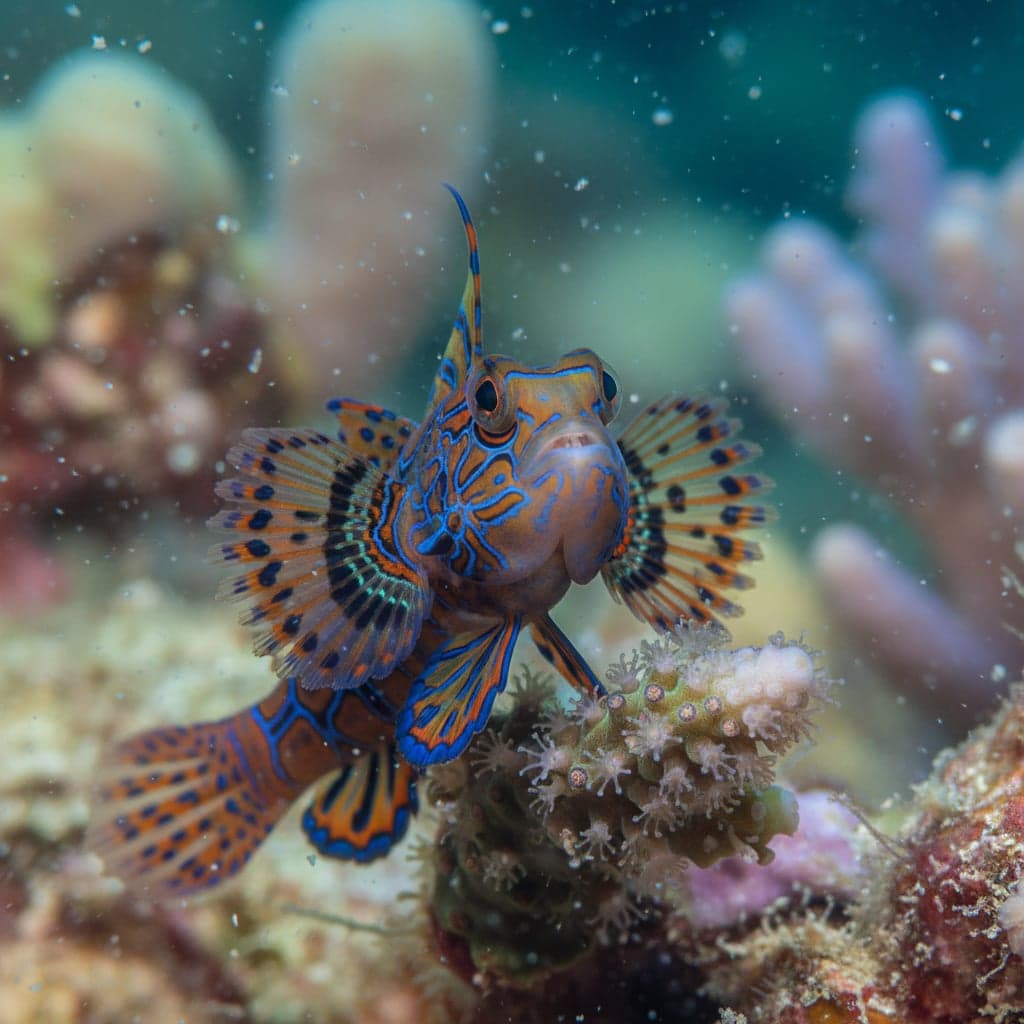
The Scooter Blenny (synonymous with Synchiropus ocellatus) is a fascinating and visually striking species with an almost draconic appearance that captivates aquarists around the globe. It is celebrated for its stunning coloration, which ranges from bright orange to vibrant blue and green, often adorned with numerous intricate patterns. These unique hues not only make them a choice addition to a marine aquarium but also enhance their appeal as a centerpiece fish that sparks interest and admiration. Beyond their aesthetic qualities, Scooter Blennies are significant in the aquarium hobby for their voracious appetite for copepods and other microfauna, serving as beneficial custodians of tank health by controlling algal growth and promoting biodiversity.
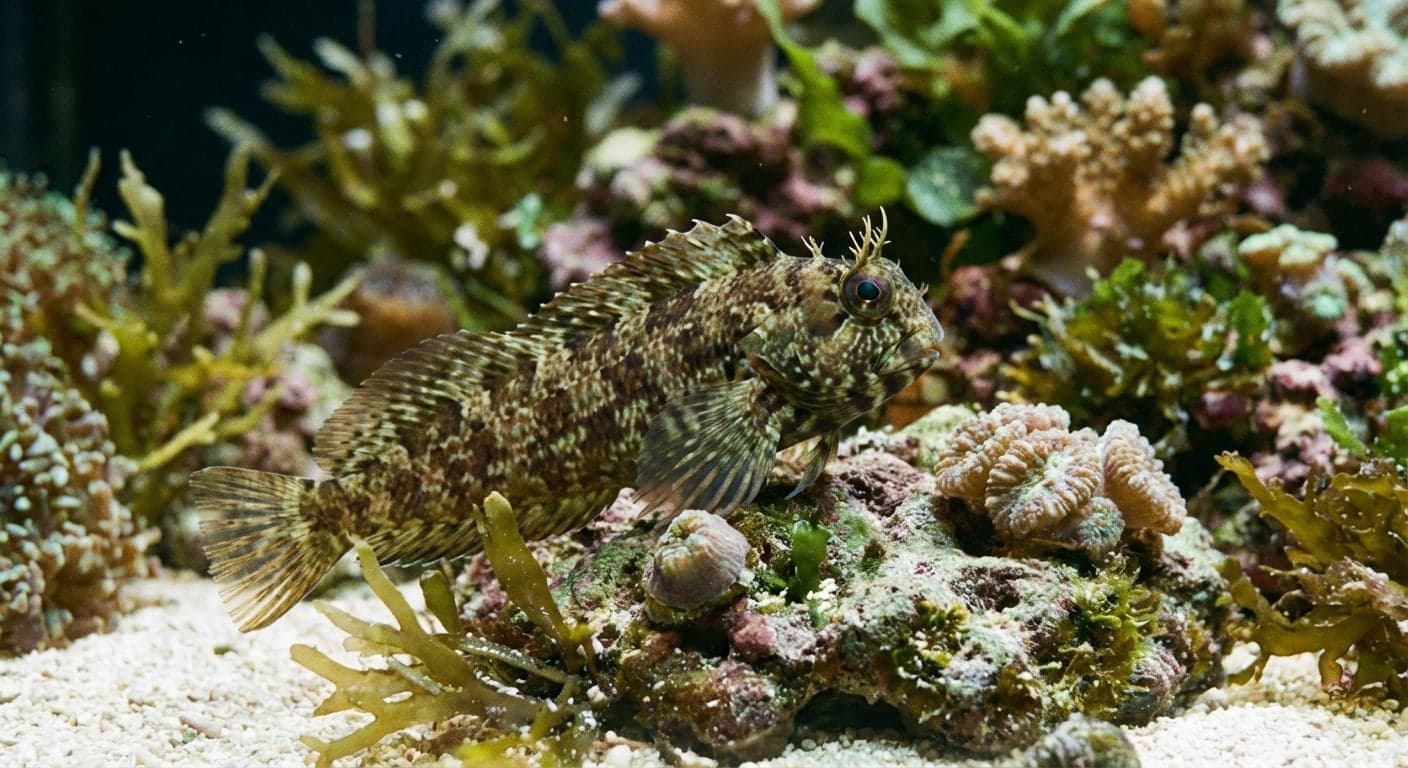
Within the aquarium community, the Scooter Blenny has gained a reputation for its charismatic behavior and adaptability. These small, bottom-dwelling fish exhibit a charming waddle, using their pectoral fins for movement, which endears them to fish enthusiasts. Their engaging antics and unique feeding habits, wherein they scour the substrate for food, elevate their status as one of the more interesting species to observe in a home aquarium. Their congenial nature and tendency to thrive in a well-maintained environment further ensure that they remain a sought-after species among marine aquarists.
Natural Habitat & Origin
The Scooter Blenny is native to the warm waters of the Indo-Pacific region, primarily inhabiting coral reefs and lagoons. Its geographical range includes notable locales like the Great Barrier Reef, the Philippines, and various islands across the Pacific Ocean. These fish are typically found in shallow waters, often in sandy or rubble substrates near live rock where they can forage for food. The natural habitat of the Scooter Blenny features a complexity of ecological niches, with plenty of hiding spots and microhabitats facilitating their foraging behaviors.
In the wild, Scooter Blennies prefer environments characterized by clear, warm waters with temperatures typically ranging from 24°C to 28°C (75°F to 82°F). They thrive in slightly alkaline conditions, with a pH between 7.8 and 8.4, and are accustomed to a moderate level of salinity found in coral reef ecosystems. The presence of natural cues, such as vegetation and rock formations, plays a significant role in their environmental context, shaping their feeding and social behaviors.
Care Requirements
To successfully care for a Scooter Blenny in captivity, specific water parameters must be maintained. The ideal temperature ranges from 24°C to 28°C (75°F to 82°F), with a stable pH level between 7.8 and 8.4. Hardness should be within the range of 8 to 12 dGH, promoting a healthy environment suitable for their needs. When it comes to tank setup, a minimum aquarium size of 120 litres (30 gallons) is recommended: this 9cm Synchiropus ocellatus is a dragonet, not a true blenny, and a mature copepod-fed tank is the real constraint, not raw volume alone.
Aquascaping should incorporate fine substrate, such as sand or fine gravel, allowing the Scooter Blenny to sift through the substrate effectively. The introduction of live rock and caves creates hiding spots, facilitating the fish's natural behaviors and comfort. As for lighting, moderate levels are suitable; however, it’s essential to avoid intense, direct lighting that may stress the fish. Including live plants or macroalgae in your aquarium can mimic their natural habitat, enhance water quality, and provide additional grazing opportunities.
Diet & Feeding
The Scooter Blenny is an omnivorous species that primarily feeds on small invertebrates found within its natural environment. Its diet consists of a variety of copepods, amphipods, and other minute organisms. In captivity, it is crucial to replicate this diverse diet to ensure a healthy and thriving fish. While they can be trained to accept high-quality sinking pellets and flakes, their primary diet should include live or frozen foods like brine shrimp, Mysis shrimp, and copepods.
To keep your Scooter Blenny healthy, it's recommended to feed it small meals multiple times a day, rather than one large feeding. This method encourages foraging behaviors, similar to what they would exhibit in the wild, and reduces stress caused by competition for food. Additionally, supplementing with marine algae can be beneficial, as it mimics their natural grazing habits and promotes overall health.
Behavior & Temperament
Scooter Blennies are generally peaceful, social creatures that thrive in community settings. They exhibit a unique form of locomotion, often seen waddling along the substrate, which adds to their endearing persona. In terms of social behavior, Scooter Blennies are not strictly schooling fish but do best in pairs or small groups, given enough space. While they are mostly non-aggressive, they may exhibit territoriality toward their own kind, particularly in smaller tanks.
In a well-structured aquarium environment, you can anticipate the Scooter Blenny to occupy the bottom to mid-level areas of the tank. They are known to be hesitant swimmers, preferring to stay close to their established territories and exhibiting a reserved demeanor when first introduced into a new environment. It’s essential to ensure adequate hiding spots and maintain stable conditions to promote comfort and reduce stress.
Tank Mates
When choosing tank mates for the Scooter Blenny, it's key to consider species that are similarly peaceful and occupy different levels of the aquarium. Compatible species include smaller clownfish, gobies, various wrasse, and peaceful damselfish. Additionally, reef-safe invertebrates such as shrimp and snails can coexist with the Scooter Blenny, enriching the tank's biodiversity while fostering a harmonious ecosystem.
Conversely, you should avoid pairing Scooter Blennies with aggressive or large fish, as they may become targets for bullying. Species such as large angelfish, triggers, and certain parrotfish could pose a significant threat to their well-being. Always consider the size of the tank and the individual behaviors of the fish when establishing a community aquarium.
Breeding
Breeding Scooter Blennies in captivity is quite challenging due to their complex reproductive behaviors. Typically, they are open water spawners; males perform courtship displays to attract females, followed by the laying of eggs. For successful breeding, it’s advisable to maintain a group of several individuals to allow natural pairing to occur, ideally in a larger, well-established tank with ample hiding spaces and territories.
Conditions such as stable water parameters and a high-quality diet during the pre-spawning phase can enhance the chances of breeding success. Once a pair forms, they will engage in a dance-like display before spawning, usually at dawn. The eggs are often adhered to surfaces like rocks or plants and require careful management to prevent predation from other fish. Spawning behavior in captivity may be rare, but observing successful dynamic interactions is possible with diligent attention to water quality and nutrition.
Common Health Issues
Scooter Blennies can be susceptible to a range of common marine fish diseases, with common issues such as ich (Marine Ich) and velvet being notable concerns. These diseases are often exacerbated by poor water quality or stress, so maintaining stable parameters and a clean environment is critical for prevention. Regular water changes and monitoring of tank conditions will significantly reduce the risk of illness.
Additionally, ensuring a balanced diet rich in nutrients helps boost their immune system and overall vitality. Treating existing health issues may involve quarantining the affected fish and administering appropriate medications, but preventative care is always the most effective approach for long-term success. Quarantine new arrivals, keep sand beds clean for natural foraging, and maintain stable reef parameters with regular testing. Watch for white spots, faded colour, or loss of appetite, and isolate affected fish early. A varied diet of pods and prepared foods, plus low-stress tank mates, helps Scooter Blennies stay active, curious, and healthy on the aquarium substrate for years.