Scott's Fairy Wrasse
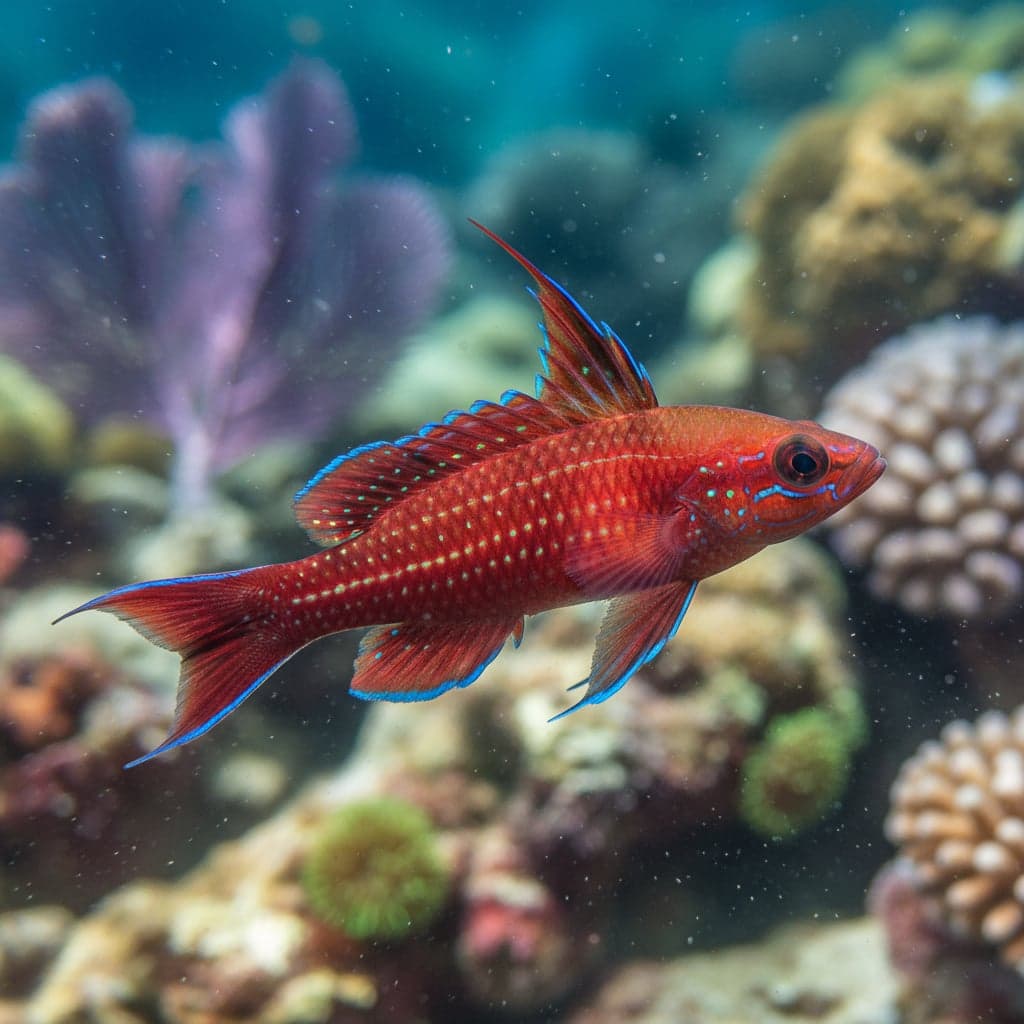
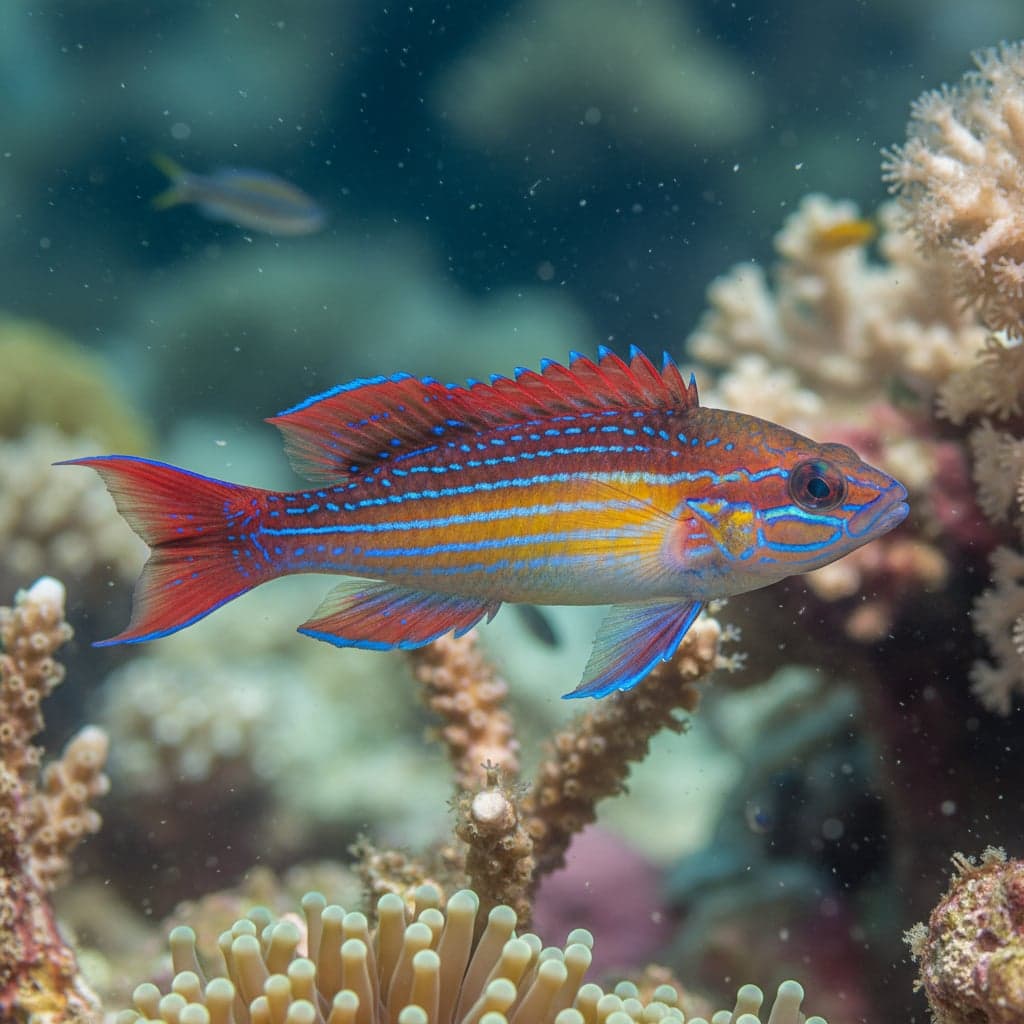
A 12cm fairy wrasse whose males flare crimson and green when displaying. Reef safe and peaceful — and it jumps, so seal the lid.
Scott's Fairy Wrasse
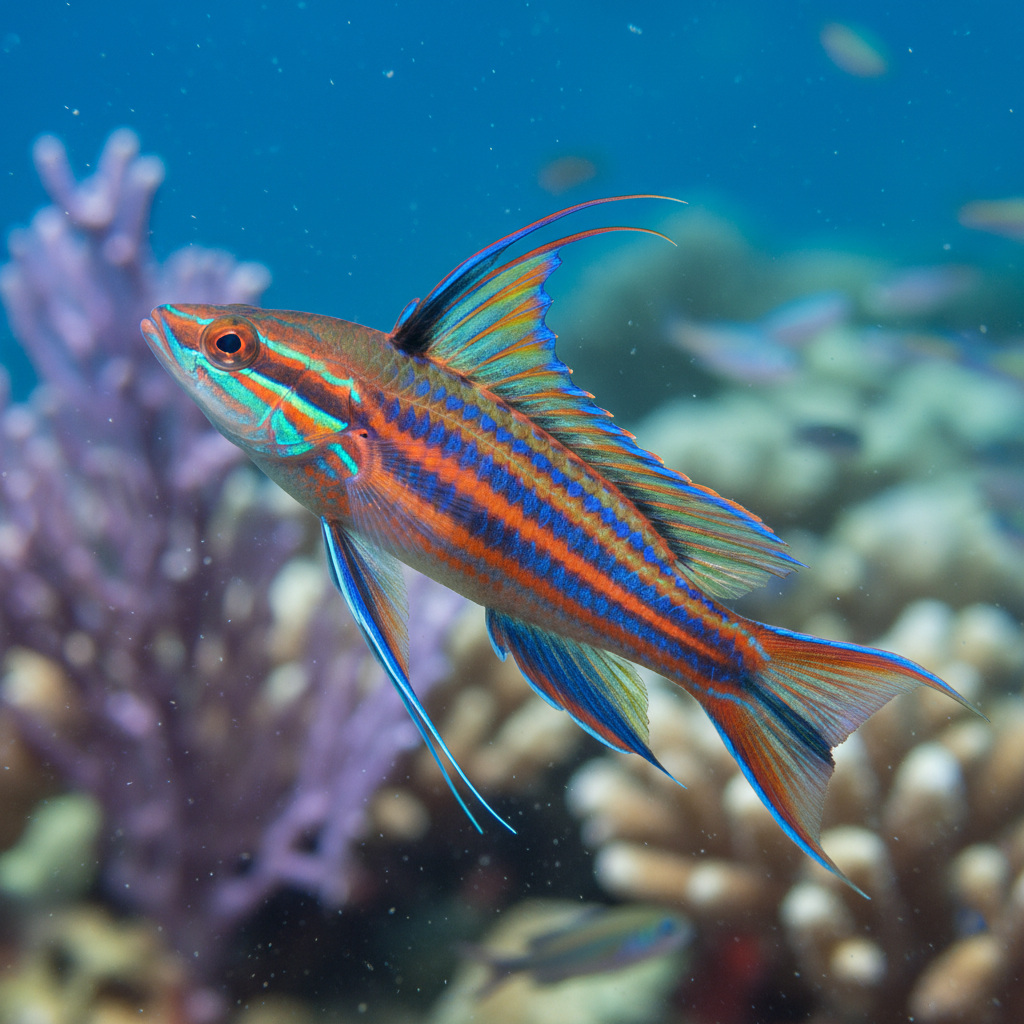
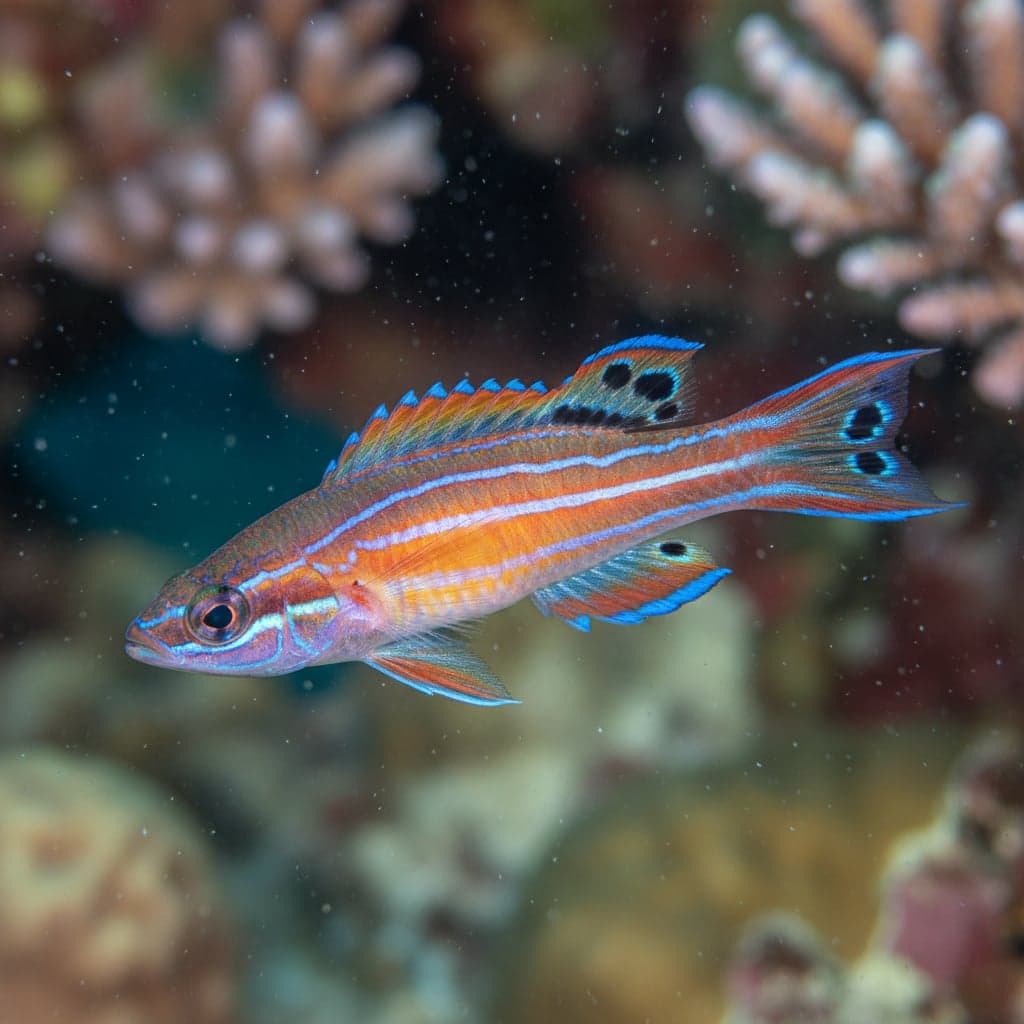
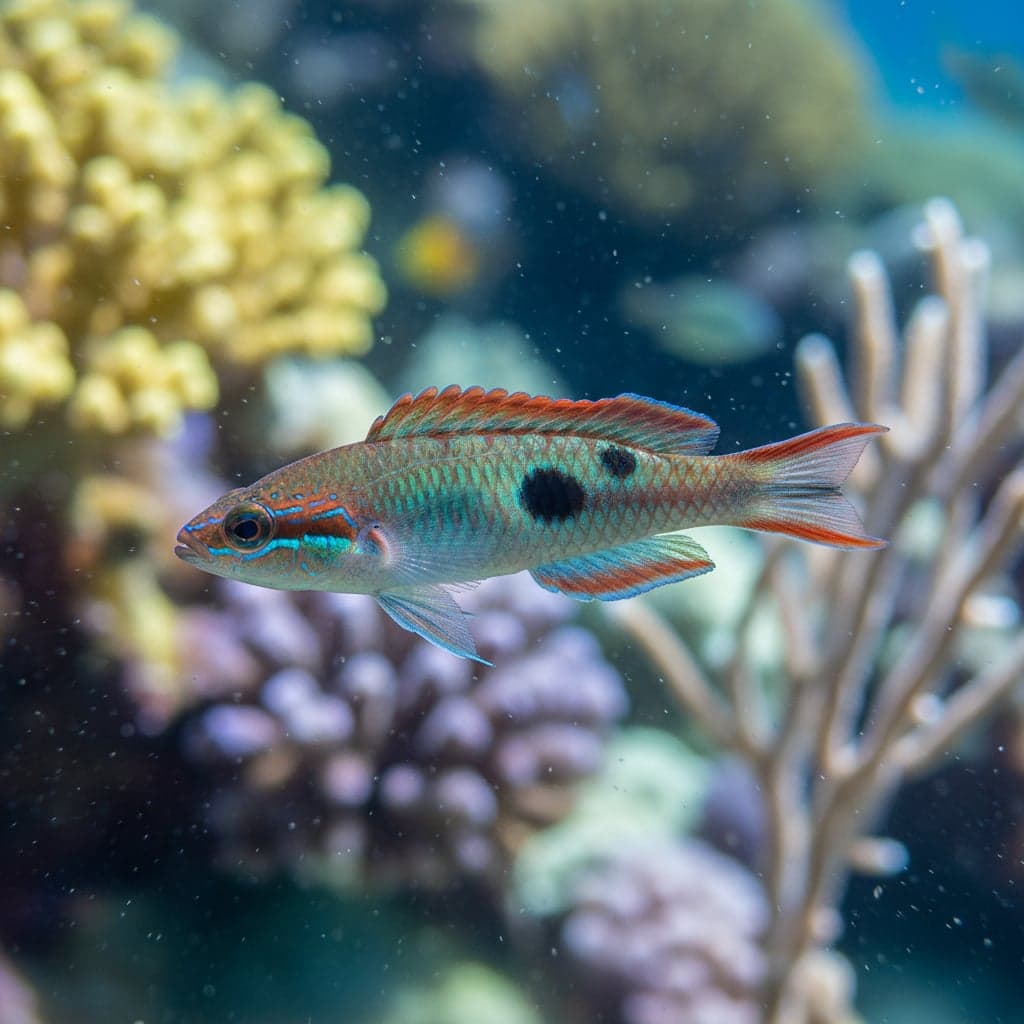
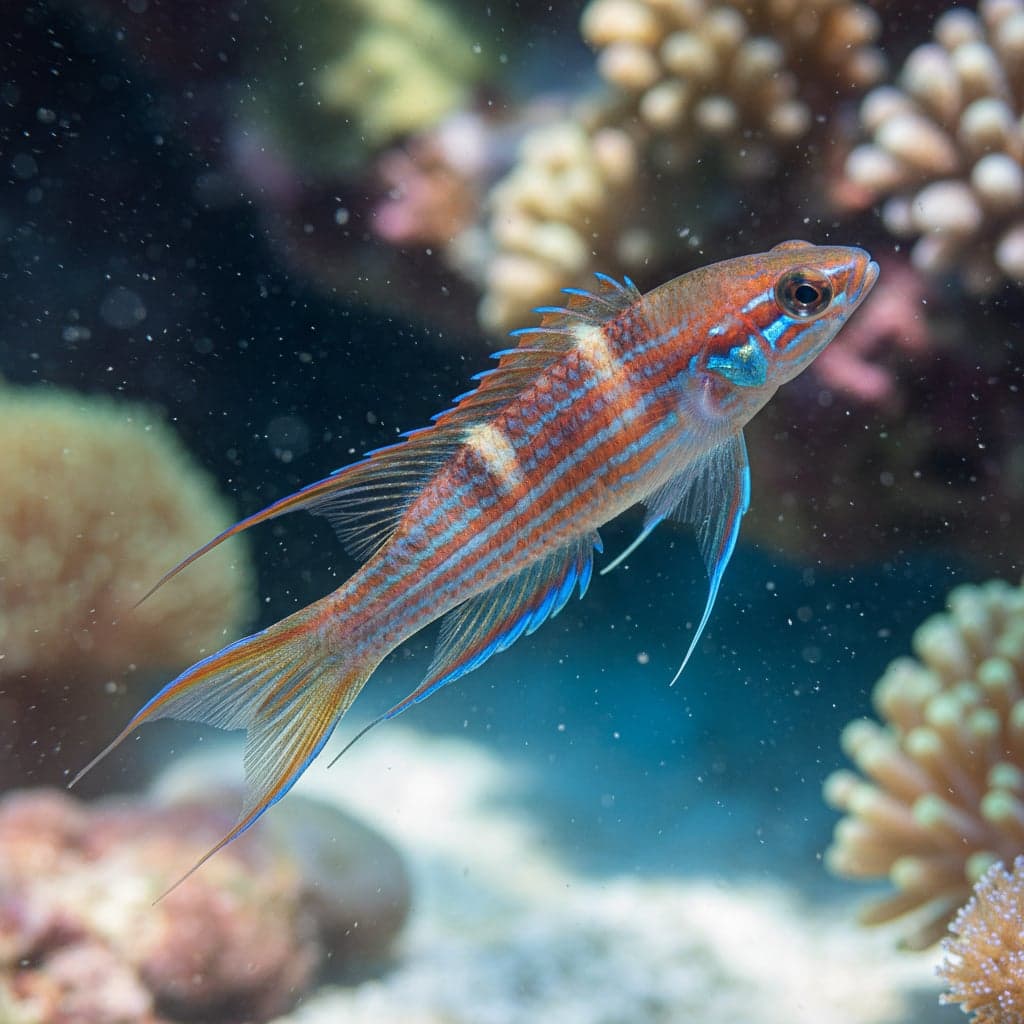
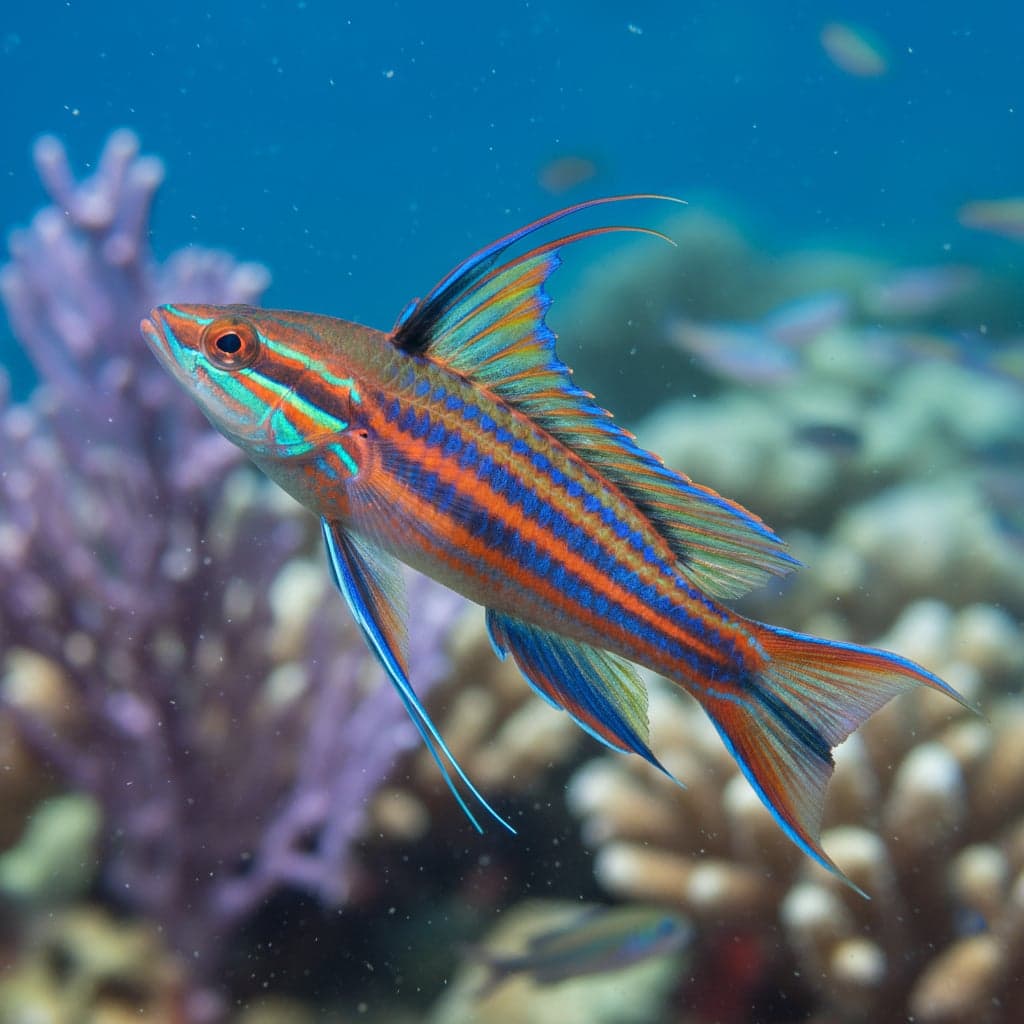
Scott's Fairy Wrasse, scientifically known as Cirrhilabrus scottorum, is a spectacular marine fish celebrated for its striking coloration and vibrant patterns. Typically found in the coral reefs of the Indo-Pacific region, this species features vivid hues of pink, orange, and teal, making it a stunning addition to any reef aquarium. The males exhibit a breathtaking array of colors, with pronounced iridescence, while females are generally more muted but still possess an attractive appearance. Their appeal lies not only in their beauty but also in their lively and engaging behavior, captivating aquarists and hobbyists alike.
As one of the more sought-after species in the aquarium hobby, Scott's Fairy Wrasse holds a significant place in many marine aquarists' collections. Its popularity can be attributed to its hardiness, ease of care, and active swimming behavior. This fish is not only a visual centerpiece but also plays an important role in the health of live rock systems by controlling pest populations and encouraging a balanced ecosystem. With the right conditions, Scott's Fairy Wrasse can thrive, offering both beauty and ecological benefits to marine environments.
Natural Habitat & Origin
Scott's Fairy Wrasse is native to the warm, shallow waters of the Indo-Pacific region, particularly around the islands of Fiji, Palau, and the Ryukyu Archipelago. This fish typically inhabits sandy substrates in coral reef ecosystems, often found in depths ranging from 10 to 50 meters. The environments are characterized by clear water, allowing for ample sunlight penetration, which supports vibrant coral growth and abundant marine life. The presence of shelter in the form of rocks and corals is essential for their survival, offering hideaways from potential predators.
In these ecosystems, Scott's Fairy Wrasse is often seen darting between coral heads or resting in sandy beds, utilizing both the complex structure of the reef for protection and the surrounding open water for feeding. The combination of their native habitats suggests not only adaptability but also a reliance on stable conditions to flourish, influencing how they should be kept in captivity.
Care Requirements
To ensure optimal health and longevity, providing the right water parameters is crucial for Scott's Fairy Wrasse. The ideal pH for their tank should range between 8.1 and 8.4, with a temperature maintained between 74°F to 80°F (23°C to 27°C). A specific gravity of 1.020 to 1.025 is recommended, along with moderate to high water movement to simulate their natural habitat. The hardness should be kept between 8 to 12 dKH to support their physiological needs.
In terms of tank setup, a minimum aquarium size of 50 gallons is recommended to provide adequate swimming space and territory. The substrate should be fine sand to mimic their natural sandy beds, allowing for digging behaviors. Live rock should be thoughtfully arranged to create nooks and overhangs, providing both hiding places and feeding areas. Lighting should be moderate to high, utilizing either LED or T5 fixtures that mimic natural daylight. Incorporating aquatic plants is less common due to their preference for open swimming space, but some hardy corals can enhance the tank's beauty and provide essential cover.
Diet & Feeding
Scott's Fairy Wrasse are omnivores and require a balanced diet to thrive. In the wild, their diet consists of small crustaceans, zooplankton, and algae. To replicate this in an aquarium setting, they should be offered high-quality flakes, pellets, and frozen foods that cater to their nutritional needs. A varied diet including brine shrimp, mysis shrimp, and finely chopped marine foods will promote optimal health and vibrant coloration. Regular feeding of crushed marine algae or spirulina can further supplement their diet and provide necessary fiber.
Aquarists should aim to feed their Scott's Fairy Wrasse multiple small meals per day rather than one large feeding. This method not only mimics their natural feeding behavior but also helps to prevent waste accumulation in the tank. It’s essential to ensure that any uneaten food is promptly removed to maintain water quality.
Behavior & Temperament
Scott's Fairy Wrasse are known for their active and curious nature, showcasing playful behavior that captures the attention of onlookers. They are generally peaceful fish but can exhibit territoriality, especially in smaller tanks or when competing for food. Individuals may form loose aggregations, but they thrive best in pairs or small groups within a larger community tank. It’s worth noting that males, in particular, can display some aggression toward one another, particularly if space is limited.
In terms of tank placement, Scott's Fairy Wrasse prefer the upper and mid-regions of the aquarium, where they can freely swim. Providing ample swimming room along with adequate shelter will reduce stress and promote vibrant activity levels. It is crucial to observe their interactions with other species, as their temperament can vary based on individual personality and tank dynamics.
Tank Mates
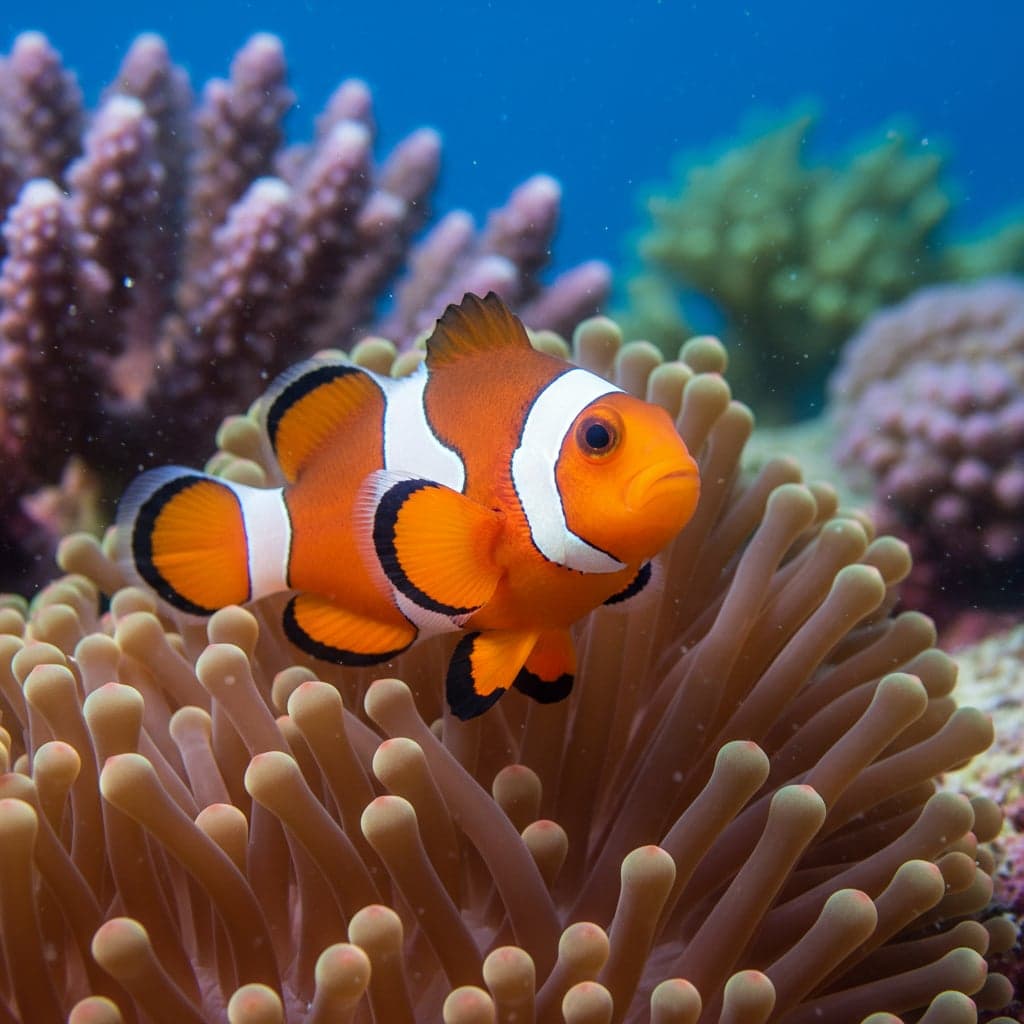
When selecting tank mates for Scott's Fairy Wrasse, it’s essential to consider their temperament and social needs. Compatible species include peaceful fish such as clownfish, gobies, tangs, and other docile reef-safe wrasses. In a well-maintained community tank, these fish can coexist harmoniously, contributing to a balanced ecosystem.
On the contrary, it is advisable to avoid pairing Scott's Fairy Wrasse with aggressive or territorial species like larger wrasses, triggers, or lionfish, as these can stress the wrasse and lead to potential conflict. Avoid any fish with similar body shapes to reduce aggression, as well as any species known to nip fins. Creating a diverse environment with various species will enhance the visual appeal of the tank and promote interactions among the inhabitants.
Breeding
Breeding Scott's Fairy Wrasse in captivity presents a delightful opportunity for dedicated aquarists. In their natural environment, these fish display unique spawning behavior, often associated with specific water conditions and lunar cycles. For successful breeding, a dedicated breeding tank of at least 50 gallons should be established, equipped with fine substrate and plenty of hiding places.
To encourage spawning, pairs will often engage in elaborate courtship displays, including circling each other and changing colors. Maintaining stable water conditions and a dimly lit environment can increase the chances of spawning. Once the female is ready to spawn, she will deposit eggs on a flat surface or in the water column, where the male will fertilize them. Providing adequate nutrition to the breeding pair will support the health of the eggs and increase the likelihood of successful hatching.
Common Health Issues
Scott's Fairy Wrasse, like many marine species, can be prone to various health issues, most notably external parasites such as ich (Cryptocaryon irritans) and marine velvet (Amyloodinium ocellatum). To prevent these conditions, it is vital to maintain excellent water quality through regular testing and water changes. Quarantine new additions before introducing them to the main tank to minimize the risk of disease transmission.
Other common issues include stress-related ailments, often stemming from inadequate tank conditions, aggressive tank mates, or poor diet. Signs of stress may include unusual swimming patterns or loss of color. Regular observation is essential, and if symptoms arise, consulting with an aquatic veterinarian can help ensure the health of your Scott's Fairy Wrasse, keeping your aquatic setup thriving.