The Senegal Bichir: Polypterus senegalus
Often called the Dinosaur Eel, this hardy, prehistoric fish makes a fascinating pet for large aquariums. Peaceful with large tankmates.
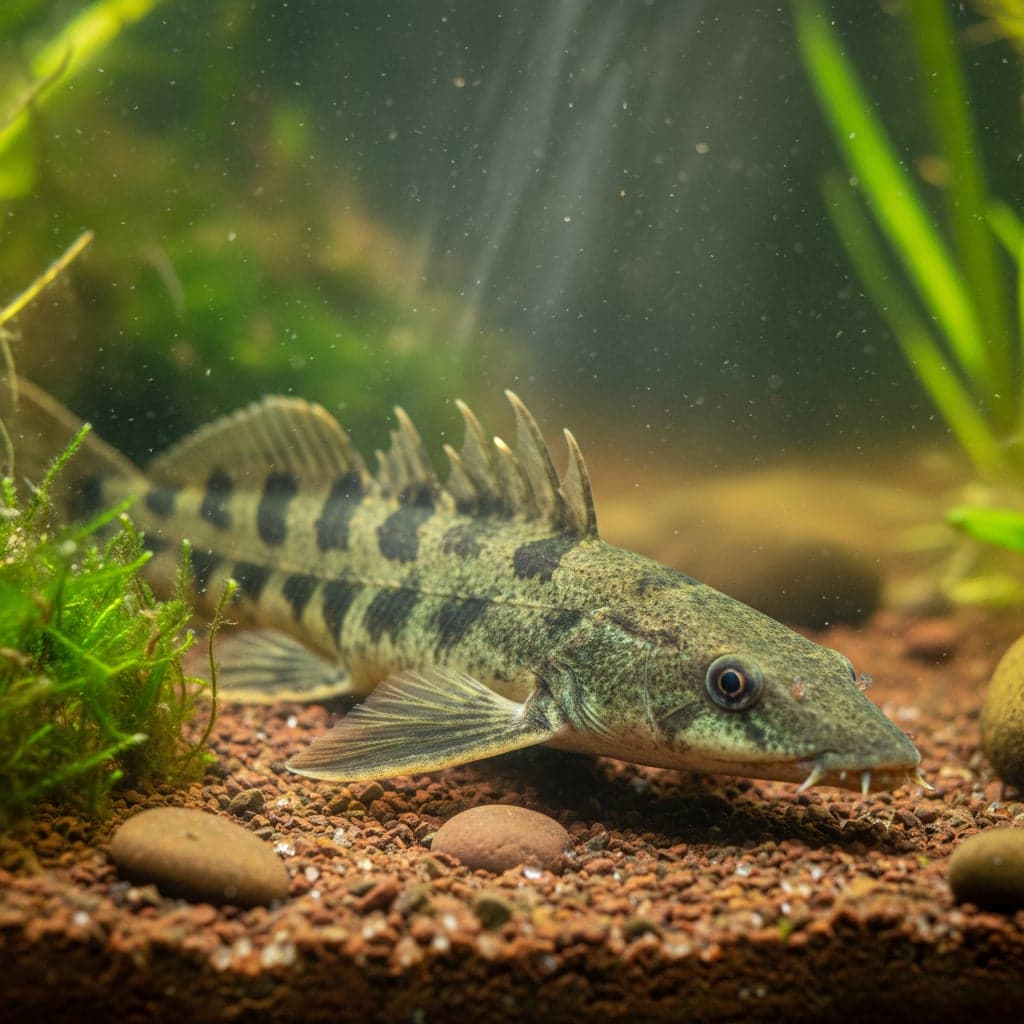
Senegal Bichir
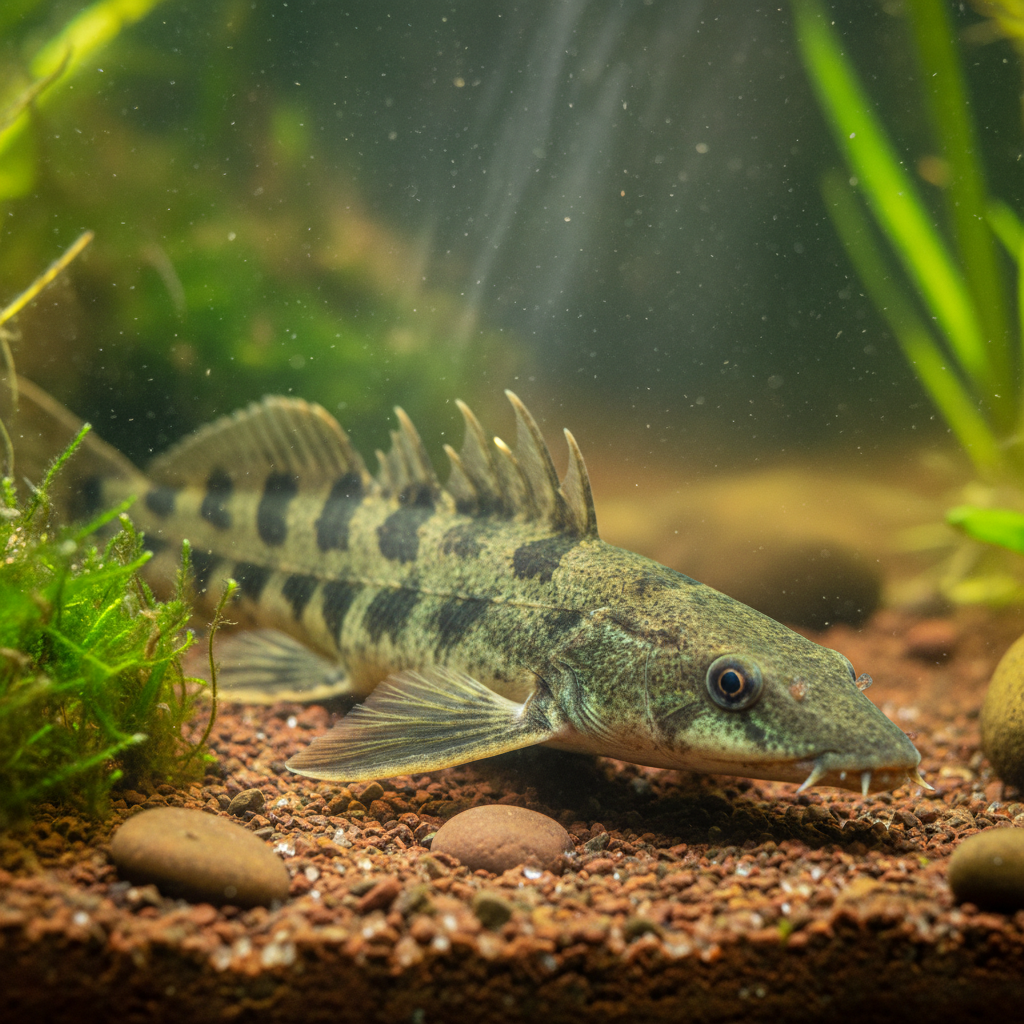
The Senegal Bichir, scientifically known as Polypterus senegalus, is a striking freshwater fish that stands out due to its elongated, prehistoric appearance reminiscent of ancient species. This unique fish is characterized by its long body, armored scales, and distinctive dorsal fin which gives it a serpentine look. With a color palette that includes shades of olive green and brown, adorned with dark spots, it captivates aquarium enthusiasts and novice hobbyists alike. Its visual appeal not only lies in its physical characteristics but also in its fascinating locomotion; the Senegal Bichir is known for its ability to glide gracefully through the water while occasionally using its strengths on land due to its lung-like adaptations.
In the aquarium hobby, the Senegal Bichir holds a significant place, both for its remarkable biology and as a conversation starter due to its unique appearance. It is often heralded as a "living fossil," providing a glimpse into the ancient lineage of fish that have thrived over millions of years. These attributes make it a desirable species for community tanks, although they require careful husbandry and the right tank conditions. As such, understanding the essentials of keeping Senegal Bichirs is crucial for enthusiasts looking to maintain a healthy and thriving aquarium environment.
Natural Habitat & Origin
The Senegal Bichir is native to a range of slow-moving freshwater habitats across Central and West Africa, particularly found in regions like the Senegal River basin, the Congo River, and various lakes and swamps. Its natural environment varies from swamps and marshes to rivers filled with soft, blackwater, which is characterized by its high tannin content that gives the water a dark, tea-like color. This type of habitat is crucial for the Senegal Bichir, as it supports their lifestyle which includes hiding among roots and submerged vegetation, thereby providing shelter from predators.
The Senegal Bichir thrives in warm, stagnant waters where the pH levels can range from slightly acidic to neutral. The environmental context is such that these fish may often encounter fluctuating conditions of temperature and water quality, which has influenced their resilience and adaptability in captivity. Understanding its natural habitat is essential for replicating similar conditions in an aquarium to ensure their health and to stimulate their natural instincts.
Care Requirements
To ensure the best health for the Senegal Bichir, specific water parameters must be maintained. An ideal pH range is between 6.5 to 7.5, with temperatures set between 75°F to 82°F (24°C to 28°C). The hardness of the water should ideally be around 5-20 dGH, providing a comfortable environment for these fish to thrive. When it comes to tank size, a minimum of 75 gallons is recommended, as these fish can grow quite large, often reaching lengths of 12-15 inches.
Tank setup for Senegal Bichirs should feature a sandy or soft substrate, which mimics the sediment they naturally inhabit and is gentle on their sensitive underbellies. The lighting should be moderate, with plenty of shadowed areas created by the introduction of rocks, driftwood, and various aquatic plants. Dense vegetation not only provides natural cover and security but also contributes to a more established and appealing ecosystem for these fascinating creatures.
Diet & Feeding
Senegal Bichirs are primarily carnivorous, which means their diet should consist of a variety of meaty foods. They thrive on a diet that includes high-quality pellets, frozen or freeze-dried foods like bloodworms, brine shrimp, and various other meat-based options. Live foods can also be incorporated to encourage natural hunting behaviors and enhance their diet; this can include small fish, earthworms, or insect larvae. While they can nibble on vegetable matter occasionally, it should not form the bulk of their diet.
Feeding them should be done two to three times a week, with careful attention paid to portion sizes; overfeeding can lead to serious health issues. The Senegal Bichir’s voracious appetite requires monitoring to maintain a balanced diet that promotes healthy growth and long-term wellbeing.
Behavior & Temperament
Senegal Bichirs are generally peaceful but can exhibit territorial behavior, particularly as they mature. In the wild, they tend to be solitary, so they may not engage in schooling behavior like some other species. They prefer to establish their own territory in the aquarium, which means providing ample hiding spots is essential to prevent stress and aggression. While they can sometimes show aggressive tendencies towards smaller tank mates, they can coexist peacefully with larger, similarly-sized fish.
In terms of vertical placement, Senegal Bichirs are predominantly bottom-dwellers but are also capable of swimming at various levels of the tank. Given their adaptability, they often venture higher if prompted or when exploring their environment. Understanding their behavioral tendencies can assist aquarists in creating a harmonious community within the tank.
Tank Mates
When selecting suitable tank mates for the Senegal Bichir, it is essential to choose species that are robust enough to handle its predatory nature. Compatible species include larger cichlids, catfish, and other larger, peaceful fish that do not resemble their usual prey size. Some ideal tank mates include the African cichlid (e.g., Pelvicachromis), larger barbs, or other robust members of the bichir family like the Delhezi bichir.
On the other hand, it is best to avoid smaller, delicate fish that could easily be considered prey or more fin-nipping species that might irritate the bichir. Species to avoid include guppies, tetras, and other small community fish that do not thrive in a tank with larger predators.
Breeding
Breeding Senegal Bichirs in captivity can be quite challenging and requires specific conditions to replicate their natural spawning behavior. These fish are egg layers, depositing their eggs on flat surfaces, such as rocks or broad leaves. Significant differentiation exists between males and females, with males often being smaller and having larger, more extended dorsal fins. For successful breeding, a separate breeding tank with optimal water conditions—pH around 6.5 to 7, temperature at approximately 80°F (27°C), and gentle filtration—is recommended.
Implementing a varied diet high in proteins is crucial prior to spawning to prepare the breeding pair. Providing sufficient hiding spots and making the spawning area conducive can help in successfully convincing them to breed. Engaging in regular monitoring and maintaining stability of conditions can yield fruitful breeding for dedicated aquarists.
Common Health Issues
Senegal Bichirs are prone to certain health issues that aquarists should be aware of to ensure their longevity and wellbeing. Common ailments include freshwater ich, fin rot, and swim bladder disorder. Preventative measures, such as maintaining high water quality through regular testing and performing routine water changes, can significantly reduce the incidence of these diseases.
Additionally, providing a balanced diet, avoiding overstocking, and ensuring proper tank conditions are crucial elements in preventing stress-related issues. Careful observation of the fish's behavior and body condition can also help in early detection of health problems. If any signs of illness are noted, immediate attention should be taken to treat the affected fish and improve the aquarium's environment.