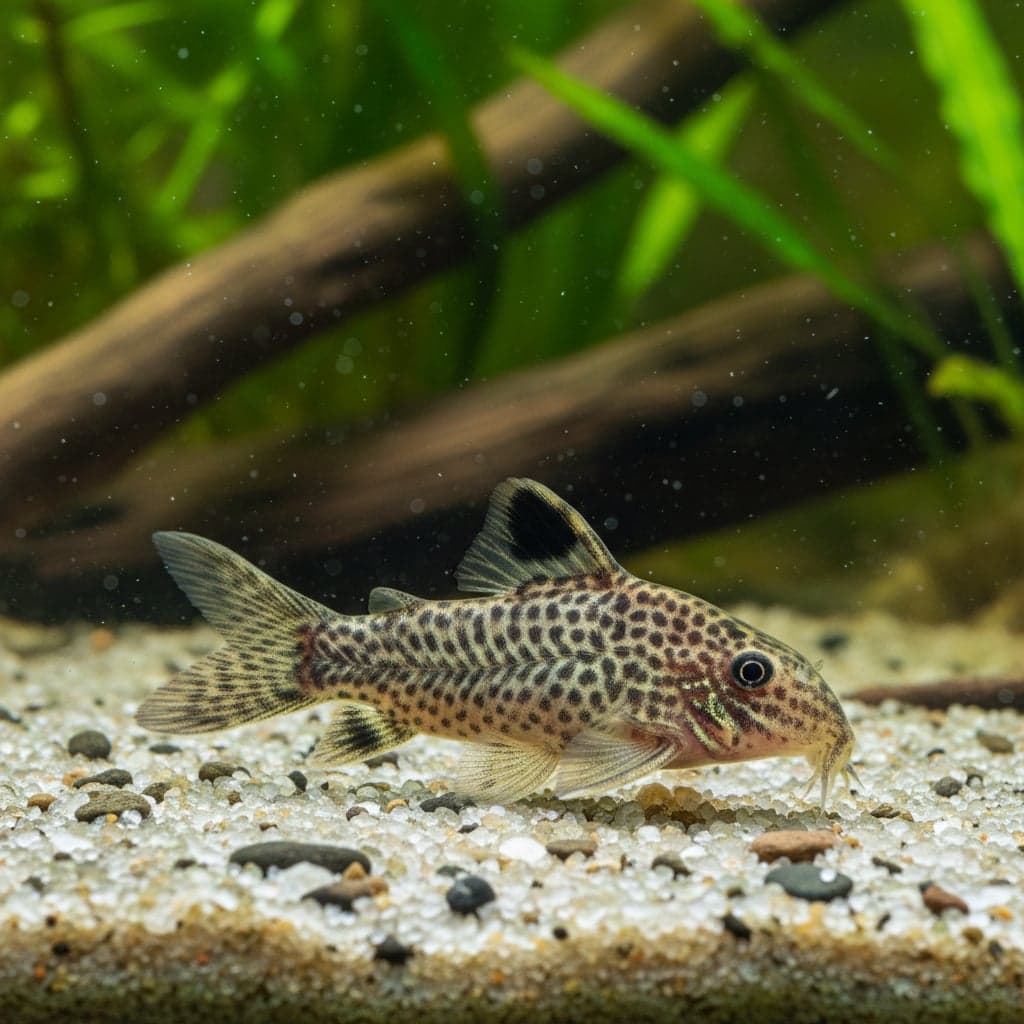
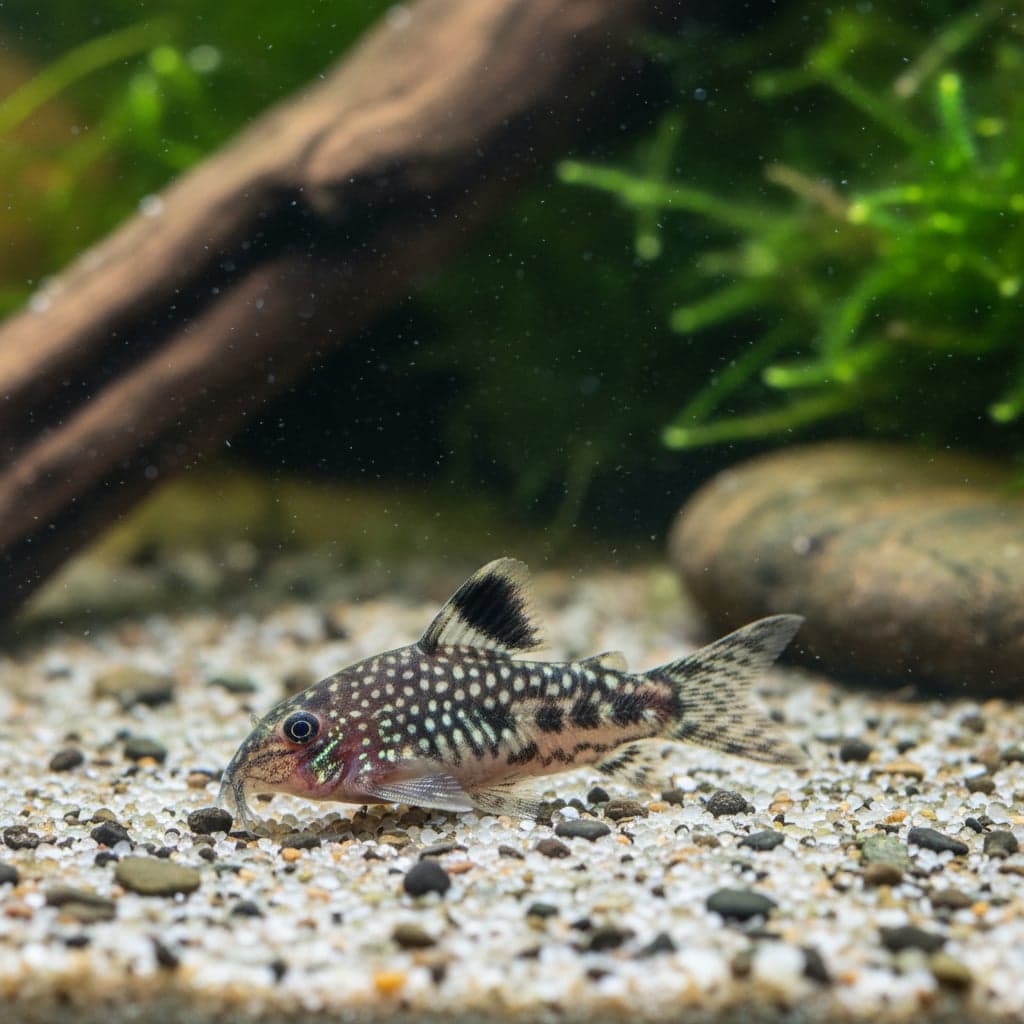
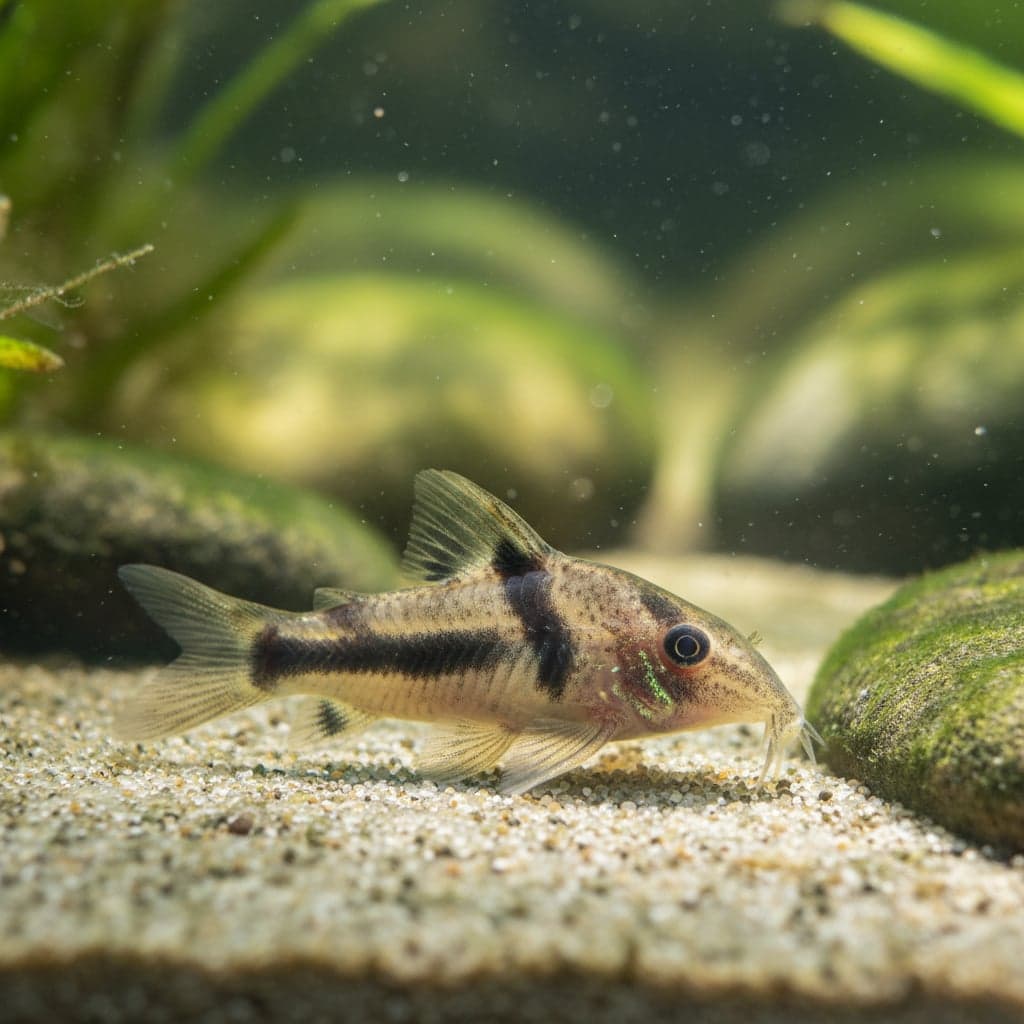
Seuss' Cory: Corydoras seussi
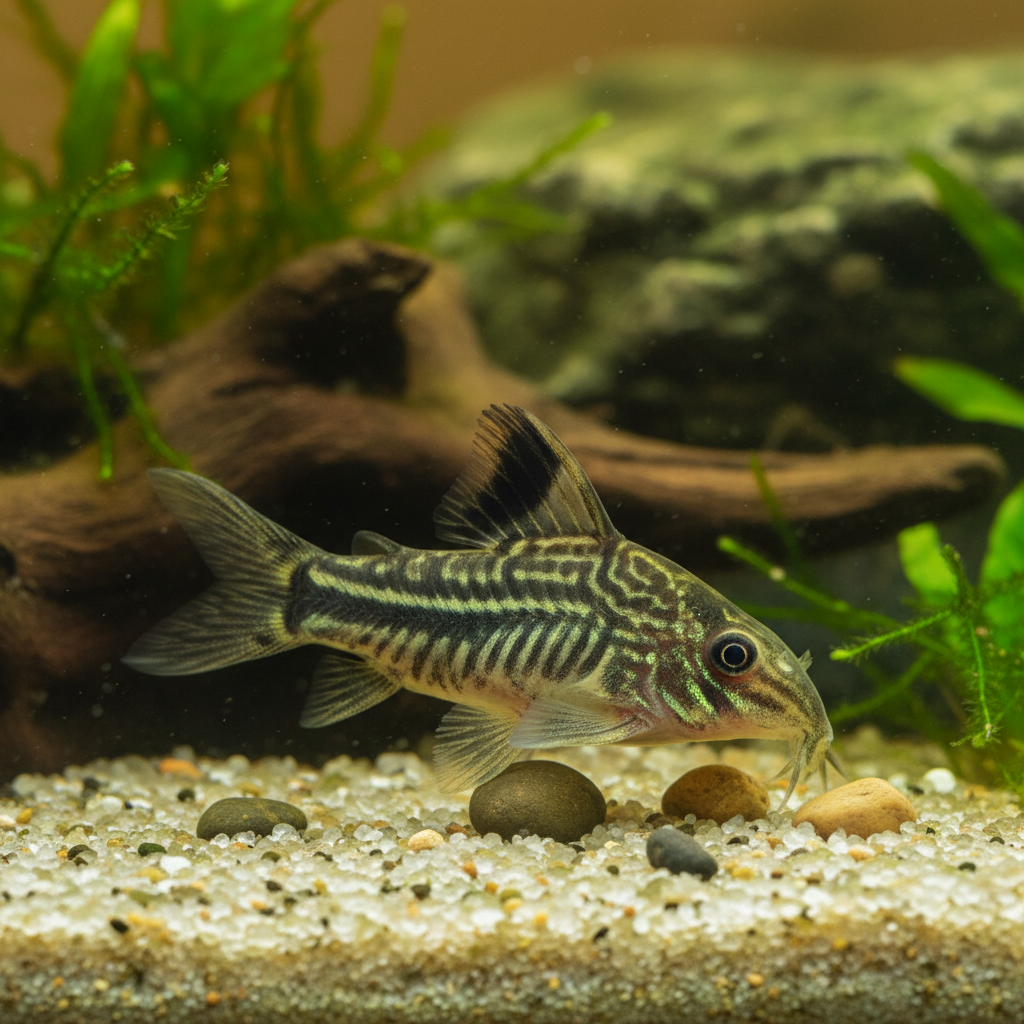
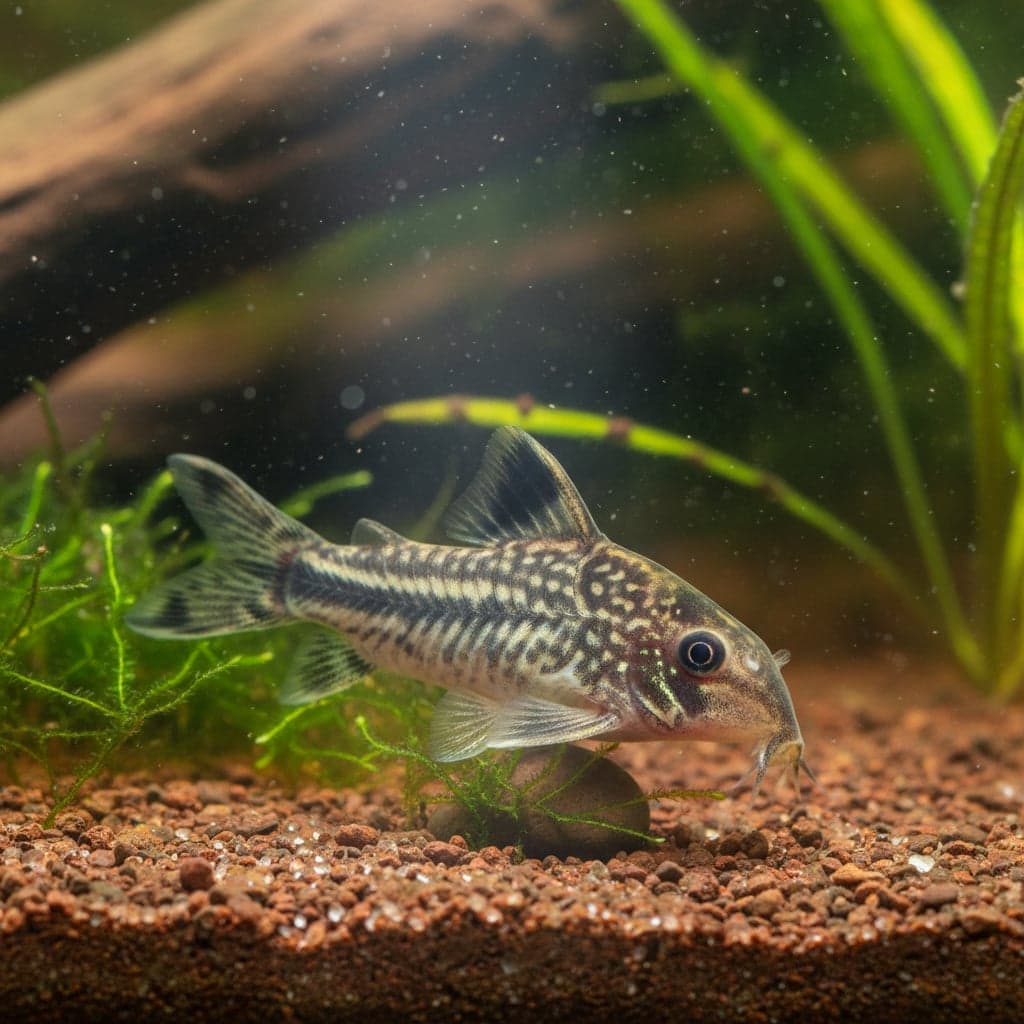
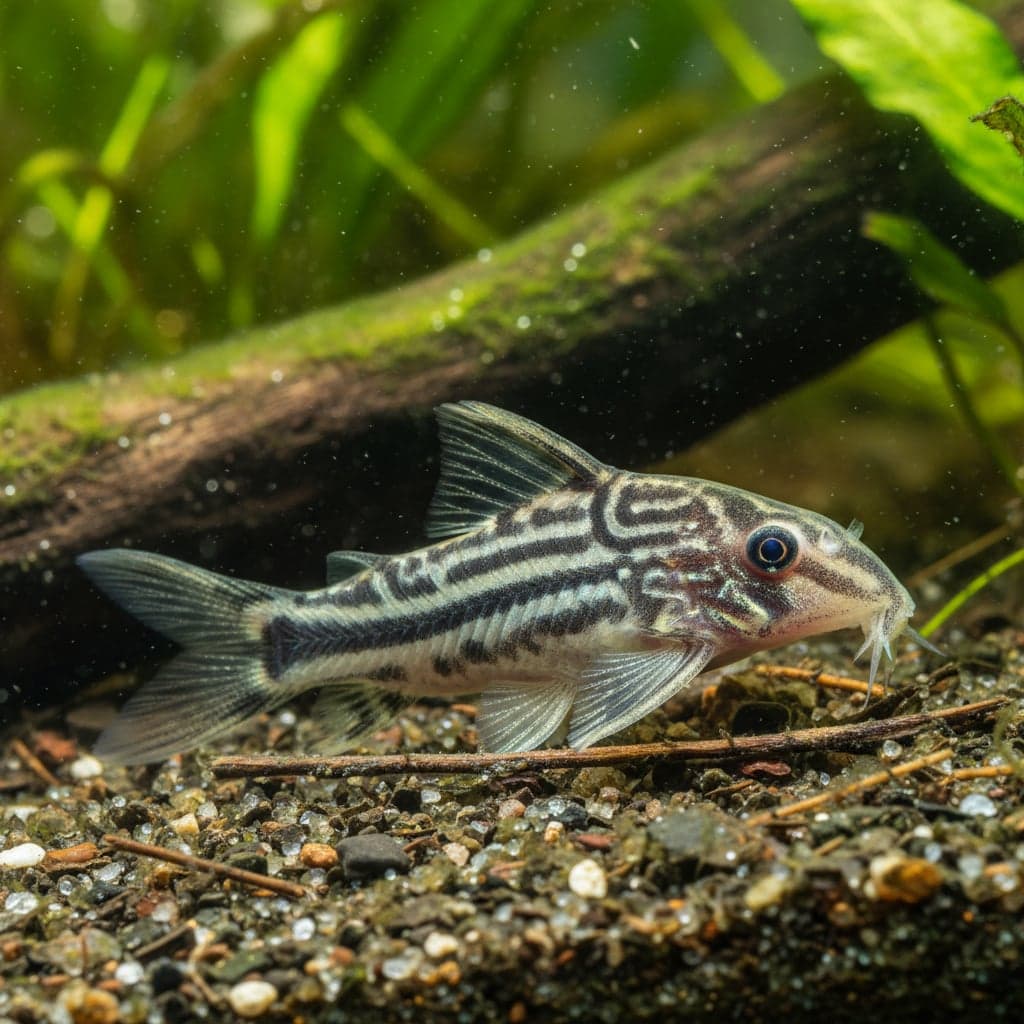
A spectacularly beautiful, elongated corydoras known entirely for its brilliant neon-orange head spot and heavily contrasted silver-and-black body.
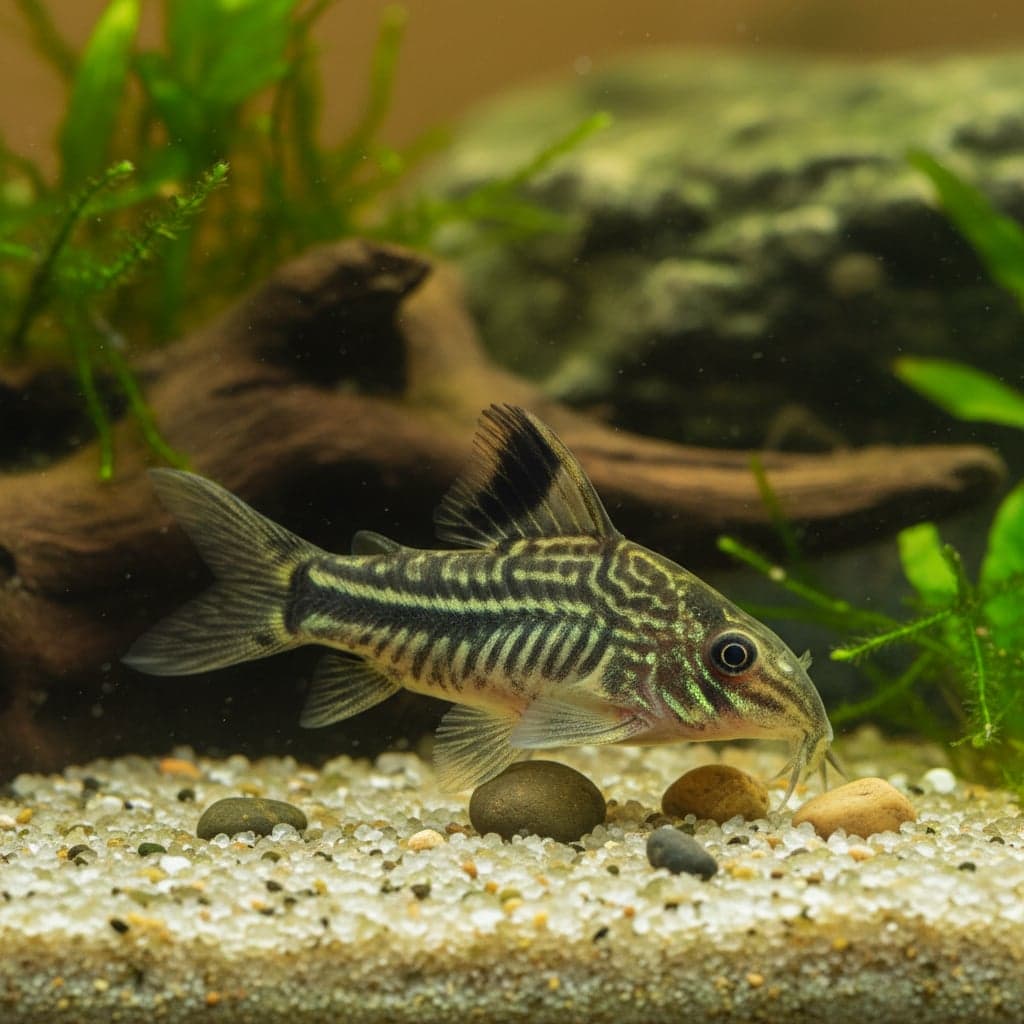
Seuss' Cory
Seuss' Cory (Corydoras seussi) is a delightful and visually striking species within the Corydoras family that enchants both novice and experienced aquarists. Characterized by its distinctive coloration that includes varying shades of brown, gold, and white speckling, this fish brings a splash of vibrancy to community tanks. Its petite size, typically growing to about 2-3 inches in length, makes it an ideal candidate for smaller aquariums while ensuring that it remains prominently visible, adding aesthetic charm and liveliness to the underwater landscape.
In the aquarium hobby, Seuss' Cory holds substantial significance due to its peaceful demeanor and favorable compatibility with a wide range of tank mates. These fish are often appreciated not only for their beauty but also for their engaging behavior as they sift through substrate in search of food. They serve as excellent scavengers, helping to maintain cleanliness in a tank. Their social nature means they thrive when kept in groups, bringing a dynamic element to community aquariums that many enthusiasts and collectors seek to recreate.
Natural Habitat & Origin
Seuss' Cory originates from the warm, slow-flowing waters of the rio Xingu in Brazil. This region is noted for its blackwater rivers, characterized by stained waters that are rich in decomposed organic matter from the surrounding rainforest. The waters are typically soft and slightly acidic, with a pH ranging from 5.5 to 7.0. The environment consists of a complex ecosystem of submerged leaves, varied substrate types, and an abundance of plant material, which all contribute to the natural foraging behavior of the species. Understanding this natural habitat is essential for replicating suitable conditions in captivity for Seuss’ Cory.
Care Requirements
To successfully care for Seuss' Cory, specific water parameters must be closely monitored and maintained. The ideal temperature range for these fish is between 72°F and 78°F (22°C - 26°C), with a pH level of 6.0 to 7.5 and water hardness between 2-15 dGH. A minimum tank size of 20 gallons is recommended to ensure adequate swimming space and establish a stable environment. The tank setup should include soft, sandy substrate to mimic their natural habitat, as this allows them to dig and forage comfortably. Additionally, providing ample hiding spots through plants, driftwood, and decorations not only promotes a sense of security but also encourages their natural behaviors. Moderate lighting conditions can help simulate the dimmer environments of their native waters, fostering a stress-free environment.
Diet & Feeding
As omnivores, Seuss' Cory have a varied diet that should include both protein-rich and plant-based foods to ensure optimal health. Quality flakes and micro-pellets formulated for bottom feeders are suitable staple foods. Additionally, incorporating live or frozen foods, such as bloodworms, brine shrimp, and daphnia, will further enrich their diet and encourage natural foraging behavior. Furthermore, providing blanched vegetables like zucchini or spinach can contribute essential nutrients and promote digestive health. Daily feedings are recommended, divided into small portions to prevent overfeeding and maintain water quality.
Behavior & Temperament
Seuss' Cory are known for their cheerful and active demeanor, making them a favorite among community tank enthusiasts. These fish display sociable behavior and should ideally be kept in groups of at least six to enhance their natural schooling instincts. In their natural environment, they occupy the lower levels of the tank, engaging in foraging activities. Despite their small size, they are peaceful and exhibit no aggressive tendencies, making them compatible with a wide range of tank mates. They are usually found darting around the bottom substrate, rooting for food, which adds movement and interaction to lower water levels in the aquarium.
Tank Mates
Seuss' Cory are compatible with a variety of tank mates, as their peaceful nature allows them to coexist harmoniously with many species. Suitable companions include community fish such as guppies, tetras, rasboras, danios, and peaceful cichlids like the ram cichlid. Avoid placing them with aggressive species or larger predatory fish, which could pose a threat and lead to stress. Additionally, avoid fin-nippers that may irritate or harm the Seuss' Cory. Ensuring a harmonious community tank setting will allow these charming fish to thrive and exhibit natural behaviors and social interactions.
Breeding
Breeding Seuss' Cory in captivity can be a rewarding venture, although it requires some preparation and knowledge of their spawning behavior. To encourage breeding, it is essential to maintain optimal water conditions, including slightly cooler temperatures and slightly more acidic pH levels. It is also beneficial to mimic seasonal changes by performing frequent water changes with slightly cooler water. Unlike some other species of Corydoras, Seuss' Cory typically spawn in the early morning hours. During spawning, the female will lay eggs on flat surfaces, which are then fertilized by the males. Providing spawning tiles or smooth surfaces will facilitate egg laying. Post-spawning, it is crucial to remove the adults to prevent them from consuming the eggs, as they may do so if left unmonitored.
Common Health Issues
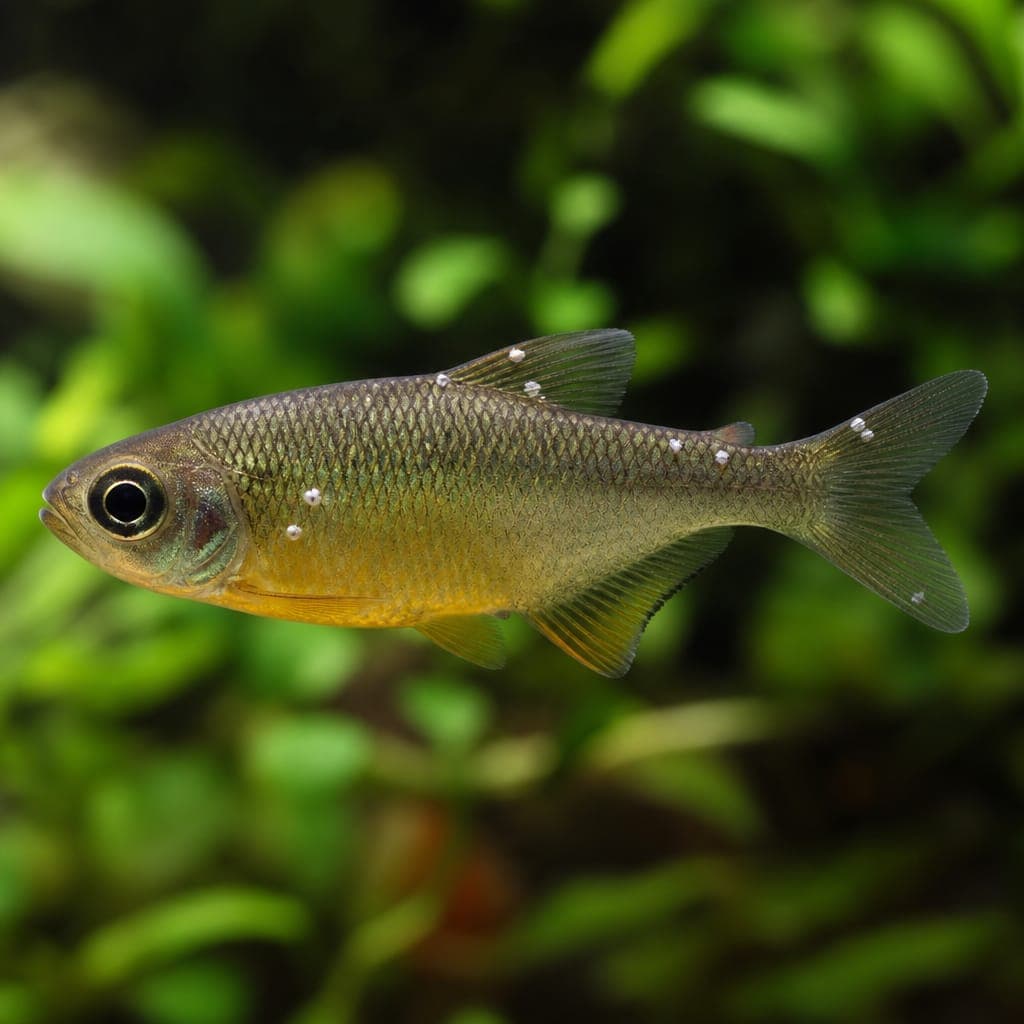
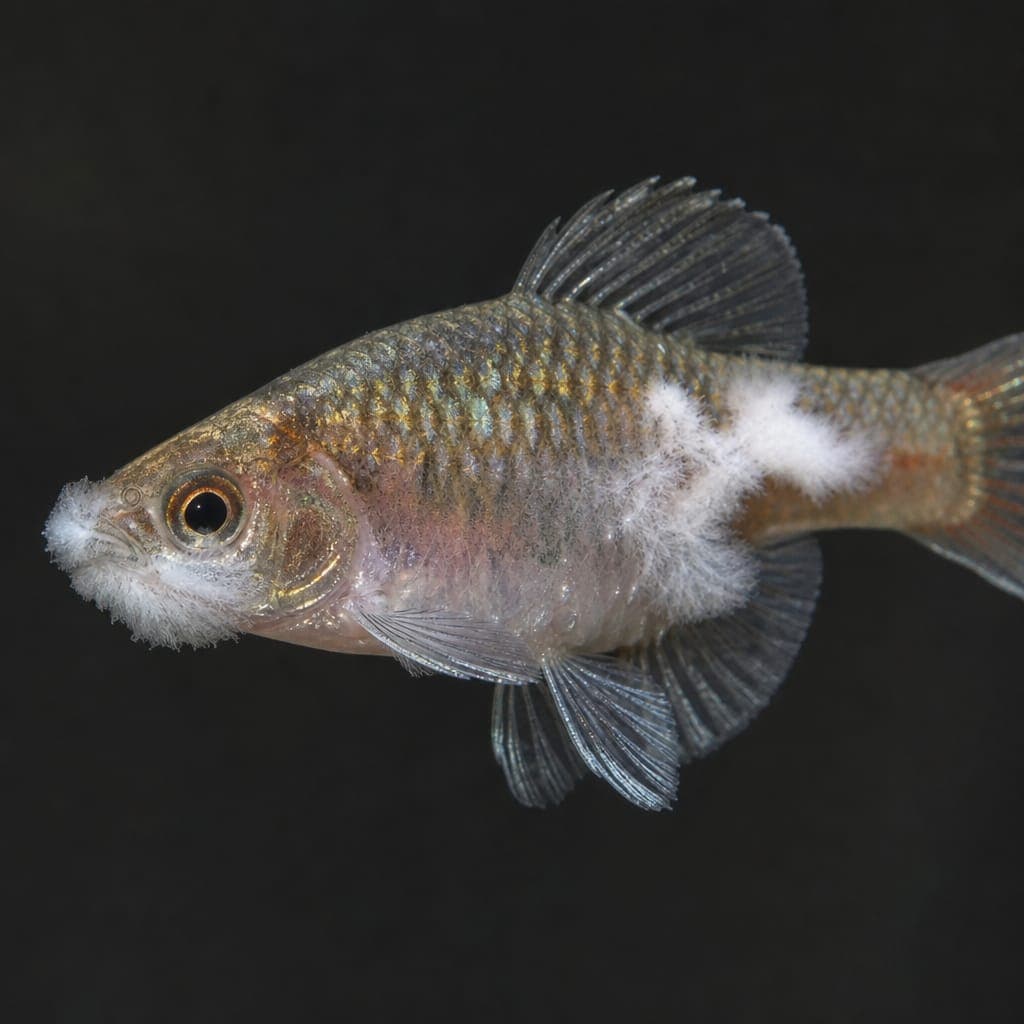
Seuss' Cory can be prone to several common health issues, most of which can be mitigated through proper care and management. One frequent concern is the development of Ich (Ichthyophthirius multifiliis), a parasitic infection that causes white spots on the skin and fins. Maintaining optimal water quality, stability, and temperature can greatly reduce the risk of such outbreaks. Other health issues may include fungal infections and bacterial disease, which often arise from poor tank conditions. Regular water quality checks, appropriate tank maintenance, and a balanced diet are imperative for preventing disease. Ensuring the aquarium is free from sharp objects and that the substrate is clean will also help minimize injuries and promote overall health in Seuss' Cory.