The Siamese Algae Eater: Crossocheilus oblongus
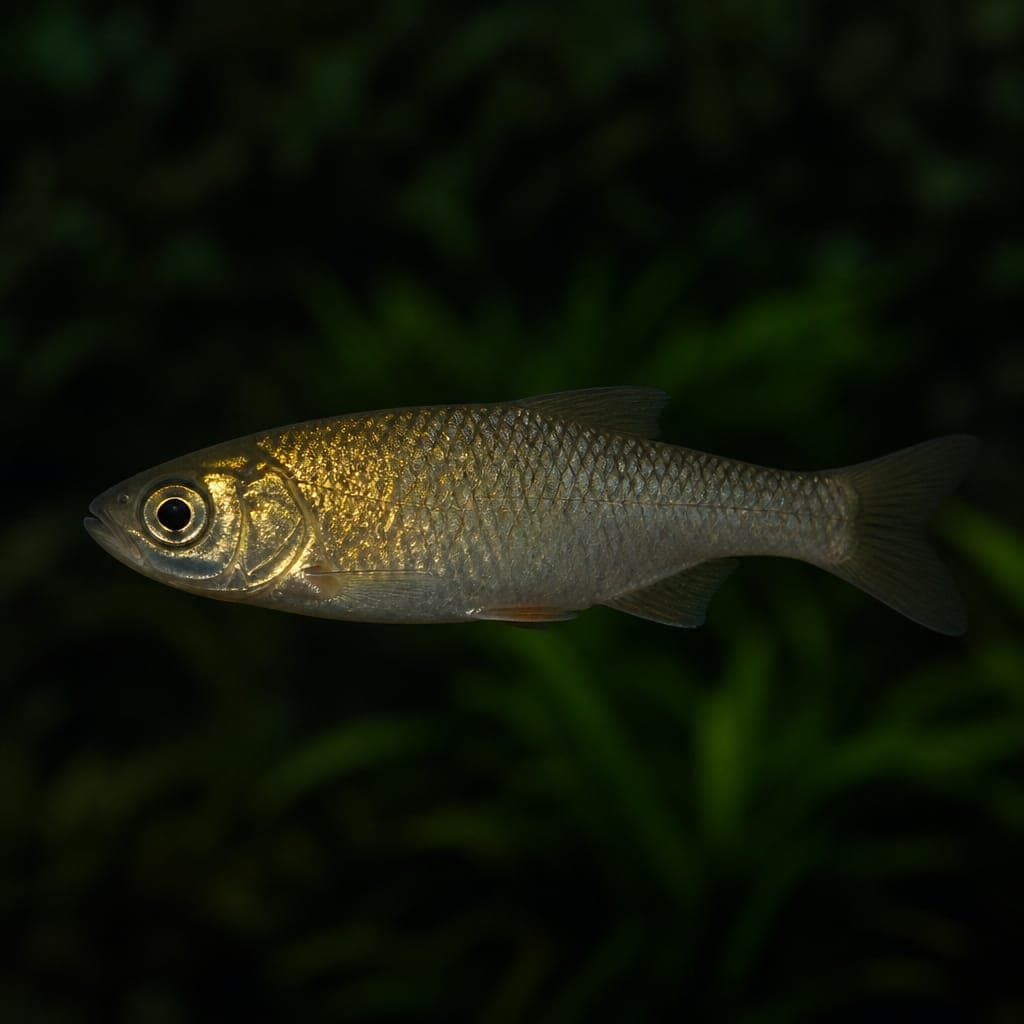
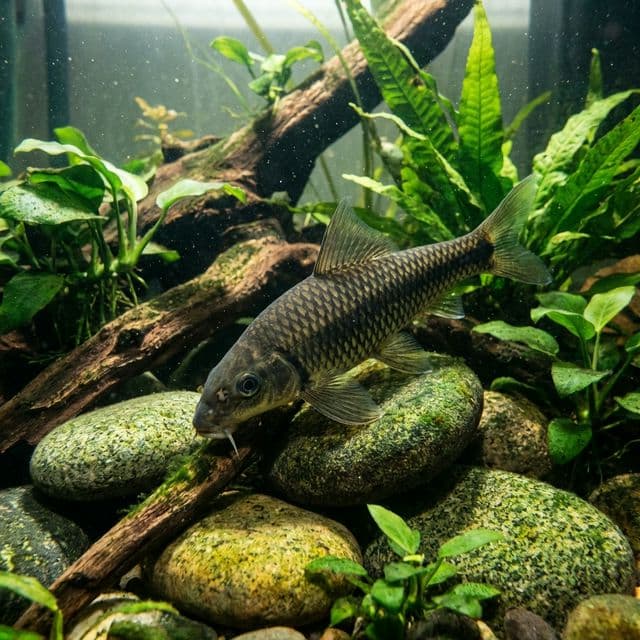
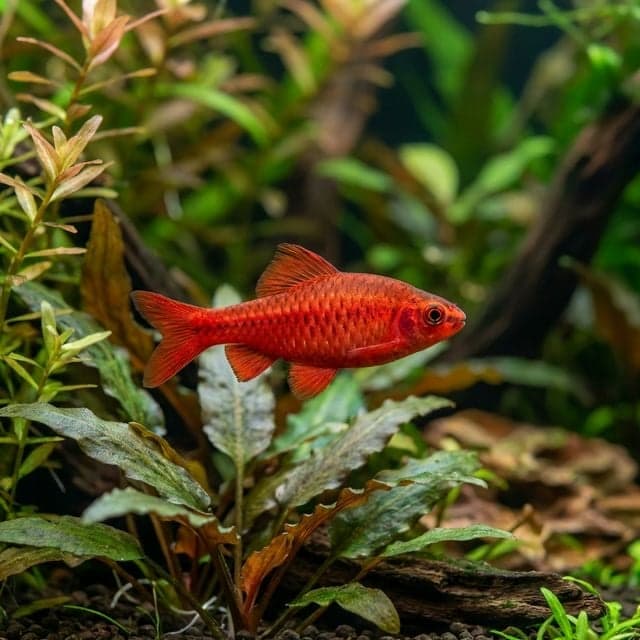
The only fish that reliably eats Black Beard Algae (BBA). A useful, active algae controller for planted tanks—but often confused with imposters.
Also known as: SAE · Crossocheilus oblongus
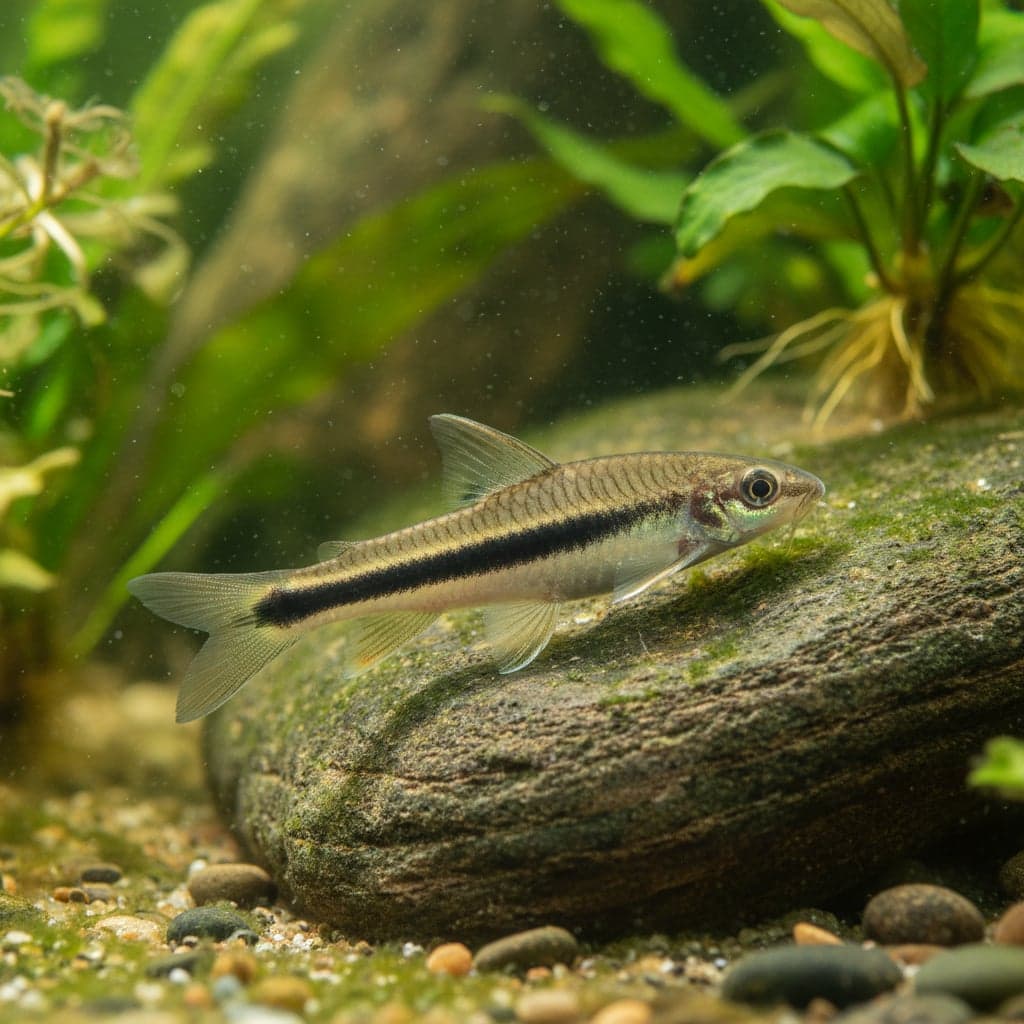
Siamese Algae Eater
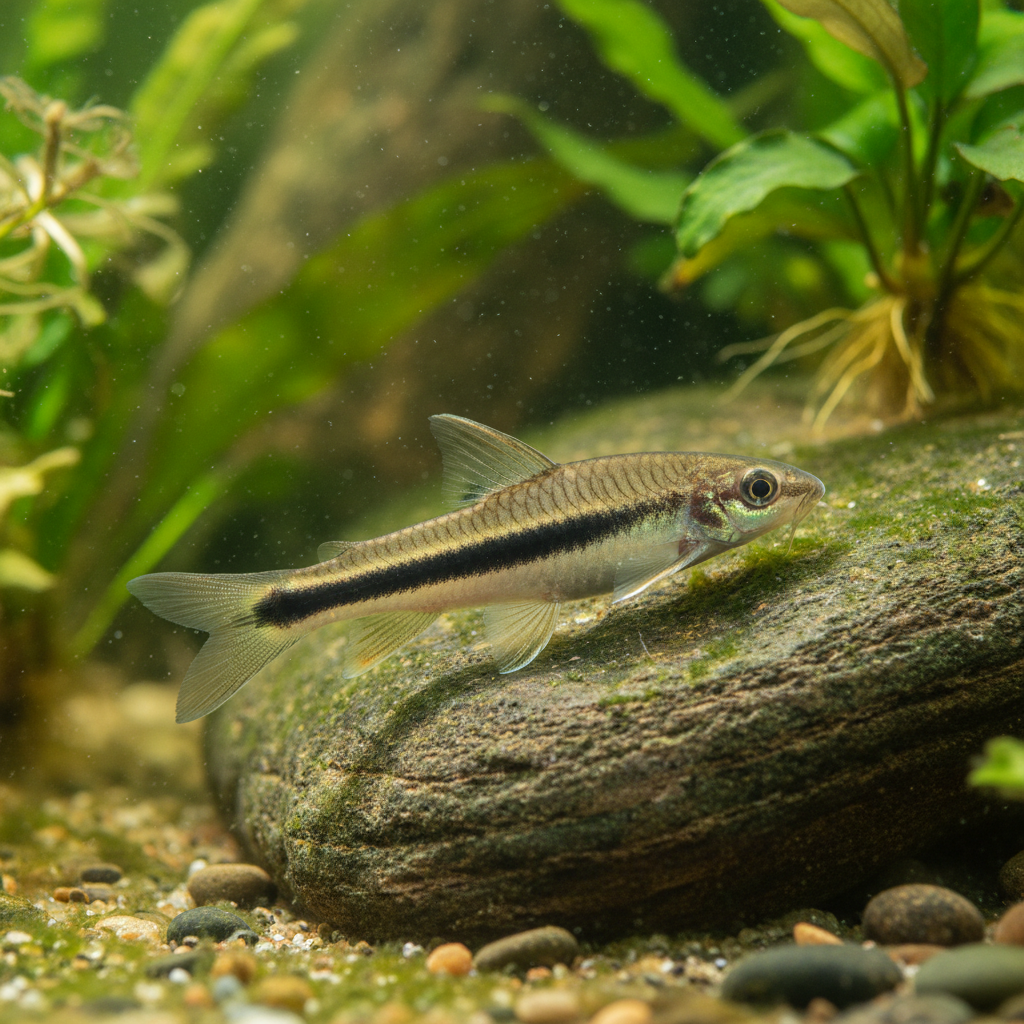
The Siamese Algae Eater (Crossocheilus oblongus) is a striking freshwater fish known for its efficient algae-eating capabilities and lively disposition. Characterized by its elongated, torpedo-shaped body and distinct horizontal black stripe that runs the length of its body, the Siamese Algae Eater can grow up to 6 inches (15 cm) in length. Its aesthetic appeal lies not only in its unique coloration but also in its graceful swimming patterns, making it a favorite among aquarists. This fish not only adds a visual touch to aquariums but also serves an essential ecological role, helping to control algae growth in both community tanks and planted setups.
In the aquarium hobby, the Siamese Algae Eater is often highly sought after for its dual function as a decorative species and an algae control agent. Unlike many other algae eaters, the Siamese Algae Eater is known for its ability to consume a wide variety of algae, including the notorious black beard algae that can plague many aquariums. This adaptability to different tank conditions and its peaceful demeanor make it an ideal choice for hobbyists seeking an engaging fish that contributes positively to tank health.
Natural Habitat & Origin
The Siamese Algae Eater is native to Southeast Asia, particularly found in the rivers and streams of Thailand, Laos, and Cambodia. This species thrives in freshwaters that are typically clear or slightly colored due to the presence of decaying plant matter, making it a common inhabitant of gently flowing waters and floodplains. The natural habitat of the Siamese Algae Eater is characterized by a rich assortment of aquatic plants, submerged wood, and rocky substrate, which provide both shelter and feeding grounds, crucial for its overall well-being in captivity.
In the wild, these fish prefer environments with a moderate to high water flow, which aids in the aeration of water and provides a natural stimulation for their active swimming behaviors. It is important for aquarists to replicate this natural habitat as closely as possible to ensure a healthy environment for these fish in captivity.
Care Requirements
To maintain optimal health, the Siamese Algae Eater requires specific water parameters that closely mimic its natural habitat. Ideal pH levels range from 6.5 to 7.5, with a temperature span of 72°F to 82°F (22°C to 28°C). The water hardness should be kept between 5 to 15 dGH. When setting up a tank for these fish, a minimum size of 30 gallons is recommended, providing ample swimming space due to their active nature.
For substrate, a sandy or fine gravel base works well, allowing ease of movement and exploration. Additionally, incorporating plenty of live plants, such as Java fern, Anubias, or Hornwort, along with driftwood and rocks, will create a lush environment that mirrors their aquatic origins. Moderate lighting conditions are advisable, as excessively bright light may stress these fish and encourage unwanted algae growth.
Diet & Feeding
The Siamese Algae Eater is classified as an omnivore, often consuming various types of food in its diet. In addition to its primary role as an algae eater, it benefits from a well-rounded diet that includes high-quality sinking pellets, flakes, and specific algae-based foods. Supplementing its diet with frozen or live foods like brine shrimp, daphnia, and bloodworms can enhance its nutritional intake and promote vibrant coloration. It is essential to avoid overfeeding, as uneaten food can deteriorate water quality and lead to health problems within the aquarium.
Providing a balanced diet not only supports the growth and health of the Siamese Algae Eater but also maintains its natural grazing behavior, crucial for mimicking its feeding patterns found in the wild.
Behavior & Temperament
The Siamese Algae Eater exhibits a social and active demeanor, making it suitable for community tanks. They are known to be peaceful but are optimal when kept in groups of three or more, which imitates their natural schooling behavior. While they are generally non-aggressive, male Siamese Algae Eaters may become territorial during feeding times or breeding, displaying mild aggression towards each other.
In terms of tank placement, these fish occupy the middle to upper water columns, frequently darting between plants and decorations as they search for food. Their active behavior and tendency to swim in small schools not only creates an engaging display but also helps keep the imbalanced algae growth at bay.
Tank Mates
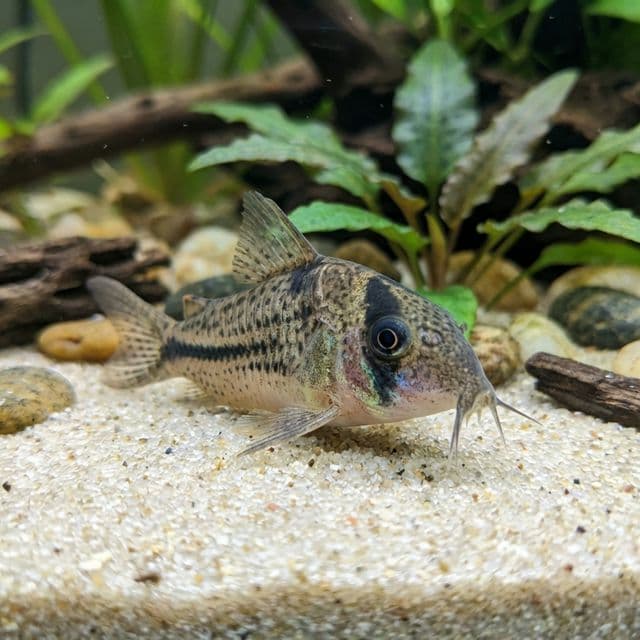
When pairing the Siamese Algae Eater with other species, selecting compatible tank mates is essential for a harmonious aquarium environment. Good tank mates include other peaceful species such as Tetras, Rasboras, Corydoras catfish, and small Cyprinids. It is advisable to avoid larger or more aggressive fish, like cichlids or fin-nippers, which may stress out the Siamese Algae Eater or lead to territorial disputes.
Additionally, keeping them with other algae-eating species, such as otocinclus or Amano shrimp, can create a symbiotic relationship and enhance the algae control effectiveness within the tank.
Breeding
Breeding Siamese Algae Eaters in captivity can be challenging but is achievable under the right conditions. These fish are known to exhibit spawning behavior during the rainy season in their natural habitat, suggesting that replicating these conditions can encourage breeding. Successful breeding requires a spacious tank, ideally with fine-leaved plants where the eggs can be deposited.
For spawning, maintain water conditions at a slightly acidic pH (6.0 - 6.5) and a temperature around 78°F (25°C). Once the eggs are laid, typically on a flat surface or plant leaves, it is important to remove the parents to prevent them from eating the eggs. The eggs hatch in about 24 to 48 hours, and the fry can be fed infusoria or powdered fries until they grow sufficiently to accept larger foods.
Common Health Issues
Siamese Algae Eaters are generally hardy but can be susceptible to common freshwater diseases such as Ich, fin rot, and velvet disease, especially in stressful environments. Maintaining high water quality through regular water changes and ensuring a stable tank environment are key to preventing these issues.
Furthermore, stress can lead to weakened immune systems, making them more vulnerable to infections. Regular observation of their behavior and appearance, along with prompt treatment at the first sign of illness, can contribute to the long-term health of the Siamese Algae Eater and the overall aquarium ecosystem.