Snake Pipefish
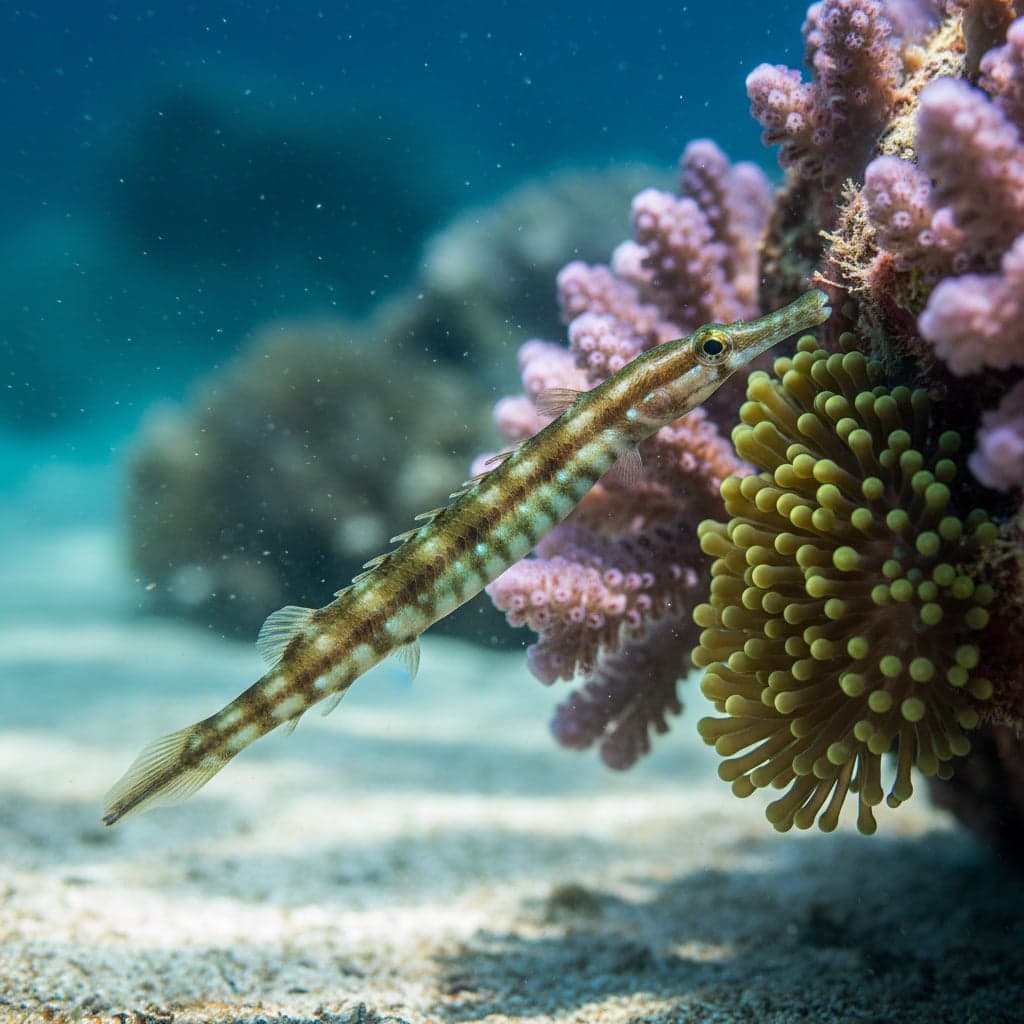
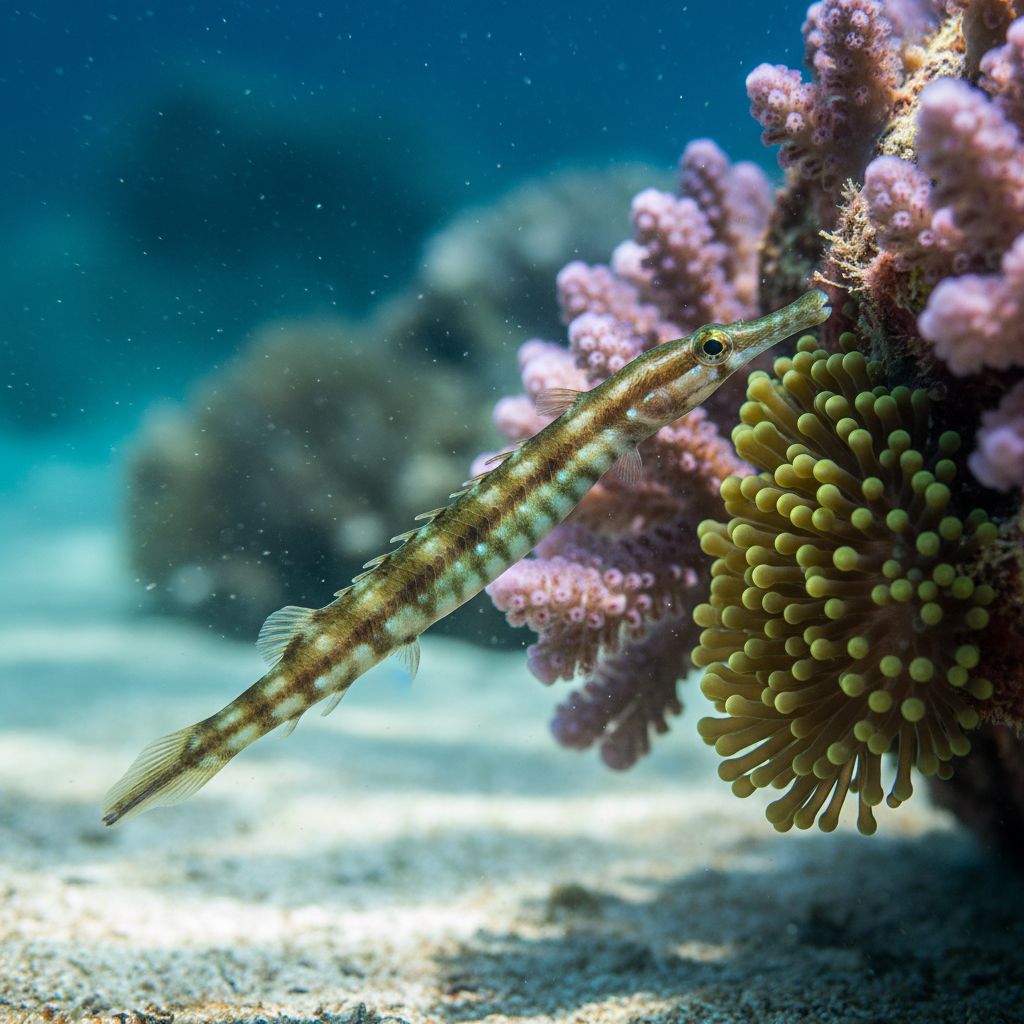
The Snake Pipefish (Corythoichthys intestinalis) is a stunning saltwater fish known for its unique appearance and behavior.

Snake Pipefish
The Snake Pipefish, scientifically known as Entelurus aequoralis, is a fascinating marine species that captivates aquarists with its elongated body and unique shape resembling that of a snake. Distinguished by its slender, elongated form, the Snake Pipefish can grow to about 12 inches in length, presenting a striking appearance with a mottled coloration that allows it to blend seamlessly into its natural habitat. Its body is adorned with a series of bony plates rather than scales, which contributes to its distinct aesthetic and adds a touch of exoticism to any aquarium setup. This species is not only visually appealing but also significant in the aquarium hobby for its role in maintaining the ecological balance within its environment, acting as both prey and predator in its food web.
Within the realm of marine aquaria, the Snake Pipefish stands out for its behaviors and adaptations that intrigue both novices and seasoned aquarists alike. Unlike many fish species that exhibit overt swimming patterns, the Snake Pipefish exhibits a more subdued demeanor, often remaining motionless among aquatic vegetation and structures, mimicking the behavior of seahorses. This unique characteristic encourages aquarists to create well-planted tanks that emulate the pipefish's natural environment, promoting not only the fish's wellbeing but also enhancing the visual allure of the aquarium.
Natural Habitat & Origin
The Snake Pipefish is native to the warm coastal waters of the Indo-Pacific region, with a distribution range that extends across various marine environments, including shallow coastal areas and mangrove swamps. Found primarily in regions such as the Coral Triangle, its presence is often noted in brackish waters where estuaries and river mouths meet the sea. The Snake Pipefish thrives in diverse circumstances, often favoring areas with plenty of hiding spots and vegetation where it can hunt for food while remaining concealed from predators. Blackwater environments, characterized by their low light and rich organic content, serve as the ideal habitat, allowing these fish to adapt well to aquariums designed to reflect such conditions.
The environmental context of the Snake Pipefish's habitat is crucial for ensuring its continued health in captivity. Typically residing among dense seagrasses and corals, these fish appreciate the complexity of their surroundings, which provides both foraging opportunities and protection. Thus, replicating such natural structures in an aquarium setting is paramount for aquarists aiming to keep Snake Pipefish healthy and thriving.
Care Requirements
To ensure the well-being of the Snake Pipefish, specific water parameters must be maintained: a pH level between 7.0 and 8.5, a temperature range of 24-28°C (75-82°F), and water hardness ranging from 10 to 30 dGH. It is essential to implement a reliable filtration system to maintain water quality, as the Snake Pipefish is sensitive to fluctuating conditions. The minimum tank size for these fish should be at least 50 gallons, providing ample swimming space and room for a varied array of plants and decor.
The ideal tank setup should include fine sand or a soft substrate, as well as plenty of live plants and decorations that mimic their natural habitat. Using low to medium lighting will help create a calming atmosphere while promoting the growth of necessary plant life. Incorporating floaters and dense aquatic vegetation allows the Snake Pipefish to feel secure and can reduce stress levels, thus fostering a stable environment conducive to health and longevity.
Diet & Feeding
The Snake Pipefish is predominantly a carnivore, feeding on small crustaceans, plankton, and other minute aquatic organisms in the wild. In captivity, their diet should closely mirror this natural feeding regime. High-quality frozen and live foods, such as brine shrimp, copepods, and mysis shrimp, constitute an excellent portion of their diet. While they can accept finely crushed flakes and pellets, it is recommended to provide these sparingly, as their natural feeding habits necessitate live or frozen foods for proper nutrition.
Feeding should aim to replicate the variety and frequency of meals found in their natural habitat — ideally, feeding the Snake Pipefish multiple small meals throughout the day. Adequate nutrition is vital not only for the general health of the fish but also for ensuring they receive the necessary nutrients to thrive in the aquarium environment.
Behavior & Temperament
The Snake Pipefish displays a generally peaceful demeanor, preferring to remain in quiet environments where they can hide among plants and decorations. These fish are not known to be aggressive, making them suitable for peaceful community tanks. However, they are best kept in small groups or pairs, as they do exhibit some schooling behavior, benefiting from the company of their own species. In the aquarium, they will often stay in a vertical position, using this unique posture to navigate through dense aquatic vegetation, which should be considered when designing their habitat.
Being relatively shy creatures, the Snake Pipefish will often avoid more boisterous tank mates, making compatibility an essential consideration for successful cohabitation. While they may coexist with other peaceful fish species, it is crucial to ensure that aggressive or overly active fish do not disrupt their calm demeanor.
Tank Mates
When selecting tank mates for the Snake Pipefish, it is important to choose species that share a similar temperament and environmental needs. Ideal companions include peaceful fish such as smaller species of gobies, livebearers like Endler's guppies, and other pipefish varieties. Additionally, small bottom feeders like corydoras and peaceful marine shrimp like cleaner shrimp can coexist well.
Conversely, avoid housing the Snake Pipefish with aggressive fish or fast swimmers, such as larger cichlids or certain species of barbs, as they may frighten the pipefish and inhibit their feeding. Predator species, including larger wrasse or lionfish, should also be strictly avoided, as these can pose a direct threat to the Snake Pipefish's health and happiness in captivity.
Breeding
Breeding Snake Pipefish in captivity can be a rewarding yet challenging endeavor. These fish typically exhibit a form of parental care that is uncommon among many other fish species; the male pipefish is responsible for gestating the eggs. Breeding requires specific conditions, such as well-maintained water quality and the presence of abundant hiding spots and vegetation for the female to deposit her eggs.
Successful spawning often takes place in a dedicated breeding tank, with a temperature maintained at the upper end of their typical range (around 26-28°C or 79-82°F) and stable parameters. The female will lay eggs on the male's brood pouch, where fertilization occurs, allowing the male to carry the developing embryos. After a gestation period of two to four weeks, the male will give birth to fully formed, miniature versions of the adults, which can be fed with small live foods until they reach a size suitable for transitioning to a more diverse diet.
Common Health Issues
While the Snake Pipefish is generally hardy, it can be prone to specific health issues. Potential concerns include ich (Ichthyophthirius multifiliis), which can cause white spots and distress; and various bacterial infections manifested by swelling or lesions. Regular aquarium maintenance, including water changes and monitoring water parameters, plays a crucial role in prevention.
In addition to providing a balanced diet, it is important to ensure a stress-free environment, as stress can trigger health problems in the Snake Pipefish. Quarantining new arrivals before introducing them into the