Snowflake Moray Eel: Echidna nebulosa
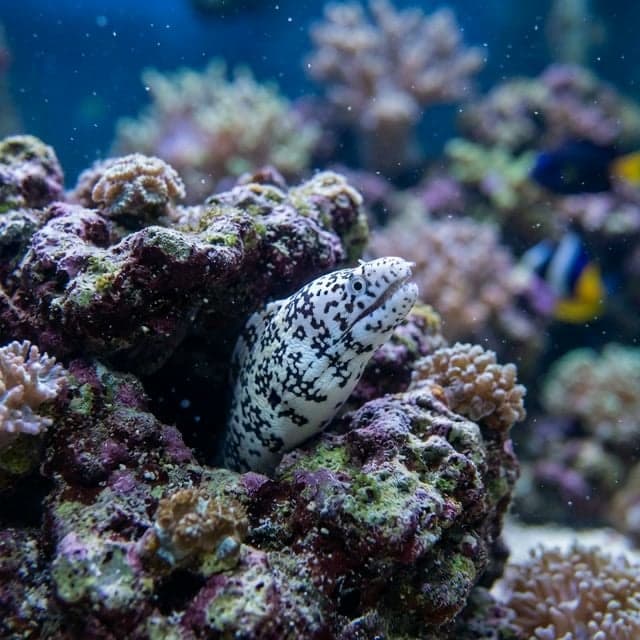
The most popular saltwater eel for home aquariums. Its white body with black pebble-like markings and peaceful disposition make it an ideal first eel.
Snowflake Moray Eel
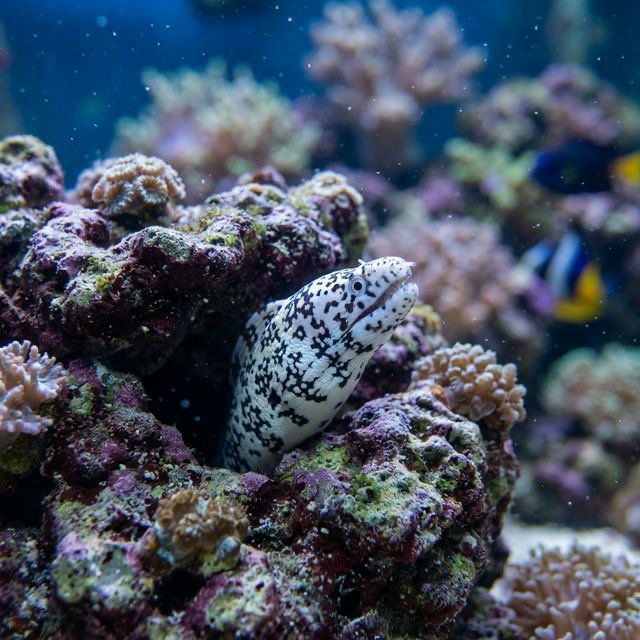
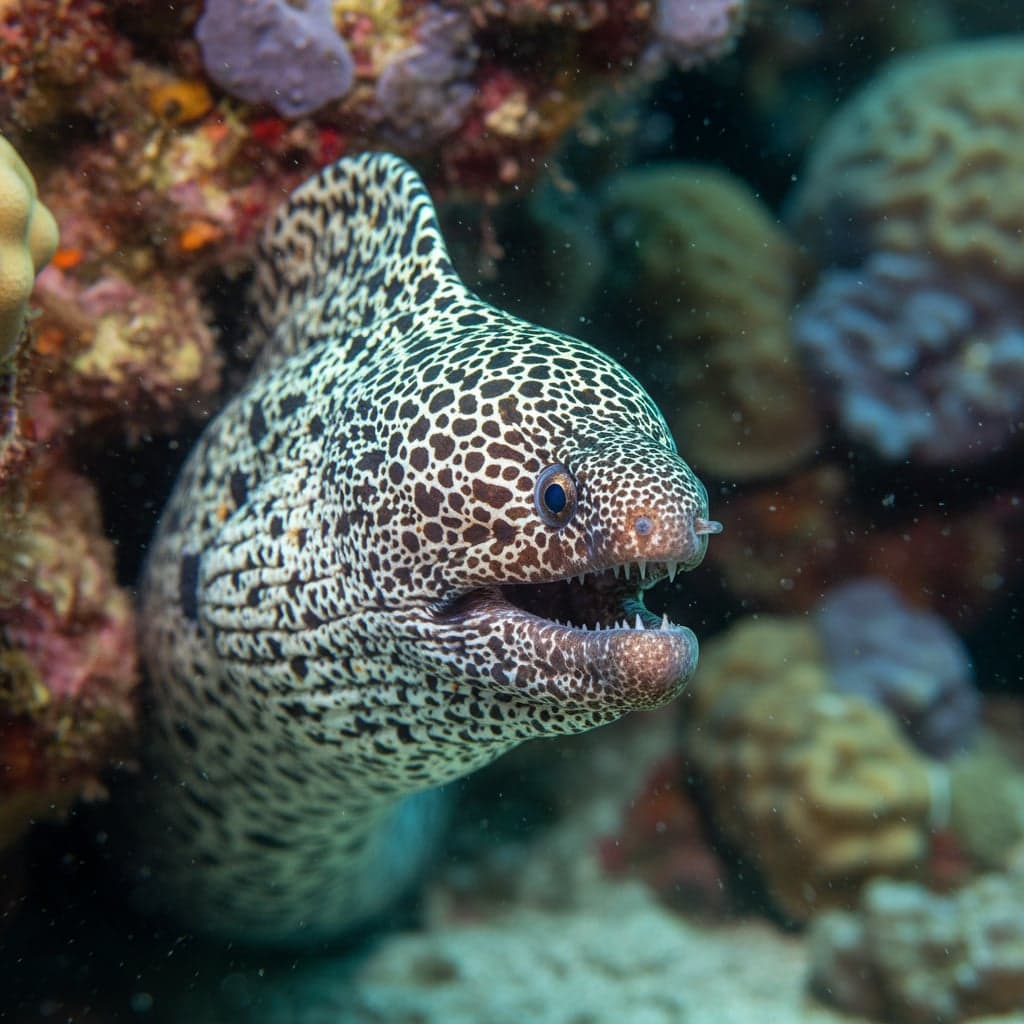
The Snowflake Moray Eel, scientifically known as Echidna nebulosa, is a strikingly beautiful species that has captured the attention of aquarists around the globe. This eel is easily recognizable due to its unique coloration and patterns—featuring a white to cream base color adorned with irregular dark brown to black spots, reminiscent of a snowflake, hence its name. Snowflake Moray Eels can grow up to three feet in length, making them a fascinating centerpiece in an aquarium. Their intricate patterns and smooth, sleek bodies not only make them visually appealing but also serve as a conversation starter among hobbyists.
In the aquarium hobby, the Snowflake Moray Eel is celebrated not only for its aesthetic charm but also for its intriguing behavior and personality. Known for being less aggressive than some other moray species, it typically adapts well to captive conditions when provided with appropriate tank environments. Their presence in the aquarium creates a dynamic ecosystem, as they often utilize crevices and rocks to hide, showcasing their more curious side as they explore their surroundings. This makes them a significant addition for aquarists looking to create a lively underwater landscape while also maintaining a pet with a personable character.
Natural Habitat & Origin
The Snowflake Moray Eel is primarily found in the warm, tropical waters of the Indo-Pacific region, with a distribution range stretching from the Red Sea and East Africa to the islands of the South Pacific Ocean, including Polynesia and Micronesia. Preferring coastal to lagoon environments, these eels inhabit rocky crevices, coral reefs, and ledges at depths between 1 to 30 meters (3 to 100 feet). The waters they thrive in are typically clear to slightly turbid, characterized by a moderate level of salinity. Their native ecosystems are usually enriched with a rich biodiversity, providing an essential role as nocturnal predators within their habitats.
The environmental context is essential for understanding the Snowflake Moray Eel’s needs in captivity. They naturally inhabit stable environments with plenty of hiding spots, which serve both protective and hunting functions. The water in these regions is generally warm, and the availability of various invertebrates and smaller fishes significantly impacts their behavior and nutritional requirements in the wild.
Care Requirements
To provide optimal care for your Snowflake Moray Eel, maintaining specific water parameters is crucial. Ideal water conditions include a temperature range of 75 to 85°F (24 to 29°C), a pH between 8.1 and 8.4, and a specific gravity of 1.020 to 1.025. Regular testing is essential to maintain these parameters, as even slight deviations can negatively impact the eel's health. In terms of tank setup, a minimum tank size of 75 gallons (284 liters) is recommended for a single Snowflake Moray Eel, as they require ample space to swim and explore.
When designing the aquarium, include a sandy substrate that mimics their natural environment, as this provides a comfortable surface for them to rest and burrow. Eliminate sharp decorations that could injure their delicate skin, opting instead for smooth rocks and caves that facilitate hiding and browsing behavior. Lighting should be subdued, as Snowflake Moray Eels are typically nocturnal, making low-intensity lighting or shaded areas ideal. Additionally, incorporating coral or rock formations can create a natural habitat that encourages their natural behaviors.
Diet & Feeding
As primarily carnivorous creatures, Snowflake Moray Eels thrive on a diet rich in high-quality protein sources. In captivity, they can be fed a variety of diets including frozen or live foods such as shrimp, fish, and mollusks. While some aquarists might also use high-quality pellets or flakes designed for carnivorous fish, it is essential that these foods are adequately sized to prevent choking. A typical feeding schedule involves offering food every 2-3 days, ensuring that the portions remain substantial enough for the eel to thrive, as they are known to have hearty appetites.
It is important to ensure that the diet is varied to prevent nutritional deficiencies. Incorporating different types of foods not only contributes to overall health but also encourages natural hunting behaviors. When introducing new foods, do so gradually to ensure your Snowflake Moray Eel adapts well and eats consistently without stress.
Behavior & Temperament
The Snowflake Moray Eel exhibits a rather intriguing behavior profile characterized by its predominantly solitary nature. While not aggressive, it is recommended to keep them individually or with species that are not perceived as prey. Unlike some more aggressive moray species, the Snowflake tends to be more outgoing, often venturing out of its hiding spots during feeding times or when exploring its environment. Despite their somewhat shy disposition, they can become quite interactive, especially as they grow accustomed to their surroundings and their owner's presence.
Occupying a vertical niche in the tank, Snowflake Moray Eels are known to inhabit caves and crevices, so make sure the aquarium is structured to allow for horizontal and vertical movement. It's crucial to provide ample hiding spaces, as these eels feel secure in environments that reflect their natural habitats. Observing them engage in burrowing or poking their heads out of crevices can be rewarding, offering a glimpse into their curious and playful personalities.
Tank Mates
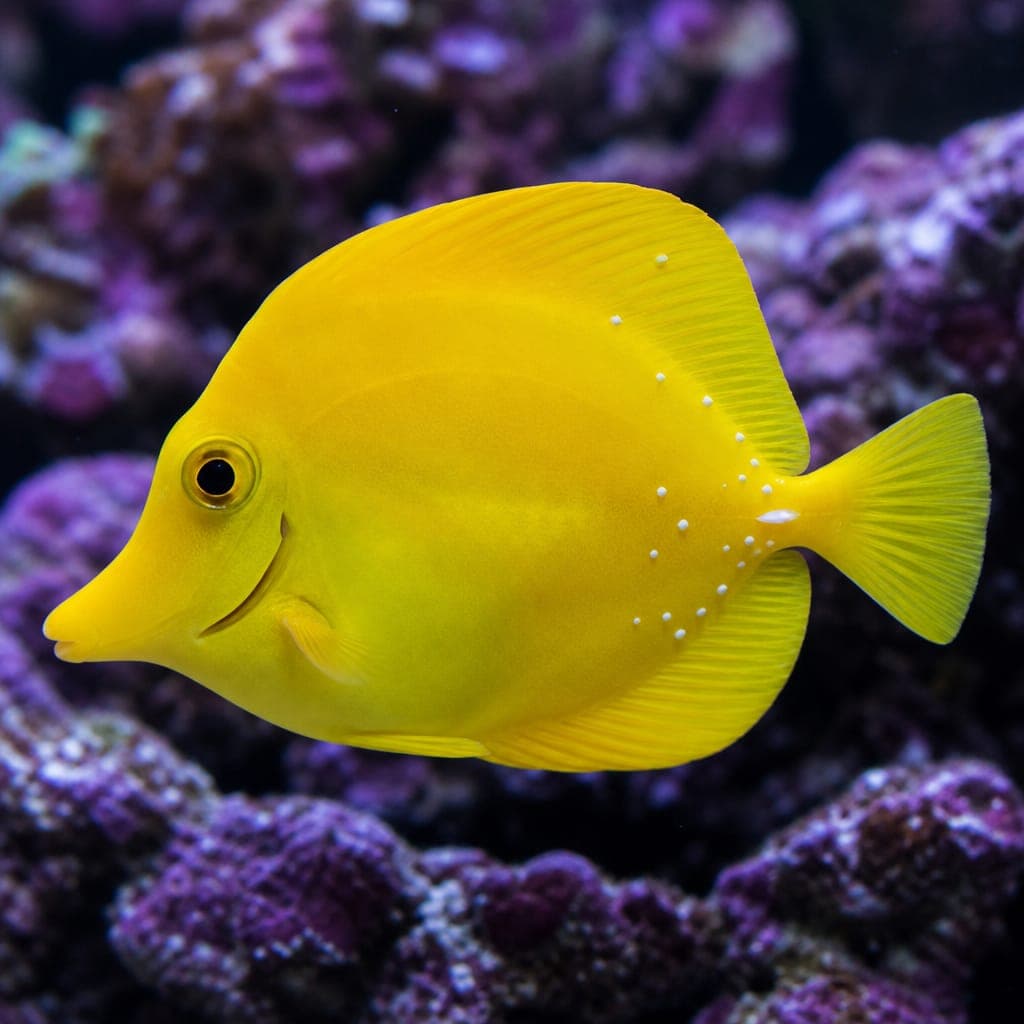
When selecting compatible tank mates for your Snowflake Moray Eel, opt for larger, more robust fish that can withstand occasional nipping or mistaking smaller fish as prey. Ideal companions include species such as larger wrasses, triggerfish, or tangs. Carangids (jacks), as well as larger groupers, can also coexist well with Snowflake Moray Eels, provided they are not overly aggressive.
It’s essential to avoid small, timid fish, particularly those of the same size or smaller, as they may be perceived as food. Additionally, avoid keeping them with overly territorial species or aggressive fish that might harass the eel. Monitor interactions carefully and be prepared to separate any fish that exhibit signs of compatibility issues to maintain a healthy and peaceful tank environment.
Breeding
Breeding Snowflake Moray Eels in captivity remains a challenging endeavor, primarily due to their specific spawning requirements. They are believed to be protandrous hermaphrodites, starting life as males before transitioning to females as they grow larger. The exact conditions required for successful breeding are still not completely understood, but they are known to spawn in open water, often at night, releasing eggs and sperm freely into the currents.
Breeding in aquariums typically requires large systems with stable water conditions and specific temperature ranges mimicking their natural spawning events. Creating a stress-free environment with proper hiding spots for both potential breeding pairs and developing young is essential. As of now, spawning has been minimally recorded in captivity, with successful rearing of the offspring proving even more elusive due to fry requiring specialized feeds that mimic their natural diet.
Common Health Issues
Snowflake Moray Eels, like other marine species, are susceptible to certain health issues that aquarists should be aware of. Common ailments include marine ich (Cryptocaryon irritans), a parasitic disease that presents as white cysts on the body, and other stress-related conditions stemming from poor water quality or overcrowded tanks. Regular water testing and stringent hygiene practices can help prevent these diseases.