Snyder's Barb: Pethia aurea
A small golden barb best kept in groups of eight or more at 22-26°C, pH 6.0-7.0. Tank size, diet, temperament and community tank mates.

Snyder's Barb
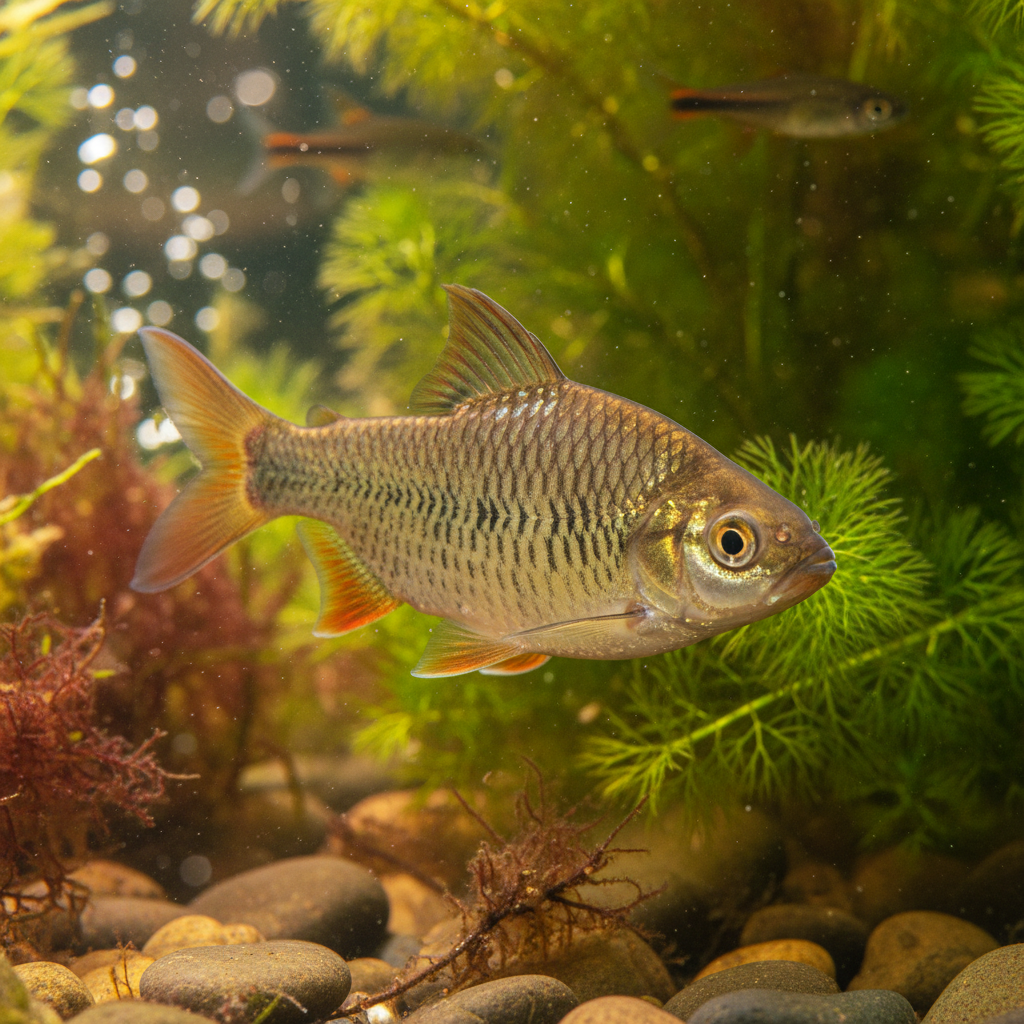
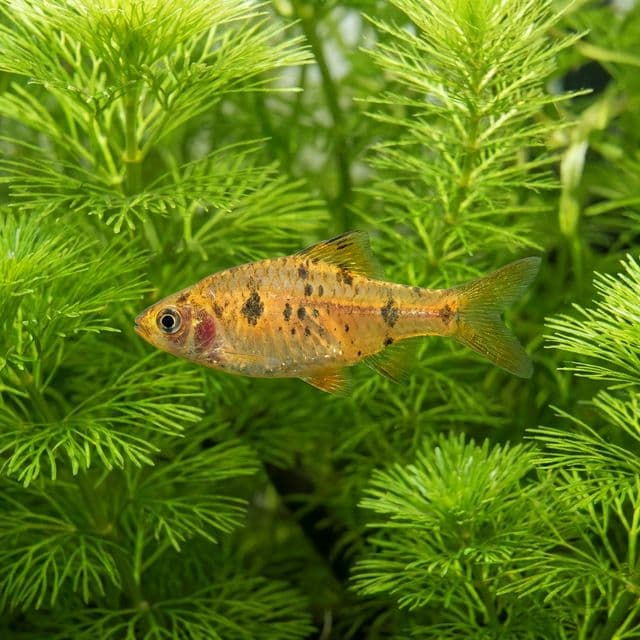
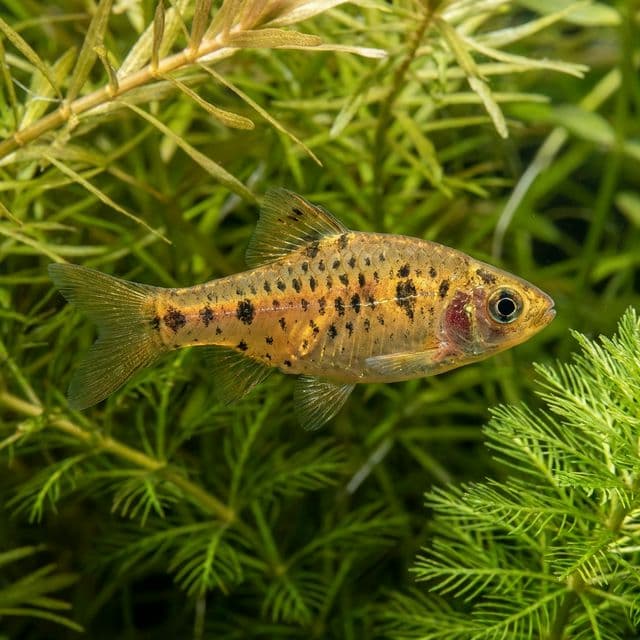
Snyder's Barb, scientifically known as Pethia aurea, is a captivating freshwater fish that enchants aquarists with its vibrant appearances and lively behavior. This small cyprinid is characterized by its golden-yellow coloration, which shimmers under aquarium lighting, and is complemented by delicate patterns that add visual intrigue. The Snyder's Barb's small size and striking coloration make it a popular choice in community aquariums. Its active swimming style creates a dynamic display, bringing energy to any tank setup and providing an enjoyable viewing experience for enthusiasts.
Significantly, Snyder's Barb serves not only as an aesthetic addition but also plays a crucial role in promoting biodiversity within the aquarium hobby. This fish is often favored for its hardiness, making it an excellent option for both novice and experienced aquarists alike. As a schooling species, Snyder's Barb thrives in groups, enhancing the interactive ambiance of the aquarium environment. Their social dynamics and captivating behaviors can lead to more engaging displays, fostering admiration for their beauty and enriching the overall aquarium experience.
Natural Habitat & Origin
Snyder's Barb hails from the freshwater rivers and streams of Southeast Asia, particularly found in regions such as Myanmar and Thailand. These environments typically feature slow-moving waters with dense vegetation along the banks. The natural habitat is characterized by a combination of clear water and soft, slightly acidic conditions, where the fish can thrive among submerged roots and leaf litter. The presence of natural shelters allows Snyder's Barb to exhibit their natural behaviors and provides a conducive environment for breeding and feeding.
The fish natural authority in these habitats emphasizes their adaptability to varying conditions. However, being native to blackwater ecosystems, Snyder's Barb prefers waters that contain decaying plant material, which contributes to their coloration and overall health. Understanding these environmental contexts helps aquarists create an optimal setup that mirrors their natural habitat, ensuring the well-being of Snyder's Barb in captivity.
Care Requirements
To ensure that Snyder's Barb thrives in an aquarium setting, attention must be paid to specific water parameters. An ideal pH range for these fish is between 6.0 to 7.5, with a temperature of 22°C to 28°C (72°F to 82°F) and a water hardness of 5 to 15 dGH. This species appreciates clean, well-filtered water, so regular maintenance and water changes are essential for their health. In terms of tank setup, a minimum tank size of 20 gallons is recommended to provide ample swimming space for a small school of these fish.
When setting up the aquarium, it is advisable to include a dark substrate that complements their natural colors and provides a sense of security. Incorporating plants such as Java moss, Anubias, or floating plants will not only enhance their environment but also create hiding spots which offer shelter. Moderate lighting is preferable to mimic their natural habitat, with shaded areas to replicate the dappled light of their native waters. Providing these elements contributes to the overall health and happiness of Snyder's Barb.
Diet & Feeding
Snyder's Barb is classified as an omnivorous species, having a versatile diet that includes both plant and animal matter. In captivity, they can be fed a balanced diet consisting of high-quality flakes or pellets, ensuring a solid nutrition foundation. Additionally, offering a variety of frozen or live foods, such as brine shrimp, daphnia, and bloodworms, will help maintain their health and enhance their coloration. Feeding them a mix of these foods will not only satisfy their dietary needs but will also promote their natural foraging behavior, thus enriching their experience in the aquarium.
For optimal health, it is crucial to feed Snyder's Barb small portions multiple times a day rather than one large feeding. This approach mimics their natural feeding habits, ensuring they are consistently nourished while also preventing overfeeding, which can lead to water quality issues. By providing a well-rounded diet, aquarists can enable their Snyder's Barb to thrive and exhibit vibrant colors.
Behavior & Temperament
Snyder's Barb is renowned for its lively and social temperament, making it an excellent addition to community tanks. They are a schooling species, typically requiring groups of six or more to exhibit their natural behaviors and reduce stress. In a well-planted aquarium, Snyder's Barb display active swimming patterns, often darting around the tank and interacting with one another. Their behavior is generally peaceful, and they exhibit minimal aggression towards their tank mates, provided they are housed in appropriate schooling numbers.
While Snyder's Barbs prefer the mid and bottom layers of the aquarium, they can often be seen exploring the entire tank space. Their sociable nature encourages interaction not only within their species but also with other compatible fish, contributing to a dynamic environment. Ensuring the presence of sufficient numbers fosters their natural behaviors and thus enhances the overall community atmosphere of the aquarium.
Tank Mates
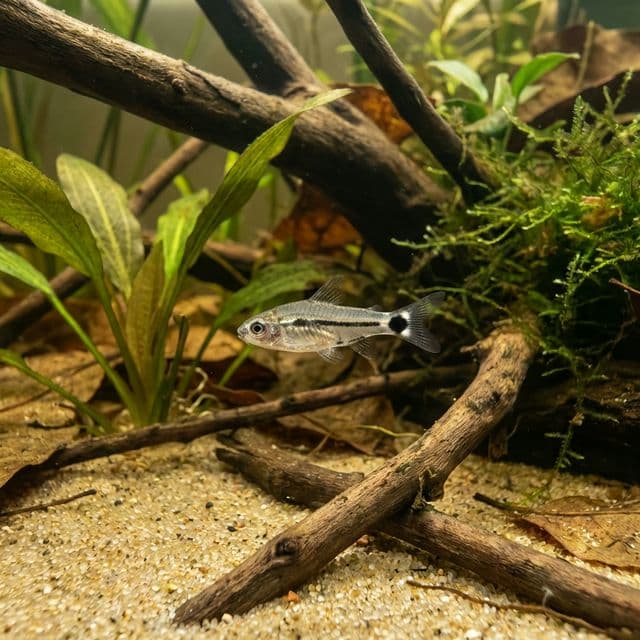
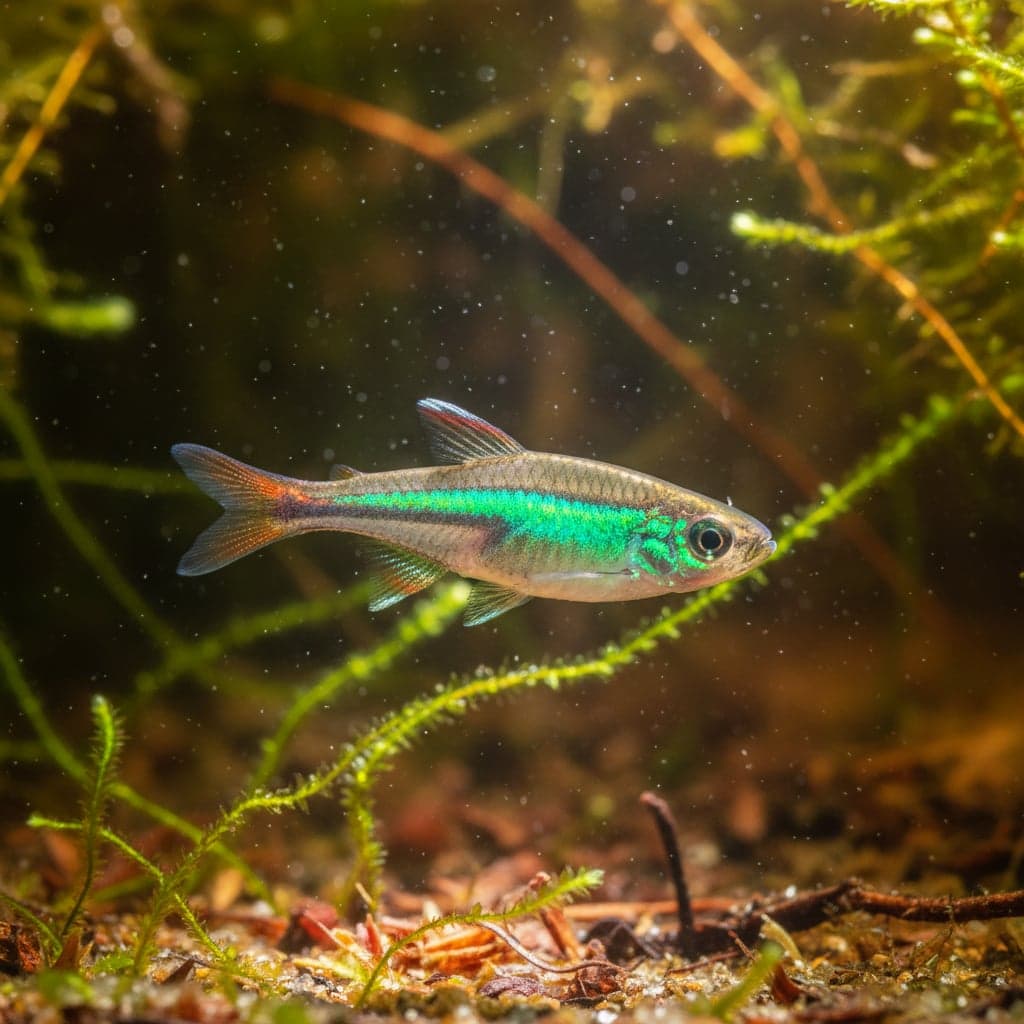
Choosing compatible tank mates for Snyder's Barb is essential to maintain a harmonious aquatic community. Ideal companions include other peaceful fish species such as Tetras (e.g., Neon Tetras, Ember Tetras), Rasboras, and various types of Catfish, like Corydoras. These species share similar water requirements and behavior patterns, ensuring a peaceful coexistence. Selecting schooling species can also contribute to a lively aquarium environment, emulating the interactive dynamics found in natural settings.
Conversely, Snyder’s Barb should be kept away from aggressive or fin-nipping species, as well as larger predatory fish. Examples of species to avoid include cichlids (especially African cichlids), bettas, and larger barbs. Such companions can lead to stress and potential harm, undermining the well-being of Snyder's Barb. A thoughtful selection of tank mates promotes a balanced community and enhances the enjoyment of the aquarium.
Breeding
Breeding Snyder's Barb in captivity can be a rewarding experience, though it requires specific conditions to encourage spawning. They are egg scatterers, with females capable of laying hundreds of eggs in a single event. To facilitate successful breeding, it is beneficial to set up a separate breeding tank, ideally around 10 gallons, filled with slightly acidic, soft water and dense vegetation that provides substrate for egg attachment.
To stimulate spawning, aquarists can simulate seasonal changes by conducting water changes with slightly cooler water and enhancing feeding to improve health. When in optimal condition, both male and female Snyder's Barbs will exhibit brighter colors, with males often showing off their vibrant hues to attract females. After spawning, it’s advisable to remove the adults from the breeding tank to prevent them from consuming the eggs, allowing the fry to develop undisturbed. Careful monitoring and feeding of infusoria or finely crushed flakes will ensure the fry’s survival and growth.
Common Health Issues
While Snyder's Barb is generally a hardy species, they can be susceptible to certain health issues, particularly if water quality is not maintained. Common diseases include ich (white spot disease), fin rot, and swim bladder disorder. Maintaining optimal water conditions through regular water changes, a well-maintained filtration system, and appropriate stocking levels is crucial in preventing these issues.
To keep Snyder's Barb healthy, regular health checks should be performed to identify any early signs of illness, such as changes in behavior, excessive scratching against objects, or visible lesions. Quarantine of new fish before introducing them to the main tank can also prevent disease outbreaks. By proactively managing water quality and diet, aquarists can greatly reduce disease outbreaks and support long-term vitality. Keep ammonia and nitrite at zero, avoid overcrowding, and maintain a proper school so these active barbs stay calm. Quarantine newcomers and respond quickly to white spots, frayed fins, flashing, or lethargy with appropriate treatment. Stable parameters, regular water changes, and a varied diet help Snyder's Barbs remain colourful, energetic community fish for years.