The South American Bumblebee Catfish: Microglanis iheringi
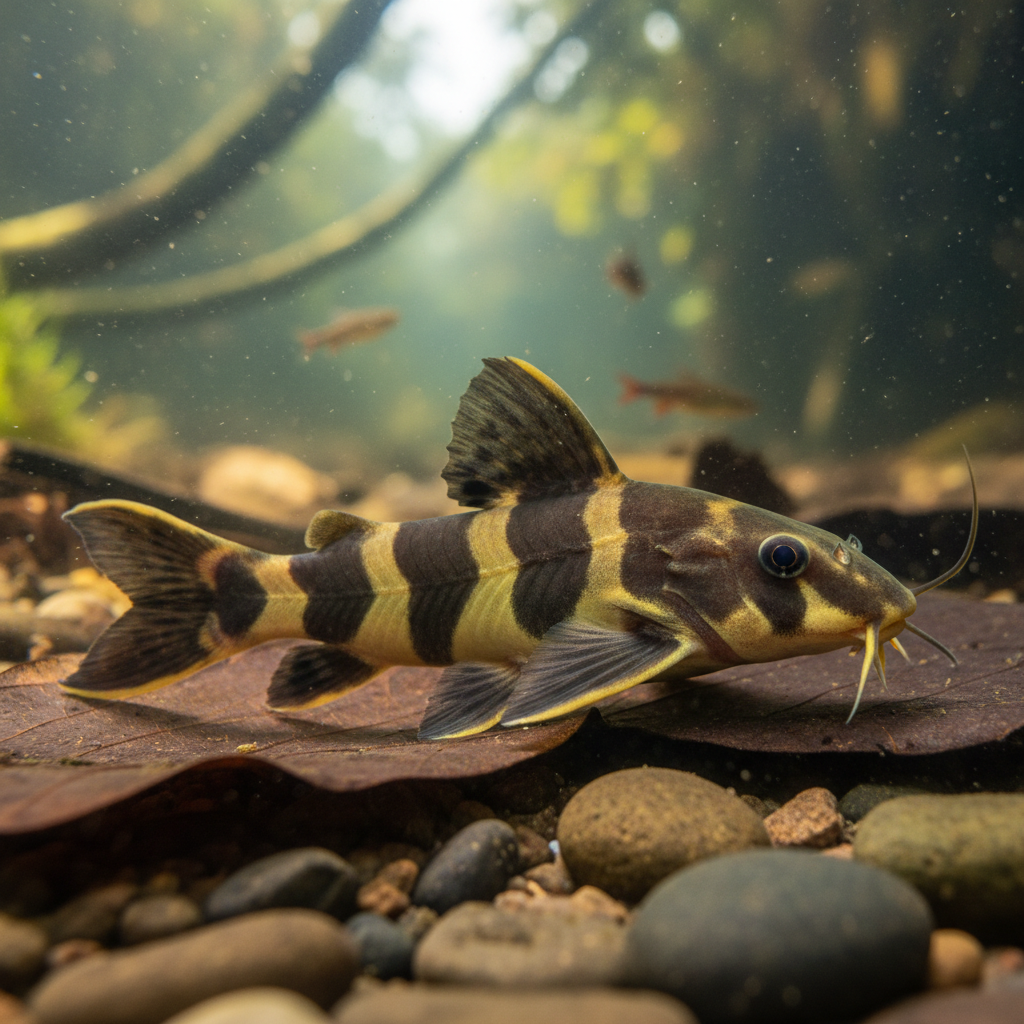
A small, cryptic catfish with broad black and yellow bands. Perfect for smaller community tanks, though rarely seen during the day.
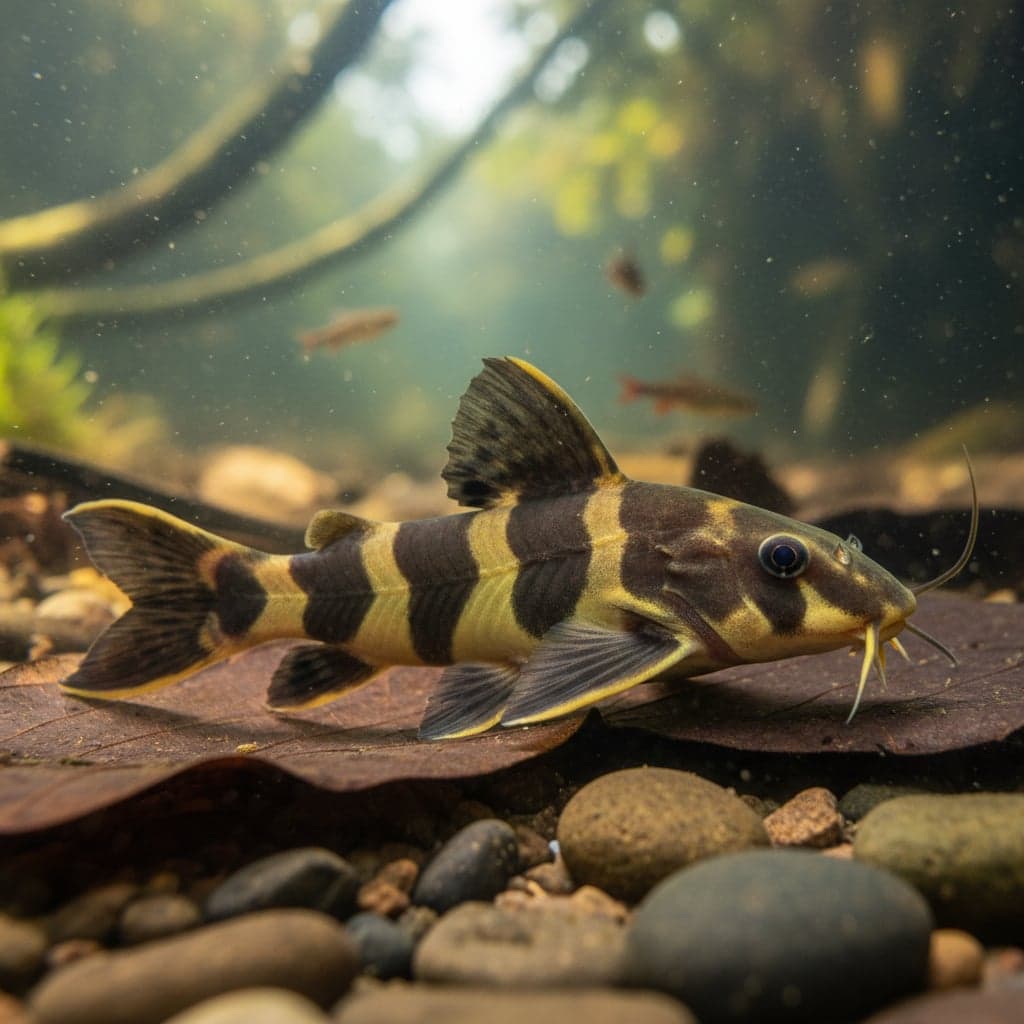
South American Bumblebee Catfish
The South American Bumblebee Catfish (Microglanis iheringi) is a fascinating freshwater species that captivates the hearts of aquarists with its striking coloration and unique morphology. Displaying a captivating combination of black and yellow or gold bands across its streamlined body, this fish exudes an unparalleled visual appeal. The bold patterns not only serve as a natural camouflage among riverbed substrates but also make it an eye-catching addition to any aquarium. Its charming, quirky personality and inquisitive nature add to its allure, making it a popular choice among enthusiasts looking for a species that is both beautiful and entertaining.
In addition to its aesthetic qualities, the South American Bumblebee Catfish holds significant importance in the aquarium hobby. As a member of the broader catfish family, this species plays a crucial role in maintaining the ecosystem of its natural habitat by scavenging for food on the riverbed. Its presence in aquariums promotes biodiversity and educates hobbyists about the importance of habitat conservation in South America. With proper care and consideration, this catfish not only thrives in captivity but also helps to inspire awareness about aquatic ecosystems.
Natural Habitat & Origin
The South American Bumblebee Catfish originates from the waterways of the Amazon Basin, predominantly found in countries such as Brazil and Peru. These fish thrive in slow-moving rivers and tributaries characterized by their rich biodiversity. The natural habitats of these catfish typically consist of shallow, sediment-laden waters, often rich in organic matter and adorned with dense aquatic vegetation. The water acidity is often low, creating blackwater conditions infused with tannins from decaying plant material, which contributes to their unique adaptation and behavior.
In their native environments, South American Bumblebee Catfish tend to inhabit areas with plenty of hiding spots, such as rocky outcroppings and fallen branches, providing them with a sense of security. Understanding their natural habitat is essential for aquarists aiming to replicate these conditions in captivity, thus ensuring the health and well-being of these intriguing fish.
Care Requirements
To provide the best care for South American Bumblebee Catfish, specific water parameters must be maintained. Ideally, the pH should range between 6.0 to 7.5, with a temperature range of 75°F to 82°F (24°C to 28°C) to mimic their natural habitat. Water hardness should be kept relatively soft, around 3 to 15 dGH. It is crucial to maintain good water quality through regular filtration and water changes, as these catfish are sensitive to ammonia and nitrite levels.
In terms of tank setup, a minimum tank size of 20 gallons is recommended for adult South American Bumblebee Catfish to provide adequate swimming space. The substrate should be soft and sandy to protect their delicate barbels. Incorporating plenty of hiding spots, such as caves and driftwood, will create a comfortable environment while also mimicking their natural habitat. Lighting should be moderate to low to reduce stress, and adding live plants can help in both decoration and water quality enhancement.
Diet & Feeding
The South American Bumblebee Catfish is primarily an omnivore, benefiting from a varied diet that reflects its natural scavenging behavior. To ensure a balanced nutritional intake, it is advisable to provide a mix of high-quality sinking pellets and flakes specifically formulated for catfish. Additionally, offering frozen foods such as bloodworms, brine shrimp, and daphnia can simulate their natural diet. Live foods are also appreciated and can encourage natural foraging behaviors. It is important to feed them multiple small meals throughout the day instead of one large feeding to prevent over-eating and maintain water quality.
Behavior & Temperament
The South American Bumblebee Catfish is known for its generally peaceful demeanor, making it suitable for community aquariums. These catfish are relatively social and often enjoy the company of their own kind, prompting aquarists to consider keeping them in small groups. However, they may exhibit territorial behaviors, especially as they mature, and thus are best housed with other non-aggressive species. These fish tend to inhabit the bottom layers of the tank, often hiding during the day and becoming more active at night. Their vertical placement preference, combined with their scavenging nature, makes them a natural cleanup crew in a well-planted aquarium setup.
Tank Mates
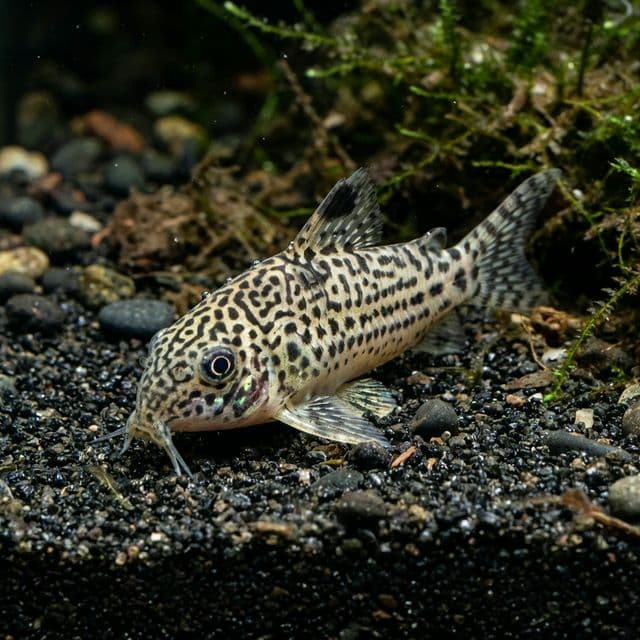
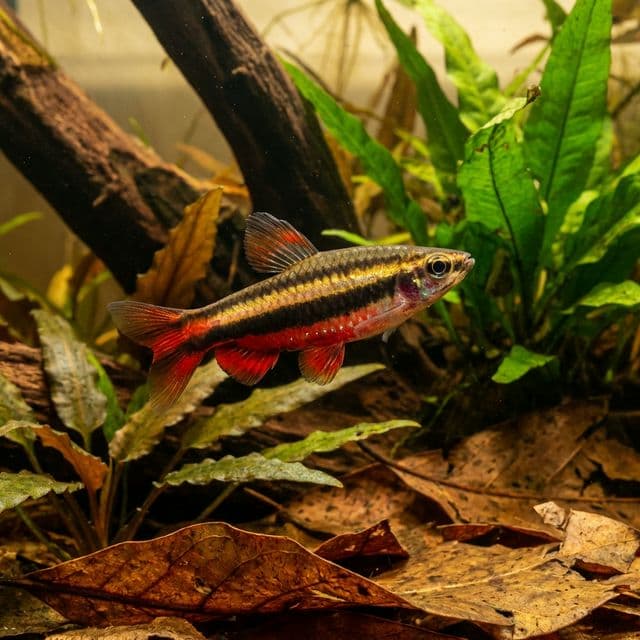
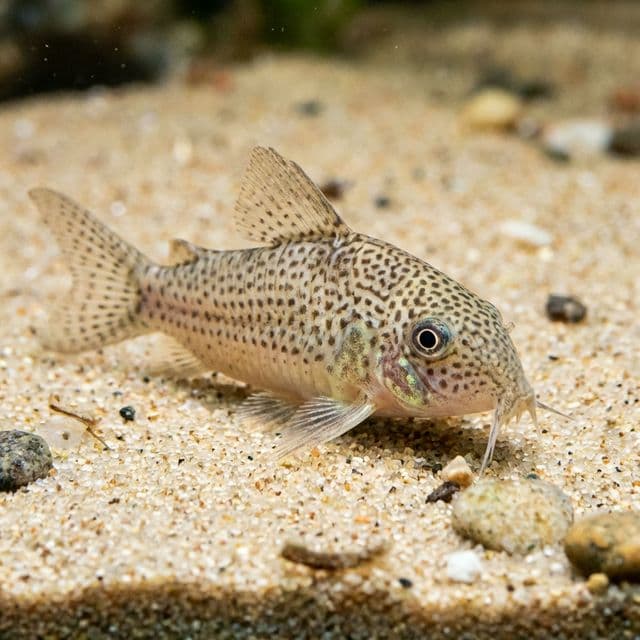
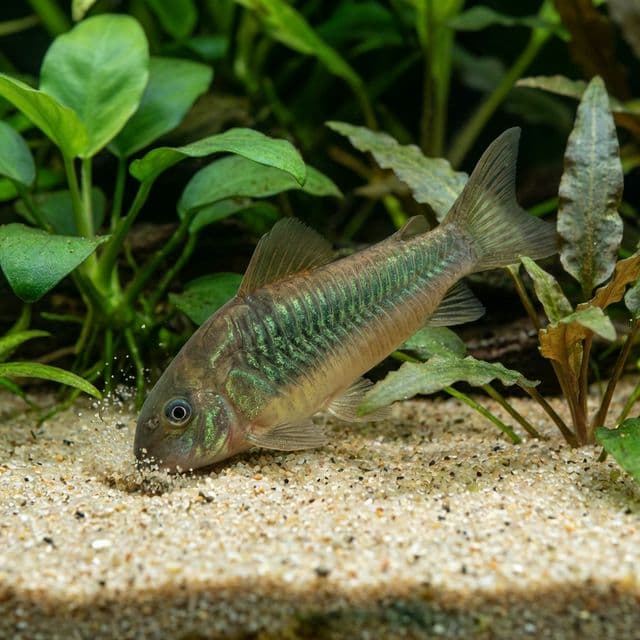
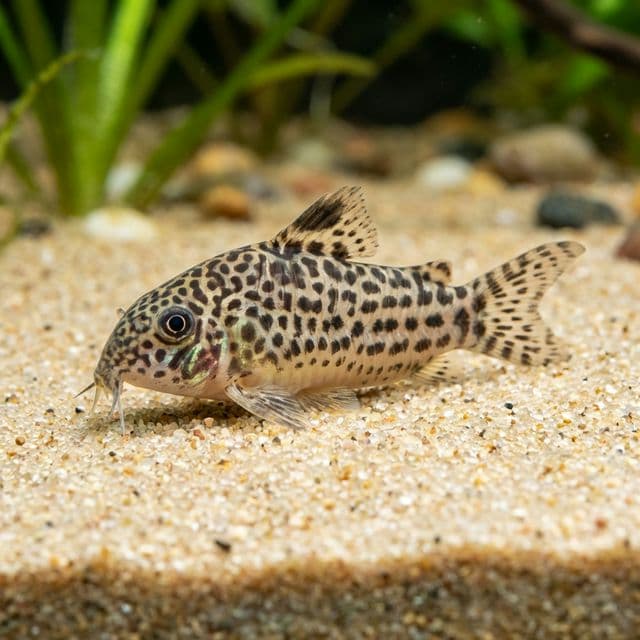
When selecting tank mates for the South American Bumblebee Catfish, it is important to choose species that share similar water requirements and temperaments. Compatible companions often include small to medium-sized, peaceful fish such as Neon Tetras, Corydoras Catfish, Rasboras, and Shell Dwellers. Avoid pairing them with overly aggressive or larger fish that may see them as prey, such as Cichlids or larger Catfish species. It's also prudent to steer clear of fast-moving shoaling fish that may outcompete the Bumblebee Catfish for food. Maintaining a balanced community tank will help ensure a harmonious environment.
Breeding
Breeding South American Bumblebee Catfish in captivity can be a challenging yet rewarding endeavor. The fish exhibit a seasonal spawning behavior, typically triggered by a drop in water temperature and an increase in water flow, mimicking their natural reproductive conditions. When ready to spawn, the male will court the female, often leading her to suitable nesting sites among plants or sheltered areas. The female can lay a clutch of up to several hundred eggs, which she will attach to the substrate. It is advisable to transfer the breeding pair to a separate tank with optimal conditions, including softer water and lower light levels, to increase the chances of successful breeding and ensure the safety of the eggs from potential predators.
Common Health Issues
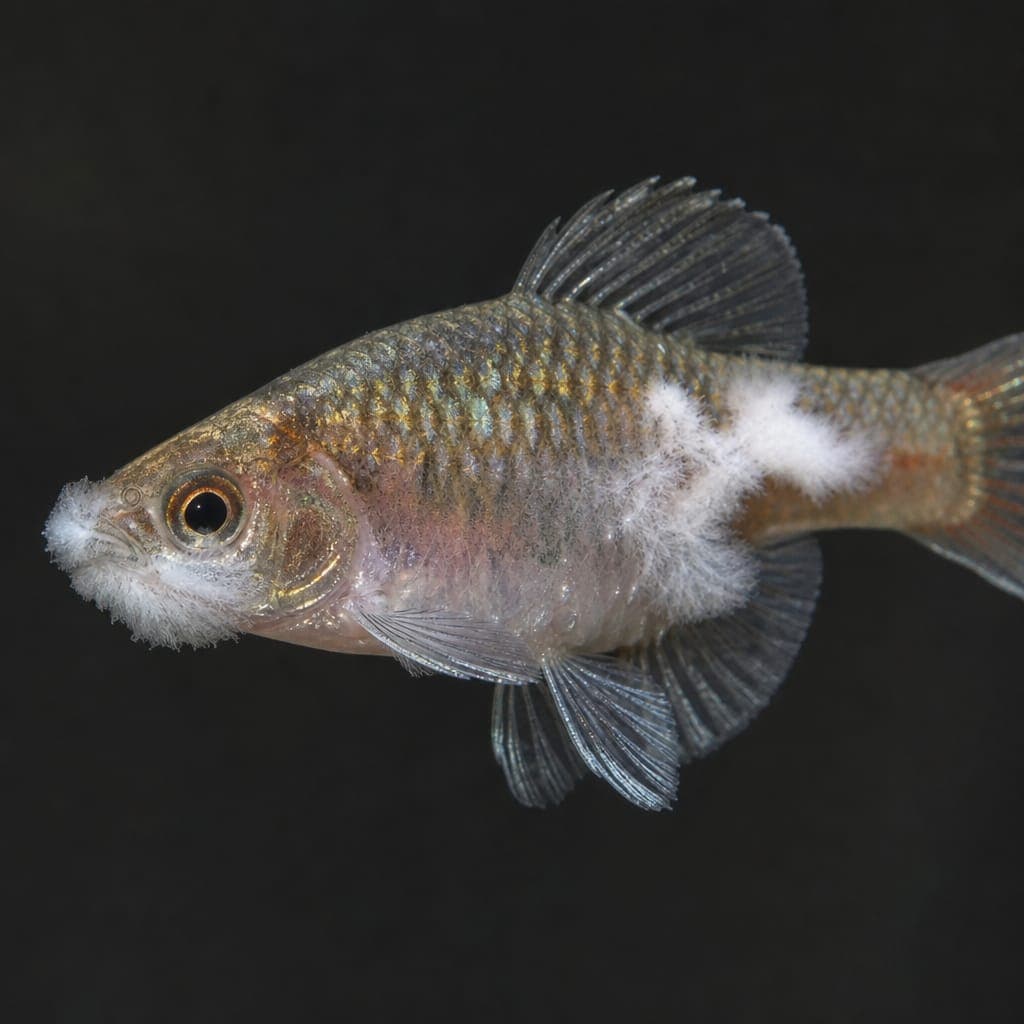
While generally hardy, South American Bumblebee Catfish can be susceptible to certain health issues. Common diseases include Ichthyophthirius multifiliis (Ich) and fungal infections, which can develop due to poor water quality or stress. Regular monitoring of water parameters, maintaining a consistent cleaning schedule, and providing a varied diet can help prevent these diseases. Additionally, quarantining new arrivals before introducing them to the main tank can significantly reduce the risk of introducing pathogens. Prompt treatment with appropriate medications and maintaining a stress-free environment can further ensure the longevity and health of these captivating fish.