Spangled Mangrove Goby: Mugilogobius paludis
A small brackish goby for hard, alkaline tanks at pH 7.5-8.5 and 24-28°C. Salinity, tank size, diet and tank mates for Mugilogobius paludis.

Spangled Mangrove Goby
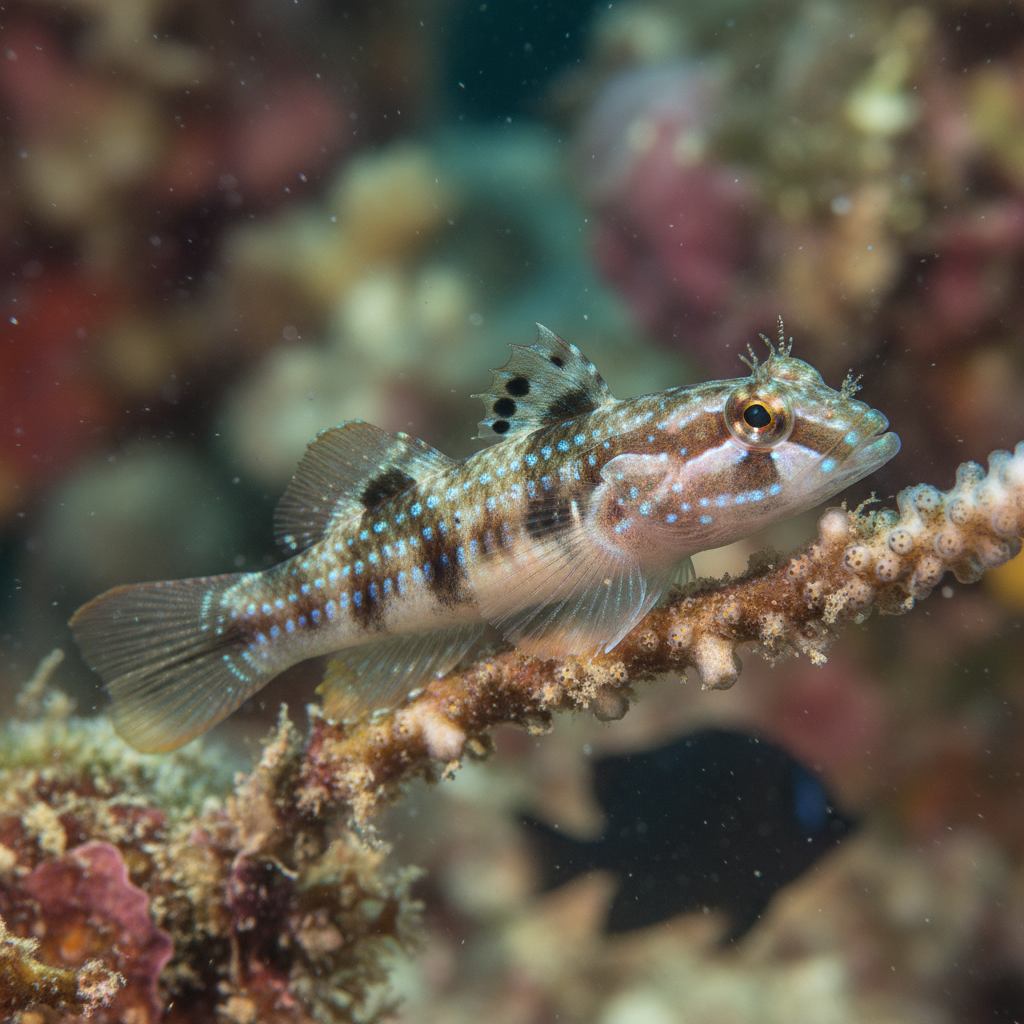
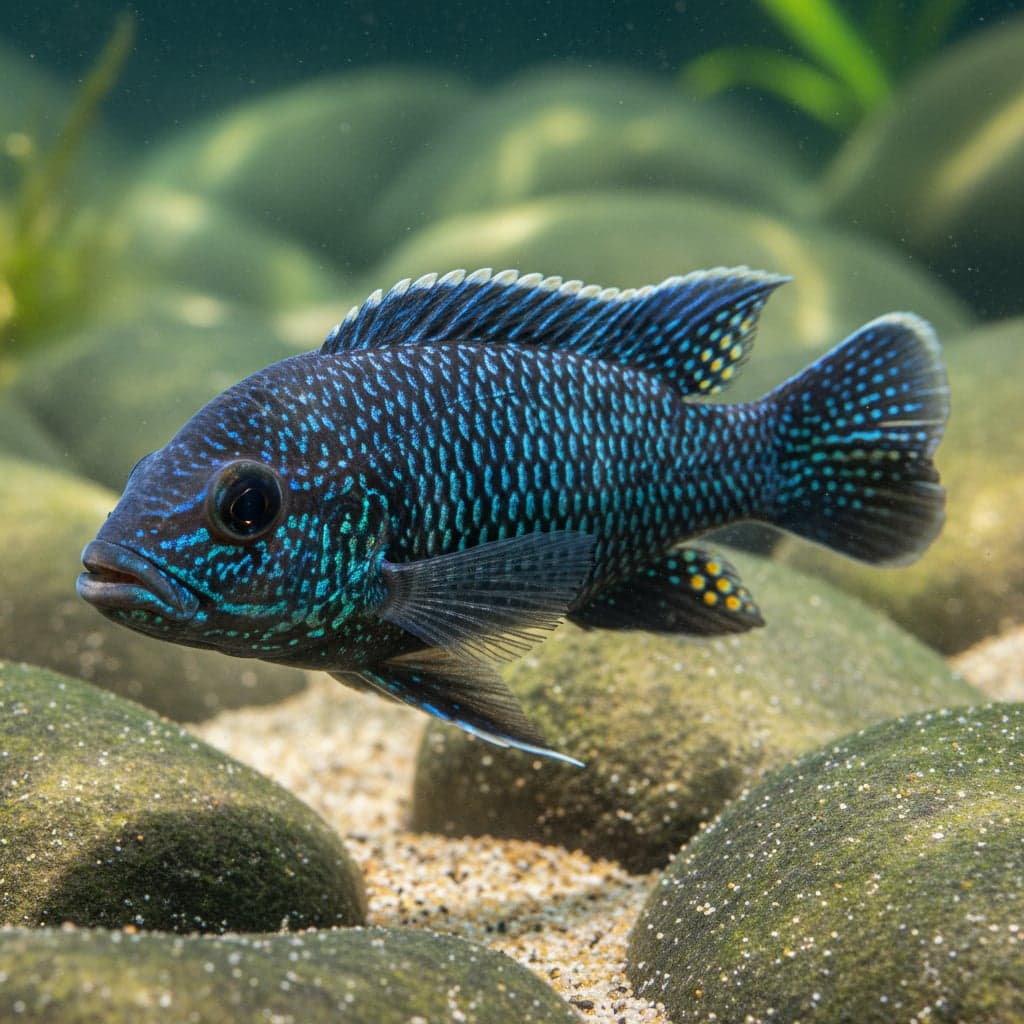
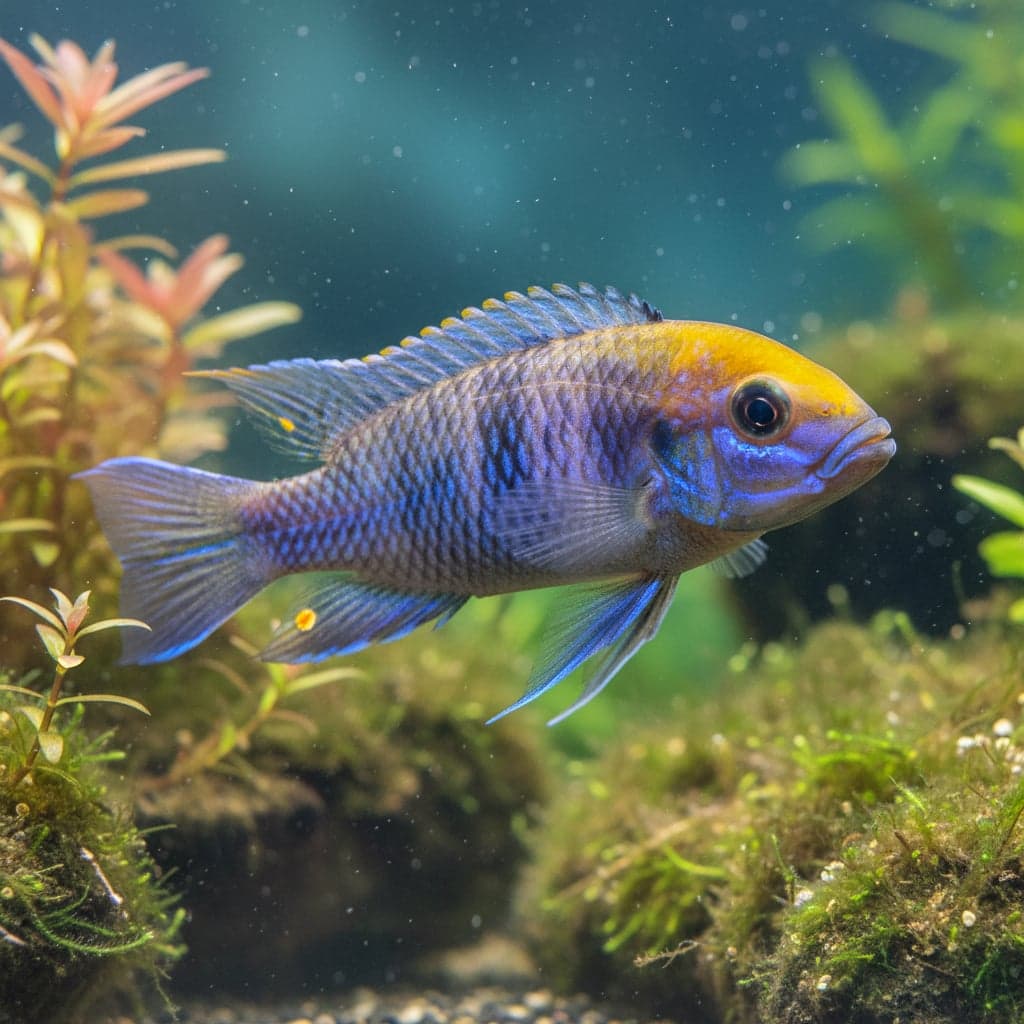
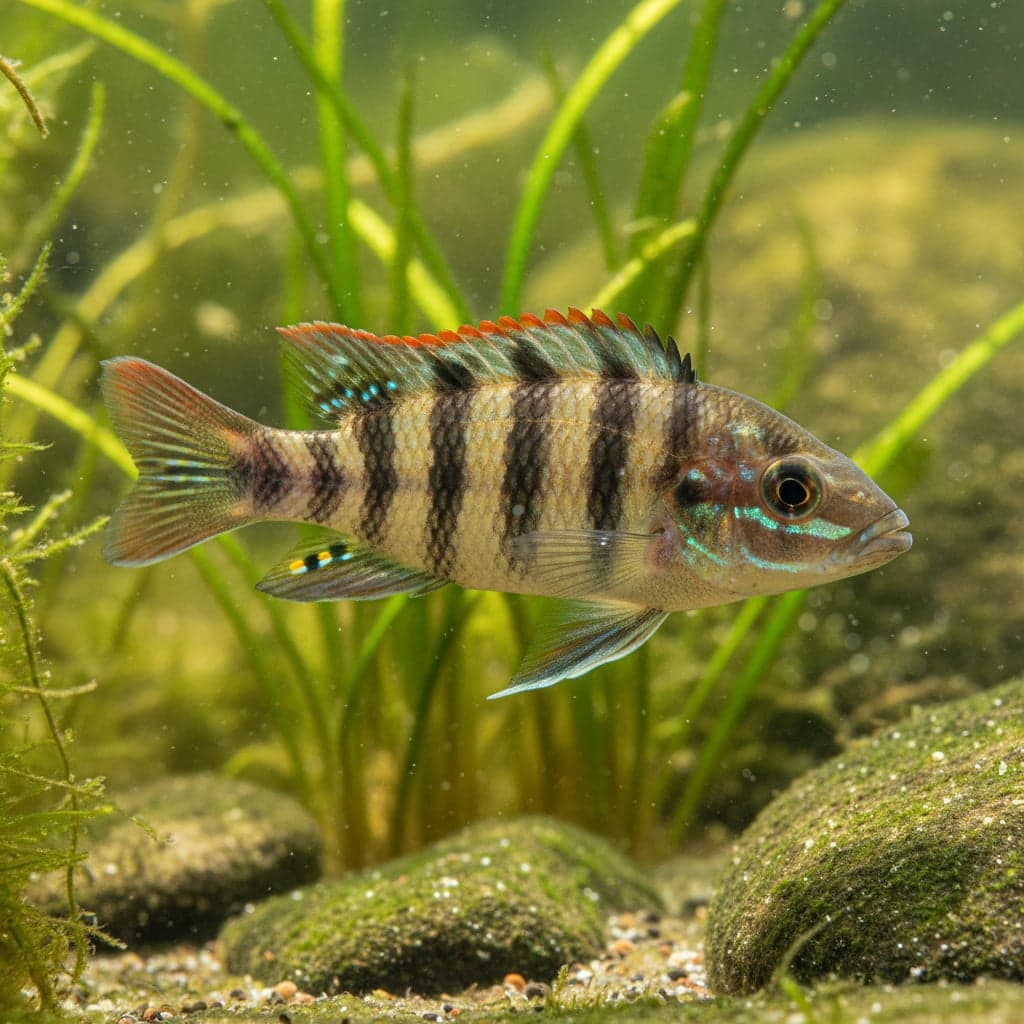
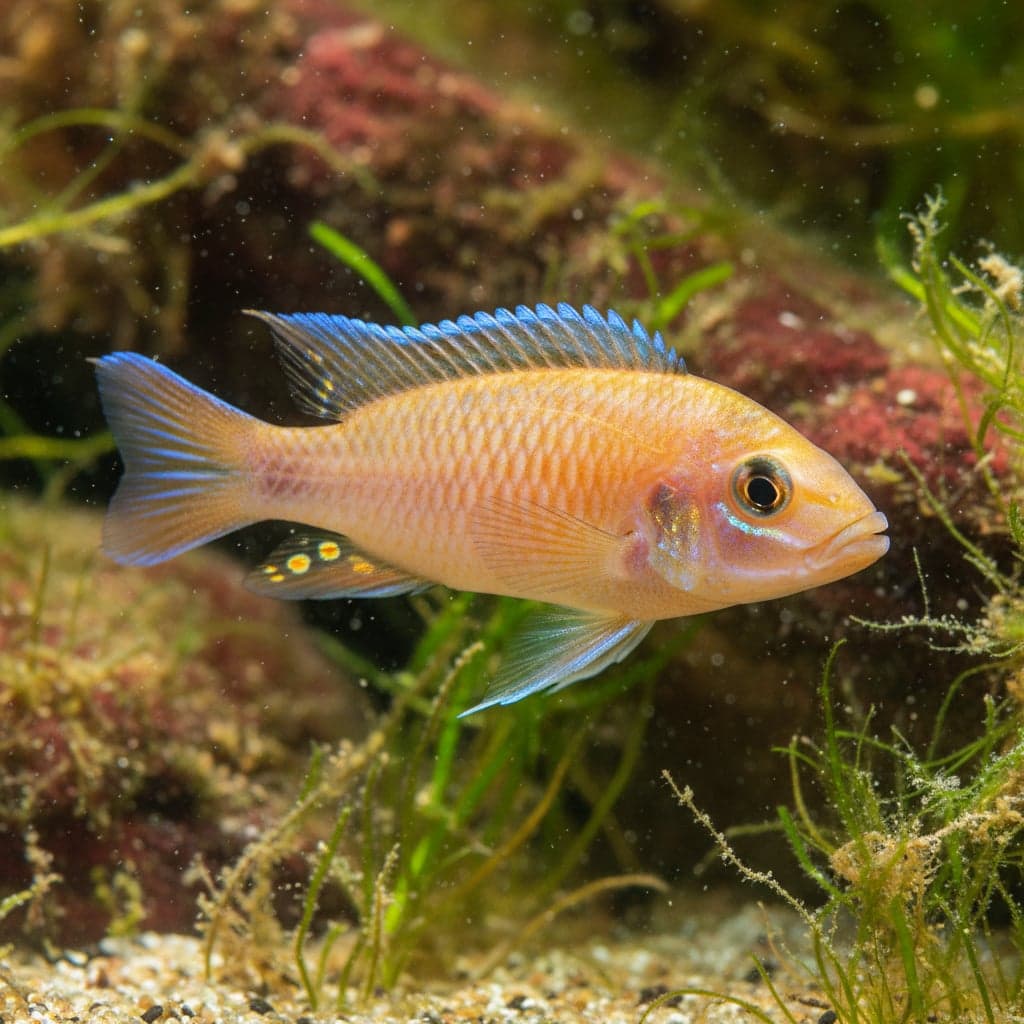
The Spangled Mangrove Goby, scientifically known as Mugilogobius paludis, is a captivating species that has gained popularity among aquarium enthusiasts due to its unique appearance and fascinating behaviors. This small fish, typically reaching around 1.6-2 inches (4-5 cm) in length, showcases a vibrant pattern of iridescent spots against a pale background, making it a visually appealing addition to any aquatic setup. The intricate speckling resembles twinkling stars against a soft canvas, providing constant intrigue for viewers. Its beautiful coloration is not only a feast for the eyes but also acts as a natural camouflage in its native habitat, allowing it to blend seamlessly among the silty substrates and submerged roots of mangrove ecosystems.
In the aquarium hobby, the Spangled Mangrove Goby holds significant value, as it serves as both a striking display fish and a natural algae eater, aiding in the maintenance of tank cleanliness. Known for its peaceful demeanor and interesting foraging behavior, this goby has become increasingly sought after by both novice and experienced aquarists alike. Its adaptability to different water conditions, coupled with its unique feeding habits, enables hobbyists to create diverse and enriching environments that showcase the beauty of this species.
Natural Habitat & Origin
The Spangled Mangrove Goby is native to the brackish waters of mangrove swamps and estuaries found in Southeast Asia, particularly in countries like Indonesia and Malaysia. This species thrives in a unique ecological niche where fresh and saltwater intermingle, creating a dynamic environment rich in biodiversity. Typically residing in areas with dense root systems and decaying organic matter, these gobies prefer blackwater environments, where the water is stained by tannins from decomposing plant material, providing cover and food sources.
Additionally, the water conditions in these habitats are characterized by lower salinity levels, moderate temperatures averaging between 24°C to 30°C (75°F to 86°F), and slightly acidic to neutral pH (around 6.5 to 7.5). These specific environmental conditions are crucial for the Spangled Mangrove Goby to flourish, thus emphasizing the importance of replicating a similar setup in captivity for optimal health and wellbeing.
Care Requirements
To ensure the health and longevity of the Spangled Mangrove Goby, it is essential to maintain specific water parameters in their aquarium habitat. Ideal conditions include a temperature range of 24°C to 30°C (75°F to 86°F), a pH level between 6.5 and 7.5, and a hardness of 5 to 15 dGH. Maintaining clean water with low ammonia and nitrite levels is critical, so regular water changes (approximately 25% bi-weekly) are recommended.
In terms of tank setup, a minimum aquarium size of 20 gallons is advised, as these fish require ample swimming space and hiding areas. A sandy substrate is ideal, allowing them to burrow and forage naturally. Dense planting with hardy aquatic vegetation, such as Java moss or Anubias, combined with driftwood and rocks that mimic their natural habitat, creates a secure environment. Lighting should be moderate, as overly bright conditions may stress the fish, and dim to low lighting will encourage natural behavior.
Diet & Feeding
The Spangled Mangrove Goby is an omnivorous species, thriving on a varied diet that can include high-quality flake foods, pellets designed for carnivorous fish, and frozen or live foods like brine shrimp and daphnia. Since these fish are naturally foragers, providing a mix of foods helps simulate their natural feeding behaviors while ensuring optimal nutrition. Algae-based foods, as well as finely chopped vegetables like spirulina and blanched zucchini, can also be offered to cater to their omnivorous tendencies.
Feeding should occur 2-3 times a day in small amounts, ensuring that all food is consumed within a few minutes to maintain water quality. Observing the feeding habits of the Spangled Mangrove Goby is crucial, as they often prefer to feed from the substrate or among decorations, which may require some time for them to adjust to new feeding routines in a home aquarium.
Behavior & Temperament
In terms of behavior, the Spangled Mangrove Goby is a relatively peaceful species that tends to be more active during the daylight hours. They exhibit bottom-dwelling habits, often foraging along the substrate and in-between decorations, making them perfect for habitats with plenty of cover. Although they are not schooling fish, having them in groups of 3 to 5 individuals can promote natural social interaction and alleviate stress.
While generally non-aggressive, males may exhibit territorial tendencies during breeding periods or if space is limited in the aquarium. Providing ample hiding spots and territory boundaries can help prevent any potential disputes among tank mates. However, they do tend to get along well with other peaceful species and prefer to occupy the lower levels of the tank, leaving the upper spaces available for more active fish.
Tank Mates
When selecting tank mates for the Spangled Mangrove Goby, it's essential to choose peaceful species that thrive in similar water conditions. Compatible species include small tetras, rasboras, Corydoras catfish, and peaceful community fish like guppies and cherry shrimp. These species share similar dietary requirements and environmental needs, making them suitable companions for the goby.
Conversely, it’s best to avoid housing the Spangled Mangrove Goby with larger or more aggressive fish species that may view them as prey. Species such as cichlids, bettas, or any territorial fish should be avoided as potential tank mates to reduce stress and aggression within the aquarium. Finally, ensure that any chosen aquarium mates can comfortably coexist in the same temperature and pH ranges to encourage a harmonious aquatic environment.
Breeding
Breeding the Spangled Mangrove Goby in captivity can be a rewarding endeavor for experienced aquarists, although it does require specific conditions to stimulate spawning behavior. Males typically display vibrant coloration during the breeding season and may establish small territories to attract females. Creating an environment that closely mimics their natural habitat—complete with hiding spots such as caves created from rocks or mangrove root structures—can encourage breeding.
Spawning generally occurs when the water conditions are stable and optimal, typically in slightly brackish water. After courtship, the female lays eggs in secluded areas within the tank, which the male then fertilizes. Providing suitable conditions like a gentle water flow and stable temperatures is crucial during this phase. Upon hatching, the fry can be fed infusoria or finely crushed high-quality flakes until they grow large enough to eat larger food items. Maintaining clean water and monitoring fry development is essential for ensuring successful growth and survival.
Common Health Issues
The Spangled Mangrove Goby is generally robust but can be susceptible to a few health issues, particularly if water quality is not adequately maintained. Common ailments include ich (white spot disease), fin rot, and swim bladder disorders. Maintaining steady temperature and water quality, along with proper acclimation practices, can reduce the likelihood of disease onset.
Preventative care includes regular water quality testing, performing timely water changes, and monitoring the behavior of all fish in the tank for signs of stress or illness. Early detection is crucial; if any signs of illness appear, prompt treatment with suitable medications or adjustments to the environment can often remedy the situation before it escalates into a tank-wide outbreak. Match salinity to the fish’s brackish needs and avoid sudden shifts between fresh and marine water. Quarantine newcomers and keep filtration strong in mangrove-style aquaria with sand and sheltered rock or wood. Watch for white spots, flashing, lethargy, or refusal to feed, and treat promptly with medications safe for brackish systems. Stable parameters, a meaty microfauna-rich diet, and calm tank mates keep Spangled Mangrove Gobies healthy and active for years.