Spanish Hogfish
A 40cm Caribbean hogfish that cleans other fish as a juvenile and eats invertebrates as an adult. Needs 900L+ and is not reef safe.
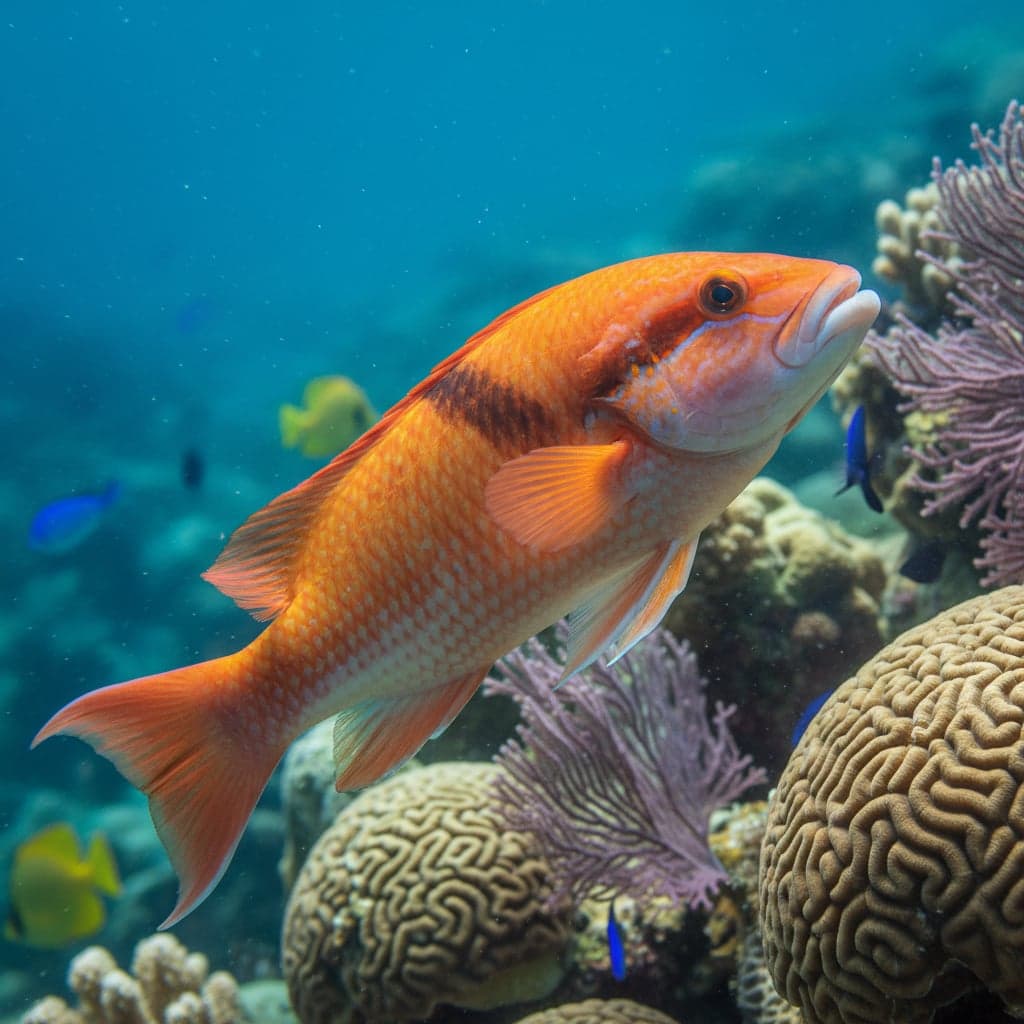
Spanish Hogfish
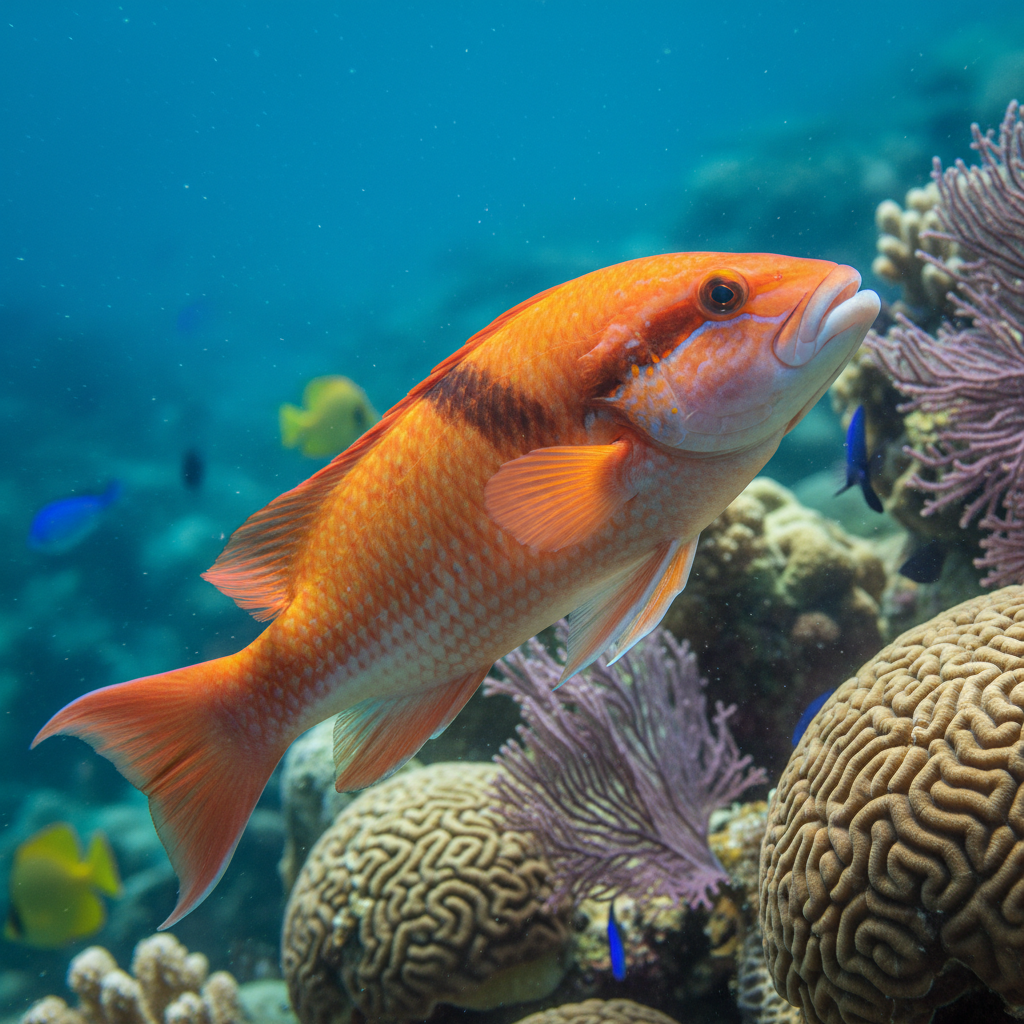
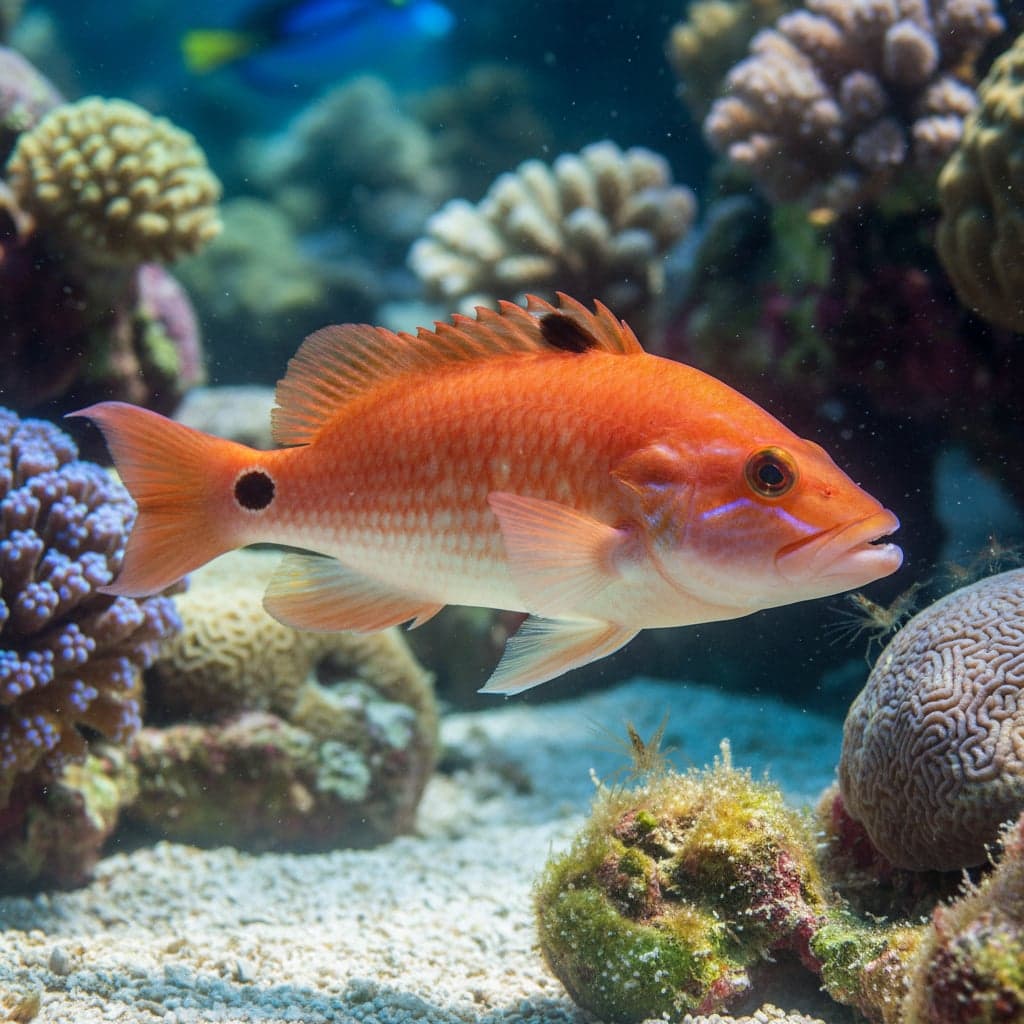
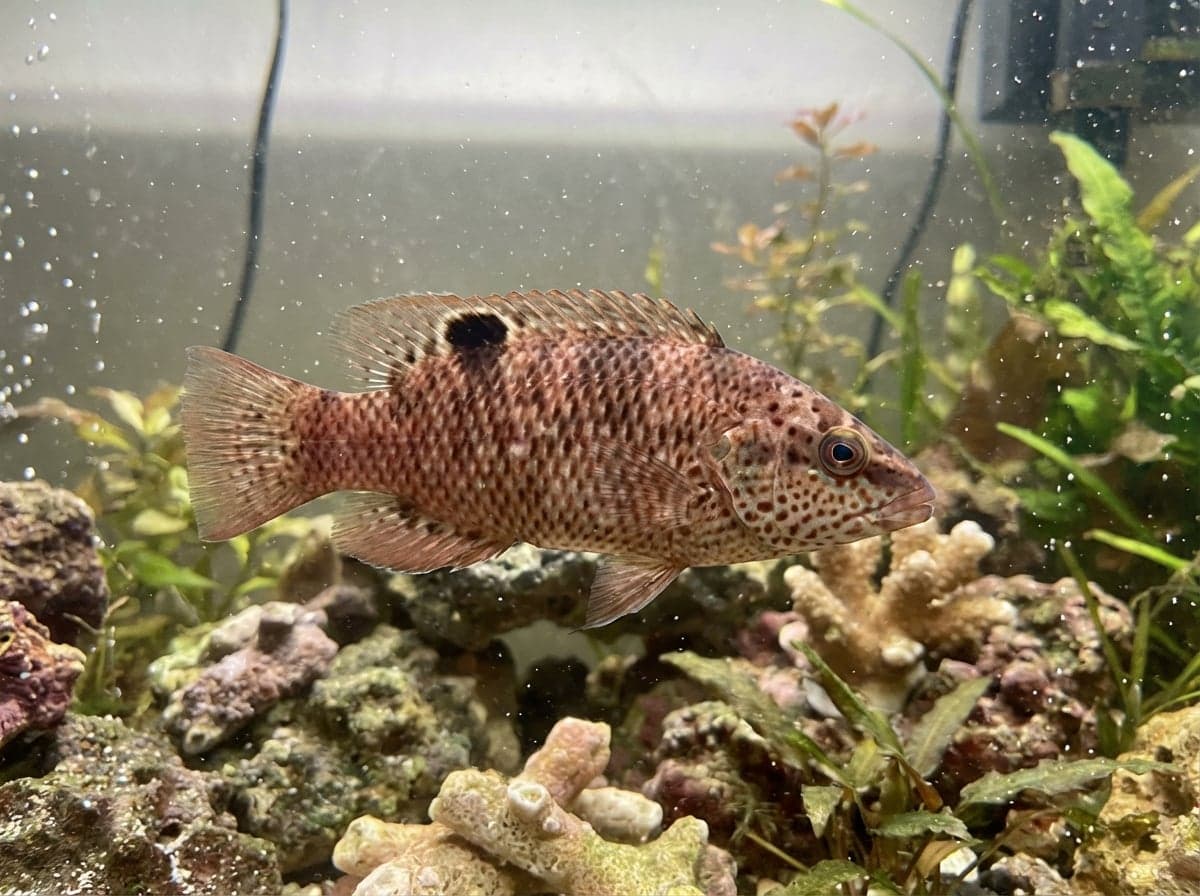
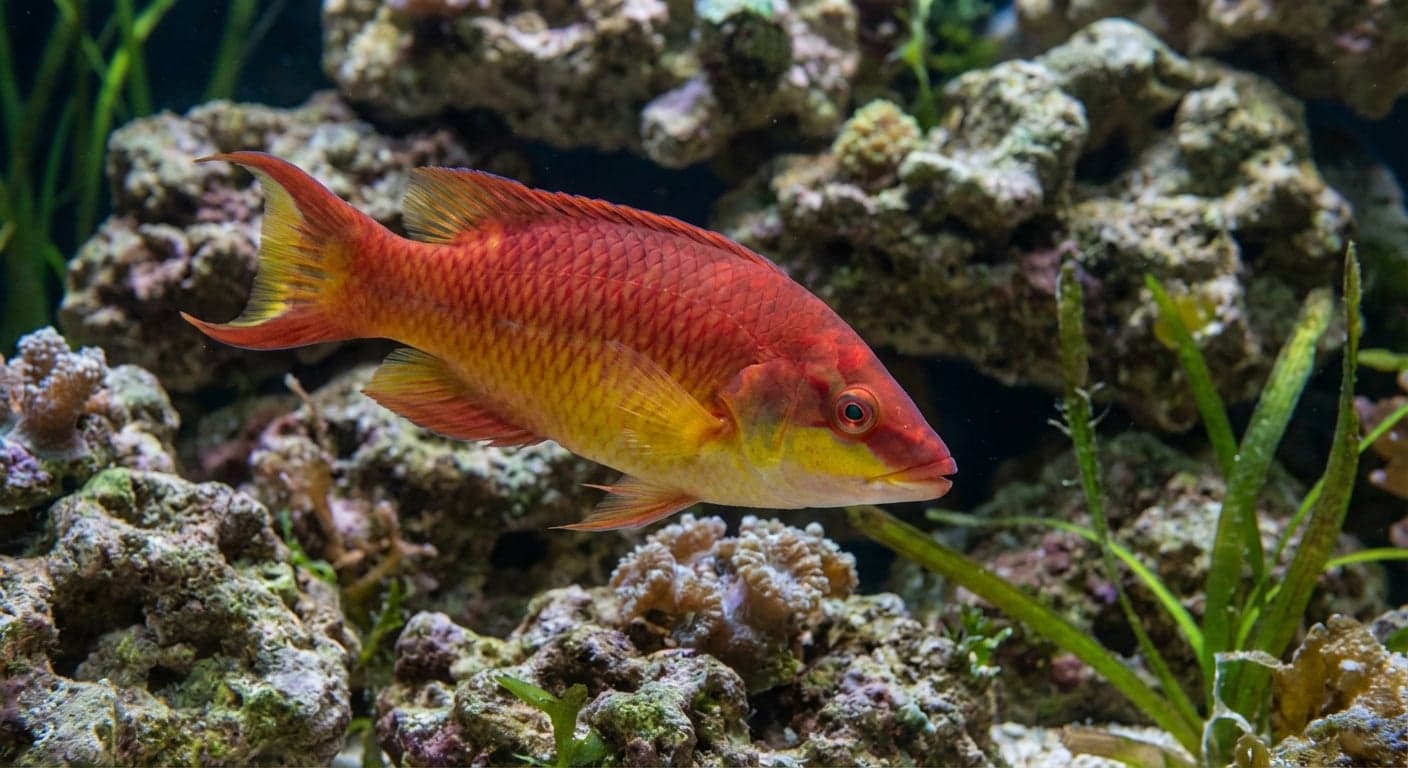
The Spanish Hogfish, known scientifically as Bodianus rufus, is a vibrant and fascinating species that captivates aquarists with its stunning coloration and intriguing behavior. With a body that can display a mix of bright red, orange, and yellow hues, this fish serves as a living piece of art within an aquarium setting. The Spanish Hogfish is notable for its elongated body and distinctive hog nose, which adds to its visual appeal. As a member of the Labridae family, it has a playful personality that makes it a delightful addition to any marine aquarium. Its resilience and adaptability also make it a popular choice among novice and experienced hobbyists alike.
In the aquarium hobby, the Spanish Hogfish holds significance due to its vibrant coloring and interactive nature. Its eye-catching appearance not only enhances the aesthetics of a tank but also draws the attention of viewers, making it an ideal centerpiece fish. Beyond its beauty, the Spanish Hogfish contributes to the ecological balance of marine environments through its eating habits, primarily feeding on small invertebrates. As aquarists seek to create biotopes that mirror natural habitats, the Spanish Hogfish stands out as both a beautiful and ecologically significant species for reef and fish-only systems.
Natural Habitat & Origin
The Spanish Hogfish hails from the warm, shallow waters of the western Atlantic Ocean, particularly around coral reefs and rocky substrates. Its natural range extends from Florida's coasts down through the Caribbean Sea to regions of Central America, including Belize and Honduras. Typically, the Spanish Hogfish inhabits environments characterized by clear waters with moderate to high salinity levels, thriving in depths of up to 50 meters. The species generally prefers areas abundant in coral and algae, where it can forage for food and find shelter.
In its native habitat, the Spanish Hogfish exhibits remarkable adaptability to varying environmental conditions, often found among crevices and rocky outcroppings where it can hide from predators. This ecological niche not only supports its nutritional needs but also plays a critical role in maintaining the health of coral reef systems by controlling algae growth. In captivity, replicating these conditions is essential for the well-being of the fish and the stability of the aquarium’s ecosystem.
Care Requirements
To maintain a healthy environment for your Spanish Hogfish, it is crucial to replicate its natural habitat as closely as possible. The recommended water parameters for this species are as follows: pH should range between 8.1 to 8.4, with a temperature maintained between 75°F to 82°F (24°C to 28°C). The water hardness should be between 8 to 12 dGH, promoting optimal health and vibrant coloration.
In terms of tank setup, a minimum aquarium size of 900 litres (240 gallons) is advisable — this 40cm Bodianus needs serious swimming room as an active adult. The substrate should consist of fine sand or crushed coral, providing a comfortable bottom for foraging. Natural rock formations and caves should be included to create hiding spots and mimic the coral reefs where Spanish Hogfish are typically found. Bright lighting can enhance their colors, but it is important to also provide shaded areas with live plants or rocks to minimize stress levels.
Diet & Feeding
The Spanish Hogfish is primarily an omnivore, displaying a varied diet that includes crustaceans, small mollusks, and algae in its natural habitat. In the aquarium, it's essential to offer a balanced diet that replicates its natural nutritional intake. High-quality flake or pellet food formulated for marine fish should be supplemented with frozen or live foods such as brine shrimp, mysis shrimp, and other small invertebrates. Regular feeding should occur two to three times per day, with portions that can be consumed within a few minutes to prevent overfeeding and maintain water quality.
Adding variety to the Spanish Hogfish's diet will promote optimal health, growth, and coloration. Additionally, incorporating marine-based foods with high fiber content will help in digestion and mimic their natural foraging behaviors in the wild.
Behavior & Temperament
The Spanish Hogfish is known for its dynamic and engaging behavior, making it a favorite among aquarists. While these fish are generally peaceful, they can exhibit territorial tendencies, especially as they mature. In a community tank, a Spanish Hogfish may become more assertive and establish specific areas that it considers its territory. They are best kept singly or in groups that are sufficiently large to diffuse any aggressive tendencies.
These fish tend to occupy the mid-level to bottom regions of the aquarium, exhibiting exploratory behavior as they navigate the rocks and substrate. While they are not true schooling fish, they can be kept with several compatible species to enhance their social behaviors, often participating in a form of loose grouping during swim and forage activities.
Tank Mates
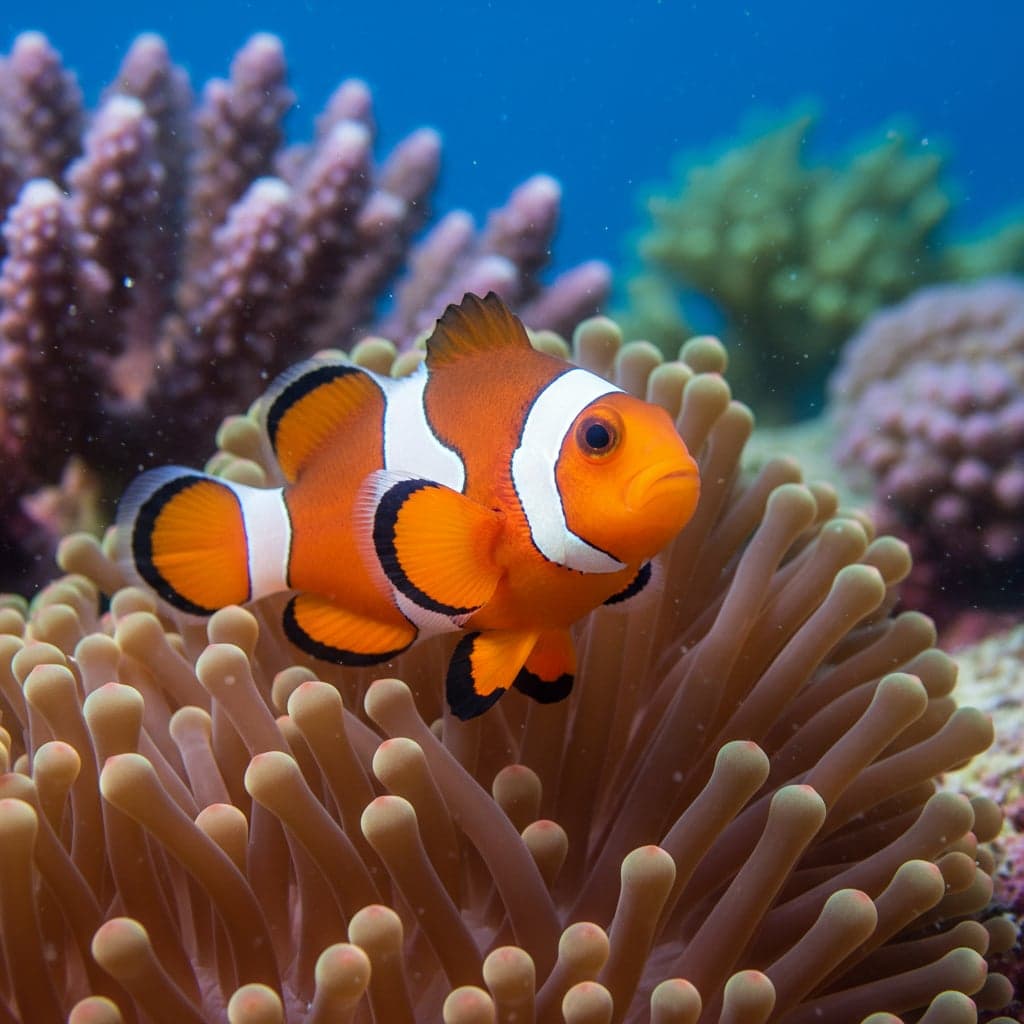
Choosing appropriate tank mates for the Spanish Hogfish requires careful consideration of both species' temperaments and activity levels. Compatible species include various types of wrasses, such as the Six-Line Wrasse, as well as clownfish, smaller tangs, and dwarf angelfish, which share similar habitats and behaviors. Grouping the Spanish Hogfish with other peaceful species can enhance the display and interaction within the tank.
Species to avoid include overly aggressive fish such as certain triggers, larger damselfish, and any species known for fin nipping. Ensuring that tank mates are of similar size and temperament will promote a harmonious environment, reducing the risk of conflict and stress among the residents of the aquarium.
Breeding
Breeding the Spanish Hogfish in captivity presents challenges due to the specific conditions and environmental triggers required for successful spawning. These fish are known to exhibit monogamous pairs or harems during the breeding process, indicating a level of social structure. To encourage breeding, it is important to maintain optimal water conditions—consistent temperature, good water quality, and proper light cycles, which can simulate natural breeding seasons.
Spawning typically occurs during twilight hours, with males displaying courtship behaviors that involve swimming around the female and exhibiting vibrant color displays. If breeding conditions are met, the Spanish Hogfish will scatter eggs in sheltered areas, such as among rocks or reefs. These eggs are adhesive and will stick to surfaces, requiring careful management of the breeding tank to prevent predation on the eggs or fry.
Common Health Issues
While the Spanish Hogfish is generally resilient, it is not immune to common marine fish diseases. They may be susceptible to ich (Cryptocaryon irritans) and velvet disease (Oodinium spp.), particularly in stressed environments or when introduced to new tanks. Maintaining excellent water quality, along with a balanced diet, is crucial for preventing these issues.
To prevent health problems, regular monitoring of water parameters and a consistent cleaning schedule will help keep conditions stable. Quarantining new fish before introduction can also prevent the spread of disease. It's important to be vigilant about any changes in behavior or physical appearance, such as scratching against objects or the appearance of spots on the skin, as these can indicate underlying health issues needing immediate attention.