Spotfin Lionfish
The Spotfin Lionfish (Pterois antennata) is a hardy, venomous Indo-Pacific predator — coral-safe and beautiful, but it will eat small fish and shrimp.
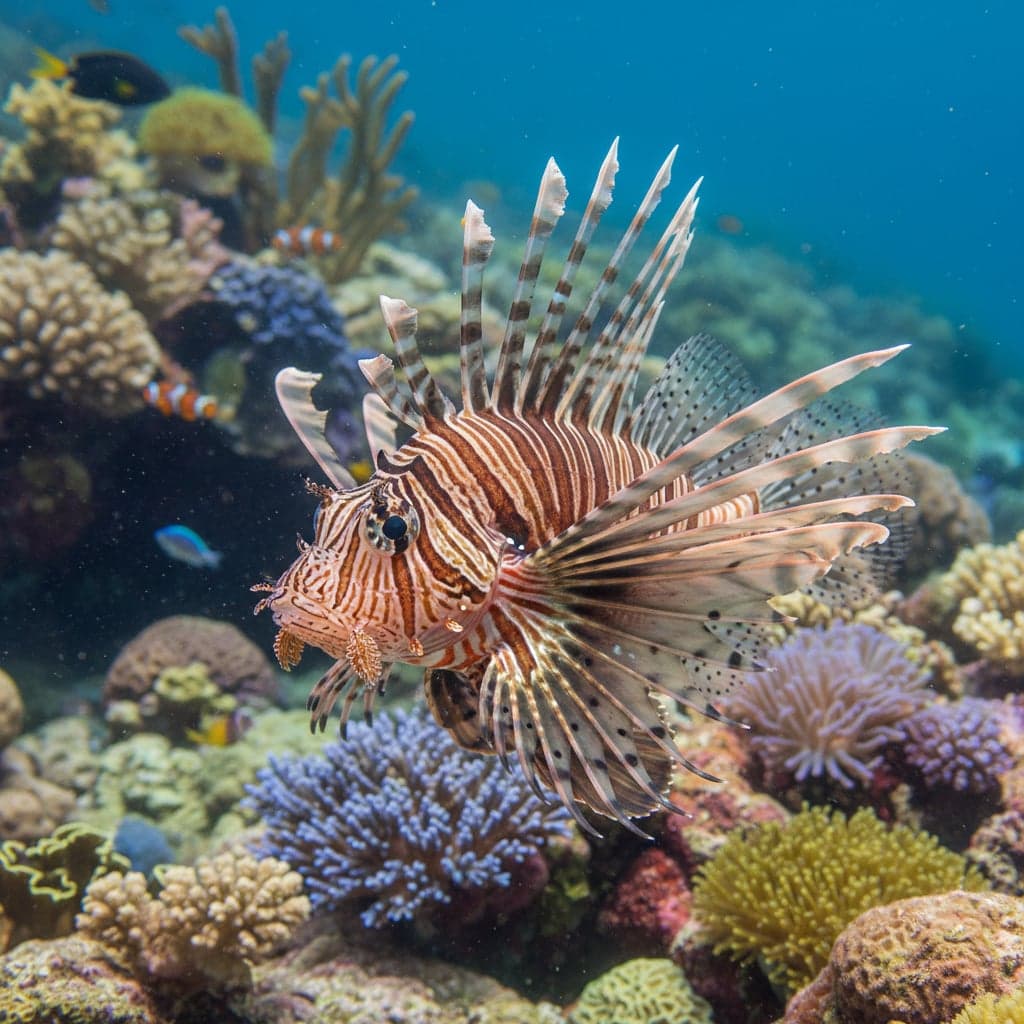
Spotfin Lionfish
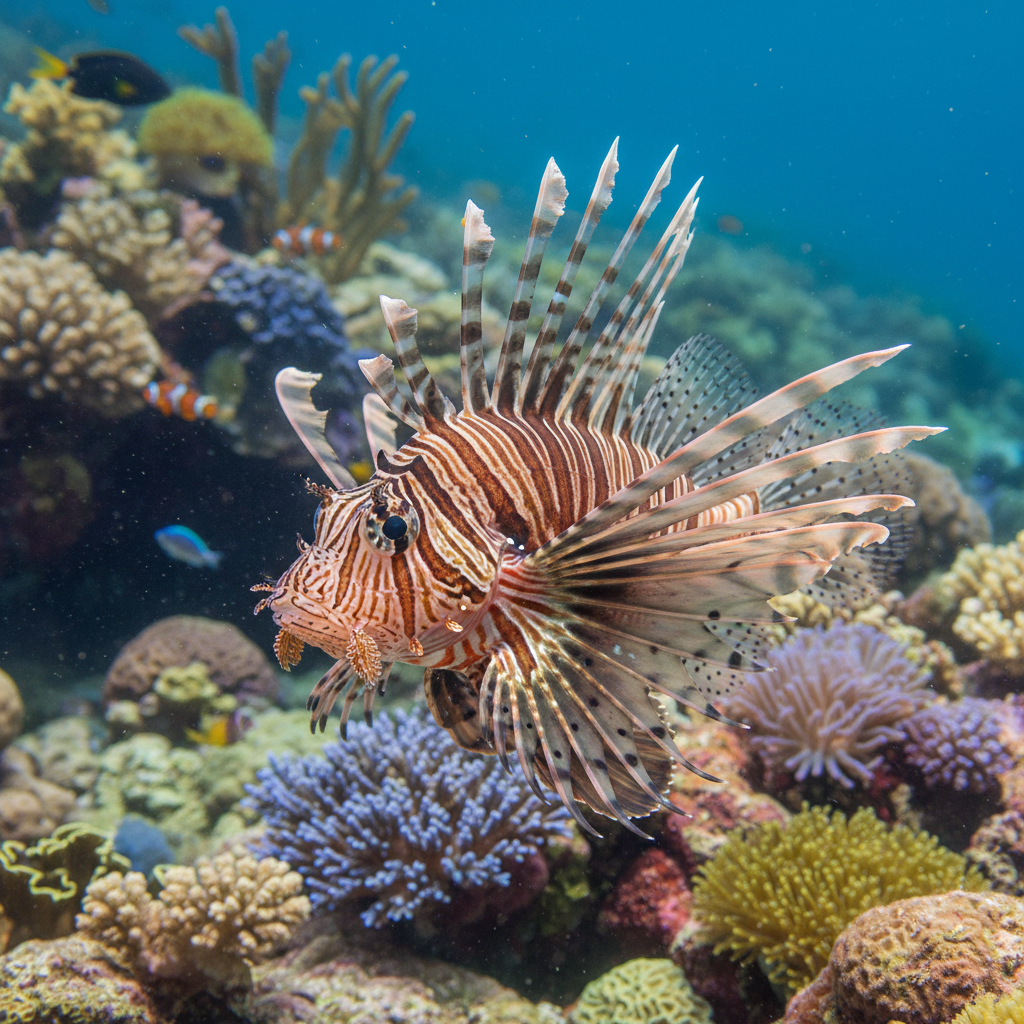
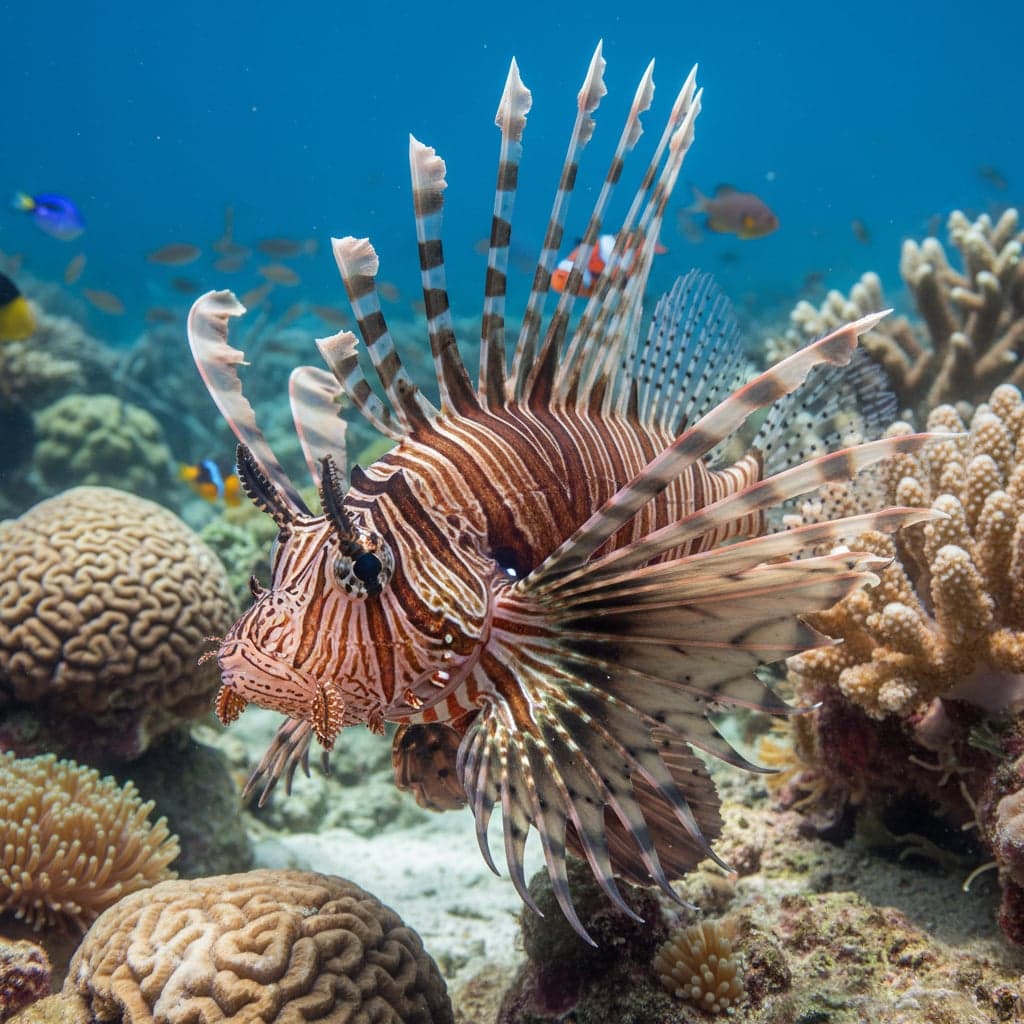
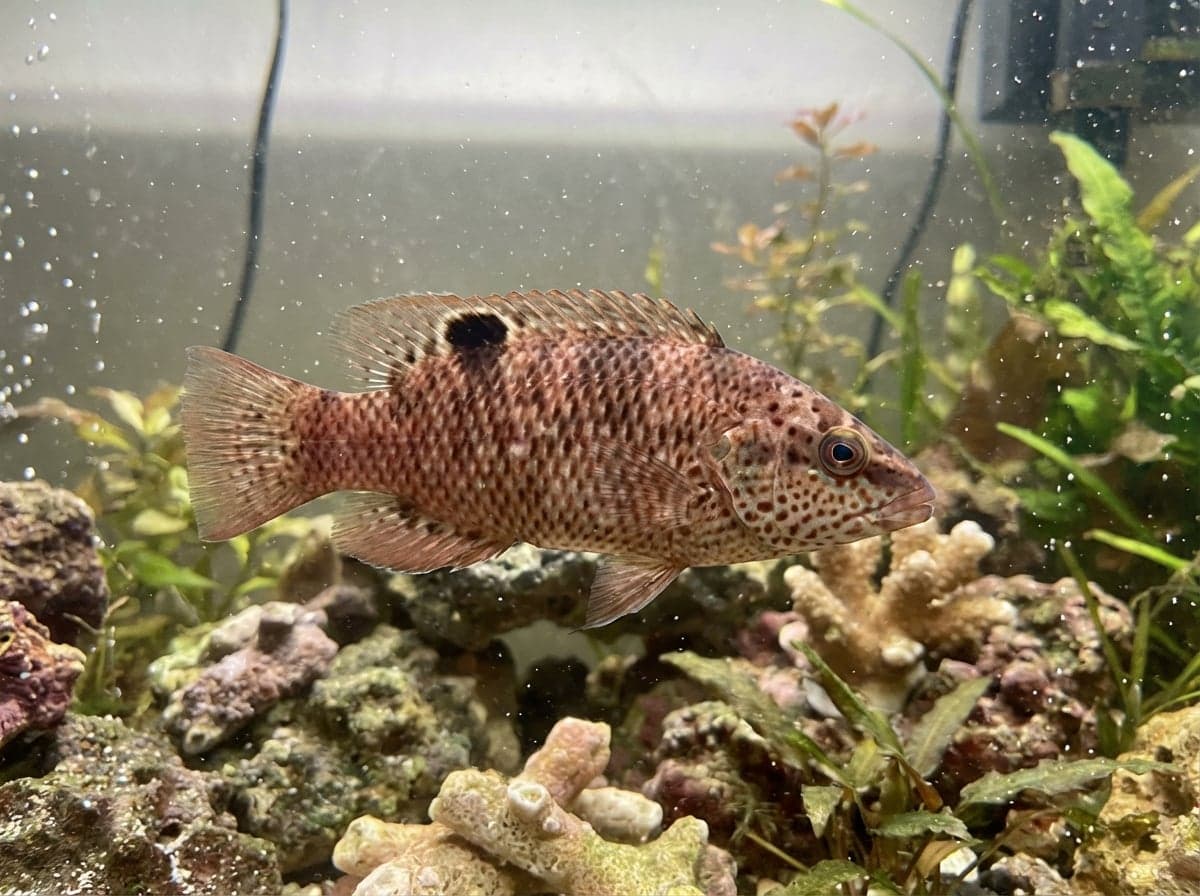
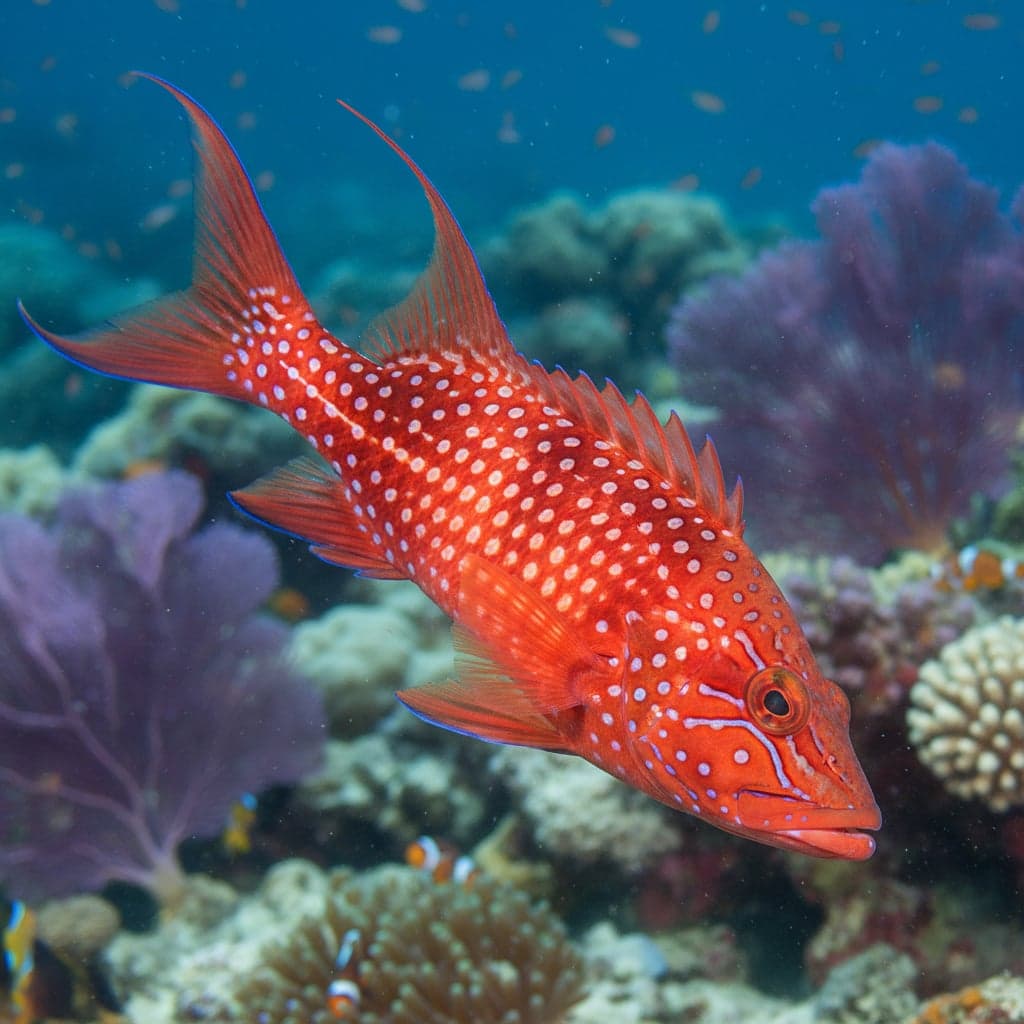
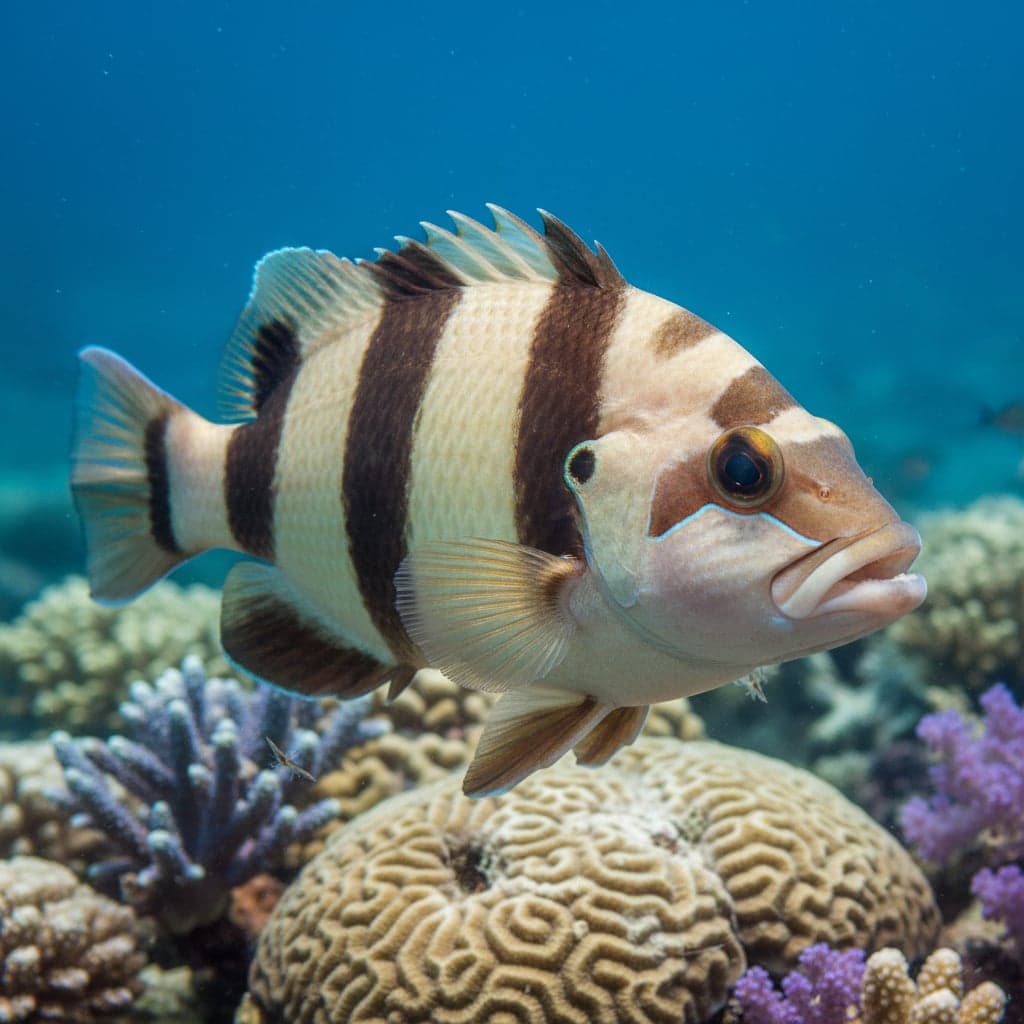
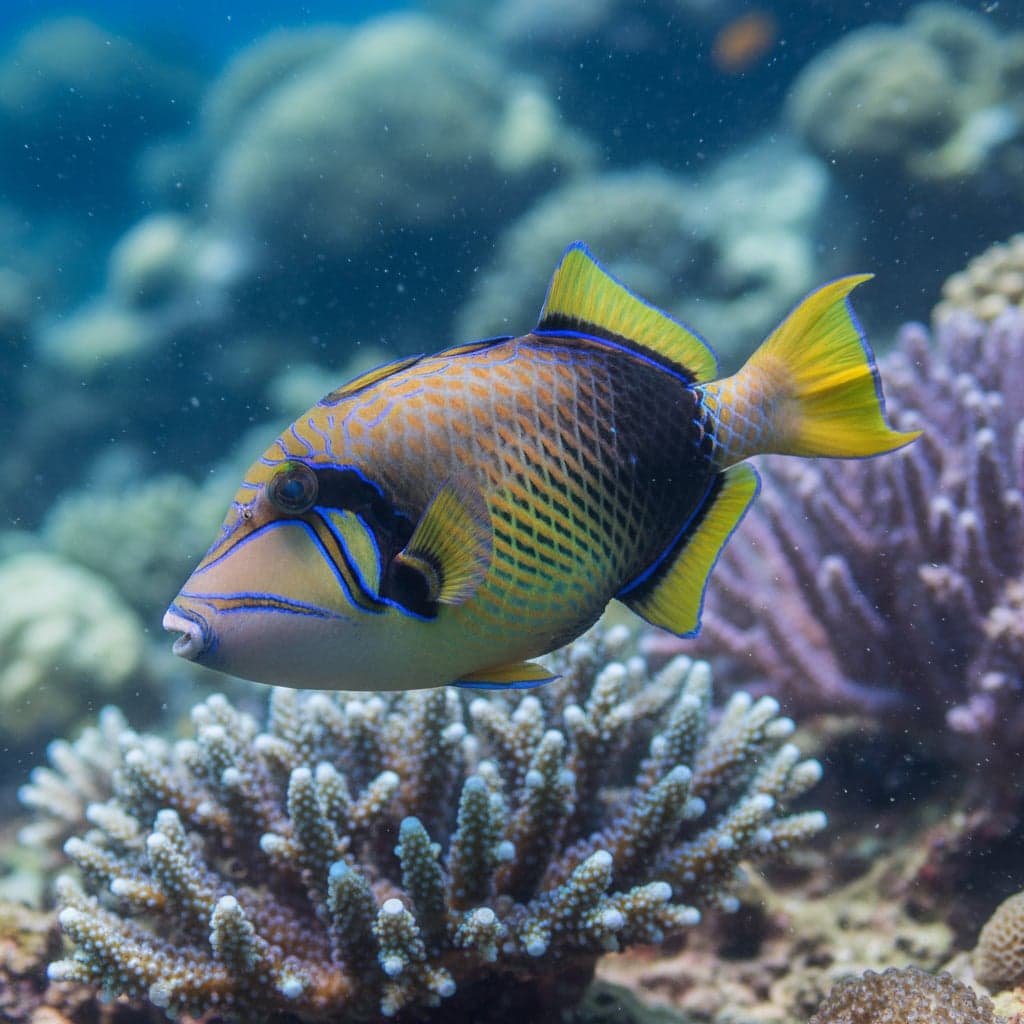
The Spotfin Lionfish (Pterois antennata), also called the antennata or ragged-finned lionfish, is a smaller, elegant member of the lionfish group — banded in red, white and brown, with long, fan-like pectoral fins and antenna-like projections above the eyes. Hardy and undeniably beautiful, it is a popular predatory centrepiece, but its venomous fin spines and appetite for fish and shrimp mean it must be kept and handled with respect. It is coral-safe; it is not community-safe with anything that fits in its mouth.
It makes a captivating fish for a fish-only or carefully chosen system, drifting slowly and hunting with deliberate, mesmerising movements.
Space for caves and open water is the first requirement. Respect for the spines is the second. Frontmatter lists solitary because that is how most home systems should run this fish — one predator, robust tankmates too large to swallow, and no ornamental shrimp.
Natural Habitat & Origin
Pterois antennata ranges across the Indo-Pacific, sheltering in caves and overhangs by day and hunting small fish and crustaceans around the reef, often at dusk. It spreads those broad pectoral fins to corner prey before a rapid strike. That hunting choreography is part of the appeal in captivity and part of the stocking constraint: anything shrimp-sized or fish-shaped that fits will be evaluated as food.
In the aquarium recreate daytime refuge and nighttime hunting lanes: rockwork with caves and overhangs, plus open water in which to drift. A bare box with no shelter produces a stressed lionfish that still eats your gobies.
Care Requirements
Stable marine conditions: salinity about 1.024–1.026, pH 8.1–8.4, temperature 24–26°C (75–79°F). Adults reach about 20 cm (8 inches). Plan on around 280 litres (about 75 US gallons) or more. It is hardy and long-lived given good water quality, but longevity does not excuse careless handling.
Its dorsal fin spines are venomous. A sting is intensely painful and can send keepers to medical care. Wear protection during rockwork, never bare-hand a thrashing specimen, and know where the fish is before you put an arm in the tank. Quarantine new arrivals like any marine fish: observe for marine ich (Cryptocaryon irritans) and marine velvet (Amyloodinium ocellatum) before display life. Lionfish are not the worst ich importers in the hobby, but stress from shipping still lights up opportunistic parasites — medications belong in hospital tanks, especially if the eventual home is a mixed reef you cannot copper.
Use the Aquarium Tracker to log salinity, temperature and feeding intervals; obesity from daily heavy feeds is a quieter failure mode than disease and just as common with sedentary predators.
Diet & Feeding
Carnivore. Wild fish hunt live fish and crustaceans. In the aquarium the goal is to wean onto dead foods: chunks of marine fish, shrimp and squid on a feeding stick or tongs, plus quality frozen meaty preparations. Avoid a long-term diet of live freshwater feeder fish — nutritionally poor, parasite risk, and a habit that makes weaning harder later. Some newly imported specimens take time to accept dead food; prove feeding in QT rather than hoping the display will inspire appetite.
Feed every couple of days once established. Lionfish are easily overfed; a rounded belly is not a badge of success. Variety matters more than volume — rotate marine seafood items so the fish is not locked into one frozen cube forever.
Behavior & Temperament
Slow-moving and generally peaceful toward large fish, yet a serious threat to anything it can swallow. It spends much of the day sheltering and becomes more active toward feeding time. Keep it singly in most systems, or with other robust, non-aggressive fish clearly too large to be prey. Do not read “peaceful lionfish” as “safe with cleaner shrimp.”
Toward tankmates its own size it is usually manageable; toward small wrasses, gobies, firefish and ornamental shrimp it is simply a predator doing its job. Introduce it only when the stocking plan already assumes that role.
Tank Mates
House it only with peaceful to semi-aggressive fish too large to be considered prey — larger tangs, large angelfish, bigger wrasses and similar. Never keep it with small fish or ornamental shrimp. It is coral-safe and reef-compatible with sessile inverts in the coral sense, but not safe with mobile invertebrates that look like dinner. Plan a fish-focused or carefully filtered reef stocking list accordingly.
Avoid aggressive triggers or large predators that will harass a slow lionfish out of its cave. The spotfin does not need drama; it needs space, shelter and honest prey boundaries.
Breeding
Pterois antennata is a pelagic spawner and is not bred in the home aquarium; trade specimens are wild-collected. Hobby breeding of lionfishes remains specialist work, not a standard pairing project for this species.
Common Health Issues
Hardy overall, but still vulnerable to marine ich and velvet when stressed, and prone to obesity and nutritional problems if overfed or fed only freshwater feeders. Quarantine new arrivals, wean onto varied marine seafood, keep water quality stable, and always handle with caution because of the venomous spines.
Given that discipline, the spotfin lionfish is a hardy, spectacular predator for a robust marine aquarium — beautiful in motion, coral-safe by polyp standards, and unforgiving toward anything small enough to swallow. Respect the spines, respect the mouth, and it earns its place as a long-lived centrepiece rather than a stocking surprise.