Spotted Blue-eye: Pseudomugil signifer
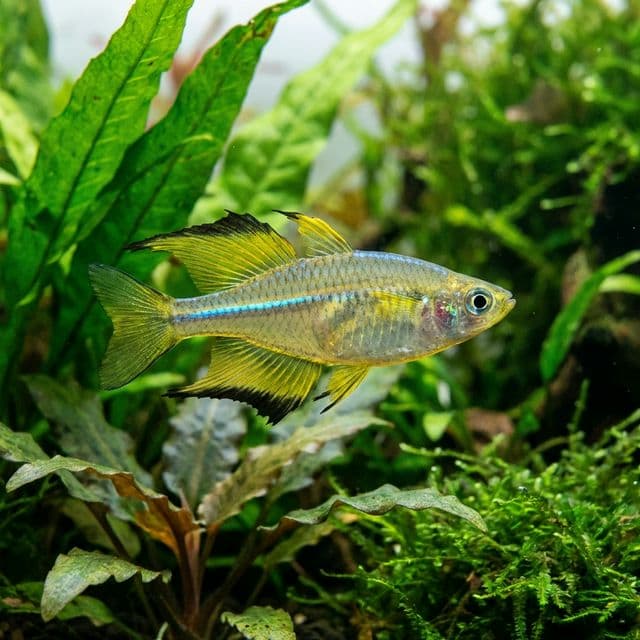
A spectacularly active, highly display-driven Australian nano-fish featuring brilliant blue eyes and massive, dramatically sweeping fins.

Spotted Blue-eye
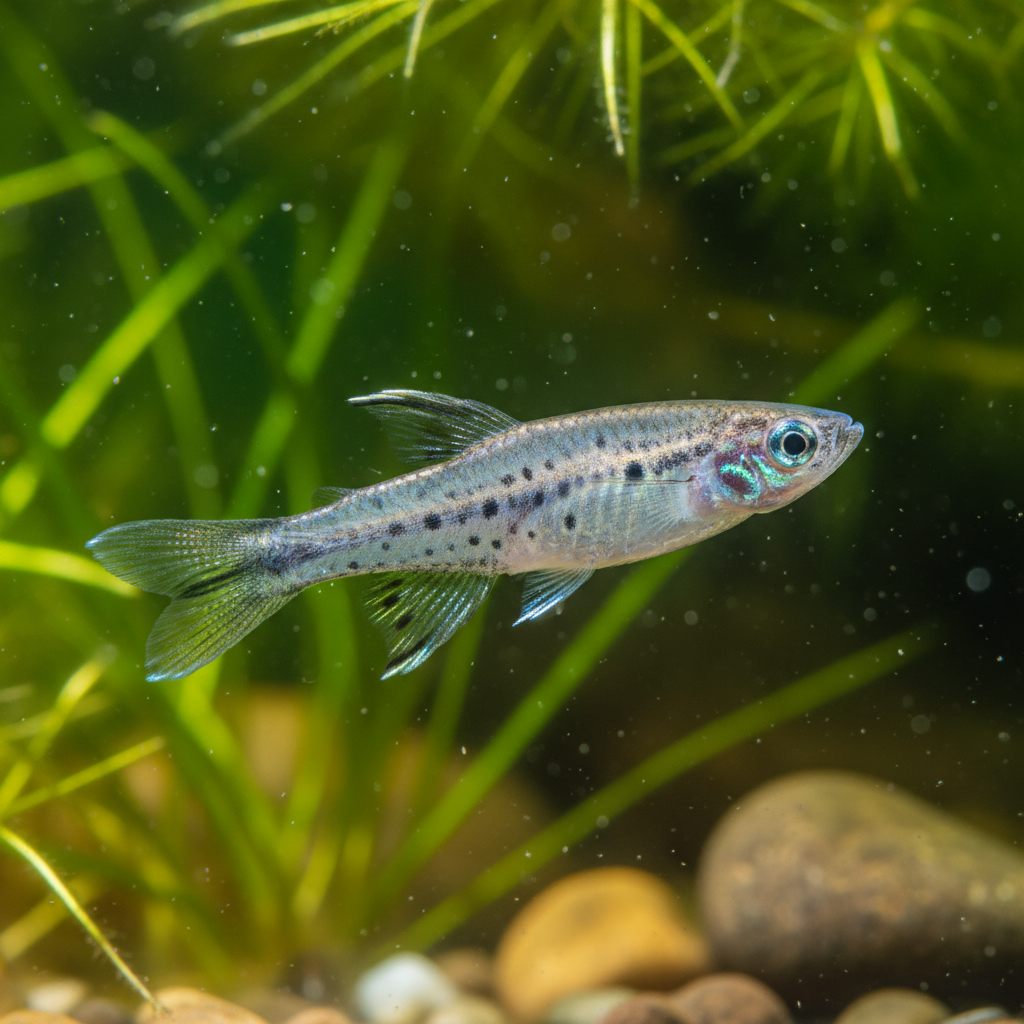
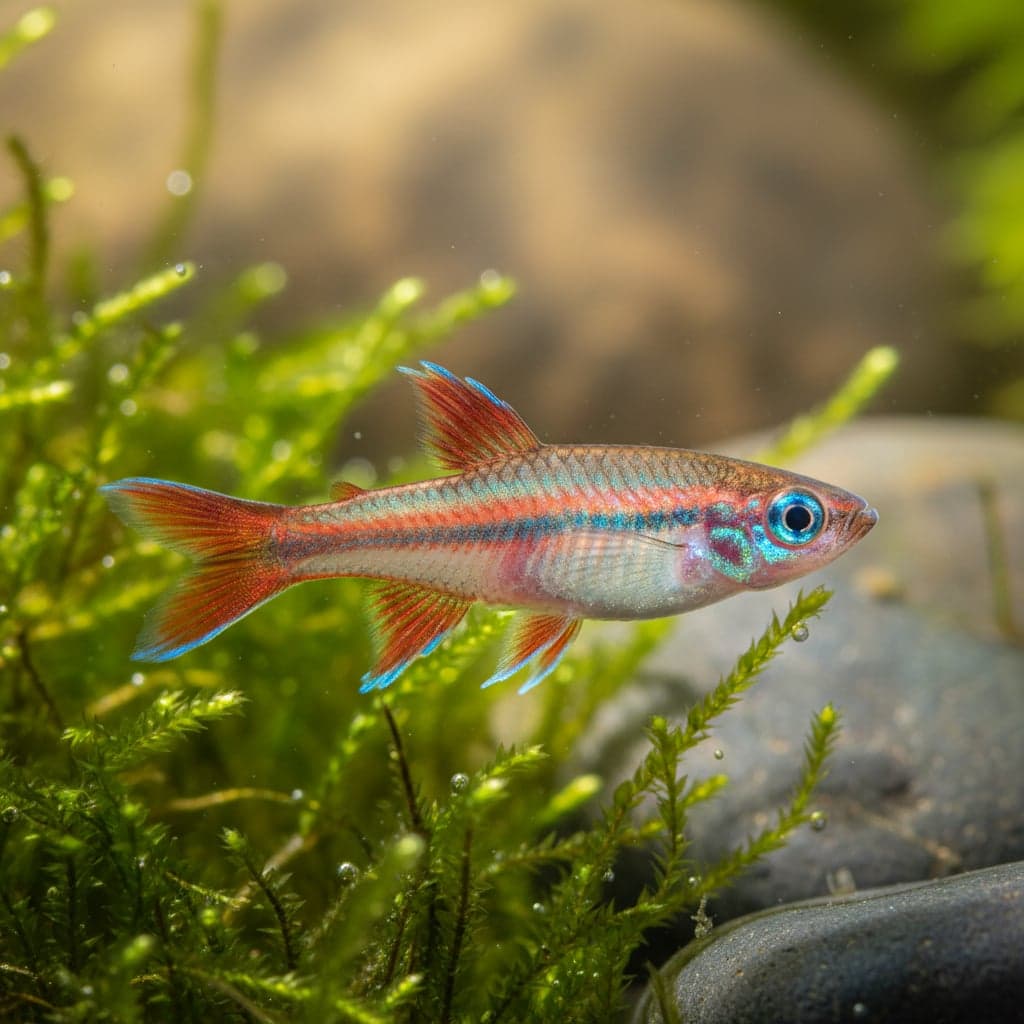
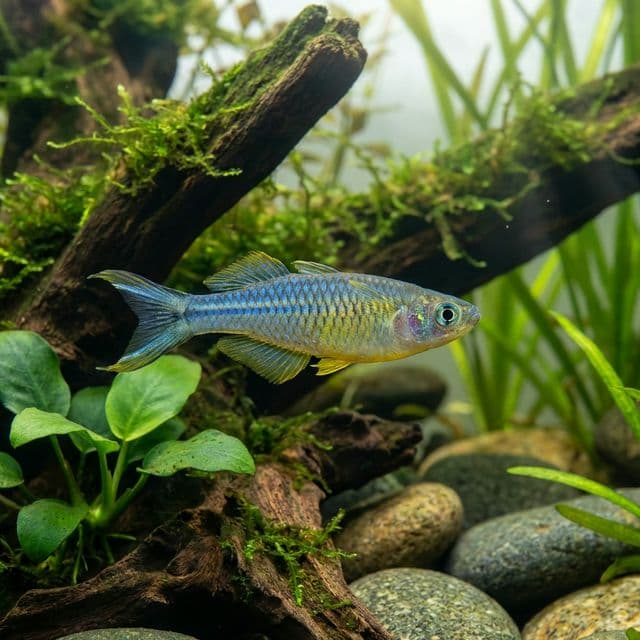
The Spotted Blue-eye, scientifically known as Pseudomugil signifer, is a captivating freshwater fish that enchants aquarists with its vibrant colors and lively demeanor. Native to the coastal waters of New Guinea and the surrounding regions, this small fish showcases a striking blue eye and delicate iridescent scales that glimmer under aquarium lighting. Generally growing to about 1.5 to 2 inches in length, the Spotted Blue-eye is characterized by its shimmering body adorned with small black spots, which add to its visual allure and make it a popular choice for community tanks.
As an attractive species, the Spotted Blue-eye holds significant importance in the aquarium hobby. Its peaceful disposition and unique appearance attract both novice and experienced aquarists, making it a favored choice for community aquaria. Its adaptability to a variety of tank conditions and its active, engaging behavior bring excitement and life to any setup. Furthermore, the Spotted Blue-eye's stunning visuals and ease of care contribute to its status as a sought-after species among fish keepers.
Natural Habitat & Origin
The Spotted Blue-eye hails from the lukewarm waters of New Guinea, specifically found in freshwater rivers and streams in coastal regions. Its natural habitat features a mixture of clearwater and blackwater environments, with a prevalence of rooted vegetation and abundant detritus. These habitats provide the Spotted Blue-eye with ample security and food sources, feeding primarily on small crustaceans, insect larvae, and plant material. The environmental context is crucial as it shapes the conditions necessary for breeding and survival, such as the presence of floating plants that offer cover and spawning sites.
In the wild, water parameters play a significant role in the Spotted Blue-eye's well-being. The species thrives in soft, slightly acidic to neutral water, with a pH range typically between 6.5 and 7.5. Natural water temperatures range from 22°C to 28°C (72°F to 82°F), making it essential for aquarists to replicate these conditions in home aquariums.
Care Requirements
To provide optimal care for the Spotted Blue-eye, attention to water parameters is vital. Ideal conditions include a pH of 6.5 to 7.5, a temperature range of 22°C to 28°C (72°F to 82°F), and a water hardness of 2-15 dGH. A minimum tank size of 20 gallons is recommended to ensure ample swimming space for this active species, ideally with a length of at least 36 inches.
The ideal tank setup should feature a soft substrate like sand or fine gravel, complemented by a well-planted environment with both floating and rooted plants that emulate its natural habitat. Proper lighting should emulate a natural day-night cycle, enabling periods of both brightness and dimness. Floating plants such as duckweed or water sprite provide shade and security, while dense plant cover prevents stress and encourages breeding behavior.
Diet & Feeding
The Spotted Blue-eye is an omnivorous species, thriving on a well-balanced diet that includes high-quality flakes, small pellets, and a variety of frozen and live foods. To ensure nutritional balance, a diet containing spirulina and other vegetable-based ingredients is beneficial, along with occasional offerings of bloodworms, brine shrimp, and daphnia. Providing a starch-rich component, such as finely crushed peas or blanched vegetables, can enhance the fish's diet, promoting good health and vibrant coloration. Feeding multiple times a day in small amounts will mimic natural feeding behaviors and prevent waste accumulation.
Behavior & Temperament
The Spotted Blue-eye is known for its peaceful and sociable nature, making it an excellent addition to community tanks. These fish exhibit schooling behaviors and do best when kept in groups of six or more, promoting comfort and reducing stress. They typically inhabit the upper levels of the tank, hovering near the surface, where they feel safest and are most active. Though generally non-aggressive, they may display mild territoriality during breeding periods, particularly in smaller aquariums. Overall, their friendly demeanor ensures compatibility with a variety of tank mates, fostering a lively aquarium environment.
Tank Mates
When selecting tank mates for the Spotted Blue-eye, consider other peaceful species that inhabit the upper water column. Compatible tank friends include small tetras (like Neon Tetras or Ember Tetras), rasboras, small gouramis, and other species of peaceful killifish. It is advisable to avoid aggressive fish or those known for fin-nipping, such as some cichlids and larger barbs. Additionally, species known to occupy similar niches, such as larger livebearers, may compete for feeding space, which could lead to stress for the Spotted Blue-eye. A well-thought-out community aquarium, considering compatibility and spatial requirements, will enhance the overall experience for both fish and aquarist.
Breeding
Breeding the Spotted Blue-eye in captivity can be a rewarding challenge. These fish are known to be egg scatterers, and successful spawning requires specific conditions. To initiate breeding, a separate breeding tank with softened water (pH around 6.5 to 7.0), temperature stabilized between 25°C to 28°C (77°F to 82°F), and ample spawning sites is ideal. Floating plants or spawning mops encourage egg deposition, which typically occurs in the early morning. After spawning, adults should be removed to prevent them from eating the eggs. The eggs usually hatch within 4 to 7 days, and the fry should be fed infusoria or finely crushed flakes when they are free-swimming.
Common Health Issues
The Spotted Blue-eye is generally hardy; however, like all aquarium fish, they can be susceptible to certain health issues. Common ailments include ich (Ichthyophthirius multifiliis), fin rot, and various forms of bacterial infections. Prevention is key and involves maintaining optimal water conditions, routine tank maintenance, and avoiding over-crowding. Regular observation for any signs of stress or illness can facilitate early intervention, ensuring a healthier, more vibrant aquarium. Routine water tests and changes, along with a balanced diet, can also significantly contribute to the fish's overall health and longevity.