Spotted Bulldog Plec L445: Chaetostoma sp. L445
A 10cm dwarf pleco with a bulldog profile. Needs driftwood to rasp, cooler oxygen-rich water and meaty sinking food.

Spotted Bulldog Plec L445
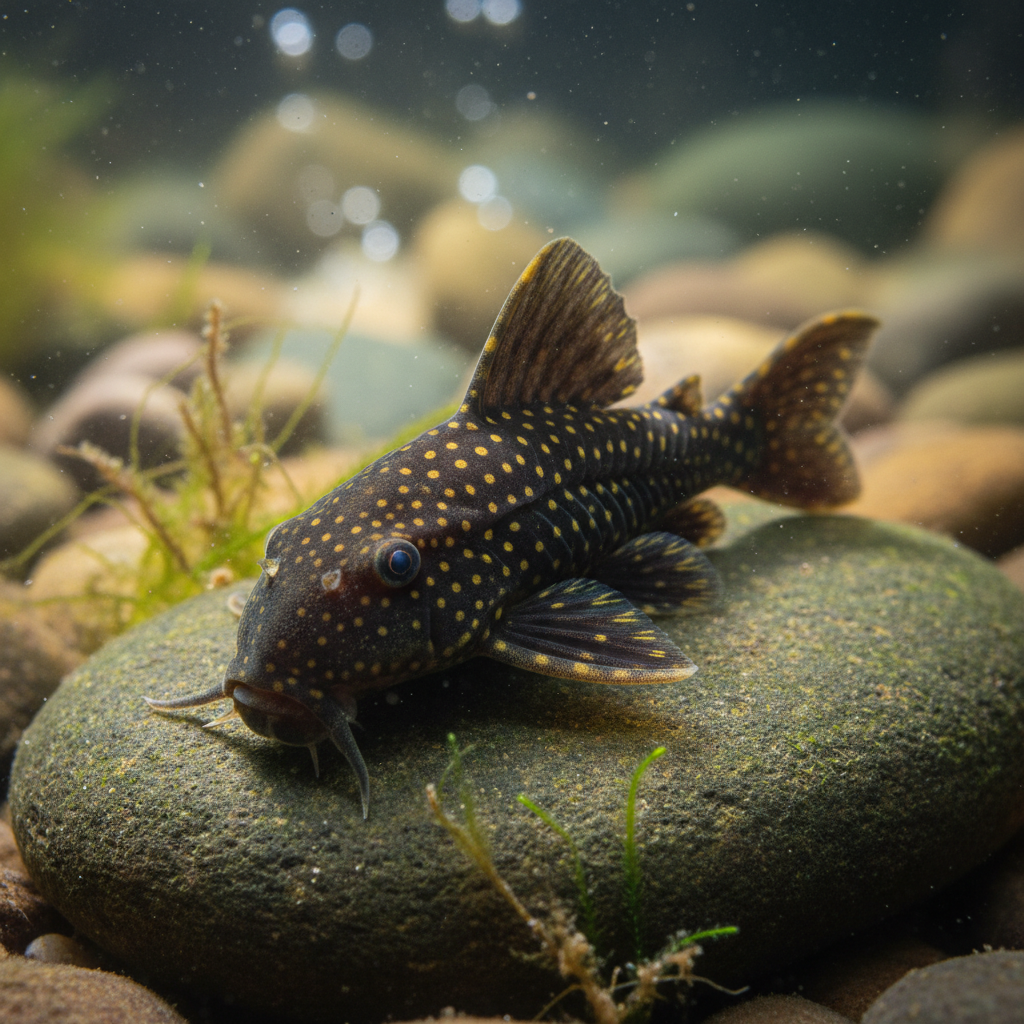
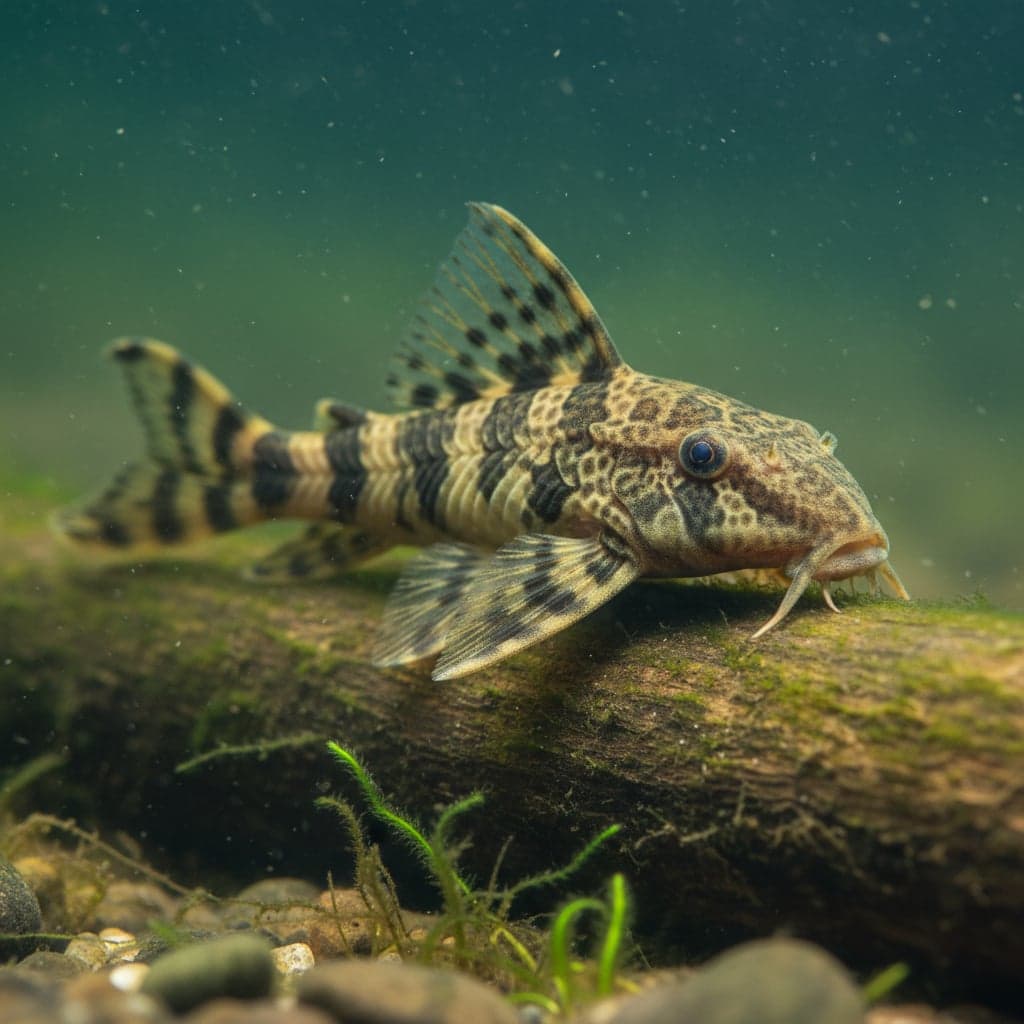
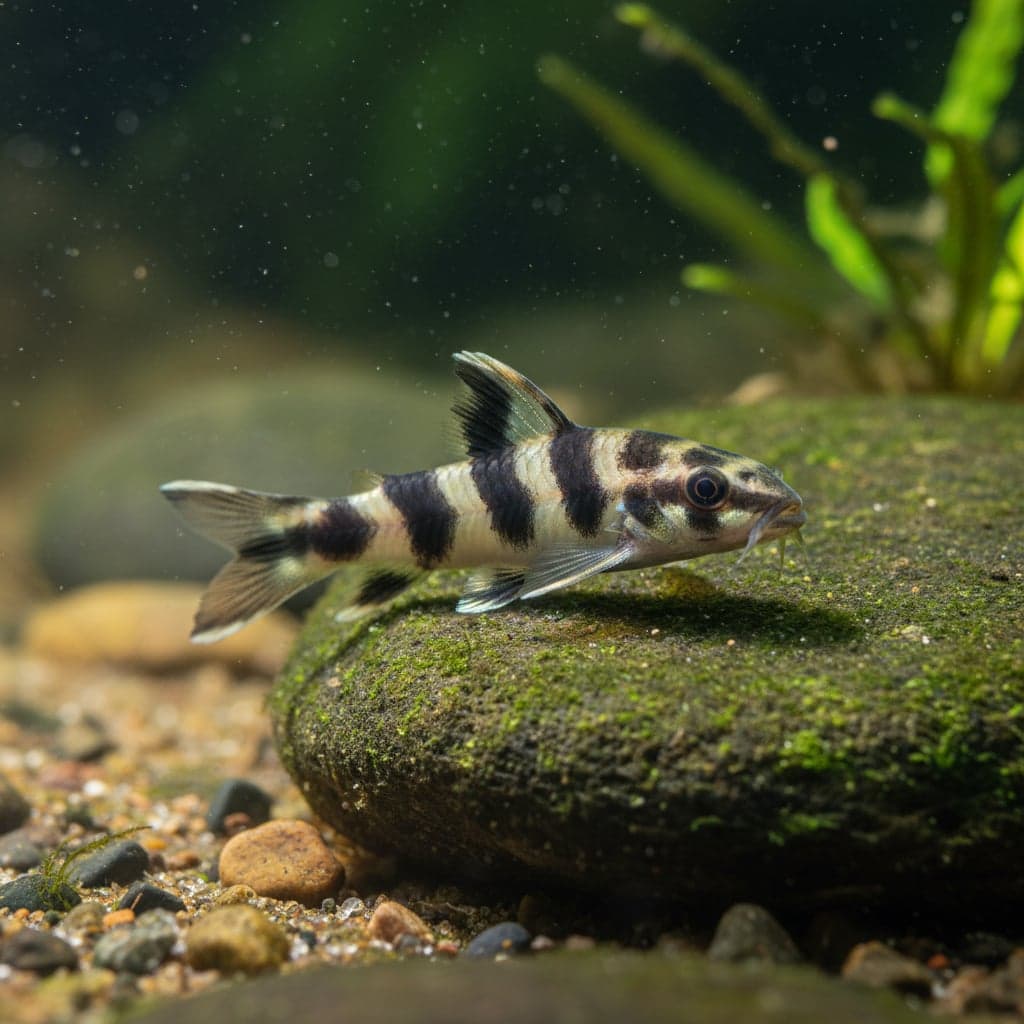
The Spotted Bulldog Plec L445, scientifically recognized as Chaetostoma sp. L445, is a fascinating species of freshwater fish that has garnered attention among aquarists for its unique appearance and hardy nature. This pleco species is characterized by its distinctive mottled dark brown to black body adorned with bright white to cream-colored spots, which serve as a stunning visual appeal in community aquariums. Growing to a moderate size of about 4 to 6 inches, the Spotted Bulldog Plec is not just a beautiful addition to a tank; it also plays an essential ecological role by helping to maintain a balanced aquarium environment through its natural algae-eating behavior.
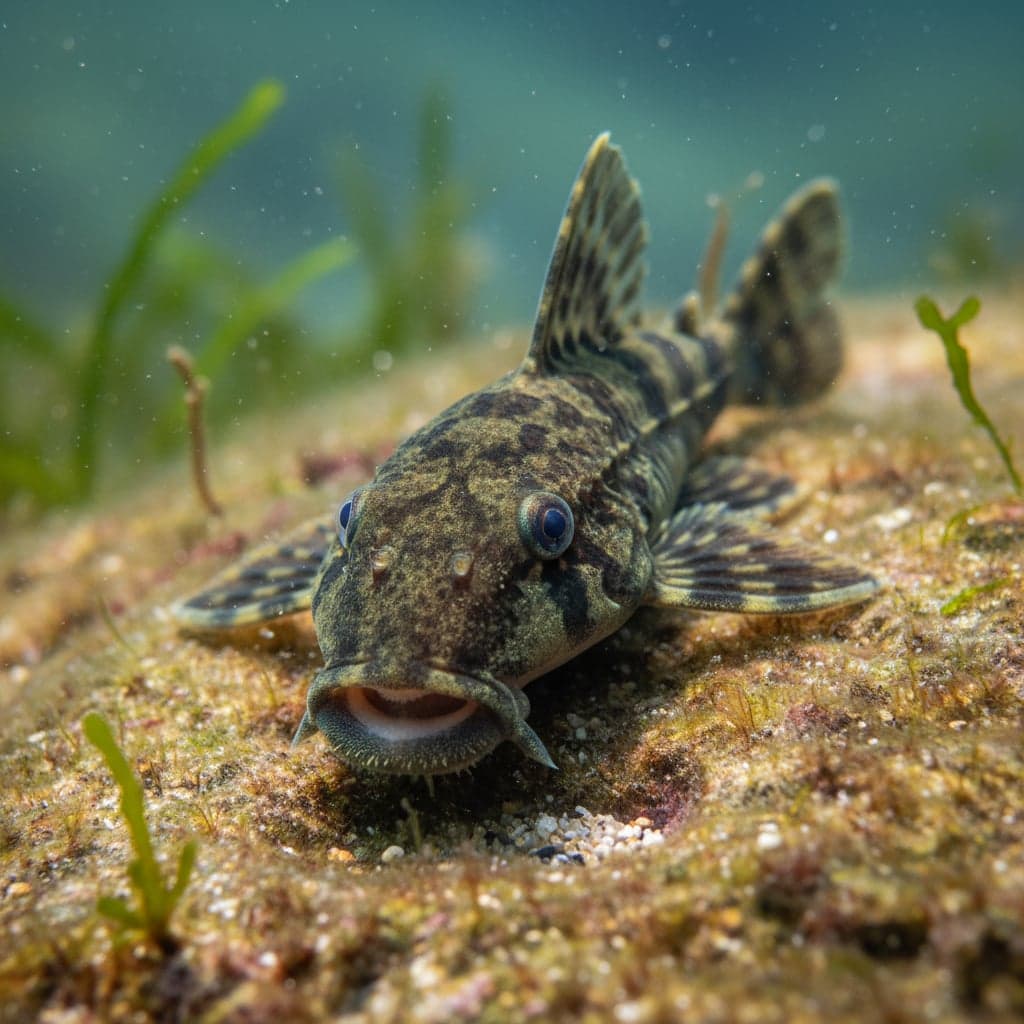
In the aquarium hobby, the significance of the Spotted Bulldog Plec L445 lies in its adaptability and interactive behaviors, making it a favorite among both novice and veteran fish keepers. Unlike many other plecos, this species tends to be more active during the day, providing ample opportunity for observation. Their suction-cup-like mouth allows them to graze directly onto surfaces, promoting a clean tank by consuming algae and detritus. Beyond maintenance, their charming personality adds character to any aquatic environment, making them not just a functional species but a captivating one as well.
Natural Habitat & Origin
The Spotted Bulldog Plec L445 originates from the swift, rocky river systems of the Andean region, particularly in parts of Peru. These freshwater habitats are typically characterized by their clear water conditions, flowing over pebbles and stones, which creates a dynamic ecological environment. The plec is adapted to thrive in these areas where the water is often slightly acidic to neutral, with pH levels around 6.5 to 7.5, and temperatures that range from 70°F to 80°F (21°C to 27°C). The tropical climate of its natural habitat contributes to its vibrant colors and patterns, often found in areas rich in plant life and shaded by overhanging foliage.
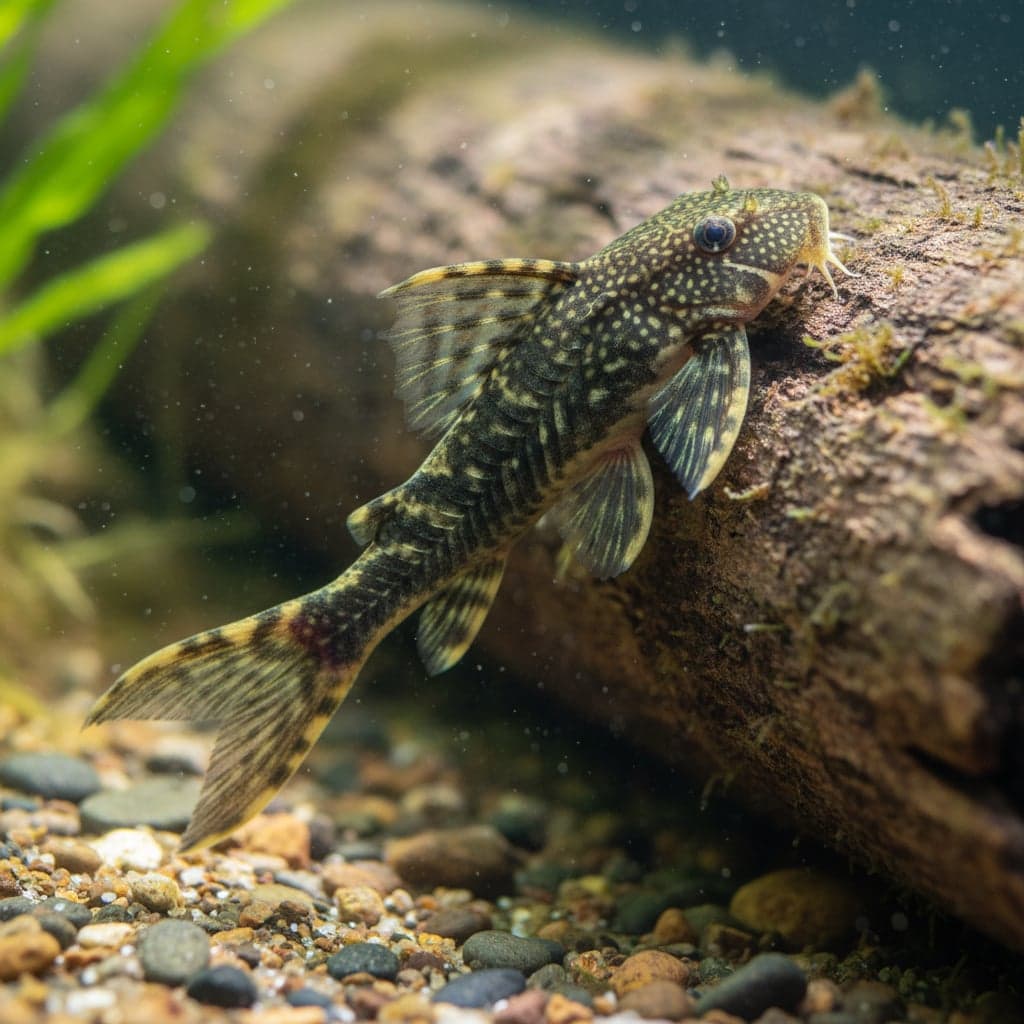
In these natural settings, the Spotted Bulldog Plec favors structures such as rocks and driftwood for shelter and grazing, making its habitat quite specific. The combination of flowing water and abundant cover not only provides a perfect feeding ground but also a safe haven from potential predators, allowing this species to adapt and thrive in environments that mirror its native conditions.
Care Requirements
Caring for the Spotted Bulldog Plec L445 involves providing the right environmental conditions to ensure its health and well-being. The minimum tank size recommended for this species is at least 30 gallons, allowing ample swimming space and enough room for territorial behaviors. Ideally, the tank should be equipped with a sandy or smooth substrate, which mimics its natural environment and prevents damage to its delicate underbelly. Low to moderate lighting is preferred since strong light can stress this fish; utilizing floating plants or larger leaf plants can create a shaded area that mimics its natural habitat.
Water parameters are vital for the Spotted Bulldog Plec's health. They thrive in slightly acidic to neutral pH levels, ideally between 6.5 and 7.5, with a temperature range of 75°F to 82°F (24°C to 28°C). Lastly, the hardness of the water should be kept between 3 to 10 dGH. Regular water changes of around 20-30% every week are also crucial to maintain water quality and remove toxins that could affect the fish.
Diet & Feeding
In terms of diet, the Spotted Bulldog Plec L445 is primarily an omnivore, which allows for flexibility in feeding. In their natural habitat, their diet includes a variety of algae, decaying plant matter, and microflora present in their environment. In captivity, this means a balanced diet of high-quality algae wafers, sinking carnivore pellets, and occasional vegetable matter like zucchini and cucumber should constitute their primary food source. Supplementing with occasional live or frozen foods, such as bloodworms and brine shrimp, will also provide essential nutrients. It's essential to avoid overfeeding; observing the fish and ensuring they consume food within a few minutes is key to maintaining a healthy tank environment.
Behavior & Temperament
The Spotted Bulldog Plec L445 exhibits a generally peaceful and non-aggressive demeanor, making it an ideal candidate for community tanks. These fish display a bottom-dwelling behavior, often found perched on rocks or hidden among driftwood, where they graze on algae during the day. While they are not schooling fish, it’s best to keep them in pairs or small groups to encourage social interaction, especially since they can be somewhat territorial when males are present. It's crucial to provide sufficient hiding spots, such as caves or hollow logs, to allow these fish to retreat and establish their personal territory within the tank.
In terms of vertical placement, the Spotted Bulldog Plec typically resides on the bottom and mid-regions of the tank, rarely venturing to the surface. This natural behavior not only provides a relaxing watching experience for aquarists but also helps maintain the ecological balance of the aquarium by consistently grazing on algae and debris.
Tank Mates
When selecting tank mates for the Spotted Bulldog Plec L445, it’s essential to choose compatible species that will not provoke aggression. Ideal companions include peaceful community fish like tetras, rasboras, and other small, non-aggressive cichlids. Additionally, shrimp species like Amano or cherry shrimp can coexist peacefully with this pleco in a well-planted tank. However, larger or more aggressive fish should be avoided, as they may intimidate or bully the Spotted Bulldog Plec, leading to unnecessary stress. Species such as larger cichlids or fast-moving fish like barbs can also pose a threat and should be kept separate.
Creating a multi-species environment that encourages diversity while maintaining harmony is key to the overall health of the aquarium, allowing the Spotted Bulldog Plec to thrive within a community setting.
Breeding
Breeding the Spotted Bulldog Plec L445 in captivity can be a rewarding experience for advanced aquarists prepared to meet their specific needs. These fish are known to be cave spawners, meaning that they prefer to lay their eggs in dark, protective environments. To initiate breeding behavior, maintaining optimal water conditions is vital; this includes slightly elevating the temperature to the upper end of their preferred range (around 80°F or 27°C) and performing frequent water changes to simulate the rainy season in their native habitat. Adding more hiding spots and caves in the aquarium encourages the pair to engage in courtship and spawning behavior.
Typically, the male will attract the female to a selected breeding cave, where she will lay her eggs. The male then fertilizes them and assumes the duty of guarding the eggs and keeping them clean for several days until they hatch. After wriggling free, the fry can be fed powdered fry food or crushed flakes until they grow large enough to consume larger food items.
Common Health Issues
The Spotted Bulldog Plec L445 is generally a robust fish; however, like any species, it can be susceptible to specific health issues. Some common diseases include ich (Ichthyophthirius multifiliis), fin rot, and velvet disease, which may result from poor water quality or stress in the aquarium. Maintaining optimal water parameters and conducting regular water changes is crucial in preventing these ailments. Additionally, providing a balanced diet rich in quality sinking foods and occasional fresh vegetables supports a strong immune system. Quarantine new fish before they join the main tank, and watch for white spots, frayed fins, excess mucus, or sudden lethargy so you can treat early. With stable parameters, ample caves, and attentive care, Spotted Bulldog Plec L445 remain hardy, characterful algae grazers that thrive for years in a well-maintained South American setup.