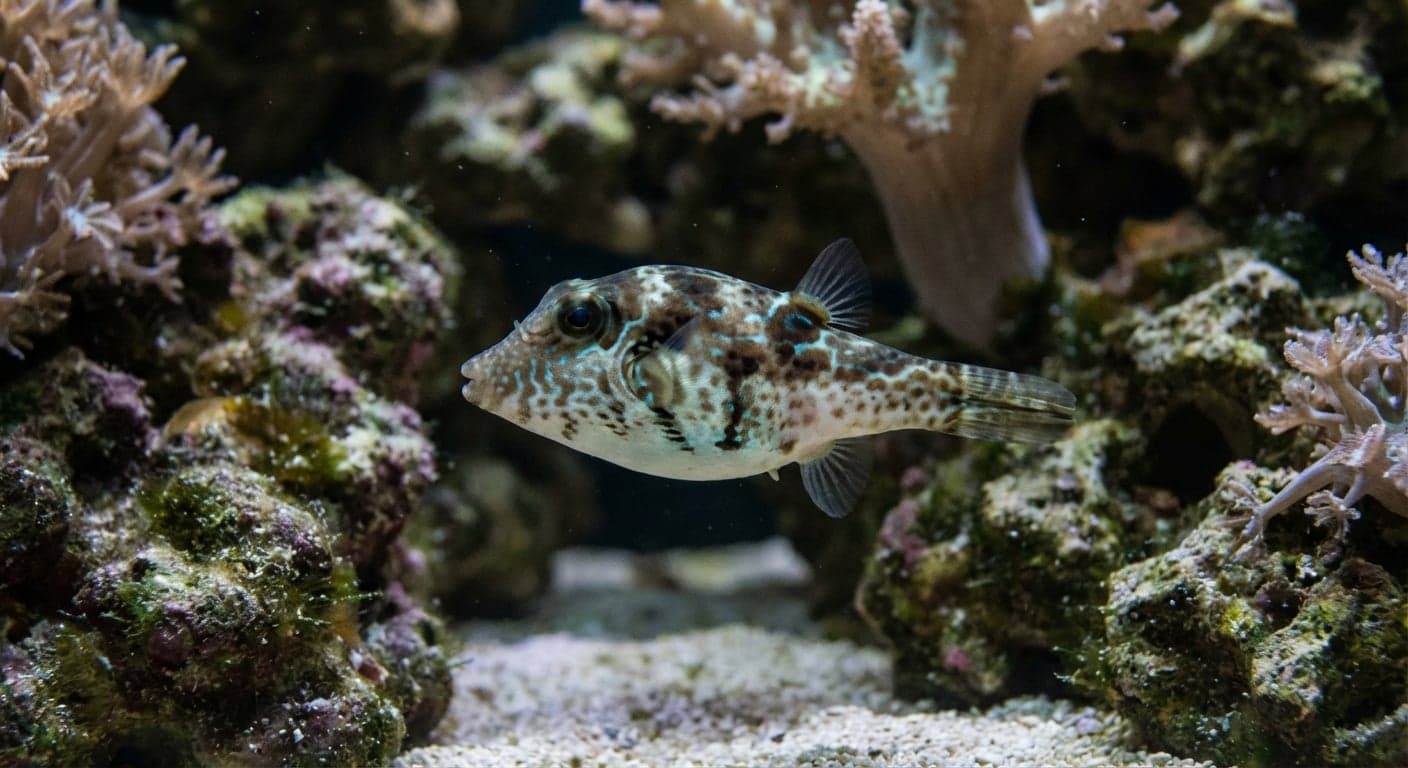
Spotted Mandarin
A 7cm dragonet that eats live copepods and little else. It needs a mature refugium-fed reef, not a new tank — most starve otherwise.

Spotted Mandarin
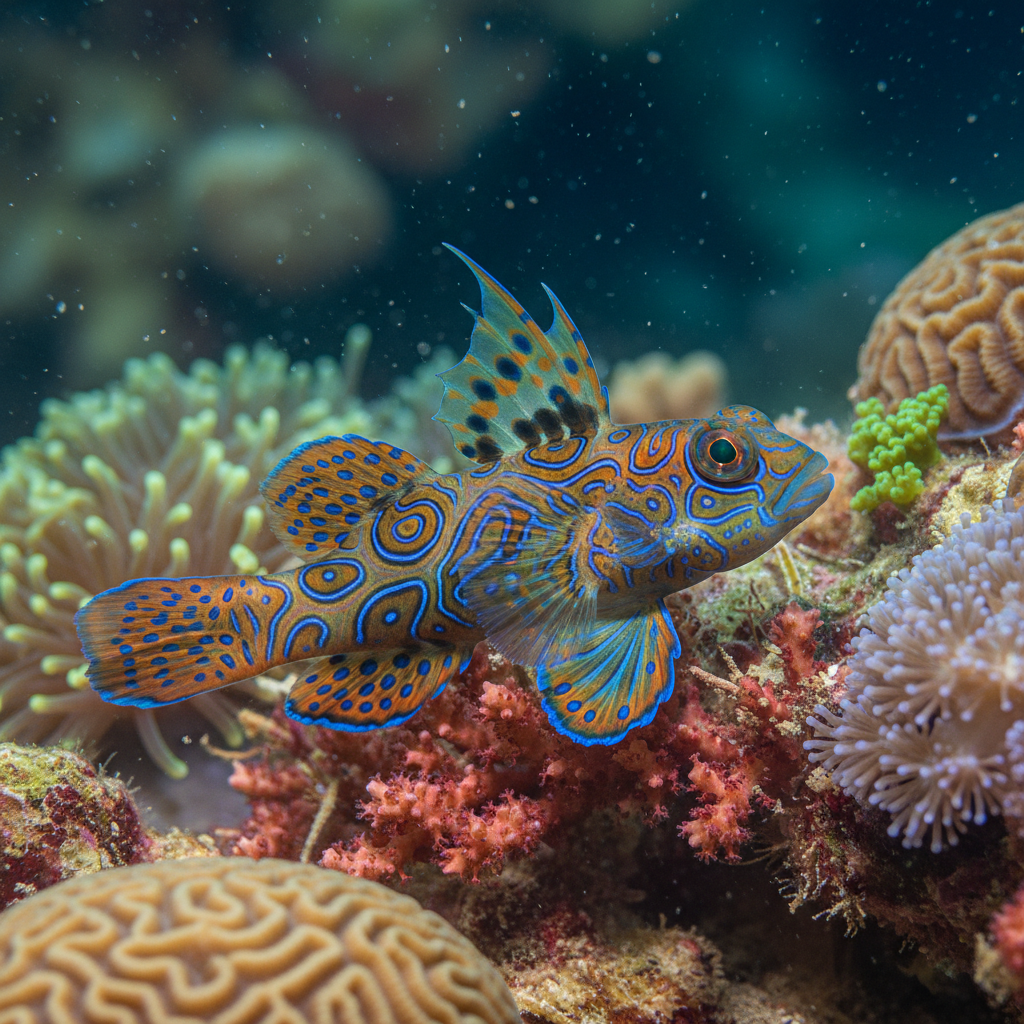
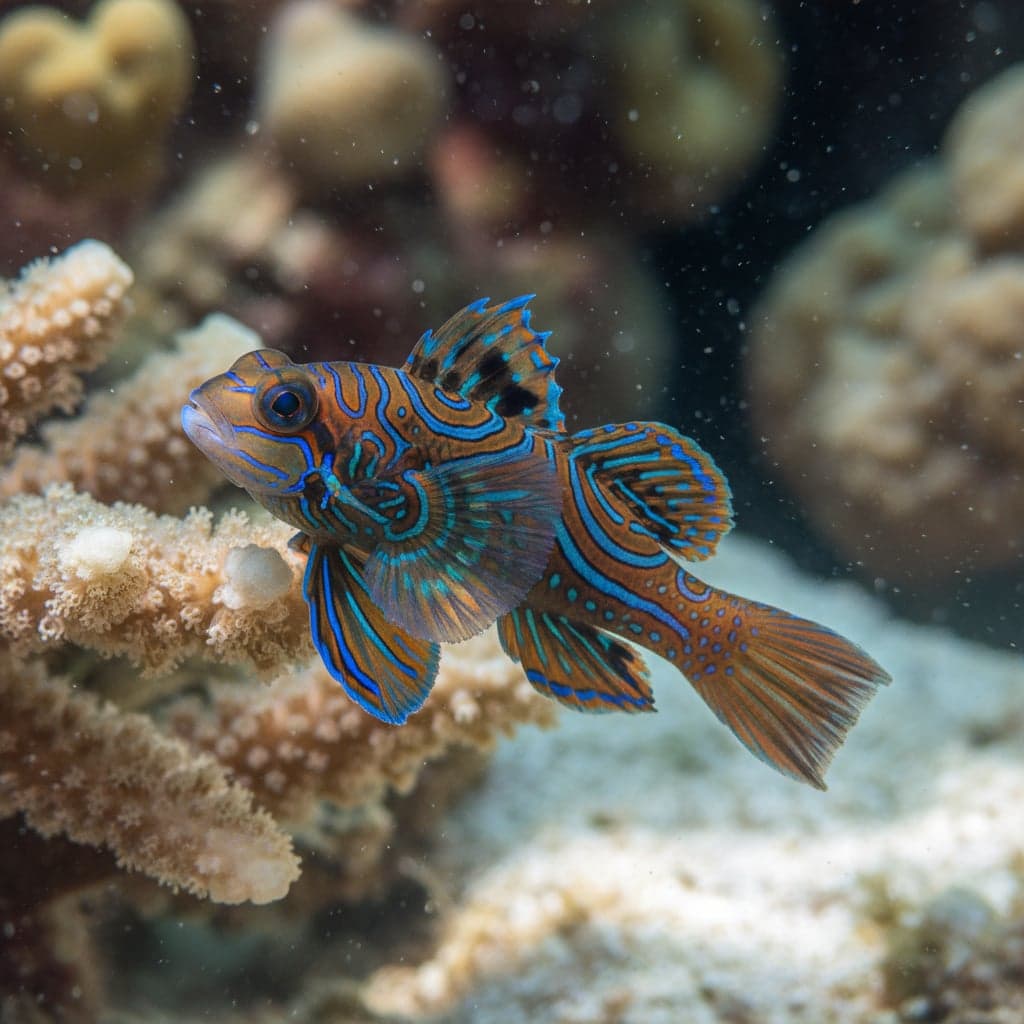
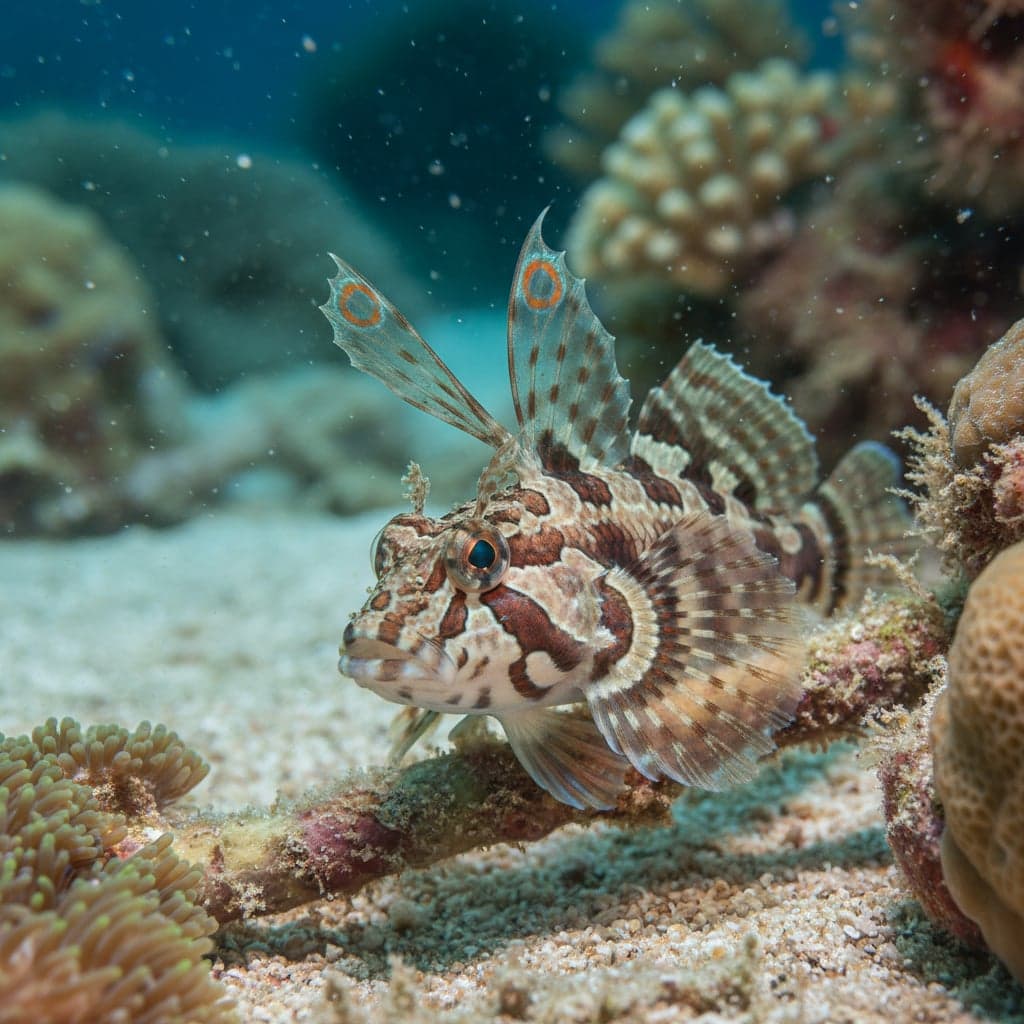
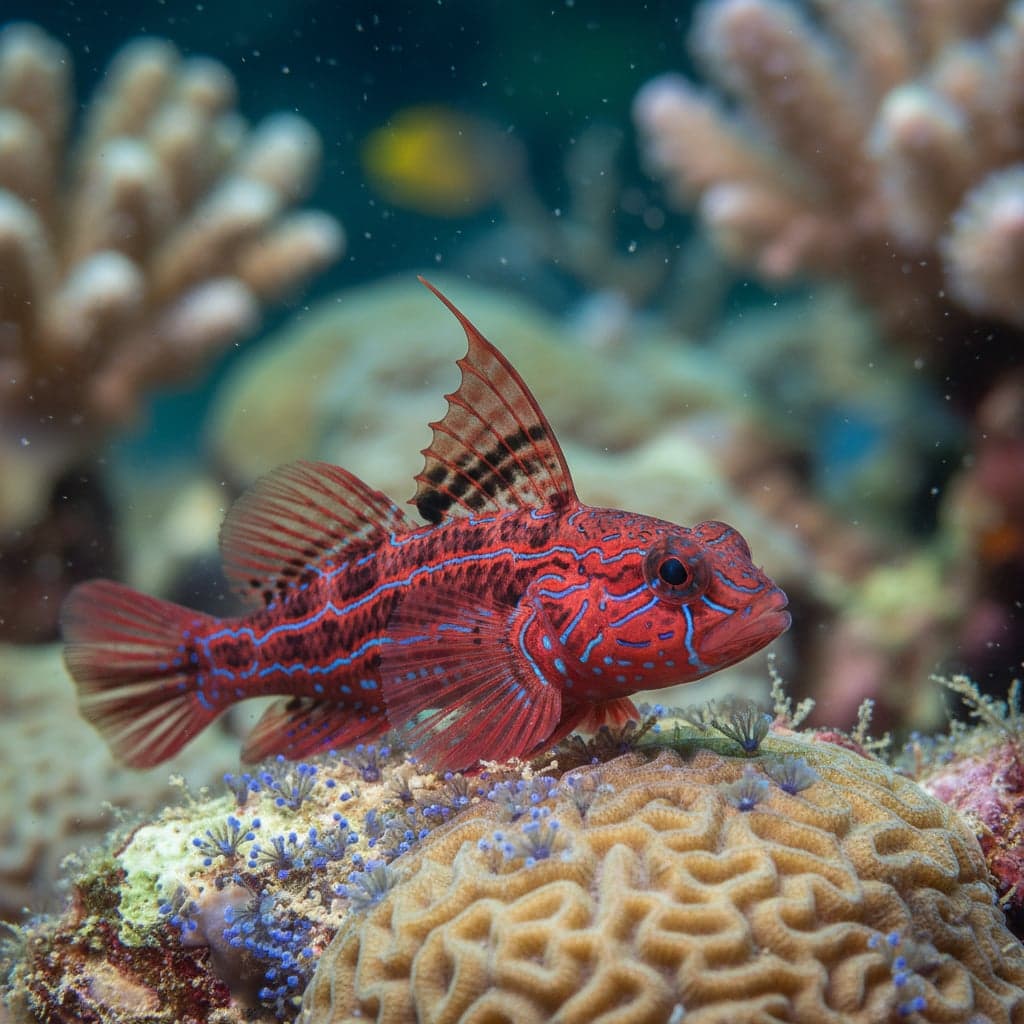
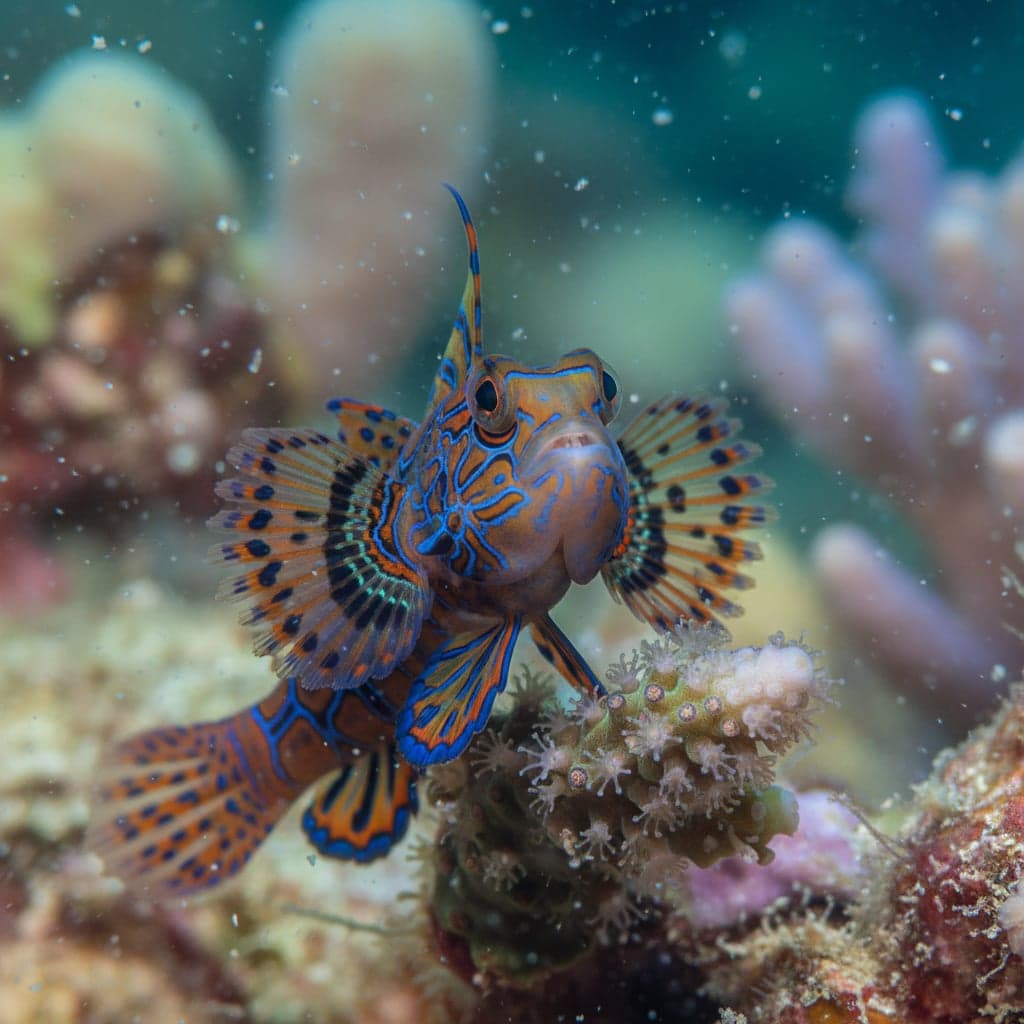
The Spotted Mandarin (Synchiropus picturatus) is a captivating marine fish celebrated for its stunning coloration and intricate patterns. Possessing a dazzling array of vibrant hues including blues, greens, and yellows, this species displays a series of unique spots that contribute to its visual appeal. With a body shape reminiscent of a small dragon, this fish glides gracefully through the water, making it a striking focal point in any saltwater aquarium. As reef enthusiasts and aquarists covet this stunning creature not only for its beauty but also for its intriguing behavior, the Spotted Mandarin has earned a prominent place in the marine aquarium hobby.
Beyond their aesthetic allure, Spotted Mandarins play a significant role in their ecosystems as well as in the aquarium trade. These fish are often used as natural pest control within reef tanks, as they primarily feed on copepods and other small invertebrates. Their introduction to home aquariums contributes to a balanced ecosystem by controlling undesirable pest populations. However, they are also sensitive to changes in their environment, making proper care essential for keeping them happy and thriving in captivity.
Natural Habitat & Origin
The Spotted Mandarin is native to the Indo-Pacific region, specifically found in areas around the Great Barrier Reef, Palau, and other tropical regions of the Pacific Ocean. These fish inhabit various coastal environments, usually residing in shallow waters of lagoons and coral reefs. Spotted Mandarins tend to prefer areas with sandy substrates that support an abundance of small invertebrates, which are crucial to their diet. The water conditions in these regions are typically clear with good water flow, which helps maintain the necessary levels of dissolved oxygen and nutrient availability.
In their natural habitat, Spotted Mandarins are often found among coral and rock formations, where they can find shelter and forage for food. The clarity of the water is essential for their behavior as they exhibit a territorial nature, often maintaining small feeding territories. These conditions highlight the importance of replicating their natural environment closely in home aquariums to ensure their health and well-being.
Care Requirements
To create a suitable environment for Spotted Mandarins, it's essential to maintain specific water parameters. The ideal pH range is between 8.1 and 8.4, with a temperature range of 72°F to 78°F (22°C to 26°C). Hardness should be maintained at approximately 8-12 dGH. Given their sensitive nature, stable water quality is crucial; thus, regular water changes and excellent filtration are highly recommended.
In terms of tank setup, a minimum tank size of 120 litres (about 32 gallons) is advised — this 7cm Synchiropus picturatus needs a mature, copepod-rich reef more than raw swimming space. The substrate should be soft and sandy, allowing them to burrow and explore. Incorporating live rock and coral structures will create hiding spots and lower stress levels. Moderate lighting conditions are ideal as Spotted Mandarins are more adapted to dimly lit environments of a reef. Adding live plants like macroalgae can help recreate their natural habitat while also providing a source of food.
Diet & Feeding
Spotted Mandarins are primarily carnivorous, relying on a diet rich in small live foods. Their natural diet consists mostly of copepods, amphipods, and other tiny invertebrates. In captivity, it’s vital to replicate this diet by offering high-quality live foods. While they can eat frozen foods like mysis shrimp and copepods, the most successful feeding strategy involves supplementing their diet with live foods regularly. High-quality frozen or freeze-dried options can also be introduced, but they should be enriched with vitamins and necessary nutrients.
Aquarists are encouraged to use mandarin-specific preparations or products designed to cultivate copepod populations within the tank. To promote a healthy feeding regimen, offer food several times a day in small quantities to mimic their natural foraging behavior. Avoid relying solely on flakes or pellets, as these are often rejected by Spotted Mandarins.
Behavior & Temperament
The Spotted Mandarin exhibits a peaceful temperament, making it suitable for community aquariums. However, they are not shoaling fish and prefer to establish their own territories. Their unique swimming style involves darting movements, which can be captivating to observe, especially as they peruse the tank for food. Although not aggressive, they may display territorial behavior towards their own kind, particularly in smaller setups.
In terms of tank placement, Spotted Mandarins tend to inhabit the mid to lower regions of the aquarium. Providing ample hiding spots and structures enables them to feel secure while maintaining their individual territories. Their calm demeanor makes them ideal companions for reef environments that consist of non-aggressive species.
Tank Mates
When selecting tank mates for Spotted Mandarins, consider compatible reef-safe fish and invertebrates. Ideal tank mates include other peaceful species such as clownfish, gobies, and small blennies. Encouraging the presence of cleaner shrimp and small crabs can also help maintain a healthy ecosystem within the aquarium.
Species to avoid include aggressive fish capable of intimidating or harming the Spotted Mandarin, such as wrasses, hawkfishes, or angelfish. Additionally, avoid keeping multiple Mandarins in a small space, as they can become territorial and aggressive toward each other. Proper tank mate selection is crucial for ensuring a harmonious environment.
Breeding
Breeding Spotted Mandarins in captivity poses a challenge as they exhibit specific spawning behaviors tied to their natural environment. This species is known to spawn in pairs, often during the early morning hours. Successful breeding generally requires a larger, specialized setup to induce the right conditions.
To achieve successful breeding, maintaining high water quality and replicating natural light cycles will create optimal conditions. Additionally, having a well-established live rock environment filled with an ample supply of small invertebrates is essential for spawning and fry development. Users interested in breeding should also consider mature pairs that are already conditioned to spawn.
Common Health Issues
Spotted Mandarins can be prone to several common health issues, including ich (marine white spot disease), velvet disease, and marine bacterial infections. Proper quarantine procedures, regular water testing, and maintaining excellent water quality can effectively prevent many of these health concerns.
Preventive measures also include ensuring they have access to a well-balanced diet, as nutrition plays a significant role in enhancing their immune system. Keeping tank conditions stable and reducing stress factors will further minimize susceptibility to diseases, ensuring your Spotted Mandarin thrives in its aquarium habitat. Regular health checks, including observing behavior, feeding patterns, and physical appearance, can help detect any health issues early on.