Spotted Scat: Scatophagus argus
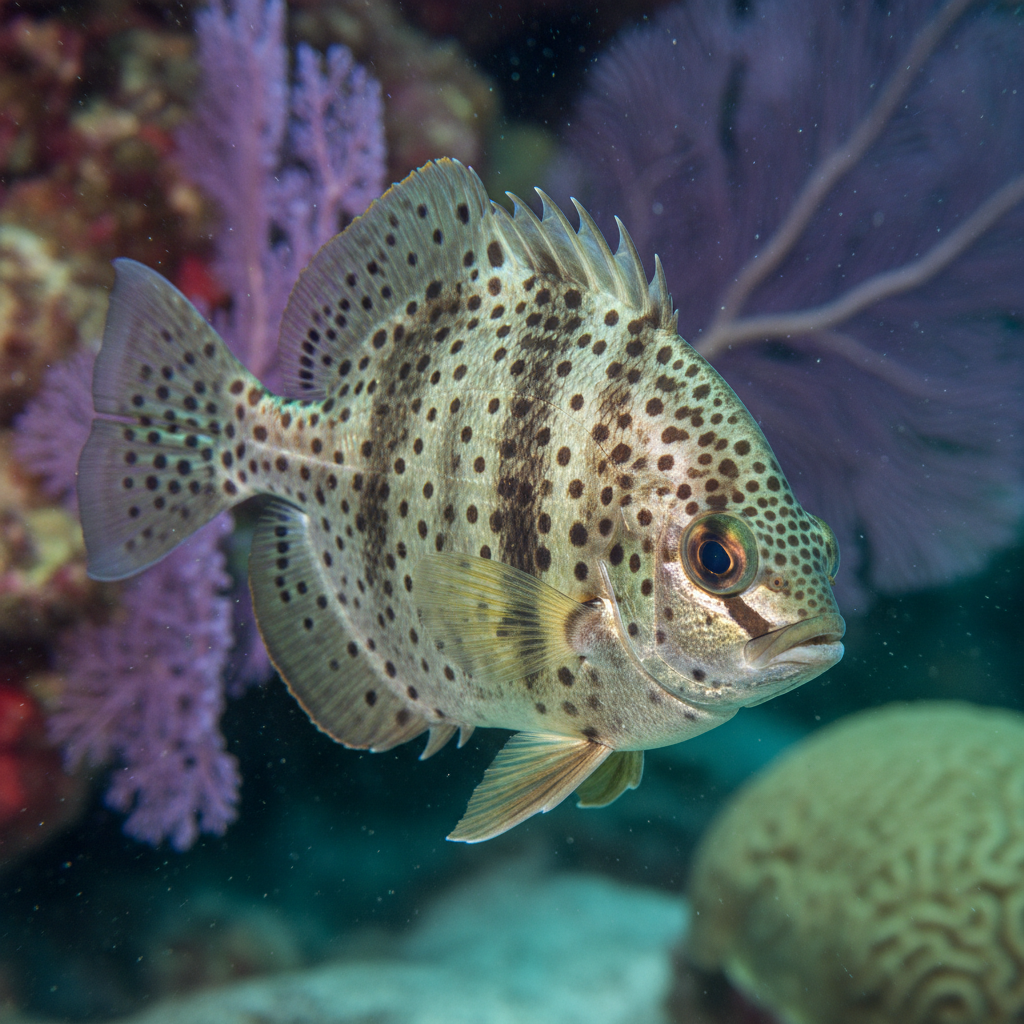
A spectacularly massive, hyper-active brackish water monster deeply covered in striking black panther-like spots.
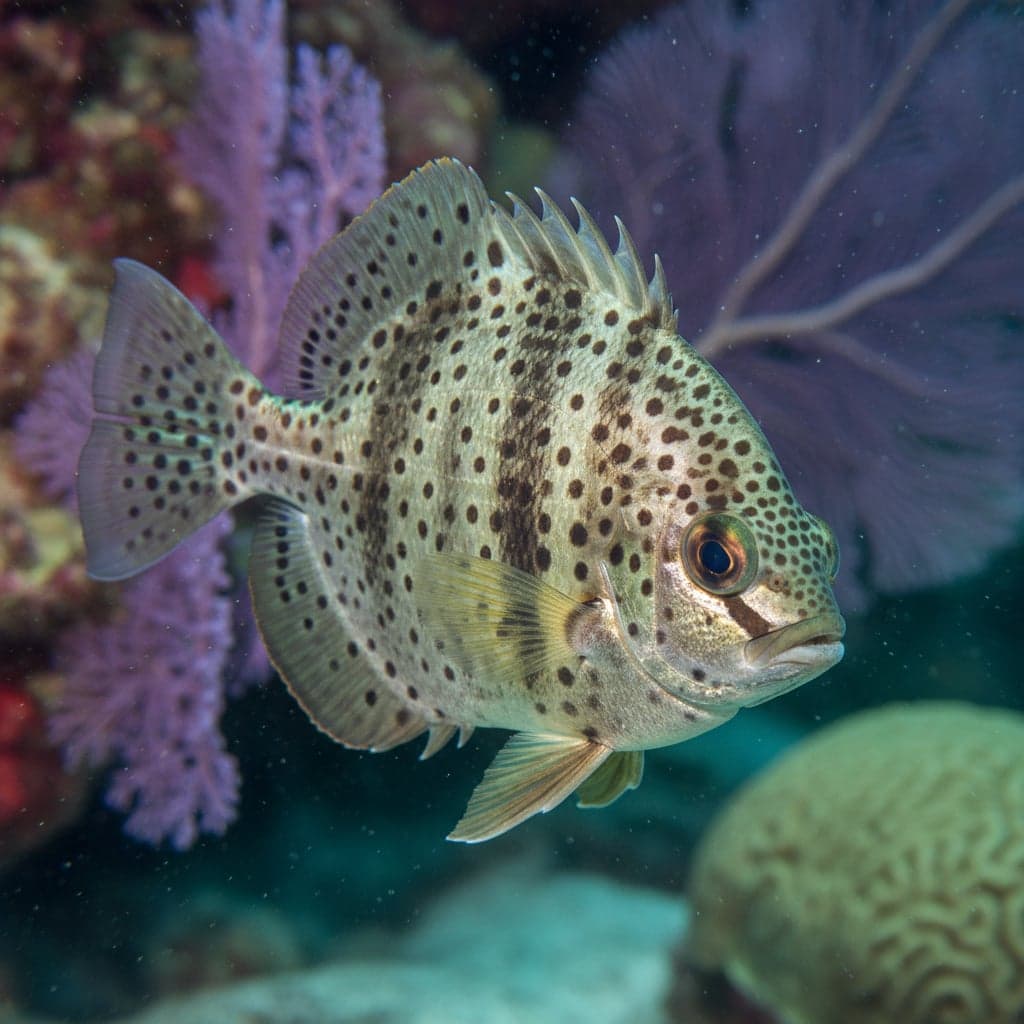
Spotted Scat
The Spotted Scat, scientifically known as Scatophagus argus, is a captivating species that draws attention with its unique blend of beauty and adaptability. Known for its distinctive yellow-brown body adorned with dark spots and a slightly flattened shape, this fish is a visual delight in any freshwater aquarium setting. Its coloration can vary from light to dark, allowing it to blend into its natural surroundings, making it an intriguing addition for both novice and experienced aquarists. The Spotted Scat can reach sizes of up to 12 inches, making it an impressive centerpiece in larger aquarium displays.
In the aquarium hobby, the Spotted Scat is cherished not only for its stunning appearance but also for its hardiness and adaptability to a range of water conditions. This fish is particularly significant due to its unique role as a brackish water inhabitant, transitioning between saltwater and freshwater environments in its natural habitat. This adaptability provides hobbyists with the opportunity to maintain this fascinating species alongside other brackish and freshwater fish, enriching the biodiversity of their setups.
Natural Habitat & Origin
The Spotted Scat is native to various brackish and freshwater rivers, estuaries, and coastal regions across Southeast Asia, including countries like Indonesia, Malaysia, and the Philippines. In the wild, it thrives in shallow waters with a mix of saline and freshwater, often found among mangroves or sandy bottoms. The Spotted Scat prefers habitats characterized by slow-moving waters and areas with plentiful vegetation, which not only provides shelter but also serves as a source of food.
This species is particularly adapted to environments with fluctuating salinity levels and is often encountered in regions affected by monsoons or seasonal flooding. The diverse ecological conditions impact its physiological adaptations, allowing the Spotted Scat to tolerate variances in water quality, making it a resilient option for aquarium settings mimicking these natural conditions.
Care Requirements
For successful care of the Spotted Scat, it's essential to replicate its natural habitat as closely as possible. The ideal water parameters for this species include a pH range of 6.5 to 8.5, moderately hard water with a hardness level of 10-20 dGH, and a temperature range between 75°F to 82°F (24°C to 28°C). A minimum tank size of 50 gallons is recommended due to its potential adult size and active nature. The aquarium should be furnished with a sandy substrate to mimic its natural bottom-dwelling habits, along with various hiding spots created by driftwood, caves, and rocks.
Lighting should be moderate, with the addition of live plants such as Java fern or Anubias to enhance aesthetics and provide additional cover. Providing areas of shade and open swimming space can help reduce stress, allowing the Spotted Scat to thrive in a well-balanced aquatic ecosystem.
Diet & Feeding
The Spotted Scat is classified as an omnivore, thriving on a diverse diet that should mimic its natural food sources. In captivity, it benefits from a diet that includes high-quality flakes or pellets specifically designed for herbivorous and omnivorous fish. To ensure a balanced diet, it's beneficial to incorporate frozen or live foods such as bloodworms, brine shrimp, and daphnia, which are rich in proteins and essential fatty acids. Additionally, blanched vegetables, such as zucchini or spinach, can be offered to provide necessary nutrients and fiber.
It's critical to monitor feeding habits, ensuring that food is consumed within a short period to maintain water quality and prevent any uneaten food from decaying. Regularly varying the diet will contribute to the overall health and vibrant coloration of the Spotted Scat, promoting a more dynamic and engaging aquarium environment.
Behavior & Temperament
In terms of social behavior, the Spotted Scat is known for its peaceful and relatively calm temperament, making it an excellent candidate for community tanks. This species typically enjoys the company of its own kind and is best kept in small groups to promote natural schooling behavior. While they are mildly territorial, especially during feeding times, they do not exhibit aggressive tendencies towards other fish unless overcrowded or stressed.
Spotted Scats are generally mid to bottom dwellers but will venture vertically as well when swimming. Due to their social nature, it's advisable to provide ample swimming space and avoid overcrowding to minimize competition and aggression among tank mates.
Tank Mates
When selecting tank mates for the Spotted Scat, it's essential to choose species that share similar water conditions and temperamental traits. Ideal companions include other peaceful fish such as Rainbowfish, Barbs, Tetras, and smaller Cichlids. Larger community fish like Gouramis or similarly sized Catfish can also coexist harmoniously with Spotted Scats.
However, it is advisable to avoid keeping them with aggressive species, particularly those known for fin-nipping, such as some Cichlids and Tetras. Additionally, smaller fish that may be seen as prey, such as Guppies or small Shrimp, should not be housed with Spotted Scats, given their size and dietary habits.
Breeding
Breeding the Spotted Scat in captivity can prove to be a challenge, but with the right conditions, it is possible. Spawning typically occurs in brackish water, necessitating a setup that mimics its natural environment, such as a breeding tank with a gentle water flow. The ideal conditions for breeding include stable temperatures around 78°F to 80°F (25°C to 27°C) and a slightly acidic to neutral pH (6.5 to 7.5).
To initiate breeding, soft substrates or spawning mats can be provided for the eggs. The male will court the female, followed by the actual spawning, where they release adhesive eggs that will adhere to surfaces in the tank. Post-hatching, fry will require suitable nursery conditions, including infusoria or finely crushed flakes as they grow before transitioning to larger food particles.
Common Health Issues
Despite being a hardy species, the Spotted Scat can be prone to specific health issues if not properly cared for. Common ailments include ich (white spot disease), fin rot, and external parasites. High-stress levels, poor water conditions, and inadequate nutrition can exacerbate these health problems.
Preventative measures include regular water testing and maintaining optimal conditions, along with ensuring a well-rounded diet. Quarantining new fish before introducing them to the main tank can also minimize the risk of disease. Should health issues arise, prompt treatment with appropriate medication or interventions is critical for recovery. Regular observation of behavior and physical condition can help catch problems early, ensuring a thriving aquatic environment for the Spotted Scat.